How to Make a Gorgeous Goldfish Pond in Your Backyard

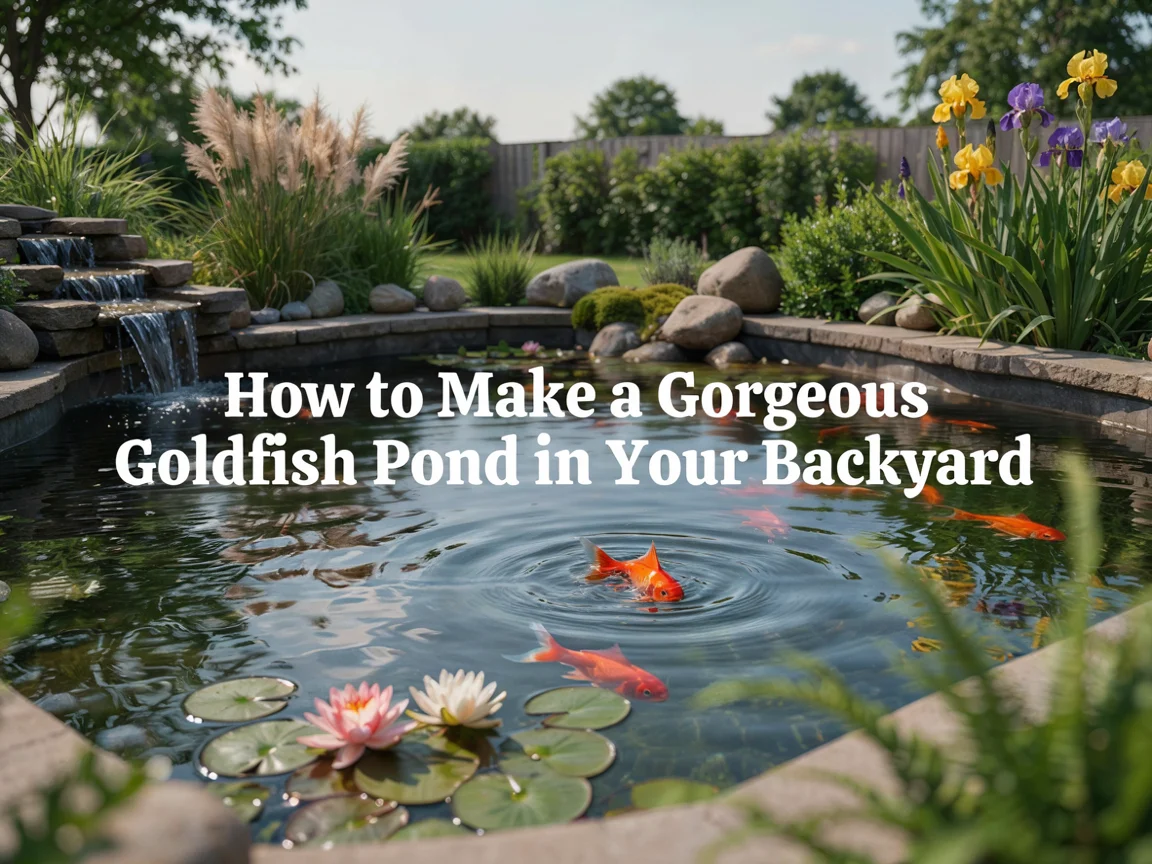
A well-built goldfish pond turns a quiet corner of the yard into a genuinely lively focal point, but getting it right takes more planning than just digging a hole and adding water. The steps below cover the full process, from sizing the pond correctly to keeping the water clear enough for fish to actually thrive in it long-term.
Choosing a Location With Partial Shade
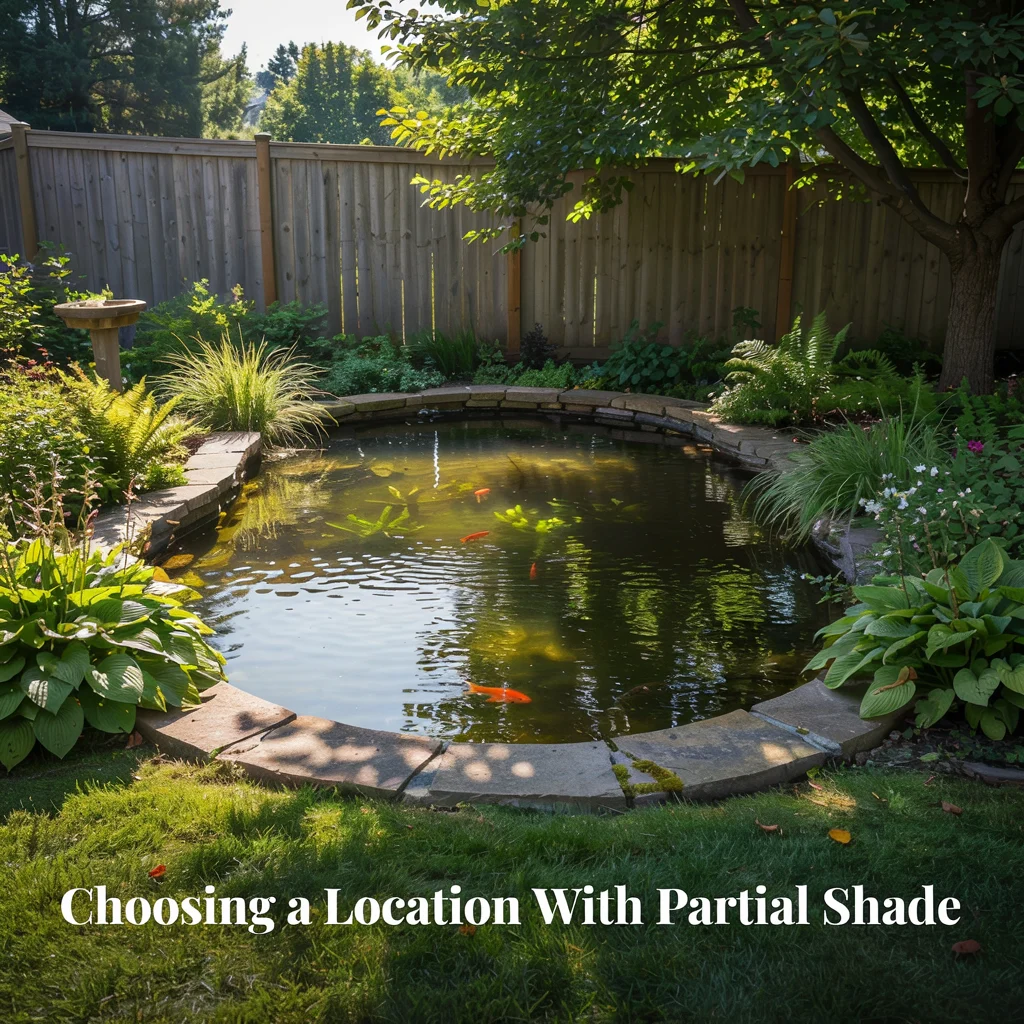
Choosing a location with partial shade sets goldfish up for a healthier environment from the start, since full, all-day sun tends to overheat the water and fuel excessive algae growth.
Why Full Sun Ponds Struggle With Algae More
Why full sun ponds struggle with algae more comes down to light exposure, since algae thrives on the same direct sunlight that a goldfish pond in full sun receives all day long.
Avoiding Sites Directly Under Deciduous Trees
Avoiding sites directly under deciduous trees prevents a different problem, since falling leaves in autumn can quickly foul water quality if they aren’t cleared out regularly.
Sizing and Digging the Pond Correctly
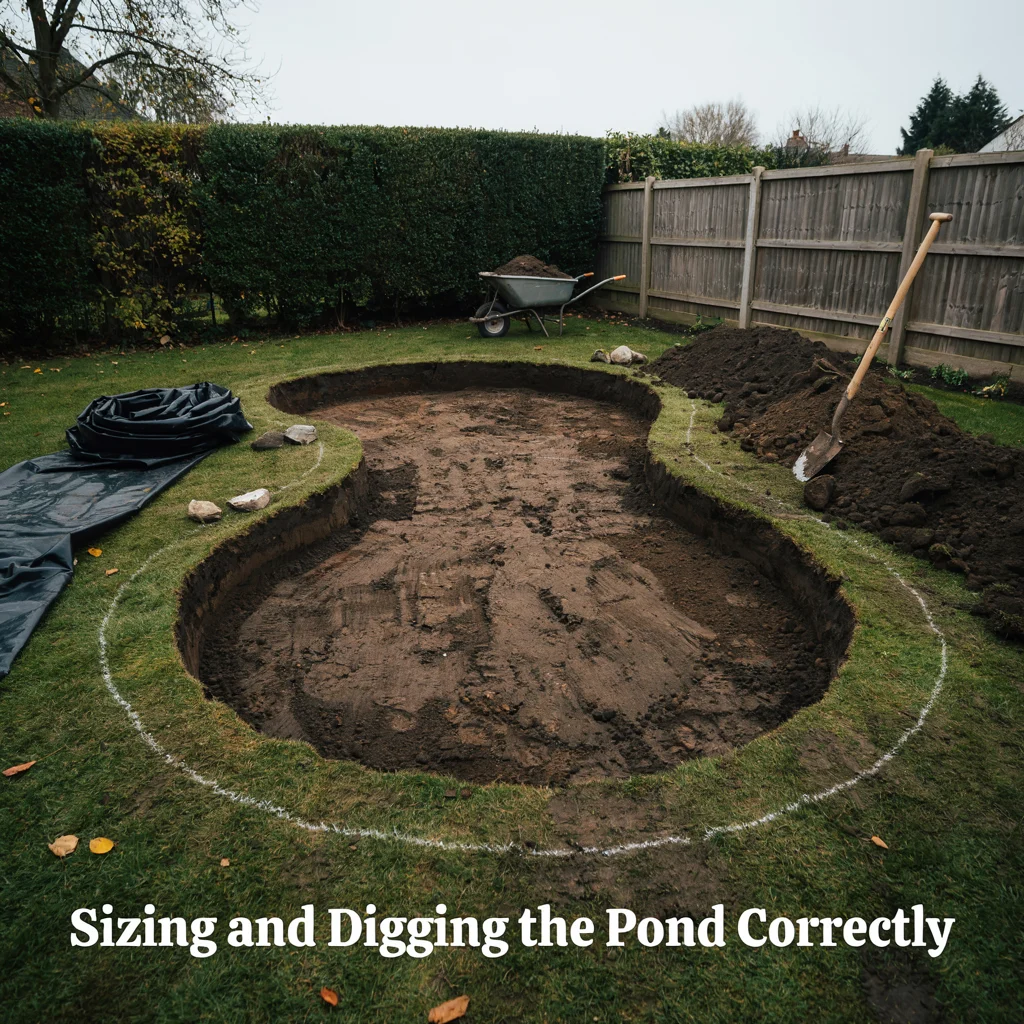
Sizing and digging the pond correctly matters more than most first-time pond builders expect, since a pond that’s too small or too shallow struggles to support fish through temperature extremes.
Why Goldfish Ponds Need at Least 2 Feet of Depth
Why goldfish ponds need at least 2 feet of depth comes down to temperature stability, since shallow water heats and cools too quickly and can freeze solid in colder climates, endangering fish.
Creating Shelf Areas for Marginal Plants
Creating shelf areas for marginal plants, shallower ledges around the pond’s perimeter, gives water plants a place to root without needing them to grow at full pond depth.
Installing a Liner and Underlayment
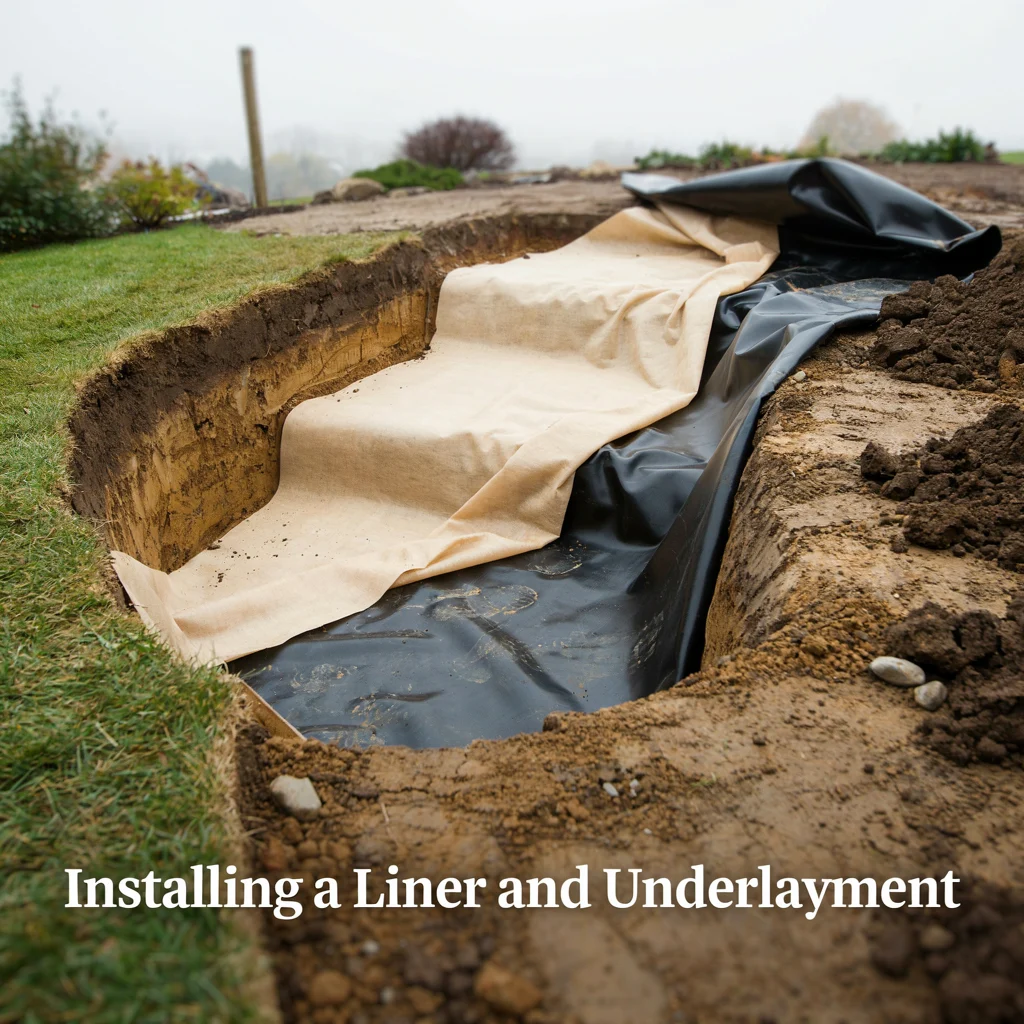
Installing a liner and underlayment protects the pond from leaks and punctures, with the underlayment specifically cushioning the liner against sharp rocks or roots in the surrounding soil.
Choosing Between Flexible Liner and a Preformed Shell
Choosing between flexible liner and a preformed shell depends on the desired shape, with flexible liner allowing custom pond shapes and preformed shells offering a quicker, simpler installation.
Why Underlayment Prevents Costly Long-Term Leaks
Why underlayment prevents costly long-term leaks comes down to protecting the liner itself, since even a small puncture from a buried rock can lead to slow, hard-to-locate leaks over time.
Adding a Filtration and Aeration System
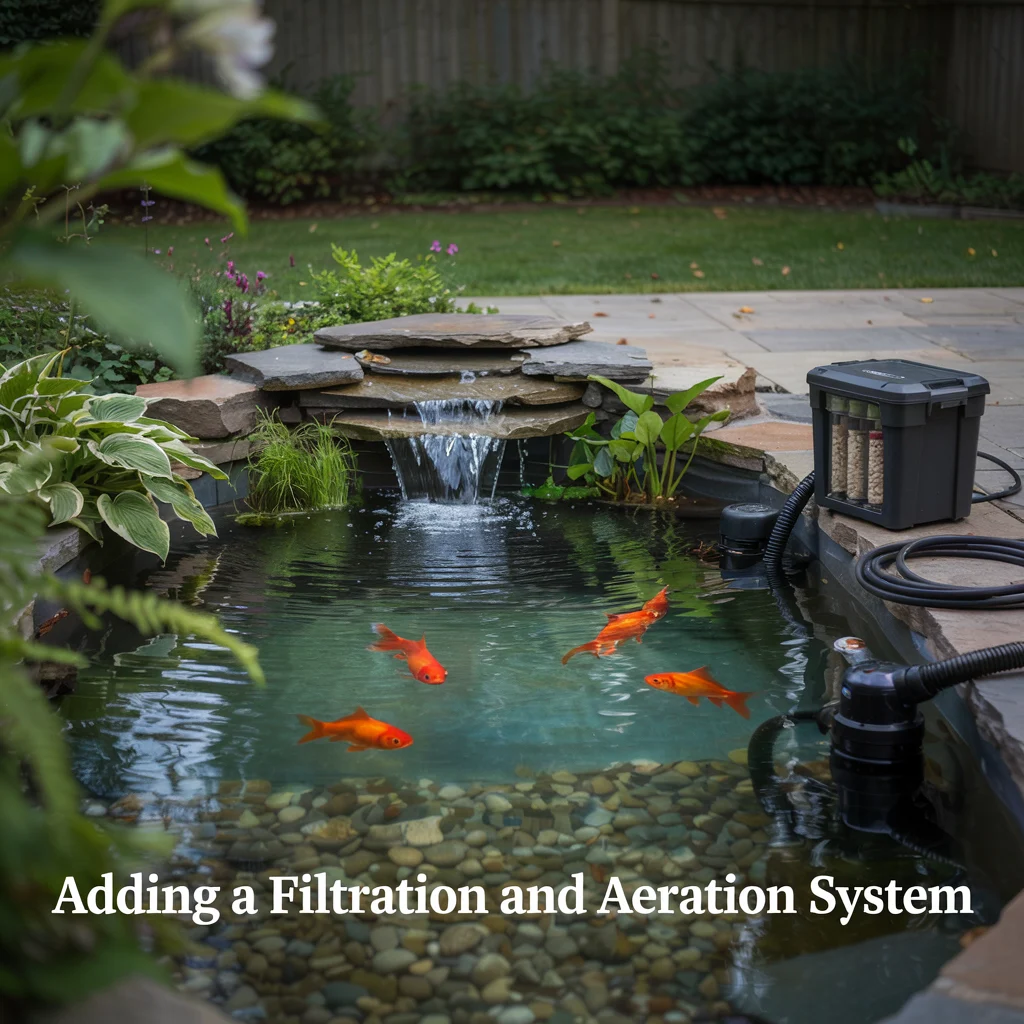
Adding a filtration and aeration system is essential for keeping goldfish healthy, since these fish produce a meaningful amount of waste that needs ongoing biological filtration to break down safely.
Why Goldfish Ponds Need Both Mechanical and Biological Filtration
Why goldfish ponds need both mechanical and biological filtration comes down to water quality, with mechanical filtration removing debris while biological filtration converts fish waste into less harmful compounds.
How a Pump-Driven Waterfall or Fountain Adds Oxygen
How a pump-driven waterfall or fountain adds oxygen comes from surface agitation, which increases oxygen exchange at the water’s surface and benefits both fish health and water clarity.
Planting Both Submerged and Marginal Water Plants
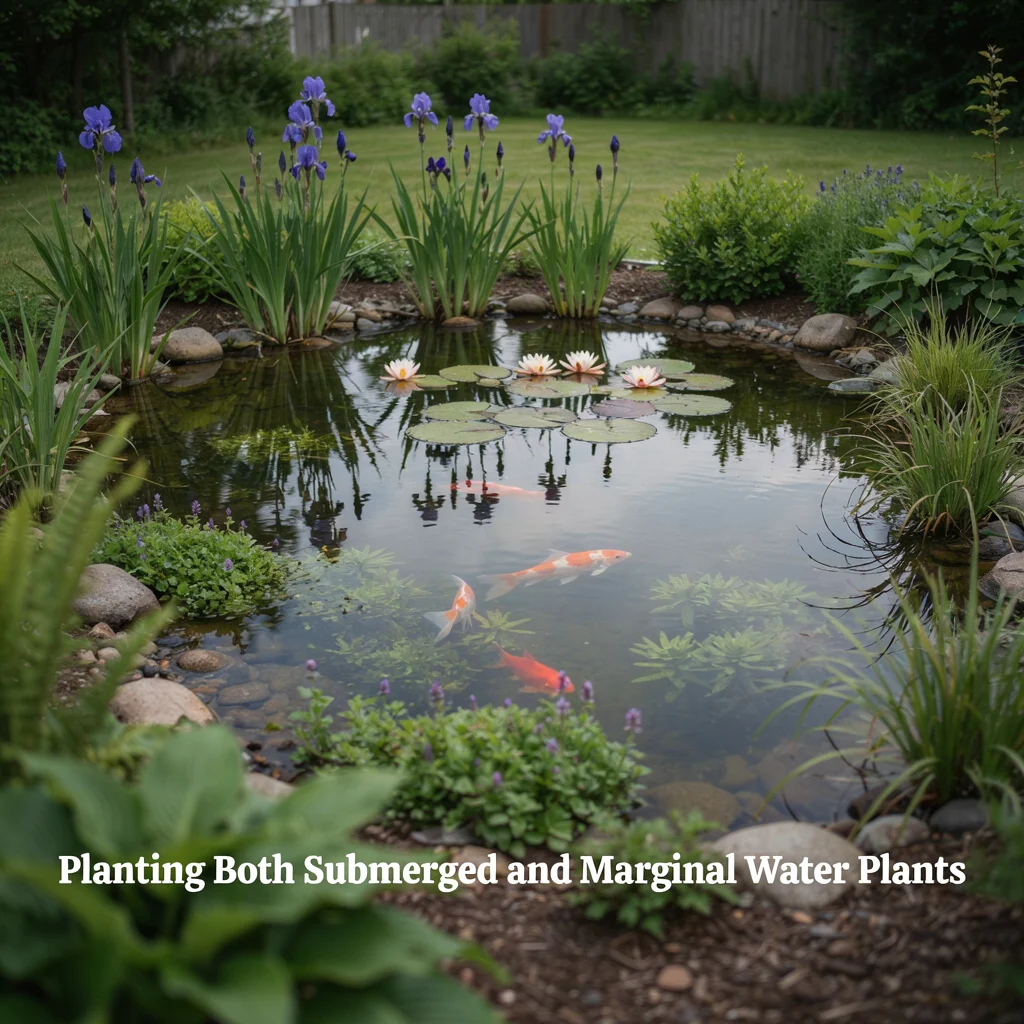
Planting both submerged and marginal water plants gives a goldfish pond natural filtration and shade, while also providing fish with places to hide and feel secure.
Why Submerged Oxygenating Plants Matter for Water Clarity
Why submerged oxygenating plants matter for water clarity comes down to their role in absorbing excess nutrients that would otherwise fuel algae growth in the water.
Choosing Marginal Plants for the Pond’s Edge
Choosing marginal plants for the pond’s edge, such as iris or rush planted on the shallow shelf, softens the hard line between water and surrounding landscape while adding natural filtration.
Introducing Goldfish Gradually and Safely
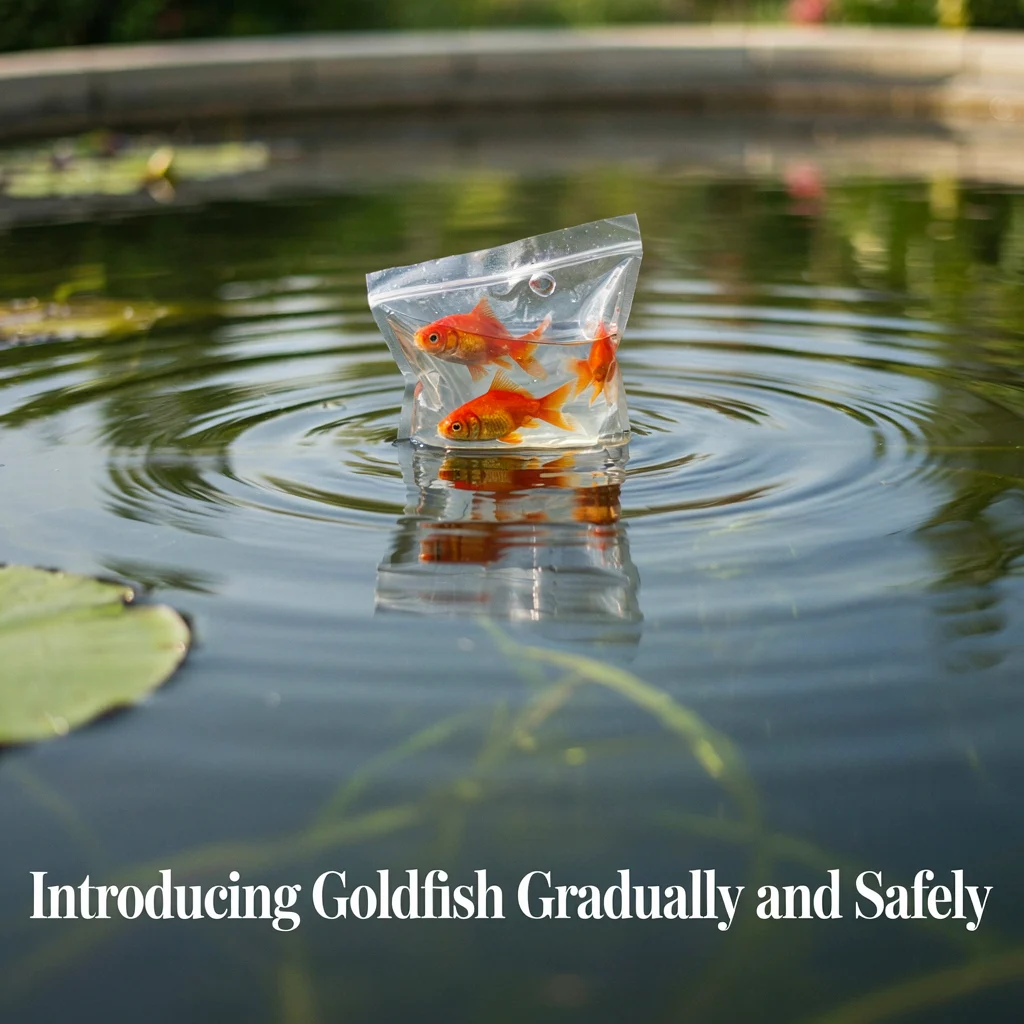
Introducing goldfish gradually and safely once the pond’s water chemistry has stabilized prevents the shock that can stress or kill fish added too soon after a pond is first filled.
Why New Ponds Need Time to Cycle Before Adding Fish
Why new ponds need time to cycle before adding fish comes down to establishing the beneficial bacteria that process fish waste, a process that generally takes several weeks in a newly filled pond.
Acclimating Fish to New Water Temperature Slowly
Acclimating fish to new water temperature slowly, by floating the bag they arrived in on the pond’s surface for a period before release, prevents temperature shock during introduction.
Maintaining the Pond Through the Seasons
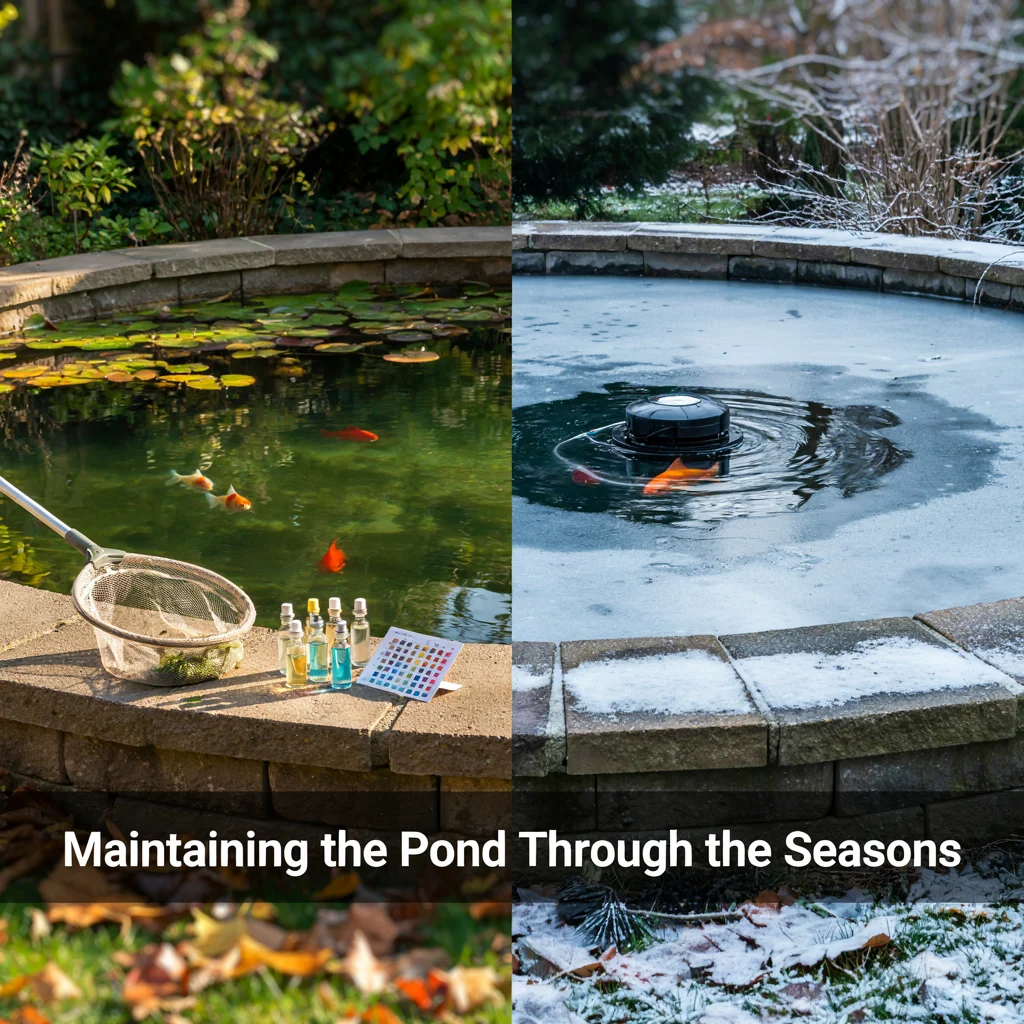
Maintaining the pond through the seasons keeps water quality stable and fish healthy year-round, with maintenance needs shifting noticeably between summer and winter.
Managing Algae and Water Clarity in Summer
Managing algae and water clarity in summer generally means balancing plant coverage, filtration, and occasional water testing to keep nutrient levels from spiking during the warmest months.
Protecting Fish and Equipment Through Winter
Protecting fish and equipment through winter, including keeping a small area ice-free for gas exchange in colder climates, ensures goldfish survive dormancy safely until spring.
The Bottom Line
A genuinely gorgeous goldfish pond comes down to getting the fundamentals right from the start: adequate depth, proper filtration, a mix of submerged and marginal plants, and patience before introducing fish. Skimping on any of these tends to show up later as algae problems or stressed, unhealthy fish, while getting them right upfront makes for a pond that’s genuinely low-maintenance once established.
For more on this, our guides on Cheap No Grass Backyard Ideas For a Low-Maintenance Garden, Couple’s DIY Backyard Stock Tank Pool, and Best Trees for Privacy in Your Backyard cover related ground. This pairs well with Budget Backyard Ideas Worth Trying, Backyard Fence Ideas Worth Considering, and Backyard Patio Plants for Small Backyards if you are planning further. Readers working on this often also check our guide to Relaxed Backyard Patios With Concrete.
Frequently Asked Questions
How Deep Does a Goldfish Pond Need to Be?
A goldfish pond should generally be at least 2 feet deep, and closer to 3 feet in colder climates, to maintain stable temperatures and prevent the pond from freezing solid in winter.
Do Goldfish Ponds Need a Pump and Filter?
Goldfish ponds genuinely need a pump and filtration system, since goldfish produce enough waste that untreated water quality would decline quickly without ongoing mechanical and biological filtration.
How Long Does It Take a New Pond to Be Ready for Fish?
A new pond typically needs several weeks to cycle and stabilize its water chemistry before it’s safe to add fish, even though the water may look clear much sooner.
Can Goldfish Survive Winter in an Outdoor Pond?
Goldfish can survive winter in an outdoor pond as long as it’s deep enough not to freeze solid and a small area of the surface is kept ice-free for gas exchange.
How Many Goldfish Can Live in a Small Backyard Pond?
The number of goldfish a small backyard pond can support depends on its size and filtration capacity, but a common guideline is roughly one inch of fish per square foot of surface water.