
30 Incredible Small Garden Design Ideas To Recreate

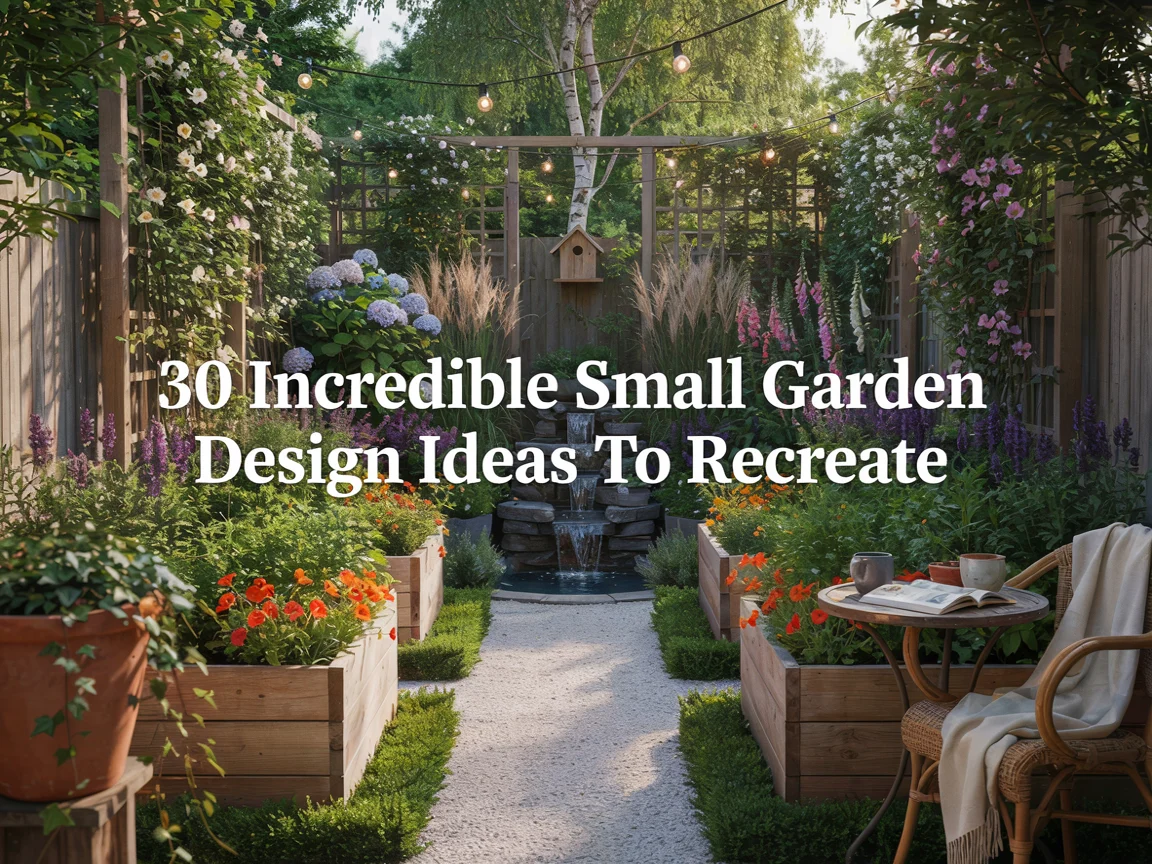
A small garden doesn’t have to feel cramped or like a compromise, since the right design choices can make a compact space feel just as intentional and full as a much larger yard. The 15 core ideas below each come with two practical ways to apply them, adding up to 30 genuinely useful ways to rethink a small garden.
Going Vertical to Multiply Usable Growing Space
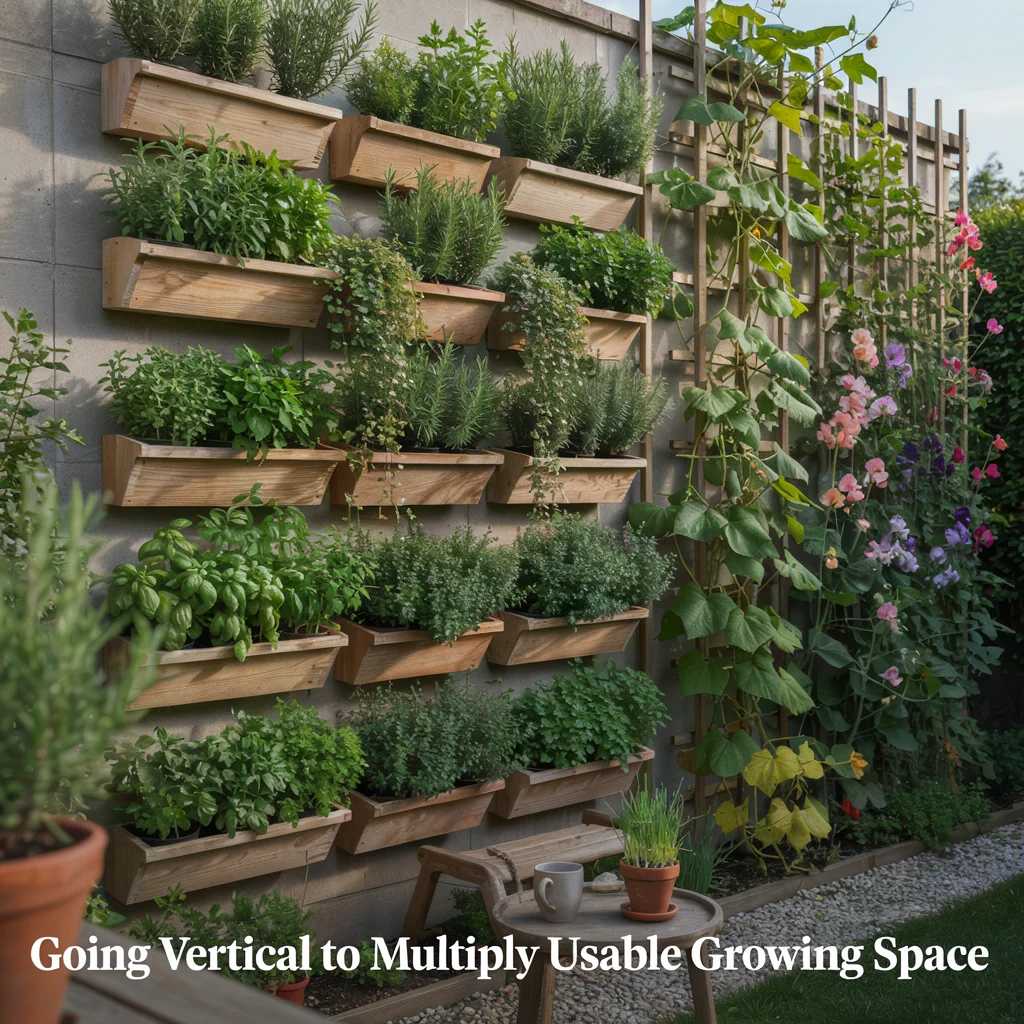
Going vertical to multiply usable growing space is one of the most effective small garden strategies, since wall-mounted planters and trellises add growing area without using any additional ground footprint.
Wall-Mounted Planters for Herbs and Trailing Plants
Wall-mounted planters for herbs and trailing plants turn a bare fence or wall into productive growing space, keeping the ground level clear for seating or pathways.
Trellises for Climbing Vegetables and Flowering Vines
Trellises for climbing vegetables and flowering vines let plants like beans, clematis, or sweet peas grow upward rather than sprawling across limited bed space.
Using Tiered or Raised Beds for Layered Interest
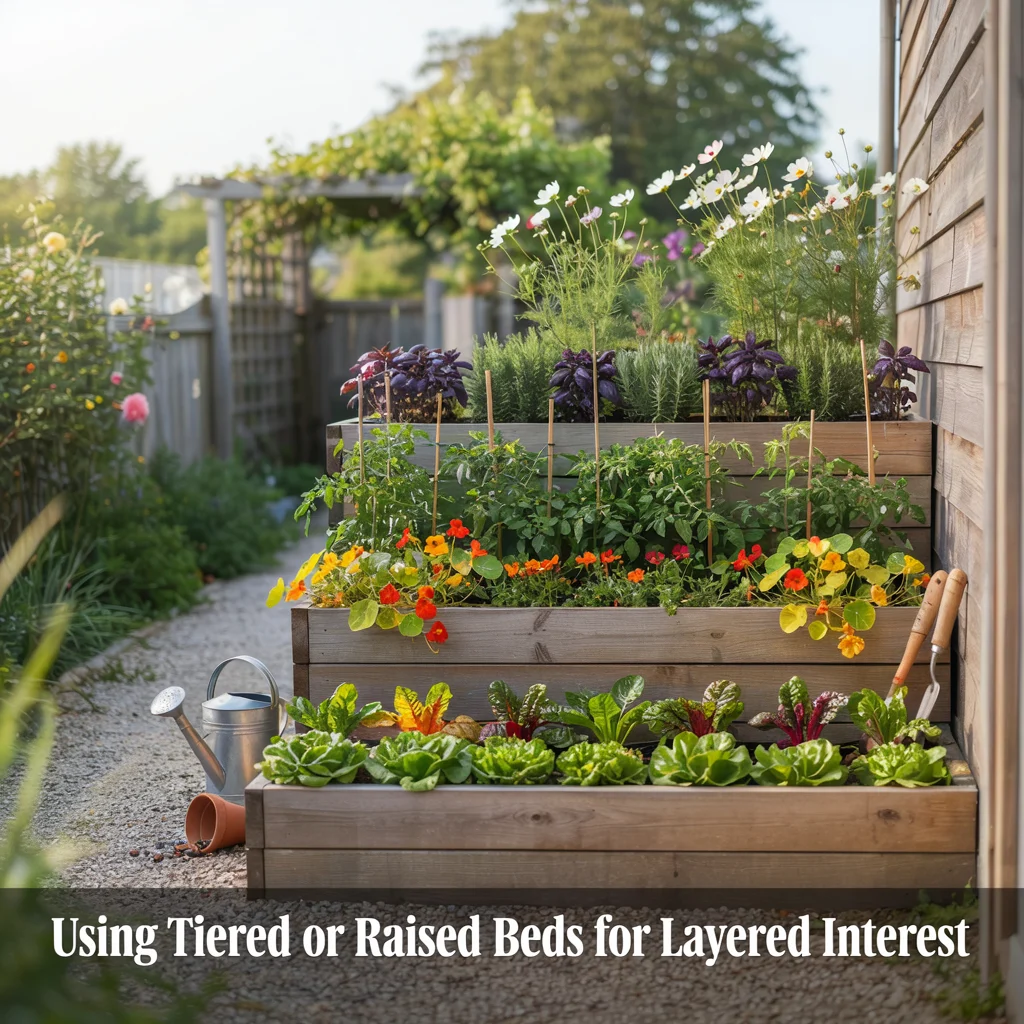
Using tiered or raised beds for layered interest adds visual depth to a flat, small garden while also improving drainage and making planting easier on the back.
Stacked Raised Beds on a Sloped Small Yard
Stacked raised beds on a sloped small yard turn an awkward grade change into a design feature, with each tier functioning as its own mini planting area.
Single Raised Beds to Define Planting Zones
Single raised beds to define planting zones give a small garden clear structure, separating vegetable growing space from ornamental beds without needing a large footprint.
Choosing a Single, Deliberate Focal Point
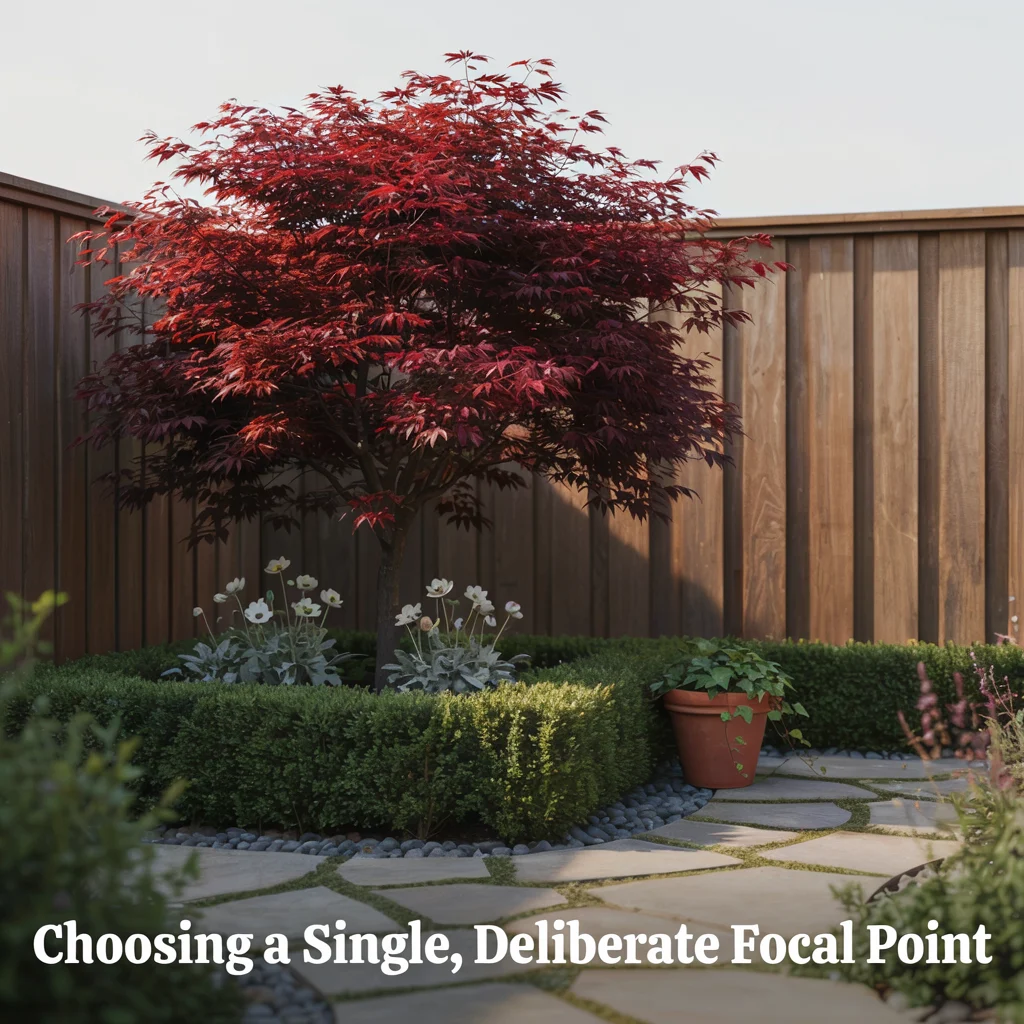
Choosing a single, deliberate focal point keeps a small garden from feeling cluttered, giving the eye one clear place to land rather than competing for attention across the whole space.
A Small Water Feature as a Calming Anchor
A small water feature as a calming anchor, even a compact fountain or bubbling urn, adds movement and sound without requiring much physical space.
A Single Specimen Tree or Sculptural Plant
A single specimen tree or sculptural plant, chosen for its unique form, gives a small garden a clear centerpiece around which everything else is arranged.
Using Mirrors to Visually Expand the Space
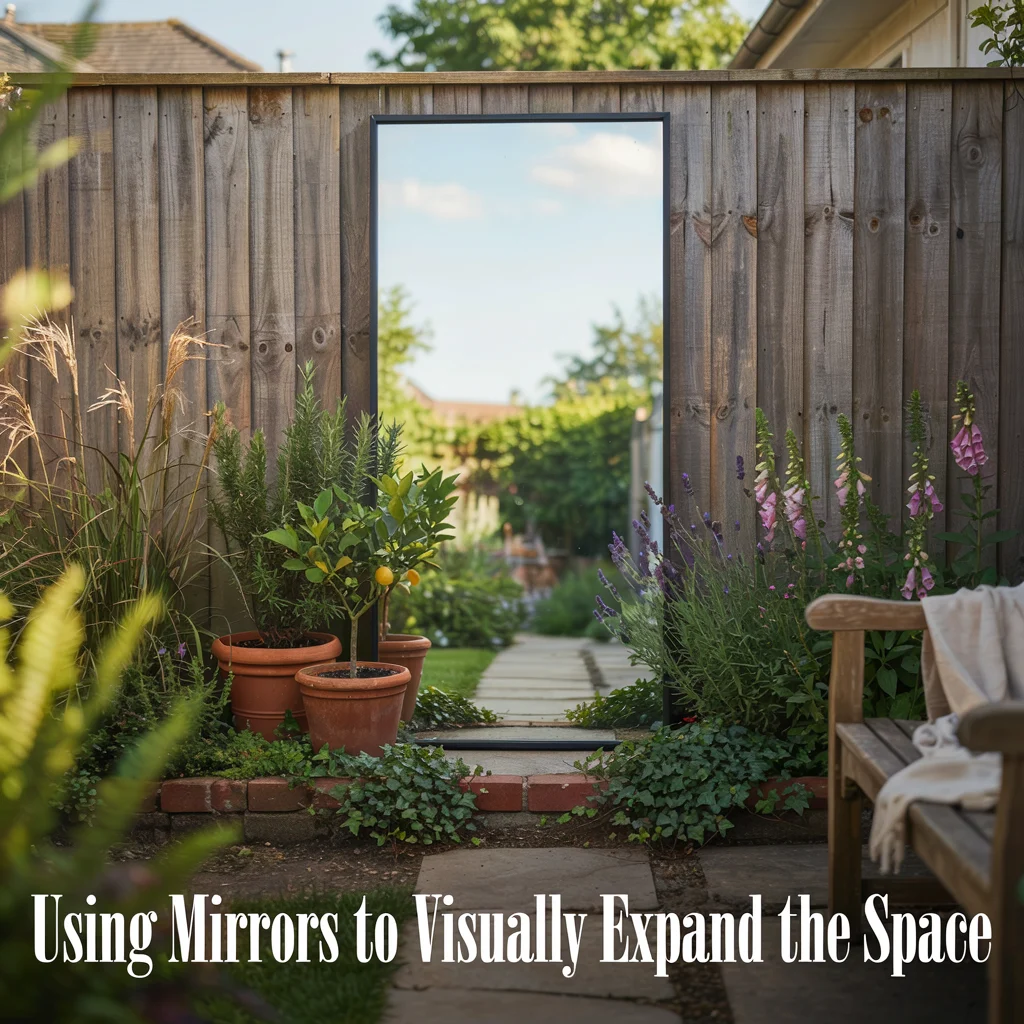
Using mirrors to visually expand the space is a classic small-garden trick, reflecting greenery and light in a way that makes a compact area feel noticeably larger.
Positioning a Mirror to Reflect Existing Greenery
Positioning a mirror to reflect existing greenery, rather than a fence or wall, maximizes the illusion of extended garden space.
Weatherproof Mirror Options for Outdoor Use
Weatherproof mirror options for outdoor use, specifically rated for exterior conditions, prevent the clouding or damage a standard indoor mirror would suffer outside.
Sticking to a Limited, Cohesive Color Palette
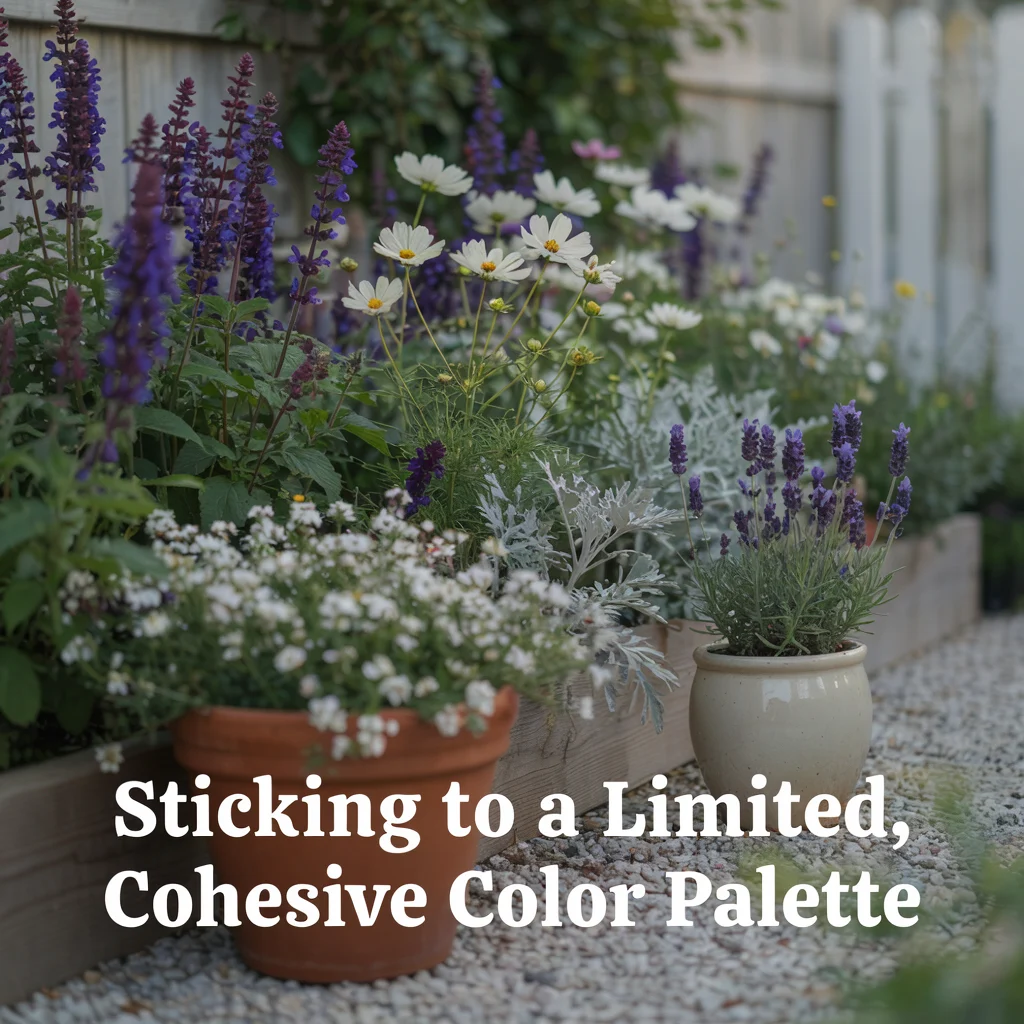
Sticking to a limited, cohesive color palette keeps a small garden from feeling visually busy, since too many competing colors in a tight space can make it feel smaller and chaotic.
Choosing Two or Three Anchor Colors for Flowers
Choosing two or three anchor colors for flowers, repeated throughout the space, creates a cohesive look that reads as intentional rather than accidental.
Using Foliage Color as a Quiet Neutral Backdrop
Using foliage color as a quiet neutral backdrop, leaning on greens and silvers between bloom cycles, keeps the space calm when flowers aren’t at their peak.
Defining a Clear Path Through the Space
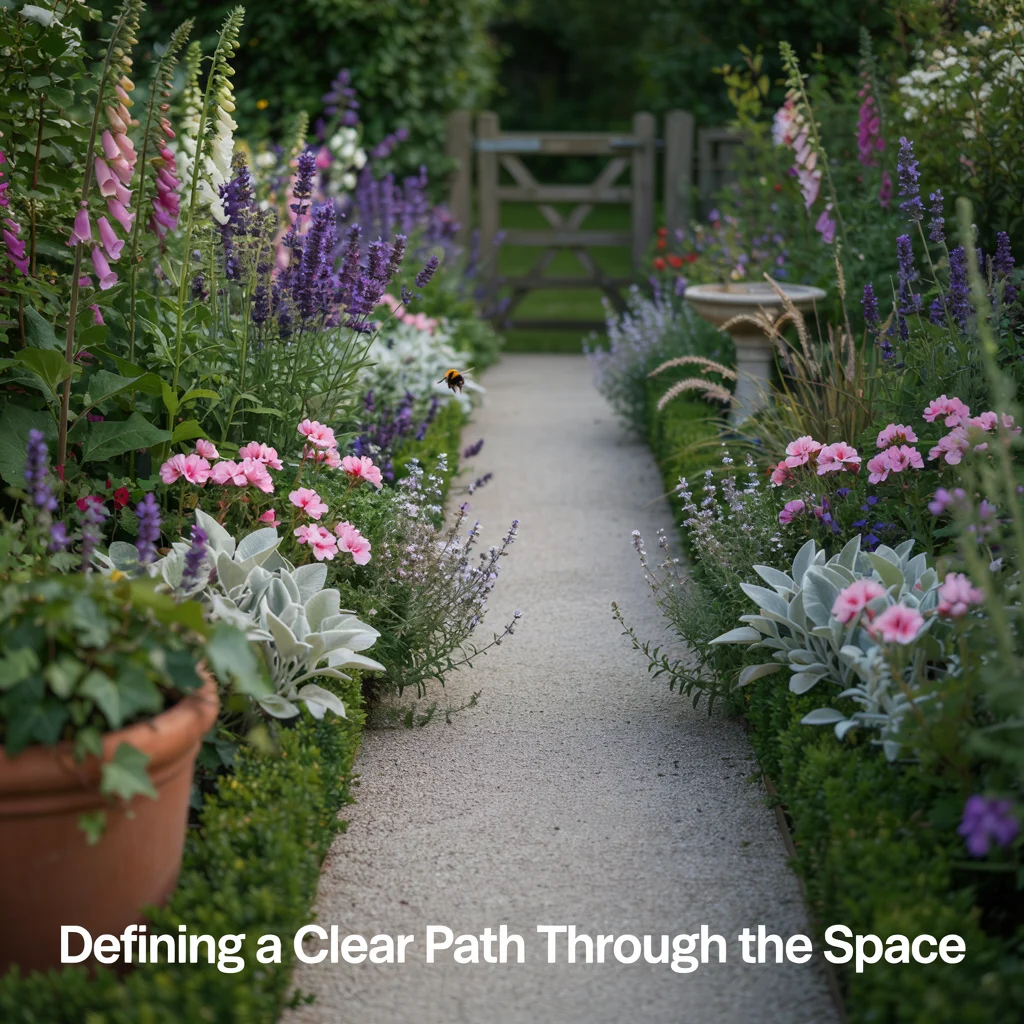
Defining a clear path through the space gives a small garden structure and makes it feel more like a series of intentional moments rather than one undifferentiated patch.
Stepping Stones to Break Up a Single Planting Bed
Stepping stones to break up a single planting bed create a sense of journey even across a genuinely small footprint.
A Narrow Gravel Path for a Cottage-Style Feel
A narrow gravel path for a cottage-style feel adds texture and definition while staying inexpensive and easy to install in a tight space.
Creating a Cozy, Defined Seating Nook
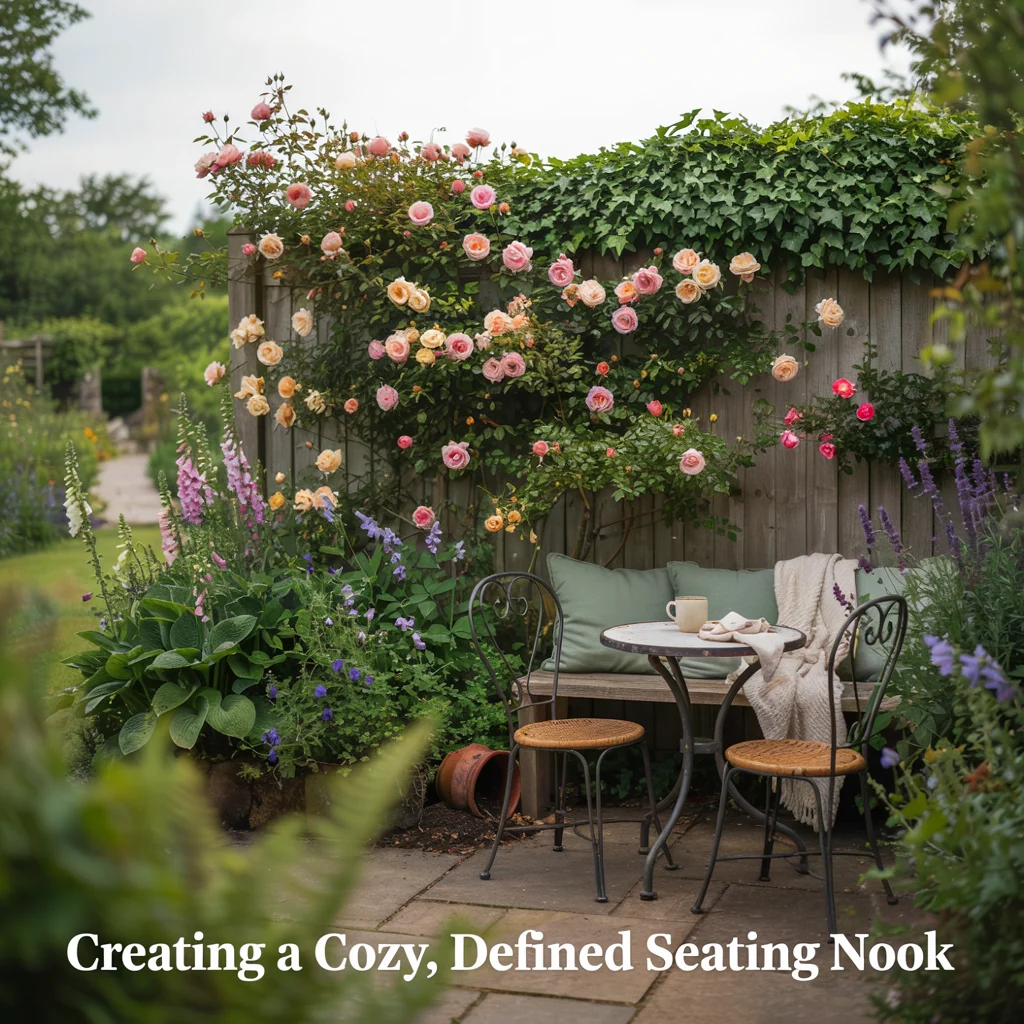
Creating a cozy, defined seating nook gives a small garden a genuine destination, rather than leaving the whole space feeling purely ornamental.
A Bistro Set Tucked Into a Corner
A bistro set tucked into a corner makes efficient use of limited square footage while still providing a real place to sit and enjoy the garden.
A Built-In Bench Along a Fence Line
A built-in bench along a fence line saves floor space compared with freestanding furniture while adding a permanent, intentional design element.
Layering Plant Heights for Depth
Layering plant heights for depth applies the same principle used in larger borders, just scaled down, using tall, medium, and low plants to create visual interest even in a small bed.
Using a Single Tall Plant as an Anchor
Using a single tall plant as an anchor at the back of a bed gives the layered look structure without overwhelming a compact space.
Filling the Front Edge With Low, Spilling Plants
Filling the front edge with low, spilling plants softens hard bed edges and completes the layered effect from front to back.
Using Containers to Add Flexibility
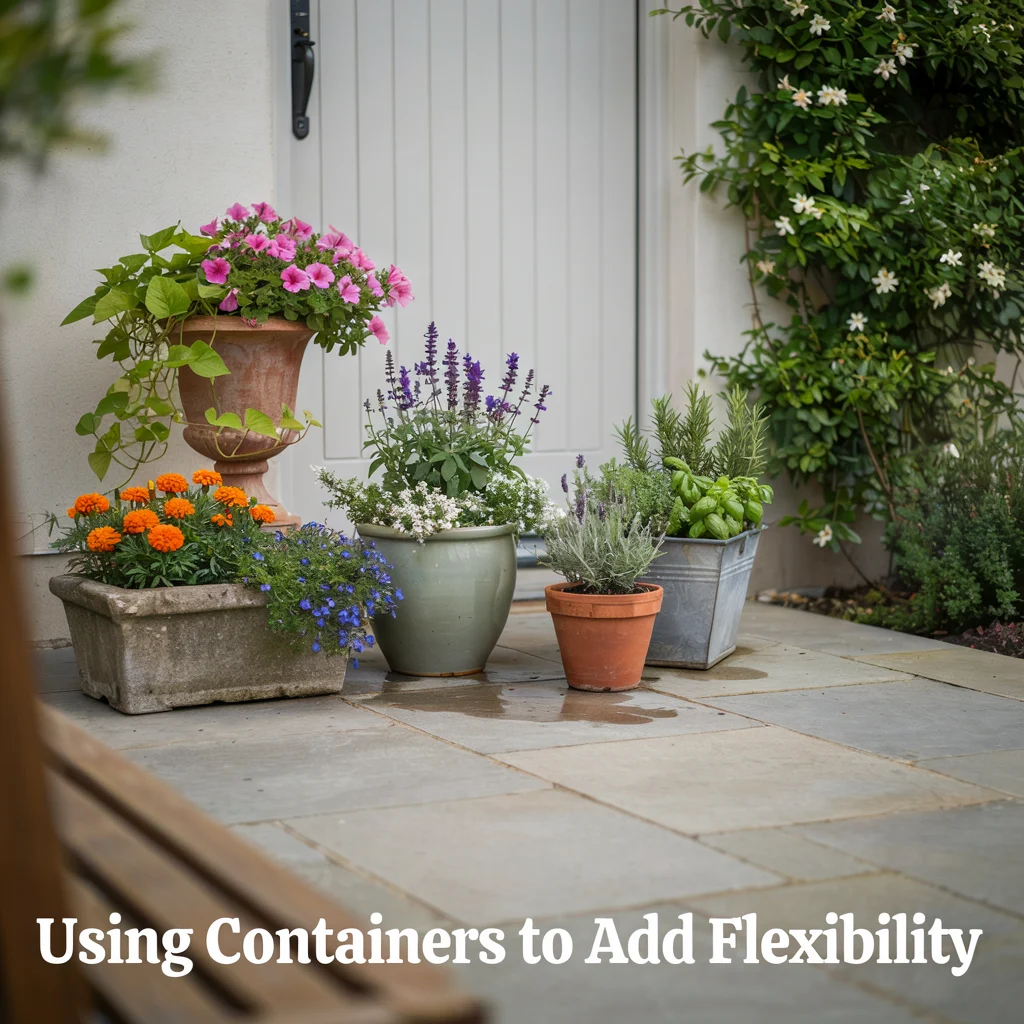
Using containers to add flexibility lets a small garden’s layout change with the seasons, since potted plants can be rearranged or swapped far more easily than in-ground plantings.
Grouping Odd Numbers of Pots for a Natural Look
Grouping odd numbers of pots for a natural look, generally three or five together, reads as more intentional than pairs or evenly spaced single pots.
Rotating Seasonal Containers Near the Entrance
Rotating seasonal containers near the entrance keeps a small garden feeling fresh throughout the year without disturbing permanent plantings.
Incorporating Multi-Purpose Structures
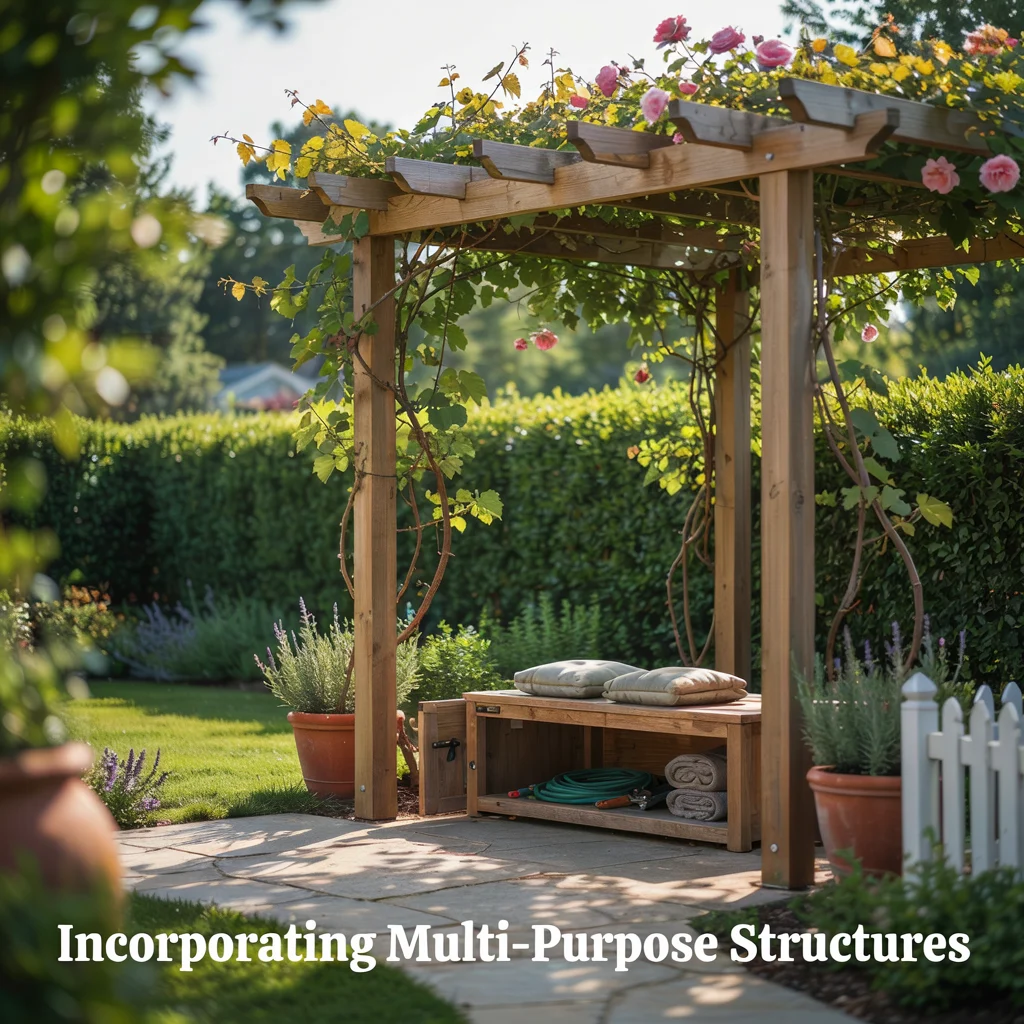
Incorporating multi-purpose structures makes the most of limited space, letting a single feature serve more than one function at once.
A Pergola That Provides Shade and Vertical Growing Space
A pergola that provides shade and vertical growing space doubles as both a seating cover and a support for climbing plants.
Built-In Storage Benches for Tools and Cushions
Built-in storage benches for tools and cushions combine seating with practical storage, avoiding the need for a separate shed in a tight footprint.
Choosing Compact or Dwarf Plant Varieties
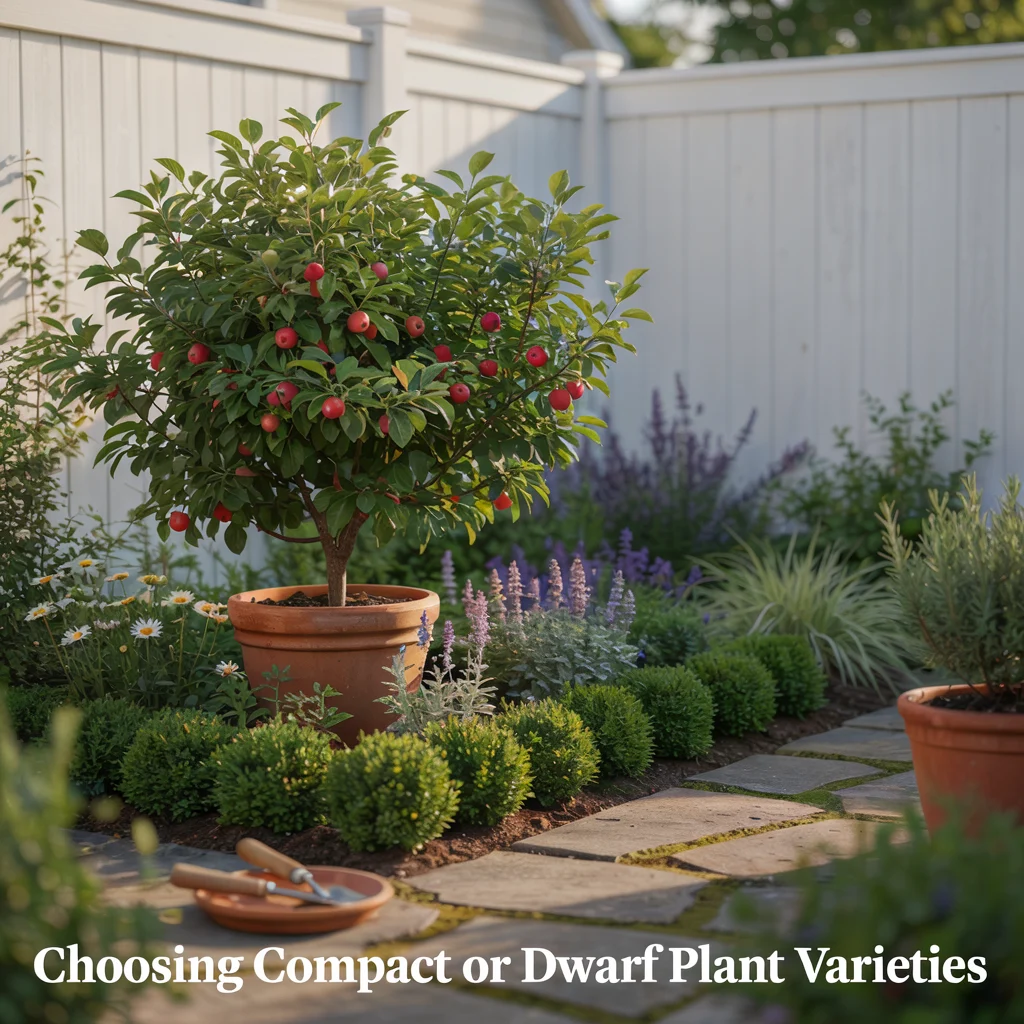
Choosing compact or dwarf plant varieties lets a small garden include the same plant types found in larger landscapes without them quickly outgrowing the space.
Dwarf Fruit Trees for a Productive Small Garden
Dwarf fruit trees for a productive small garden bring the appeal of a home orchard down to a scale that actually fits a compact yard.
Compact Shrub Cultivars Bred for Small Spaces
Compact shrub cultivars bred for small spaces offer the same seasonal interest as full-sized shrubs while staying proportionate to a tighter footprint.
Using Lighting to Extend the Garden Into Evening
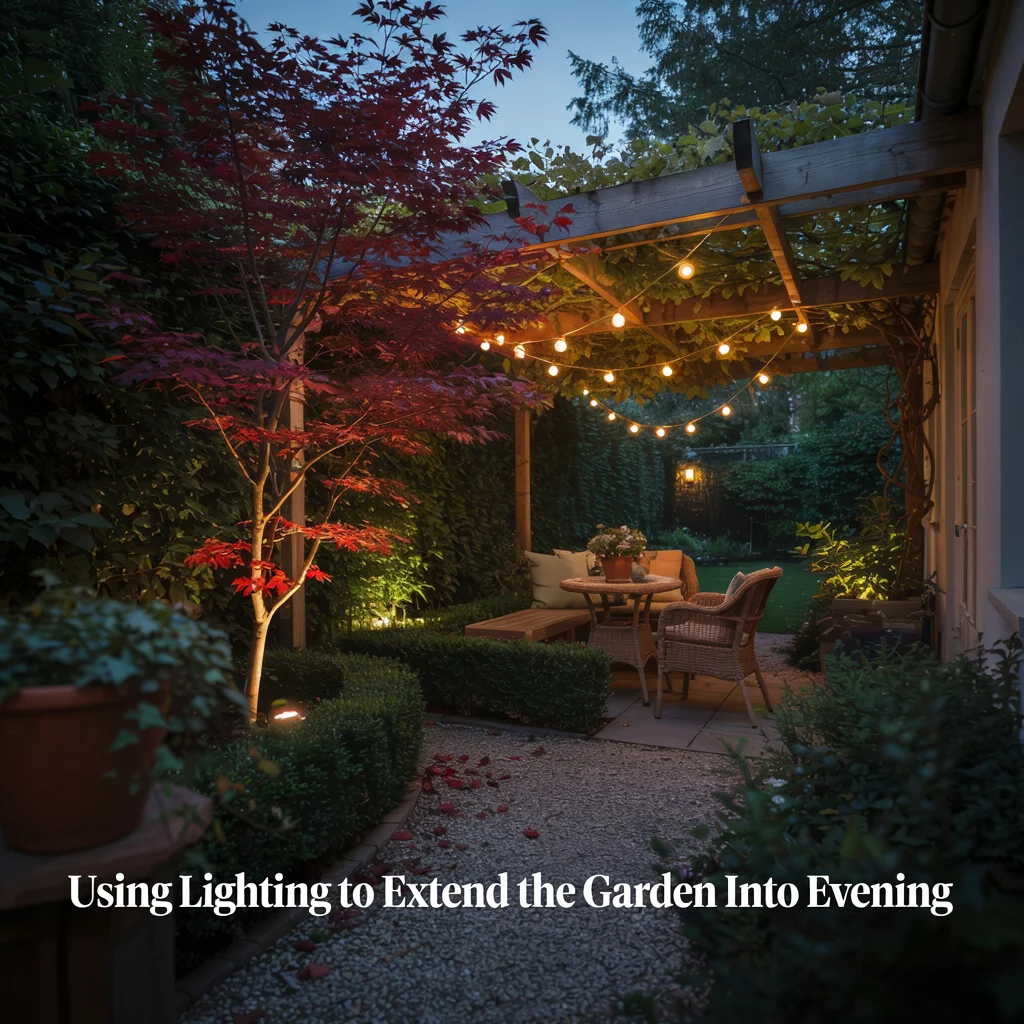
Using lighting to extend the garden into evening makes a small space feel usable for more hours of the day, which matters more in a compact garden where every hour of use counts.
String Lights Overhead for Ambient Glow
String lights overhead for ambient glow add warmth and definition to a small garden’s seating area without requiring any wiring.
Uplighting a Single Specimen Plant or Tree
Uplighting a single specimen plant or tree extends that focal point’s impact into the evening, keeping it visible after the sun goes down.
Blurring the Boundary Between Garden and House
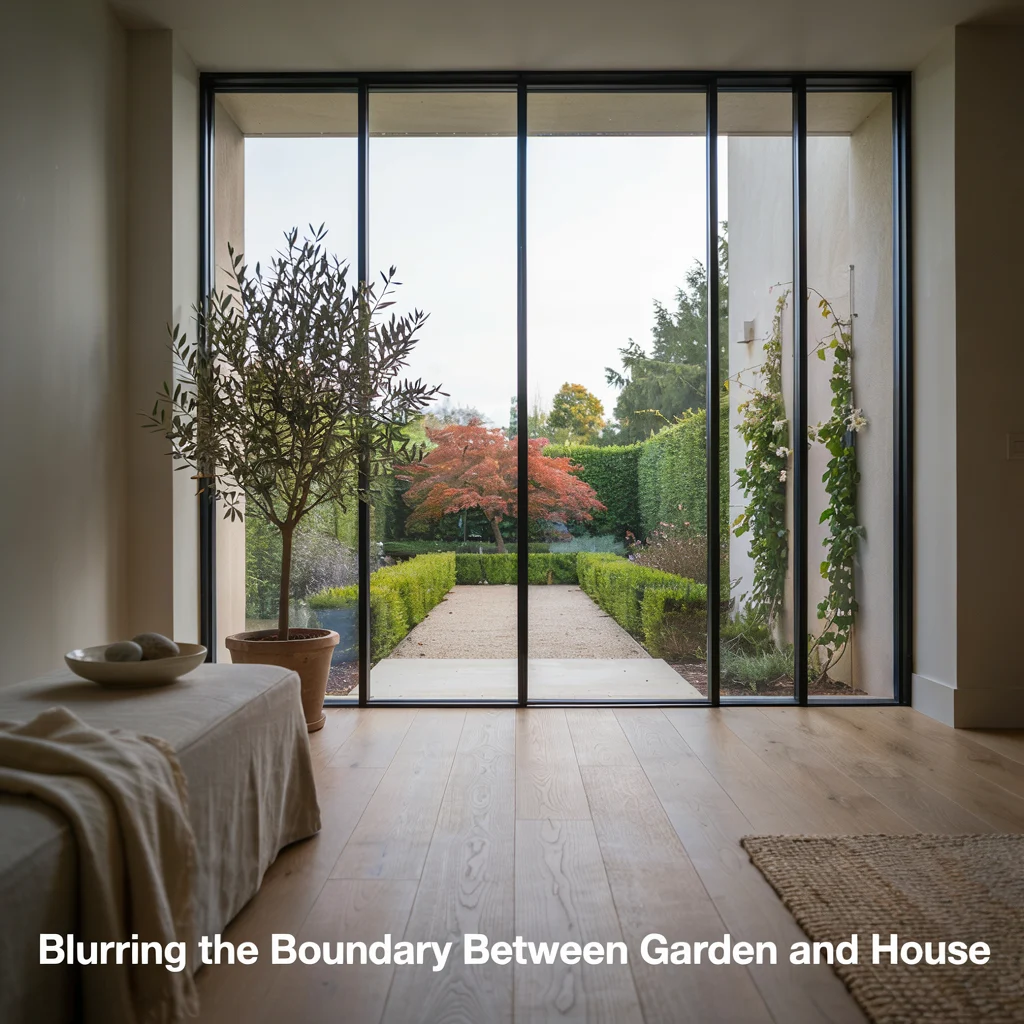
Blurring the boundary between garden and house makes a small outdoor space feel like a natural extension of the interior rather than a separate, disconnected area.
Matching Outdoor Flooring to an Interior Sightline
Matching outdoor flooring to an interior sightline, such as continuing a similar material from indoors out, visually stretches the perceived space.
Positioning Plantings to Frame a Window View
Positioning plantings to frame a window view brings the garden’s presence inside, even when the door is closed.
Designing Around a Kitchen Garden Corner
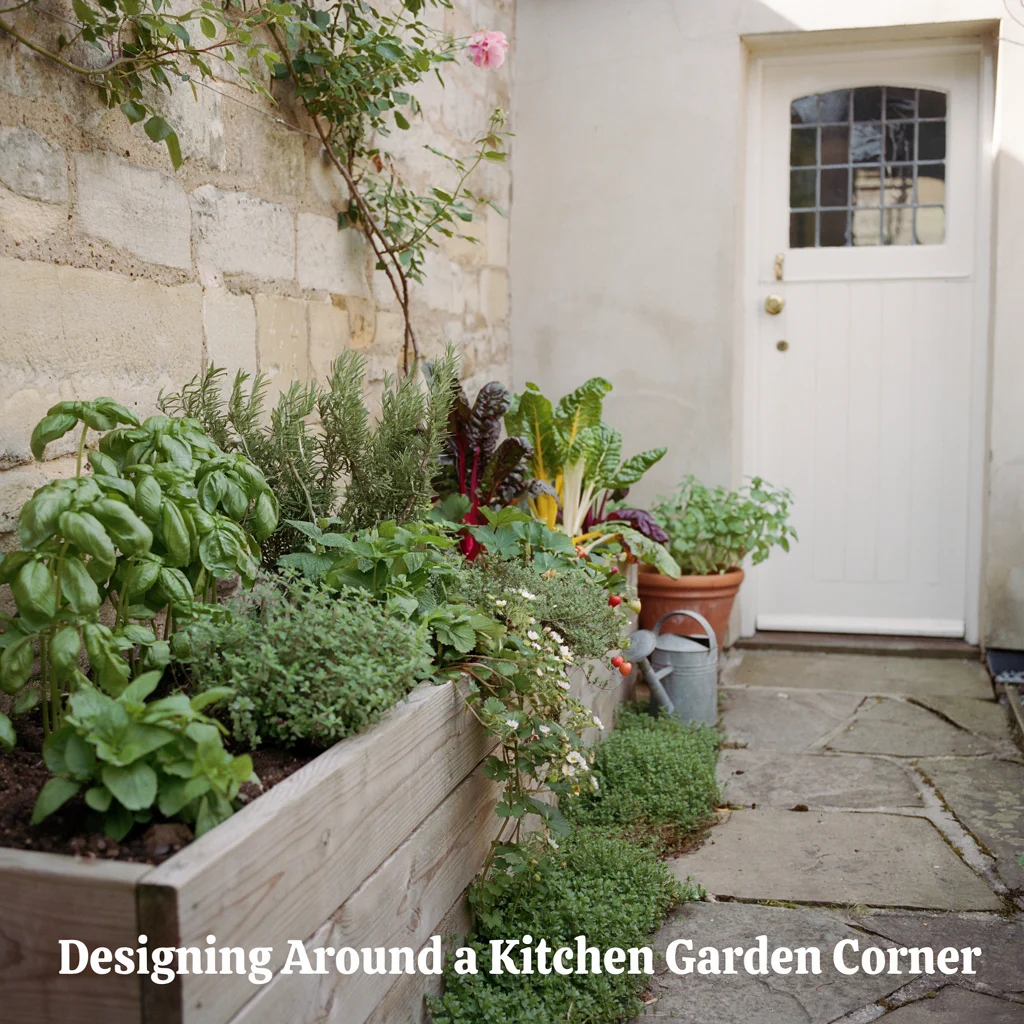
Designing around a kitchen garden corner gives a small space real function, combining ornamental appeal with a practical herb or vegetable patch.
A Compact Raised Bed for Everyday Cooking Herbs
A compact raised bed for everyday cooking herbs keeps frequently used plants like basil and thyme within easy reach of the kitchen door.
Edible Plants Mixed Into Ornamental Borders
Edible plants mixed into ornamental borders, such as colorful chard or trailing strawberries, blend function and beauty without needing a separate dedicated bed.
Keeping Hardscaping Minimal and Purposeful
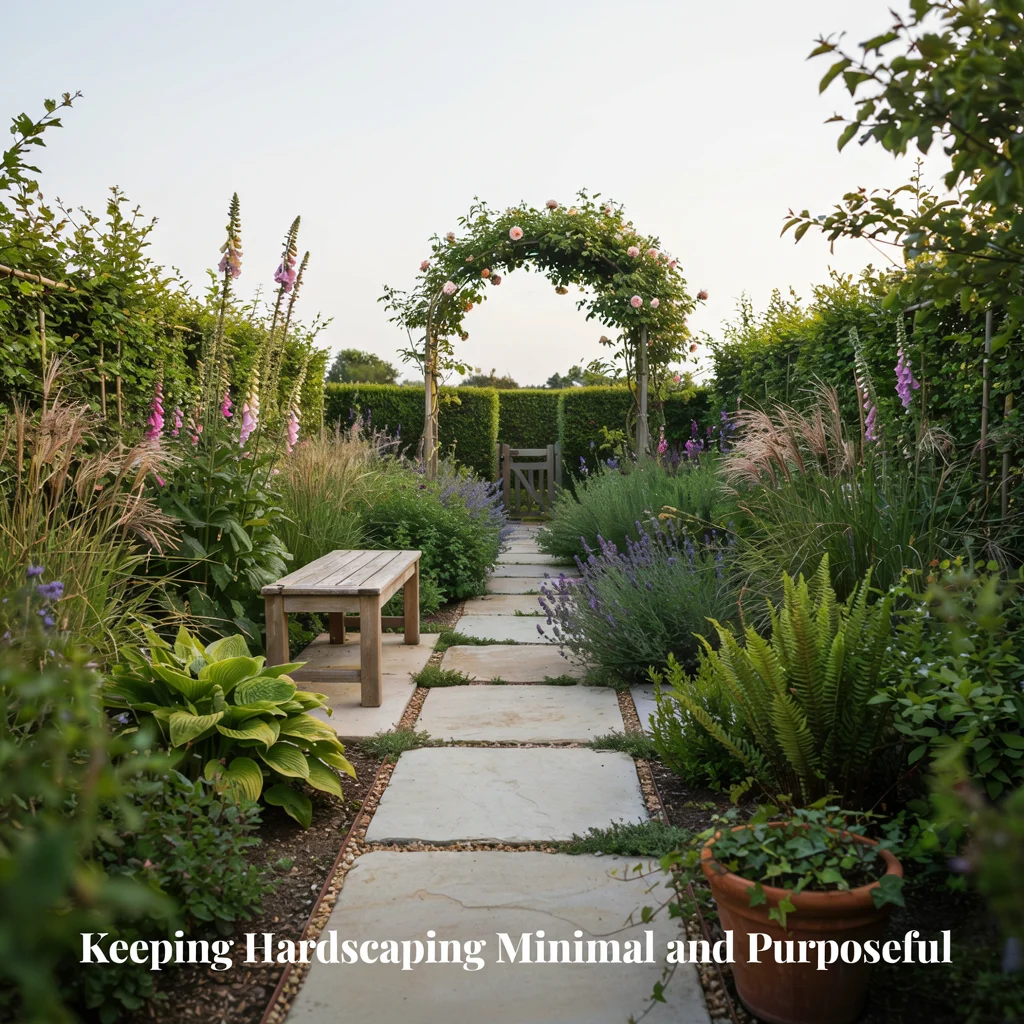
Keeping hardscaping minimal and purposeful prevents a small garden from feeling overbuilt, since too much paving or structure in a tight space can crowd out the actual planting.
Choosing One Primary Hardscape Material Throughout
Choosing one primary hardscape material throughout keeps a small footprint visually calm and unified rather than fragmented.
Leaving Enough Open Ground for Plants to Breathe
Leaving enough open ground for plants to breathe, resisting the urge to fill every inch with hardscaping, keeps the space feeling like a garden rather than a patio.
The Bottom Line
A small garden design tends to succeed on restraint and intention rather than cramming in more, whether that’s a single strong focal point, a limited color palette, or hardscaping kept purposefully minimal. Picking a handful of these 30 ideas and applying them consistently usually reads as more polished than trying to incorporate all of them at once.
Frequently Asked Questions
How Can I Make a Small Garden Look Bigger?
Using mirrors, a limited color palette, and layered plant heights are among the most effective ways to make a small garden look and feel bigger than its actual footprint.
What Is the Best Layout for a Small Garden?
The best layout for a small garden generally includes a defined path, a single clear focal point, and distinct zones for planting, seating, and any functional elements like a kitchen garden.
Should a Small Garden Have Grass?
A small garden doesn’t need grass, and many small-space designs skip it entirely in favor of hardscaping, gravel, or dense planting that makes better use of limited square footage.
How Do I Add Privacy to a Small Garden?
Vertical elements like trellises with climbing vines, tall container plants, or a compact pergola are effective ways to add privacy to a small garden without using much ground space.
What Plants Work Best in a Small Garden Design?
Compact or dwarf plant varieties, along with vertical growers like climbing vines, generally work best in a small garden design since they deliver visual impact without outgrowing the space.