22 Cheap No Grass Backyard Ideas For a Low-Maintenance Garden

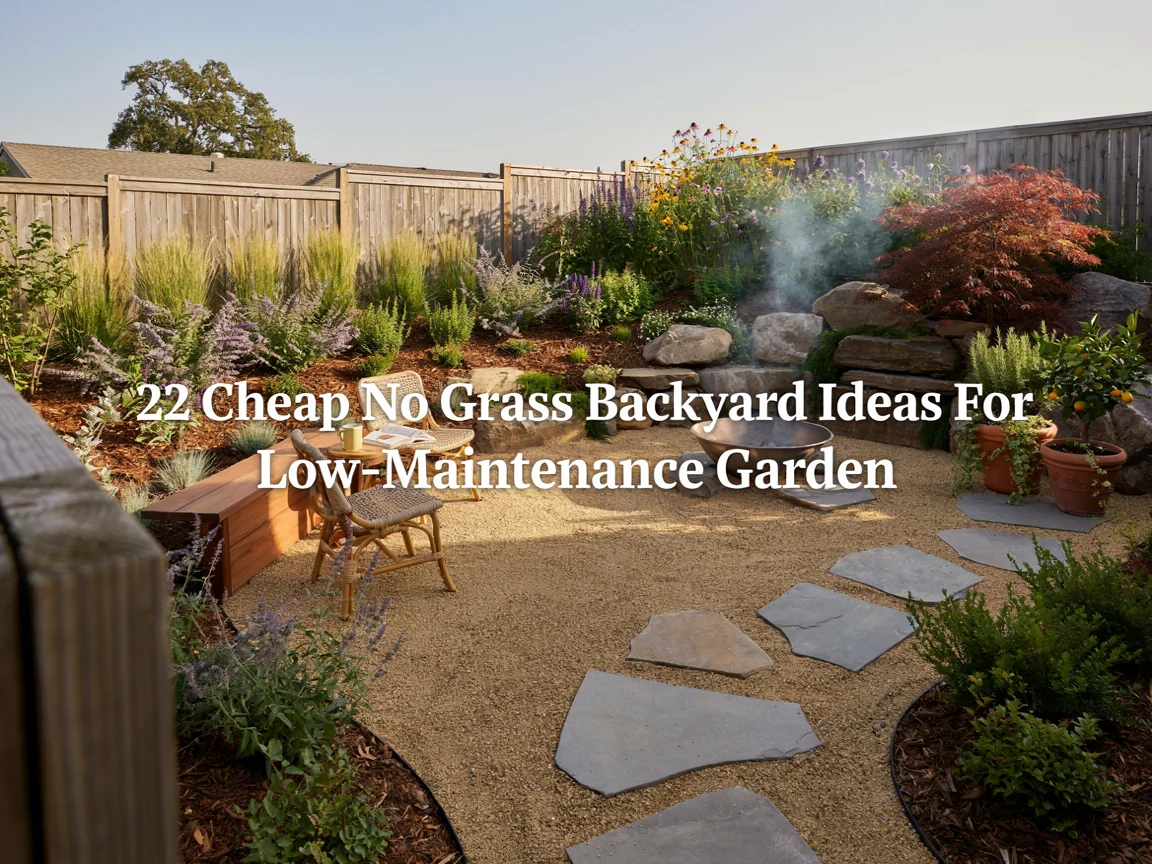
Ripping out a lawn doesn’t have to mean an expensive landscaping overhaul, since plenty of no-grass backyard options cost a fraction of sod and upkeep while still looking genuinely finished. The 11 core ideas below each include two budget-friendly ways to apply them, adding up to 22 practical alternatives to a traditional lawn.
Covering Ground With Gravel or Decomposed Granite
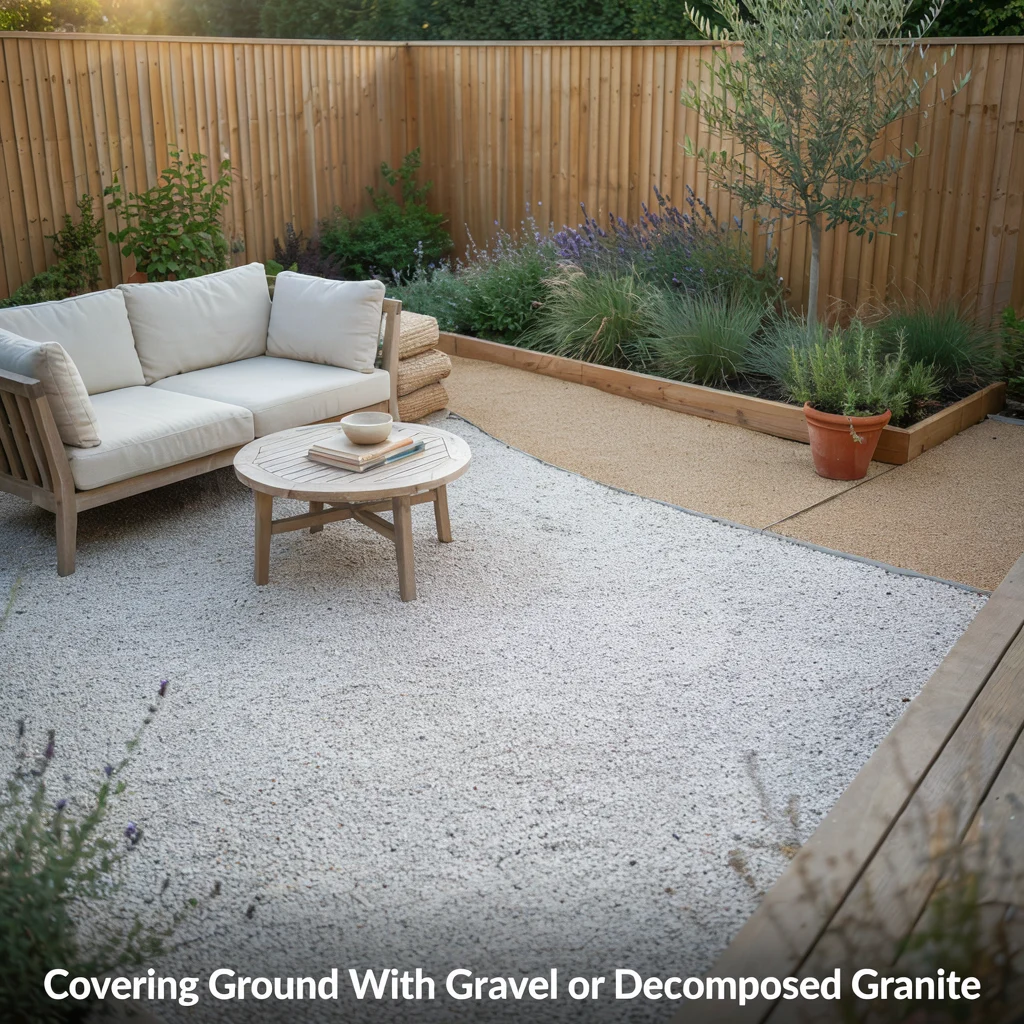
Covering ground with gravel or decomposed granite is one of the cheapest ways to replace a large area of lawn, requiring no watering, mowing, or fertilizing once installed.
A Simple Gravel Patio for Outdoor Seating
A simple gravel patio for outdoor seating gives a no-grass yard a defined, usable space for furniture at a fraction of the cost of poured concrete or pavers.
Decomposed Granite Paths Connecting Garden Areas
Decomposed granite paths connecting garden areas add structure and walkability across a lawn-free yard without the expense of a hardscaped walkway.
Replacing Lawn With Mulched Planting Beds
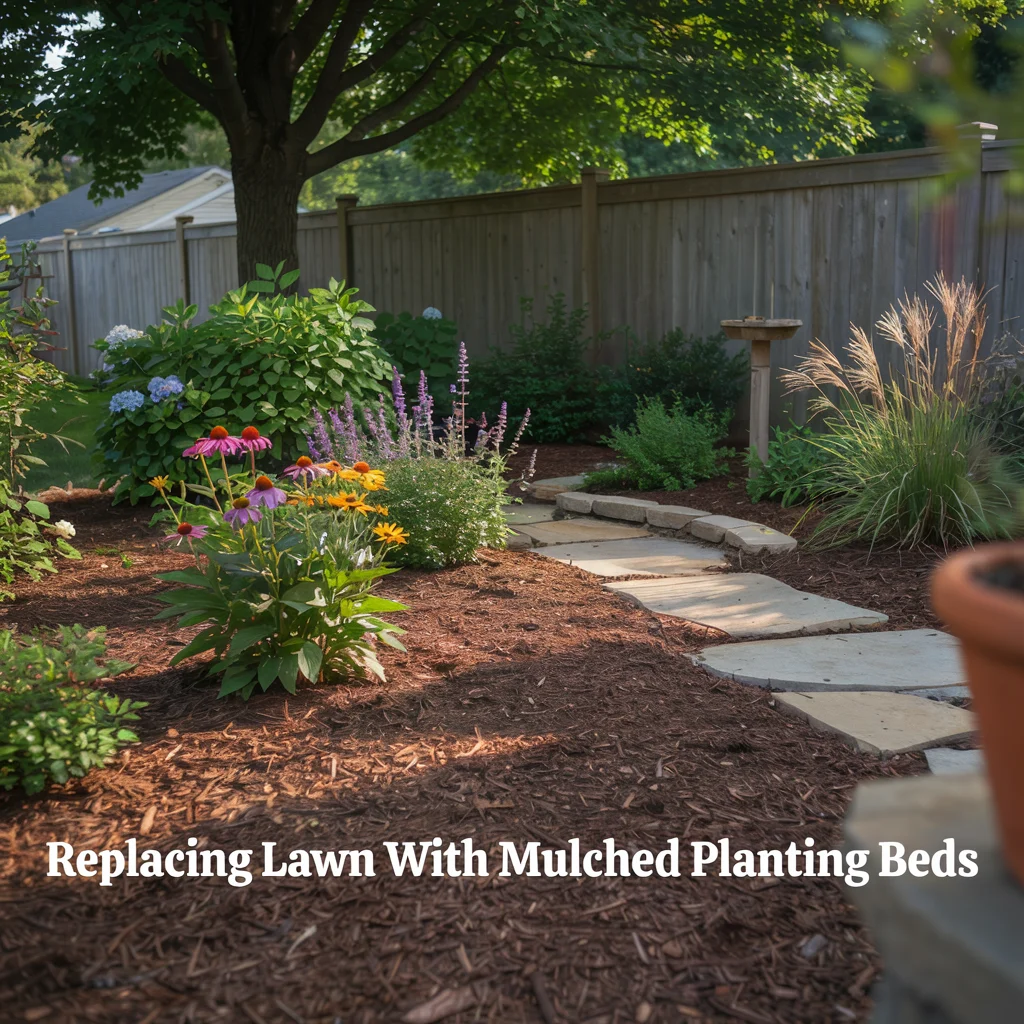
Replacing lawn with mulched planting beds turns unused turf into productive growing space, using inexpensive bulk mulch to suppress weeds and retain moisture.
Expanding Existing Beds Instead of Building New Ones
Expanding existing beds instead of building new ones is often the cheapest starting point, simply widening current planting areas until they replace the surrounding grass.
Using Free or Low-Cost Mulch From Local Sources
Using free or low-cost mulch from local sources, such as municipal wood chip programs, cuts down significantly on one of the main costs of converting lawn to mulched beds.
Installing a Low-Growing Groundcover Lawn Alternative
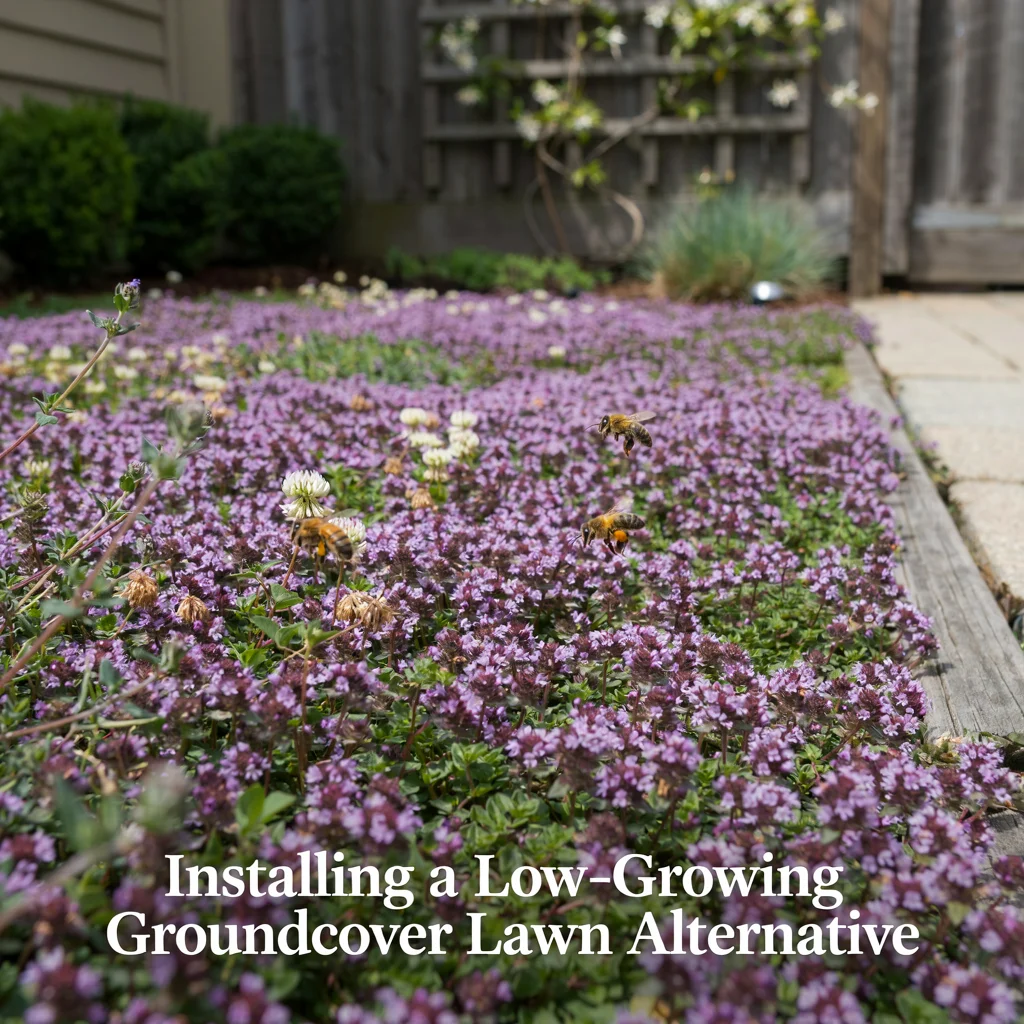
Installing a low-growing groundcover lawn alternative replaces the look of grass with a plant that needs far less mowing and water, without losing the soft, walkable feel of a lawn.
Creeping Thyme for a Fragrant, Low Groundcover
Creeping thyme for a fragrant, low groundcover tolerates light foot traffic while releasing a pleasant scent whenever it’s stepped on.
Clover Seed as a Budget-Friendly Overseed Option
Clover seed as a budget-friendly overseed option can be spread directly over existing thin grass, gradually converting a lawn without a full removal and replanting process.
Building a Simple DIY Rock Garden
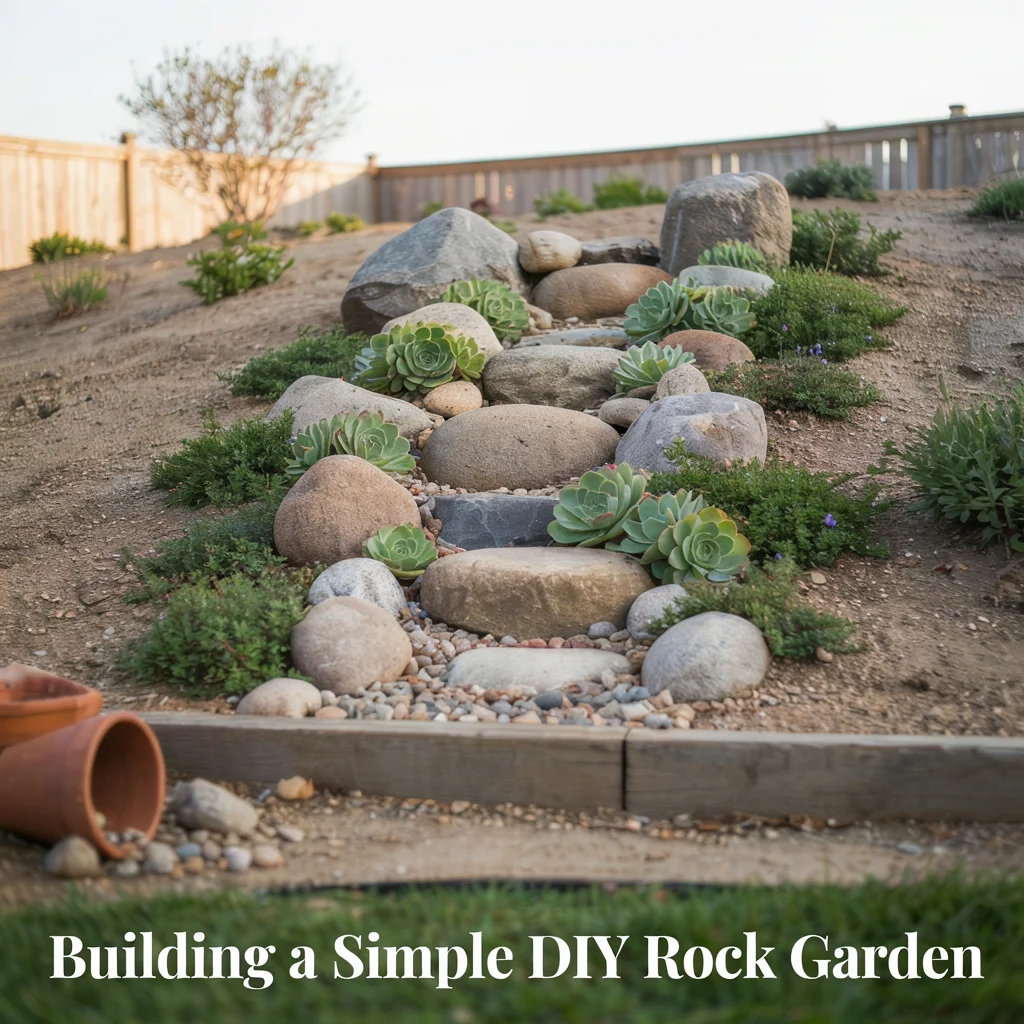
Building a simple DIY rock garden turns a dry, hard-to-mow slope into a genuine design feature using inexpensive, often locally sourced stone.
Using Found or Free Stone From Local Listings
Using found or free stone from local listings, including community classifieds, is a common way to source rock garden material without paying retail prices.
Filling Gaps With Inexpensive Drought-Tolerant Plants
Filling gaps with inexpensive drought-tolerant plants like sedum, which are easy to propagate from cuttings, keeps the plant budget low while filling in the design.
Creating a Defined Gravel or Mulch Fire Pit Area
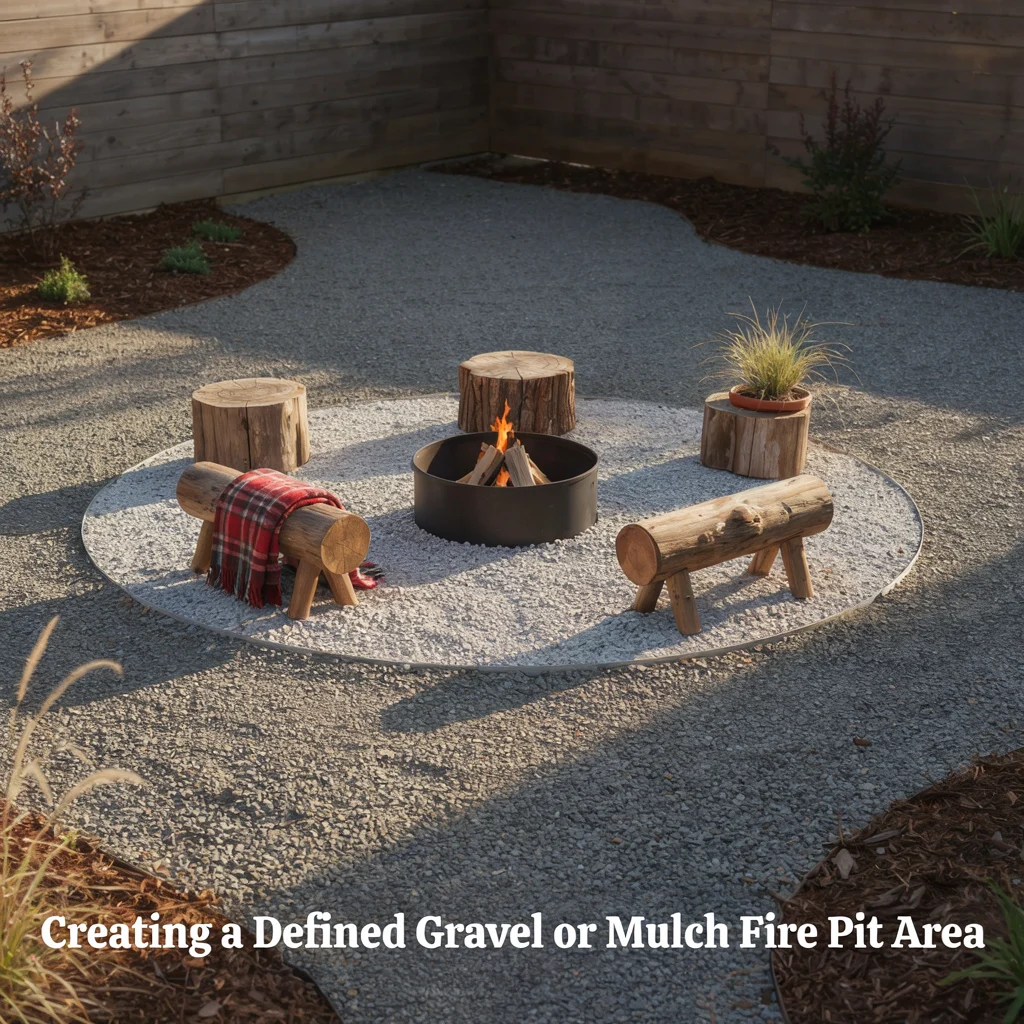
Creating a defined gravel or mulch fire pit area gives a no-grass yard a genuine gathering spot, typically costing far less than a full patio build.
A Basic Fire Ring Surrounded by Gravel
A basic fire ring surrounded by gravel keeps the area low-maintenance and naturally fire-safe compared with having flammable mulch or grass right up to the edge.
Simple Log or Stump Seating Around the Fire Area
Simple log or stump seating around the fire area is an inexpensive alternative to purchased furniture, especially if wood is already available on the property.
Using Artificial Turf in High-Traffic Areas Only
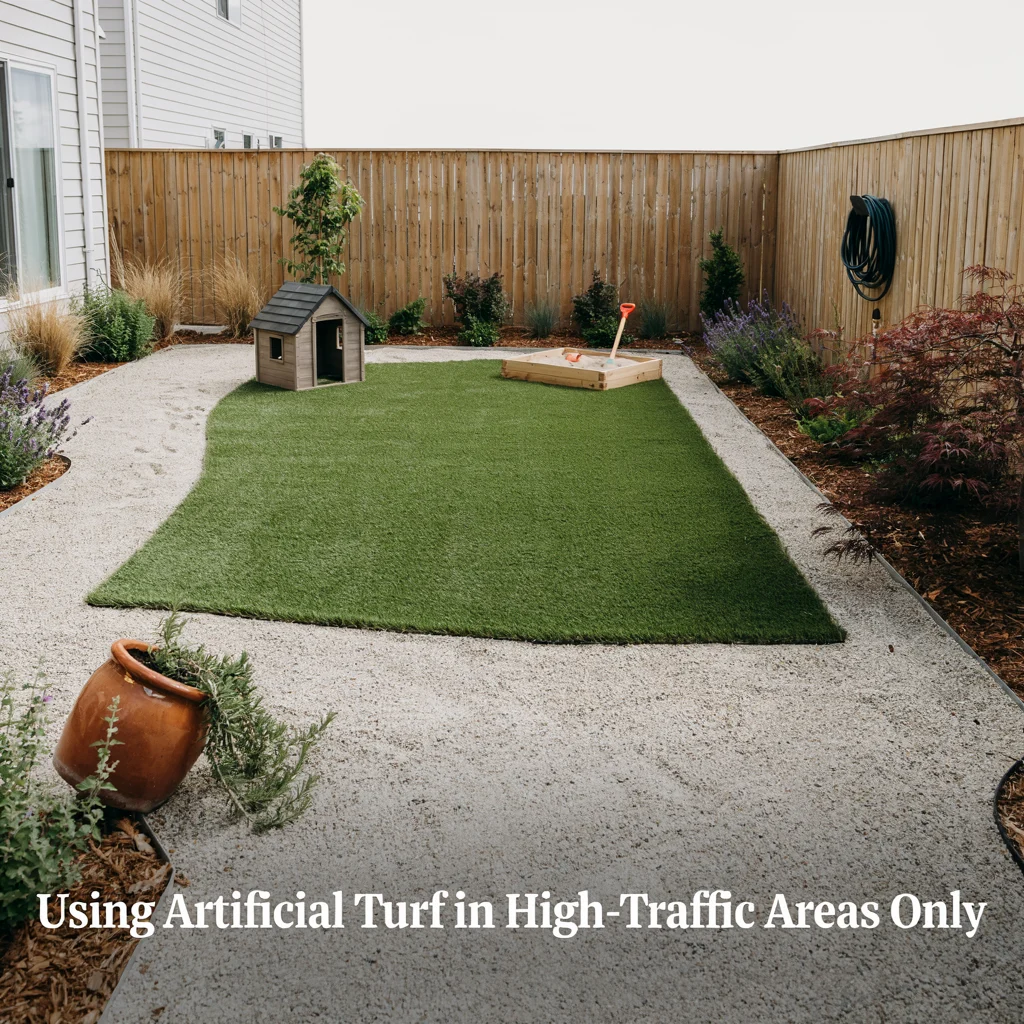
Using artificial turf in high-traffic areas only balances cost and the look of grass, since covering just a smaller, heavily used section keeps the expense well below turfing an entire yard.
Choosing a Small Play Area for Kids or Pets
Choosing a small play area for kids or pets is often the most practical place to spend on artificial turf, keeping cost proportional to actual use.
Combining Turf Patches With Cheaper Surrounding Materials
Combining turf patches with cheaper surrounding materials like gravel or mulch keeps the overall project budget-friendly while still providing a soft, grass-like surface where it matters most.
Planting a No-Mow Native Wildflower Patch
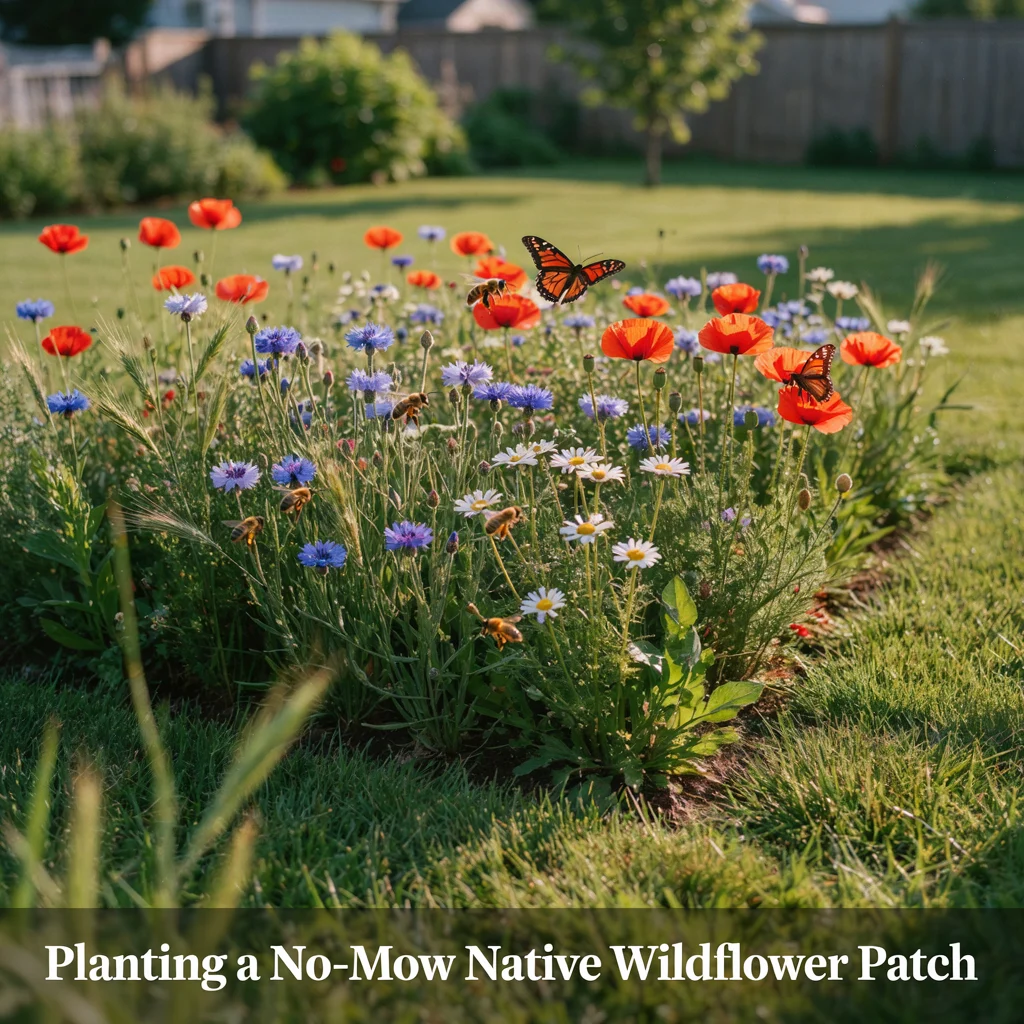
Planting a no-mow native wildflower patch replaces lawn with a low-cost seed mix that requires only occasional mowing, once or twice a season at most.
Buying Regional Wildflower Seed Mixes in Bulk
Buying regional wildflower seed mixes in bulk keeps per-square-foot costs low compared with buying individual potted perennials to fill the same area.
Letting a Meadow Patch Establish Gradually Over Time
Letting a meadow patch establish gradually over time, rather than expecting an instant finished look, keeps costs down since it avoids paying for mature plants.
Repurposing Salvaged Materials for Pathways
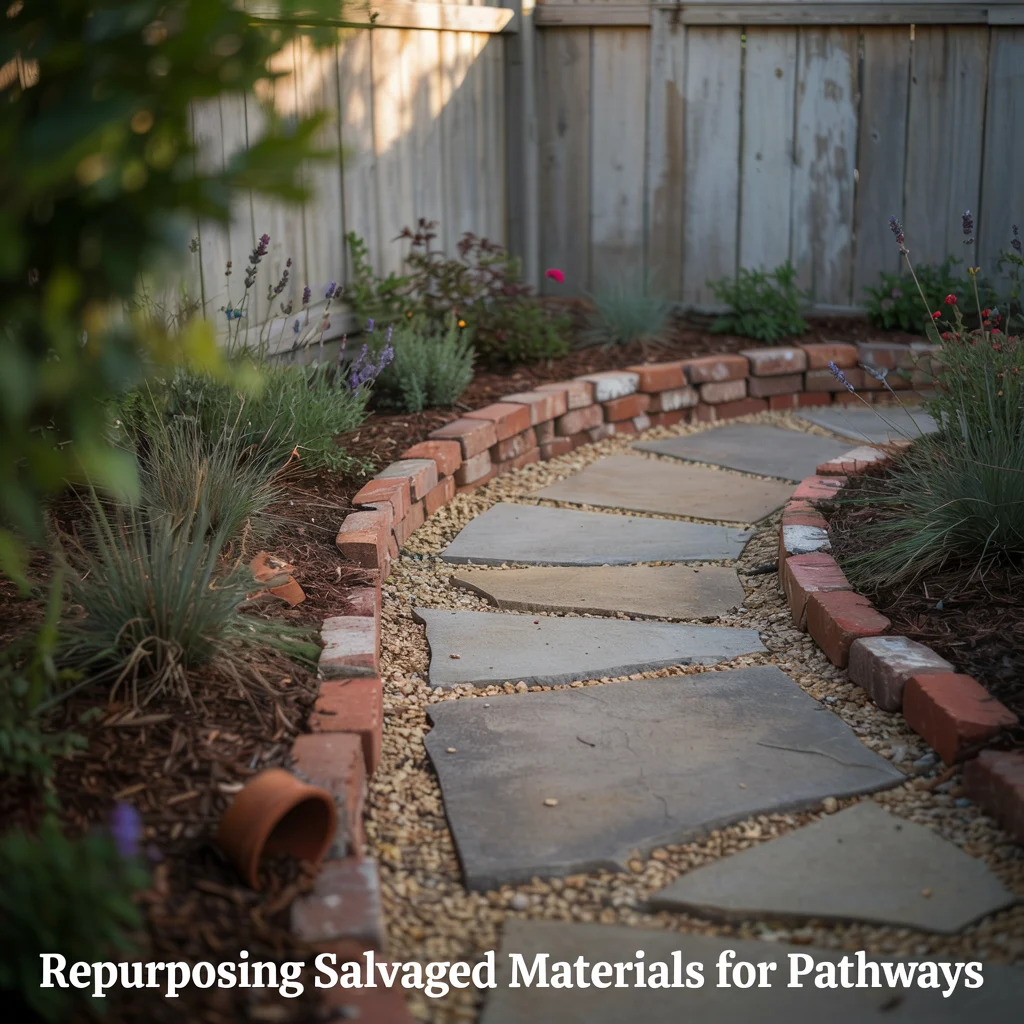
Repurposing salvaged materials for pathways, such as reclaimed brick or broken concrete, gives a no-grass yard real structure without buying new paving materials.
Broken Concrete as Inexpensive Stepping Pavers
Broken concrete as inexpensive stepping pavers, sometimes called urbanite, is often available free from demolition projects and works well as informal stepping stones.
Reclaimed Brick for a Budget Garden Edge
Reclaimed brick for a budget garden edge defines planting beds and paths at a fraction of the cost of new pavers or purchased edging material.
Growing an Edible Ground Cover Instead of Lawn
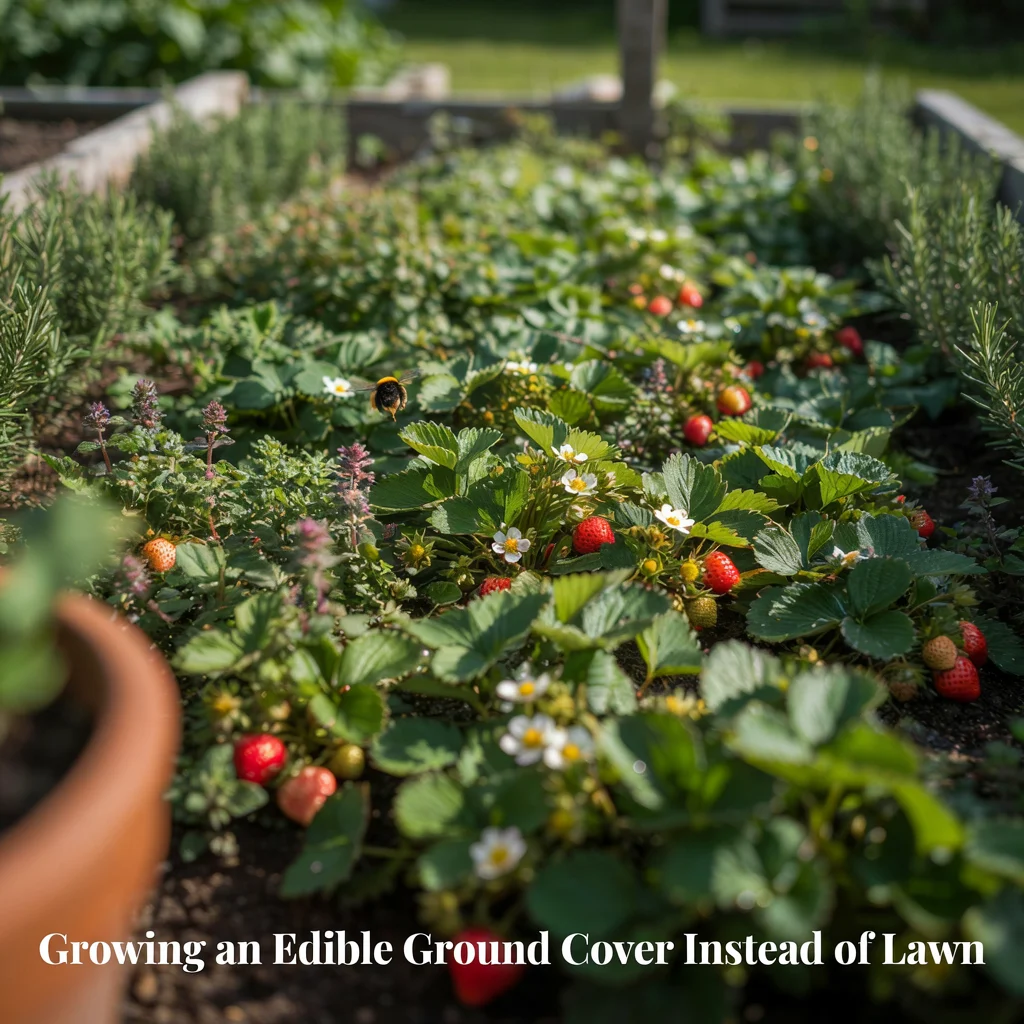
Growing an edible ground cover instead of lawn turns unused turf into a low, productive planting that serves a purpose beyond looking tidy.
Strawberries as a Spreading, Fruit-Bearing Ground Cover
Strawberries as a spreading, fruit-bearing ground cover fill in a sunny area while producing an actual harvest each summer.
Low-Growing Herbs Like Creeping Rosemary or Oregano
Low-growing herbs like creeping rosemary or oregano tolerate dry, lean soil while adding both greenery and a genuinely useful kitchen crop.
Using Container Gardens to Avoid In-Ground Costs
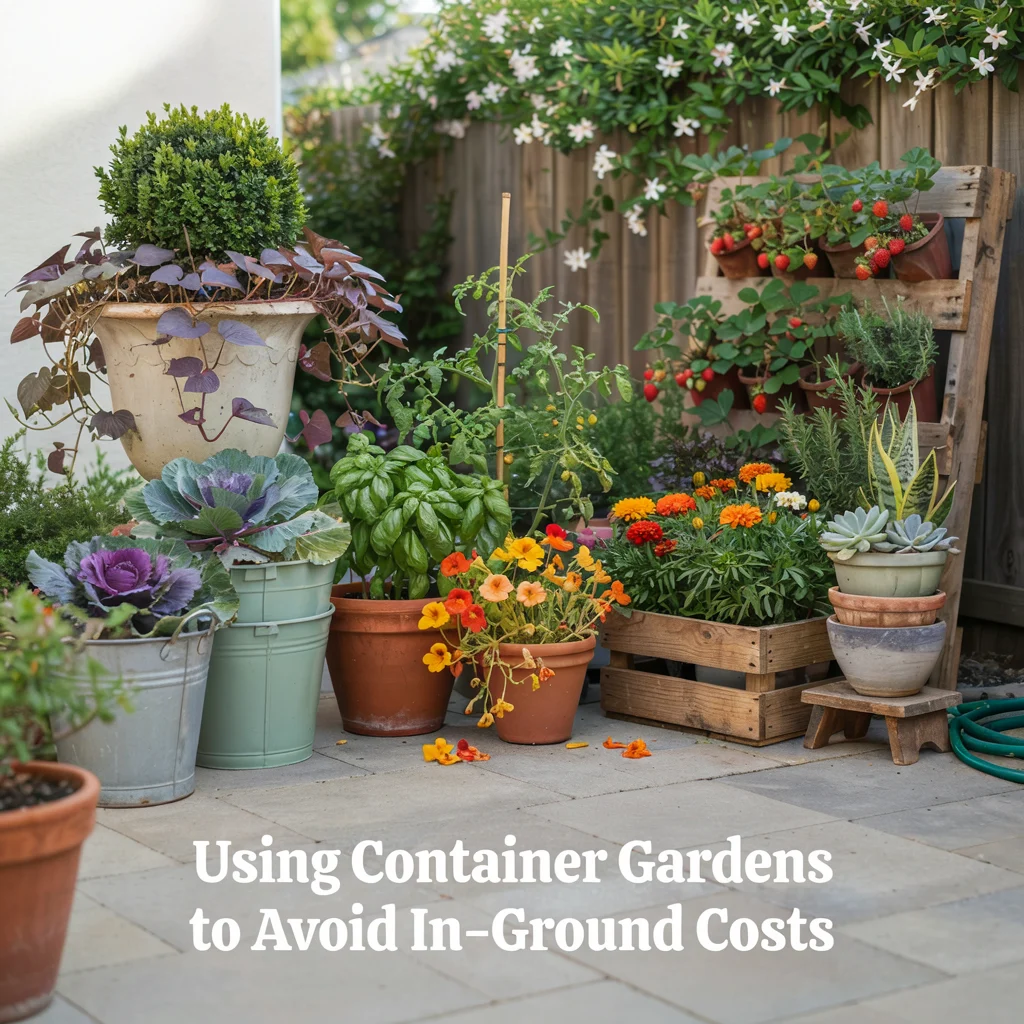
Using container gardens to avoid in-ground costs sidesteps soil amendment and bed-building expenses entirely, especially useful for renters or anyone not ready to commit to permanent changes.
Grouping Budget Nursery Pots for Instant Impact
Grouping budget nursery pots for instant impact, even inexpensive plastic containers, creates a lush, finished look without a large upfront investment.
Repurposing Household Containers as Planters
Repurposing household containers as planters, like old buckets or crates, cuts material costs down to essentially nothing beyond soil and plants.
Mixing Mulch and Stepping Stones for an Instant No-Mow Yard
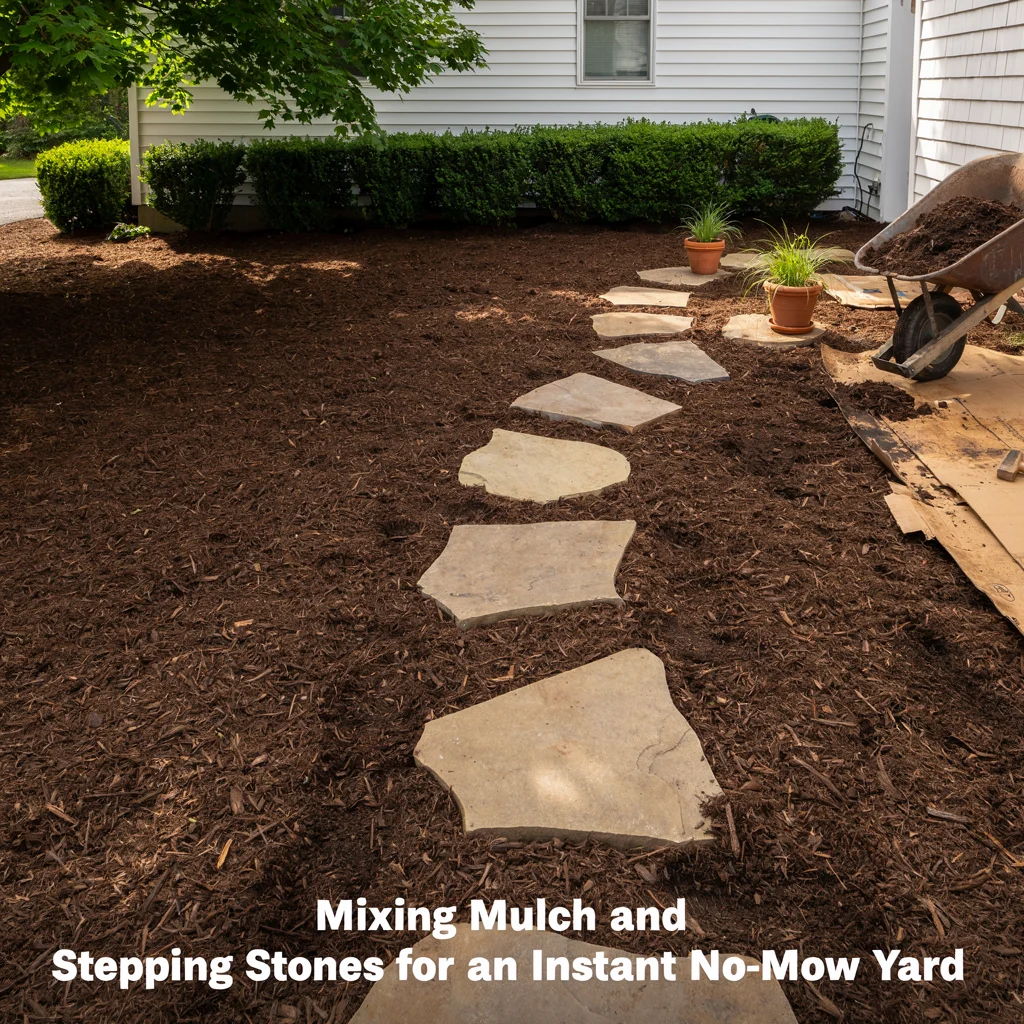
Mixing mulch and stepping stones for an instant no-mow yard is often the fastest, cheapest full-yard conversion, requiring little more than removing grass and laying down mulch.
Sheet Mulching to Kill Grass Without Digging It Up
Sheet mulching to kill grass without digging it up, using layered cardboard covered in mulch, avoids the labor and cost of physically removing sod.
Spacing Stepping Stones for Natural Walking Paths
Spacing stepping stones for natural walking paths through the mulched area keeps the space functional while the surrounding mulch handles the rest of the former lawn.
The Bottom Line
Replacing a lawn doesn’t require a large budget, since gravel, mulch, salvaged materials, and low-cost groundcovers can convert most or all of a yard for a fraction of what sod and years of mowing and watering would cost. Combining a few of these 22 ideas, rather than committing to just one, usually produces the most finished-looking result.
This pairs well with our guide to What Is Low-Maintenance Landscaping.
Frequently Asked Questions
What Is the Cheapest Way to Get Rid of a Lawn?
Sheet mulching, layering cardboard and mulch directly over existing grass, is generally the cheapest way to get rid of a lawn without the cost or labor of physically digging up sod.
What Can I Put in My Backyard Instead of Grass?
Gravel, mulched planting beds, groundcover plants like clover or creeping thyme, and artificial turf in select areas are all practical, budget-friendly alternatives to a traditional grass backyard.
Is a No-Grass Backyard Actually Cheaper Long-Term?
A no-grass backyard is generally cheaper long-term, since it eliminates the ongoing cost of mowing equipment, water, and fertilizer that a traditional lawn requires year after year.
Do No-Grass Backyards Still Need Maintenance?
No-grass backyards still need some maintenance, such as occasional weeding and mulch refreshing, but considerably less than the weekly mowing and watering a grass lawn demands.
Can I Convert Part of My Lawn Instead of the Whole Yard?
Converting part of a lawn instead of the whole yard is a common, budget-conscious approach, often starting with the areas that are hardest to mow or get the least use as actual lawn.