
How to Start a No-Till Raised Bed Garden (The 2026 Beginner’s Guide)

No-till gardening has moved from a niche farming practice into one of the more popular approaches for home raised beds, built around the idea that undisturbed soil actually supports healthier plant growth than soil that’s dug up and turned every season. The steps below cover how to build and maintain a raised bed using no-till methods from the very first layer.
Understanding What “No-Till” Actually Means
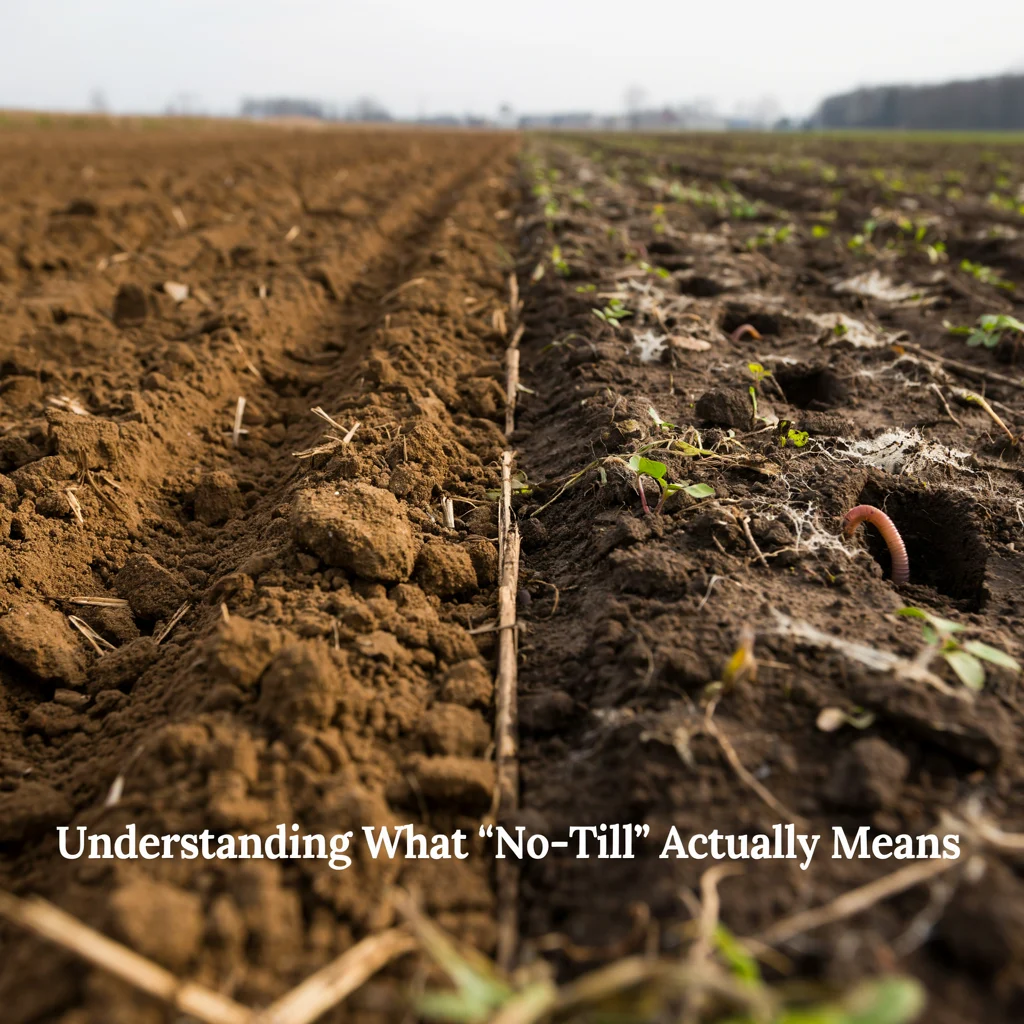
Understanding what “no-till” actually means is the starting point, since the method is built around leaving soil structure and its living organisms undisturbed rather than the digging and turning traditional gardening relies on.
Why Undisturbed Soil Supports a Healthier Ecosystem
Why undisturbed soil supports a healthier ecosystem comes down to preserving fungal networks and microbial life, both of which are disrupted every time soil is dug up or tilled.
How No-Till Differs From Traditional Bed Preparation
How no-till differs from traditional bed preparation comes down to building up rather than digging in, layering organic material on top of existing ground instead of turning it into the soil below.
Building the Raised Bed Frame
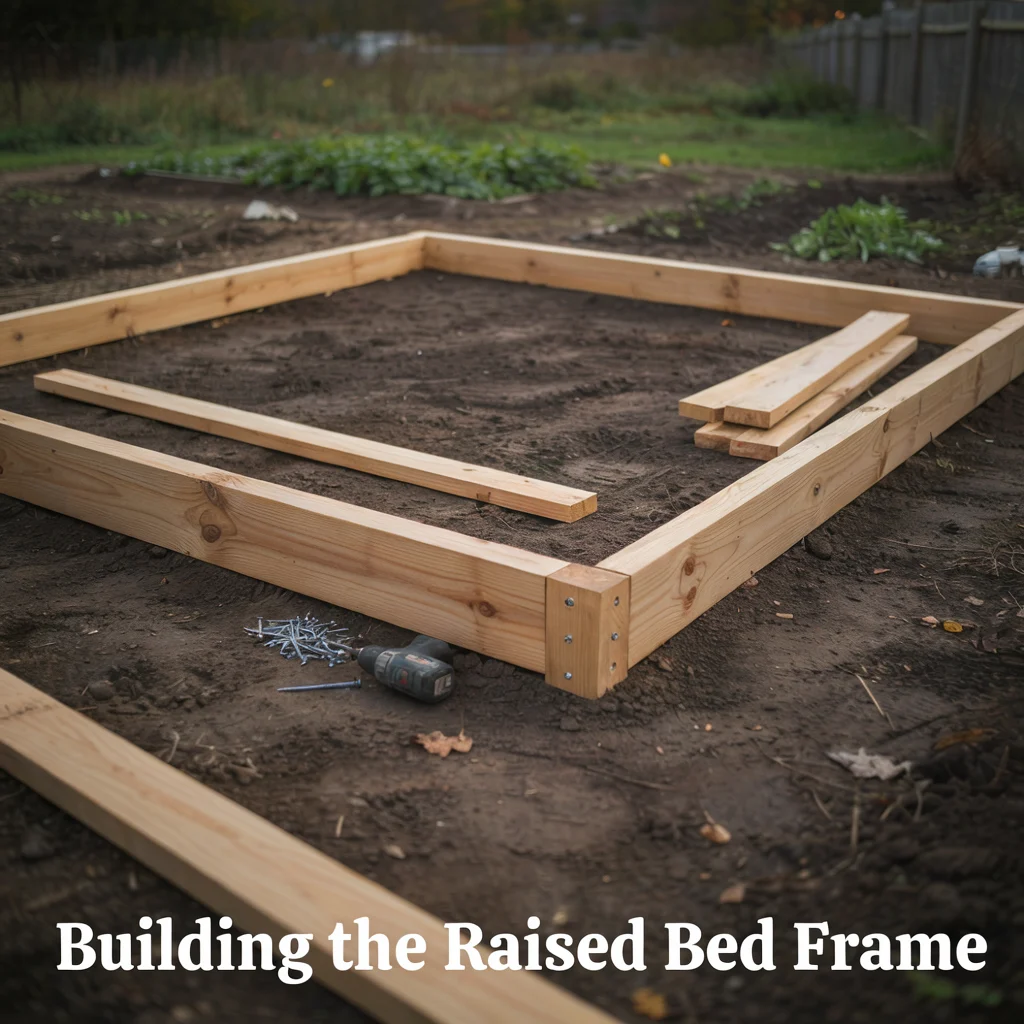
Building the raised bed frame gives the no-till growing area its physical structure, and the frame itself works the same way whether the growing method inside it is till or no-till.
Choosing Bed Materials That Won’t Leach Chemicals
Choosing bed materials that won’t leach chemicals, such as untreated cedar or composite lumber, avoids introducing anything harmful into soil that will eventually grow food.
Sizing the Bed for Comfortable, No-Compaction Access
Sizing the bed for comfortable, no-compaction access, generally no wider than 4 feet, keeps every part of the bed reachable without ever having to step into it and compact the soil.
Layering Organic Matter Instead of Digging It In
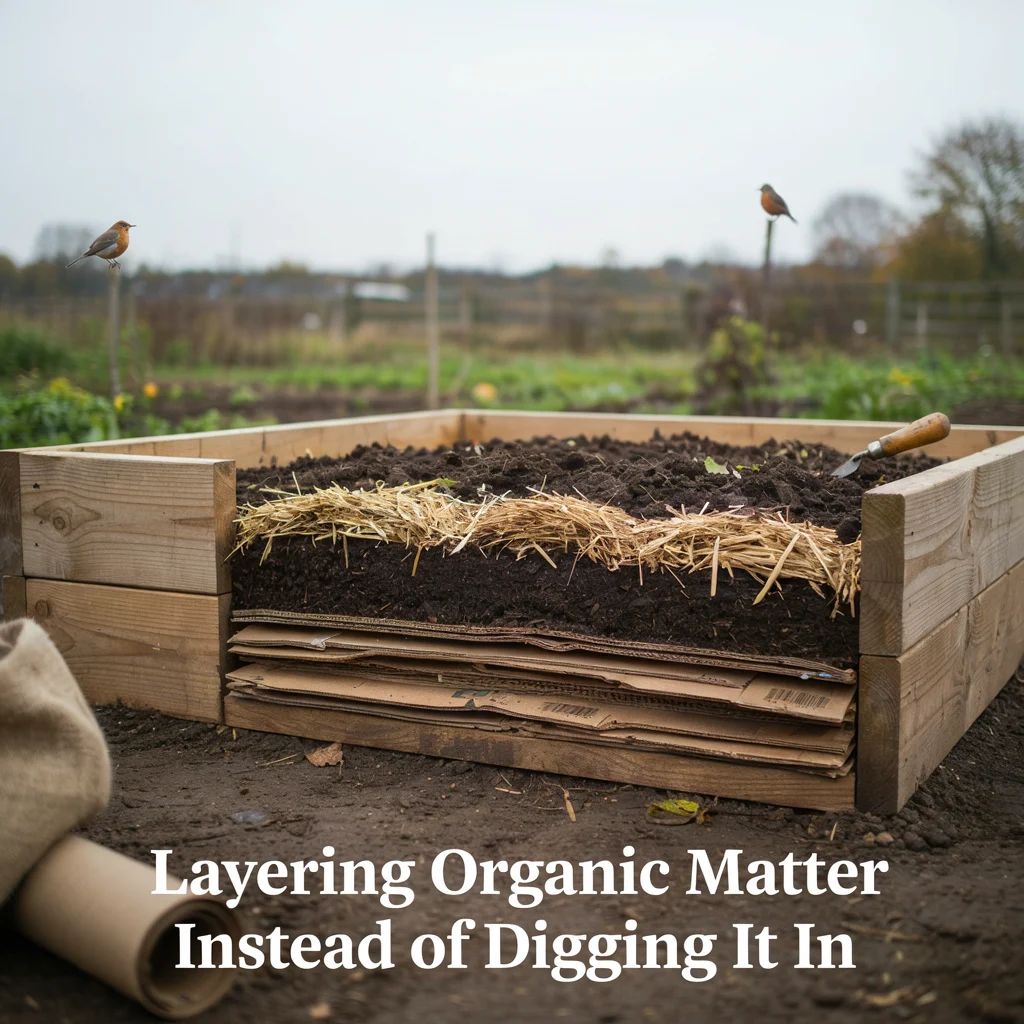
Layering organic matter instead of digging it in is the core technique behind a no-till bed, building fertility from the top down rather than mixing amendments into existing soil.
The Basic Sheet-Layering Method for a New Bed
The basic sheet-layering method for a new bed typically starts with a layer of cardboard to suppress existing weeds, followed by alternating layers of compost, straw, and other organic material.
Why Layer Order and Ratios Matter for Decomposition
Why layer order and ratios matter for decomposition comes down to balancing carbon-rich materials like straw with nitrogen-rich materials like compost, which helps the layers break down evenly rather than staying separated.
Choosing Compost and Amendments for Fertility
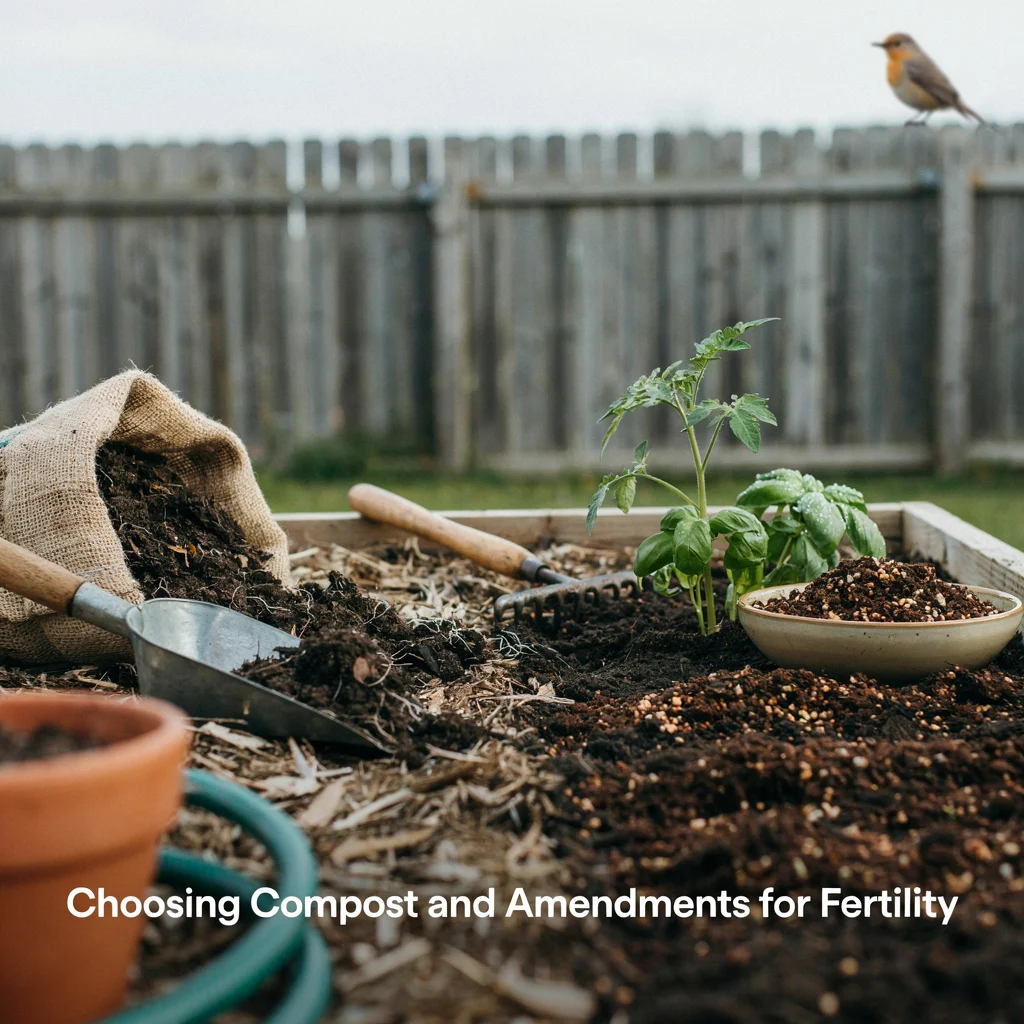
Choosing compost and amendments for fertility replaces the role tilling would normally play in mixing nutrients into the soil, relying instead on quality inputs added consistently over time.
Why Compost Quality Matters More in a No-Till System
Why compost quality matters more in a no-till system comes down to it doing double duty, feeding both plants and the soil biology that a no-till bed depends on to stay healthy.
Adding Worm Castings for an Extra Fertility Boost
Adding worm castings for an extra fertility boost, worked gently into just the top layer rather than dug in deeply, supplements compost without disturbing the layers beneath.
Planting Directly Into the Top Layer
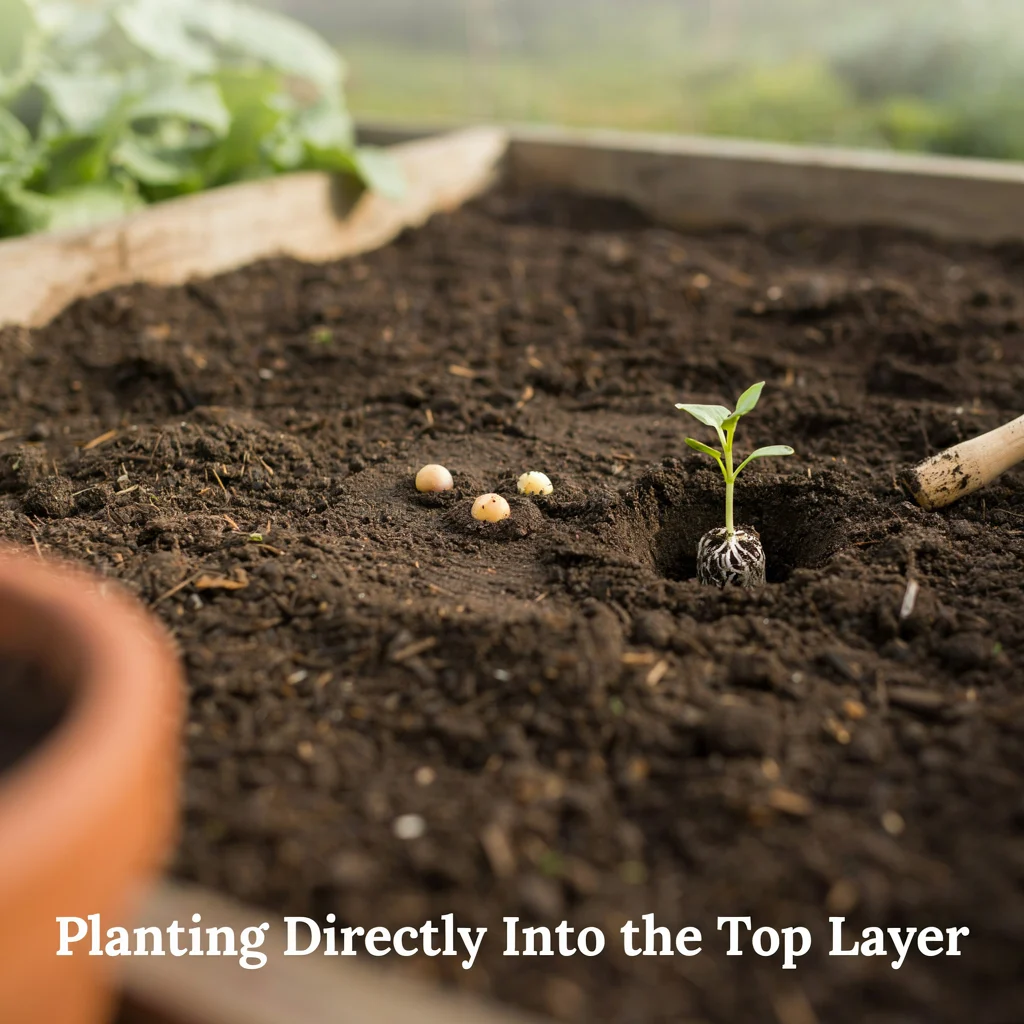
Planting directly into the top layer is where a no-till bed differs most noticeably from a freshly tilled one, since seeds and transplants go into loose surface material rather than deeply worked soil.
Direct-Sowing Seeds Into an Established No-Till Bed
Direct-sowing seeds into an established no-till bed works the same as any raised bed, though the surface layer should stay loose and crumbly enough for good seed-to-soil contact.
Transplanting Seedlings Without Disturbing Deeper Layers
Transplanting seedlings without disturbing deeper layers means digging only as deep as each root ball actually requires, rather than loosening the bed more broadly.
Maintaining Fertility With Ongoing Top-Dressing
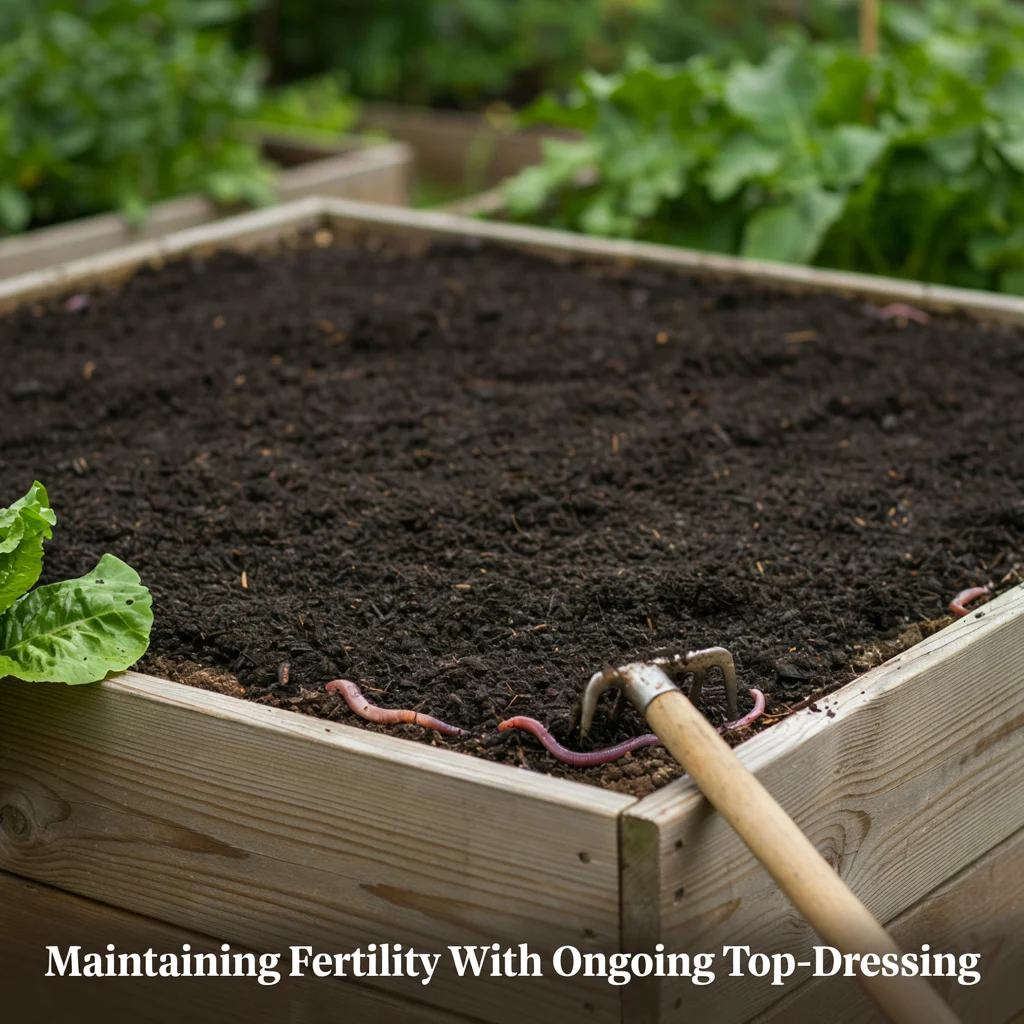
Maintaining fertility with ongoing top-dressing replaces the fertility boost tilling in fresh compost would normally provide, adding a thin layer of compost to the surface between plantings instead.
Why Top-Dressing Works Instead of Digging In Fresh Compost
Why top-dressing works instead of digging in fresh compost comes down to how soil naturally incorporates surface material over time, with worms and other soil organisms doing the mixing work tilling would otherwise handle.
Timing Top-Dressing Around Planting Cycles
Timing top-dressing around planting cycles, generally adding a layer at the start of each new growing season, keeps fertility consistent without ever needing to dig the bed up.
Managing Weeds Without Disturbing the Soil
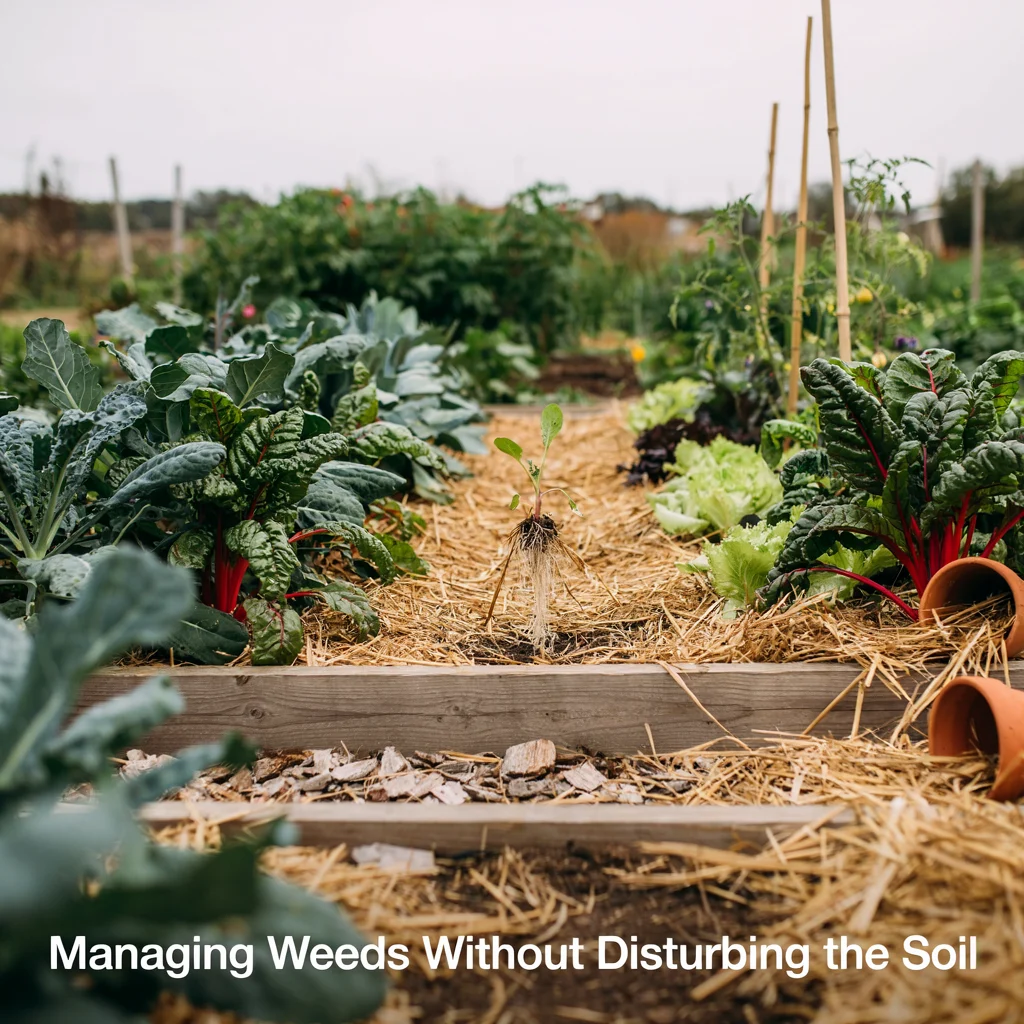
Managing weeds without disturbing the soil relies more heavily on mulch and dense planting than on the disruption tilling would normally provide to keep weed pressure down.
Using Mulch as the Primary No-Till Weed Barrier
Using mulch as the primary no-till weed barrier, keeping a consistent layer on any exposed soil, does most of the weed suppression work in a no-till system.
Hand-Pulling Weeds Without Disrupting Surrounding Roots
Hand-pulling weeds without disrupting surrounding roots, removing them individually rather than hoeing broadly, keeps the disturbance limited to just the unwanted plant itself.
The Bottom Line
A no-till raised bed comes down to building fertility from the top down, through layered organic matter, quality compost, and regular top-dressing, rather than digging amendments into the soil each season. Once established, it tends to need less physical labor than a traditional tilled bed while supporting a genuinely healthier underlying soil ecosystem.
For related ideas, see our articles on Simple Steps for Creating a More Eco-friendly Garden, Plants That Like Wet Soil, and A Complete Guide to Dogwood Tree Care. For more on this, our guides on Different Types of Roses: A Guide for Gardeners, These Easy Shade Tips Could Save A Ton of Summer Crops, and Outdoor Styling Mistakes You Might Be Making cover related ground. For related ideas, see our guides on How to Grow Ligularia: Planting and Care Guide and How to Grow Morning Glory: Planting and Care Tips.
Frequently Asked Questions
Is No-Till Gardening Actually Better Than Tilling?
No-till gardening is generally considered better for long-term soil health, since it preserves beneficial fungal networks and soil structure that tilling disrupts every season.
How Long Does It Take a No-Till Bed to Become Productive?
A no-till bed built with the sheet-layering method can often be planted within a few weeks to a couple of months, once the initial layers have started to break down.
Can I Convert an Existing Tilled Bed to No-Till?
An existing tilled bed can be converted to no-till simply by stopping tillage and switching to top-dressing with compost and mulch going forward, rather than starting the bed over.
Do No-Till Beds Need Less Watering Than Tilled Beds?
No-till beds often need somewhat less watering than tilled beds, since the undisturbed soil structure and consistent mulch layer both help retain moisture more effectively.
What’s the Biggest Mistake Beginners Make With No-Till Gardening?
The biggest mistake beginners make with no-till gardening is disturbing the soil out of habit, whether through hoeing, deep weeding, or digging in amendments, which undermines the whole point of the method.