
15 Plants That Like Wet Soil (Plus Growing Tips and FAQs)

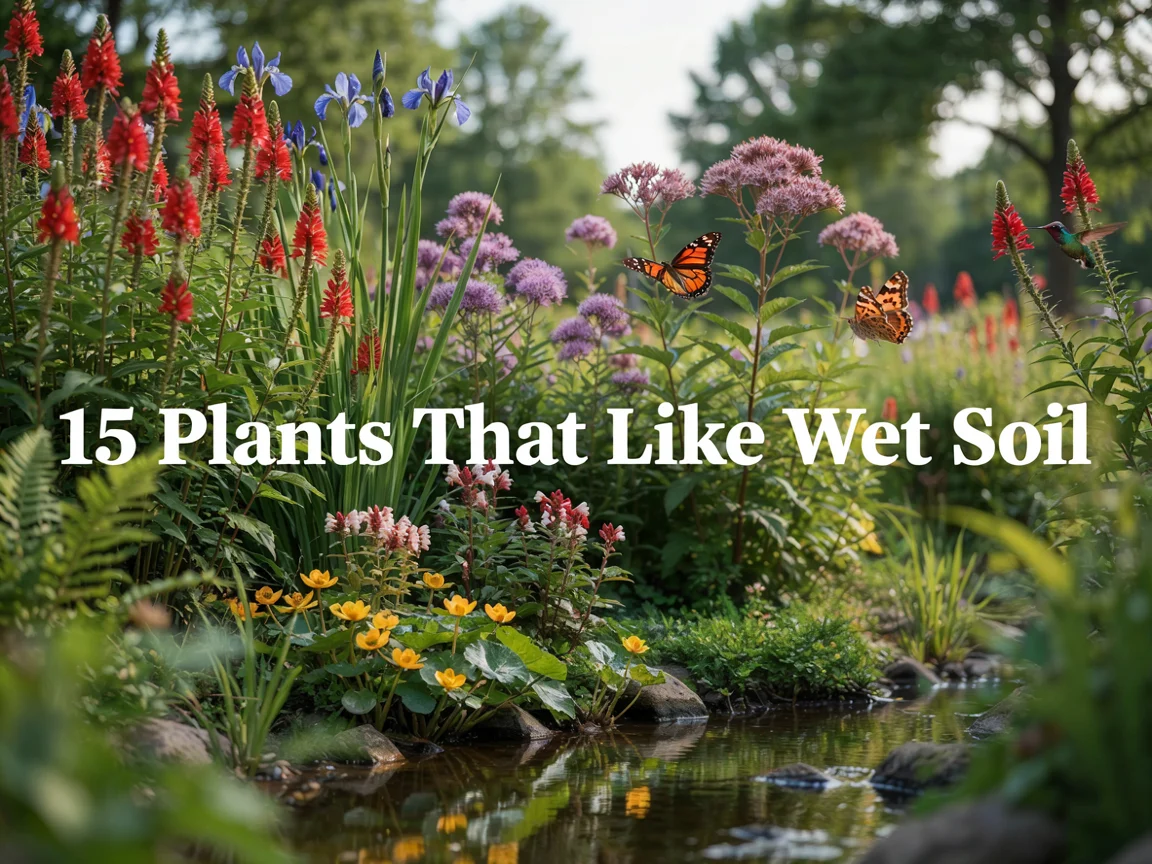
A soggy low spot, a rain garden, or the edge of a pond doesn’t have to be a problem area, since a genuine range of plants actually prefer consistently moist or wet soil over anything drier. The 15 plants below cover flowers, shrubs, and even trees, giving enough variety to turn a wet, hard-to-plant corner into one of the more interesting parts of the yard.
Cardinal Flower for Vivid Red Summer Spikes
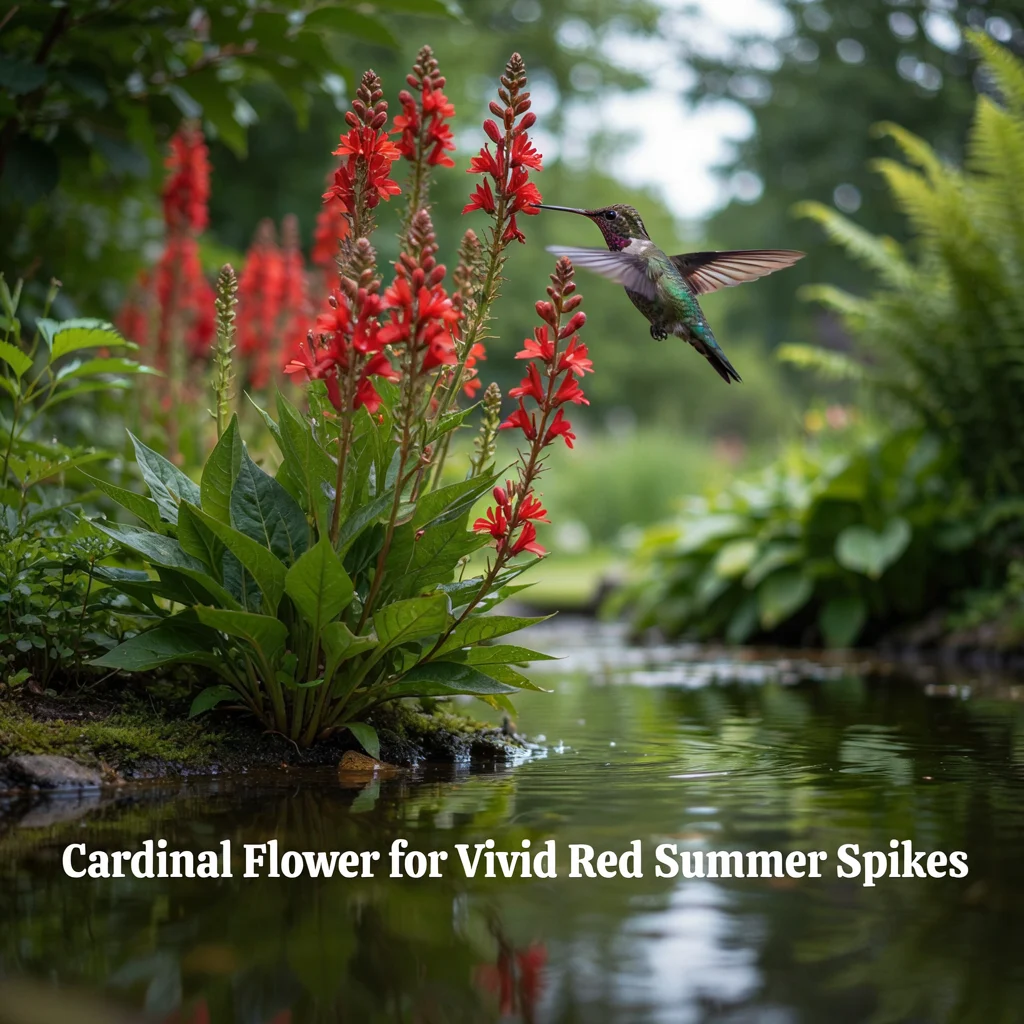
Cardinal flower for vivid red summer spikes produces tall, brilliant red flower spikes that thrive in consistently moist soil and attract hummingbirds throughout the summer.
Why Cardinal Flower Suits Pond and Stream Edges
Why cardinal flower suits pond and stream edges comes down to its natural habitat, growing wild along waterways where its roots stay reliably damp throughout the season.
Keeping Cardinal Flower From Drying Out in Summer
Keeping cardinal flower from drying out in summer means avoiding any spot that dries between rains, since this plant struggles noticeably once soil moisture drops too low.
Joe Pye Weed for Tall, Pollinator-Friendly Structure

Joe Pye weed for tall, pollinator-friendly structure brings serious height and large, dusty-pink flower clusters that draw butterflies in heavily during late summer.
Why Joe Pye Weed Works Well in Rain Gardens
Why Joe Pye weed works well in rain gardens comes down to its tolerance for both standing water after rain and normal moisture between storms, a flexibility not every wet-soil plant shares.
Giving Joe Pye Weed Enough Room to Spread
Giving Joe Pye weed enough room to spread matters given its mature size, often reaching 5 to 7 feet tall and requiring several feet of space to look its best.
Swamp Milkweed for Monarch Butterfly Support
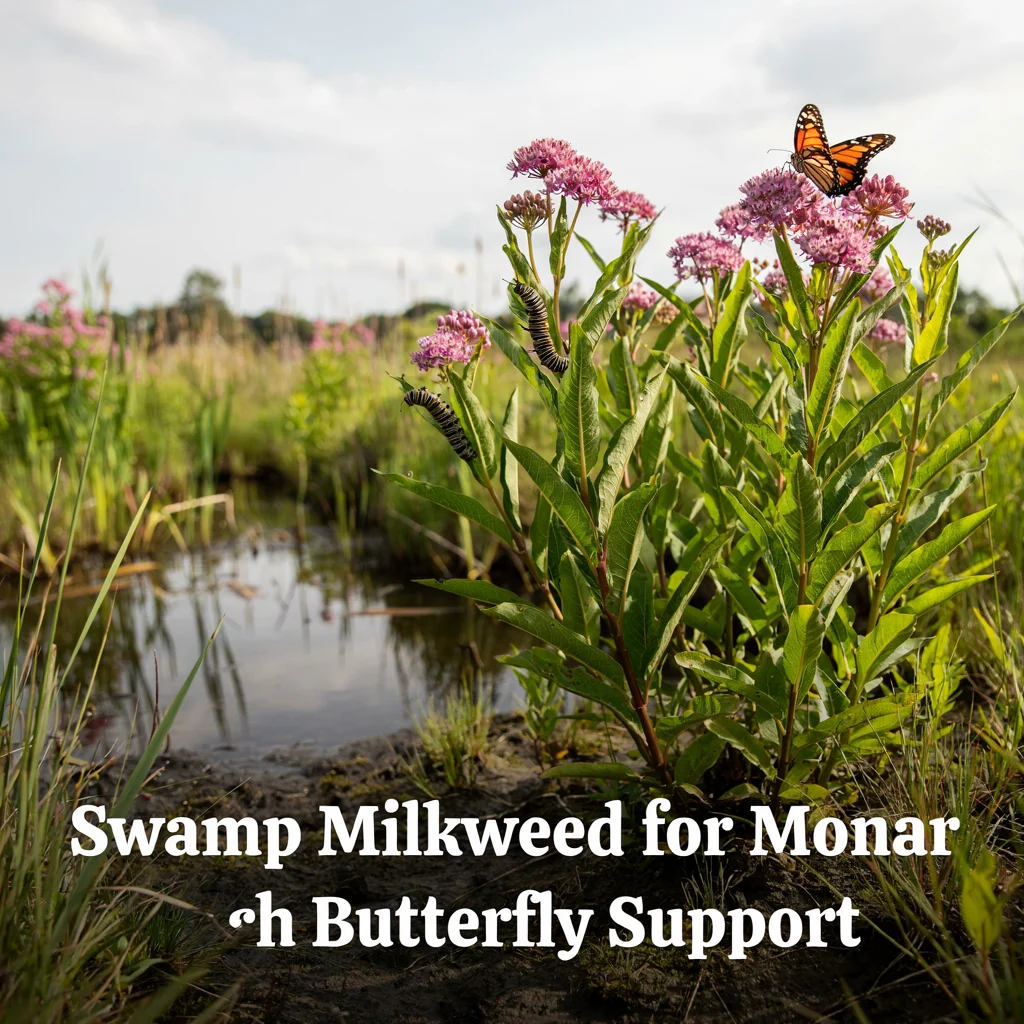
Swamp milkweed for monarch butterfly support offers a wet-tolerant alternative to common milkweed, serving as a critical host plant for monarch caterpillars while producing clusters of pink summer flowers.
Why Swamp Milkweed Handles Wet Soil Better Than Other Milkweeds
Why swamp milkweed handles wet soil better than other milkweeds comes down to its native habitat in marshes and wet meadows, unlike most milkweed species that actually prefer drier conditions.
Supporting the Full Monarch Life Cycle
Supporting the full monarch life cycle means planting enough swamp milkweed for caterpillars to feed on, since a healthy population will visibly strip some foliage during the season.
Blue Flag Iris for Elegant Waterside Blooms
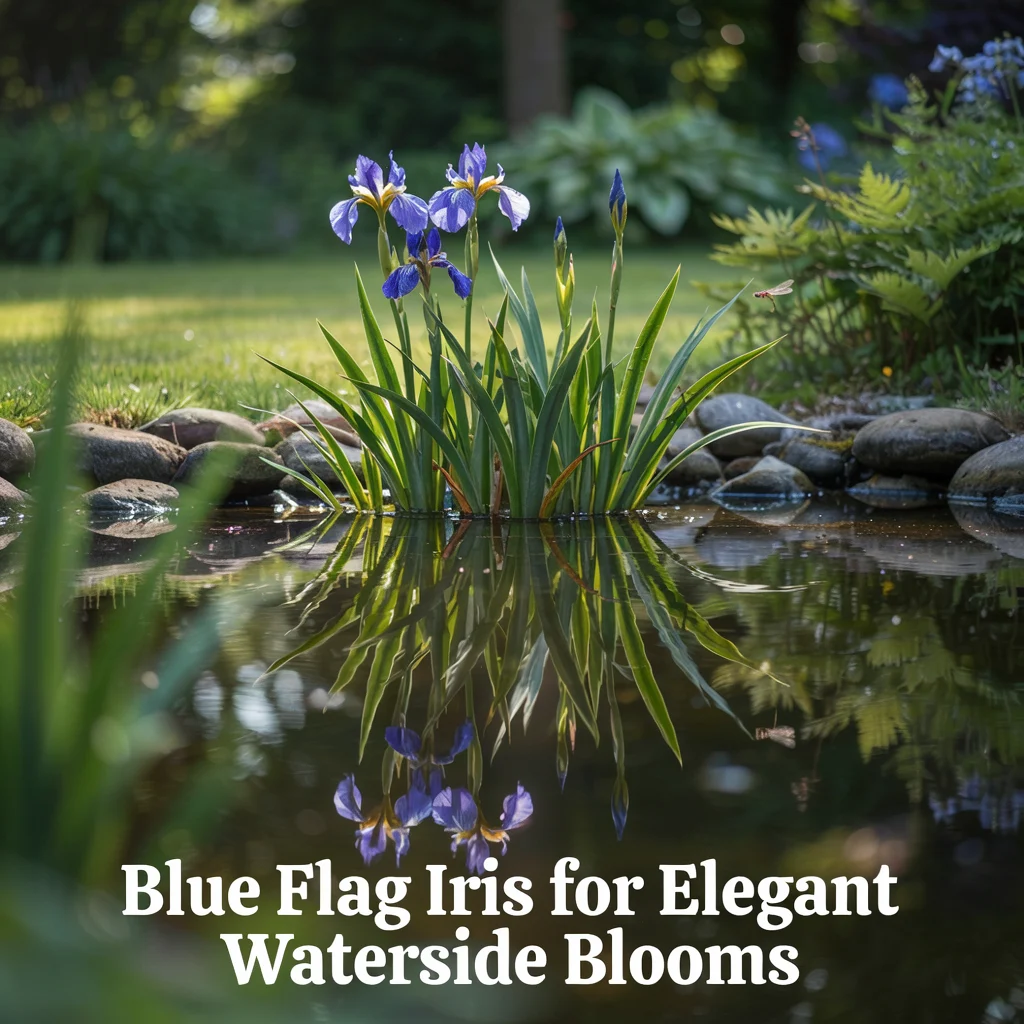
Blue flag iris for elegant waterside blooms produces classic, purple-blue iris flowers directly at the water’s edge, tolerating both wet soil and shallow standing water.
Why Blue Flag Iris Can Grow Directly in Shallow Water
Why blue flag iris can grow directly in shallow water comes down to its native wetland origins, making it one of the few ornamental perennials genuinely suited to pond margins.
Dividing Blue Flag Iris to Keep Clumps Vigorous
Dividing blue flag iris to keep clumps vigorous every few years prevents overcrowding and keeps the rhizomes producing strong, healthy blooms.
Marsh Marigold for Bright Early-Spring Color
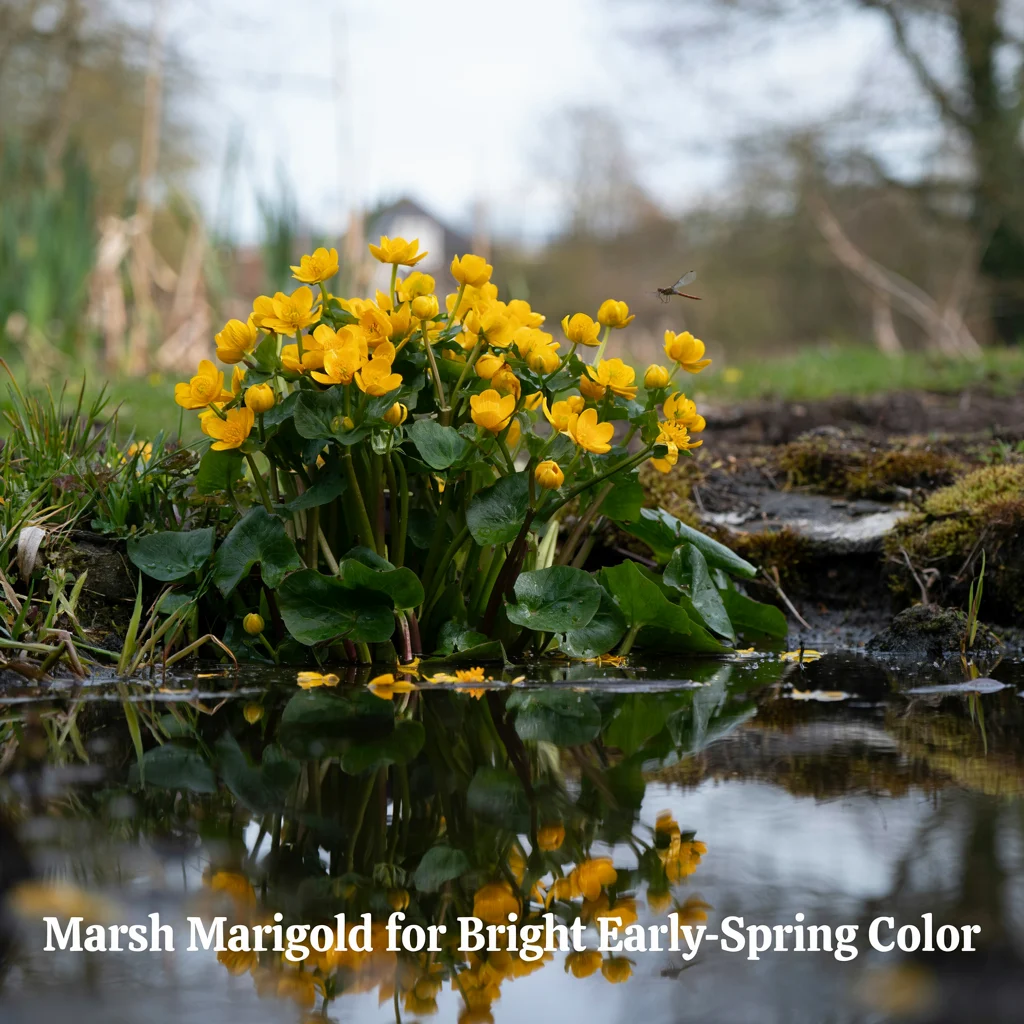
Marsh marigold for bright early-spring color produces cheerful yellow, buttercup-like flowers that appear early in spring, often while nearby ground is still saturated from winter melt.
Why Marsh Marigold Blooms So Early in the Season
Why marsh marigold blooms so early in the season comes down to its adaptation to consistently wet, cool spring conditions, giving it a head start before many other perennials emerge.
Where Marsh Marigold Fits Best in a Wet Garden
Where marsh marigold fits best in a wet garden tends to be the very edge of a pond or bog area, where its roots can stay saturated even as the season progresses.
Turtlehead for Unusual Late-Summer Flowers
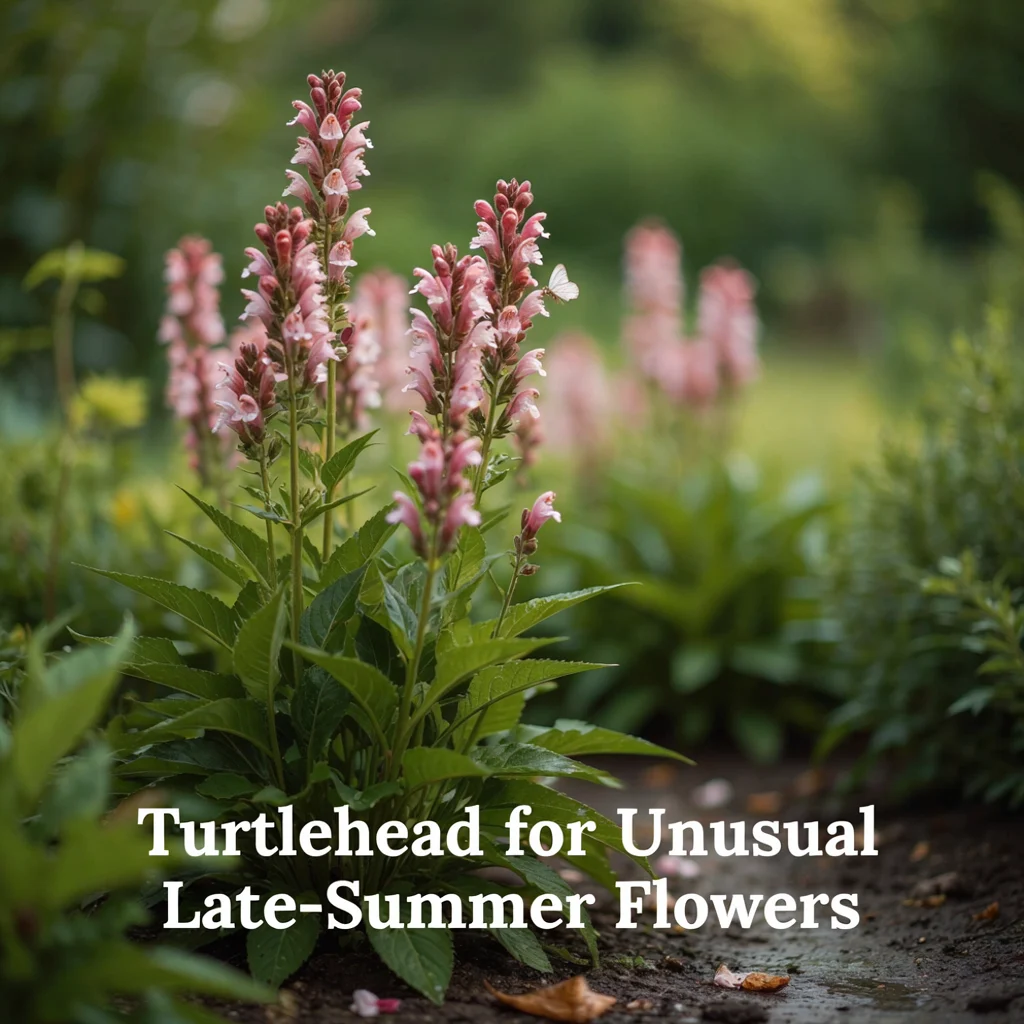
Turtlehead for unusual late-summer flowers gets its name from its distinctively shaped pink or white blooms, adding late-season interest to a consistently moist bed.
Why Turtlehead Extends Bloom Time Into Fall
Why turtlehead extends bloom time into fall comes down to its naturally late flowering period, filling a gap after many earlier wet-soil perennials have already finished blooming.
Pairing Turtlehead With Other Moisture-Loving Perennials
Pairing turtlehead with other moisture-loving perennials like Joe Pye weed and cardinal flower creates a layered, continuously blooming wet garden bed through much of the growing season.
Japanese Iris for Refined, Large-Flowered Blooms
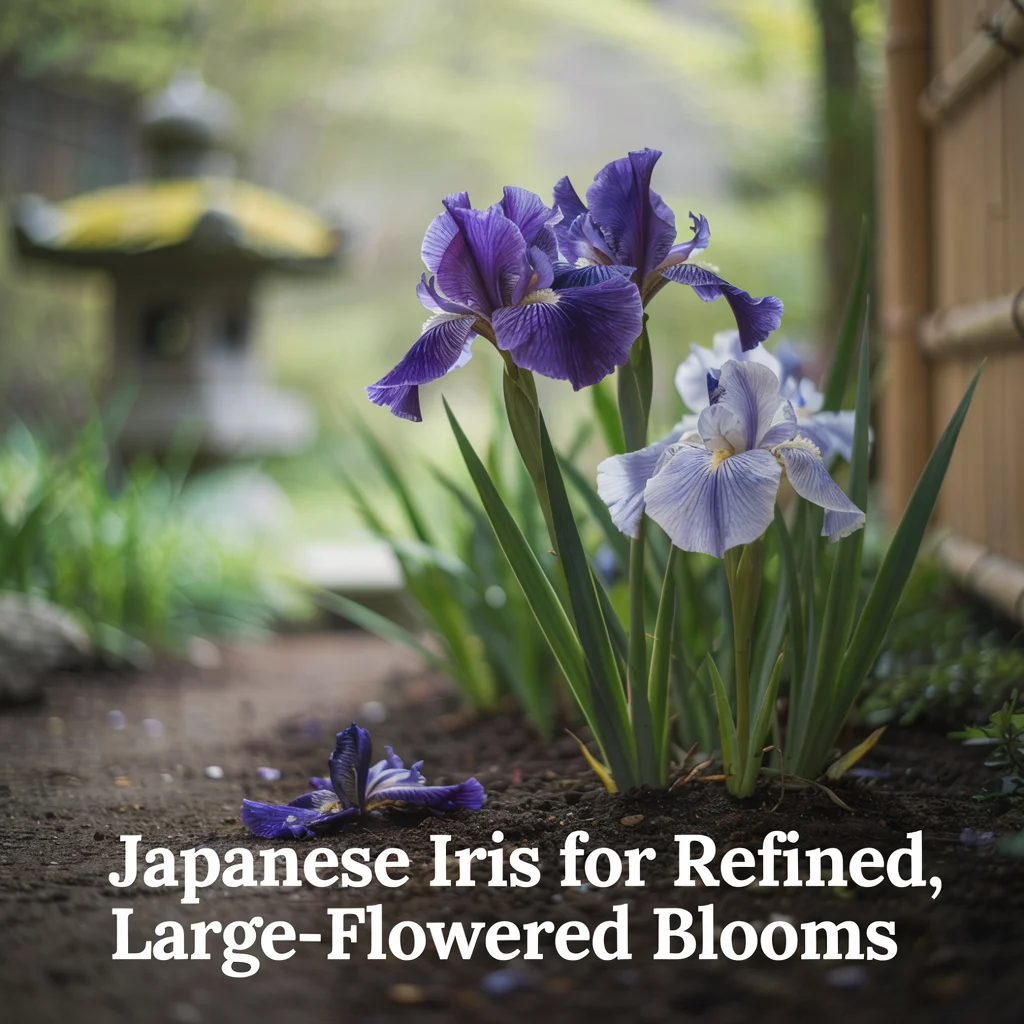
Japanese iris for refined, large-flowered blooms produces some of the largest, most elegant iris flowers available, thriving in consistently moist to boggy soil conditions.
How Japanese Iris Differs From Blue Flag Iris
How Japanese iris differs from blue flag iris comes down to flower form and origin, with Japanese iris offering flatter, more ruffled blooms in a wider range of colors and patterns.
Soil Conditions Japanese Iris Needs to Thrive
Soil conditions Japanese iris needs to thrive include consistently moist, slightly acidic soil, and this variety notably struggles if the soil is allowed to dry out during summer.
River Birch for a Wet-Tolerant Shade Tree
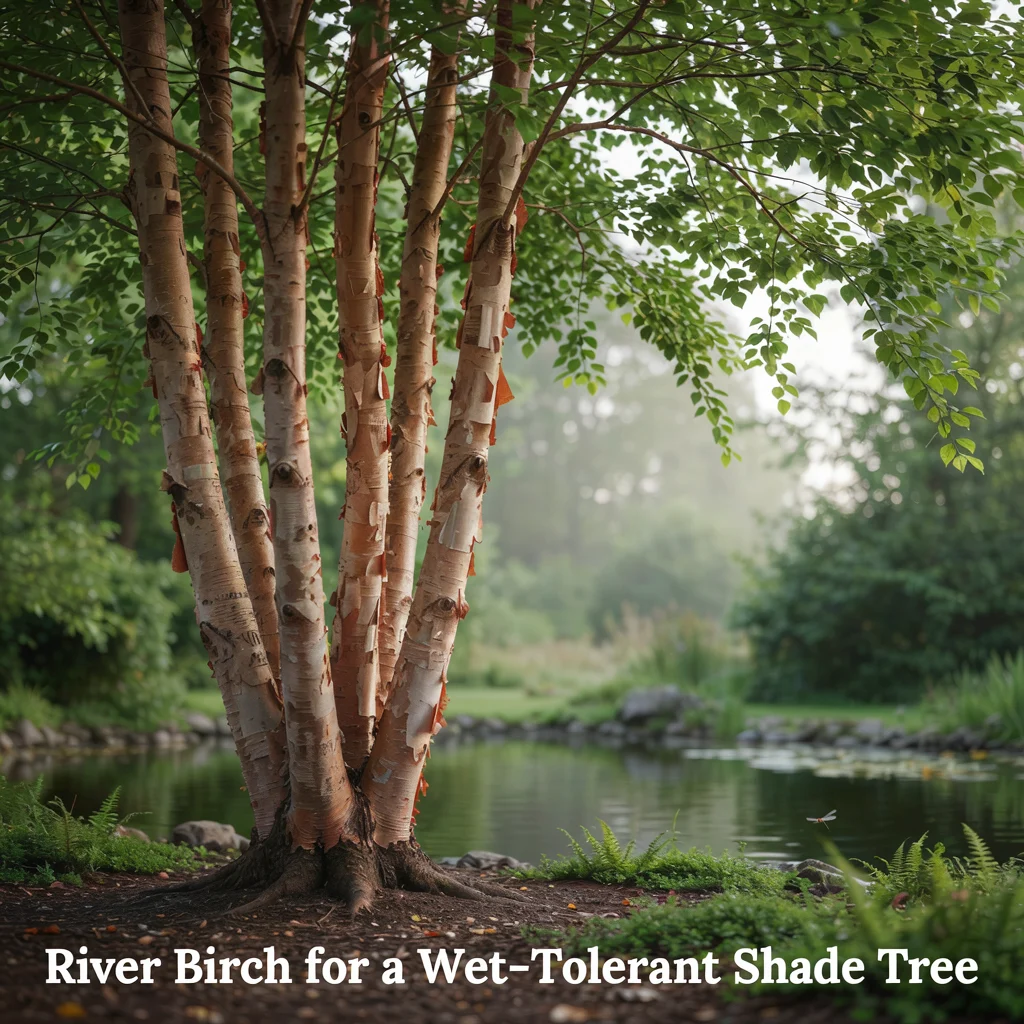
River birch for a wet-tolerant shade tree offers one of the few genuinely wet-tolerant tree options, with attractive peeling bark and a naturally graceful, multi-trunked form.
Why River Birch Handles Wet Sites Better Than Most Trees
Why river birch handles wet sites better than most trees comes down to its native habitat along riverbanks, giving it a genuine tolerance for periodic flooding that would stress other shade trees.
Using River Birch to Anchor a Larger Wet Garden Design
Using river birch to anchor a larger wet garden design gives height and structure, with smaller wet-loving perennials planted beneath its canopy for a layered, natural look.
Red Twig Dogwood for Winter Interest in Wet Beds
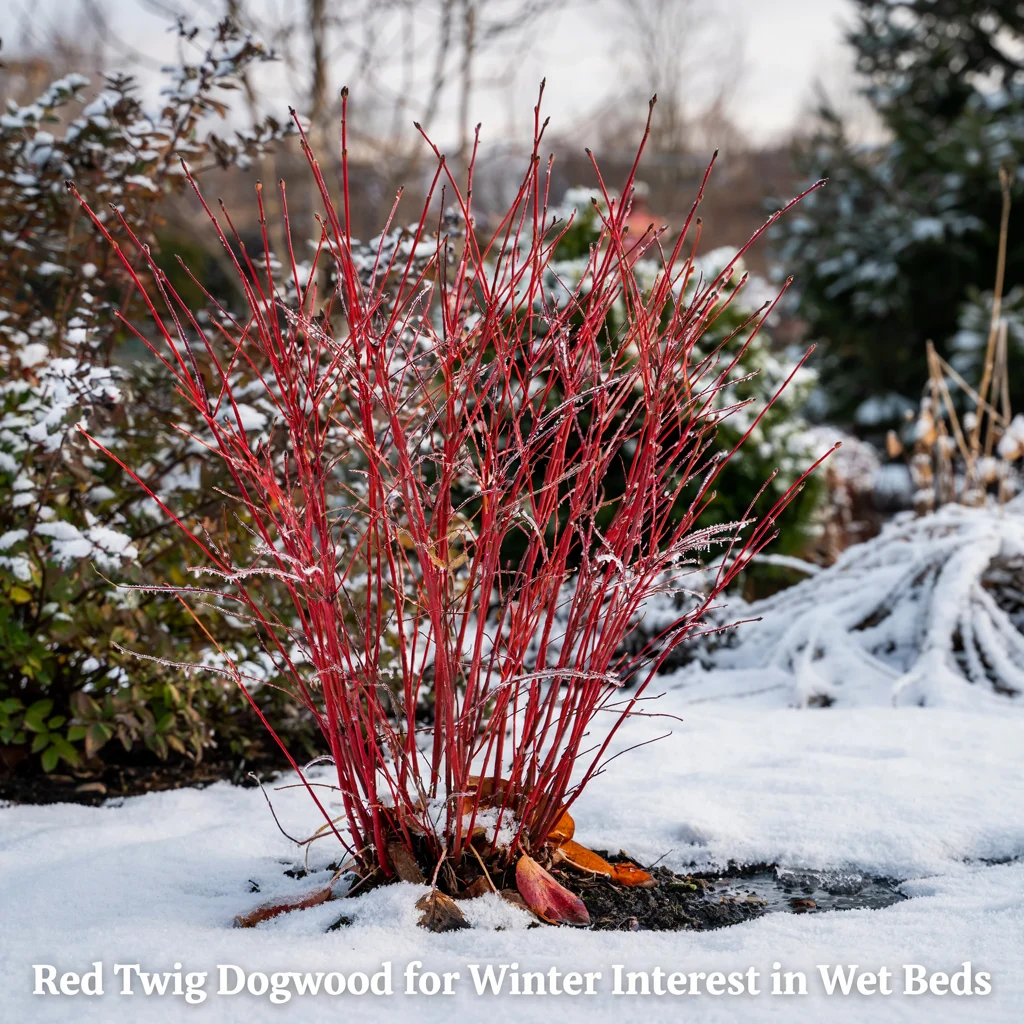
Red twig dogwood for winter interest in wet beds brings striking red stem color through the colder months, remaining attractive in a wet garden long after perennials have died back.
Why Red Twig Dogwood Tolerates Both Wet and Average Soil
Why red twig dogwood tolerates both wet and average soil comes down to its genuine adaptability, making it a flexible shrub choice for beds that alternate between soggy and normal moisture.
Pruning Red Twig Dogwood for the Brightest Stem Color
Pruning red twig dogwood for the brightest stem color means cutting out a portion of the oldest stems each spring, since younger stems consistently show the most vivid red color.
Sweetspire for Fragrant Blooms and Fall Color
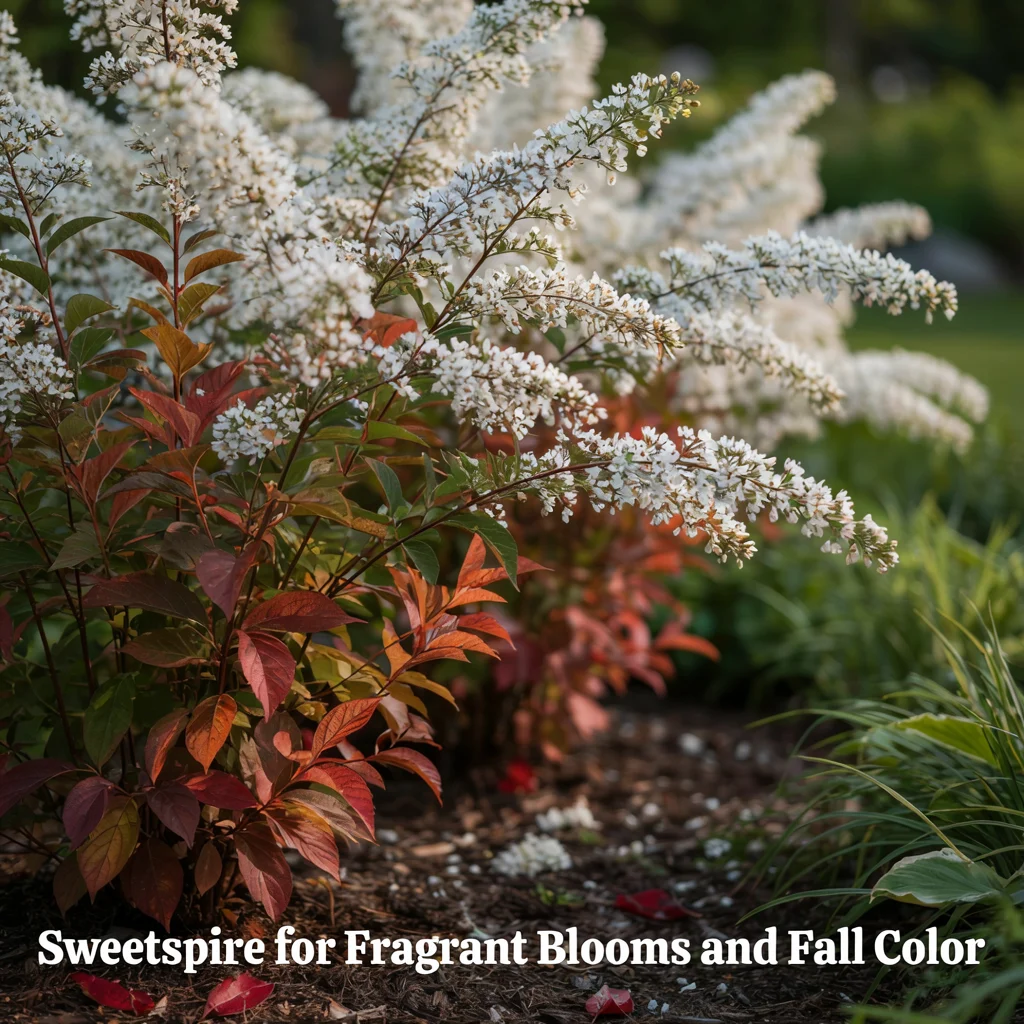
Sweetspire for fragrant blooms and fall color offers arching clusters of white, fragrant flowers in early summer followed by rich burgundy fall foliage, all while tolerating wet, poorly drained soil.
Why Sweetspire Suits the Edges of Rain Gardens
Why sweetspire suits the edges of rain gardens comes down to its tolerance for both standing water after storms and drier periods in between, similar to Joe Pye weed’s flexibility.
Sweetspire’s Compact Size Compared With Other Wet-Soil Shrubs
Sweetspire’s compact size compared with other wet-soil shrubs makes it a good fit for smaller wet areas where a larger shrub like red twig dogwood might be too much.
Elderberry for a Wet-Tolerant, Wildlife-Friendly Shrub
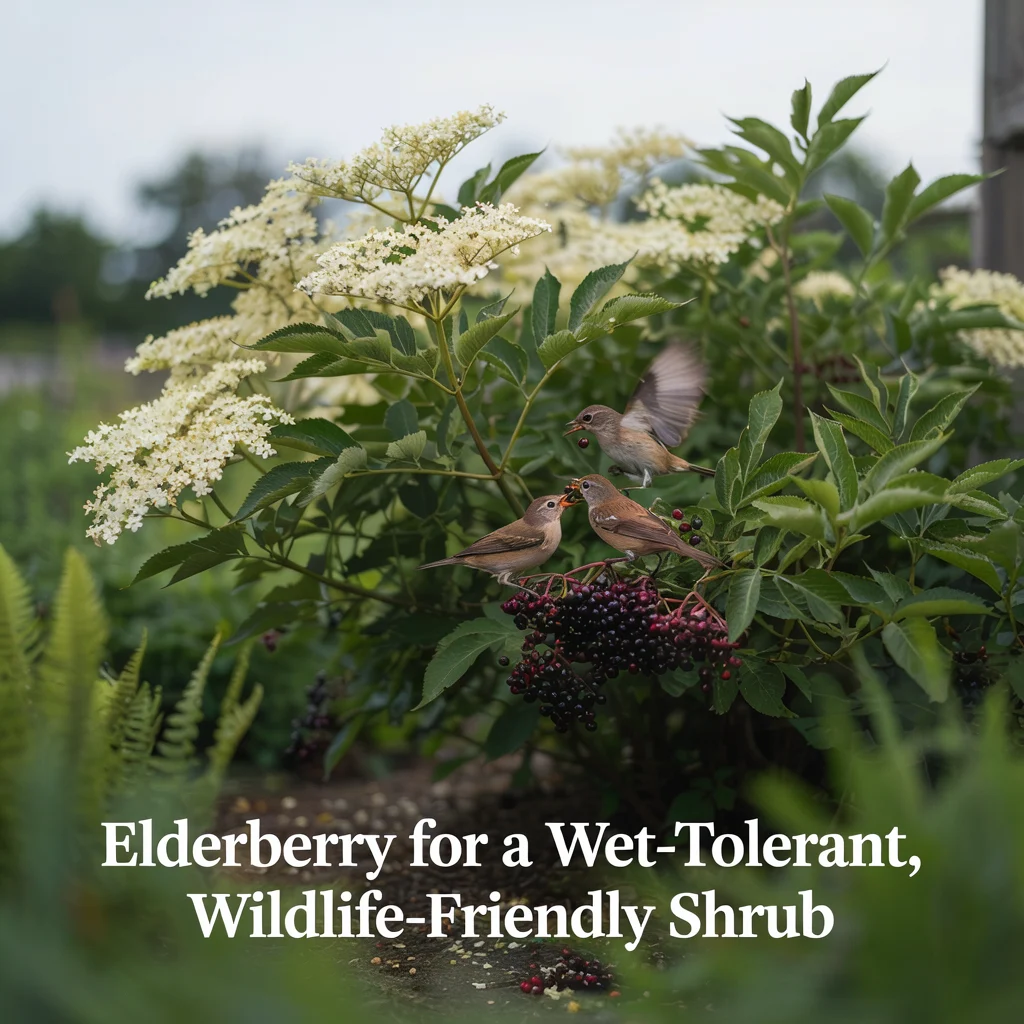
Elderberry for a wet-tolerant, wildlife-friendly shrub produces broad clusters of white flowers followed by dark berries that birds seek out heavily in late summer.
Why Elderberry Handles Occasional Flooding Well
Why elderberry handles occasional flooding well comes down to its natural streamside habitat, giving it genuine resilience in low spots that flood periodically after heavy rain.
Harvesting Elderberries Safely for Home Use
Harvesting elderberries safely for home use requires cooking the berries first, since raw elderberries and other plant parts contain compounds that are unsafe to eat uncooked.
Rodgersia for Bold, Textured Foliage in Wet Shade
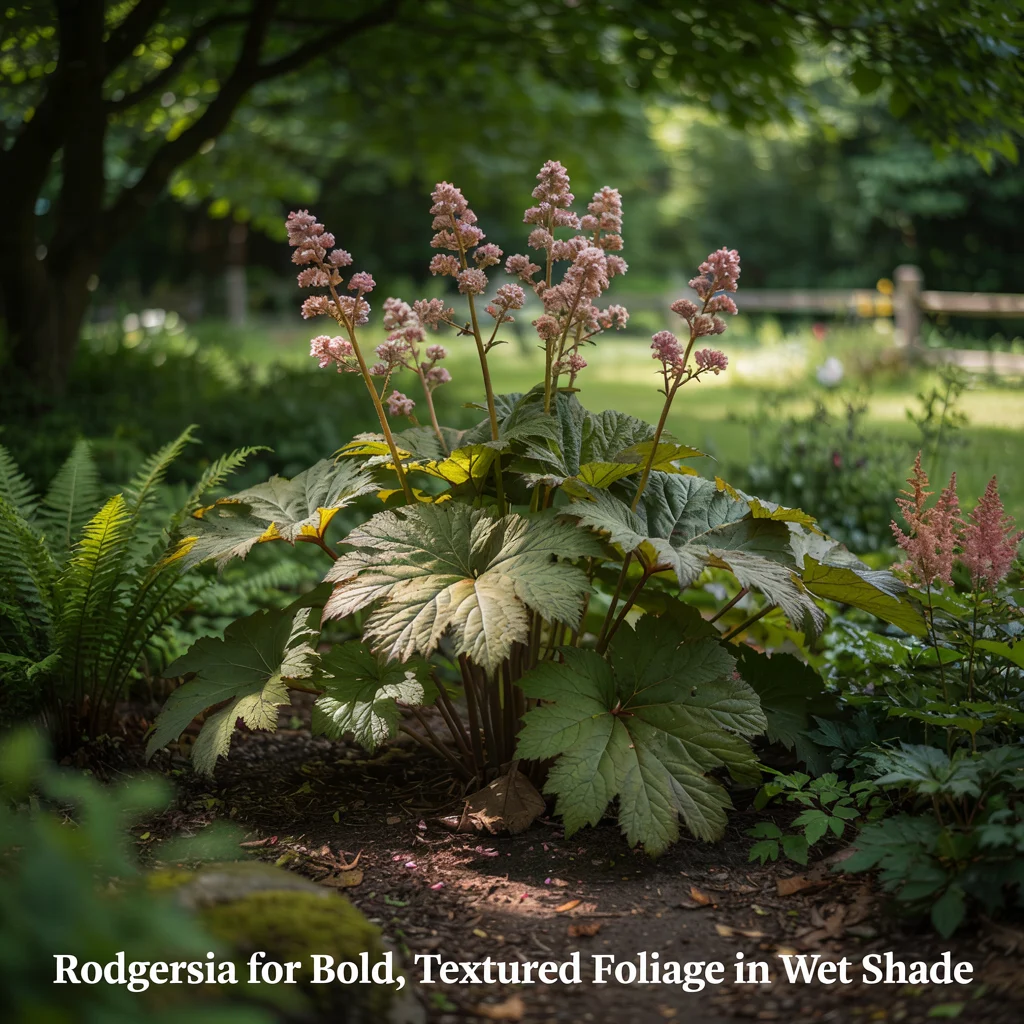
Rodgersia for bold, textured foliage in wet shade brings large, dramatically textured leaves along with plumes of pink or white flowers to a shaded, consistently moist bed.
Why Rodgersia Pairs Well With Ferns and Astilbe
Why Rodgersia pairs well with ferns and astilbe comes down to shared moisture and light needs, along with contrasting leaf shapes that add visual depth to a wet shade garden.
Protecting Rodgersia’s Large Leaves From Wind Damage
Protecting Rodgersia’s large leaves from wind damage by choosing a somewhat sheltered planting spot prevents the tattering a strong, open wind can cause to its broad foliage.
Ostrich Fern for Lush, Architectural Wet-Soil Texture
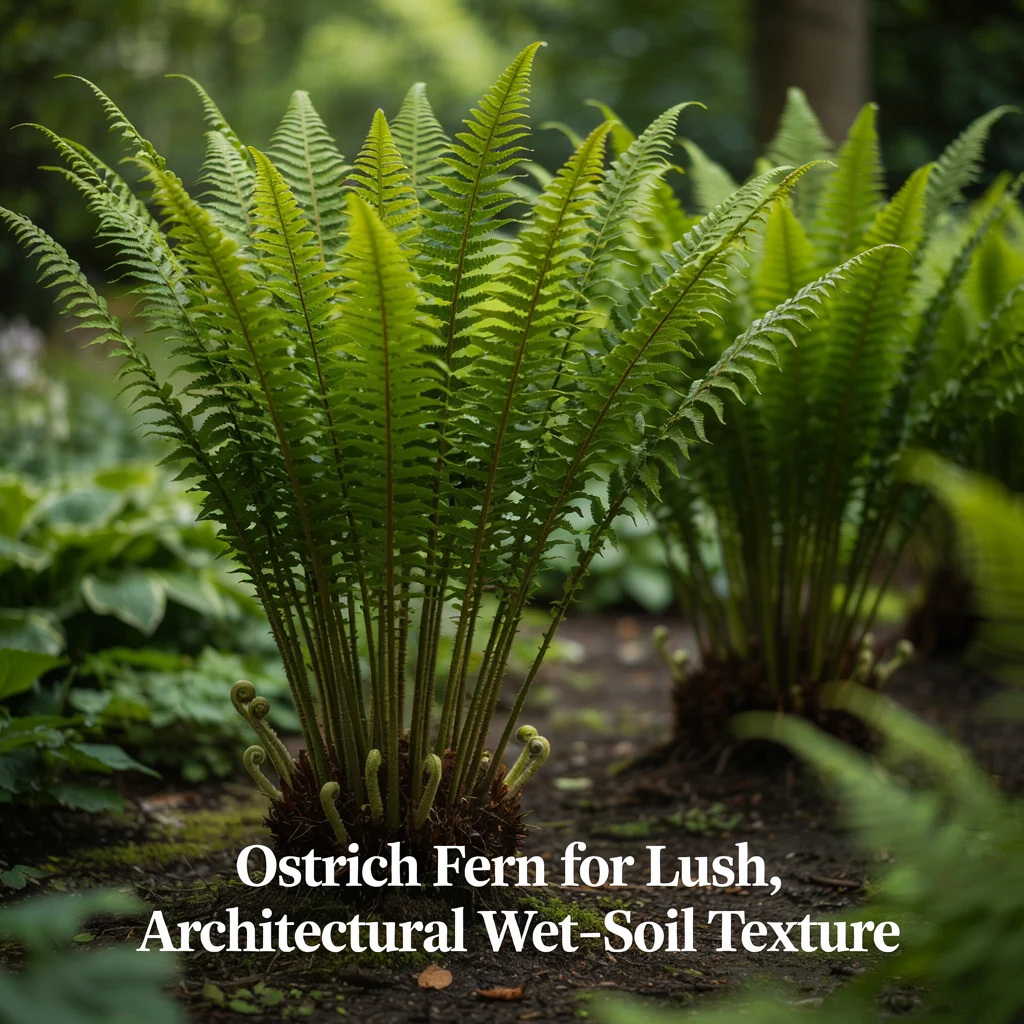
Ostrich fern for lush, architectural wet-soil texture forms tall, vase-shaped clumps of feathery fronds, thriving in consistently moist to wet, shaded soil.
Why Ostrich Fern Needs More Water Than Other Ferns
Why ostrich fern needs more water than other ferns comes down to its size and rapid growth, requiring more consistent moisture than smaller, drought-tolerant fern varieties.
Harvesting Fiddleheads Without Harming the Plant
Harvesting fiddleheads without harming the plant means taking only a portion of the emerging fronds each spring, leaving enough for the fern to grow and photosynthesize normally.
Canna for Bold Tropical Color in Boggy Soil
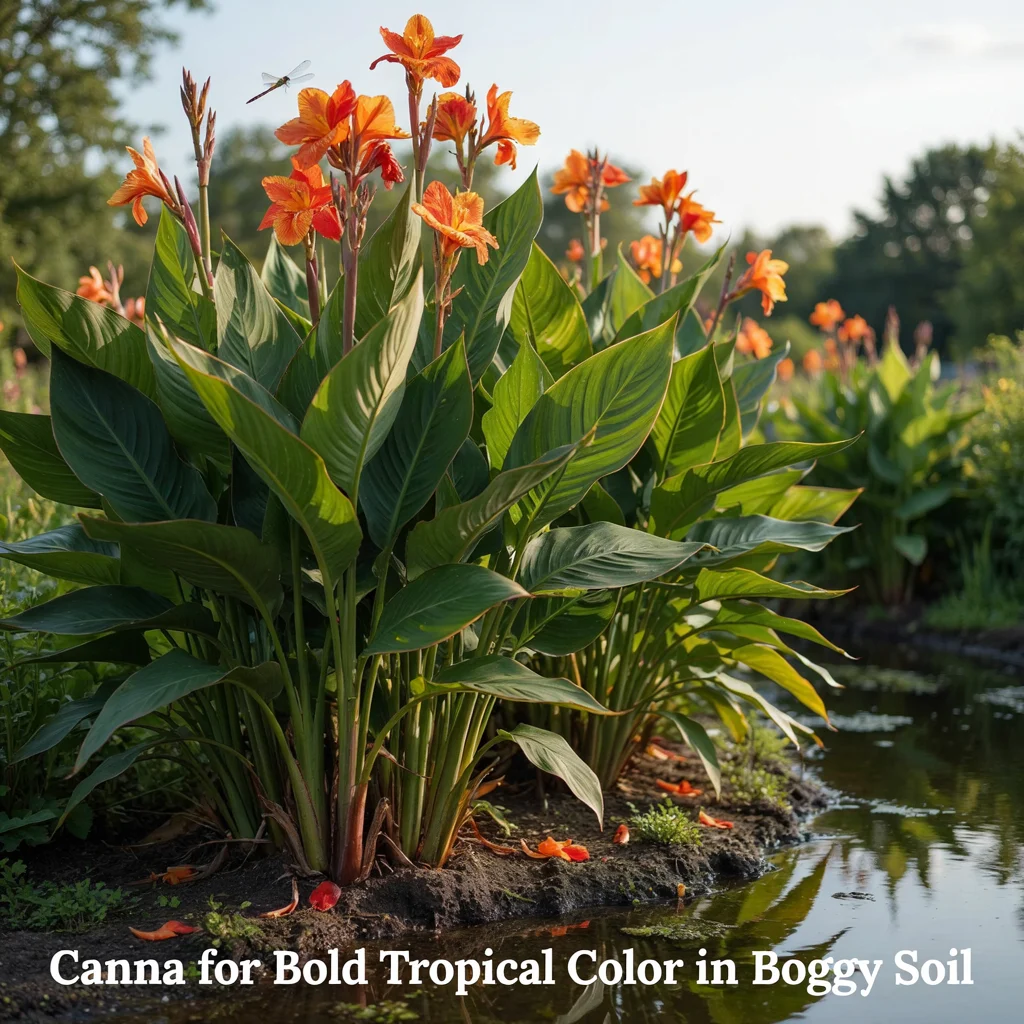
Canna for bold tropical color in boggy soil produces large, dramatic leaves and vivid summer flowers, tolerating both wet garden soil and shallow standing water at a pond’s edge.
Why Canna Can Even Grow as a Marginal Pond Plant
Why canna can even grow as a marginal pond plant comes down to its genuine tolerance for saturated and partially submerged roots, unlike most tropical-looking flowering plants.
Overwintering Canna Rhizomes in Colder Climates
Overwintering canna rhizomes in colder climates generally means digging and storing them indoors over winter, since canna isn’t reliably hardy outside of warmer growing zones.
Winterberry Holly for Wet-Tolerant Winter Berries
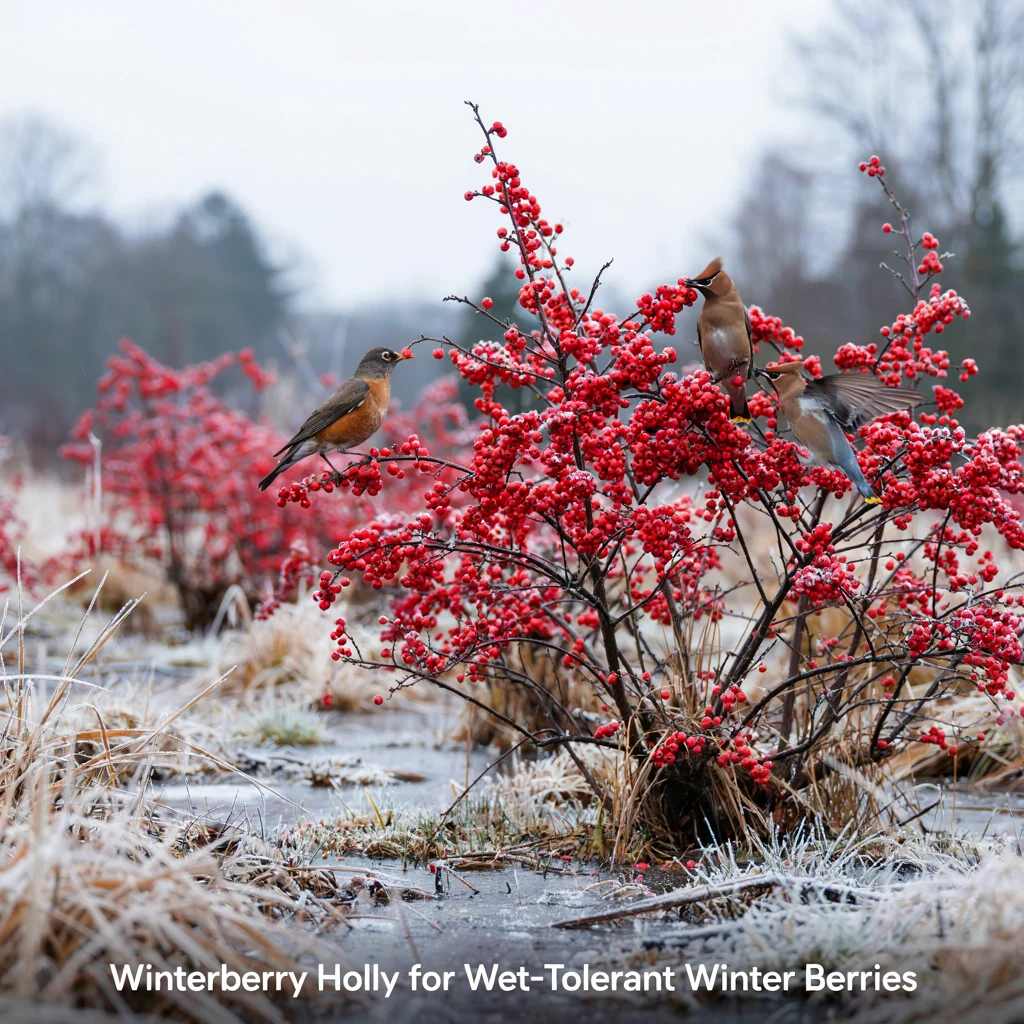
Winterberry holly for wet-tolerant winter berries drops its leaves in fall to reveal branches covered in bright red berries, thriving in consistently wet, even boggy, soil conditions.
Why Winterberry Needs Both a Male and Female Plant
Why winterberry needs both a male and female plant comes down to its pollination requirements, since female plants only produce their signature berries when a male pollinator is planted nearby.
Using Winterberry for Late-Season Wildlife Value
Using winterberry for late-season wildlife value comes from its berries, which persist through much of winter and provide an important food source for birds when other options are scarce.
The Bottom Line
A wet, low-lying spot in the yard offers far more planting options than it first appears to, from flowering perennials like cardinal flower and blue flag iris to shrubs and trees like river birch and winterberry holly that genuinely thrive where drainage is poor. Matching the right plant to how wet the site actually stays, rather than fighting the conditions, turns a problem area into one of the more rewarding parts of the garden.
For related ideas, see our articles on Simple Steps for Creating a More Eco-friendly Garden, How to Start a No-Till Raised Bed Garden, and A Complete Guide to Dogwood Tree Care. For more on this, our guides on Different Types of Roses: A Guide for Gardeners, These Easy Shade Tips Could Save A Ton of Summer Crops, and Outdoor Styling Mistakes You Might Be Making cover related ground.
Frequently Asked Questions
What Plants Grow Best in Standing Water?
Blue flag iris and canna are among the few plants on this list that tolerate shallow standing water directly at a pond’s edge, while most others prefer consistently moist rather than fully submerged soil.
Can I Plant Wet-Soil Plants in a Rain Garden?
Wet-soil plants like Joe Pye weed, swamp milkweed, and sweetspire are excellent choices for a rain garden, since they tolerate both temporary flooding and drier periods between storms.
Do Wet-Soil Plants Still Need Watering During a Drought?
Many wet-soil plants, including cardinal flower and Japanese iris, still need supplemental watering during extended drought, since their preference for consistent moisture doesn’t necessarily mean drought tolerance.
What Trees Tolerate Wet, Poorly Drained Soil?
River birch is one of the most reliable trees for wet, poorly drained soil, tolerating periodic flooding far better than most other common shade trees.
How Do I Know If My Soil Is Wet Enough for These Plants?
Soil that stays visibly damp or takes noticeably longer to drain after rain compared with the rest of the yard is generally a good indicator that it suits the wet-soil plants covered here.