
Deer-Resistant Flowers, Shrubs, and Trees for Your Garden

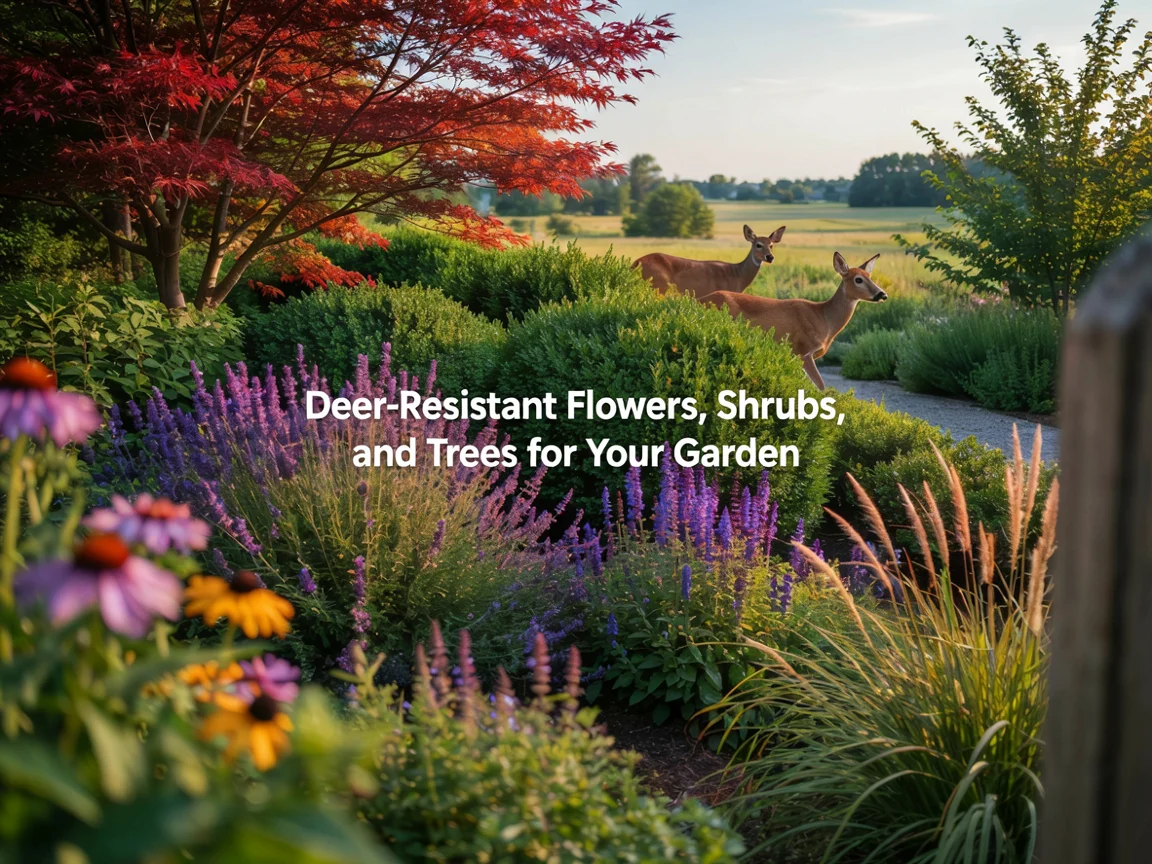
The morning I found my entire hosta bed reduced to a row of bare, chewed stalks was the morning I stopped gardening against deer and started gardening around them. I had done everything the internet told me — sprays, netting, a motion-activated sprinkler that mostly startled the postman — and still, overnight, a small herd had strolled through and treated my carefully planted border like a salad bar. In my fury I nearly gave up on the garden entirely. Instead I spent that whole frustrating season learning which plants the deer walked straight past, and I rebuilt the garden around those. Within two years I had a garden as full and beautiful as ever, and the deer wandered through it without stopping, because there was nothing there they wanted to eat. That is the whole secret: you cannot out-fence or out-spray determined deer forever, but you can plant a garden they simply are not interested in — and it can be every bit as gorgeous as one that isn’t.
Deer-resistant flowers, shrubs, and trees are plants that deer generally avoid browsing — because of their fragrance, texture, taste, or toxicity allowing you to create a beautiful, layered garden that survives despite deer pressure. Over the years I have designed and rescued gardens in deer country ranging from woodland-edge plots to open rural properties under heavy browsing pressure, and in this article I am sharing the best deer-resistant plants across all three layers, plus how to use them.
Understanding Deer Resistance
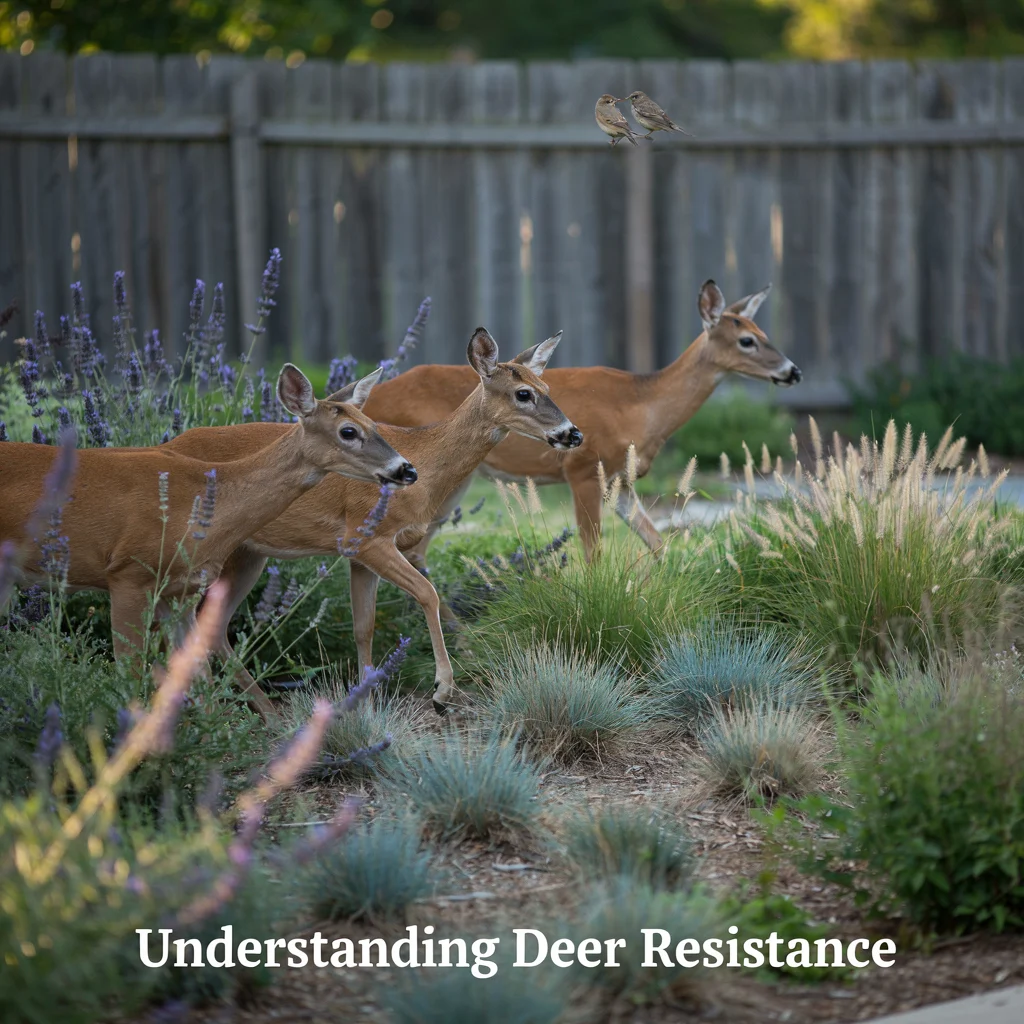
Understanding deer resistance is the foundation of a deer-proof garden. Deer avoid certain plants for three main reasons: strong fragrance, in aromatic plants like lavender and Russian sage; unpleasant texture, in fuzzy, hairy, or spiny foliage; and toxicity, in plants that are poisonous or distasteful. It is important, though, to understand what “deer-resistant” really means. No plant is completely deer-proof, since very hungry deer will eat almost anything. Resistance is not immunity — these plants are reliably avoided under normal conditions but not guaranteed — and pressure matters, because in areas of severe deer density or during hard winters, even resistant plants may be browsed.
Deer-Resistant Flowers
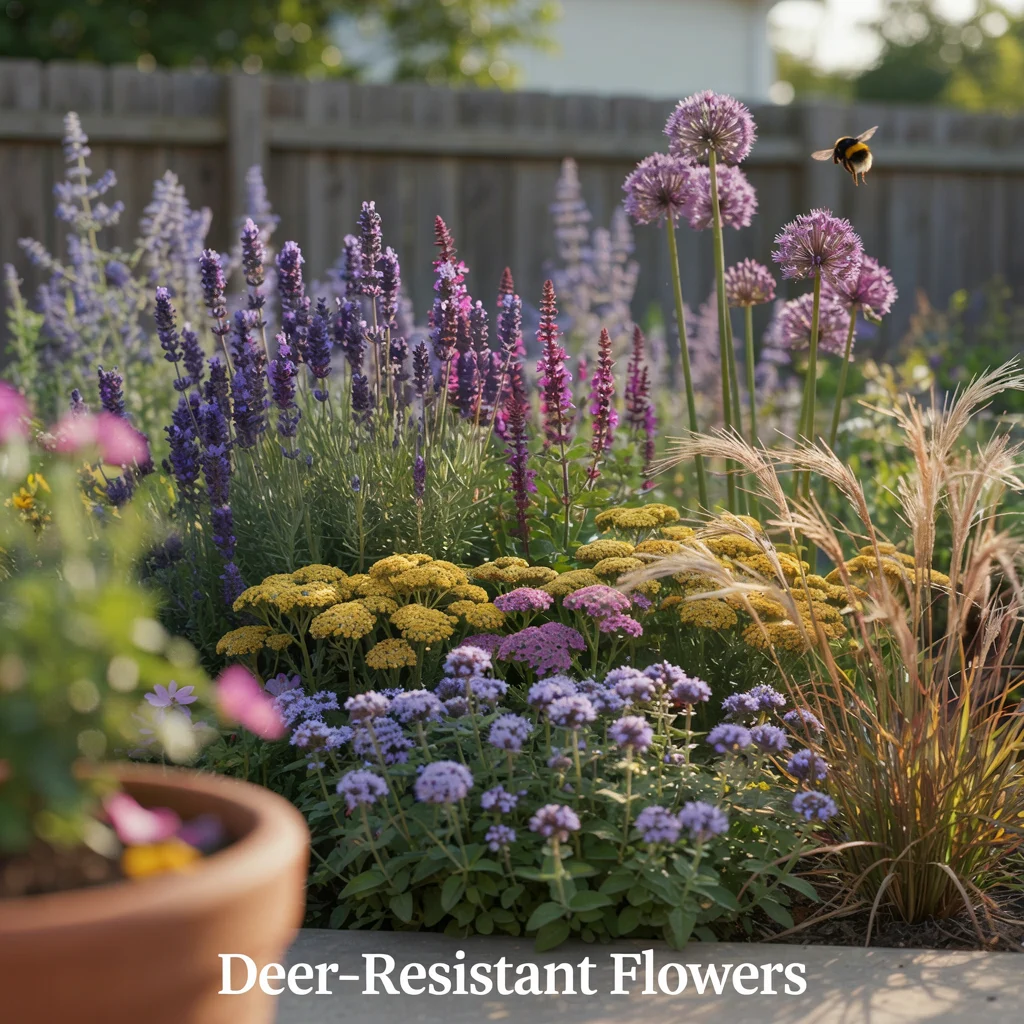
Deer-resistant flowers provide the colour and ground-level planting of the garden while being reliably avoided by deer. Lavender and Russian sage deter deer with their aromatic oils while providing fragrant flowers and silvery structure in sunny borders. Salvia and catmint are avoided for their scented foliage and flower for months, attracting pollinators the deer pass by. Yarrow offers flat-topped flower heads in yellow, pink, red, and white above aromatic feathery foliage. Foxglove and daffodils are left alone thanks to their toxicity, foxglove self-seeding into shady borders and daffodils providing reliable spring colour. Alliums are passed over for their oniony scent while adding architectural globe flowers, and ornamental grasses are rarely browsed, adding movement and year-round structure. Together these give a full, beautiful flowering display despite the browsing pressure.
Deer-Resistant Shrubs
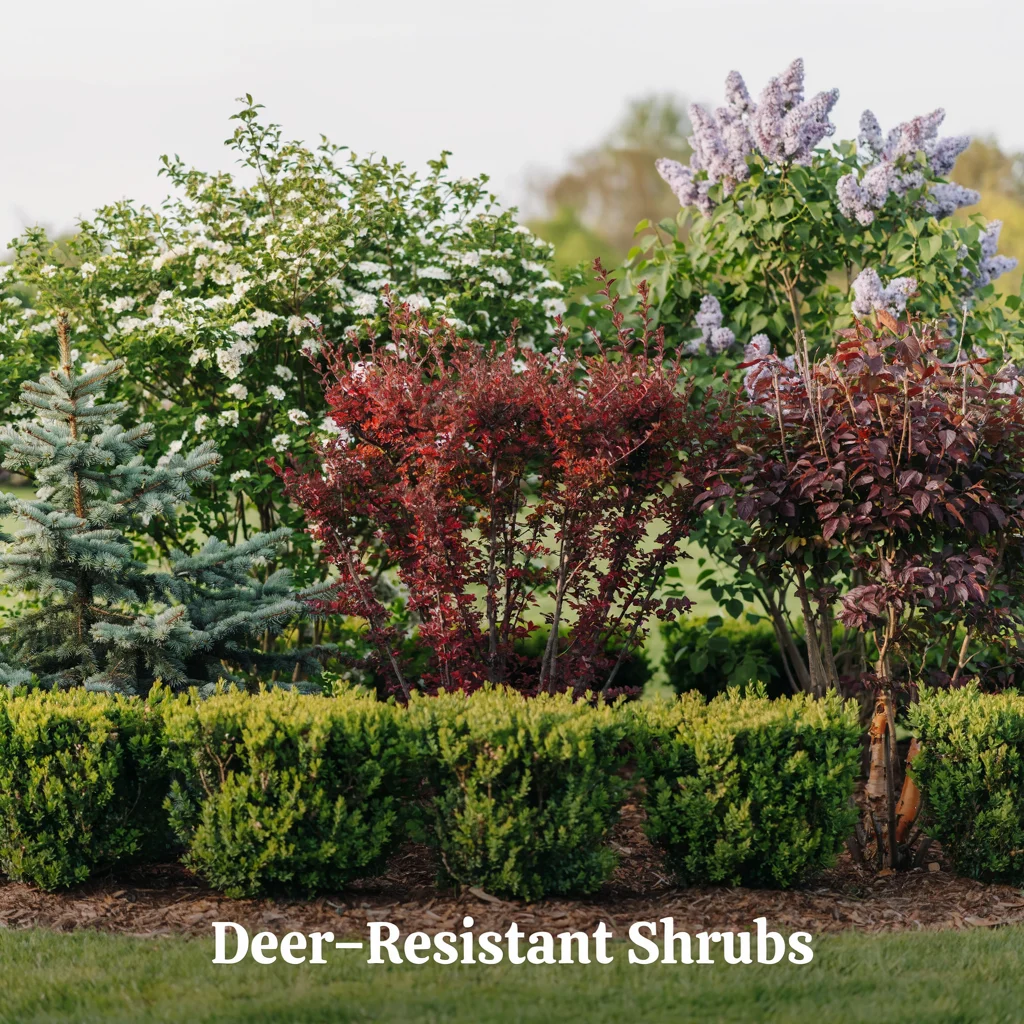
Deer-resistant shrubs provide the structural middle layer of the garden. Boxwood and juniper are avoided for their scent and texture and provide reliable evergreen structure, boxwood for clipped hedging and juniper for tough sunny positions. Thorny shrubs like barberry and holly deter deer physically while offering colourful foliage and berries. Viburnum, spirea, and lilac are generally left alone while providing flowers, berries, and fragrance across the seasons. Dwarf spruce adds needled evergreen form, potentilla flowers cheerfully all summer, and ninebark provides colourful foliage from gold to deep burgundy. Combining several of these creates a lasting shrub framework that deer walk past rather than destroy.
Deer-Resistant Trees
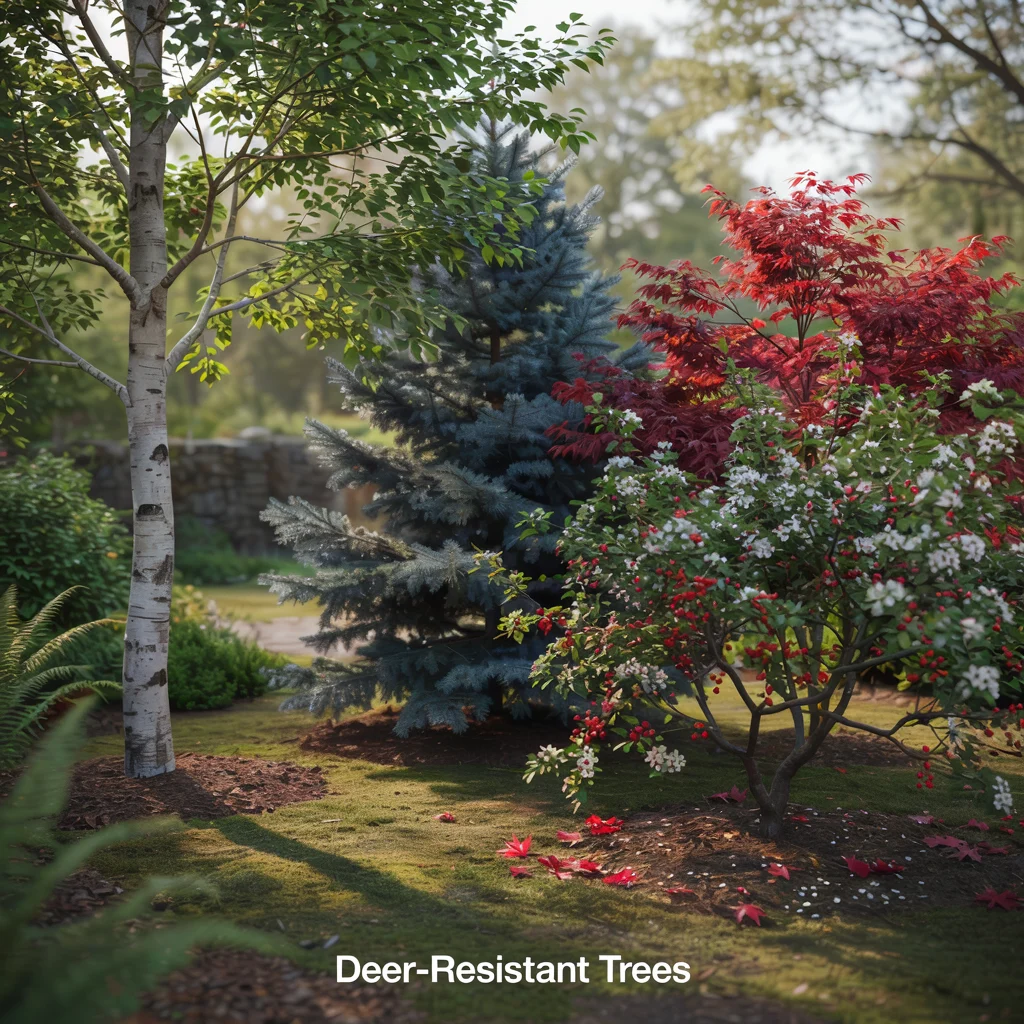
Deer-resistant trees provide the canopy and upper structure of the garden. Birch is generally left alone and offers striking bark and light dappled shade, while needled evergreens like spruce, pine, and Colorado blue spruce are avoided for their tough or sharp foliage and provide valuable year-round screening. Thorny trees like black locust and hawthorn deter deer physically, black locust growing fast and hawthorn adding blossom, berries, and wildlife value. Japanese maple, serviceberry, dogwood, and ornamental cherry are generally passed over while providing beautiful foliage, blossom, and autumn colour, though young trees of even resistant species may need protection from browsing and antler rubbing until established.
Designing and Protecting a Deer-Resistant Garden
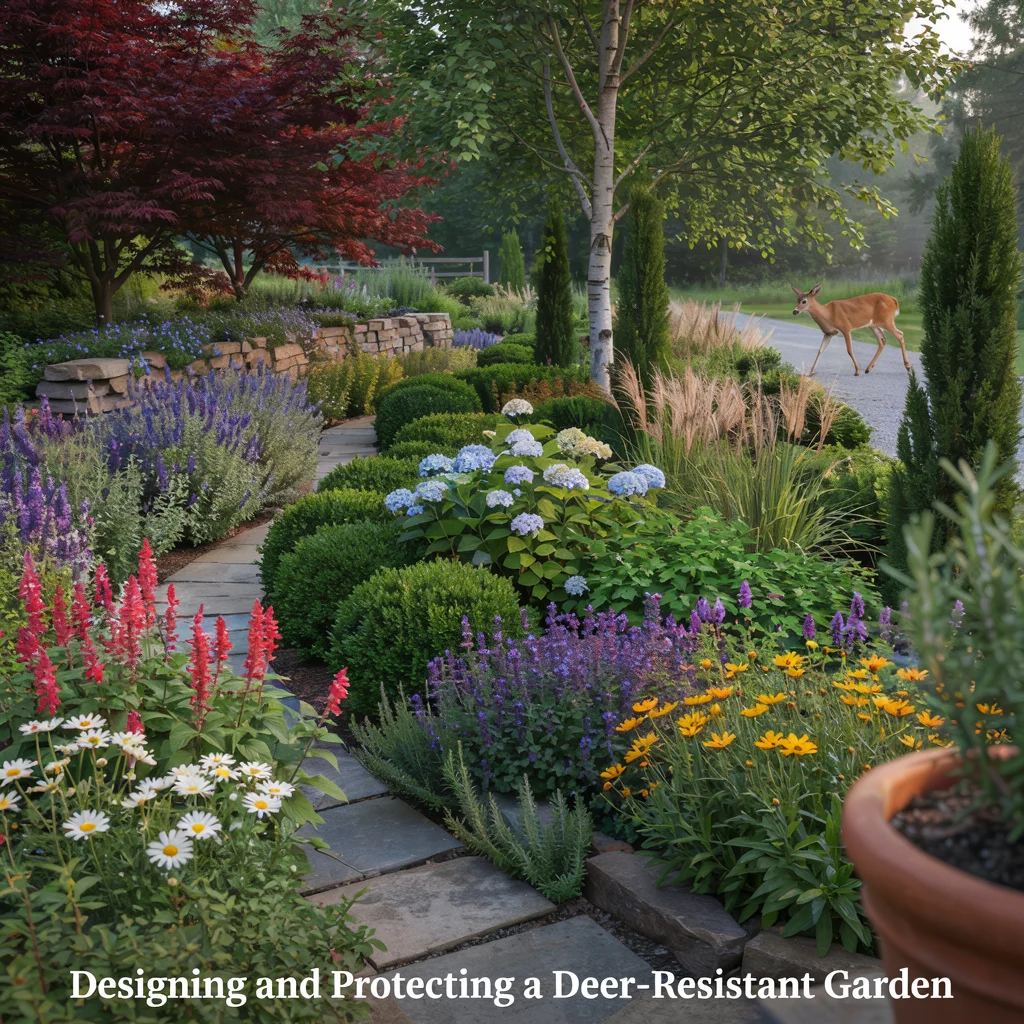
Designing a deer-resistant garden brings the flowers, shrubs, and trees together into a complete, layered scheme. A canopy of deer-resistant trees provides overhead structure and shade, a shrub layer provides the woody middle framework, and a flower layer provides ground-level colour, together creating a full deer-proof garden that need be no less lovely than any other. You can strengthen this further by using aromatic plantings to help mask any more tempting plants nearby, positioning thorny shrubs as natural barriers, and placing any more vulnerable or newly planted specimens close to the house or behind resistant planting for extra protection.
For related ideas, see our articles on Ways to Get Rid of Dandelions Before They Spread, How to Kill Crabgrass in Your Lawn Naturally, and Beginner-Friendly Flowers for a Cut Flower Garden. For more on this, our guides on Best Border Flowers: Top Plants for a Colourful Garden, The Best Small Trees for a Small Yard or Garden, and Garden Paths With Flowers That Feel Like a Garden Painting cover related ground.
Frequently Asked Questions
What flowers do deer not eat?
Deer generally avoid flowers with strong fragrance, unpleasant texture, or toxicity, including lavender, Russian sage, salvia, catmint, yarrow, foxglove, daffodils, alliums, and ornamental grasses. No flower is completely deer-proof, since very hungry deer will sometimes eat almost anything, but these are consistently avoided under normal conditions and allow a full, beautiful flowering display even in gardens with significant deer pressure.
What are the best deer-resistant shrubs?
Boxwood, barberry, viburnum, spirea, juniper, holly, and lilac are among the most dependable. Boxwood and juniper are avoided for their scent and texture, thorny shrubs like barberry and holly deter deer physically, and viburnum, spirea, and lilac provide flowers, berries, and fragrance, together giving a lasting shrub framework that deer walk past rather than destroy.
Are there deer-resistant trees?
Yes — birch, spruce, pine, black locust, hawthorn, Colorado blue spruce, and Japanese maple are among the best. Needled evergreens are avoided for their foliage, thorny trees deter deer physically, and others are simply passed over, though young trees may need protection until established.
Do deer-resistant plants really work?
They do work in that deer consistently avoid them under normal conditions, but resistance is not immunity, since no plant is completely deer-proof. In areas of very high deer density or hard winters, even resistant plants may occasionally be browsed, so the best approach is to plant resistant species across all layers and place vulnerable plants in protected positions.
How do I protect my garden from deer?
The most sustainable protection is planting deer-resistant flowers, shrubs, and trees across all three layers, so there is little for the deer to eat. You can strengthen this with aromatic plantings, thorny shrubs as barriers, protected placement of vulnerable plants near the house, and protection for young trees until established, which works with the deer’s preferences rather than fighting a constant losing battle.