
Aromatic Plants for a Home Garden Design

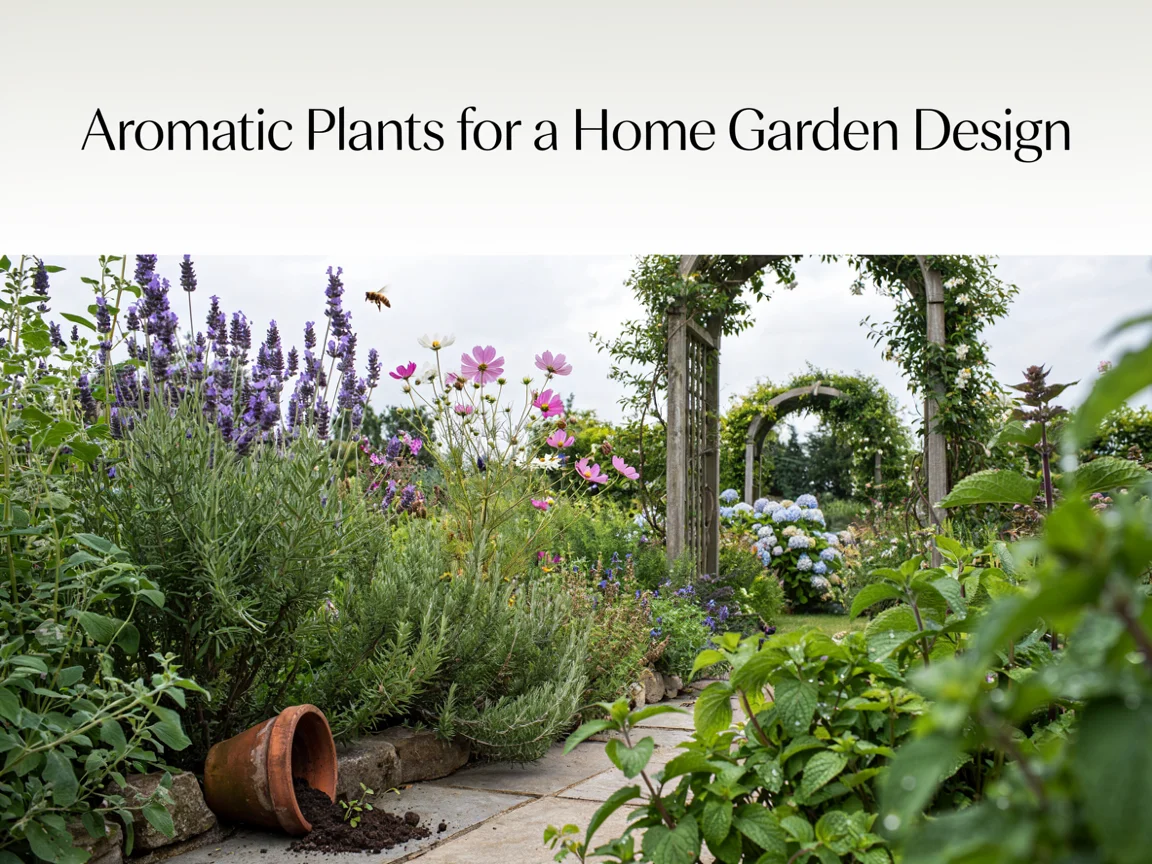
I have spent years walking through other people’s gardens with my eyes half closed, trying to identify exactly which plant was responsible for a particular scent drifting through the air, and then noticing how deliberately it had been placed to be noticed at just the right moment. That is not a confession — it is simply how genuinely good aromatic garden design gets learned. Every fragrant home garden I have studied taught me something I later carried home: a placement trick that put a scented plant exactly at nose height near a seating area, a container combination suited to a small balcony that punched well above its size, a single practical species choice for a genuinely hot, humid climate like the Philippines that an old gardener showed me years ago. The best aromatic home gardens are rarely accidental — they are pieced together by people who understood which plants perform and where to put them, and had the confidence to design around scent as deliberately as they design around colour. So this article is exactly that: a collection of the most brilliant aromatic plants for a home garden design, the choices I have researched, tested, and recommended again and again, the ones that genuinely deliver fragrance outdoors, whether planted directly in the ground or grown in pots on a small patio. Take all of them. Borrow freely. That is how a garden becomes something you experience, not just something you look at.
Aromatic plants for a home garden design are the proven species, placement, and container choices that bring genuine, noticeable fragrance into a garden’s overall design, rather than scent that’s technically present but rarely actually experienced. Reliable fragrant flowers, herbs suited to containers, and species chosen specifically for warm, humid climates are drawn from the aromatic gardens that actually deliver on their sensory promise. These choices give a home garden its full sensory dimension, while thoughtful placement near seating, pathways, and windows ensures that fragrance genuinely reaches the people meant to enjoy it, rather than drifting away unnoticed at the back of a border.
Over the years I have planted, placed, and studied aromatic home gardens closely enough to notice which fragrant species were actually experienced day to day and which, despite genuine fragrance, were planted somewhere no one ever really encountered them. I have dropped the plants that smell wonderful on a nursery tag but underperform once planted in a real garden’s actual conditions, and I have watched the right combination of species and placement turn an ordinary home garden into a genuinely memorable sensory space. In this article I am sharing the best aromatic plants for a home garden design, covering top fragrant flowers, container-friendly herbs, warm-climate options including species suited to the Philippines, and the placement principles that make fragrance genuinely count.
Why Placement Matters as Much as Plant Choice

Why placement matters as much as plant choice is the brilliant starting point for aromatic garden design, since even the most genuinely fragrant plant delivers very little sensory value if it’s planted somewhere no one ever walks close enough to notice it. I lead every aromatic garden plan with this principle, because understanding where scent actually needs to be experienced changes which plants make sense and where they belong far more than fragrance alone ever could.
Where Fragrant Plants Deliver the Most Value
Near seating areas, along frequently used paths, and beneath windows that are regularly opened are three placements where fragrant plants deliver genuine, ongoing value. Near seating areas, fragrance becomes part of the actual experience of relaxing outdoors rather than a passing detail. Along frequently used paths, brushing past aromatic foliage releases scent naturally with every walk to and from the house. Beneath windows that are regularly opened, fragrance drifts indoors on a warm evening, extending a garden’s sensory reach beyond its own physical boundaries.
Matching Scent Strength to Distance From the Nose
Strongly scented plants for distant borders, moderately fragrant species for mid-range planting, and the most delicate fragrances reserved for the closest, most frequently touched spots are three principles suited to layering scent by strength. Strongly scented plants, capable of carrying fragrance across some distance, suit a border further from where people actually sit or walk. Moderately fragrant species work well in mid-range planting, close enough to register clearly without overwhelming a nearby seating area. The most delicate fragrances are best reserved for the closest, most frequently touched spots, like a path edge or a windowsill container, where a gentle scent still has a genuine chance of being noticed.
Best Aromatic Plants for a Home Garden Design

Best aromatic plants for a home garden design are the species that consistently deliver genuine, reliable fragrance across a wide range of real garden conditions, balancing scent strength, bloom duration, and manageable care needs. I return to this shortlist constantly, because these are the plants that reliably reward a home gardener’s effort with fragrance that’s actually noticeable, not just theoretically present.
Reliable Fragrant Performers
Jasmine, lavender, and gardenia are three of the most consistently reliable aromatic plants suited to a home garden design. Jasmine delivers an intensely sweet, carrying fragrance, particularly strong in the evening, making it an excellent choice near a seating area or open window. Lavender offers a calming, herbaceous scent alongside attractive silver-green foliage and purple blooms, thriving in the same sunny, well-drained conditions many other garden favourites prefer. Gardenia provides one of the most instantly recognizable fragrances in home gardening, with glossy evergreen foliage that adds year-round structure alongside its scented blooms.
Why These Plants Consistently Deliver Fragrance
Genuine scent strength under real garden conditions, a reasonably long bloom period, and forgiving care requirements are three reasons these particular species perform so reliably. Genuine scent strength under real garden conditions, rather than only in a controlled nursery display, sets these species apart from plants whose fragrance underdelivers once actually planted outdoors. A reasonably long bloom period extends the window during which a garden’s fragrance is actively present, rather than limited to just a few short weeks. Forgiving care requirements make these species accessible even for gardeners without extensive aromatic-gardening experience.
Top Fragrant Flowers Worth Building a Garden Around

Top fragrant flowers worth building a garden around are the species with fragrance distinctive and strong enough to genuinely anchor an entire aromatic garden design, rather than serving only as a supporting detail. I recommend choosing at least one or two of these standout species as a starting point for most aromatic garden plans, because a strong central fragrance gives the whole design a clear identity to build around.
Standout Fragrant Flower Choices
Rose, particularly old garden or heavily scented modern varieties, sweet pea, and honeysuckle are three standout fragrant flowers suited to anchoring a home garden. Rose, especially old garden varieties bred for scent over pure bloom size, delivers one of gardening’s most beloved and recognizable fragrances. Sweet pea offers a delicate, sweet scent alongside its climbing habit, ideal for a trellis or fence near a frequently used path. Honeysuckle produces an intensely sweet evening fragrance that carries impressively well, making it a strong choice for a boundary fence or pergola.
Building a Fragrant Flower Display That Lasts
Successive bloom timing across different species, deadheading to encourage repeat flowering, and adequate spacing for healthy air circulation are three principles suited to a lasting fragrant flower display. Successive bloom timing, choosing species that peak at different points across the growing season, keeps a garden’s fragrance present for a longer overall stretch of the year. Deadheading spent blooms on repeat-flowering varieties encourages continued flower production and, with it, continued fragrance. Adequate spacing for healthy air circulation reduces the fungal issues that can affect densely planted, heavily blooming fragrant flowers, keeping the display healthier and longer-lasting.
Plants That Smell Good Outdoors Beyond Traditional Flowers

Plants that smell good outdoors beyond traditional flowers expand aromatic garden design past flowering species entirely, using scented foliage that releases fragrance when brushed or crushed rather than relying solely on bloom. I add at least a few of these foliage-based options to nearly every aromatic garden plan, because scented leaves often provide a more consistent, longer-lasting fragrance source than flowers that bloom for only a limited season.
Foliage Plants With Genuine Outdoor Fragrance
Scented geranium, lemon verbena, and curry plant are three foliage-based options suited to an outdoor aromatic garden. Scented geranium comes in an enormous range of fragrances, from citrus to rose to mint, released readily whenever the leaves are brushed or lightly crushed. Lemon verbena delivers an intensely bright, citrusy scent from its foliage, particularly noticeable on a warm day even without direct contact. Curry plant, despite its name, offers a genuinely distinctive, spicy-sweet fragrance from silvery foliage that holds up remarkably well through heat and drought.
Placing Foliage Plants for Maximum Scent Release
Along a frequently brushed path edge, near a garden gate or entry point, and within easy reach of a seating area are three placements suited to scented foliage plants. Along a frequently brushed path edge, fragrant foliage releases scent naturally as people walk by and lightly touch the leaves. Near a garden gate or entry point, scented foliage offers a welcoming sensory greeting every time the space is entered. Within easy reach of a seating area, guests can intentionally brush a leaf to release fragrance on demand, turning the plant into an interactive, memorable garden detail.
Fragrant Plants for Pots and Small Spaces

Fragrant plants for pots and small spaces bring genuine aromatic garden design within reach of a balcony, small patio, or courtyard where in-ground planting isn’t an option, using container-friendly species that still deliver strong, reliable scent. I recommend container-based aromatic planting constantly for small-space gardeners, because a lack of ground space is no real barrier to building a genuinely fragrant outdoor area.
Aromatic Plants Well Suited to Container Life
Compact lavender cultivars, potted jasmine trained on a small trellis, and container-grown gardenia are three fragrant plants suited to pots. Compact lavender cultivars, bred specifically for smaller mature sizes, deliver the same calming fragrance as full-sized varieties within a genuinely manageable container. Potted jasmine, trained up a small trellis within its container, brings the same intensely sweet scent to a balcony that it would deliver planted directly in the ground. Container-grown gardenia thrives well in a pot, provided its specific acidic soil and consistent moisture needs are met, delivering its iconic fragrance even in a small space.
Container Care Specific to Fragrant Plants
Adequate pot size for root development, consistent watering to avoid stress-related scent reduction, and regular feeding suited to flowering plants are three care considerations suited to aromatic container plants. Adequate pot size for root development supports the healthy growth genuinely fragrant flowering typically depends on. Consistent watering matters particularly for aromatic plants, since drought stress often reduces both bloom production and the intensity of a plant’s natural fragrance. Regular feeding suited to flowering plants, using a fertilizer formulated to support blooms rather than only foliage, helps sustain the flower production that carries most container-grown fragrance.
Aromatic Plants for a Home Garden Design in the Philippines

Aromatic plants for a home garden design in the Philippines are the species specifically suited to the country’s consistently warm, humid tropical climate, which favours a genuinely different fragrant plant palette than many temperate-climate gardening guides account for. I adjust recommendations considerably for genuinely tropical, humid conditions, because a fragrant species popular in a cooler, drier climate guide may perform quite differently, or struggle outright, in sustained tropical heat and humidity.
Fragrant Species Suited to Tropical Philippine Conditions
Sampaguita, ylang-ylang, and champaca are three aromatic plants especially well suited to a home garden design in the Philippines. Sampaguita, the country’s national flower, delivers an intensely sweet fragrance and thrives naturally in the local tropical climate, making it one of the most reliable aromatic choices available. Ylang-ylang produces a rich, exotic fragrance from its distinctive star-shaped flowers, well adapted to sustained tropical heat and humidity. Champaca offers a warm, complex, slightly fruity fragrance from a tree that performs reliably in the same warm, humid conditions common across much of the Philippines.
Practical Tropical Climate Considerations
Humidity-tolerant soil drainage, protection from intense monsoon rainfall, and heat-adapted species selection are three practical considerations suited to tropical aromatic gardening. Humidity-tolerant soil drainage prevents the root rot that can affect even genuinely well-adapted tropical species during especially wet periods. Protection from intense monsoon rainfall, whether through careful siting or temporary covering, helps preserve delicate blooms during the heaviest seasonal downpours. Heat-adapted species selection, choosing plants genuinely suited to sustained tropical warmth rather than temperate-climate favourites, results in far more reliable, long-term fragrant performance.
Aromatic Plants for a Home Garden Design Images Worth Studying

Aromatic plants for a home garden design images worth studying are the photographs that reveal genuine placement, scale, and real-world planting detail rather than simply showing an attractive close-up of a single bloom. I return to this kind of visual research constantly, because a photo of a real, established fragrant garden often shows exactly how successful designs place scented plants relative to seating, paths, and entryways, details a single flower photo can’t reveal.
What to Look for in Aromatic Garden Photos
Wide shots showing plant placement relative to seating or paths, images taken at different times of day, and photos showing mature, established plantings are three things worth seeking out in aromatic garden inspiration. Wide shots showing plant placement relative to seating or paths reveal the practical placement logic behind a genuinely successful aromatic design. Images taken at different times of day are particularly useful for fragrant gardens, since many strongly scented species, like jasmine and honeysuckle, release their strongest fragrance specifically in the evening. Photos showing mature, established plantings demonstrate how a fragrant garden actually performs once plants have filled in, rather than only their appearance immediately after installation.
Applying Aromatic Garden Inspiration to Your Own Space
A shortlist of specific placement ideas rather than one entire copied design, climate cross-referencing for any unfamiliar species, and an honest assessment of your own garden’s actual traffic patterns are three ways to apply gathered inspiration sensibly. A shortlist of specific placement ideas, pulled from several different images, tends to produce a more personal and better-fitting result than copying one entire layout wholesale. Climate cross-referencing for any unfamiliar species ensures a fragrant plant that thrived in a photographed garden will actually perform similarly in your own specific growing conditions. An honest assessment of your own garden’s actual traffic patterns, rather than an idealized version of how the space might be used, ensures fragrant plants end up genuinely along the paths and seating spots people actually use.
Layering Fragrance Across the Seasons

Layering fragrance across the seasons is the brilliant design strategy that keeps a home garden aromatic for more than just a few peak summer weeks, choosing species that bloom or release scent at different points throughout the year. I plan for seasonal fragrance layering in most aromatic garden designs, because a garden that only smells good during one narrow window quickly feels incomplete for the rest of the year.
Fragrant Plants Across Different Seasons
Winter-blooming daphne, spring-flowering lilac, and autumn-blooming osmanthus are three species suited to extending fragrance across different seasons. Winter-blooming daphne delivers a surprisingly intense, sweet fragrance during the coldest months, when few other plants are offering any scent at all. Spring-flowering lilac provides one of the season’s most beloved fragrances, filling a garden with scent just as the growing year begins in earnest. Autumn-blooming osmanthus offers a delicate apricot-like fragrance late in the season, extending a garden’s aromatic interest well past summer’s peak.
Designing a Genuinely Year-Round Fragrant Garden
A dedicated fragrant plant for each season, overlapping bloom windows between neighbouring seasons, and evergreen aromatic foliage to bridge any remaining gaps are three principles suited to year-round fragrance. A dedicated fragrant plant for each season ensures no single stretch of the year is left without some genuine aromatic interest. Overlapping bloom windows between neighbouring seasons smooth the transition, avoiding an abrupt shift from strong fragrance to none at all. Evergreen aromatic foliage, like curry plant or certain scented geraniums in mild climates, bridges any remaining gaps with a subtler, consistent scent available regardless of bloom timing.
Combining Aromatic Plants Without Overwhelming Competing Scents

Combining aromatic plants without overwhelming competing scents is the brilliant balancing act every ambitious aromatic garden design eventually has to solve, since several strongly fragrant species planted too close together can clash rather than complement one another. I plan scent combinations carefully for every layered aromatic design, because more fragrance isn’t automatically better if the different scents end up fighting for attention.
Principles for Combining Fragrances Successfully
Spacing strongly scented species apart, grouping complementary rather than competing fragrance families, and using less fragrant plants as buffers are three principles suited to combining aromatic plants successfully. Spacing strongly scented species apart, rather than clustering several intense fragrances in one small area, prevents any single spot from becoming overwhelming. Grouping complementary rather than competing fragrance families, like pairing citrus-scented plants together rather than mixing them with heavy, sweet florals, creates a more harmonious overall sensory experience. Using less fragrant plants as buffers between two strongly scented species allows a garden to move through distinct scent zones rather than blending everything into a confused mixture.
Designing Distinct Scent Zones Within One Garden
A citrus-and-herb zone near a kitchen door, a sweet floral zone near a relaxation seating area, and a subtle evergreen-foliage zone along a main walking path are three examples of distinct scent zones within a single garden design. A citrus-and-herb zone near a kitchen door places practically useful, brightly scented plants exactly where they’re most convenient to actually use. A sweet floral zone near a relaxation seating area matches a garden’s most intense, romantic fragrance to the spot where people are most likely to sit and truly notice it. A subtle evergreen-foliage zone along a main walking path provides a gentler, more neutral fragrance transition between more intensely scented areas elsewhere in the garden.
Maintaining Aromatic Plants for Consistent, Lasting Fragrance

Maintaining aromatic plants for consistent, lasting fragrance is the practical final step that ensures a well-chosen, well-placed fragrant garden actually keeps delivering scent over years rather than fading after its first strong season. I emphasize ongoing maintenance for every aromatic garden project, because even the best species and placement choices still depend on real care to keep producing genuinely fragrant blooms and foliage.
Maintenance Practices That Support Fragrance
Regular deadheading, appropriate seasonal pruning, and consistent feeding suited to flowering plants are three maintenance practices that directly support ongoing fragrance production. Regular deadheading of spent blooms redirects a plant’s energy toward producing new flowers rather than seed, extending its overall flowering and fragrance window. Appropriate seasonal pruning, timed correctly for each specific species, encourages the vigorous new growth that typically produces the strongest bloom and fragrance. Consistent feeding suited to flowering plants supports the sustained flower production that carries most of a garden’s ongoing aromatic interest.
Addressing Common Issues That Reduce Fragrance Over Time
Stress from inconsistent watering, overcrowding that reduces air circulation and bloom vigour, and aging plants that benefit from renewal pruning or replacement are three common issues that reduce a garden’s fragrance over time. Stress from inconsistent watering often shows up first as reduced bloom production and, with it, noticeably weaker fragrance, even before other visible signs of decline appear. Overcrowding that reduces air circulation and bloom vigour can gradually diminish a once-strongly-scented planting’s overall fragrance output. Aging plants that have passed their most vigorous flowering years often benefit from renewal pruning, or in some cases eventual replacement, to restore the strong fragrance a garden originally relied on.
Readers working on this often also check What Is Xeriscaping? The Desert Modern Garden Style Taking Over America, Cheap No Grass Backyard Ideas For a Low-Maintenance Garden, and Easy DIY Landscaping: Build a Rock Garden.
Frequently Asked Questions
What are the best aromatic plants for a home garden design?
The best aromatic plants for a home garden design combine genuine, reliable scent strength with a reasonably long bloom period and forgiving care needs, including jasmine for an intensely sweet evening fragrance, lavender for a calming herbaceous scent alongside attractive foliage, and gardenia for one of gardening’s most recognizable and beloved fragrances. Placing these species near seating areas, frequently used paths, or windows that are regularly opened matters just as much as the plant choice itself in determining whether their fragrance actually gets experienced.
What are the top 10 most fragrant flowers for a home garden?
The most fragrant flowers commonly recommended for home gardens include jasmine, gardenia, rose, lavender, honeysuckle, sweet pea, lilac, daphne, sampaguita, and osmanthus, each offering a distinct fragrance profile suited to different seasons, climates, and garden styles. Choosing a mix of these across different bloom timings, rather than relying on just one or two, helps extend a garden’s aromatic interest across a much longer stretch of the year.
What fragrant plants work well in pots for a small space?
Fragrant plants that work well in pots include compact lavender cultivars bred specifically for smaller mature sizes, potted jasmine trained on a small trellis within its container, and container-grown gardenia, provided its specific acidic soil and consistent moisture needs are met. Consistent watering matters particularly for container-grown aromatic plants, since drought stress tends to reduce both bloom production and overall fragrance intensity more noticeably in a pot than in the ground.
What aromatic plants are best suited to a tropical climate like the Philippines?
Aromatic plants well suited to a tropical Philippine climate include sampaguita, the country’s national flower and one of the most reliably fragrant tropical species available, ylang-ylang for its rich, exotic scent from distinctive star-shaped flowers, and champaca for a warm, complex, slightly fruity fragrance. Humidity-tolerant soil drainage and protection from intense monsoon rainfall are especially important practical considerations for maintaining these species successfully in sustained tropical heat and humidity.
How do I combine fragrant plants without the scents clashing?
Combining fragrant plants without clashing scents depends on spacing strongly scented species apart rather than clustering several intense fragrances into one small area, and grouping complementary rather than competing fragrance families, like keeping citrus-scented plants together rather than mixing them with heavy, sweet florals. Using less fragrant plants as a buffer between two strongly scented species also allows a garden to move through distinct scent zones rather than blending everything into one confused mixture.