
5 Flowers You Can Grow with Zero Gardening Experience

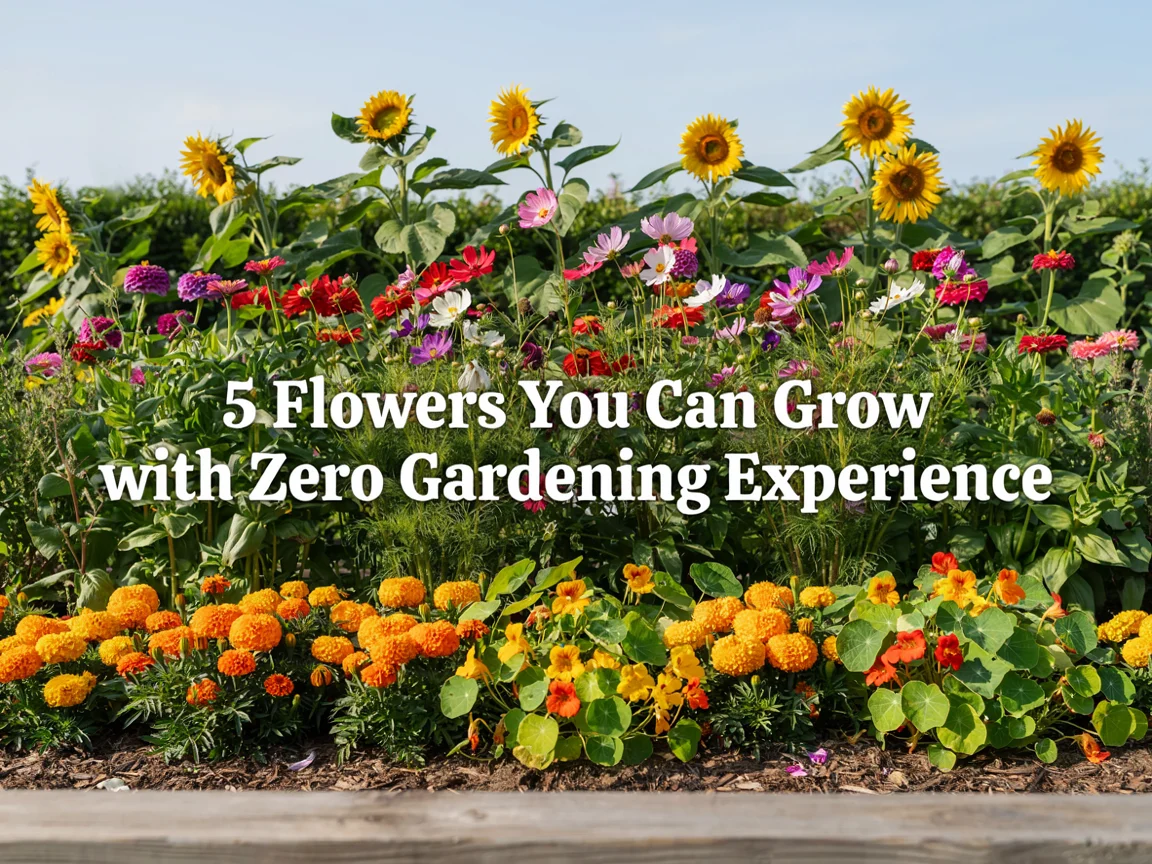
Not every flower demands careful soil prep, precise watering schedules, and a green thumb built up over years, and the five below prove it, since all of them grow readily from seed sown directly into the ground with almost no specialized knowledge required. They’re the flowers experienced gardeners still recommend to total beginners, because they’re genuinely difficult to get wrong.
Marigold for Nearly Foolproof, Fast Color
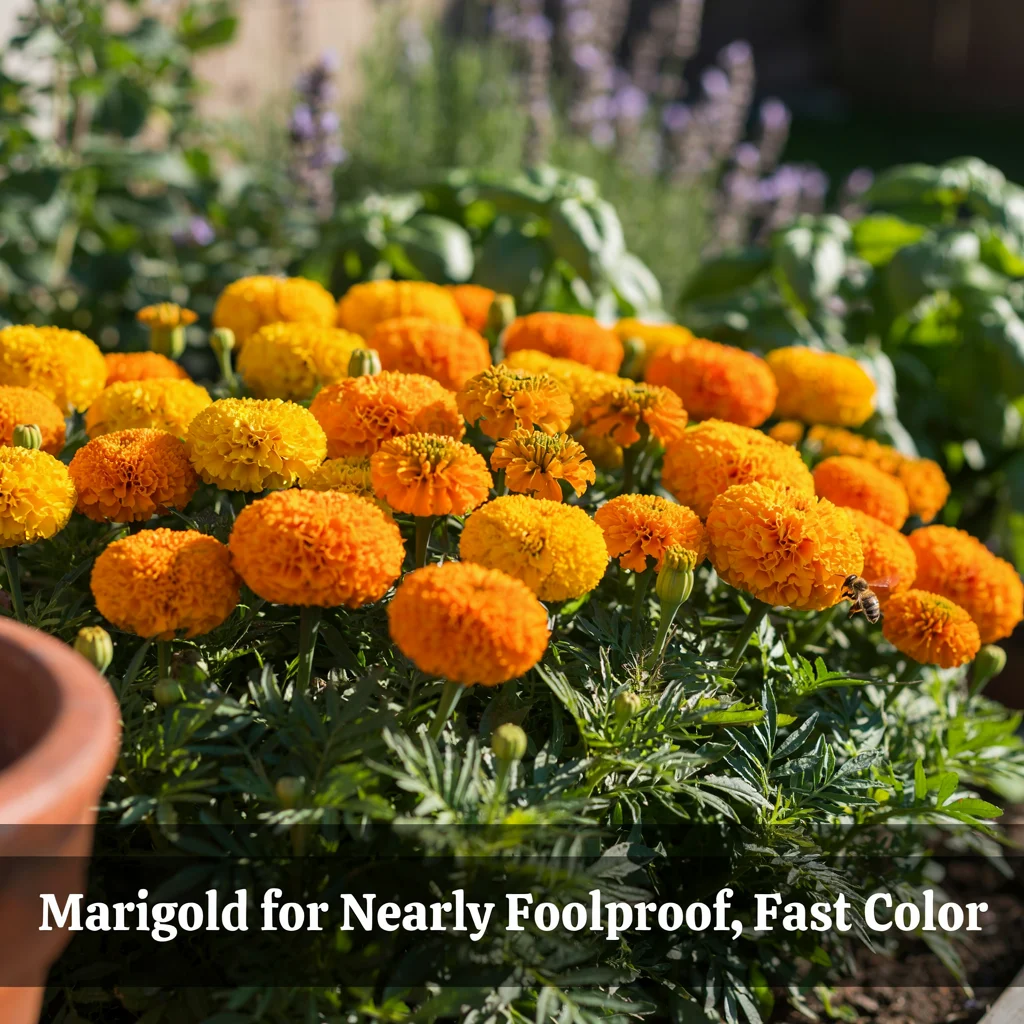
Marigold for nearly foolproof, fast color is often the first flower recommended to anyone new to gardening, germinating quickly from seed and blooming within about eight weeks in almost any sunny spot.
Why Marigold Tolerates Beginner Mistakes So Well
Why marigold tolerates beginner mistakes so well comes down to its genuine adaptability, shrugging off inconsistent watering, average soil, and the occasional missed feeding that would stress out fussier flowers.
Marigold’s Bonus Role as a Pest-Deterrent Plant
Marigold’s bonus role as a pest-deterrent plant makes it useful beyond its looks, since its scent is widely believed to discourage certain garden pests when planted near vegetables.
Zinnia for Bold, Fast-Growing Cutting-Garden Color
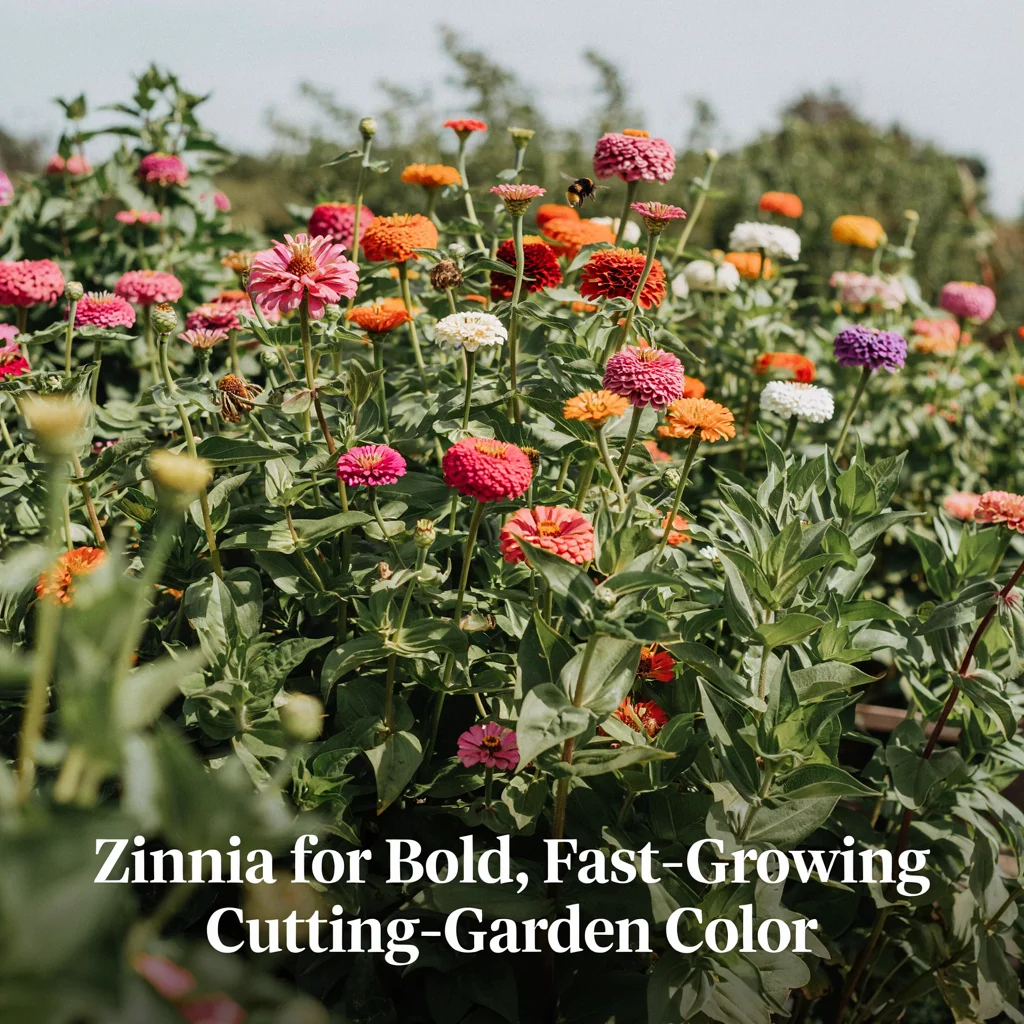
Zinnia for bold, fast-growing cutting-garden color rewards beginners with some of the fastest blooms of any annual flower, often flowering within six to eight weeks of direct-sowing seed.
Why Zinnia Is a Favorite for First-Time Growers
Why zinnia is a favorite for first-time growers comes down to its forgiving nature and rapid results, giving new gardeners visible success early enough to stay motivated through the rest of the season.
Cutting Zinnia Flowers Encourages Even More Blooms
Cutting zinnia flowers encourages even more blooms, since regularly harvesting stems for a vase prompts the plant to keep producing new flowers rather than going to seed.
Sunflower for Big, Satisfying Beginner Results
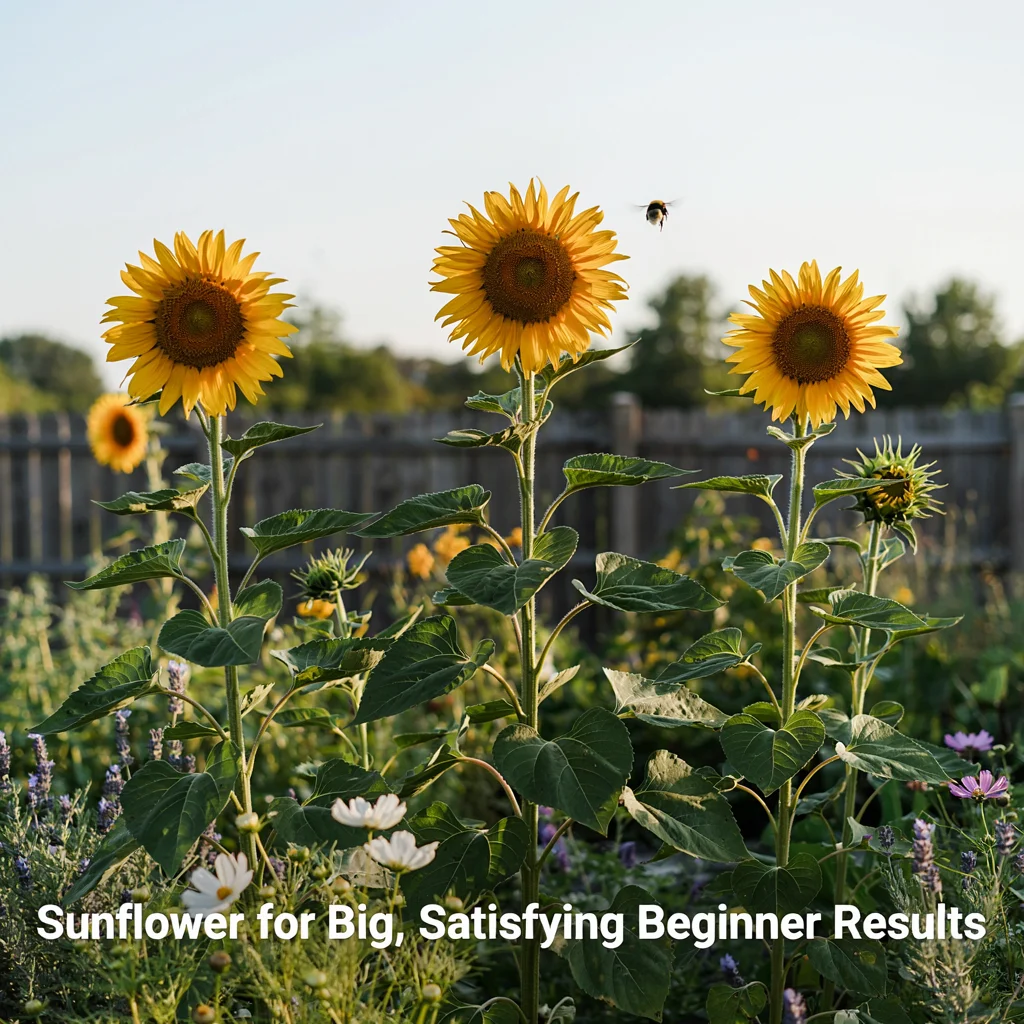
Sunflower for big, satisfying beginner results is about as simple as flower-growing gets, since a single large seed pressed into the soil reliably produces a tall, dramatic plant with minimal intervention.
Why Sunflower Seeds Germinate So Reliably
Why sunflower seeds germinate so reliably comes down to their size and stored energy, giving young seedlings enough of a head start to shrug off minor early mistakes.
Choosing Between Single-Stem and Branching Sunflower Varieties
Choosing between single-stem and branching sunflower varieties affects how many blooms to expect, with single-stem types producing one large flower and branching types offering several smaller ones over a longer period.
Cosmos for Airy, Low-Effort Summer Blooms
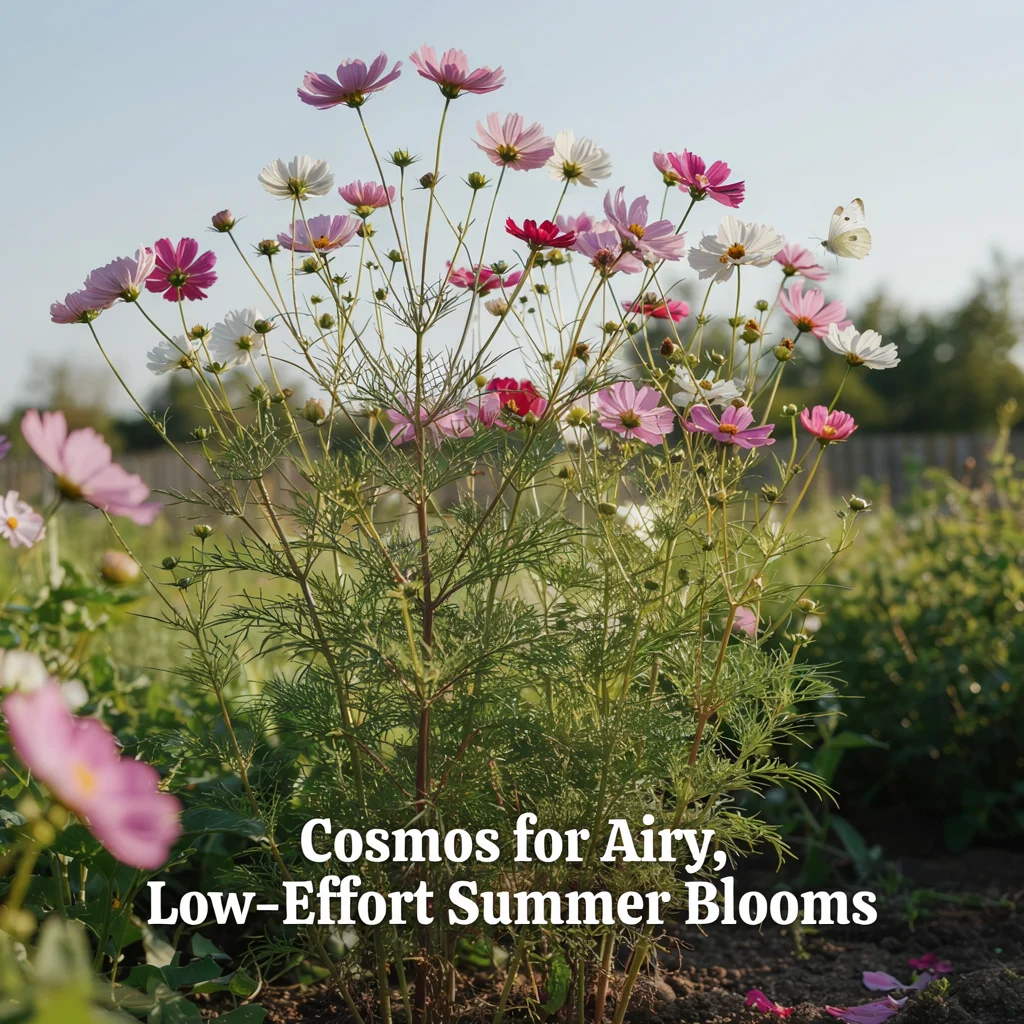
Cosmos for airy, low-effort summer blooms produces delicate, daisy-like flowers on tall, feathery stems that keep blooming steadily from early summer right through the first fall frost.
Why Cosmos Actually Prefers Poor Soil
Why cosmos actually prefers poor soil surprises many new gardeners, since overly rich soil tends to push leafy growth at the expense of flowers, making cosmos an easy, low-fuss choice for average garden beds.
Letting Cosmos Self-Seed for Next Year
Letting cosmos self-seed for next year is a simple way to keep enjoying the flower with no replanting effort, since dropped seeds reliably sprout again the following spring in most climates.
Nasturtium for Edible, No-Fuss Beginner Flowers
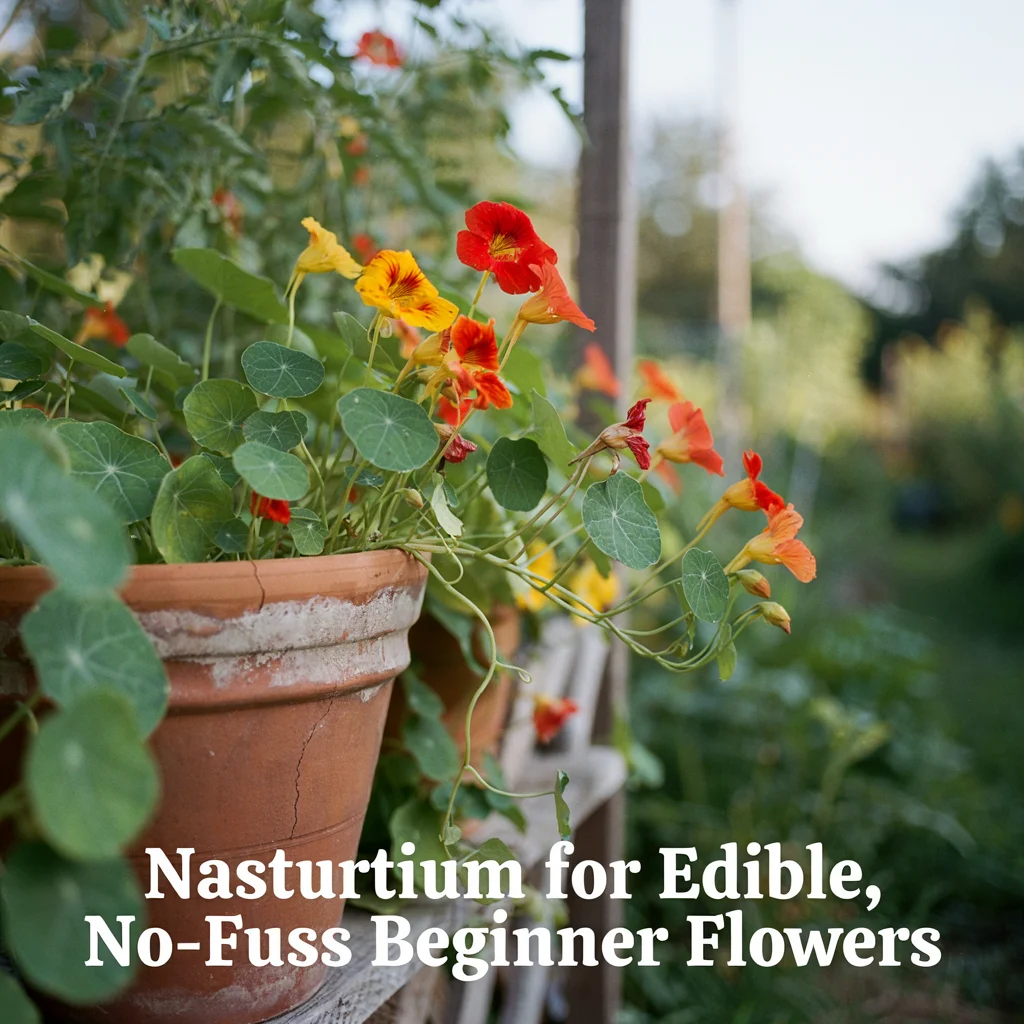
Nasturtium for edible, no-fuss beginner flowers grows quickly from large, easy-to-handle seeds and produces bright, trumpet-shaped blooms that are also entirely edible, adding a fun bonus for new gardeners.
Why Nasturtium Thrives on Neglect
Why nasturtium thrives on neglect comes down to its preference for poor soil and minimal watering, since pampering it with rich soil and fertilizer generally results in more leaves and fewer flowers.
Growing Nasturtium as a Trailing or Climbing Plant
Growing nasturtium as a trailing or climbing plant gives beginners flexibility, since certain varieties spill nicely over container edges while others climb a small trellis with no training required.
The Bottom Line
Marigold, zinnia, sunflower, cosmos, and nasturtium share the same core traits that make them ideal for zero-experience gardeners: fast germination from direct-sown seed, tolerance for average soil and inconsistent care, and quick, visible results. Starting with any one of these builds the confidence to try something more demanding the following season.
Readers working on this often also check Flowering Vines: 10 Easiest Climbing Plants to Grow, How to Grow and Care for Catalpa Trees, and How to Grow and Care for Wisteria. For related ideas, see our articles on Best Border Flowers: Top Plants for a Colourful Garden, Easiest Climbing Plants to Grow for Beginners, and Vermicomposting for Beginners: Turn Kitchen Scraps into Garden Gold. This pairs well with our guide to How to Build a Pet-Friendly Garden.
Frequently Asked Questions
What Is the Easiest Flower to Grow From Seed?
Marigold is generally considered the easiest flower to grow from seed, germinating quickly and tolerating a wide range of soil and watering conditions without much fuss.
Do Beginner-Friendly Flowers Need Full Sun?
Most beginner-friendly flowers, including marigold, zinnia, and sunflower, perform best in full sun, though cosmos and nasturtium tolerate a bit of light shade reasonably well.
Can These Flowers Be Grown in Containers?
Marigold, zinnia, cosmos, and nasturtium all grow well in containers, making them suitable choices for beginners without in-ground garden space.
How Long Does It Take for Beginner Flowers to Bloom From Seed?
Most beginner-friendly flowers bloom within six to eight weeks of direct-sowing seed, with sunflowers and zinnias often among the fastest to show results.
Do These Easy Flowers Need Fertilizer to Grow Well?
Most of these easy flowers, particularly cosmos and nasturtium, actually perform better in average or poor soil without added fertilizer, which can push leafy growth instead of blooms.