
How to Build a Pet-Friendly Garden (Dog-Safe Plants & Layout)

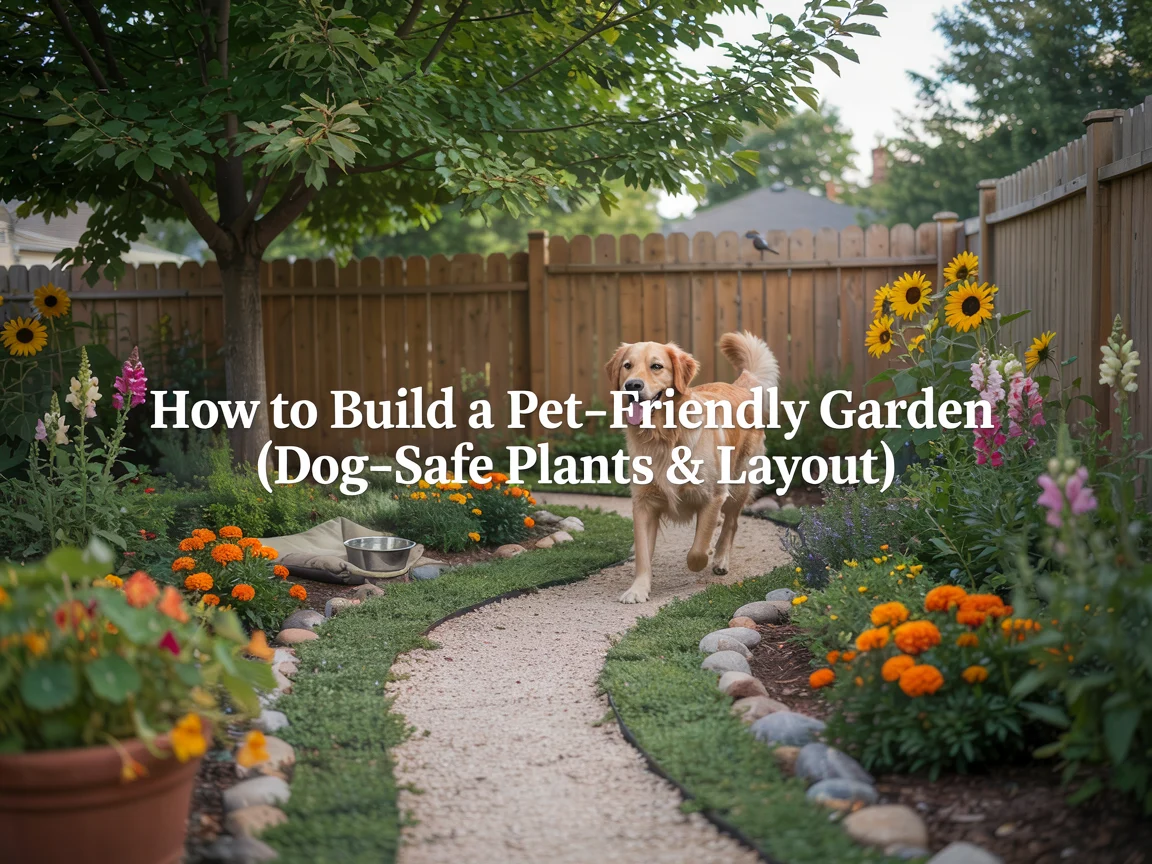
A garden that’s genuinely dog-friendly needs more than just avoiding a handful of toxic plants, since layout, ground surface, and even mulch choice all affect how safely and comfortably a dog can actually use the space. The steps below cover the full picture, from plant selection to the practical layout details that keep both the garden and the dog happy.
Identifying and Removing Toxic Plants First
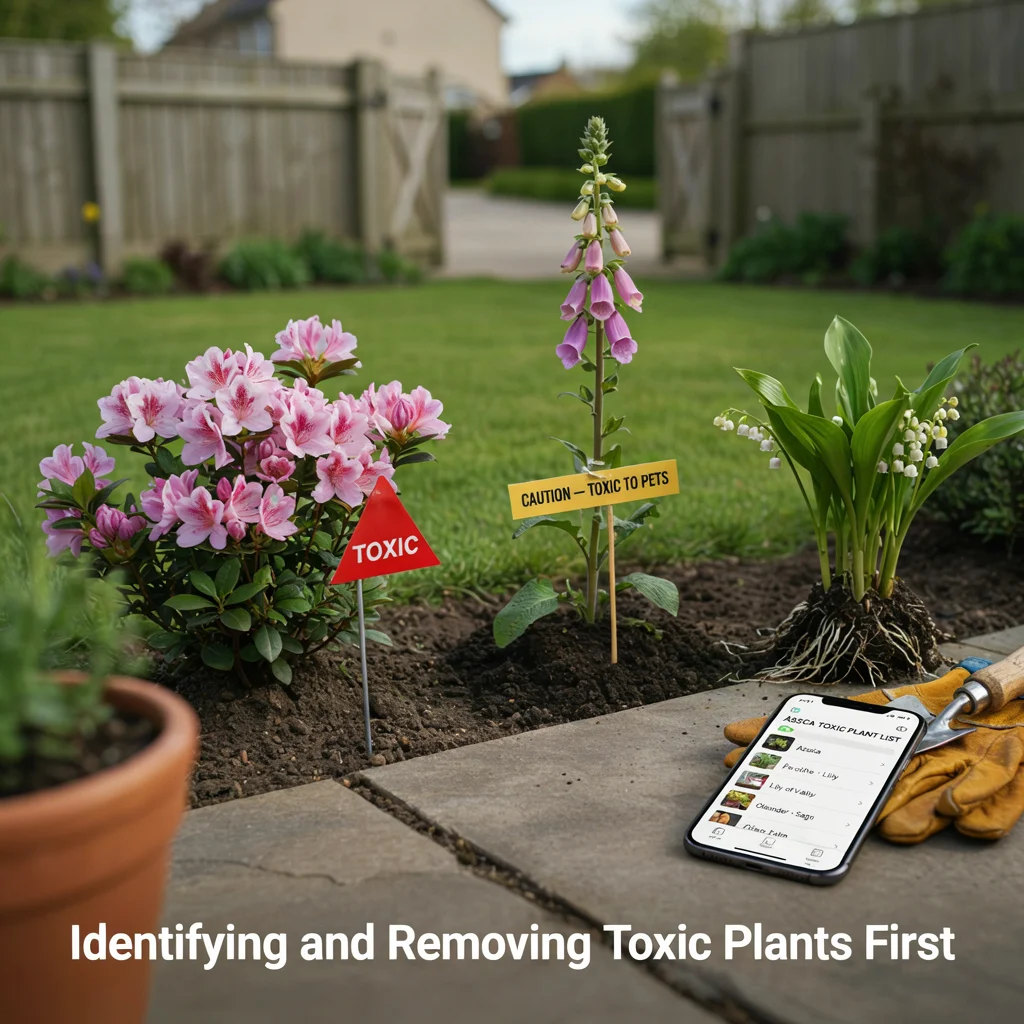
Identifying and removing toxic plants first is the essential starting point, since several genuinely common garden plants are seriously toxic to dogs if chewed or eaten.
Common Toxic Plants Worth Checking For
Common toxic plants worth checking for include sago palm, lily of the valley, azalea, oleander, and foxglove, all of which can cause serious illness in dogs even in small amounts.
Using a Reliable Source to Check Unfamiliar Plants
Using a reliable source to check unfamiliar plants, such as an ASPCA toxic plant list, before adding anything new avoids accidentally introducing a hazard to an otherwise dog-safe garden.
Choosing Dog-Safe Plants for Borders and Beds
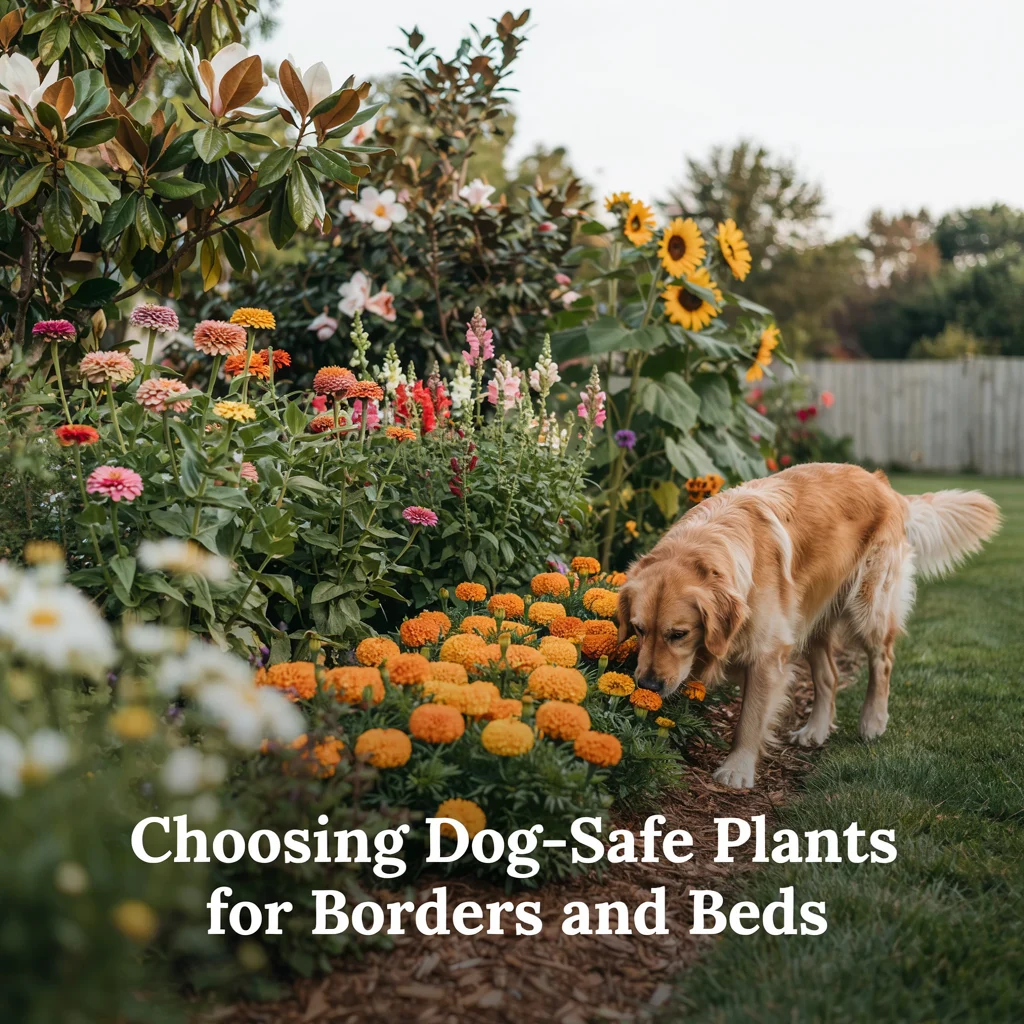
Choosing dog-safe plants for borders and beds gives a garden real color and texture without the constant worry of a curious dog investigating the planting.
Reliable Non-Toxic Flowering Options
Reliable non-toxic flowering options include snapdragon, marigold, sunflower, and zinnia, all considered safe choices for gardens where dogs spend regular time.
Sturdy Non-Toxic Shrubs That Tolerate Some Rough Contact
Sturdy non-toxic shrubs that tolerate some rough contact, such as camellia or magnolia, hold up better to a dog brushing past repeatedly than more delicate ornamental plants.
Designing a Layout That Accommodates a Dog’s Natural Paths
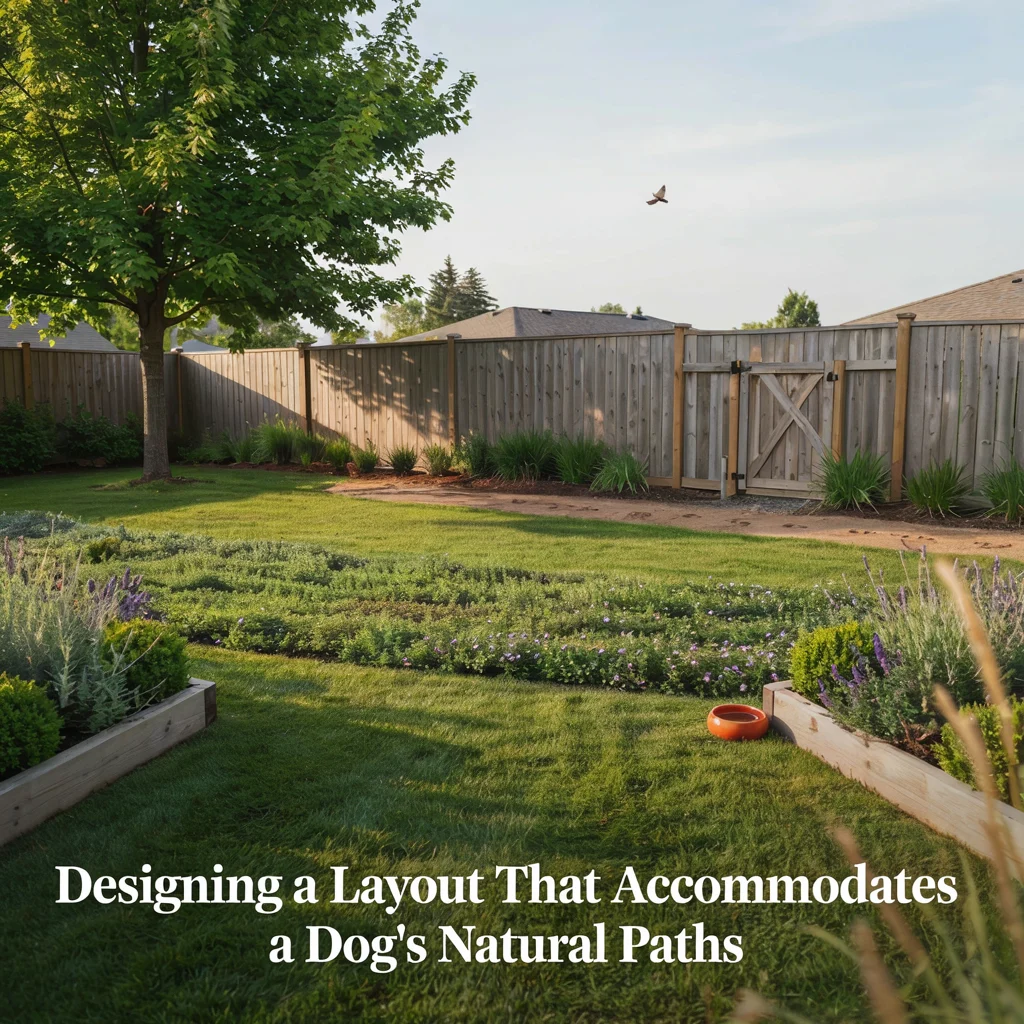
Designing a layout that accommodates a dog’s natural paths works with a dog’s habits rather than against them, since most dogs will wear a path along a fence line or a favorite patrol route regardless of the planned design.
Observing Existing Worn Paths Before Finalizing Bed Placement
Observing existing worn paths before finalizing bed placement, particularly along fence lines, helps avoid planting a bed directly in a route the dog is already using daily.
Building a Dedicated Running Strip for Zoomies
Building a dedicated running strip for zoomies, a clear, open lane of durable groundcover or mulch, gives an energetic dog a place to run without trampling planted beds.
Choosing a Durable, Paw-Friendly Ground Surface
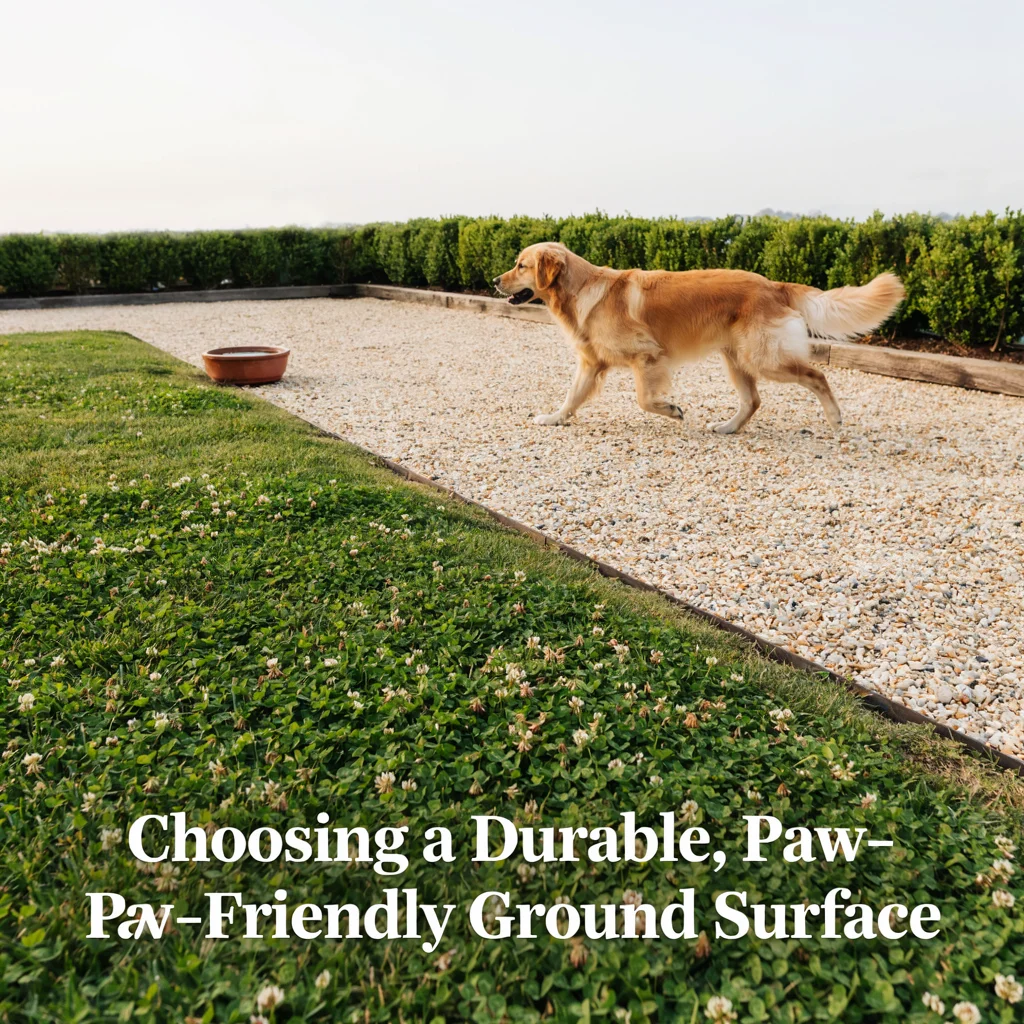
Choosing a durable, paw-friendly ground surface matters for daily comfort, since some materials that look attractive can be uncomfortable or even harmful underfoot for a dog.
Why Traditional Mulch Isn’t Always the Best Choice
Why traditional mulch isn’t always the best choice comes down to specific risks, since cocoa bean mulch is toxic if ingested and larger wood chips can splinter or be swallowed by a chewing dog.
Safer Ground Cover Alternatives for High-Traffic Dog Areas
Safer ground cover alternatives for high-traffic dog areas include pea gravel, mulched paths made from cedar rather than cocoa hull, or a tough, low-growing groundcover like clover.
Providing Shade and a Water Station
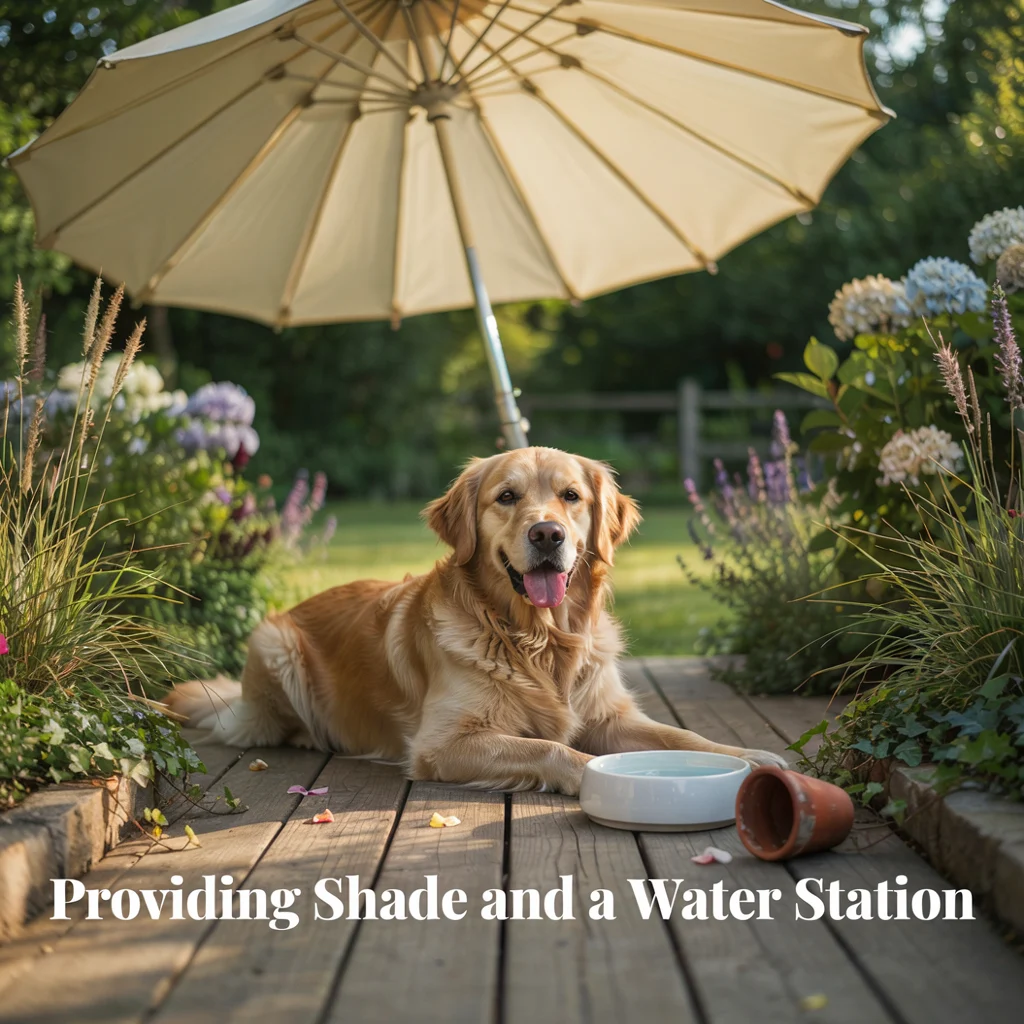
Providing shade and a water station gives a dog somewhere comfortable to rest during hot weather, which matters as much for a pet-friendly garden as any plant choice does.
Positioning Shade Structures Near a Dog’s Favorite Resting Spot
Positioning shade structures near a dog’s favorite resting spot, rather than an arbitrary location, makes the shade more likely to actually get used.
Keeping a Fresh Water Bowl Accessible Outdoors
Keeping a fresh water bowl accessible outdoors, refreshed regularly and placed somewhere shaded, keeps a dog hydrated and comfortable during longer stretches outside.
Avoiding Pesticides and Fertilizers That Harm Pets
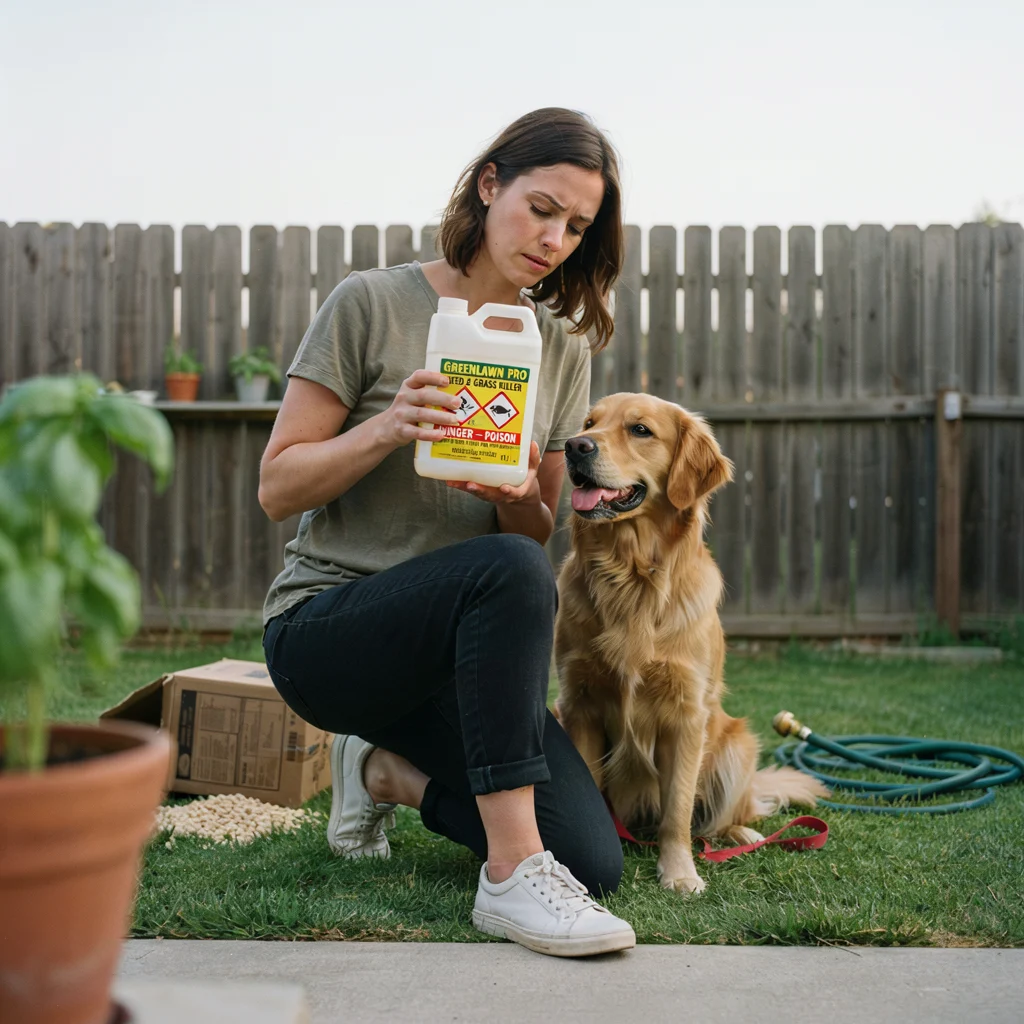
Avoiding pesticides and fertilizers that harm pets is a critical, often overlooked part of pet-friendly garden care, since many standard lawn and garden chemicals are unsafe for dogs to walk on or ingest.
Reading Labels for Pet-Safety Warnings Before Applying Products
Reading labels for pet-safety warnings before applying products, and keeping dogs off treated areas for the recommended waiting period, reduces the risk of accidental exposure.
Choosing Organic or Pet-Safe Alternatives Where Possible
Choosing organic or pet-safe alternatives where possible, such as diluted vinegar for spot weed control, avoids introducing harsher chemicals into a space a dog uses daily.
Securing the Garden’s Boundaries Safely
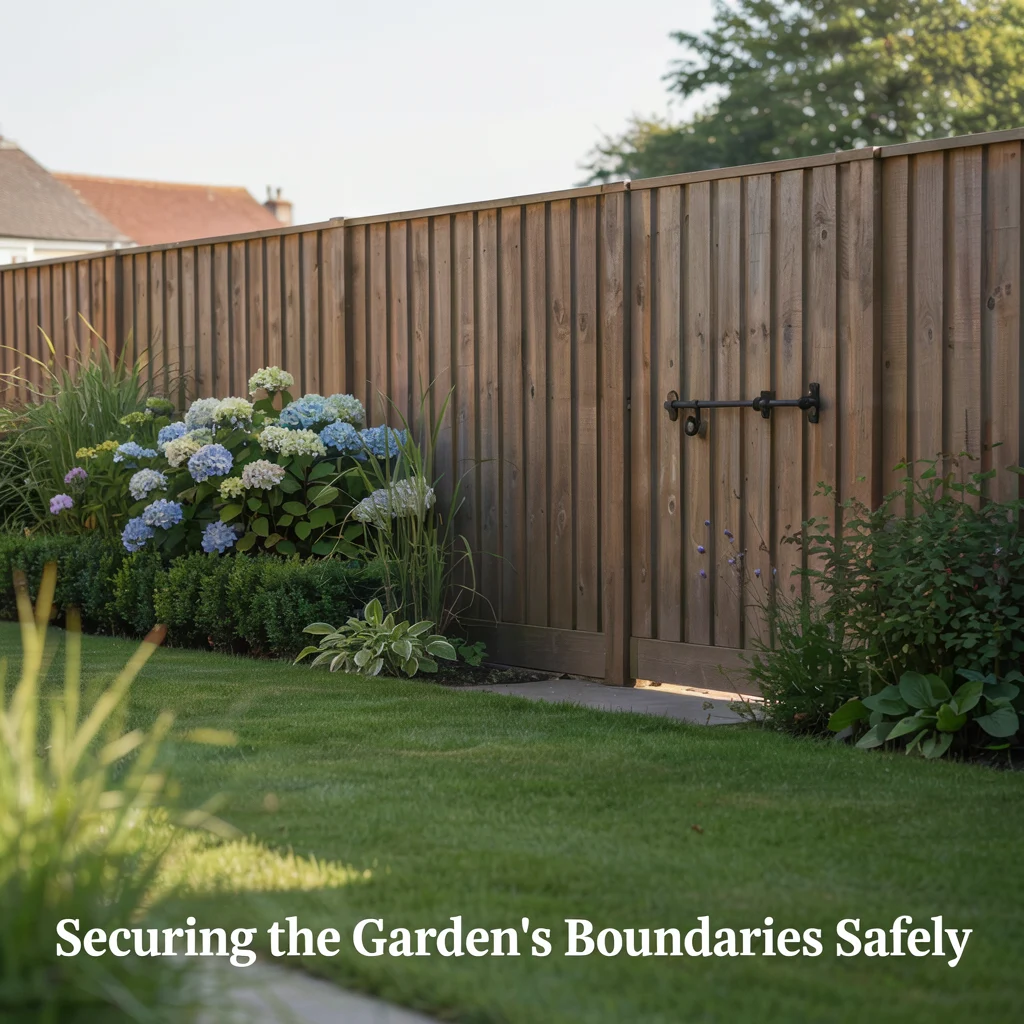
Securing the garden’s boundaries safely keeps a dog contained without relying on anything harmful, and it’s worth checking that fencing and gates are genuinely dog-proof before assuming the garden is secure.
Checking for Gaps a Determined Dog Could Squeeze Through
Checking for gaps a determined dog could squeeze through, particularly at ground level along a fence line, closes off the most common ways dogs escape a fenced yard.
Avoiding Decorative Barriers That Pose a Choking or Injury Risk
Avoiding decorative barriers that pose a choking or injury risk, such as loose small stones or sharp-edged garden borders, keeps low-lying hazards away from curious noses and paws.
The Bottom Line
A genuinely pet-friendly garden comes down to removing toxic plants, choosing durable, paw-safe surfaces, and designing the layout around how a dog actually moves through the space rather than fighting against it. Getting the plant list and ground materials right upfront avoids most of the common hazards, leaving a garden that’s comfortable and safe for daily use.
For more on this, our guides on Beginner-Friendly Flowers for a Cut Flower Garden, Best Border Flowers: Top Plants for a Colourful Garden, and Vermicomposting for Beginners: Turn Kitchen Scraps into Garden Gold cover related ground. For a related project, see our article on Mini Garden Ideas That Fit Any Space.
Frequently Asked Questions
What Are the Most Common Toxic Plants for Dogs?
Sago palm, lily of the valley, azalea, and oleander are among the most commonly encountered toxic plants for dogs, all capable of causing serious illness if chewed or eaten.
Is Mulch Safe for a Dog-Friendly Garden?
Most mulch is safe for a dog-friendly garden, but cocoa bean mulch specifically should be avoided since it contains compounds toxic to dogs, similar to chocolate.
What Ground Cover Is Best for Dogs That Dig or Run?
Clover and other tough, low-growing groundcovers tend to hold up best to dogs that dig or run, recovering more readily than fine turf grass or delicate ornamental plants.
Can Dogs and Vegetable Gardens Coexist Safely?
Dogs and vegetable gardens can coexist safely with a defined barrier like low fencing or a raised bed, which keeps a dog from trampling crops while still sharing the same yard.
How Do I Stop My Dog From Digging Up Garden Beds?
Providing a dedicated digging area filled with loose soil or sand often redirects a dog’s digging instinct away from planted beds, alongside physical barriers like low edging around vulnerable plantings.