
The Best Woodland Garden Plants for Shady Areas

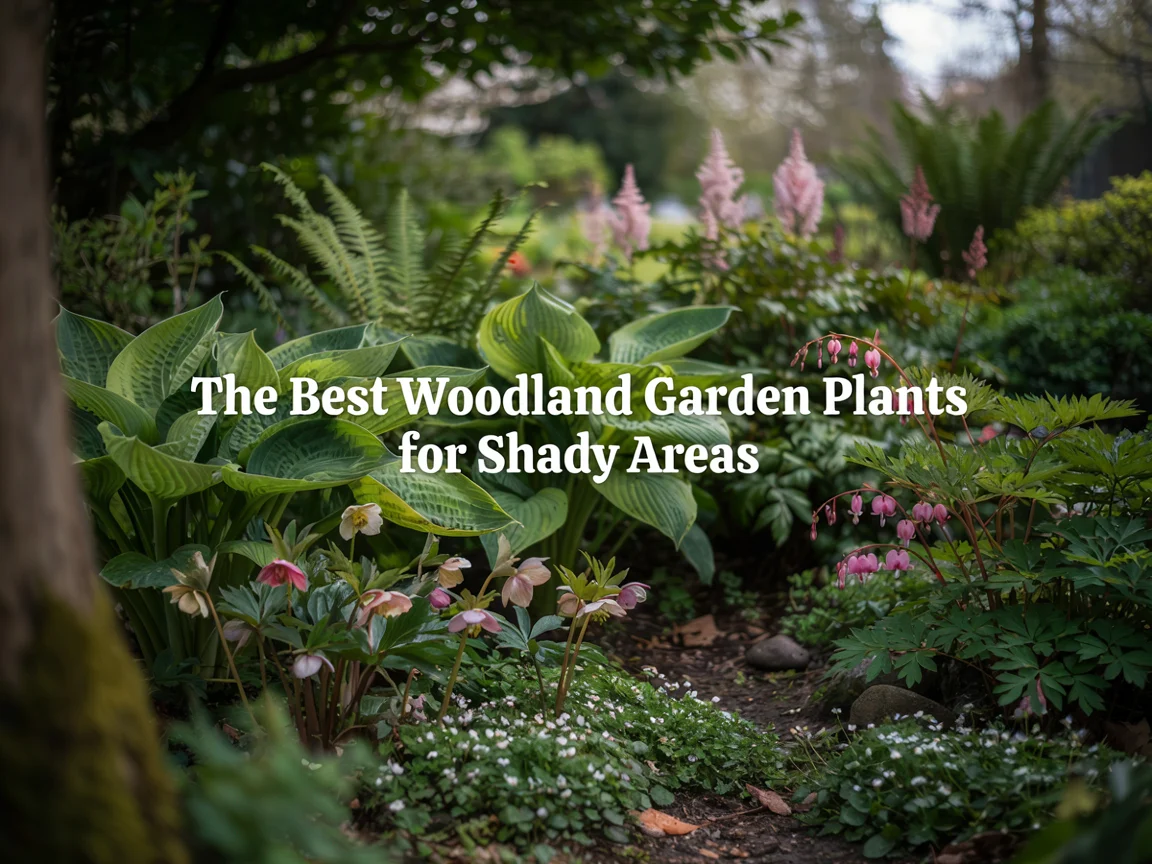
A shady yard doesn’t have to mean a bare, struggling lawn under a canopy of trees, since a genuine range of plants not only tolerate low light but actually prefer it. The eight plants below cover foliage, flowers, and ground cover, giving enough variety to fill a shaded bed the same way a sunny border would be filled.
Hosta for Bold, Textural Foliage in Deep Shade
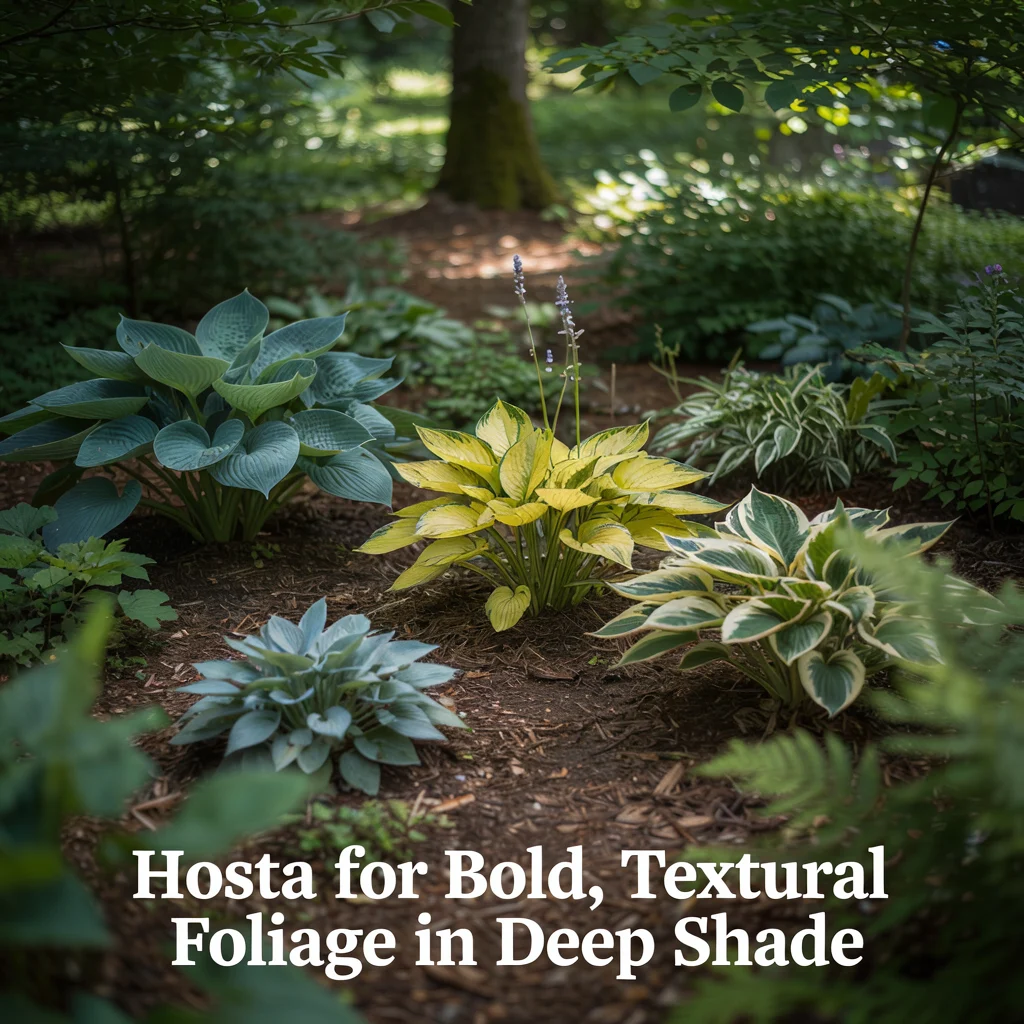
Hosta for bold, textural foliage in deep shade is the classic starting point for most woodland gardens, offering an enormous range of leaf sizes, colors, and textures that thrive where flowering plants often can’t.
Why Hosta Handles Deep Shade Better Than Most Plants
Why hosta handles deep shade better than most plants comes down to its broad leaves, which are efficient at capturing what limited light filters down through a tree canopy.
Protecting Hosta Leaves From Slug Damage
Protecting hosta leaves from slug damage is an ongoing task in most woodland gardens, since the same soft, lush foliage that makes hosta attractive also makes it a favorite slug target.
Ferns for Soft, Layered Texture Under Trees
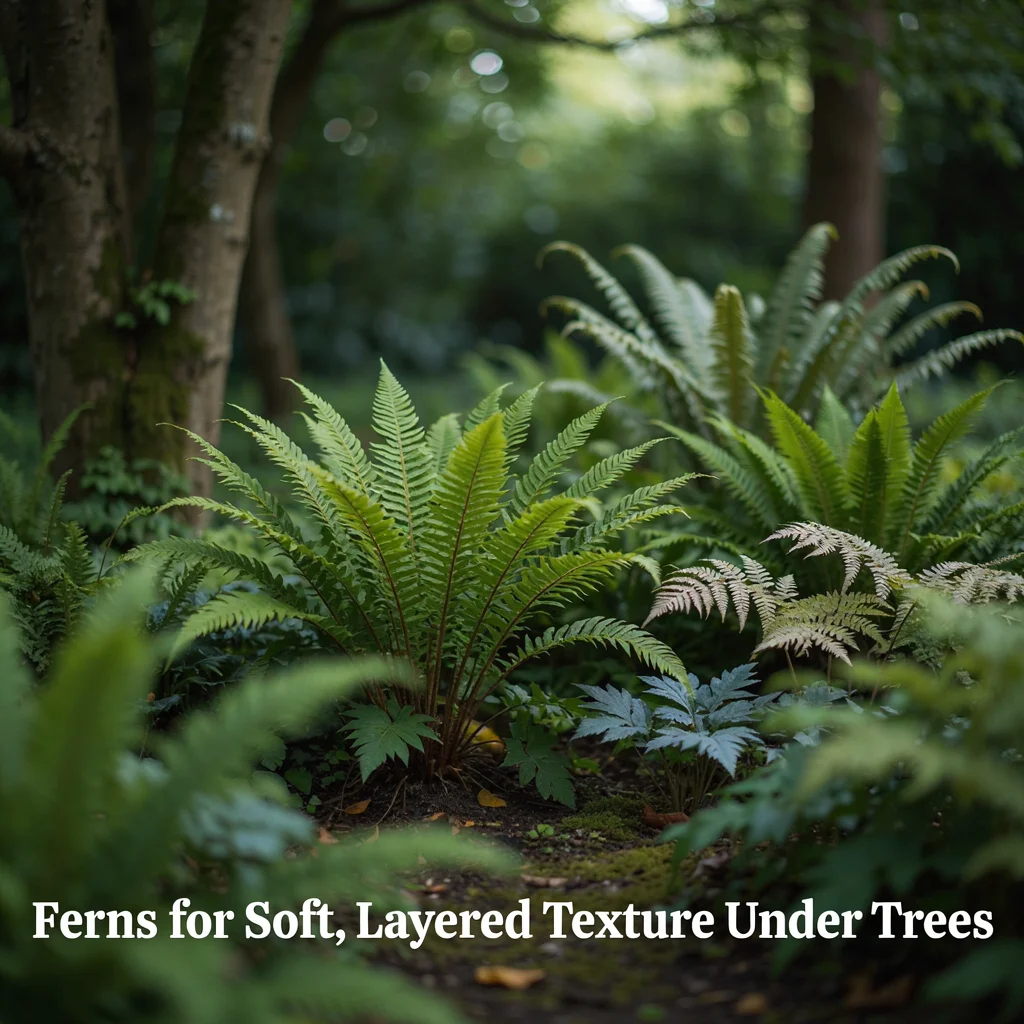
Ferns for soft, layered texture under trees bring a naturally woodland feel that few other plants replicate, with finely cut fronds that soften the look of surrounding hardier foliage.
Why Ferns Are Suited to Root Competition Under Trees
Why ferns are suited to root competition under trees comes down to their shallow, adaptable root systems, which handle competing with established tree roots better than many other shade perennials.
Choosing Ferns for Wet Versus Dry Shade
Choosing ferns for wet versus dry shade matters since some varieties, like Japanese painted fern, tolerate drier soil, while others, like ostrich fern, need consistently moist ground to thrive.
Astilbe for Feathery Flower Plumes in Partial Shade
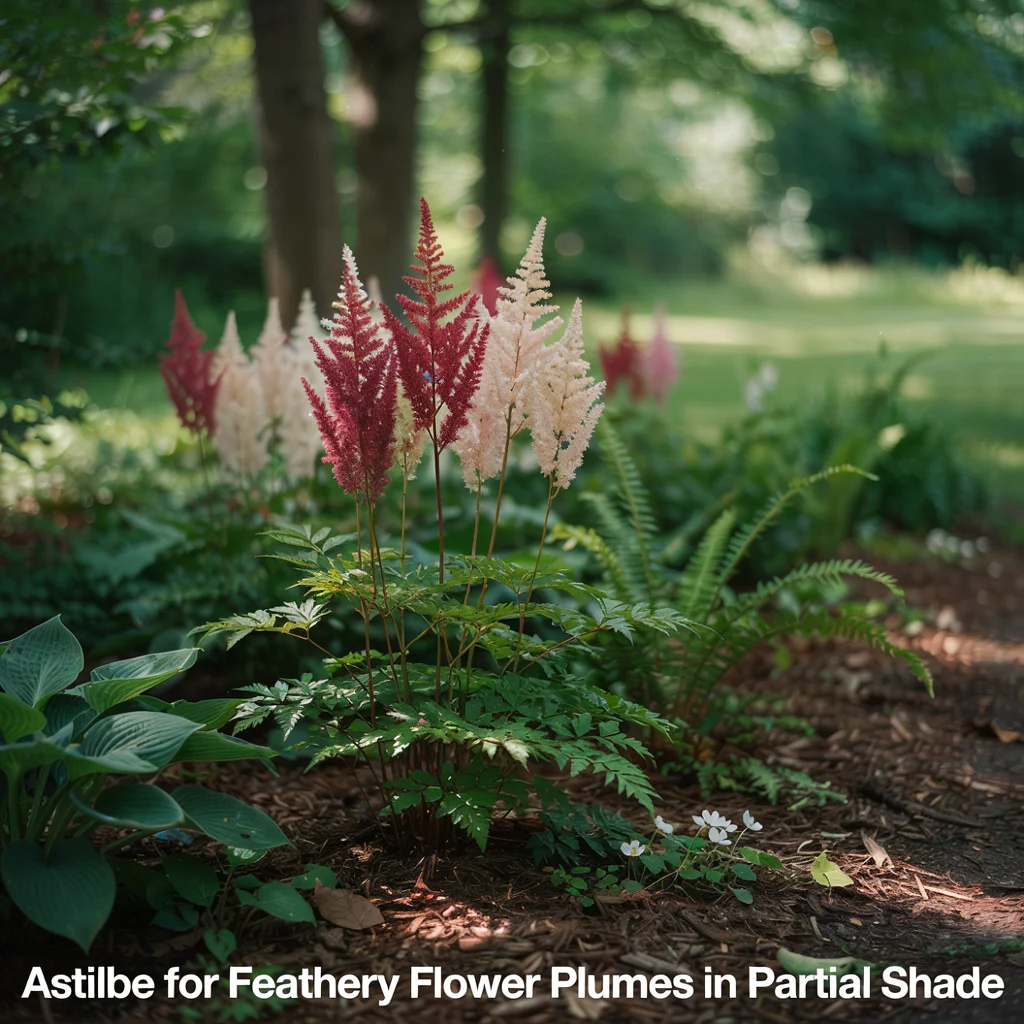
Astilbe for feathery flower plumes in partial shade adds genuine color to a woodland bed, with fluffy flower spikes in pink, red, or white rising above finely divided, fern-like foliage.
Why Astilbe Needs Consistently Moist Soil
Why astilbe needs consistently moist soil comes down to its shallow root system, which dries out quickly compared with deeper-rooted shade plants, making mulch and regular watering genuinely important.
Pairing Astilbe With Other Shade Perennials
Pairing astilbe with other shade perennials like hosta and fern creates natural contrast, combining astilbe’s upright plumes with the broader, rounder foliage shapes surrounding it.
Hellebore for Late-Winter and Early-Spring Blooms
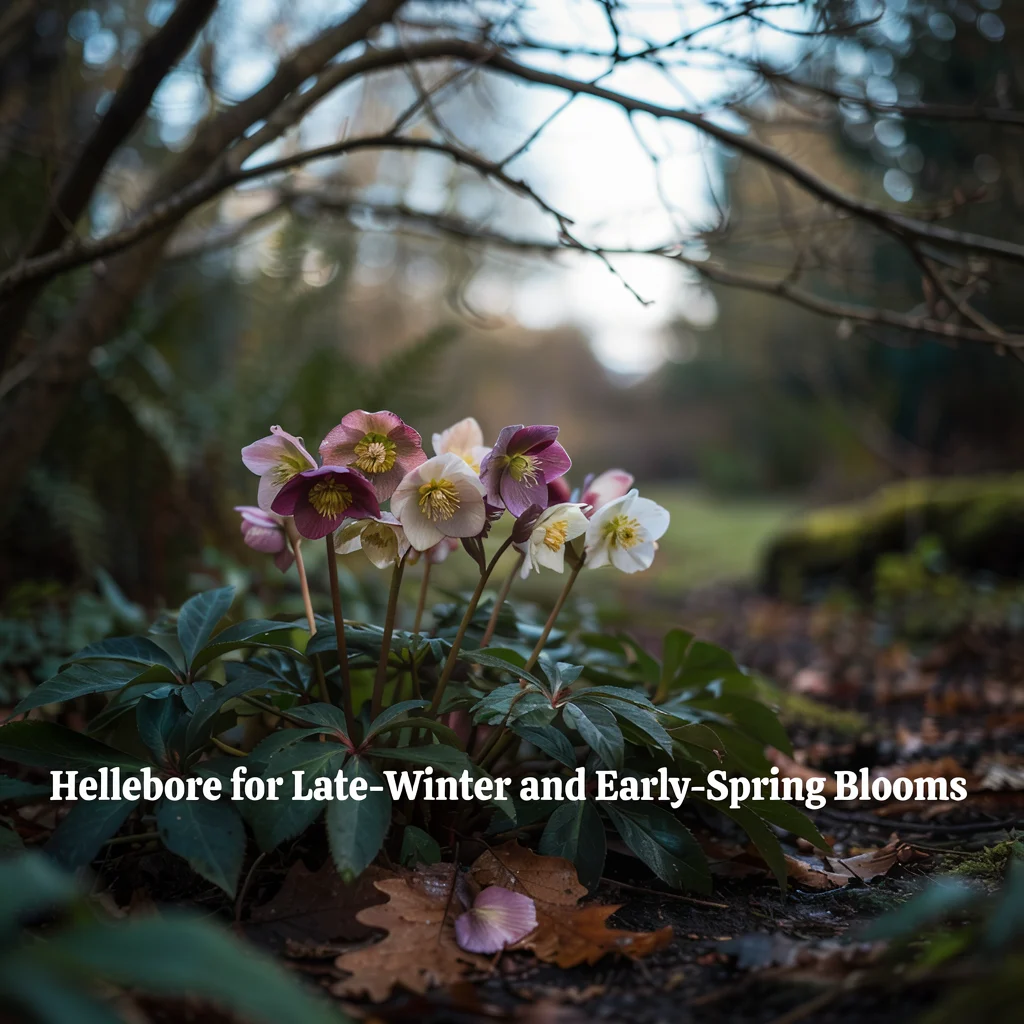
Hellebore for late-winter and early-spring blooms fills a genuine gap in the woodland garden calendar, flowering as early as late winter when almost nothing else in a shaded bed is blooming.
Why Hellebore Is Called the Lenten Rose
Why hellebore is called the Lenten rose comes down to its bloom timing, which in many climates coincides with the Lenten season, well before most spring perennials even begin to emerge.
Hellebore’s Evergreen Foliage Adds Year-Round Structure
Hellebore’s evergreen foliage adds year-round structure to a woodland bed, holding its leathery, deep green leaves through winter even when the plant isn’t in bloom.
Solomon’s Seal for Arching Stems and Quiet Elegance
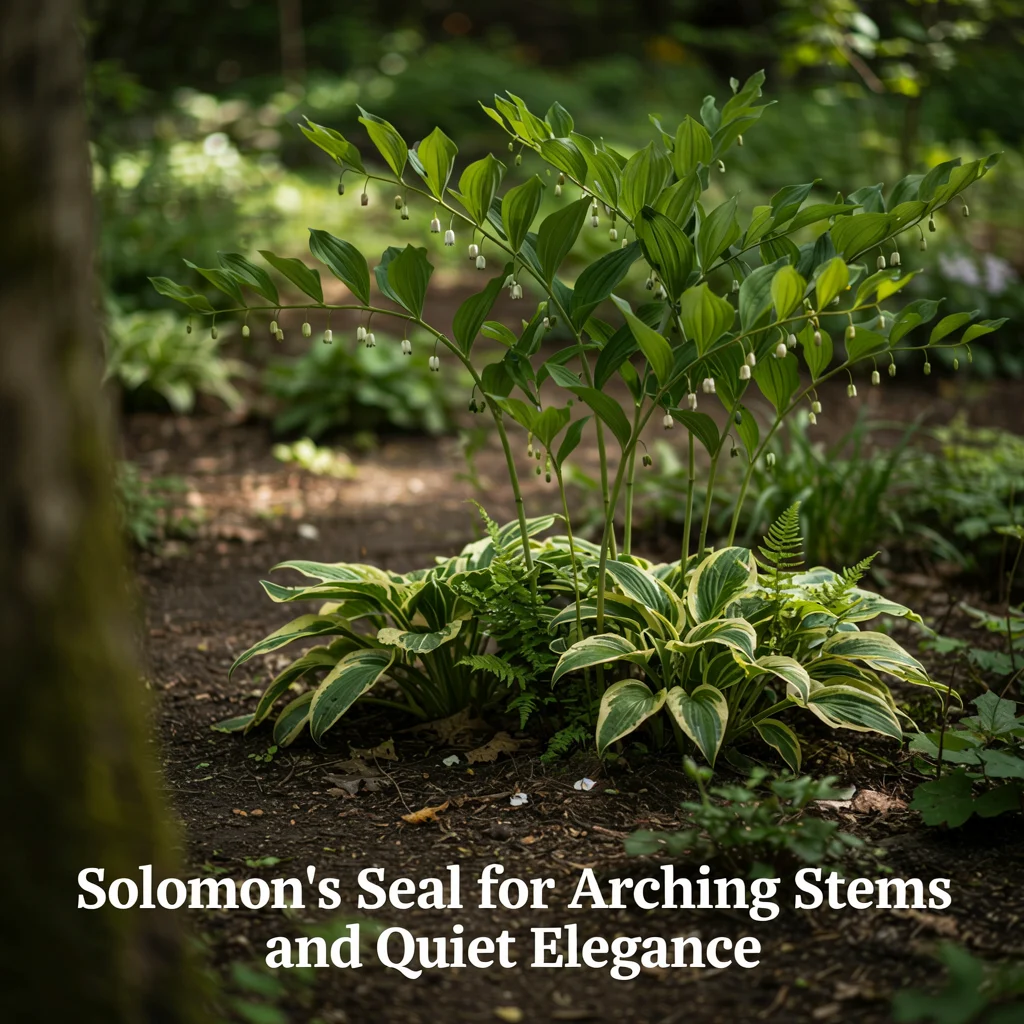
Solomon’s seal for arching stems and quiet elegance brings a graceful, architectural shape to shaded beds, with gently arching stems lined by small, bell-shaped flowers in spring.
Why Solomon’s Seal Spreads So Gradually
Why Solomon’s seal spreads so gradually comes down to its rhizome growth habit, slowly expanding into an attractive colony over several years without becoming aggressive or invasive.
Using Solomon’s Seal as a Backdrop Plant
Using Solomon’s seal as a backdrop plant works well given its upright, arching height, which sets off shorter, mounding plants like hosta and astilbe planted in front of it.
Foamflower for Delicate Spring Blooms and Ground Cover
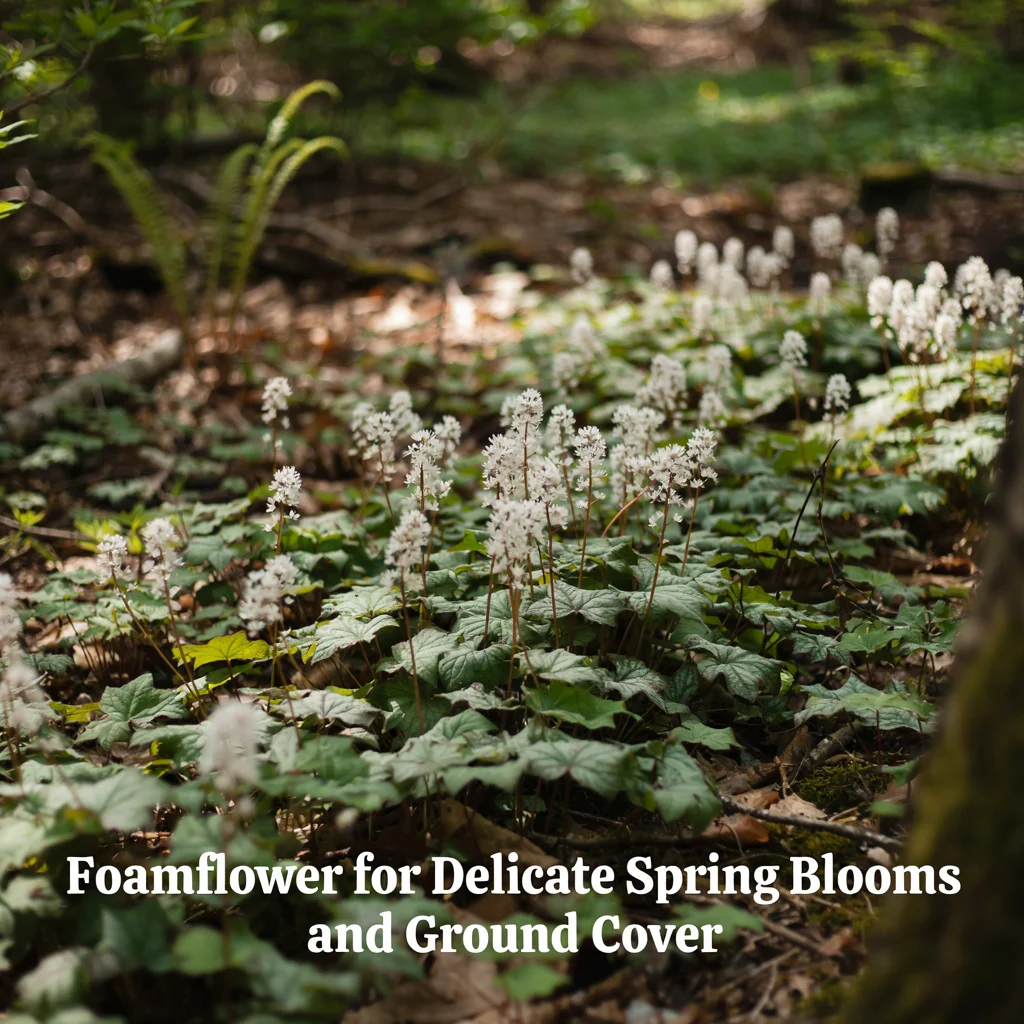
Foamflower for delicate spring blooms and ground cover offers frothy white flower spikes over attractively mottled, maple-shaped leaves, spreading gently to form a natural woodland carpet.
Why Foamflower Works Well as a Living Mulch
Why foamflower works well as a living mulch comes down to its spreading, low-growing habit, which suppresses weeds while keeping soil moisture more consistent around taller neighboring plants.
Native Foamflower Varieties for Wildlife Gardens
Native foamflower varieties for wildlife gardens support local pollinators particularly well, since many straight species and native cultivars provide early-season nectar for native bee populations.
Bleeding Heart for Old-Fashioned, Heart-Shaped Flowers
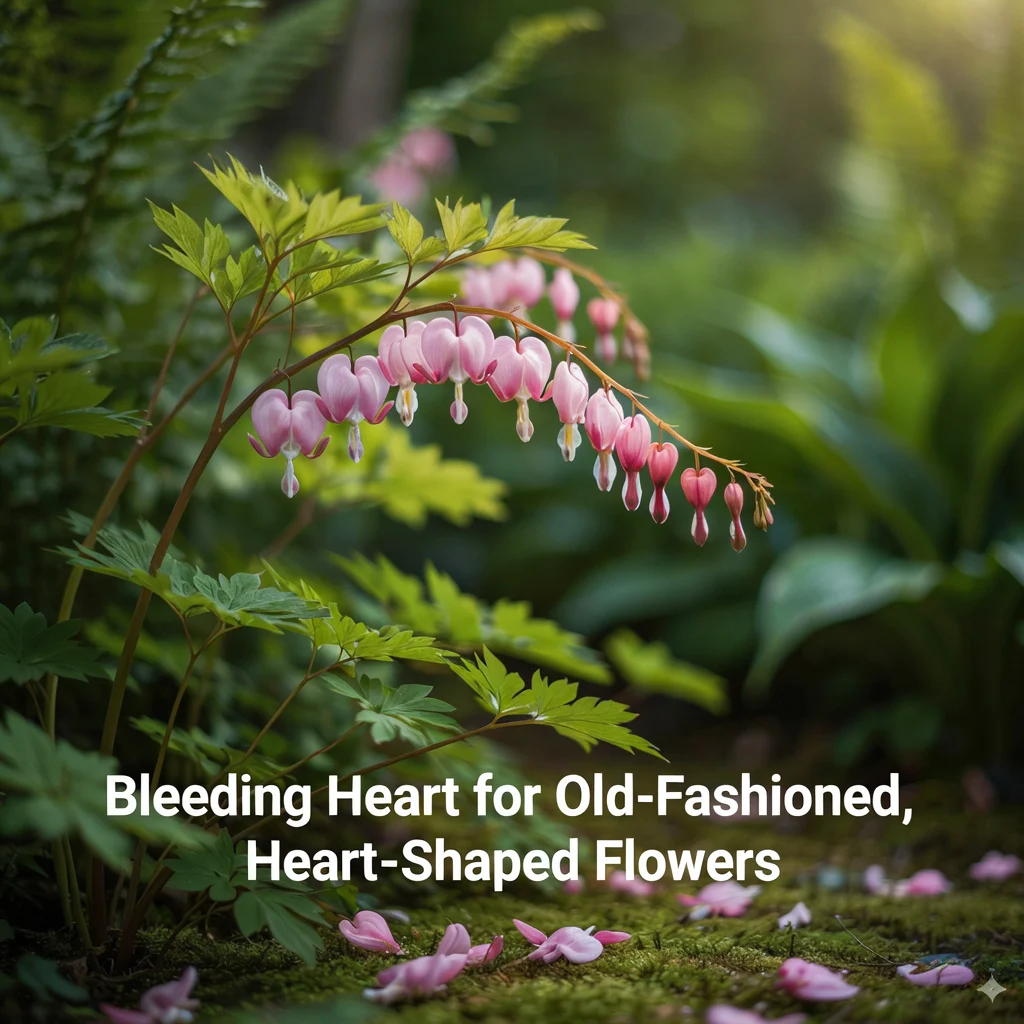
Bleeding heart for old-fashioned, heart-shaped flowers brings a genuinely romantic look to shaded spring beds, with rows of pink or white heart-shaped blooms dangling from gracefully arching stems.
Why Bleeding Heart Goes Dormant in Summer
Why bleeding heart goes dormant in summer comes down to its spring-ephemeral nature, dying back completely once the weather warms, which is worth planning for when placing it near later-blooming companions.
Filling the Gap Bleeding Heart Leaves Behind
Filling the gap bleeding heart leaves behind after it goes dormant usually means planting later-emerging perennials like hosta or astilbe nearby to take over once the bleeding heart foliage disappears.
Wild Ginger for Dense, Low Evergreen Ground Cover
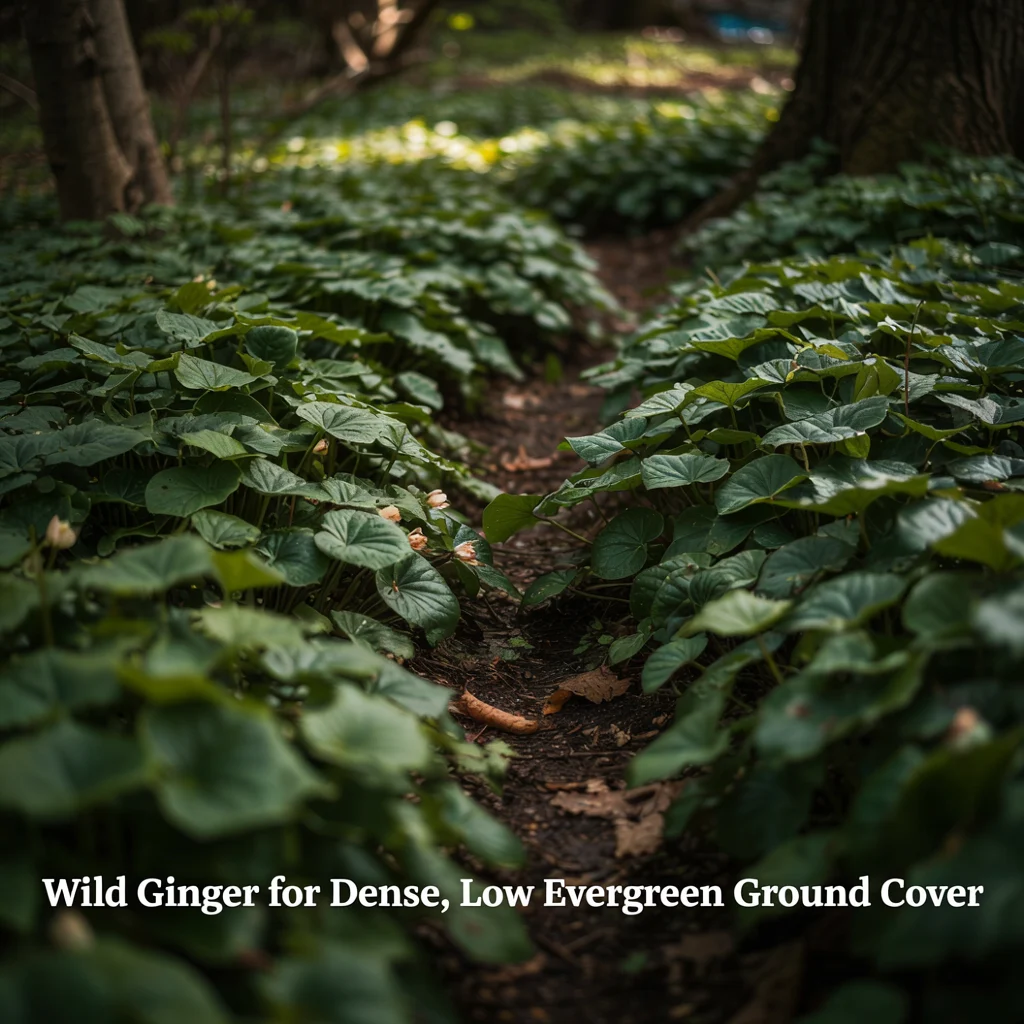
Wild ginger for dense, low evergreen ground cover forms a tidy, glossy-leaved mat that handles deep shade and root competition better than almost any other low-growing woodland plant.
Why Wild Ginger Suits the Darkest Corners of a Garden
Why wild ginger suits the darkest corners of a garden comes down to its genuine shade tolerance, thriving in spots too dark even for many other so-called shade-loving plants.
Wild Ginger’s Understated, Hidden Spring Flowers
Wild ginger’s understated, hidden spring flowers grow low at soil level beneath the foliage, easy to miss but a small reward for anyone who parts the leaves to look.
The Bottom Line
A shaded yard actually offers more planting options than most gardeners expect, from architectural foliage plants like hosta and Solomon’s seal to genuine flowering color from astilbe, hellebore, and bleeding heart. Mixing a few of these with a low, spreading ground cover like foamflower or wild ginger fills a woodland bed with the same layered depth a sunny border would have.
This pairs well with our guide to How to Build a Pet-Friendly Garden.
Frequently Asked Questions
What Grows Well Under Large Shade Trees?
Hosta, ferns, and wild ginger grow especially well under large shade trees, since all three tolerate both low light and the root competition common beneath established trees.
Do Shade Garden Plants Need Less Water Than Sun-Loving Plants?
Not necessarily; plants like astilbe and bleeding heart actually need consistently moist soil, so shaded conditions don’t automatically mean lower water needs.
What Is the Easiest Woodland Plant to Grow for Beginners?
Hosta is generally the easiest woodland plant for beginners, tolerating a wide range of shade conditions and soil types while asking for very little ongoing care beyond slug protection.
Can a Woodland Garden Have Flowers, or Is It Mostly Foliage?
A woodland garden can absolutely include flowers, with hellebore, astilbe, and bleeding heart all providing genuine seasonal color alongside the foliage plants that dominate most shaded beds.
How Do I Improve Soil Under Trees for Woodland Plants?
Improving soil under trees for woodland plants generally means adding a layer of compost or leaf mold on top of the soil, since digging deeply around tree roots can cause damage.