
Woodland Garden Bird Baths That Attract Birds

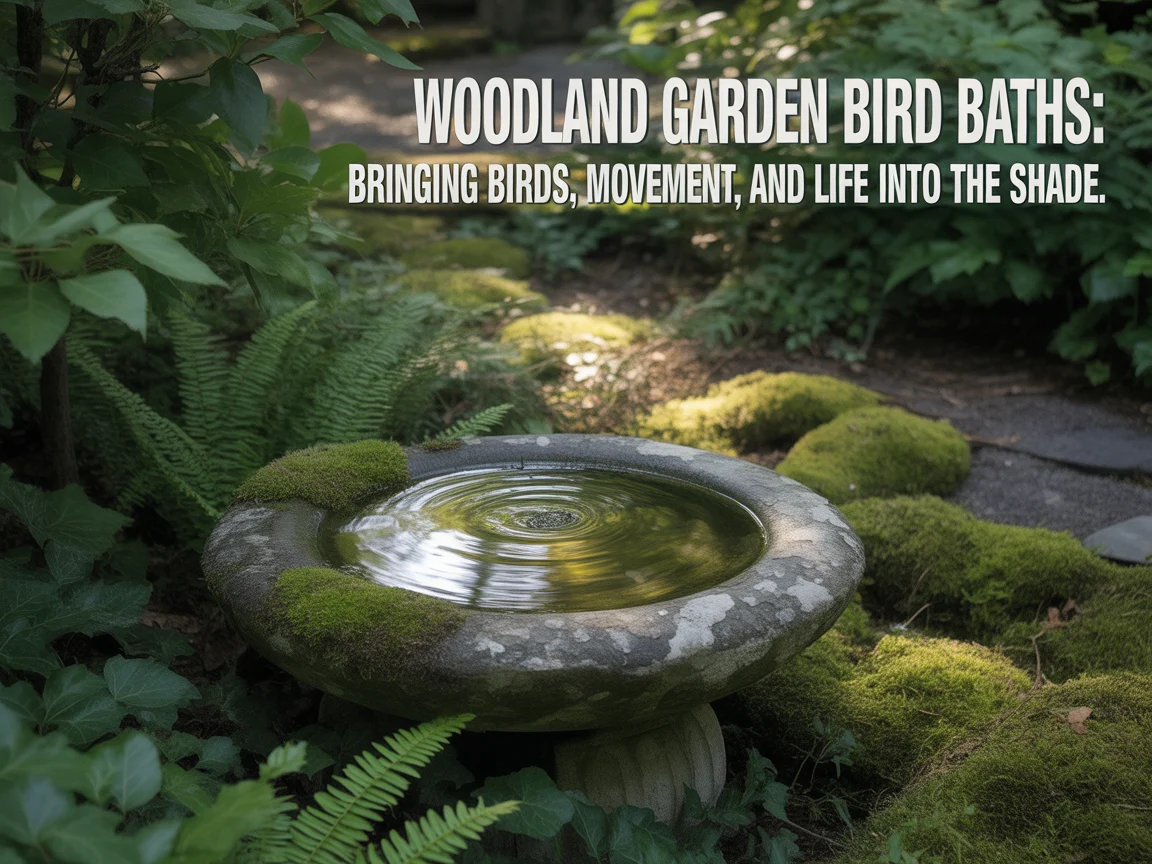
The most magical thing I ever added to a woodland garden cost almost nothing and changed everything. It was a simple mossy stone bird bath, set low among ferns beneath a hazel, filled with a couple of inches of rainwater. For the first week nothing happened, and the owner began to wonder whether the birds had noticed it at all. Then on the eighth morning a blackbird dropped down, hesitated at the rim, and plunged in, throwing water everywhere in a frenzy of bathing while we watched through the kitchen window. After that the bath was rarely empty. Robins, blue tits, a pair of wrens, and eventually a sparrowhawk that came not to drink but to hunt all began to use that one shallow basin of water. The owner told me later it was the single feature that made her garden feel truly alive. That is the quiet power of a woodland garden bird bath: a small dish of water that turns a beautiful but static green space into a living, moving habitat.
Woodland garden bird baths are shallow water basins — natural stone bowls, carved granite, terracotta dishes, reclaimed troughs, or ceramic and metal designs — placed thoughtfully among shade planting and near protective cover beneath a tree canopy to provide fresh drinking and bathing water for garden birds while adding a charming, animated natural feature to a naturalistic woodland setting. The bird bath gives the woodland garden movement, sound, and ecological value, while the surrounding ferns, moss, and tree cover give the bath the safe, sheltered, naturalistic character that birds and the woodland aesthetic both need.
Since that first blackbird, I have designed, placed, and advised on woodland garden bird baths across plots ranging from compact shaded courtyards to large established woodland gardens. I have seen a single well-placed bird bath transform a garden’s wildlife, and I have also seen elaborate naturalistic water features draw an extraordinary variety of birds. In this article I am sharing the best woodland garden bird bath ideas covering materials, placement, safety, planting, maintenance, and the year-round care that keeps birds coming.
[Image: mossy natural stone bird bath nestled among ferns in a shaded woodland garden]
Mossy Natural Stone Bird Bath
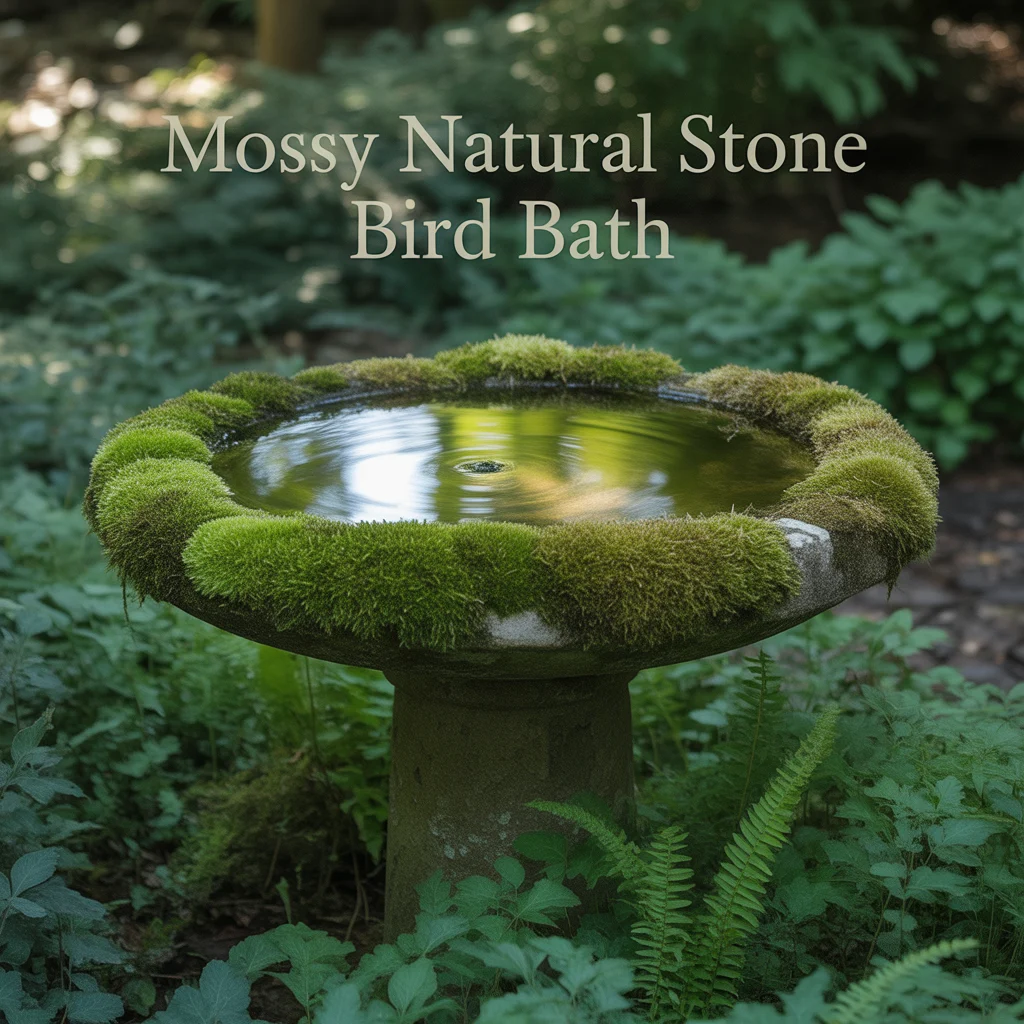
A mossy natural stone bird bath is the most quintessentially woodland of all bird bath designs, using a weathered natural stone basin that develops a soft coat of moss and lichen in the shade to create a feature that looks as though it has stood among the trees for generations. I set a natural stone bird bath among ferns in a shaded woodland garden and let moss colonize its base and pedestal, and within two seasons the moss-softened stone looked so completely established that visitors assumed it was an original feature of an ancient garden.
Stone Types for a Woodland Bird Bath
Weathered granite, sandstone, and natural limestone are three stone types suited to a woodland bird bath. Weathered granite provides the most durable and ancient-looking basin that withstands frost and weathers slowly into the setting. Sandstone provides a warmer, softer stone that develops moss readily in the damp woodland shade. Natural limestone provides a pale, characterful basin that brightens a shaded corner and accepts lichen colonization beautifully, suiting a woodland garden on alkaline soil.
Encouraging Moss on a Stone Bird Bath
Moss is encouraged on a stone bird bath by siting it in deep shade, keeping the outer surfaces moist, and applying a moss slurry to the pedestal and base. I position bird baths intended to naturalize in the shadiest, most humid parts of the woodland garden where moss establishes naturally, and I brush a slurry of blended moss and buttermilk onto the pedestal and outer base to speed colonization. The bathing basin itself is kept clean and moss-free for the birds, while the pedestal and surrounds are allowed to green over for the naturalized woodland appearance.
Carved Granite Bowl on a Rustic Pedestal
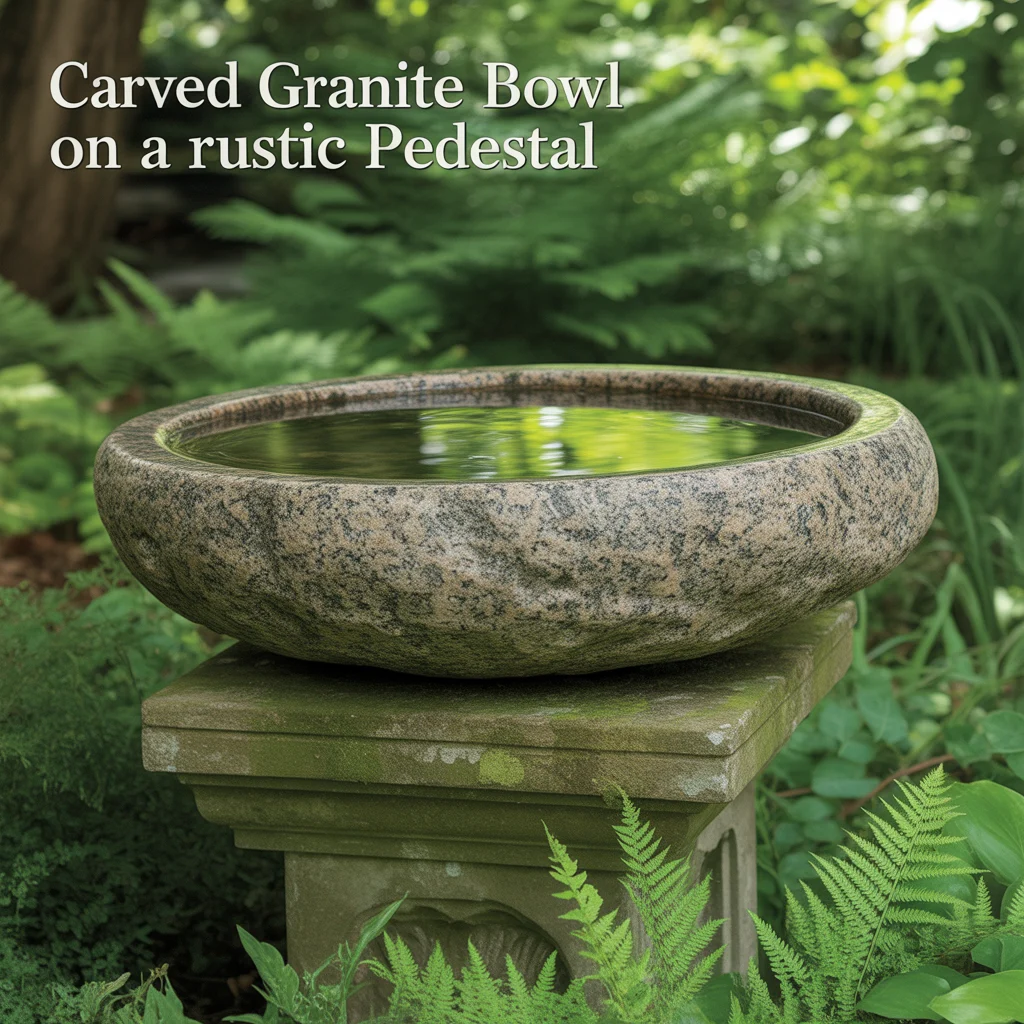
A carved granite bowl on a rustic pedestal raises the water to a classic bird bath height on a solid, durable stone pedestal, providing the most traditional and long-lasting woodland bird bath form. I placed a carved granite bowl on a rustic stone pedestal in a woodland clearing, and the substantial, permanent presence of the carved stone, raised to catch the dappled light, gave the garden a timeless focal point that birds and owners alike were drawn to.
Pedestal Styles for a Woodland Bird Bath
A natural stone column, a stacked stone pedestal, and a reclaimed timber post are three pedestal styles suited to a woodland bird bath. A natural stone column provides a solid, classic pedestal that weathers naturally in the woodland. A stacked stone pedestal of irregular stones provides a more rustic, characterful support that suits an informal woodland setting. A reclaimed timber post provides a warmer, woodland-appropriate pedestal that ages and weathers into the natural surroundings.
Stability for a Raised Bird Bath
A level firm base, a heavy stable pedestal, and a secure bowl seating are three stability essentials for a raised bird bath. A level, firm base prevents the pedestal from leaning or toppling on the soft woodland floor. A heavy, stable pedestal resists being knocked over and provides the security birds need to use the bath confidently. A secure seating of the bowl on the pedestal, so it cannot be dislodged, keeps the raised bird bath safe and reliable through wind and weather.
Shallow Terracotta Dish Bird Bath
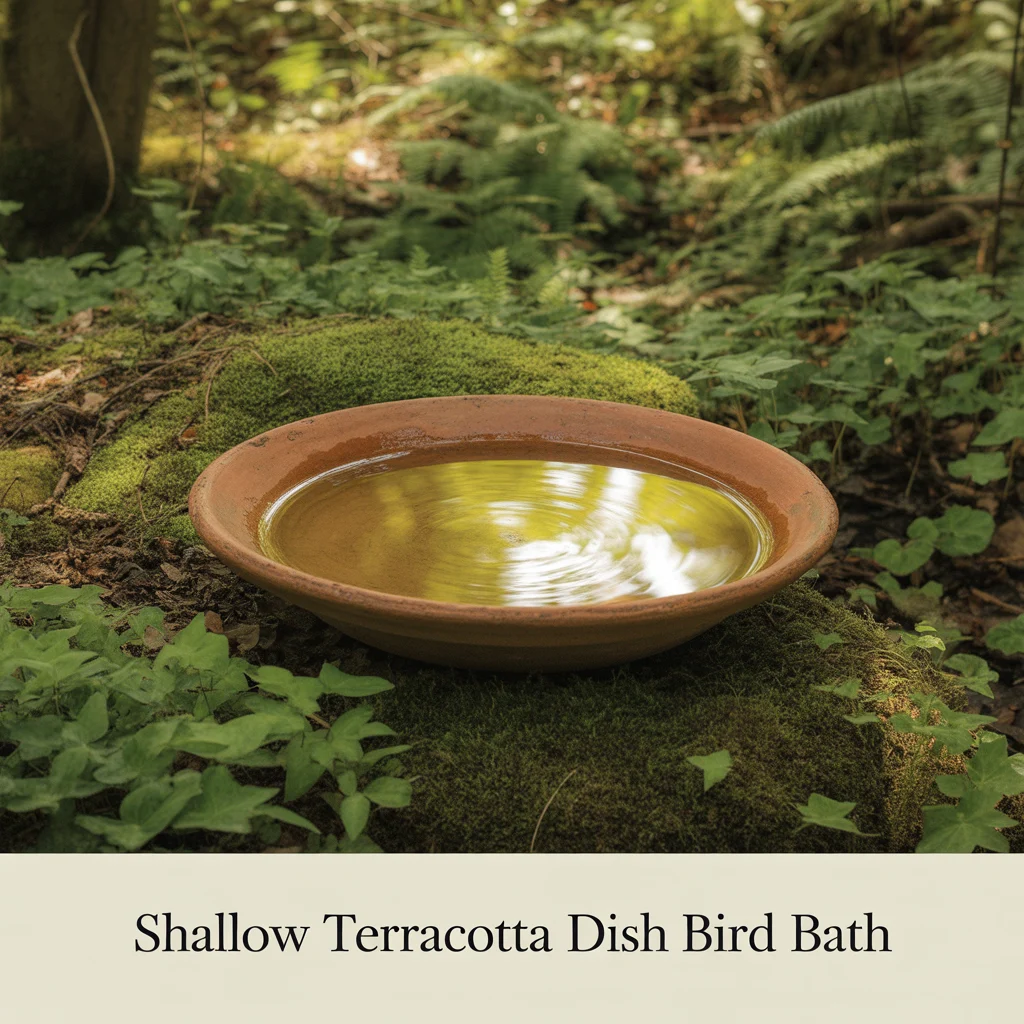
A shallow terracotta dish bird bath uses a simple, affordable terracotta saucer set among woodland wildflowers to create a low, naturalistic water source that suits ground-feeding birds and an informal woodland planting scheme. I set a shallow terracotta dish among woodland wildflowers at ground level, and the simple, unpretentious water source nestled in the planting drew ground-feeding birds like dunnocks and blackbirds that rarely used the raised baths nearby.
Terracotta Bird Bath Considerations
A shallow profile, frost resistance, and a stable setting are three considerations suited to a terracotta bird bath. A shallow profile of an inch or two of water depth suits the bathing and drinking needs of garden birds safely. Frost resistance matters because ordinary terracotta can crack in freezing woodland winters, so a frost-proof terracotta or seasonal storage is needed. A stable setting, bedded firmly into the planting or ground, keeps the dish secure and prevents it tipping.
Creating a Safe Water Depth
A gentle slope, a shallow center, and added stones are three techniques suited to a safe bird bath water depth. A gentle slope from the rim toward the center allows birds to wade in to their preferred depth. A shallow center of no more than two inches keeps the bath safe for small birds. Added stones or pebbles in the basin provide secure footing and a shallow edge that makes even a deeper dish safe for small and young birds to use.
Reclaimed Stone Trough Bird Bath
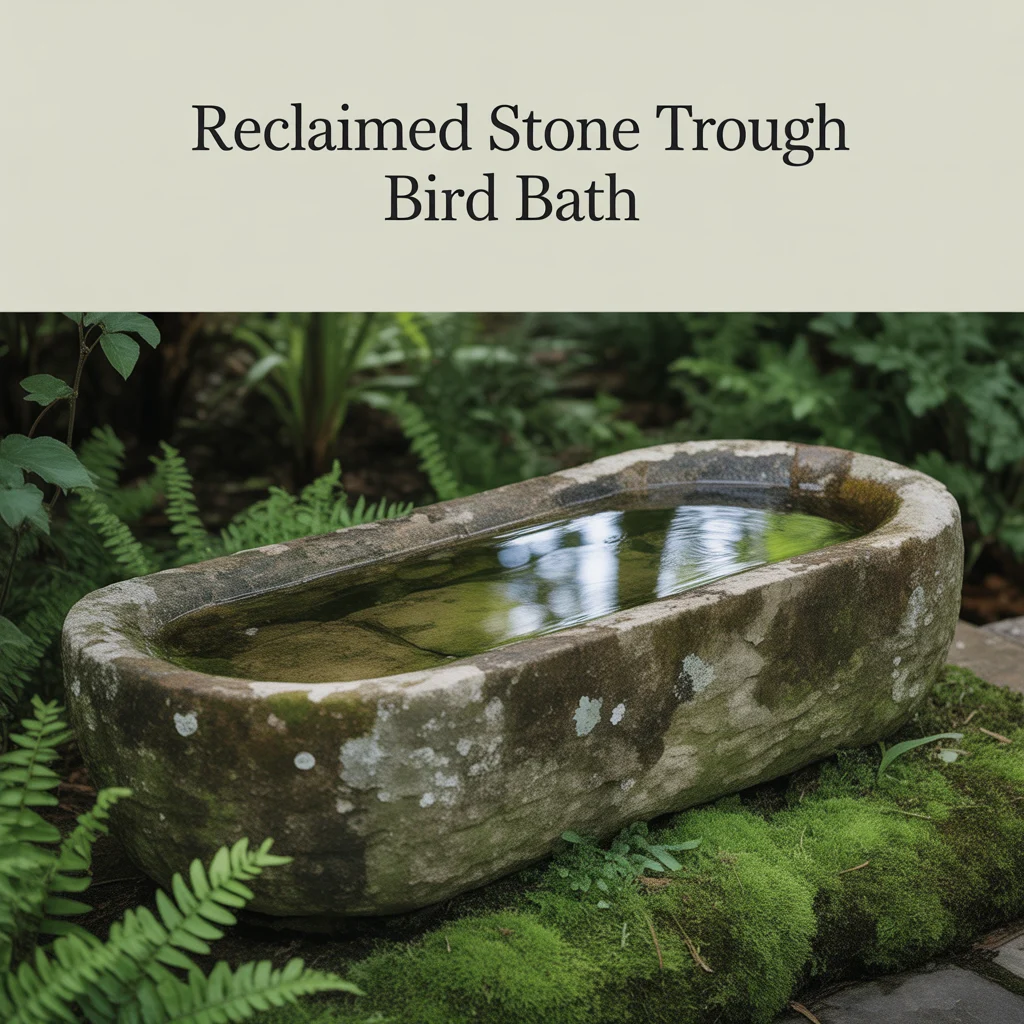
A reclaimed stone trough bird bath repurposes an old stone trough or sink as a larger, characterful water feature that provides generous bathing space and instant aged character beneath the tree canopy. I converted a reclaimed stone trough into a bird bath beneath a woodland canopy, and the weathered, lichen-marked stone of the old trough provided both a generous water surface for the birds and an immediate sense of history that a new feature could never match.
Reclaimed Containers for a Bird Bath
An old stone trough, a reclaimed stone sink, and a salvaged carved basin are three reclaimed containers suited to a woodland bird bath. An old stone trough provides a generous, characterful basin with instant aged appeal. A reclaimed stone sink provides a smaller, shallow basin well suited to bird use. A salvaged carved basin or font provides a sculptural, characterful water feature that becomes a focal point in the woodland garden.
Adapting a Trough for Bird Use
A shallow water level, added stones, and a drainage option are three adaptations suited to a reclaimed trough bird bath. A shallow water level, filling only the lower portion of a deep trough, keeps the water safe for birds. Added stones and pebbles create shallow areas and secure perches within a larger basin. A drainage option, whether an existing plug or a means to tip and empty, makes regular cleaning and water changes practical in a large reclaimed container.
Sculptural Ceramic Bird Bath
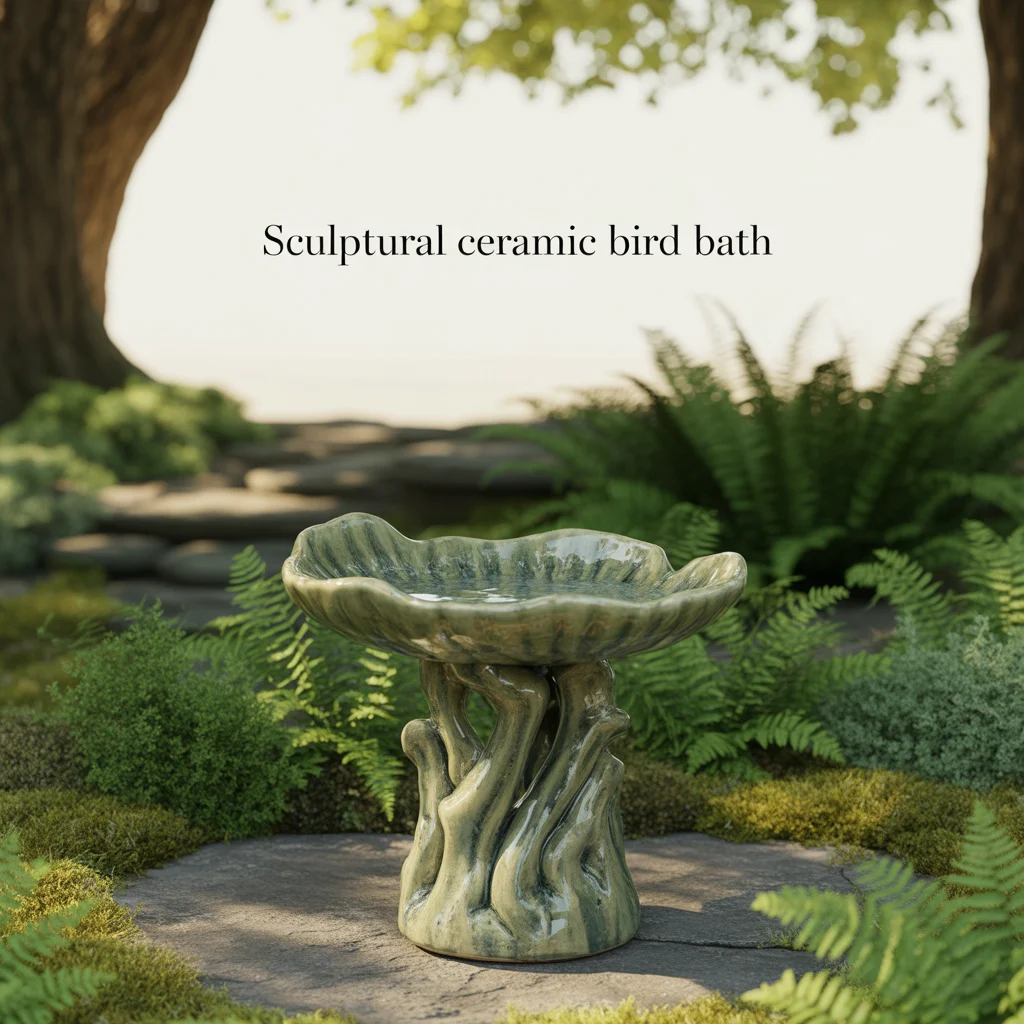
A sculptural ceramic bird bath introduces an artistic, designed element to the woodland garden, using a glazed or natural ceramic form that complements the naturalistic setting while adding individual character and craftsmanship. I placed a sculptural ceramic bird bath in a woodland garden where the owner wanted a touch of artistry, and the handcrafted ceramic form, its glaze echoing the greens and browns of the woodland, provided both a functional bird bath and a piece of garden sculpture.
Ceramic Bird Bath Styles
A natural earth-toned glaze, a leaf-form basin, and a handcrafted artisan piece are three ceramic styles suited to a woodland bird bath. A natural earth-toned glaze in greens and browns blends the ceramic into the woodland planting. A leaf-form basin shaped like a large leaf provides a naturalistic form that suits the woodland aesthetic. A handcrafted artisan piece provides individual character and craftsmanship that makes the bird bath a distinctive feature.
Caring for Ceramic in a Woodland Setting
Frost protection, stable placement, and gentle cleaning are three care practices suited to a ceramic bird bath. Frost protection through frost-proof ceramic or winter storage prevents cracking in freezing conditions. Stable placement on a firm, level base protects the more fragile ceramic from knocks and falls. Gentle cleaning that avoids harsh abrasion preserves the glaze and surface of the ceramic basin over time.
Ground-Level Naturalistic Bird Bath
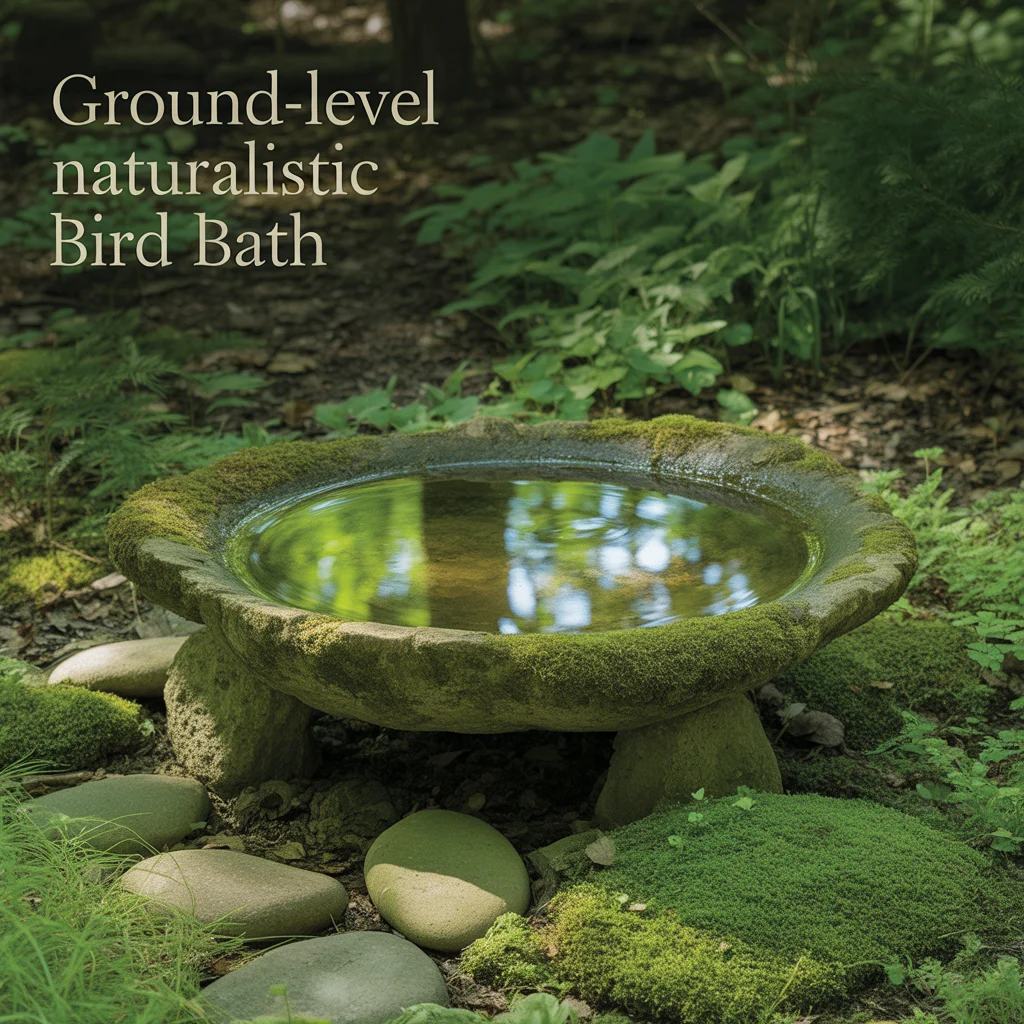
A ground-level naturalistic bird bath sets the water at or near ground level among the planting to mimic the natural woodland puddles and pools that birds instinctively use, creating the most authentic and naturalistic water source. I created a ground-level bird bath by setting a shallow stone basin into the woodland floor among ferns, and the way it replicated a natural woodland pool drew a wider variety of birds, including shy ground-feeders, than any raised bath in the garden.
Designing a Ground-Level Bird Bath
A sunken stone basin, a pebble-lined hollow, and a natural-edge pool are three designs suited to a ground-level bird bath. A sunken stone basin set into the ground provides a defined, cleanable water source at ground level. A pebble-lined hollow creates the most natural-looking woodland puddle effect. A natural-edge pool with irregular stone edging blends seamlessly into the surrounding planting for the most authentic naturalistic appearance.
Predator Safety at Ground Level
A clear surrounding zone, nearby escape cover, and an open sightline are three safety considerations for a ground-level bird bath. A clear surrounding zone immediately around the bath denies ambush cover to cats and ground predators. Nearby escape cover, a few feet back, gives birds a refuge to dart to if threatened. An open sightline around the bathing birds lets them watch for danger, balancing the closeness of escape cover against the need to see approaching predators, which is the central placement tension for any ground-level bath.
Bird Bath Placement Near Protective Cover
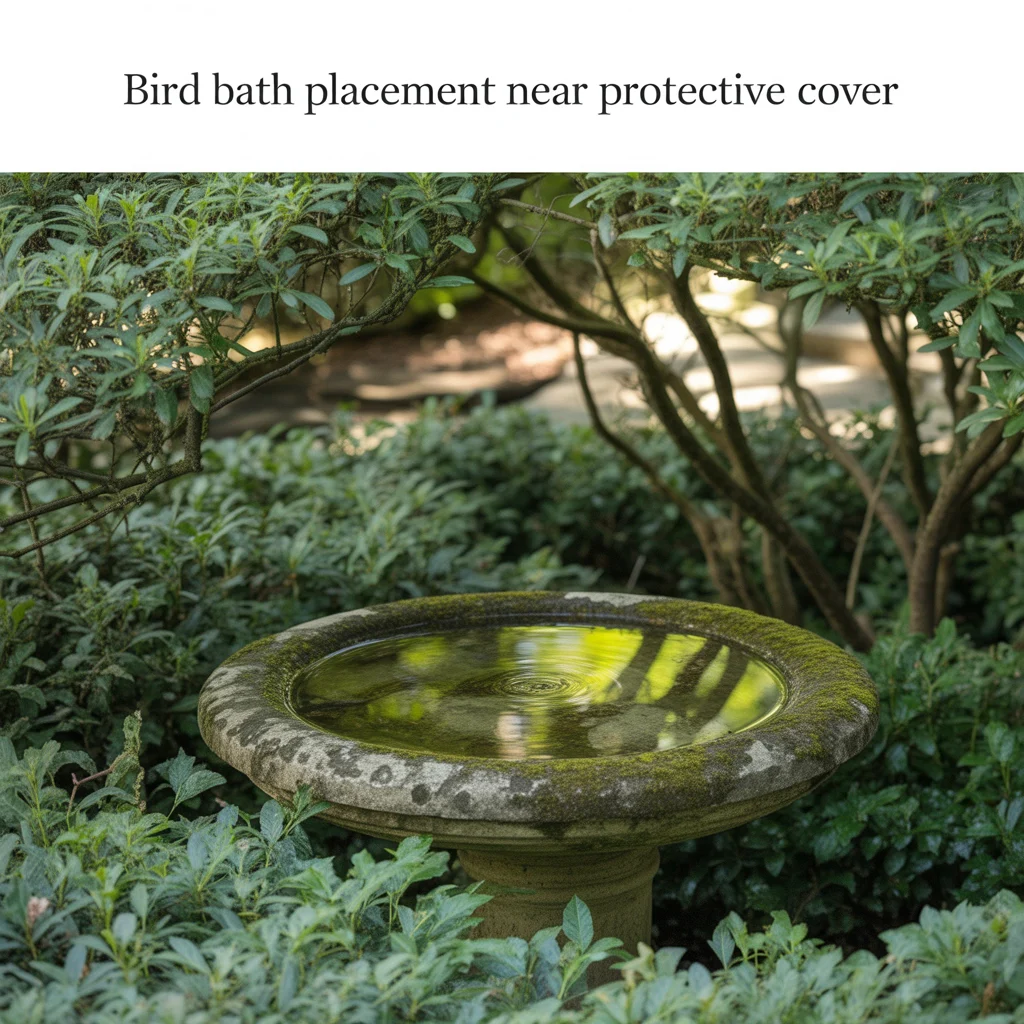
Bird bath placement near protective cover is one of the most important factors in whether birds will actually use a woodland bird bath, because birds need nearby shrubs or branches to retreat to and to watch from before committing to bathing. I always place woodland bird baths within a short flight of protective cover, because birds are at their most vulnerable when wet and bathing, and a bath without nearby refuge, however beautiful, will be used far less than one placed with safety in mind.
Ideal Cover for a Woodland Bird Bath
Nearby shrubs, overhanging branches, and a staging perch are three forms of cover suited to a woodland bird bath. Nearby shrubs a few feet from the bath provide the refuge birds dart to when startled. Overhanging branches offer a safe approach route and a place to preen after bathing. A staging perch, a branch or twig close to the bath, gives birds a place to assess safety before dropping down to the water.
Balancing Cover and Predator Safety
Refuge distance, an open bathing zone, and avoiding ambush cover are three principles suited to balancing cover and safety. A refuge distance close enough to reach quickly but not so close it hides predators is the key balance. An open bathing zone immediately around the bath lets birds see approaching danger while they are vulnerable. Avoiding dense ambush cover right at the water’s edge, where a cat could hide, protects the bathing birds, so cover should be near but not pressed against the bath itself.
Bird Bath With Moving Water and Drips
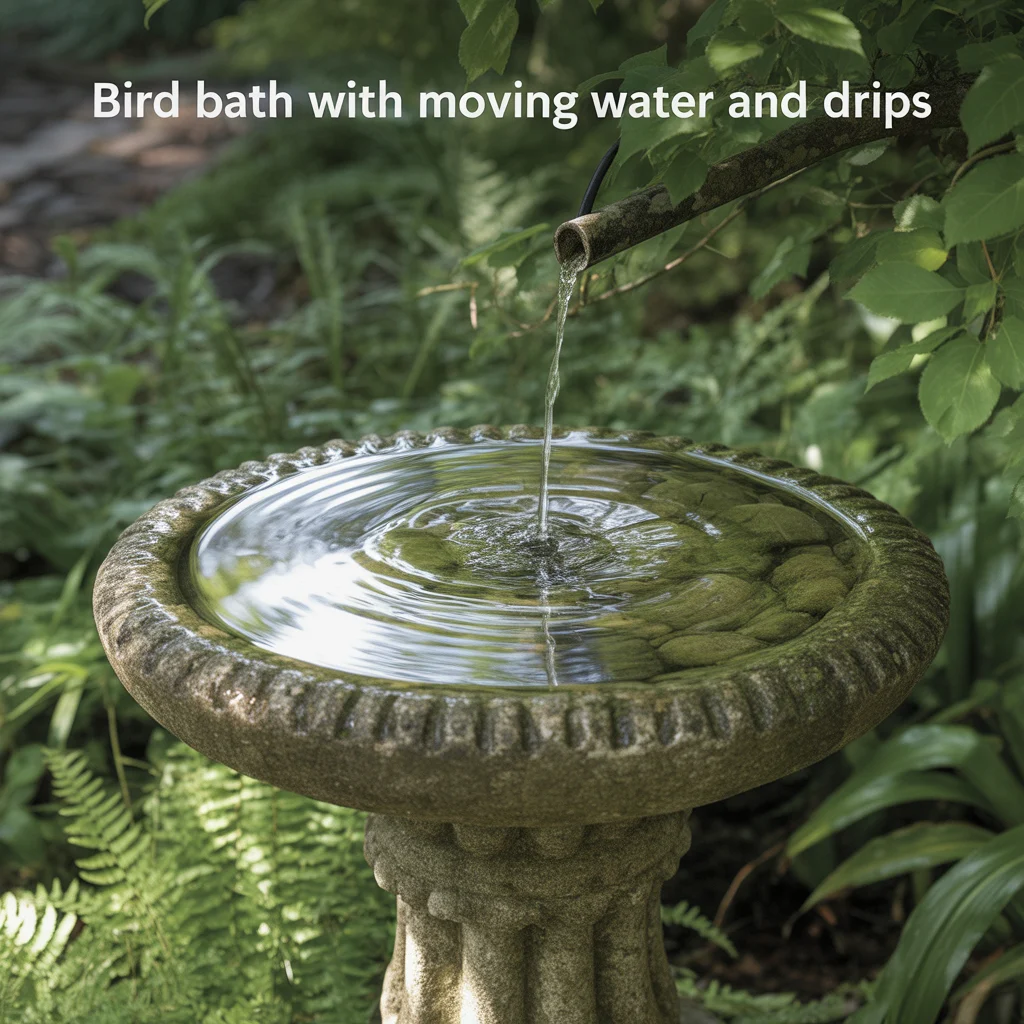
A bird bath with moving water and drips adds the sound and movement of water that birds find irresistibly attractive, using a dripper, a small solar fountain, or a gentle bubbler to draw far more birds than still water alone. I added a simple solar dripper to a woodland bird bath, and the gentle sound and movement of the dripping water dramatically increased the bird activity, because the sound of water carries and signals a safe, fresh source to birds across the garden.
Moving Water Options for a Bird Bath
A solar dripper, a small solar fountain, and a gentle bubbler are three moving water options suited to a woodland bird bath. A solar dripper releases regular drops that create sound and ripples while using minimal water, and needs only sunlight to operate. A small solar fountain provides a gentle spray or trickle that animates the water surface. A gentle bubbler creates a soft welling movement that keeps the water fresh and audible without the splashing that deters smaller birds.
Solar Power in a Shaded Woodland
Panel placement, battery backup, and a low-flow setting are three considerations for solar water features in shade. Panel placement is critical in a woodland garden, so a separate-panel solar unit allows the panel to sit in a sunnier gap while the feature operates beneath the trees. Battery backup extends operation through the cloudy, shaded conditions common under a canopy. A low-flow setting suits the gentle movement birds prefer and works within the limited power a shaded solar feature generates.
Bird Bath Surrounded by Ferns and Woodland Planting
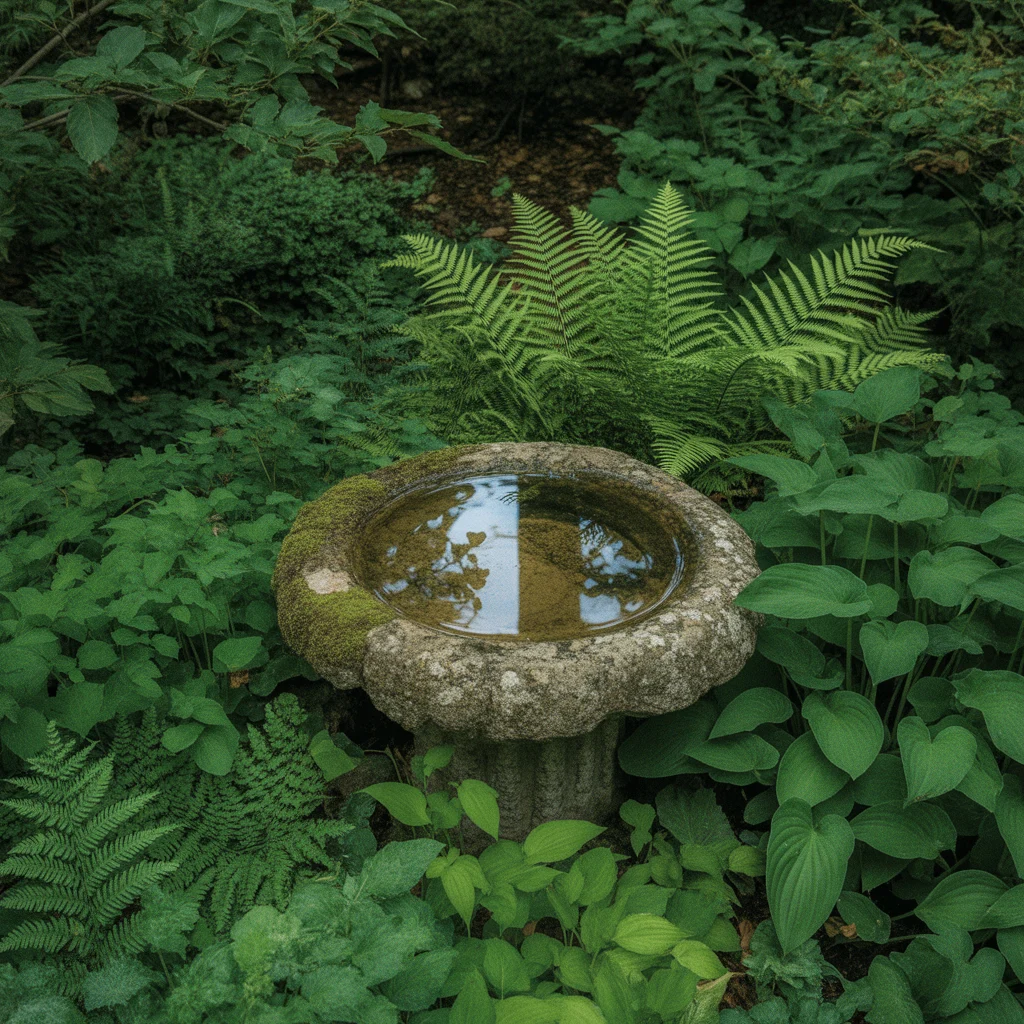
A bird bath surrounded by ferns and woodland planting integrates the water feature into a lush green setting that both beautifies the bath and provides the cover and naturalistic character birds and the woodland aesthetic need. I planted ferns and woodland perennials around a stone bird bath, and the way the soft fronds framed the water and the birds moved between the planting and the bath turned a simple feature into a complete, living woodland vignette.
Planting Partners for a Woodland Bird Bath
Dryopteris filix-mas, Hosta sieboldiana, and woodland ground cover are three planting partners suited to a woodland bird bath. Dryopteris filix-mas provides arching ferns that frame the bath and offer cover at a safe distance. Hosta sieboldiana provides bold foliage that anchors the planting around the base. Woodland ground cover such as Tiarella or Ajuga softens the ground around the bath and knits it into the surrounding garden.
Keeping Planting Safe Around a Bath
A clear immediate zone, cover at a safe distance, and an open approach are three principles suited to planting around a bird bath. A clear immediate zone right around the bath denies ambush cover to predators while keeping the water visible. Cover at a safe distance, a few feet back, provides the refuge birds need without hiding cats at the water’s edge. An open approach route to the bath lets birds arrive and depart with a clear view, balancing the lush planting with the safety the birds require.
Rustic Reclaimed Material Bird Bath Ideas
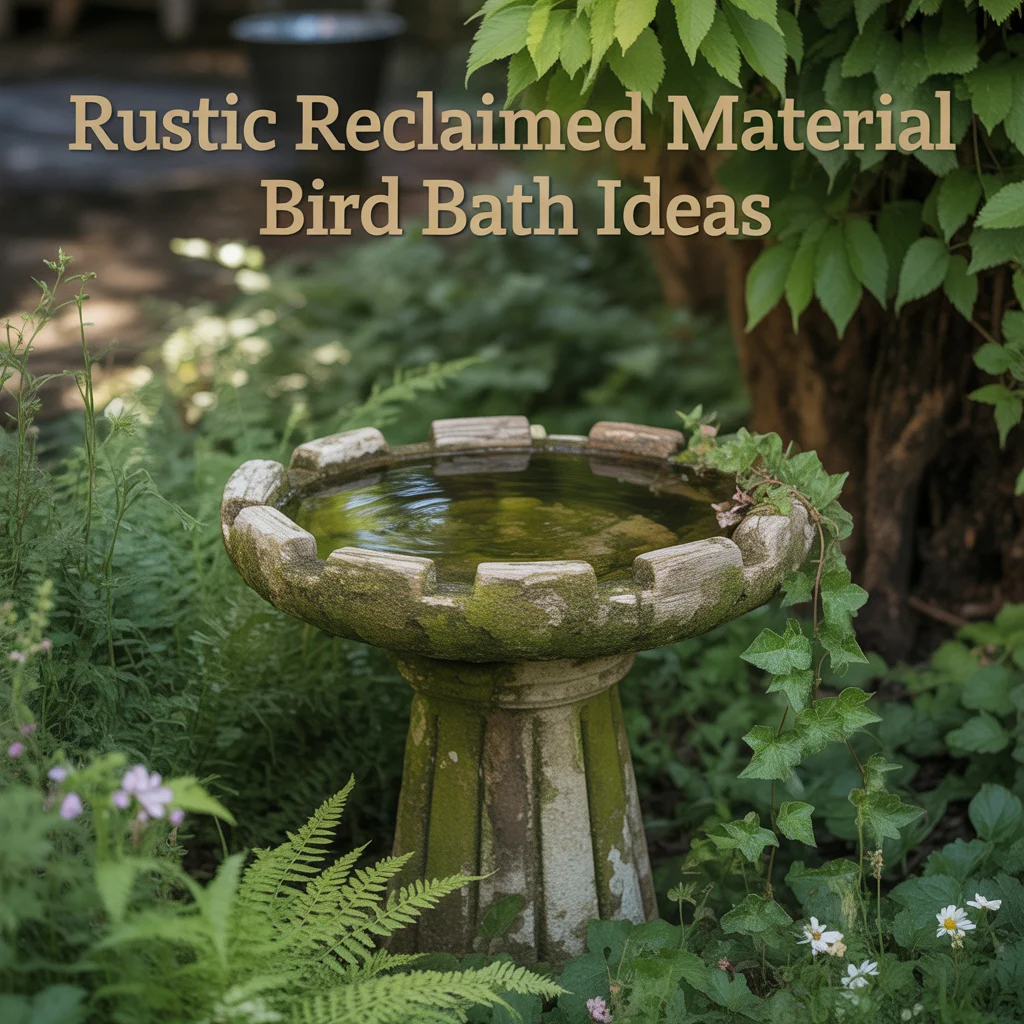
Rustic reclaimed material bird bath ideas use salvaged and repurposed materials to create characterful, sustainable, low-cost bird baths with instant woodland charm. I made a rustic bird bath from a reclaimed metal dish set on a salvaged timber stump, and the weathered, characterful materials gave the feature an immediate sense of belonging in the woodland that a new, manufactured bath would have lacked.
Reclaimed Materials for a Bird Bath
A salvaged metal dish, a hollowed timber stump, and a repurposed stone fragment are three reclaimed materials suited to a rustic bird bath. A salvaged metal dish provides a simple, characterful basin that weathers attractively. A hollowed timber stump or log provides the most naturalistic woodland basin, holding a shallow pool of water in its natural form. A repurposed stone fragment or broken millstone provides a solid, aged basin with instant character.
Building a Rustic Bird Bath
A natural basin, a stable support, and a safe water surface are three elements suited to a rustic reclaimed bird bath. A natural or repurposed basin provides the water-holding bowl with character. A stable support of stump, stone, or timber raises or sets the basin securely. A safe water surface, with added pebbles for footing and a shallow depth, makes even a rough reclaimed basin safe and usable for birds.
Heated and Winter Bird Bath Solutions
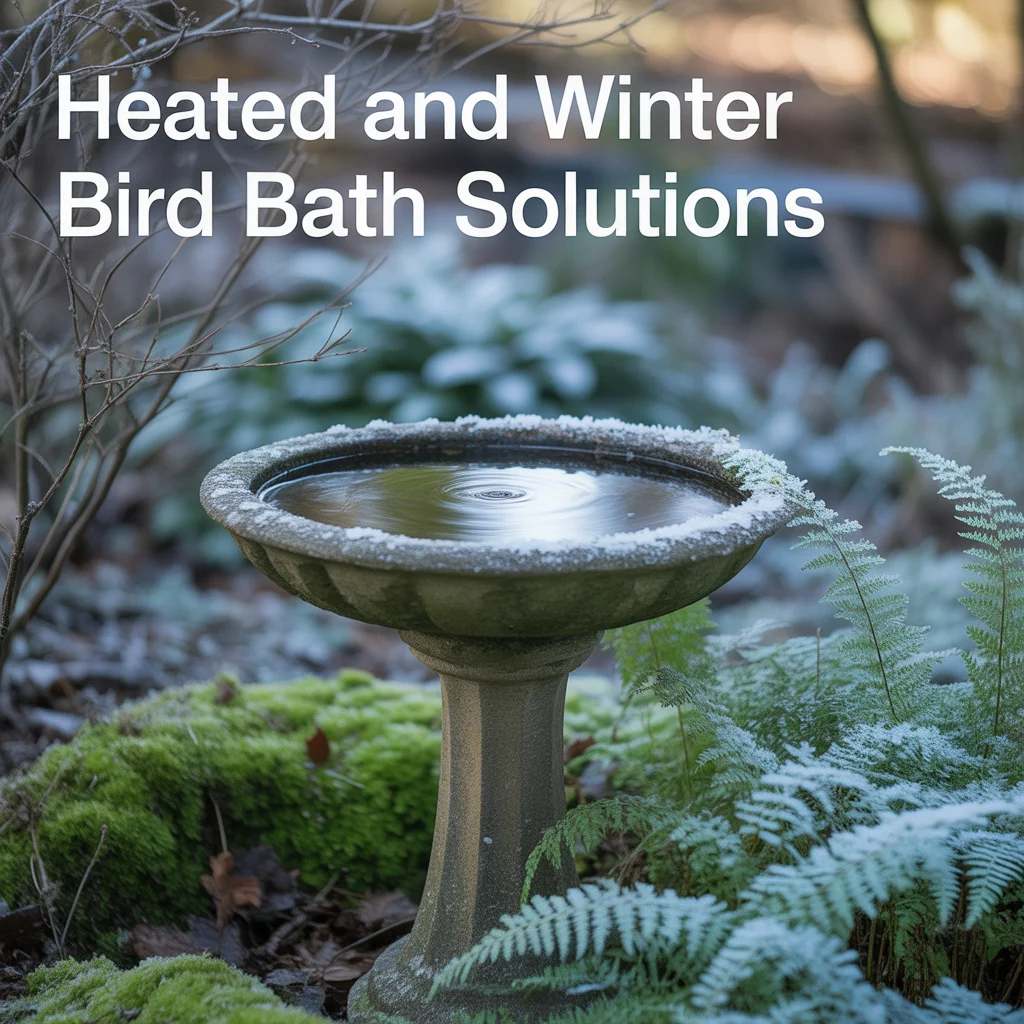
Heated and winter bird bath solutions keep water available during freezing weather when natural water sources ice over and birds most need a reliable drink, making the bird bath a genuine lifeline in the coldest months. I kept a woodland bird bath ice-free through a hard winter, and the steady stream of birds drinking and bathing when every other water source was frozen showed just how vital open water is to garden birds in freezing conditions.
Keeping a Bird Bath Ice-Free
A bird bath heater, a floating object, and regular hot water top-ups are three methods suited to keeping a bird bath ice-free. A bird bath heater or de-icer keeps a small area of water open in freezing conditions where power is available. A floating object such as a small ball, moved by the wind, can slow ice formation on the surface. Regular hot water top-ups poured into the bath each morning melt the ice and refresh the water where no heater is used, a simple and effective daily winter routine.
Winter Bird Bath Care
Daily ice clearing, fresh water provision, and avoiding additives are three winter care practices suited to a bird bath. Daily ice clearing ensures water is available each morning when birds most need it. Fresh water provision keeps the supply clean and drinkable through the winter. Avoiding any additives or antifreeze is essential, since these are harmful to birds, making physical ice clearing and heating the only safe ways to keep a winter bird bath open.
Bird Bath for a Small Woodland Garden
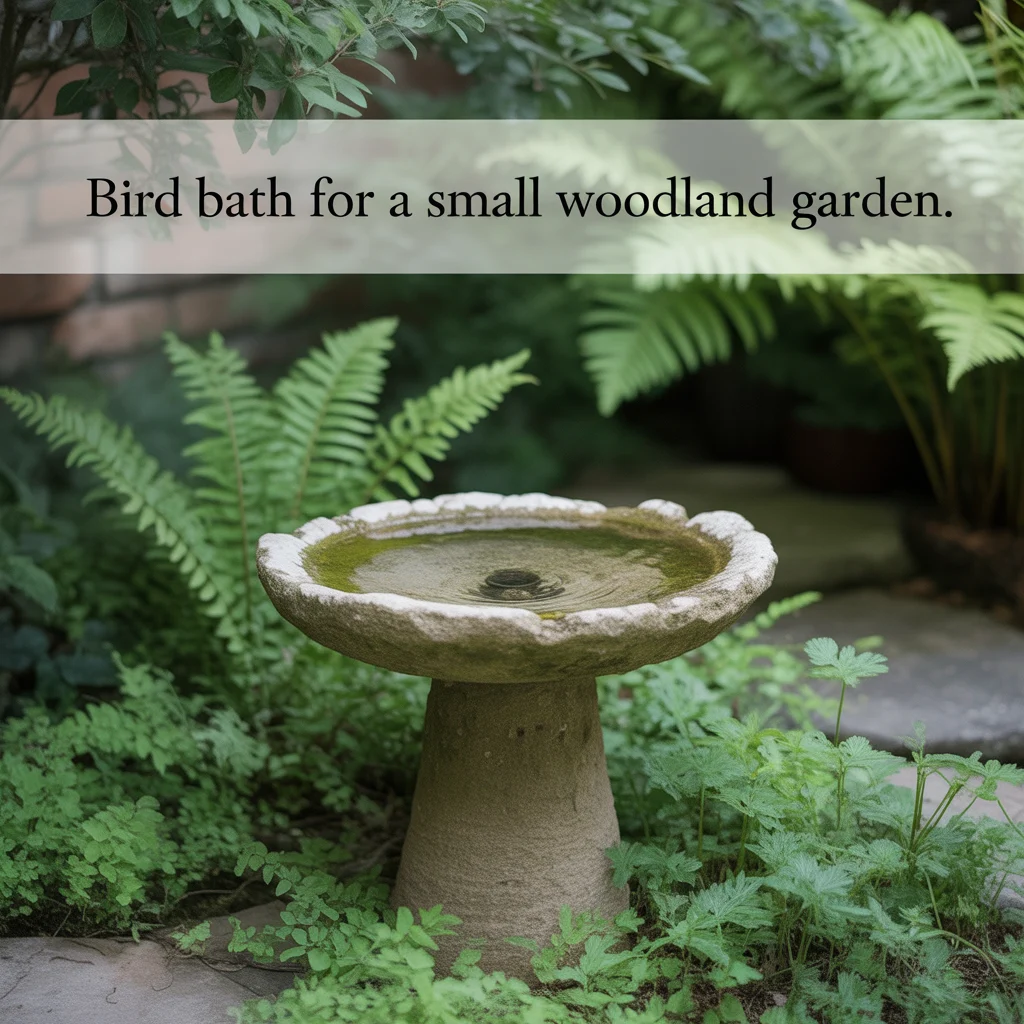
A bird bath for a small woodland garden brings the wildlife benefit and charm of a water feature to a compact shaded space, using a carefully scaled and placed bath to support birds without crowding a limited garden. I placed a compact bird bath in a small woodland garden corner, and the modest feature, well sited near cover, attracted a surprising variety of birds and brought life and movement to the small space without overwhelming it.
Scaling a Bird Bath to a Small Garden
A compact basin, a single well-chosen position, and a wall or fence-mounted option are three approaches suited to a small-garden bird bath. A compact basin provides genuine bird benefit proportionate to a small space. A single well-chosen position near cover makes the most of limited room. A wall or fence-mounted bath provides a space-saving option where floor space is very limited, raising the water safely without a pedestal footprint.
Maximizing Wildlife in a Small Space
Cover nearby, a clear approach, and reliable fresh water are three principles suited to maximizing wildlife at a small bird bath. Cover nearby, even a single shrub or climber, provides the refuge birds need. A clear approach to the water lets birds use the bath safely. Reliable fresh water, regularly topped up and cleaned, ensures the small bath becomes a dependable source that birds return to, building wildlife activity over time.
Bird Bath Maintenance and Cleaning
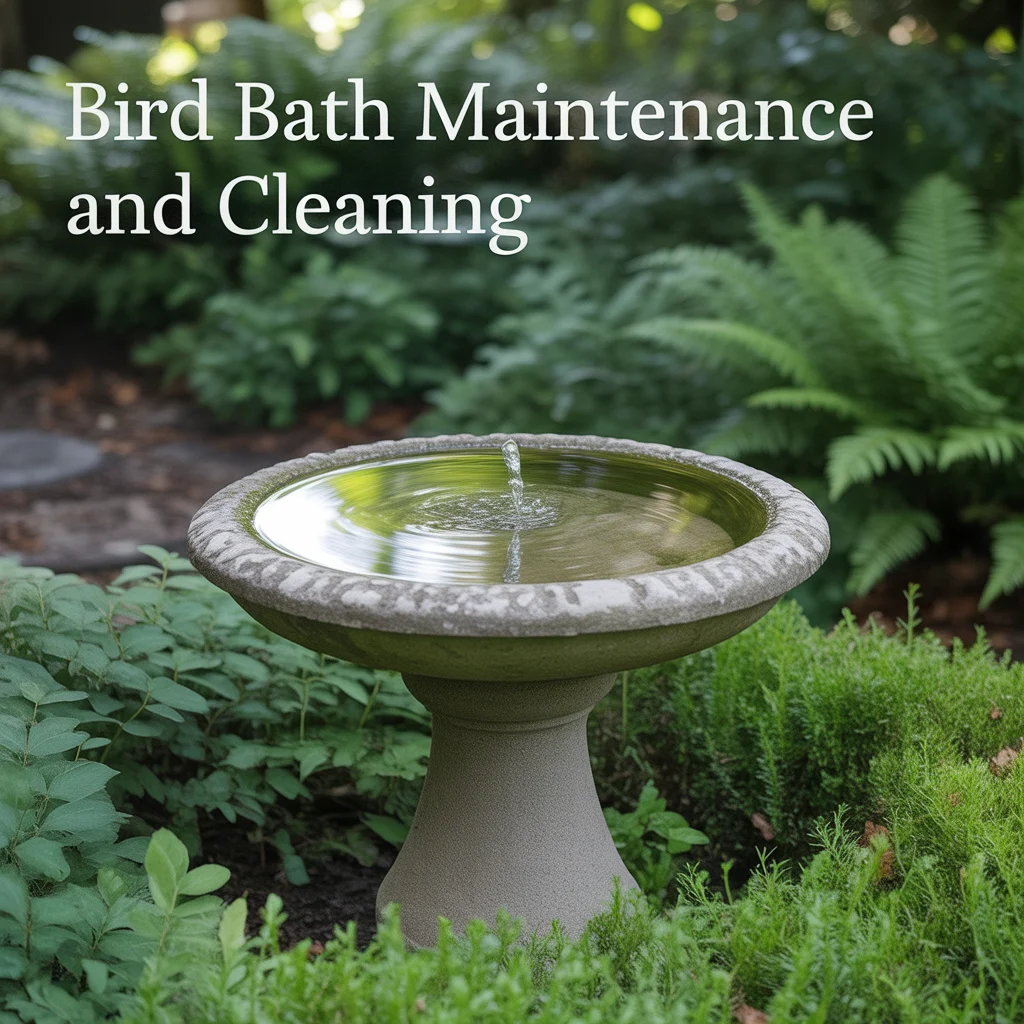
Bird bath maintenance and cleaning are essential for bird health and continued use, because dirty, stagnant water spreads disease and deters birds, making regular care as important as the bath itself. I maintain a simple cleaning routine on every woodland bird bath I install, because a clean, fresh bath is used far more and far more safely than a neglected one, and the small effort of regular cleaning protects the very birds the bath is meant to support.
Regular Bird Bath Cleaning Routine
A regular water change, a periodic scrub, and a chemical-free clean are three practices suited to a bird bath cleaning routine. A regular water change, refreshing the water every few days, keeps the supply clean and inviting. A periodic scrub to remove algae and droppings prevents the build-up that spreads disease. A chemical-free clean, using a brush and water or a mild safe solution thoroughly rinsed, protects birds from harmful residues.
Preventing Algae and Disease
Shade management, regular cleaning, and avoiding overcrowding are three approaches suited to preventing algae and disease. Shade management is naturally easier in a woodland setting, where the canopy reduces the direct sun that drives algae growth. Regular cleaning removes the droppings and debris that harbour disease. Avoiding overcrowding, by providing fresh water and clean conditions, reduces the disease transmission that can occur where many birds share a neglected water source.
Attracting Specific Birds to a Woodland Bath
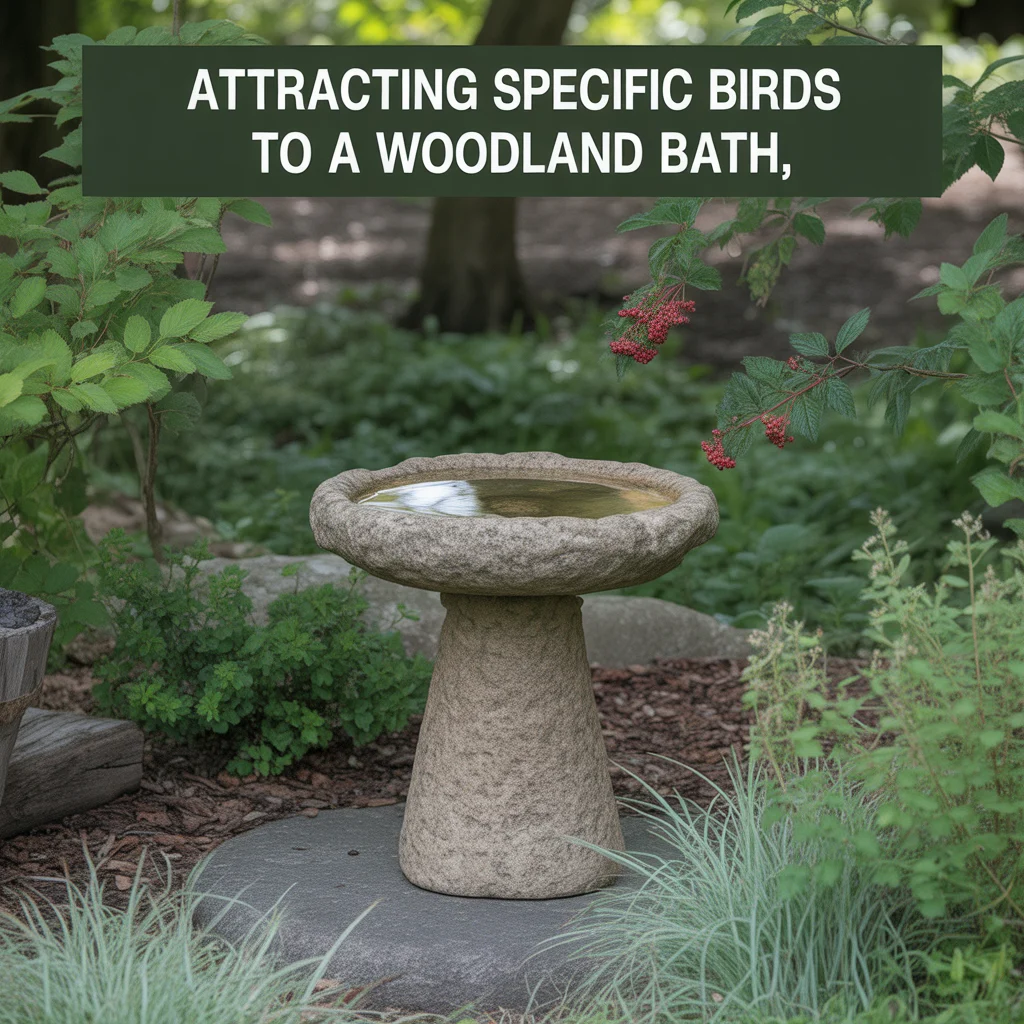
Attracting specific birds to a woodland bath involves tailoring the bath, its depth, and its setting to the birds you most want to support, since different species have different bathing and drinking preferences. I adjusted the depth and surroundings of a woodland bird bath to suit the smaller woodland species, and the addition of shallow areas and nearby perches brought in tits, finches, and wrens that had previously kept to the cover, alongside the larger birds the deeper bath already served.
Bath Features for Different Birds
Shallow areas for small birds, a deeper zone for larger birds, and perching points are three features suited to attracting varied species. Shallow areas of an inch or less suit small birds like tits and finches that bathe in very shallow water. A deeper zone of up to a couple of inches suits larger birds like blackbirds and thrushes. Perching points around the bath give birds places to approach, assess, and preen, suiting the cautious woodland species.
Supporting Woodland Bird Variety
Varied water depths, nearby natural food, and year-round provision are three approaches suited to supporting woodland bird variety. Varied water depths within or across baths accommodate the different bathing preferences of different species. Nearby natural food from woodland planting and feeders draws a wider variety of birds to the area around the bath. Year-round provision of clean water builds a dependable resource that supports a richer and more varied bird population over time.
Bird Bath Photography in a Woodland Garden
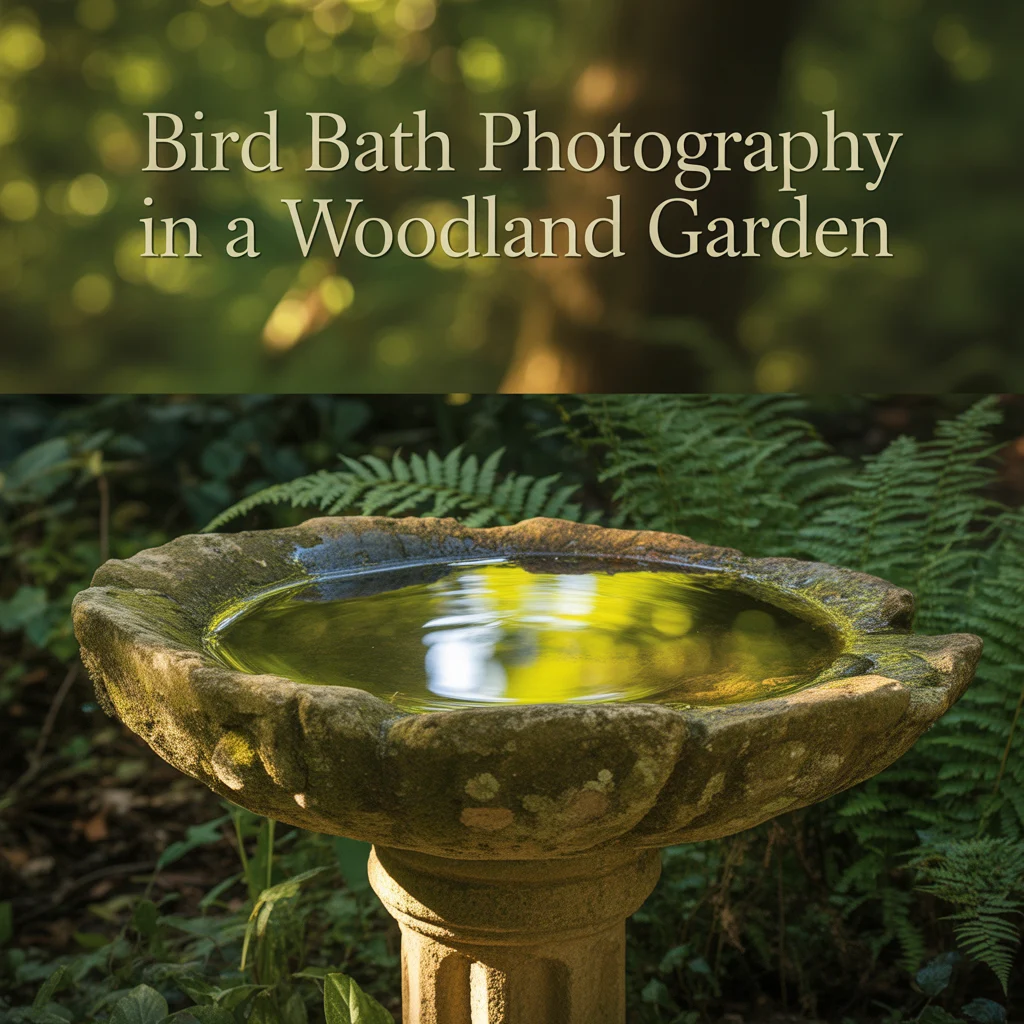
Bird bath photography in a woodland garden captures the exceptional wildlife photography opportunities that bathing and drinking birds provide, making the bird bath a focal point for nature photography as well as wildlife support. I positioned a woodland bird bath with photography in mind, and the combination of the attractive mossy stone, the dappled woodland light, and the constant bird activity created an endless source of beautiful wildlife images right outside the window.
Setting Up for Bird Bath Photography
A photogenic bath, good light, and a clear sightline are three considerations suited to bird bath photography. A photogenic bath of attractive mossy stone or natural material provides a beautiful setting for the images. Good light, ideally the soft dappled light of the woodland morning, flatters both the birds and the setting. A clear sightline from a window or hide allows photographs without disturbing the birds.
Capturing Birds Without Disturbance
A concealed position, patience, and natural perches are three techniques suited to photographing birds without disturbance. A concealed position at a window or in a hide lets birds behave naturally. Patience, waiting for the birds to settle and use the bath, produces the most natural and rewarding images. Natural perches near the bath provide attractive staging spots where birds pause, offering beautiful photographic moments in the woodland setting.
Frequently Asked Questions
Where should I place a bird bath in a woodland garden?
A bird bath should be placed in a woodland garden within a short flight of protective cover but with a clear zone immediately around the water, because birds need nearby shrubs or branches to retreat to while remaining able to see approaching predators while they bathe. The ideal position has refuge cover a few feet away that birds can dart to when startled, a staging perch close by where they can assess safety before dropping to the water, and an open bathing zone right around the bath that denies ambush cover to cats and other ground predators. The naturally shaded conditions of a woodland garden suit a bird bath well, reducing algae growth and providing the sheltered, naturalistic setting birds prefer, so the key is balancing the closeness of escape cover against the open sightline birds need to feel safe.
What is the best material for a woodland bird bath?
Natural stone is the best material for a woodland bird bath because it is durable, frost-resistant, weathers beautifully, and develops the moss and lichen that give it the established, naturalistic appearance that suits a woodland setting, whether as weathered granite, sandstone, or limestone. Beyond natural stone, reclaimed troughs and salvaged materials provide instant aged character and sustainability, terracotta and ceramic offer affordable and sculptural options that need frost protection in winter, and hollowed timber provides the most naturalistic woodland basin. Whatever the material, the most important practical features are a shallow safe water depth of no more than a couple of inches, a textured or pebble-added surface that gives birds secure footing, and a stable setting, since the bird bath must be safe and reliable for the birds as well as attractive in the woodland garden.
How do I keep a bird bath clean and safe for birds?
A bird bath is kept clean and safe by changing the water every few days, scrubbing the basin periodically to remove algae and droppings, and using only a brush and water or a mild, thoroughly rinsed solution rather than harsh chemicals that could harm birds. Regular cleaning is essential because dirty, stagnant water spreads disease among garden birds and deters them from using the bath, so a simple routine of fresh water and periodic scrubbing protects the very birds the bath is meant to support. The woodland setting helps by providing shade that slows algae growth, but regular maintenance remains the most important factor, and providing fresh, clean water reliably is far more valuable to birds than any decorative feature of the bath itself.
How do I stop a bird bath freezing in winter?
A bird bath is kept ice-free in winter by using a bird bath heater or de-icer where power is available, by floating a small wind-moved object on the surface to slow ice formation, or simply by pouring hot water into the bath each morning to melt the ice and refresh the water. Open water is genuinely vital to garden birds in freezing weather, when natural sources ice over and birds struggle to drink and bathe, so keeping a woodland bird bath open through hard frost makes it a real lifeline for local bird populations. It is essential never to add antifreeze, salt, or any other additive to the water to prevent freezing, since these substances are harmful and even fatal to birds, making physical ice clearing, hot water top-ups, and proper bird-safe heaters the only safe ways to provide winter water.
How do I attract more birds to my woodland bird bath?
You attract more birds to a woodland bird bath by adding the sound and movement of water with a dripper or gentle solar fountain, placing the bath near protective cover, providing varied water depths to suit different species, and keeping the water clean and reliably topped up. Moving water is especially effective because its sound and ripples carry across the garden and signal a fresh, safe source that draws birds far more readily than still water, while shallow areas suit small birds like tits and finches and a slightly deeper zone suits larger birds like blackbirds and thrushes. Surrounding the bath with woodland planting and nearby natural food, and providing clean water year-round, builds a dependable and attractive resource that supports a richer and more varied bird population over time, turning a simple water feature into a thriving heart of woodland garden wildlife.