
5 Simple Steps for Creating a More Eco-friendly Garden

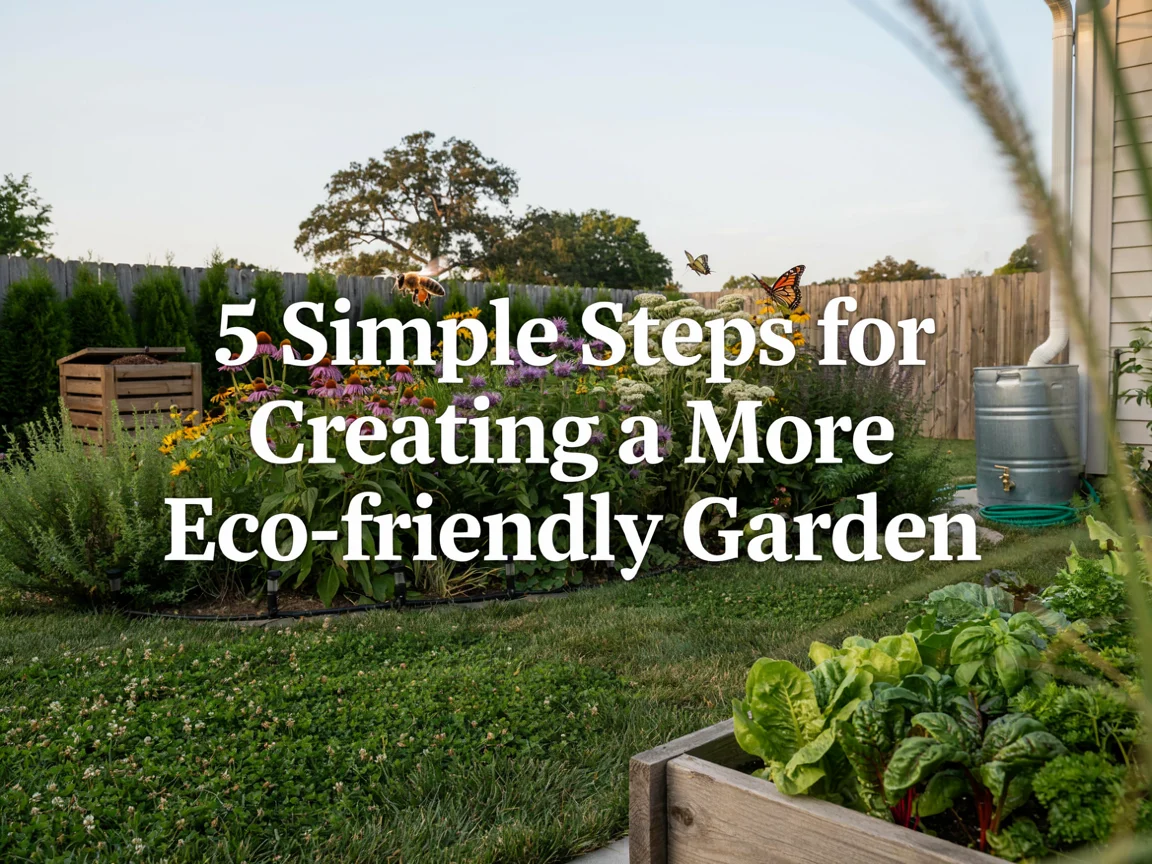
Making a garden more eco-friendly doesn’t require a complete redesign, since most of the impact comes from a handful of deliberate changes layered onto whatever’s already growing. The five steps below are the ones with the most genuine environmental payoff for the effort involved.
Planting More Native and Pollinator-Friendly Species
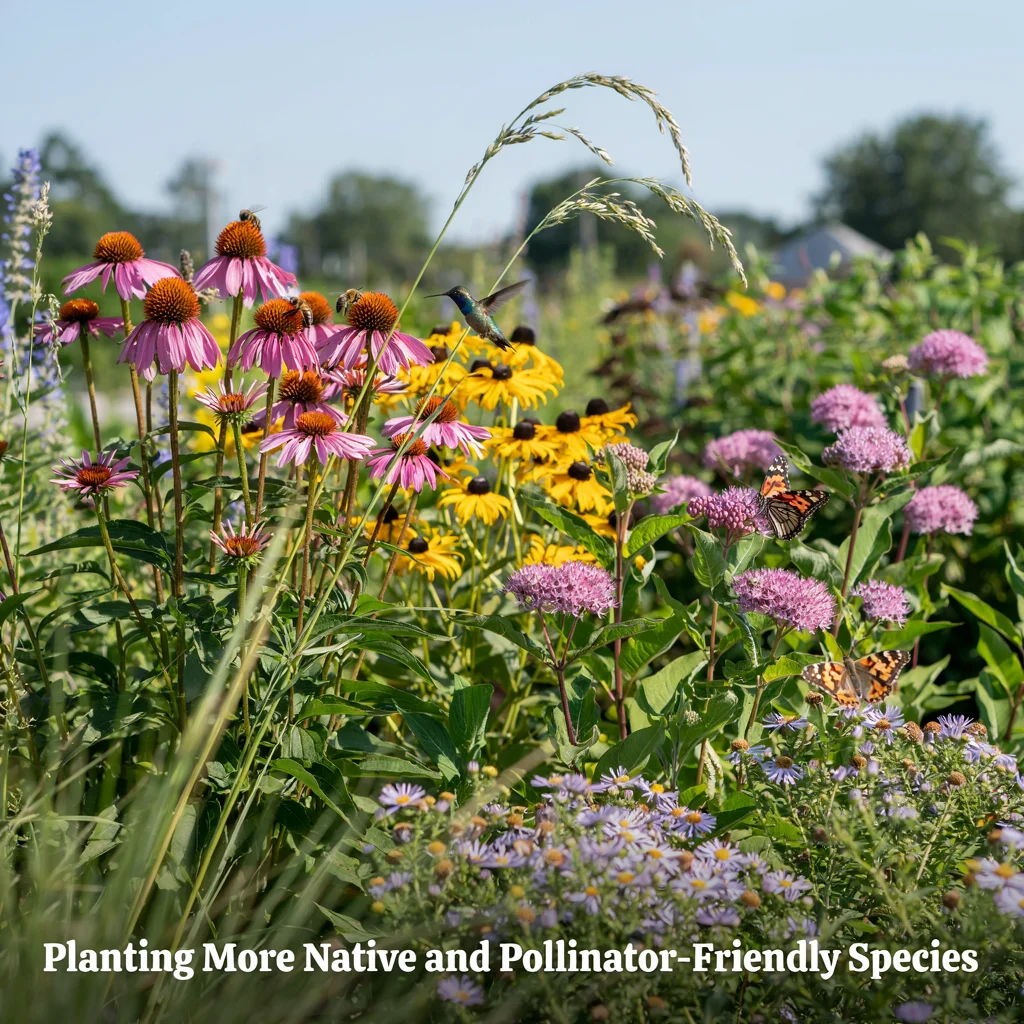
Planting more native and pollinator-friendly species is consistently the highest-impact change available, since native plants support local insect and bird populations far more effectively than exotic ornamentals ever will.
Why Native Plants Support Local Food Webs Better
Why native plants support local food webs better comes down to co-evolution, since local insects and birds have adapted specifically to native plant species over a long timescale, unlike with imported ornamentals.
Starting Small by Replacing Just One Bed at a Time
Starting small by replacing just one bed at a time makes the transition manageable, converting a single high-visibility area to natives rather than attempting the whole yard at once.
Composting Kitchen and Garden Waste
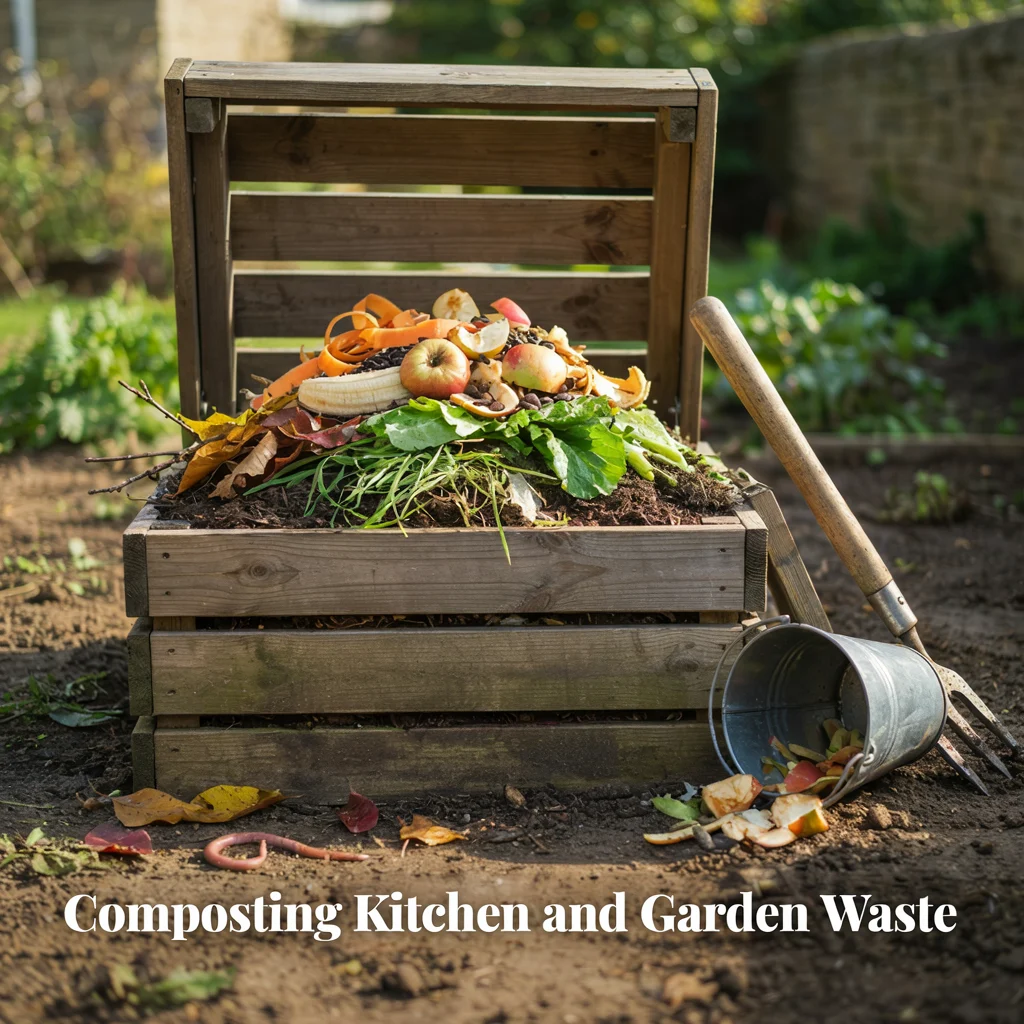
Composting kitchen and garden waste diverts a genuine amount of household waste from the landfill while producing free, nutrient-rich material for the garden in return.
Why Composting Reduces Landfill Methane Emissions
Why composting reduces landfill methane emissions comes down to how organic waste breaks down differently depending on the environment, producing methane in an oxygen-poor landfill but breaking down far more cleanly in an aerated compost pile.
Simple Composting Methods for Any Yard Size
Simple composting methods for any yard size range from a basic backyard pile for larger properties to a compact tumbler or vermicomposting bin for smaller spaces.
Cutting Back on Synthetic Fertilizers and Pesticides
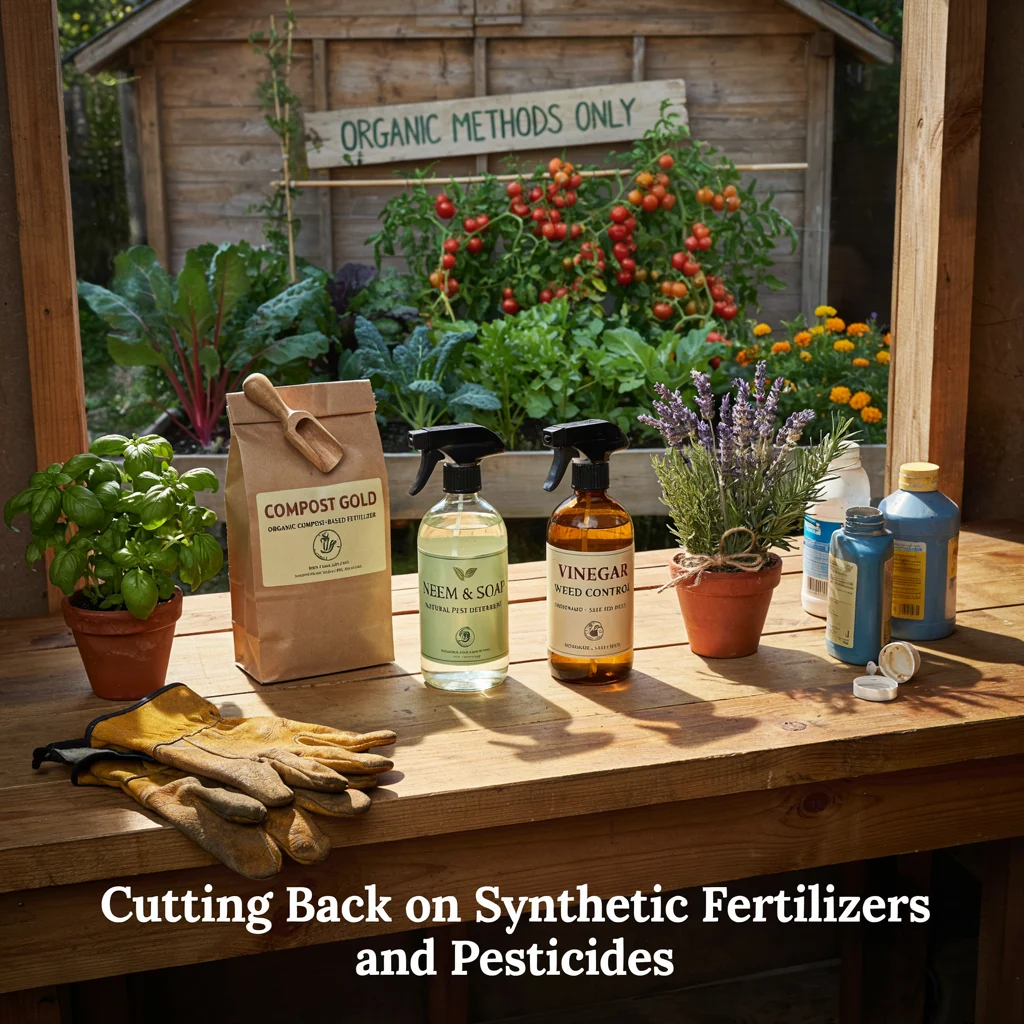
Cutting back on synthetic fertilizers and pesticides reduces runoff into local waterways and protects the beneficial insects that a healthy garden ecosystem actually depends on.
How Synthetic Chemicals Affect Beneficial Insects and Soil Life
How synthetic chemicals affect beneficial insects and soil life comes down to their broad, non-selective impact, often harming pollinators and soil microbes right alongside whatever pest or weed was actually targeted.
Organic and Cultural Alternatives Worth Trying First
Organic and cultural alternatives worth trying first include compost-based soil fertility, hand-pulling weeds, and encouraging natural predator insects before reaching for a chemical solution.
Reducing Water Use With Smarter Irrigation
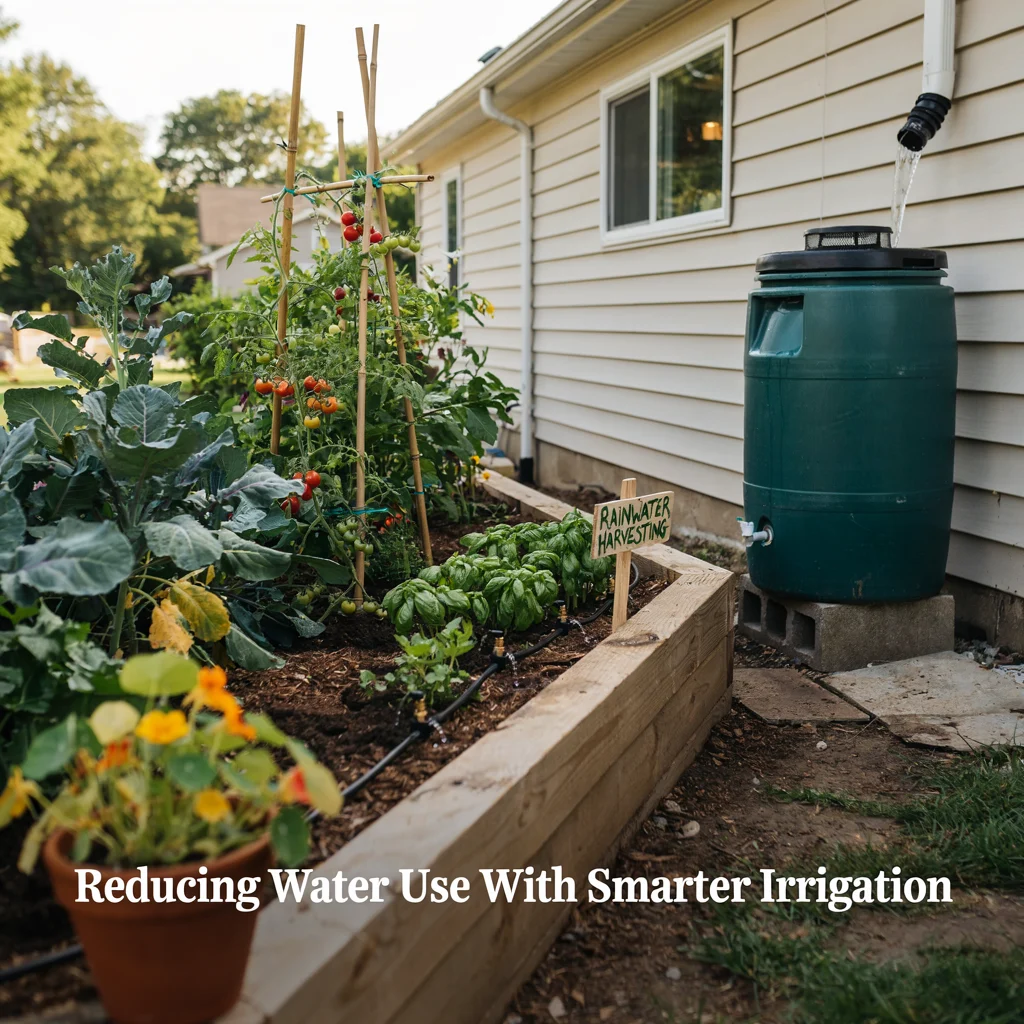
Reducing water use with smarter irrigation conserves a genuinely limited resource while also cutting down on a garden’s ongoing utility costs.
Why Drip Irrigation Wastes Considerably Less Water
Why drip irrigation wastes considerably less water comes down to targeted delivery, watering plant roots directly rather than losing a large percentage to evaporation the way overhead sprinklers typically do.
Collecting Rainwater for Garden Use
Collecting rainwater for garden use with a simple rain barrel connected to a downspout captures water that would otherwise run off, reducing reliance on treated municipal water for the garden.
Reducing Lawn Area in Favor of Diverse Planting
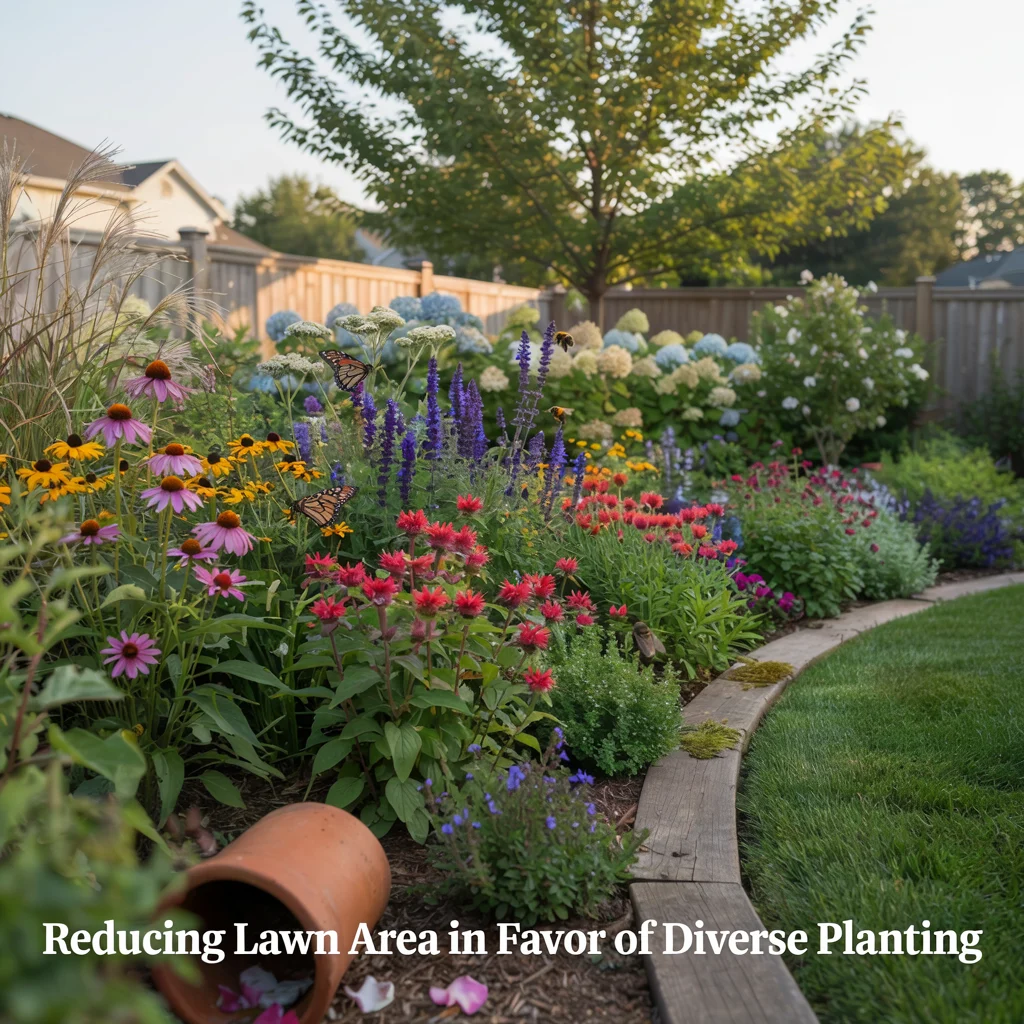
Reducing lawn area in favor of diverse planting cuts down on water, fertilizer, and the fuel emissions from regular mowing, while replacing a low-diversity monoculture with something that actually supports wildlife.
Why Turf Grass Offers Little Ecological Value
Why turf grass offers little ecological value comes down to its lack of diversity, providing essentially no food or habitat value compared with a mixed planting of natives, shrubs, and flowering perennials.
Converting Even a Small Section of Lawn Meaningfully Helps
Converting even a small section of lawn meaningfully helps, since the ecological and water-saving benefits scale with the area converted, even if it’s just one corner of the yard to start.
The Bottom Line
An eco-friendly garden doesn’t require perfection or a full overhaul, since planting natives, composting, cutting back on chemicals, using water more efficiently, and reducing lawn area each deliver real environmental benefit on their own. Even tackling one of these five steps at a time adds up to a noticeably more sustainable garden over a few seasons.
For more on this, our guides on How to Start a No-Till Raised Bed Garden, Plants That Like Wet Soil, and A Complete Guide to Dogwood Tree Care cover related ground. This pairs well with Different Types of Roses: A Guide for Gardeners, These Easy Shade Tips Could Save A Ton of Summer Crops, and Outdoor Styling Mistakes You Might Be Making if you are planning further.
Frequently Asked Questions
What Is the Easiest First Step Toward an Eco-Friendly Garden?
Starting a basic compost pile or bin is generally the easiest first step toward an eco-friendly garden, requiring minimal cost and immediately reducing household waste.
Do Native Plants Really Make That Much of a Difference?
Native plants make a genuinely significant difference for local wildlife, since they support pollinator and bird populations far more effectively than non-native ornamental plants.
Is Organic Gardening the Same as Eco-Friendly Gardening?
Organic gardening overlaps significantly with eco-friendly gardening, particularly around avoiding synthetic chemicals, but eco-friendly gardening is a broader concept that also includes water conservation and native plant choices.
How Much Water Can Rainwater Collection Actually Save?
Rainwater collection can meaningfully reduce a garden’s reliance on municipal water, with even a single rain barrel capturing enough water to supplement regular watering during typical rainfall periods.
Does an Eco-Friendly Garden Cost More to Maintain?
An eco-friendly garden often costs less to maintain over time, since reduced water use, homemade compost, and fewer purchased chemical inputs typically offset any initial setup costs.