
These Easy Shade Tips Could Save A Ton of Summer Crops

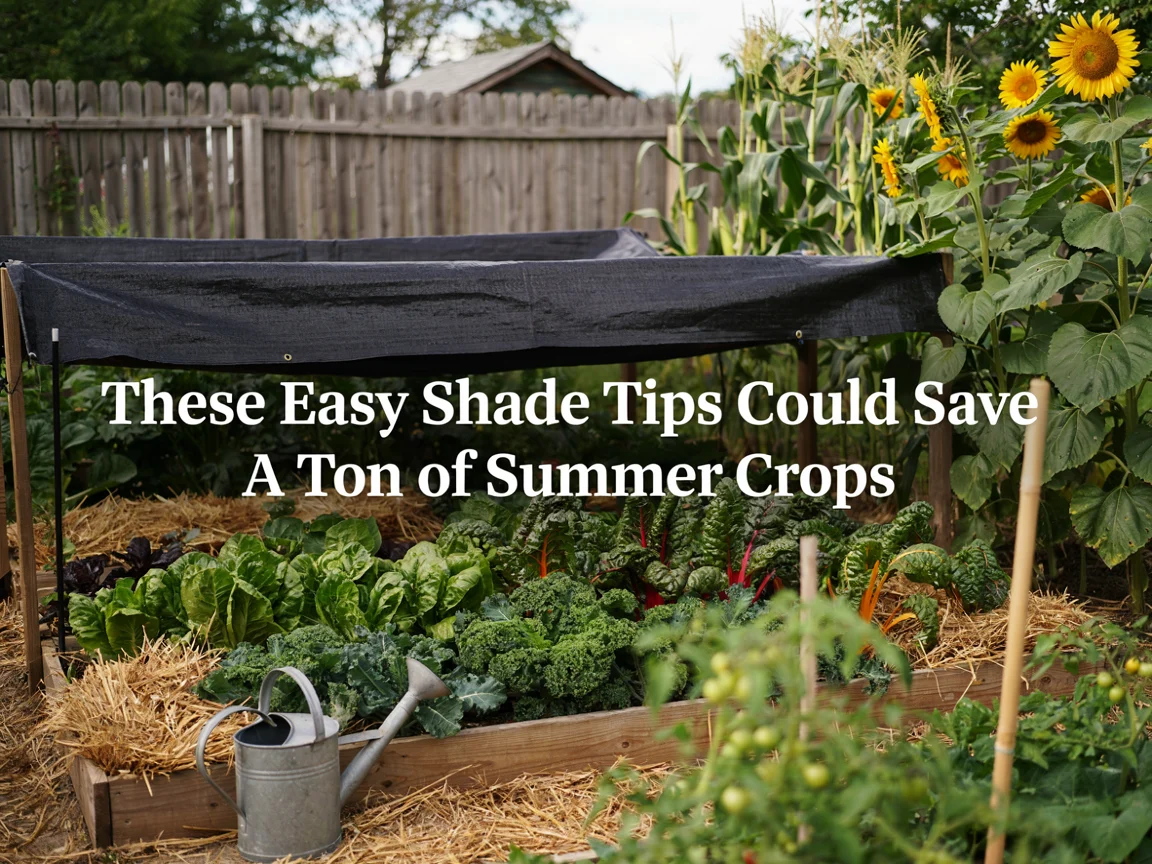
A brutal midsummer heat wave can undo weeks of careful growing in just a few days, scorching leaves, stalling fruit production, and pushing cool-season crops straight into bolting. The tips below cover practical, low-cost ways to add just enough shade to get vegetables through the hottest stretch of summer without losing the harvest.
Installing Shade Cloth Over Vulnerable Beds
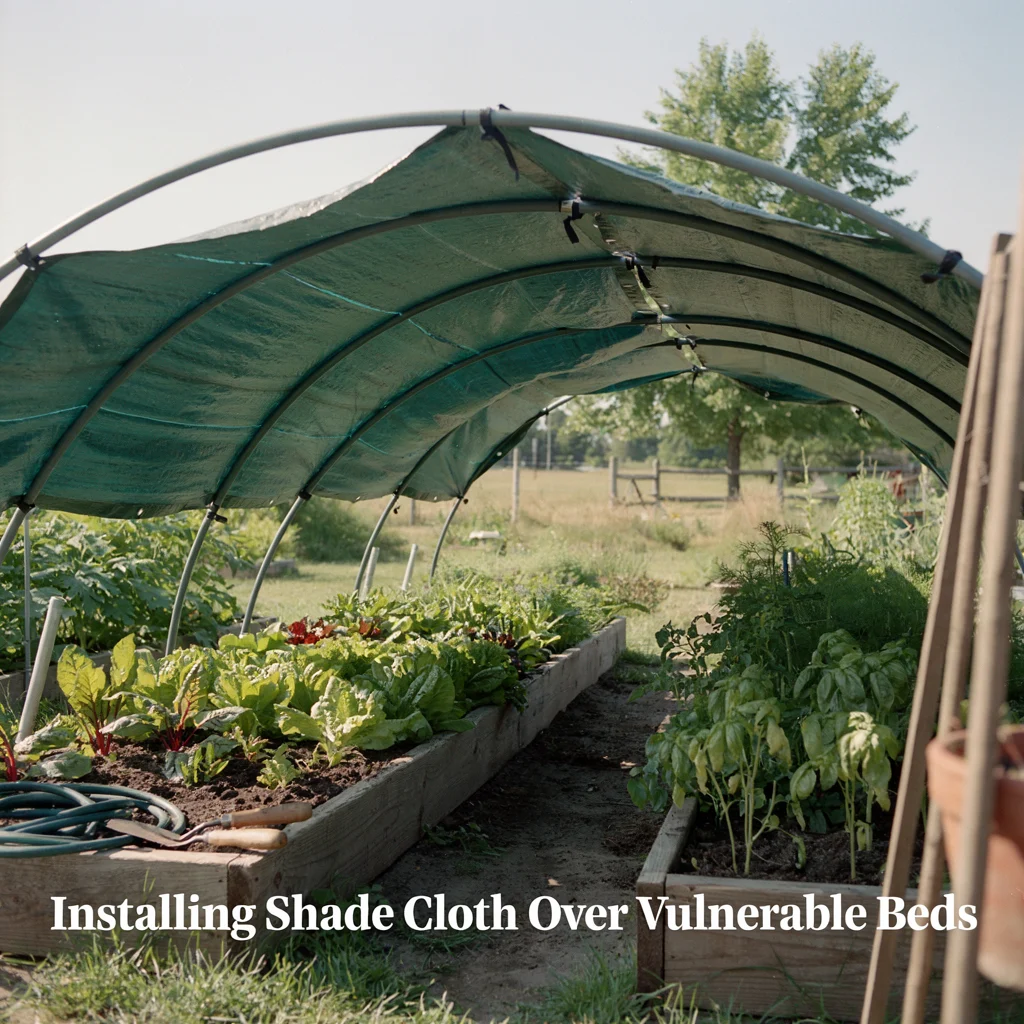
Installing shade cloth over vulnerable beds is one of the most effective ways to protect crops during a heat wave, cutting down direct sun intensity without blocking light entirely.
Choosing the Right Shade Percentage for Different Crops
Choosing the right shade percentage for different crops matters, since leafy greens generally benefit from 30 to 50 percent shade cloth, while heat-sensitive crops like lettuce may need closer to 50 to 60 percent during peak heat.
Simple Ways to Rig Shade Cloth Without a Greenhouse
Simple ways to rig shade cloth without a greenhouse include draping it over hoops made from PVC pipe or rebar stakes, giving temporary, removable coverage that comes down once temperatures ease.
Using Taller Plants to Cast Natural Afternoon Shade
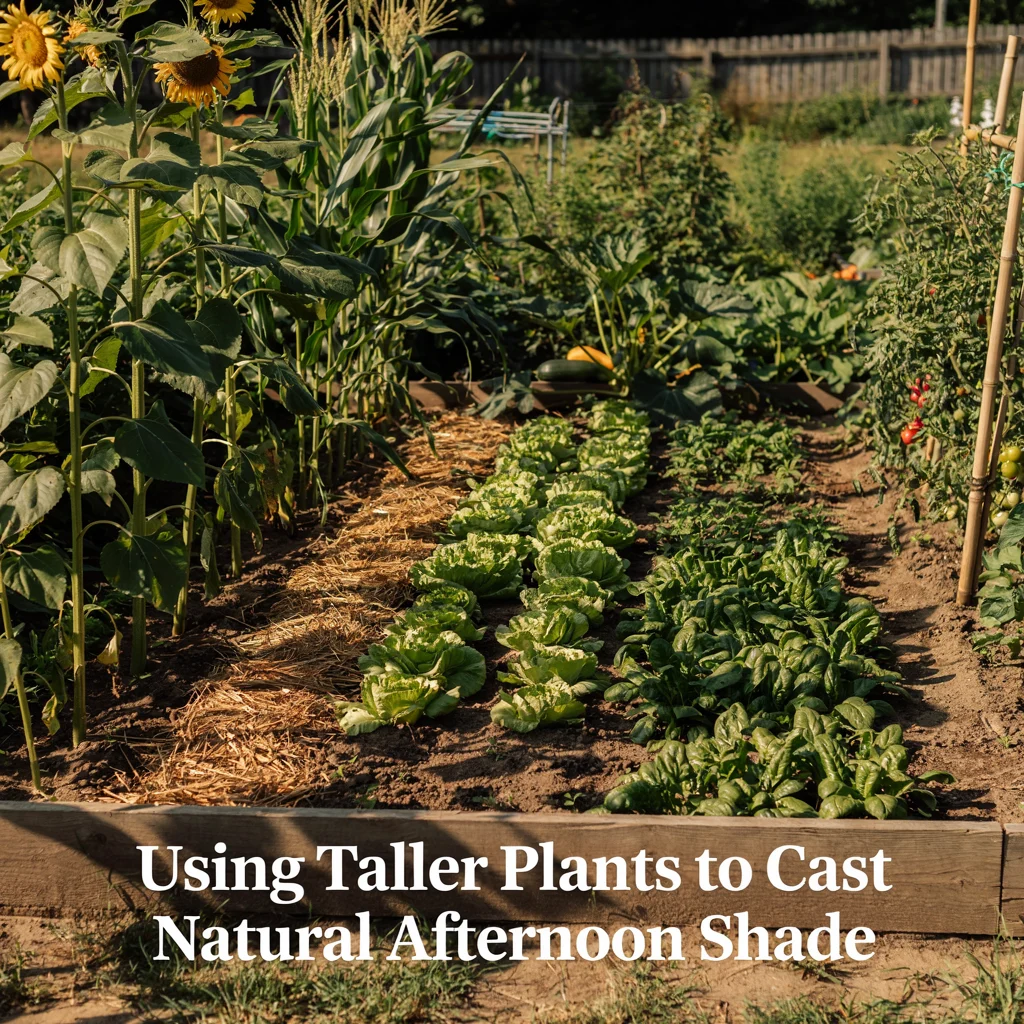
Using taller plants to cast natural afternoon shade takes advantage of existing garden structure, positioning heat-tolerant tall crops where they’ll shield more sensitive plants during the hottest part of the day.
Pairing Corn or Sunflowers With Shade-Loving Crops
Pairing corn or sunflowers with shade-loving crops behind them, so lettuce or spinach falls in their afternoon shadow, is a classic companion planting trick that costs nothing beyond planning the layout.
Timing Plantings So Shade Lines Up When It’s Needed Most
Timing plantings so shade lines up when it’s needed most means considering the sun’s angle as the season progresses, since shade patterns shift noticeably from early to late summer.
Mulching Heavily to Keep Root Zones Cooler
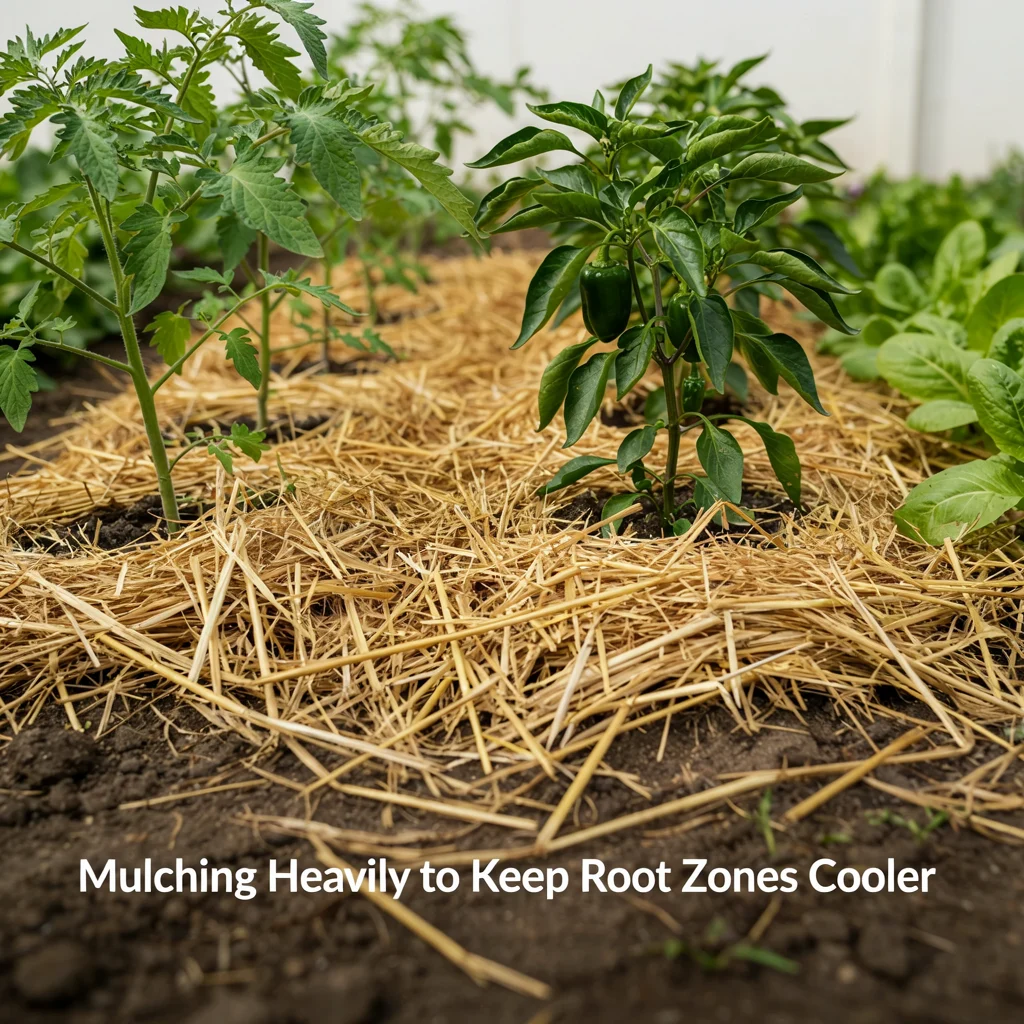
Mulching heavily to keep root zones cooler protects plants from the ground up, since soil temperature affects root health and water retention just as much as air temperature affects the leaves.
How Much Mulch Actually Makes a Measurable Difference
How much mulch actually makes a measurable difference is generally a layer of 2 to 3 inches, which meaningfully lowers soil temperature and slows moisture evaporation compared with bare soil.
Best Mulch Materials for Vegetable Beds in Summer
Best mulch materials for vegetable beds in summer include straw, shredded leaves, and grass clippings, all of which break down slowly while adding organic matter back into the soil.
Watering Early Morning Instead of Midday or Evening
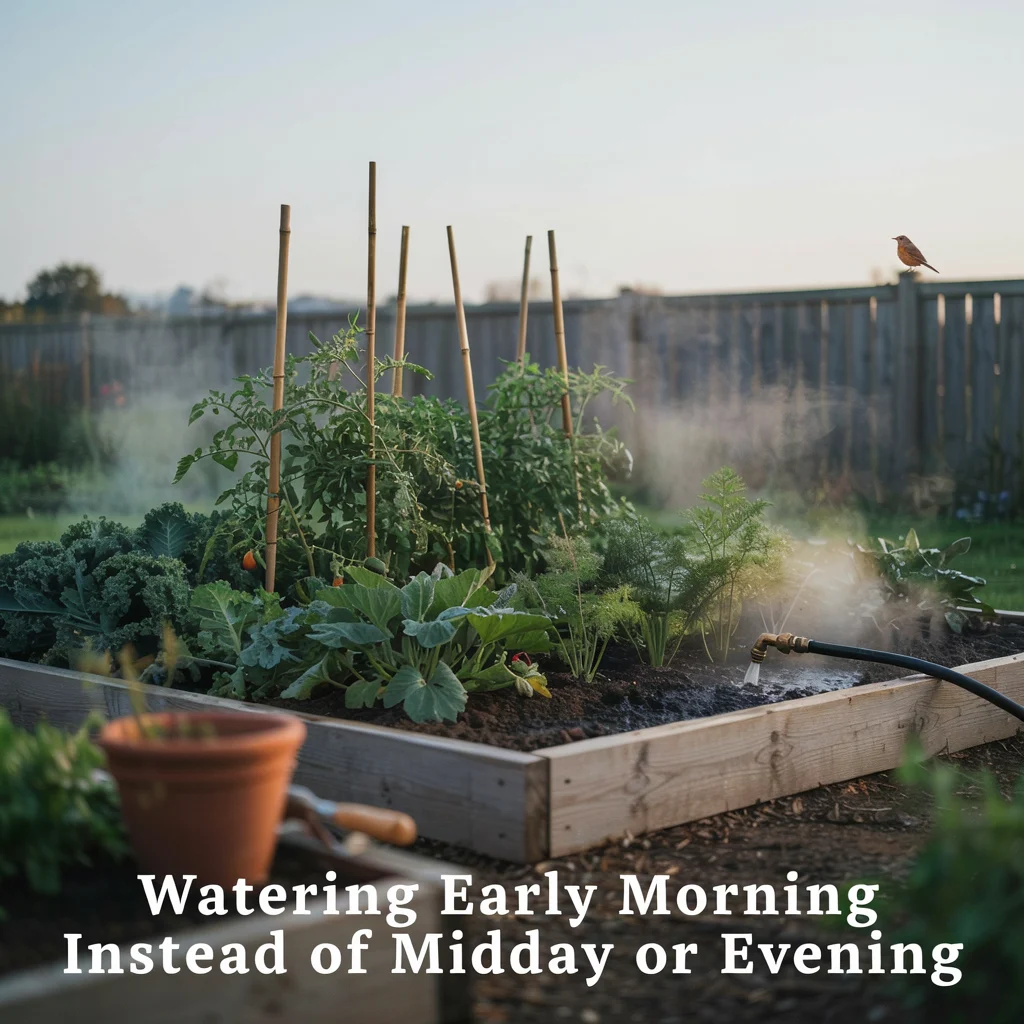
Watering early morning instead of midday or evening gives plants the moisture reserves they need before the heat of the day sets in, rather than stressing them with water during peak sun.
Why Midday Watering Can Actually Stress Plants Further
Why midday watering can actually stress plants further comes down to rapid evaporation and the risk of leaf scorch when water droplets sit on foliage under intense direct sun.
Why Evening Watering Isn’t Ideal Either
Why evening watering isn’t ideal either comes down to disease risk, since foliage that stays wet overnight in warm, humid conditions is more prone to fungal issues than foliage that dries during the day.
Using Row Covers That Filter Rather Than Block Light
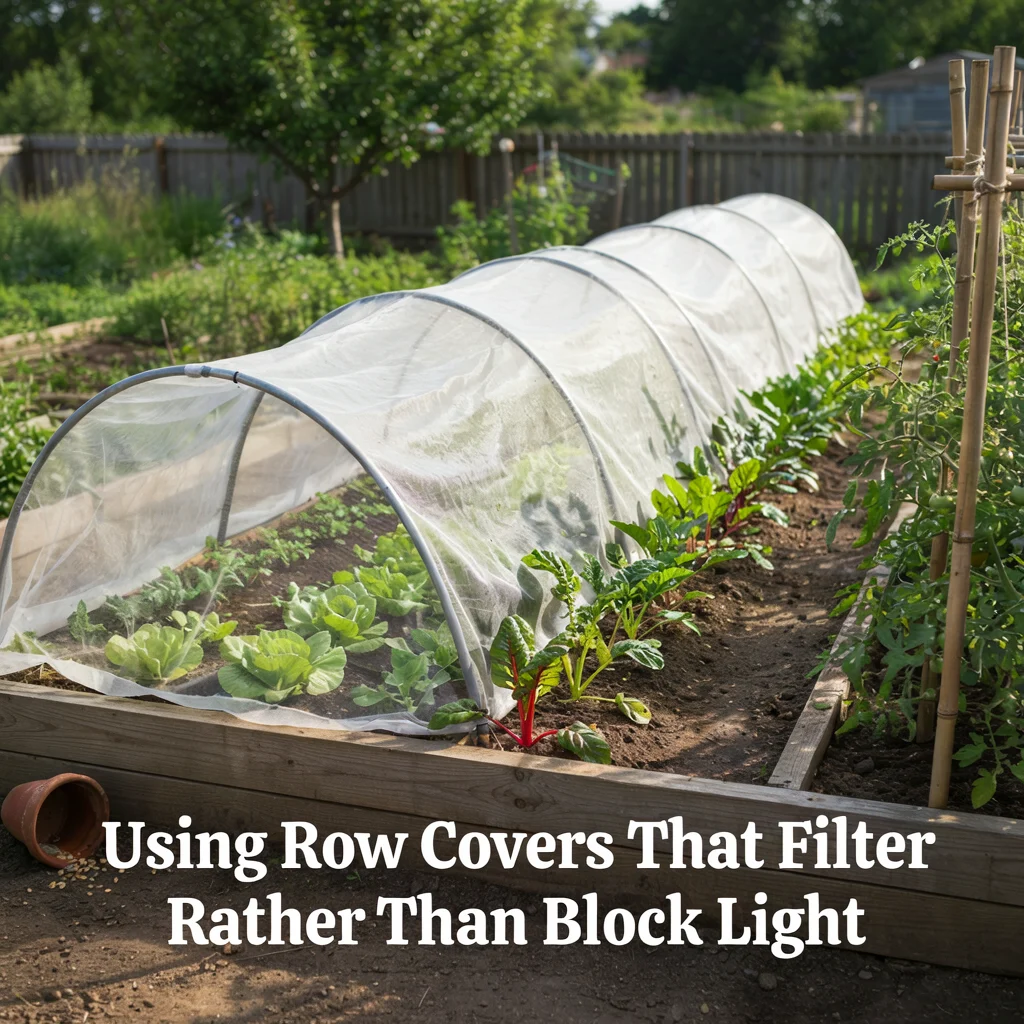
Using row covers that filter rather than block light gives crops a lighter-weight option than full shade cloth, ideal for plants that still need good light but can’t handle the harshest midday intensity.
Difference Between Shade Cloth and Lightweight Row Cover
Difference between shade cloth and lightweight row cover comes down to density and purpose, with row covers generally offering lighter filtering better suited to moderate heat rather than extreme, prolonged heat waves.
When Row Covers Work Better Than Heavier Shade Cloth
When row covers work better than heavier shade cloth is typically during shorter, milder heat spells, saving heavier shade cloth for genuinely extreme, multi-day heat events.
Grouping Containers to Create Shared Shade Pockets
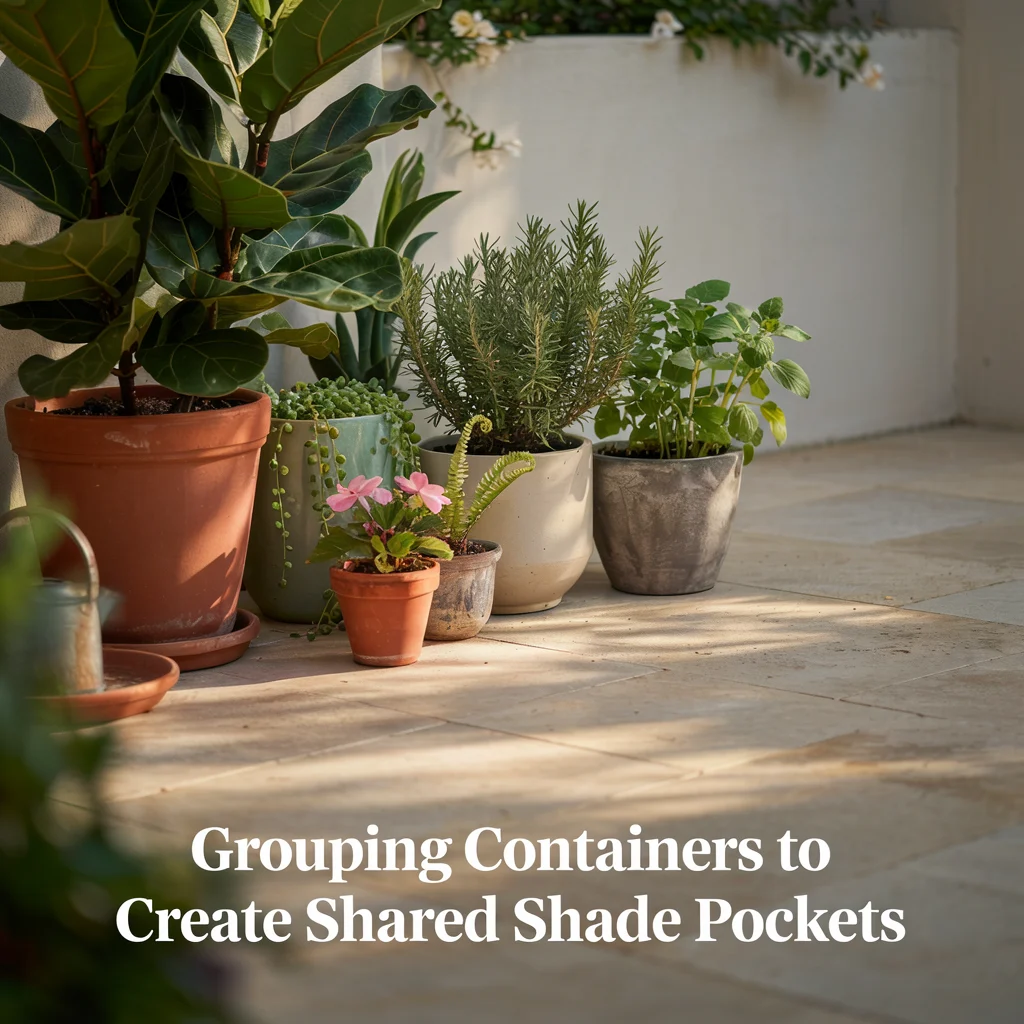
Grouping containers to create shared shade pockets works well for gardeners growing in pots, since clustering containers together lets larger plants shield smaller, more heat-sensitive ones nearby.
Positioning Larger Pots to Block the Harshest Afternoon Sun
Positioning larger pots to block the harshest afternoon sun means placing tall, sturdy plants on the west side of the grouping, where afternoon sun hits hardest.
Moving Portable Containers Into Shade During Extreme Heat
Moving portable containers into shade during extreme heat is one advantage container gardening has over in-ground beds, since pots can simply be relocated temporarily when a serious heat wave hits.
The Bottom Line
Saving summer crops from extreme heat rarely requires expensive equipment, just some combination of shade cloth, smart plant positioning, heavy mulch, and better-timed watering. Even one or two of these tips applied during the worst heat spells can be the difference between a stalled, bolted crop and one that makes it through to harvest.
For more on this, our guides on Simple Steps for Creating a More Eco-friendly Garden, How to Start a No-Till Raised Bed Garden, and Plants That Like Wet Soil cover related ground. This pairs well with A Complete Guide to Dogwood Tree Care, Different Types of Roses: A Guide for Gardeners, and Outdoor Styling Mistakes You Might Be Making if you are planning further. Readers working on this often also check our guide to How to Grow Ligularia: Planting and Care Guide.
Frequently Asked Questions
What Percentage of Shade Cloth Is Best for Vegetables?
Most vegetables do well under 30 to 50 percent shade cloth, though particularly heat-sensitive crops like lettuce may benefit from shade cloth closer to 50 to 60 percent during extreme heat.
Can Too Much Shade Hurt Vegetable Plants?
Too much shade can hurt vegetable plants that need full sun to fruit properly, so shade cloth and covers should generally come down once the extreme heat passes rather than staying up all summer.
What Vegetables Are Most Sensitive to Summer Heat?
Lettuce, spinach, and other leafy greens are among the most heat-sensitive vegetables, often bolting or turning bitter quickly once temperatures climb into the 80s and beyond.
Does Mulch Really Help Protect Plants From Heat?
Mulch genuinely helps protect plants from heat by insulating the soil, keeping root zones several degrees cooler and slowing moisture loss compared with bare, exposed soil.
Is It Better to Water Vegetables in the Morning or Evening?
Watering vegetables in the morning is generally better than evening, since it gives plants moisture reserves before peak heat while avoiding the extended overnight leaf moisture that can encourage fungal disease.