What Is Xeriscaping? The Desert Modern Garden Style Taking Over America

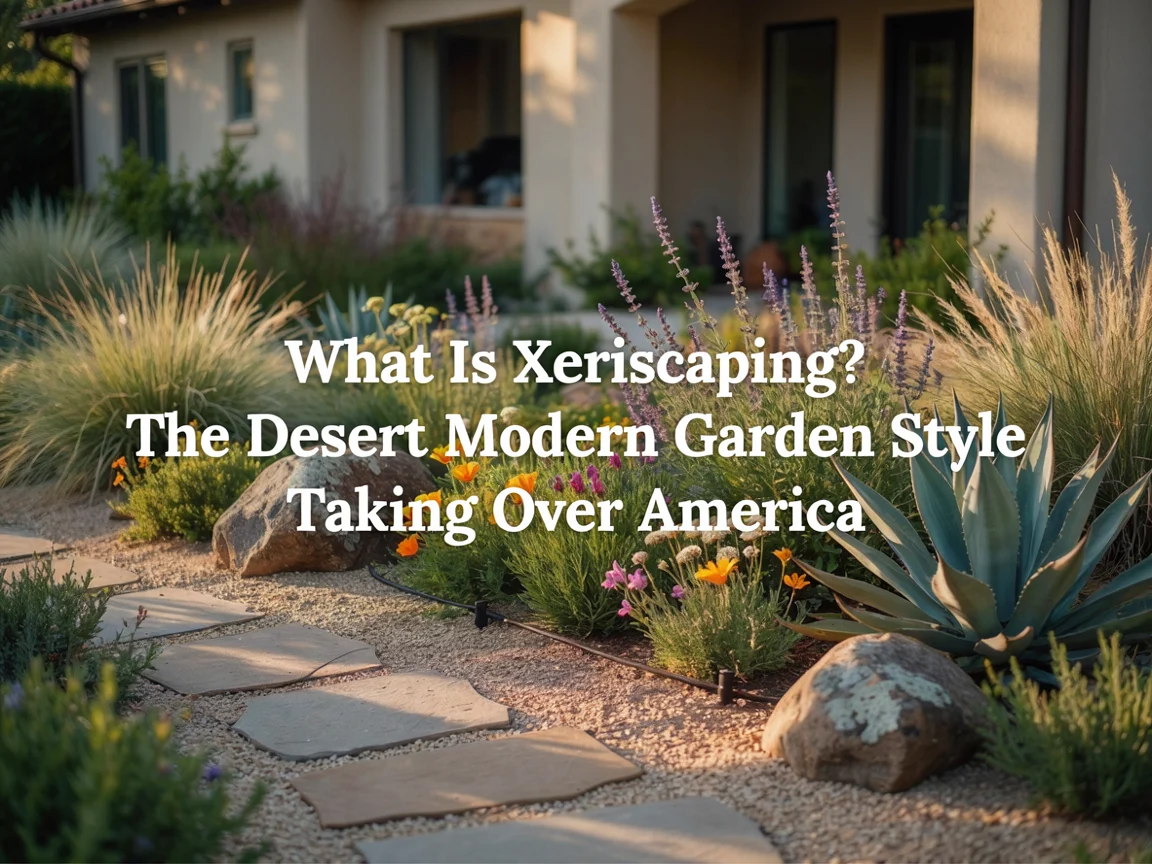
Xeriscaping started as a practical response to drought in the American Southwest, but the style, and the water-saving philosophy behind it, has spread well beyond desert climates into yards across the country facing their own water restrictions and rising utility costs. The seven principles below define what actually makes a landscape a genuine xeriscape, rather than just a yard with a few cactus planted in it.
Starting With Thoughtful Planning and Design
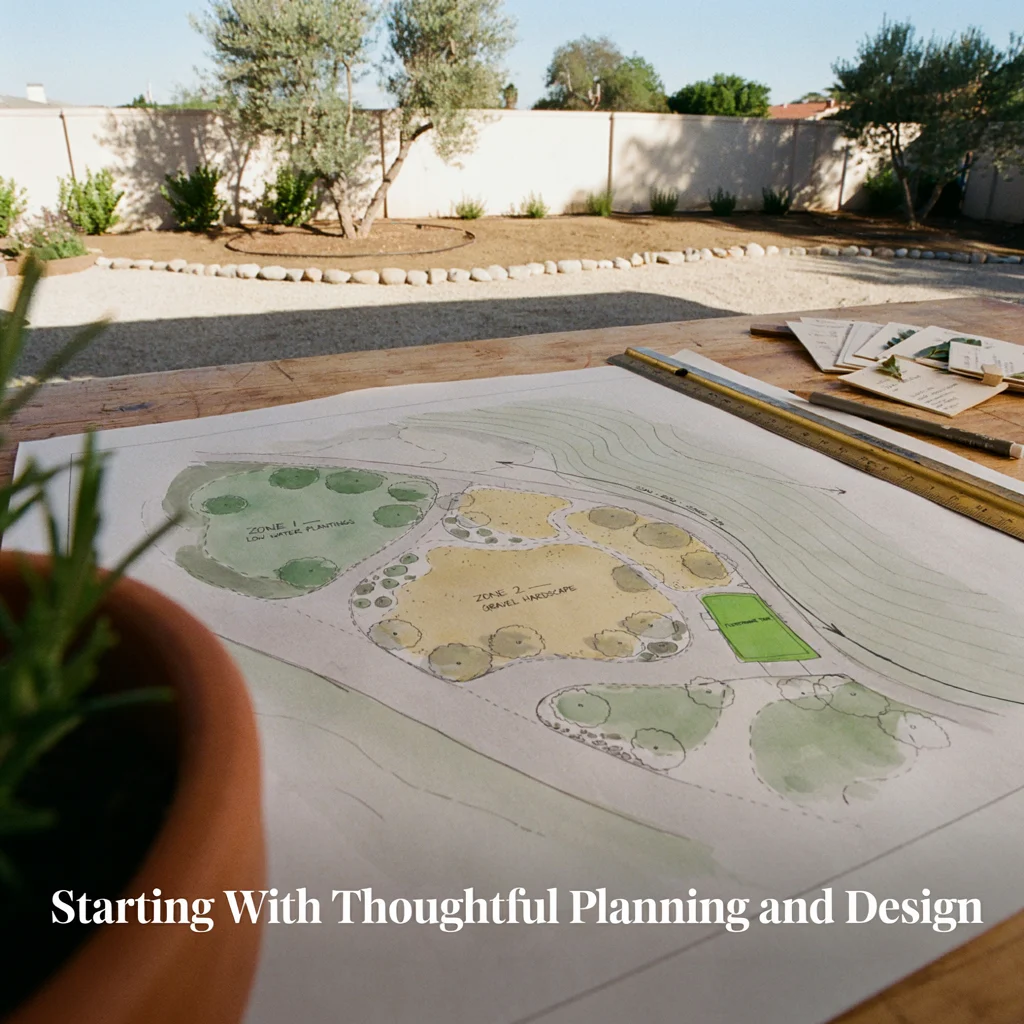
Starting with thoughtful planning and design is the foundation every other xeriscape principle builds on, mapping out sun exposure, slope, and water needs before any plants go into the ground.
Why Planning Prevents Costly Water-Wasting Mistakes
Why planning prevents costly water-wasting mistakes comes down to avoiding the common error of designing first and figuring out irrigation later, which often results in thirsty plants placed in the wrong zones.
Mapping the Yard Into Distinct Water-Use Zones
Mapping the yard into distinct water-use zones, separating any higher-water areas from the majority of low-water plantings, keeps water use efficient rather than spread evenly regardless of actual need.
Improving the Soil Before Planting
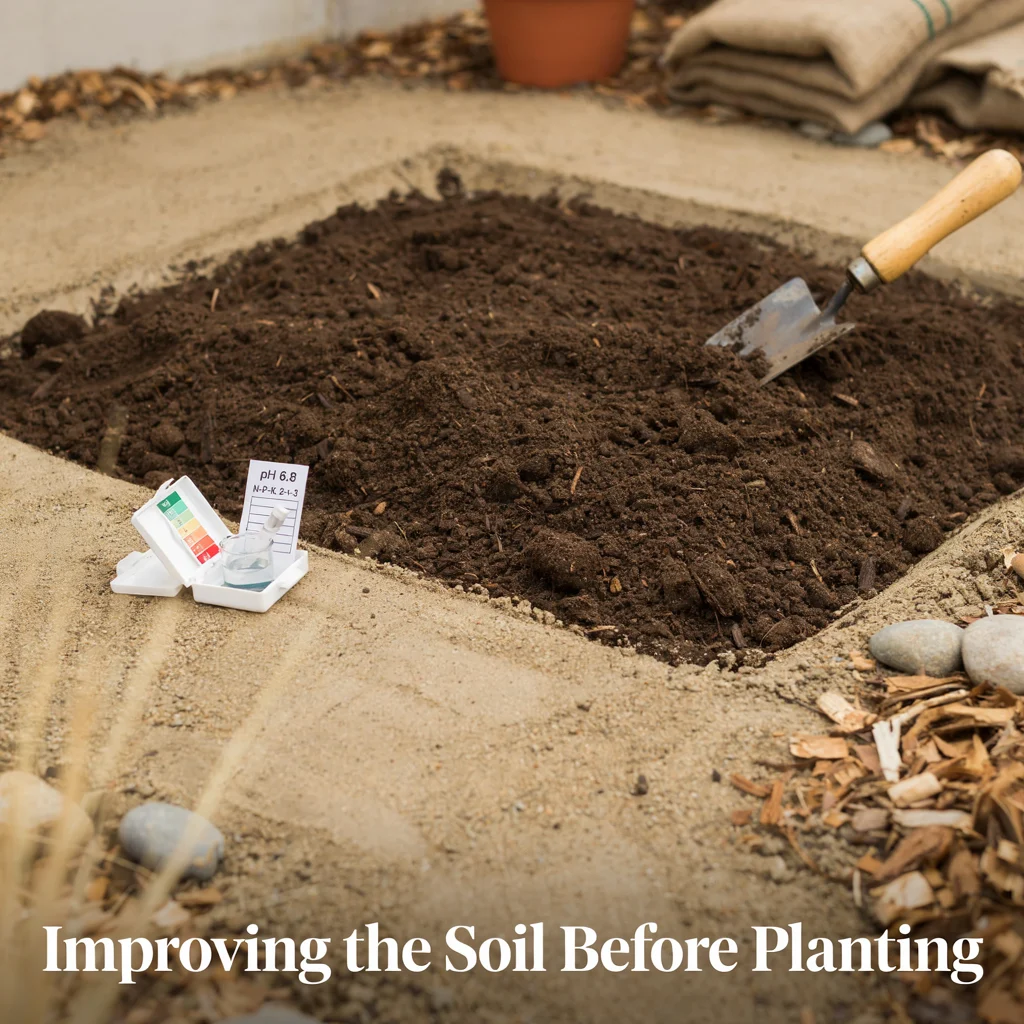
Improving the soil before planting gives xeriscape plants a genuine advantage, since healthy, well-structured soil holds and delivers available moisture far more efficiently than poor, compacted ground.
Why Organic Matter Still Matters in a Water-Wise Garden
Why organic matter still matters in a water-wise garden comes down to its role in soil structure, helping sandy soil retain moisture longer and helping clay soil drain better, both of which reduce water waste.
Testing Soil Before Committing to a Plant Palette
Testing soil before committing to a plant palette confirms what amendments, if any, are actually needed, rather than guessing and either under or over-improving the existing ground.
Limiting Turf to Genuinely Practical Areas
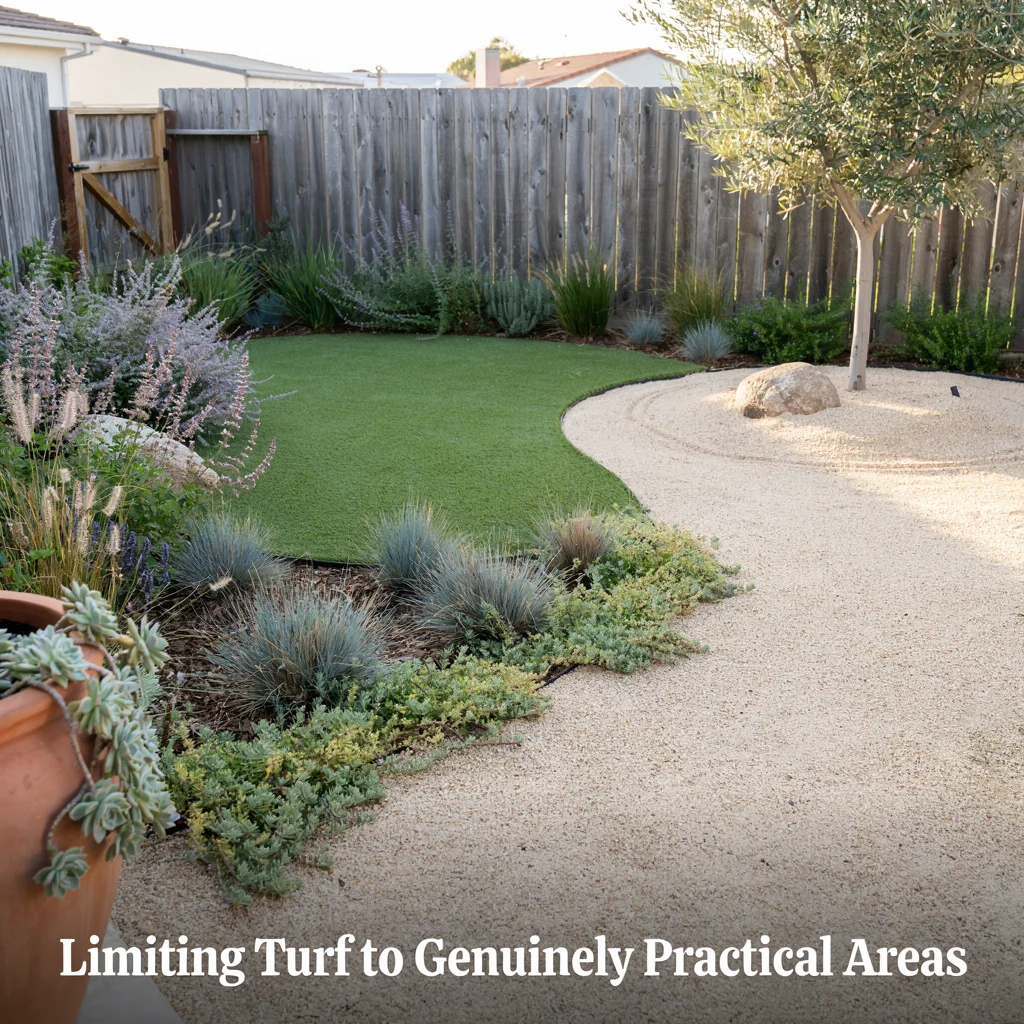
Limiting turf to genuinely practical areas is one of the most defining xeriscape principles, since traditional lawn is consistently one of the thirstiest elements in any landscape.
Why Xeriscaping Doesn’t Necessarily Mean No Grass at All
Why xeriscaping doesn’t necessarily mean no grass at all comes down to practicality, since a small, functional lawn area for kids or pets can still fit within a genuine xeriscape as long as it’s intentionally sized.
Replacing Non-Functional Turf With Lower-Water Alternatives
Replacing non-functional turf with lower-water alternatives, such as gravel, groundcover, or planting beds, is where most of a xeriscape’s actual water savings come from.
Choosing Appropriate, Water-Efficient Plants
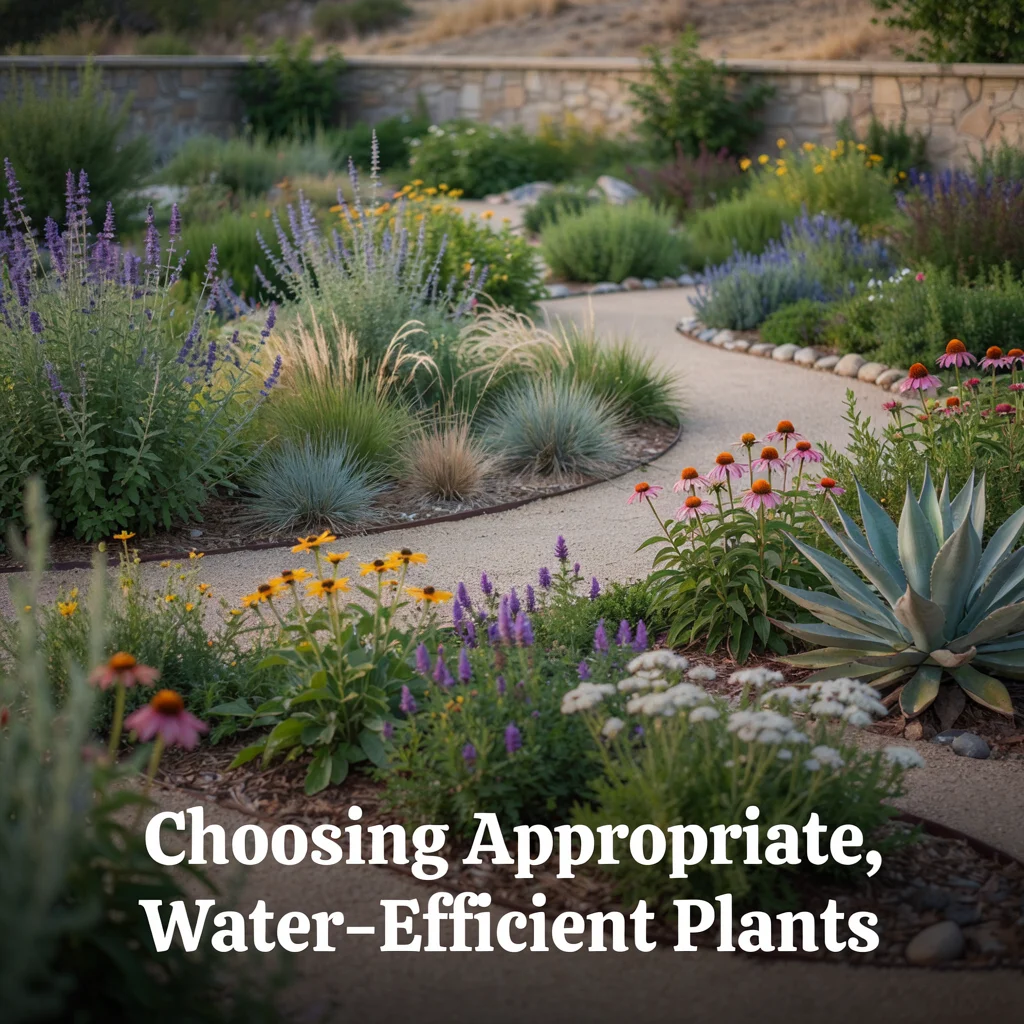
Choosing appropriate, water-efficient plants is the most visually recognizable part of xeriscaping, though the plant palette varies considerably depending on regional climate rather than always meaning cacti and succulents specifically.
Why “Xeriscape” Doesn’t Mean Only Desert Plants
Why “xeriscape” doesn’t mean only desert plants comes down to regional adaptation, since a genuinely water-wise plant list in the Pacific Northwest looks very different from one in Arizona, even though both qualify as xeriscaping.
Grouping Plants by Similar Water Requirements
Grouping plants by similar water requirements, a practice called hydrozoning, avoids overwatering drought-tolerant plants just to satisfy thirstier neighbors sharing the same irrigation zone.
Installing Efficient Irrigation Systems
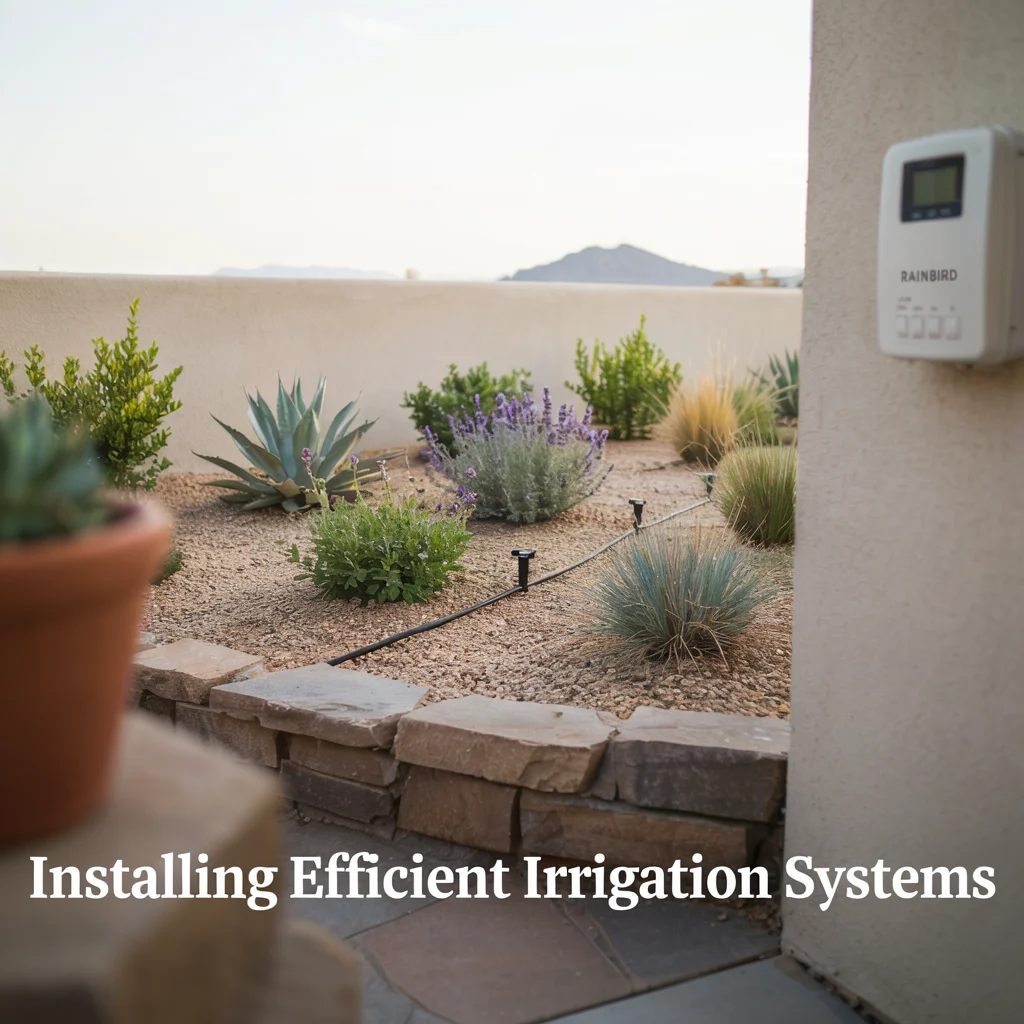
Installing efficient irrigation systems ensures that whatever water a xeriscape does need gets delivered as efficiently as possible, rather than lost to evaporation or runoff.
Why Drip Irrigation Suits Xeriscape Design So Well
Why drip irrigation suits xeriscape design so well comes down to precision, delivering water directly to plant roots rather than broadly spraying an entire bed, most of which doesn’t need it.
Using Smart Controllers to Match Watering to Weather
Using smart controllers to match watering to weather adjusts irrigation automatically based on actual conditions, avoiding the waste of a fixed schedule that runs regardless of recent rainfall.
Applying Mulch to Reduce Evaporation
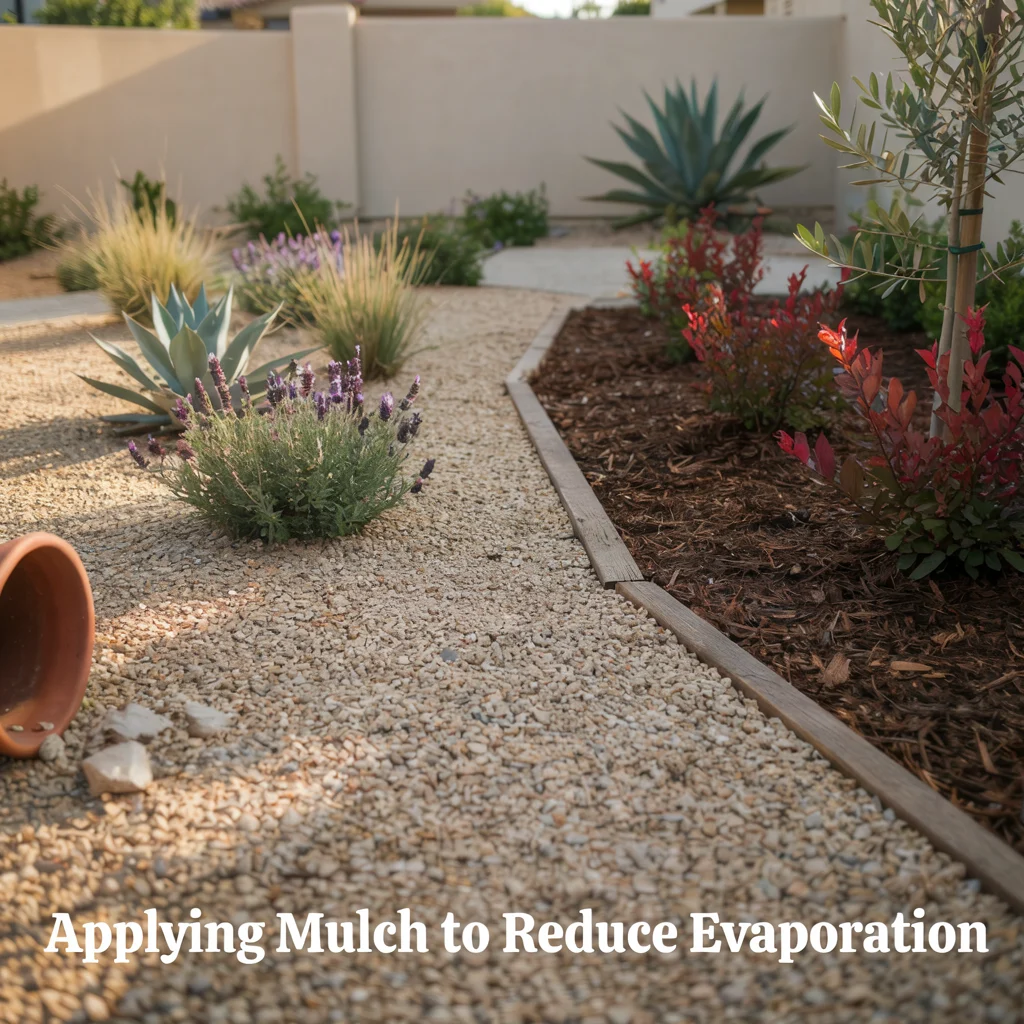
Applying mulch to reduce evaporation is a simple but genuinely significant part of xeriscaping, since a proper mulch layer can meaningfully cut down on how much water evaporates from exposed soil.
How Much Mulch a Xeriscape Bed Actually Needs
How much mulch a xeriscape bed actually needs is typically 2 to 3 inches, whether organic bark mulch or inorganic materials like gravel, depending on the overall design style.
Choosing Between Organic and Inorganic Mulch Types
Choosing between organic and inorganic mulch types depends on the plants involved, with organic mulch suiting planted beds and gravel or rock mulch often used around succulents and desert-style plantings.
Maintaining the Landscape With Water
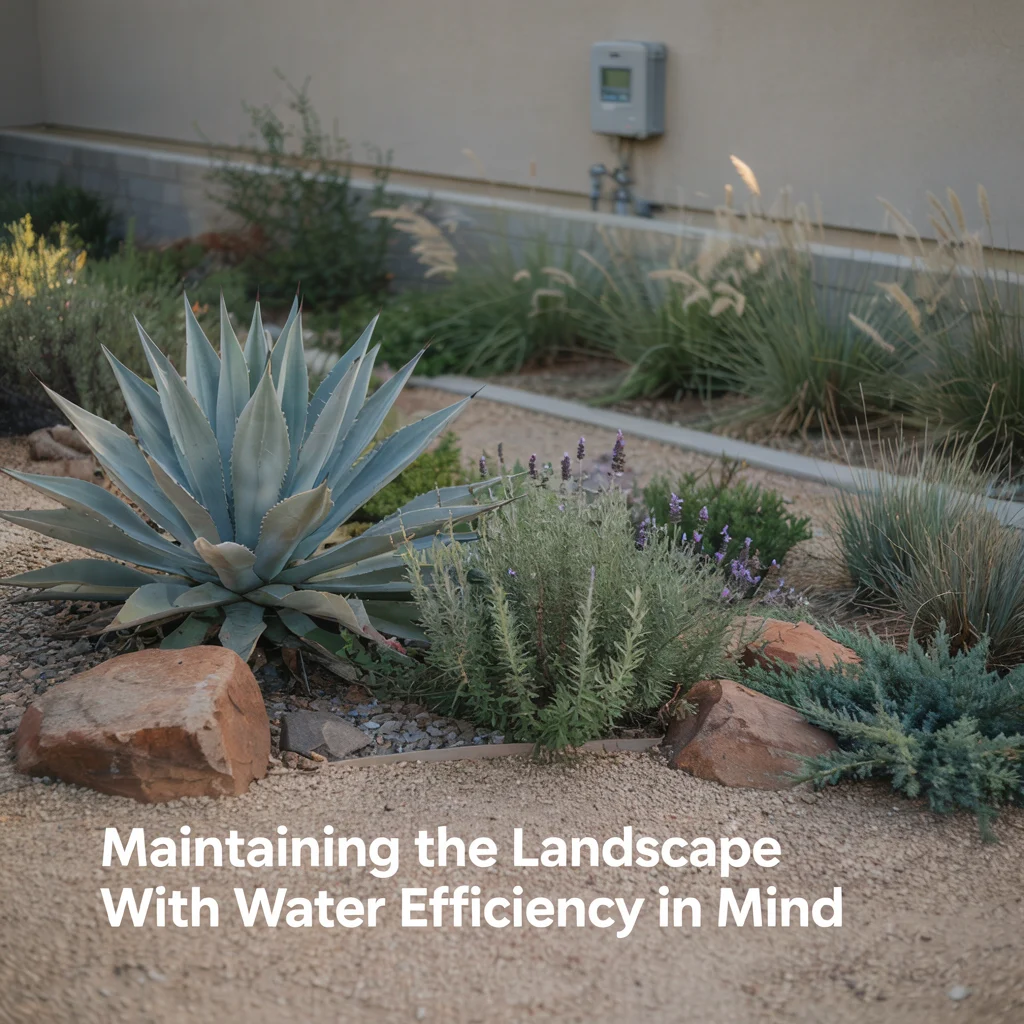
Maintaining the landscape with water efficiency in mind keeps a xeriscape performing as designed, since even a well-planned water-wise yard can drift back toward higher water use without ongoing attention.
Why Xeriscapes Still Need Some Regular Maintenance
Why xeriscapes still need some regular maintenance comes down to a common misconception, since “low water” doesn’t mean “no maintenance,” and occasional pruning, weeding, and mulch refreshing still keep the design functioning well.
Adjusting Irrigation as Plants Mature and Need Less Water
Adjusting irrigation as plants mature and need less water reflects how most xeriscape plants require more water while establishing and considerably less once their root systems are fully developed.
The Bottom Line
Xeriscaping isn’t a single desert-style look, it’s a set of design principles, from thoughtful planning down to efficient irrigation and mulch, aimed at genuinely reducing outdoor water use wherever it’s applied. That’s exactly why the approach has spread well beyond its Southwestern origins into yards across the country facing their own water pressures.
This pairs well with What Is a Cottage Garden, Exactly?, Modern Woodland Garden Designs: Where Contemporary Meets Wild, and Cheap No Grass Backyard Ideas For a Low-Maintenance Garden if you are planning further. Readers working on this often also check Incredible Small Garden Design Ideas To Recreate, What Is Low-Maintenance Landscaping, and Easy DIY Landscaping: Build a Rock Garden. For more on this, our articles on Aromatic Plants for a Home Garden Design and Cozy Easy Garden Patios to Steal cover related ground.
Frequently Asked Questions
Does Xeriscaping Mean No Grass at All?
Xeriscaping doesn’t necessarily mean eliminating grass entirely, since a small, intentionally sized functional lawn area can still fit within a genuine xeriscape design as long as most of the yard uses water-efficient elements.
Is Xeriscaping Only for Desert Climates?
Xeriscaping applies well beyond desert climates, since its core principles, efficient irrigation, appropriate plant choice, and reduced turf, work to reduce water use in almost any regional climate.
How Much Water Does Xeriscaping Actually Save?
Xeriscaping can reduce outdoor water use significantly, often by 50 percent or more compared with a traditional turf-heavy landscape, depending on how thoroughly the principles are applied.
Does Xeriscaping Require a Big Upfront Investment?
Xeriscaping can involve upfront costs for irrigation upgrades and plant replacement, but these are often offset over time by reduced water bills and lower ongoing maintenance needs.
What’s the Difference Between Xeriscaping and Drought-Tolerant Landscaping?
Xeriscaping is a specific, structured design approach built around seven core principles, while drought-tolerant landscaping is a broader term that can simply mean choosing some low-water plants without following the full xeriscape framework.