
How to Grow Prayer Plants (Maranta) as Houseplants

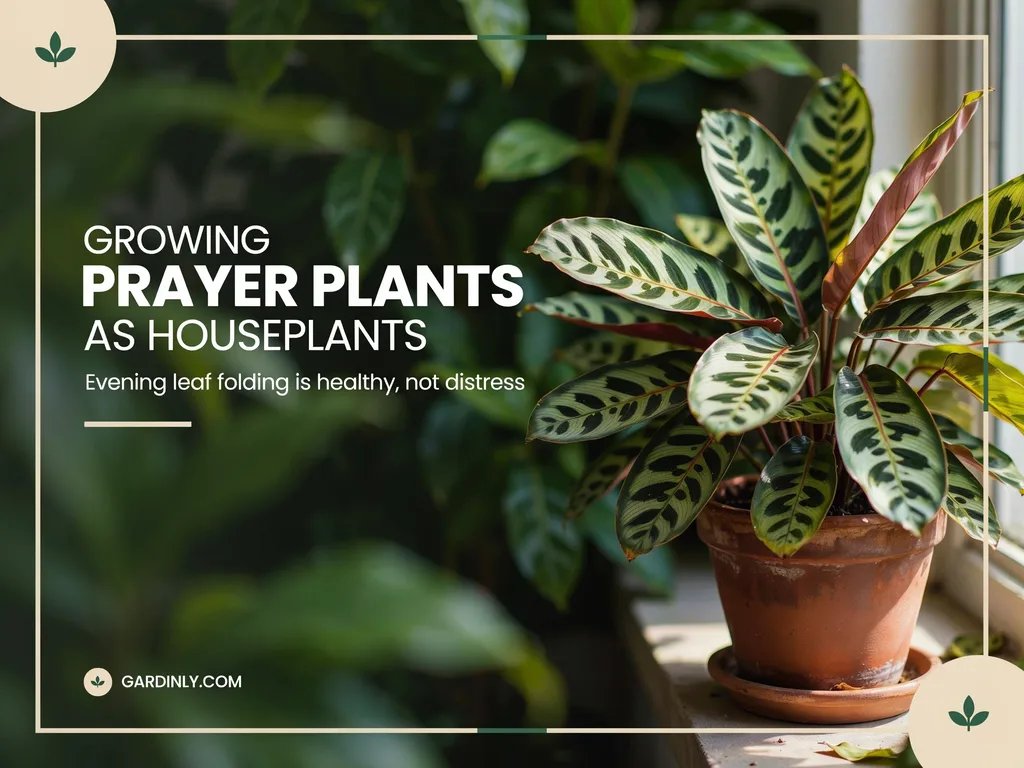
Prayer plants genuinely fold their leaves upward each evening in response to changing light conditions, a real, observable movement called nyctinasty that gave this plant its distinctive common name, and understanding this natural daily rhythm helps new owners recognize normal evening leaf folding as healthy behavior rather than mistaking it for a sign of plant distress or wilting.
Evening Leaf-Folding Is Healthy Behavior
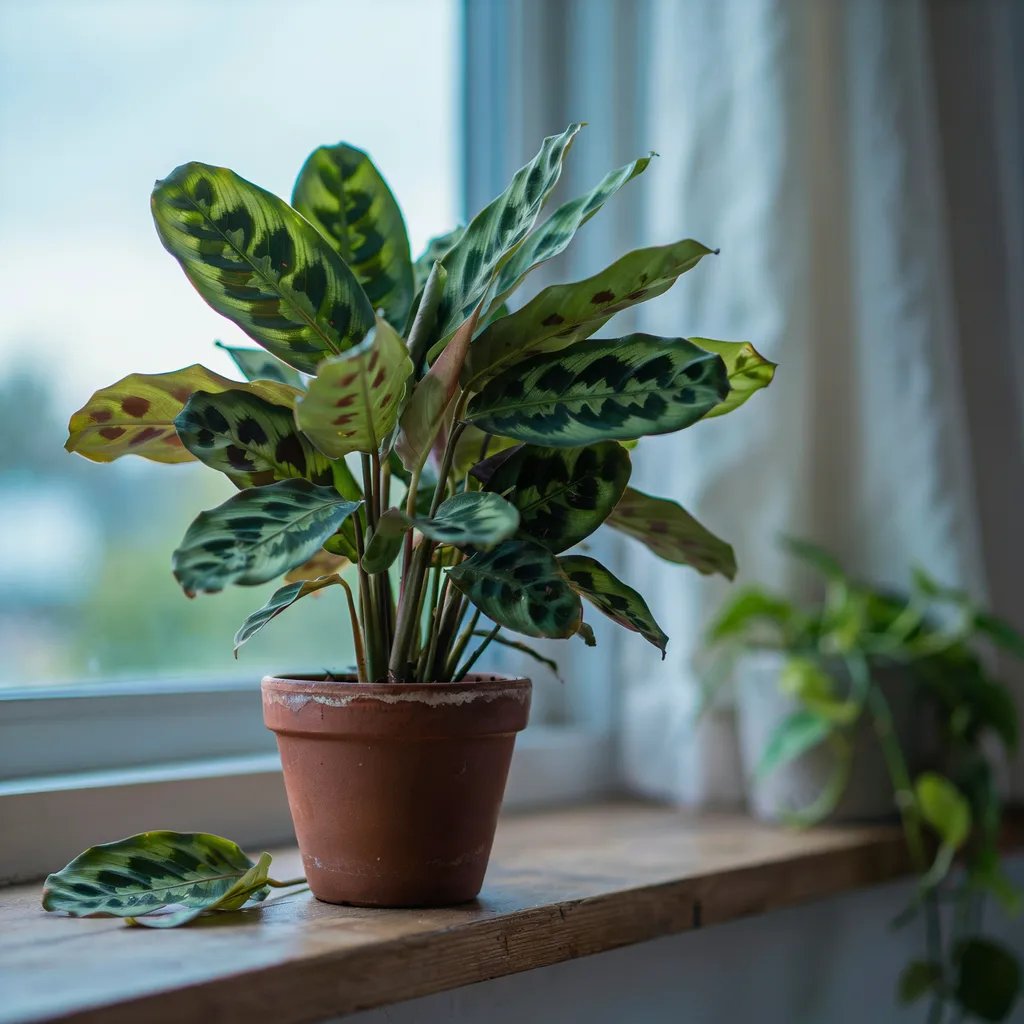
Why the evening leaf-folding movement is genuine healthy behavior, not a distress signal, is that this movement, called nyctinasty, is a real, documented plant response to changing light levels, controlled by specialized cells at the base of each leaf called pulvini that genuinely respond to daily light cycles, meaning a prayer plant folding its leaves each evening is exhibiting completely normal, healthy behavior rather than any sign of watering problems or distress.
How the Pulvini Mechanism Works
The pulvini mechanism that genuinely drives this distinctive daily movement is that these specialized cells change their internal water pressure in response to light cues, causing the leaf to genuinely fold upward as evening light diminishes and unfold again as morning light returns, a real, mechanical plant response rather than simply the plant reacting passively to darkness the way some might assume.
Understanding nyctinasty as a genuine, active plant mechanism rather than passive wilting explains why new prayer plant owners shouldn’t worry about this distinctive daily leaf movement, since it’s actually a sign of a healthy, normally functioning plant.
Providing Elevated Humidity Through a Pebble Tray or Humidifier
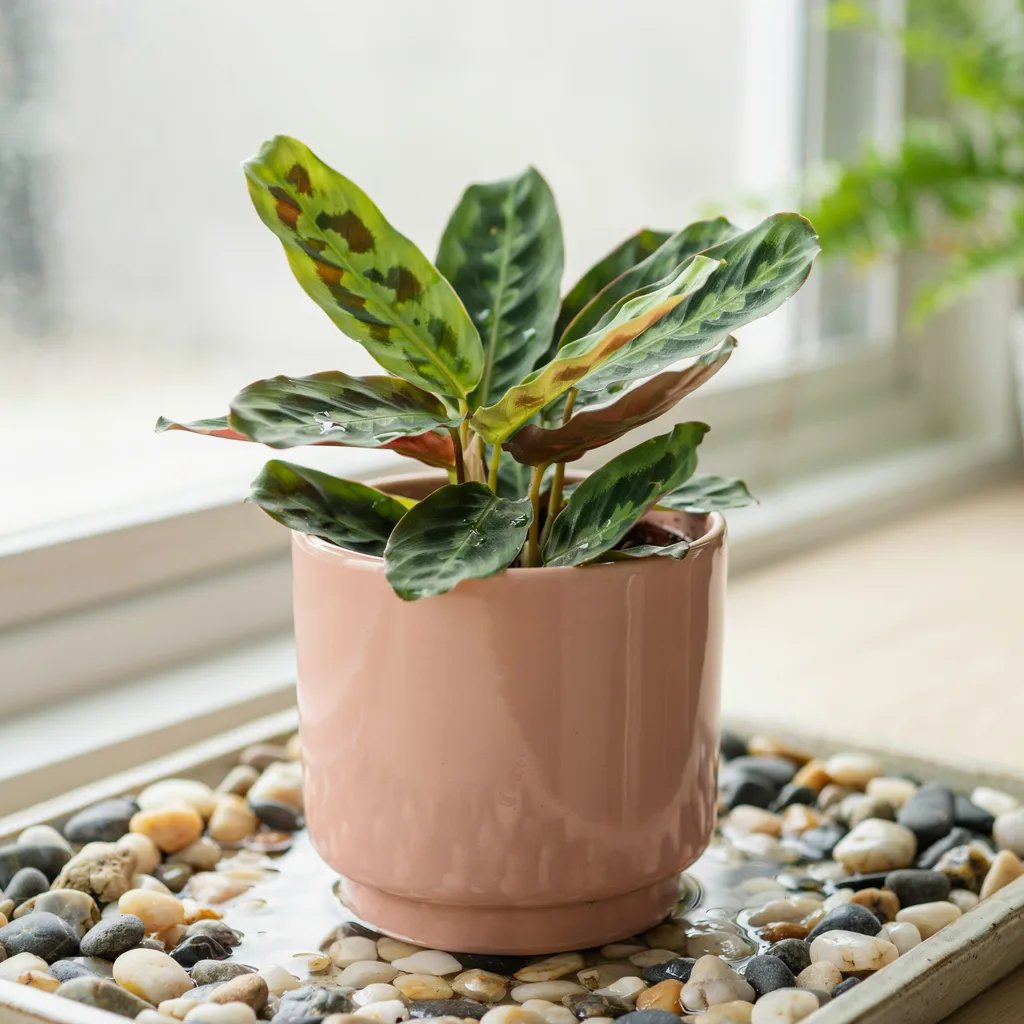
Providing elevated humidity through a pebble tray or humidifier gives prayer plants the humid conditions they genuinely prefer over typical dry indoor room air, since these plants evolved in humid tropical forest floor environments, making a pebble tray, grouping with other plants, or a dedicated humidifier genuinely beneficial additions to standard indoor care.
Prayer plants’ genuine preference for elevated humidity over standard indoor conditions makes humidity support worth actively providing, particularly during winter months when indoor heating dramatically reduces ambient humidity levels.
Maintaining Consistently Moist Soil While Avoiding Waterlogged Conditions
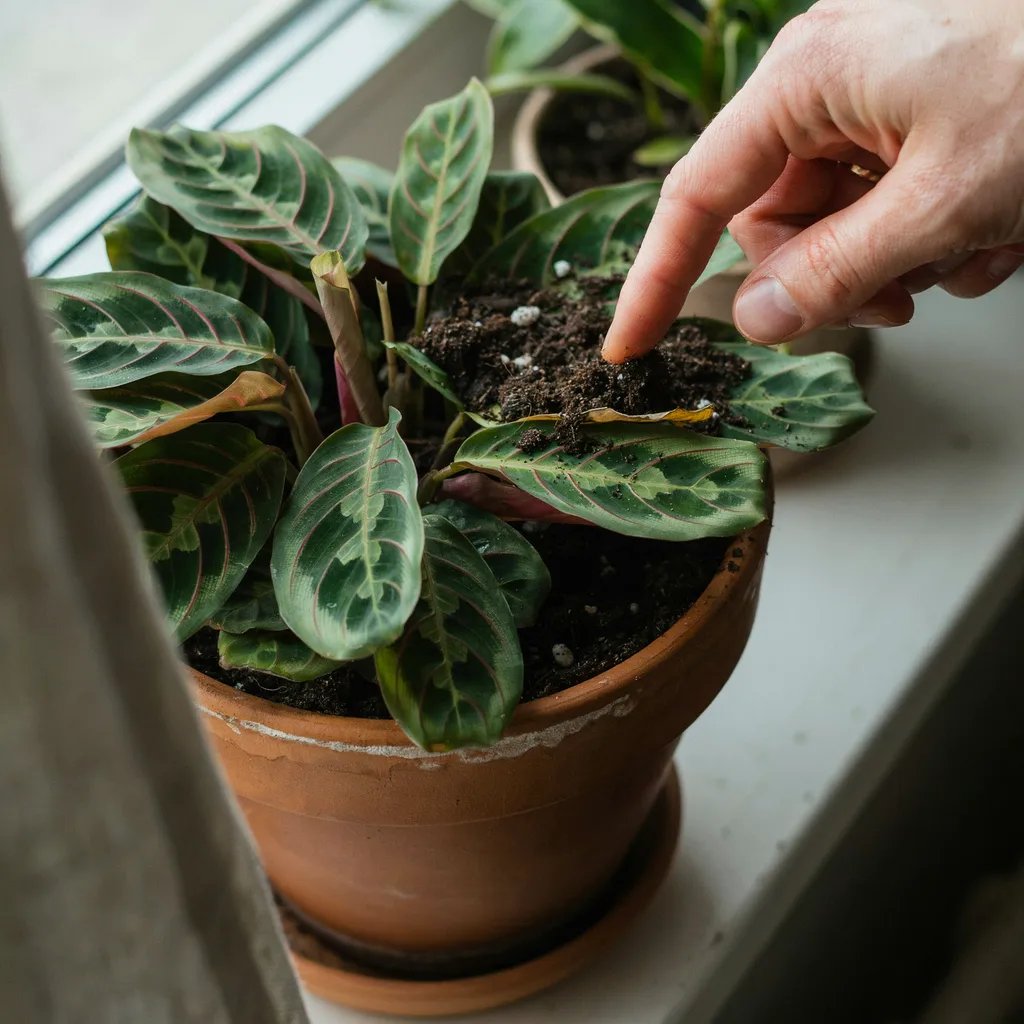
Maintaining consistently moist soil while avoiding waterlogged conditions means watering prayer plants regularly enough to prevent the soil from drying out completely, since these plants are genuinely sensitive to drought stress, while also ensuring adequate drainage to prevent the waterlogged conditions that can cause root rot in this moisture-loving but not water-tolerant species.
The narrow moisture balance prayer plants genuinely need, consistently moist without becoming waterlogged, makes attentive, regular watering worth prioritizing over either a rigid schedule or infrequent deep watering that might suit more drought-tolerant houseplants.
Providing Bright Indirect Light to Showcase the Distinctive Foliage Patterning
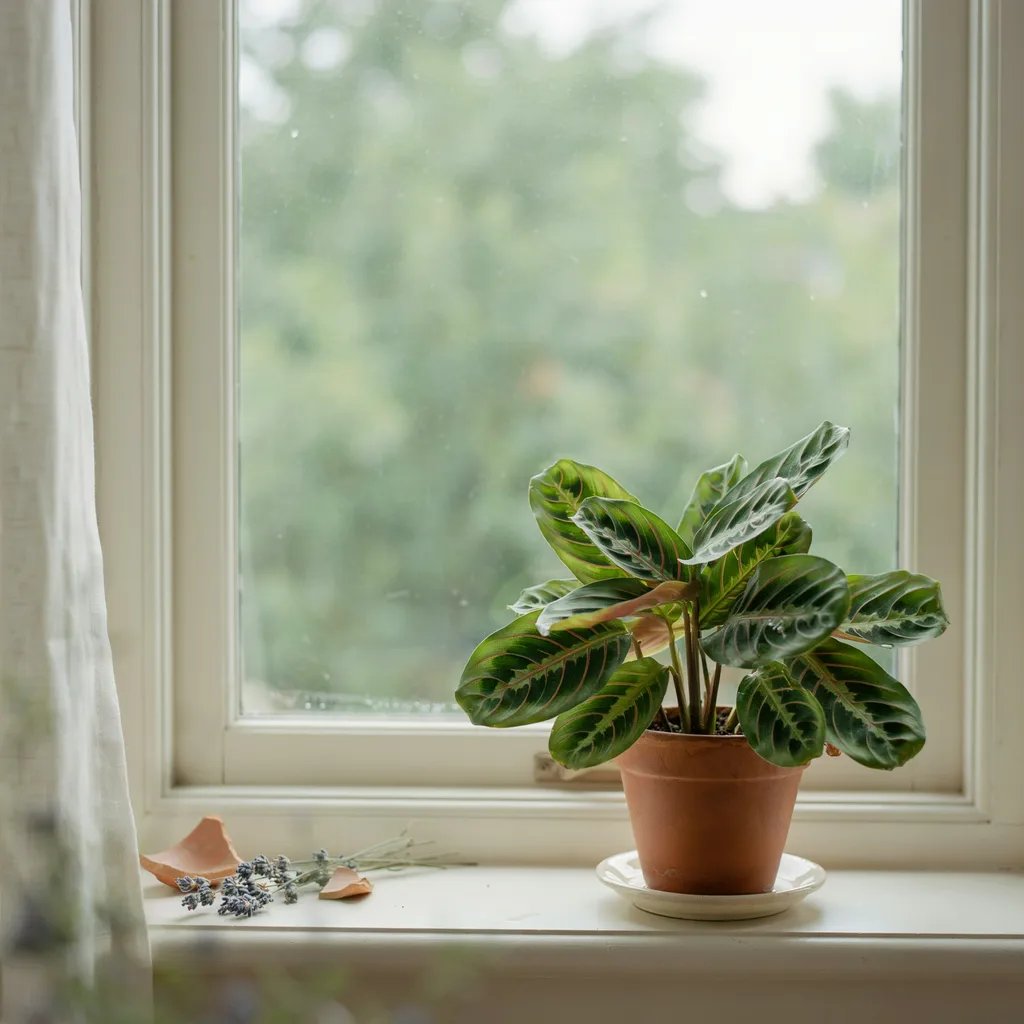
Providing bright indirect light to showcase the distinctive foliage patterning gives prayer plants the light conditions that genuinely bring out their striking leaf patterns most vividly, since these plants are specifically valued for their distinctive variegated, patterned foliage, while direct sun exposure can genuinely fade this patterning or scorch the leaves outright.
Light placement genuinely affects the visual quality of prayer plants’ signature foliage patterning, making bright indirect light worth prioritizing specifically to showcase the plant’s main ornamental appeal rather than simply meeting basic survival light requirements.
Fertilizing Lightly During Active Growth to Support Healthy Foliage Development
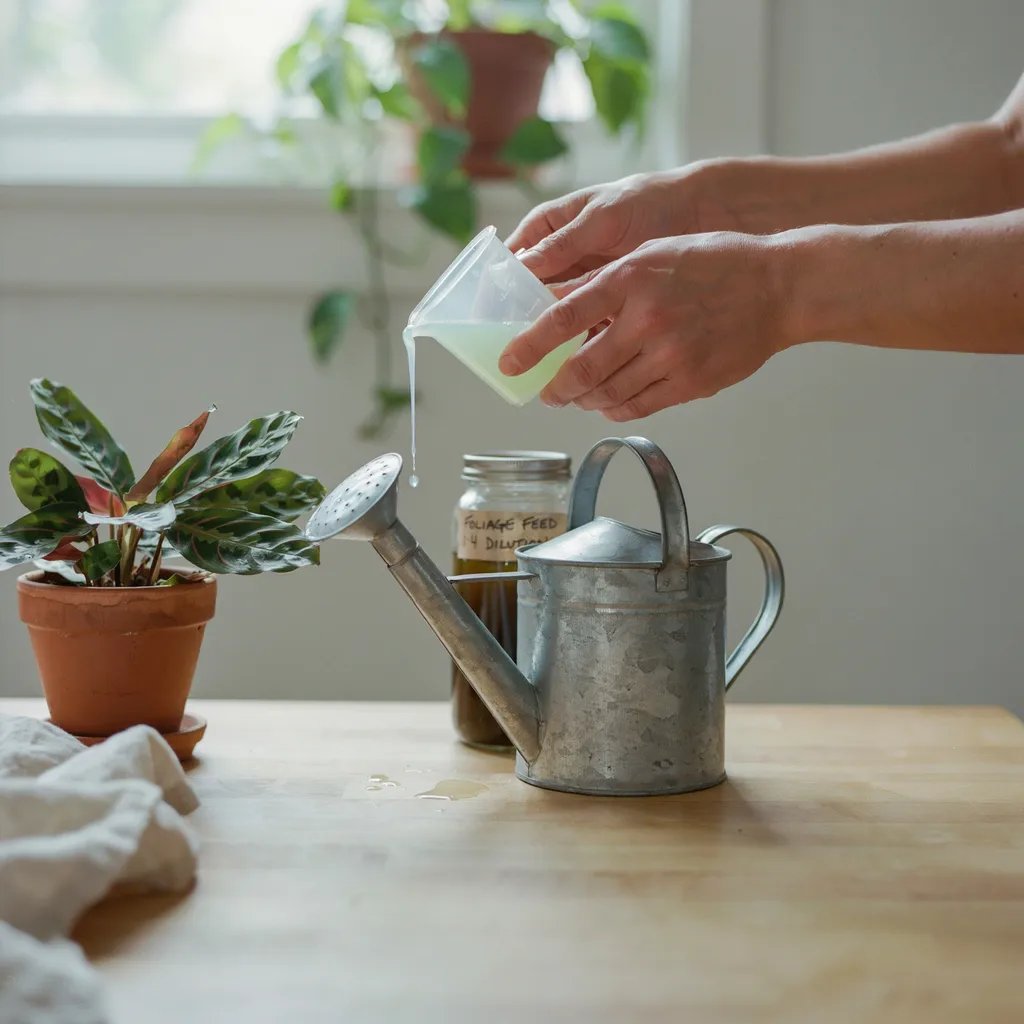
Fertilizing lightly during active growth to support healthy foliage development means applying a diluted, balanced houseplant fertilizer roughly monthly during spring and summer active growth, supporting the healthy, vigorous foliage development prayer plants are grown for without overfeeding a plant that generally doesn’t need heavy fertilization.
Light, restrained fertilizing genuinely suits prayer plants’ actual nutrient needs, making moderation worth practicing rather than assuming heavier feeding would meaningfully improve the plant’s already naturally attractive foliage development.
Repotting Periodically as the Plant Outgrows Its Current Container
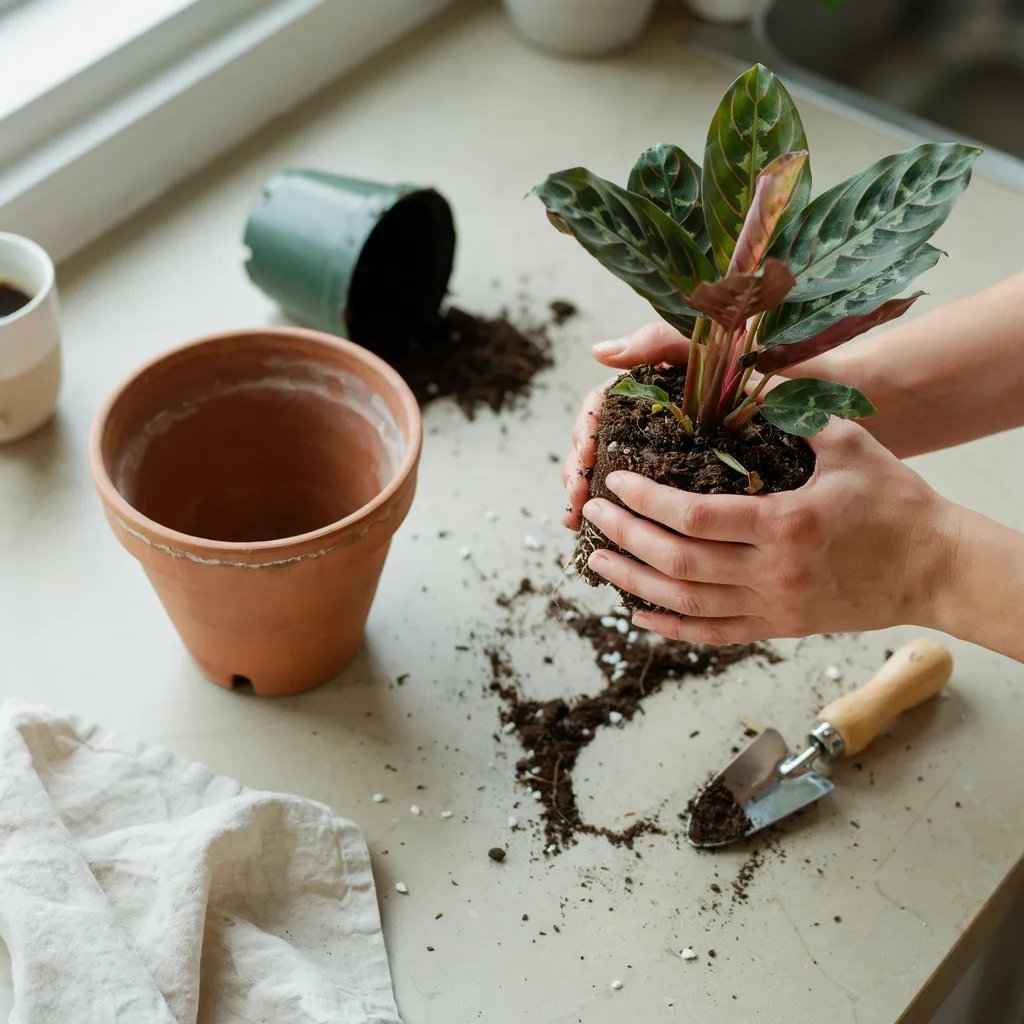
Repotting periodically as the plant outgrows its current container means moving prayer plants to a slightly larger pot every 1-2 years as their root system fills the current container, a routine maintenance task that genuinely supports continued healthy growth as the plant matures and develops over time.
Periodic repotting genuinely supports ongoing healthy development, making this routine maintenance worth including in overall prayer plant care rather than leaving an increasingly root-bound plant in the same container indefinitely.
The Bottom Line
Growing prayer plants successfully as houseplants depends on understanding their genuine, healthy evening leaf-folding movement as normal nyctinasty behavior rather than a distress signal, while providing the elevated humidity, consistently moist but never waterlogged soil, and bright indirect light these tropical forest floor natives genuinely need. Light fertilizing during active growth and periodic repotting as the plant matures round out a care approach that showcases prayer plants’ genuinely distinctive foliage patterning while supporting their real, specific environmental preferences.
Frequently Asked Questions
Why Does My Prayer Plant’s Foliage Patterning Seem Less Vivid Than When I First Purchased It?
Fading patterning most commonly results from insufficient light, making a move to a brighter (though still indirect) location often the most effective fix, since adequate light genuinely plays a significant role in maintaining the plant’s characteristic vivid foliage coloring and pattern definition.
Are Prayer Plants Genuinely Toxic to Pets if a Curious Cat or Dog Chews on the Leaves?
Prayer plants are generally considered non-toxic to pets, making them a genuinely safer houseplant choice for pet-owning households compared with many other common houseplant species that do carry real toxicity concerns.
Can Prayer Plants Be Propagated at Home, and What’s the Most Reliable Method?
Yes, prayer plants propagate reliably through division during repotting, or through stem cuttings placed in water until roots develop, both genuinely straightforward methods that make expanding a collection or sharing plants with others relatively easy.
How Do I Know if My Prayer Plant’s Curling or Drooping Leaves Indicate a Genuine Watering Problem Rather Than Normal Nyctinasty?
Normal nyctinasty involves the leaves folding upward specifically in evening and low-light conditions, unfolding again in morning brightness, while genuine watering-related curling or drooping typically persists regardless of time of day or light conditions, making this timing pattern the key distinguishing factor.
Do Prayer Plants Need Any Special Winter Care Different From Their Care During the Rest of the Year?
Reduced watering frequency and continued attention to humidity, given winter’s typically drier indoor heating conditions, are worth adjusting for during winter months, though prayer plants don’t require dramatically different care compared with their active growing season needs.
Can Prayer Plants Be Grown Successfully Under Artificial Grow Lights if Natural Window Light Is Inadequate?
Yes, prayer plants generally respond well to appropriate artificial grow lighting, making this a genuinely viable option for spaces without adequate natural bright indirect light, as long as the light intensity and duration are properly matched to the plant’s needs.