
How to Handle Common Houseplant Pests

Houseplant pest outbreaks genuinely spread from one infested plant to an entire indoor collection most often during the treatment window itself, when an infested plant sits among healthy neighbors while a gardener researches or gathers treatment supplies, making immediate physical isolation, before any treatment even begins, the single most effective first step for actually containing an outbreak.
Isolating Infested Plants Immediately
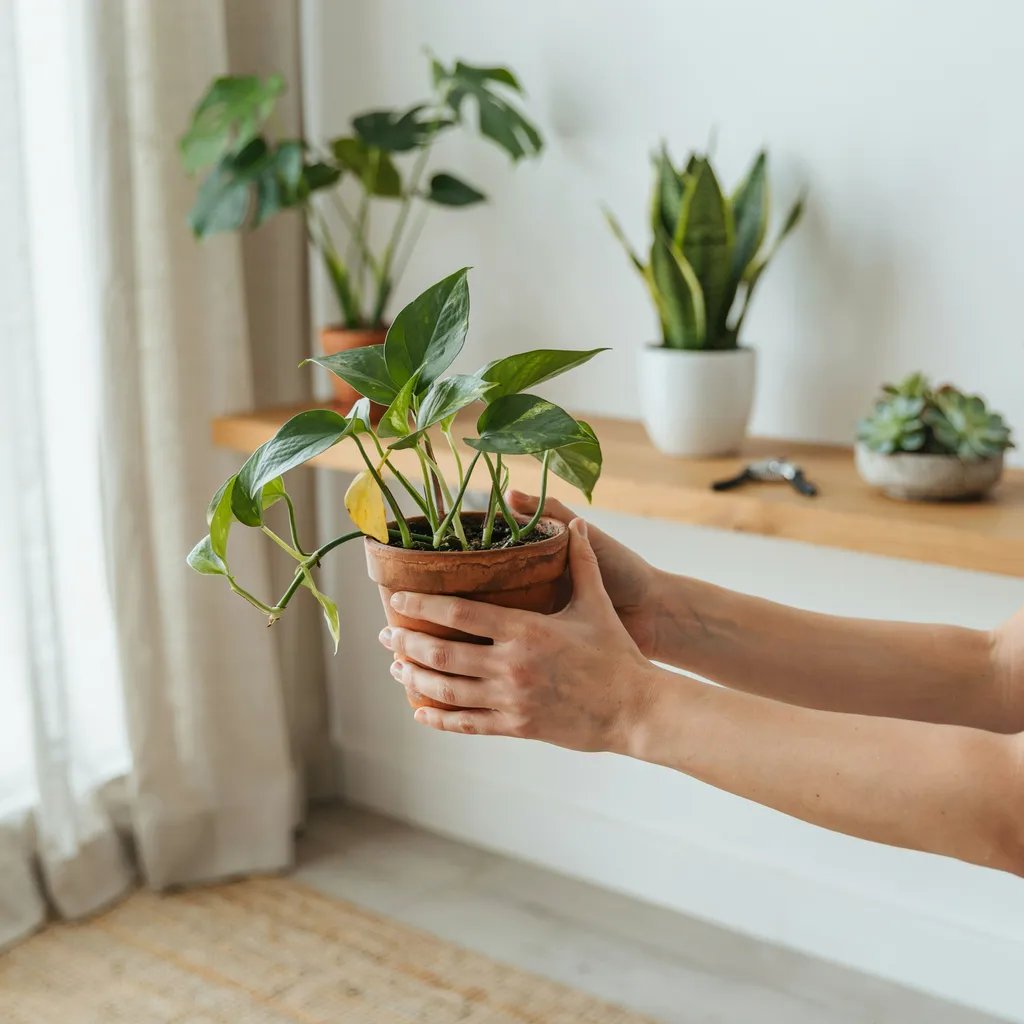
Why immediate isolation, before treatment even begins, genuinely prevents the worst outbreak spread is that many common houseplant pests can genuinely move between neighboring plants relatively quickly, meaning the delay between noticing an infestation and actually beginning treatment, while a gardener identifies the pest and prepares an appropriate response, is often exactly when the infestation spreads most significantly to other plants sitting nearby.
Why the Treatment Delay Window Matters
The treatment-delay window that makes immediate physical separation genuinely critical is that pests don’t wait for a gardener to research identification and treatment options, meaning every hour an infested plant remains among healthy neighbors represents genuine additional spread risk, making the simple act of physically moving the affected plant away from others the single fastest, most effective containment action available.
Immediate isolation costs nothing and takes only moments, making it genuinely worth doing as the very first response to any suspected pest problem, well before spending time on identification or treatment research that could otherwise happen with the plant already safely separated.
Identifying Spider Mites Through Fine Webbing and Stippled, Discolored Leaves
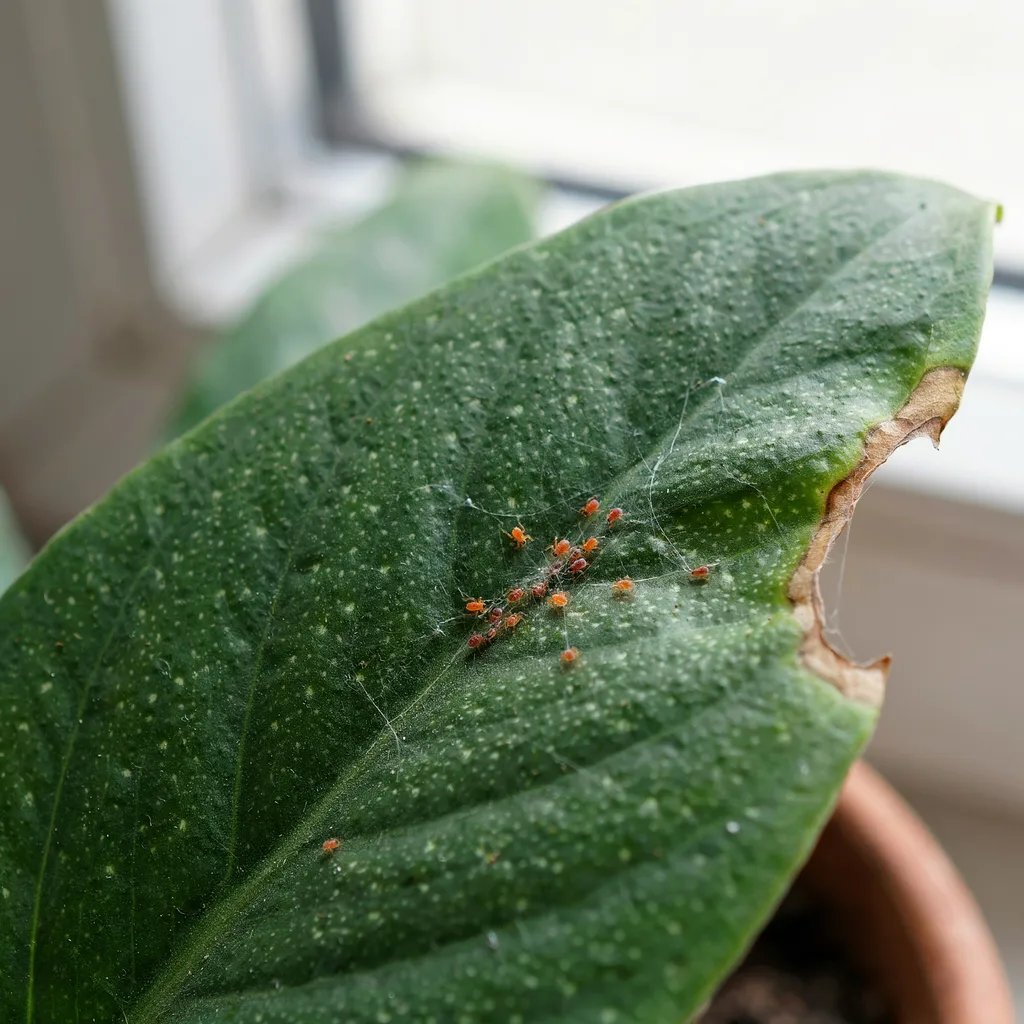
Identifying spider mites through fine webbing and stippled, discolored leaves means checking for genuinely fine, delicate webbing, often most visible where leaves meet stems, along with a stippled, speckled discoloration pattern on affected leaves, both distinctive signs of this genuinely common and persistent houseplant pest.
Spider mites’ fine webbing is a genuinely distinctive identifying feature worth checking for specifically, since their small size otherwise makes them easy to overlook until infestation has already progressed significantly.
Identifying Mealybugs Through Their Distinctive Cottony White Masses
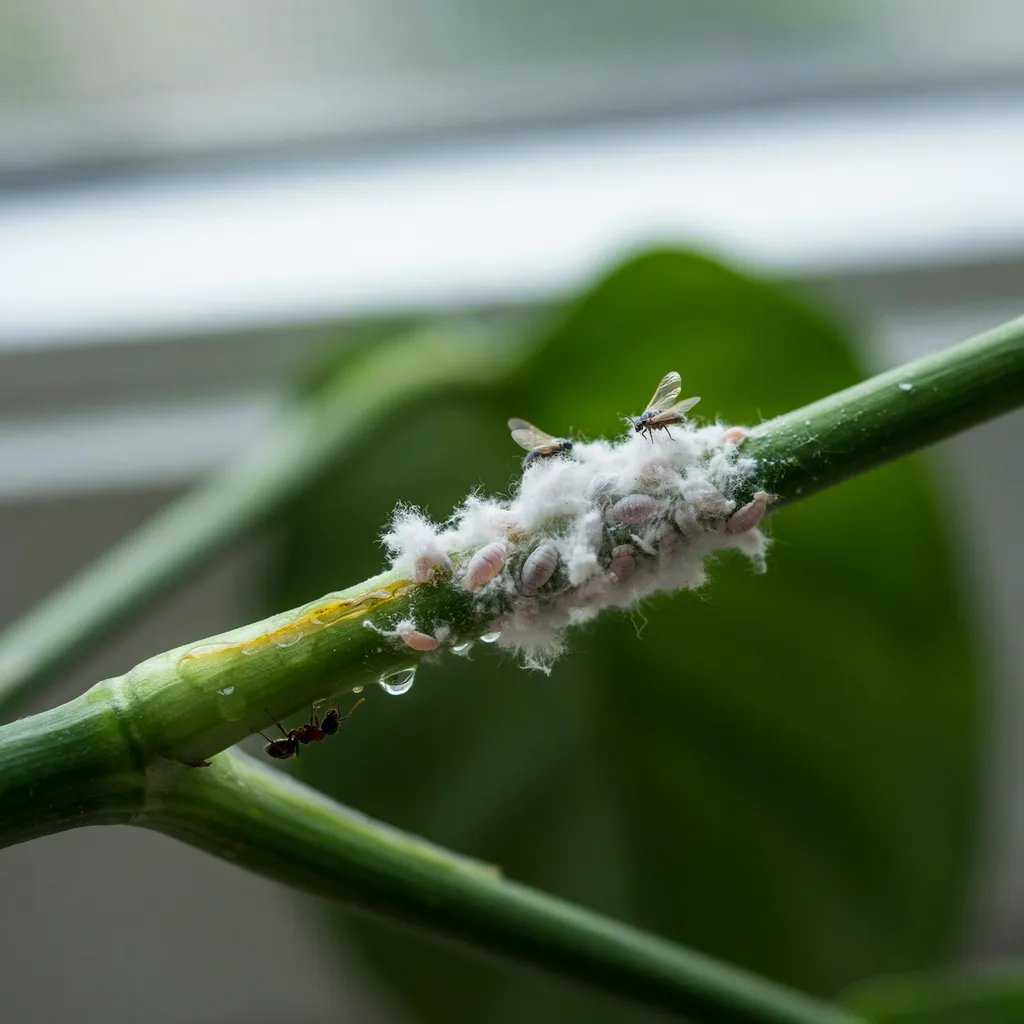
Identifying mealybugs through their distinctive cottony white masses means recognizing the genuinely distinctive small, cottony white clusters these pests form, typically in leaf joints and along stems, a visually distinctive appearance that makes mealybug identification generally more straightforward than some other less visually obvious houseplant pests.
Mealybugs’ genuinely distinctive cottony appearance makes this pest one of the easier common houseplant problems to identify confidently, making prompt recognition and isolation particularly achievable once these telltale masses are spotted.
Identifying Fungus Gnats Through Small Flying Insects Near Soil Surface
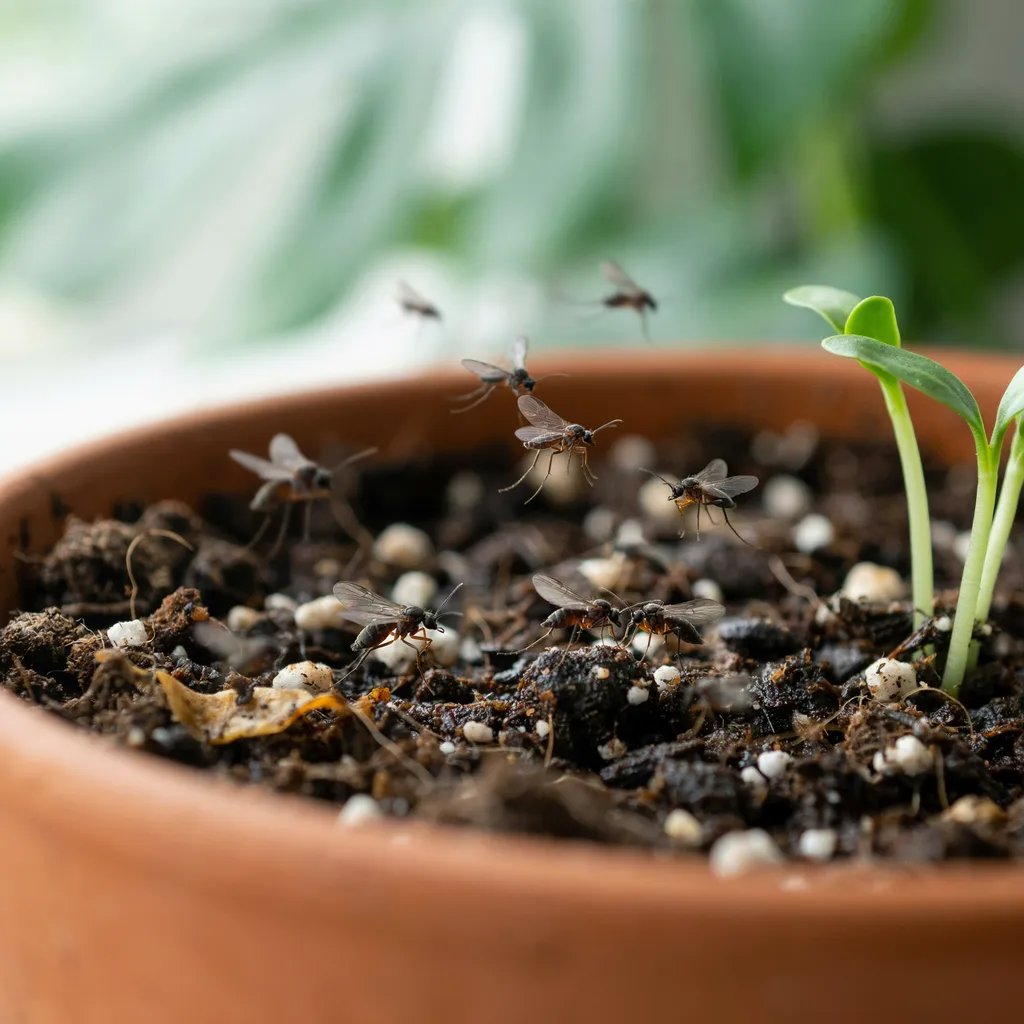
Identifying fungus gnats through small flying insects near soil surface means noticing small, dark, mosquito-like flying insects that emerge when disturbing the top layer of soil, a genuinely common sign specifically associated with consistently overly moist soil conditions rather than the plant’s foliage itself being directly affected.
Fungus gnats’ genuine connection to overly moist soil conditions means addressing watering habits alongside any direct pest treatment, making this pest somewhat different from foliage-feeding pests in requiring a combined environmental and direct treatment approach.
Treating Most Common Infestations With Insecticidal Soap or Neem Oil Applied Thoroughly
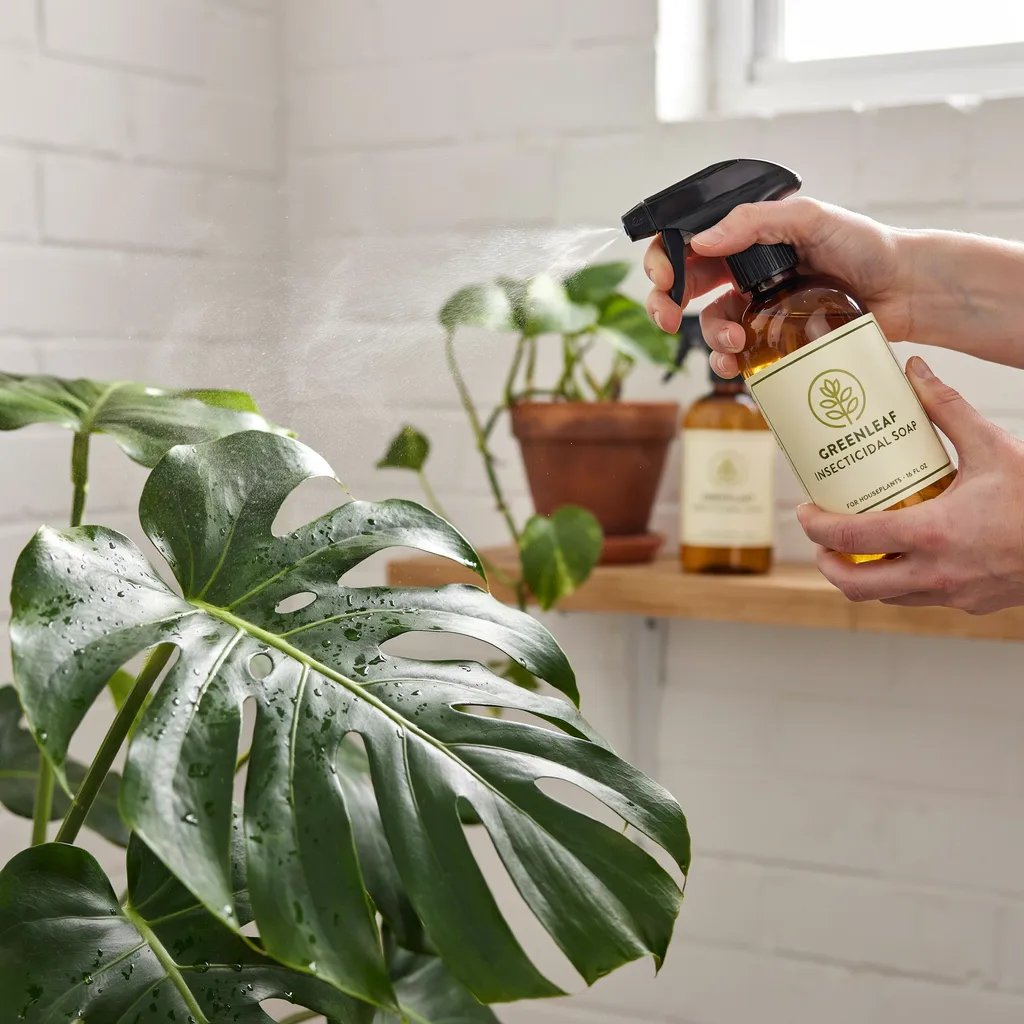
Treating most common infestations with insecticidal soap or neem oil applied thoroughly means using these genuinely effective, relatively low-toxicity treatment options, applied thoroughly to all plant surfaces including leaf undersides where pests often congregate, and repeated according to product guidance since a single application often doesn’t eliminate an entire pest life cycle.
Thorough, repeated application, not a single treatment, genuinely determines success with these common treatment options, making follow-through on the full recommended treatment schedule worth prioritizing over assuming one application has solved the problem.
Inspecting New Plants Before Introducing Them to an Existing Collection
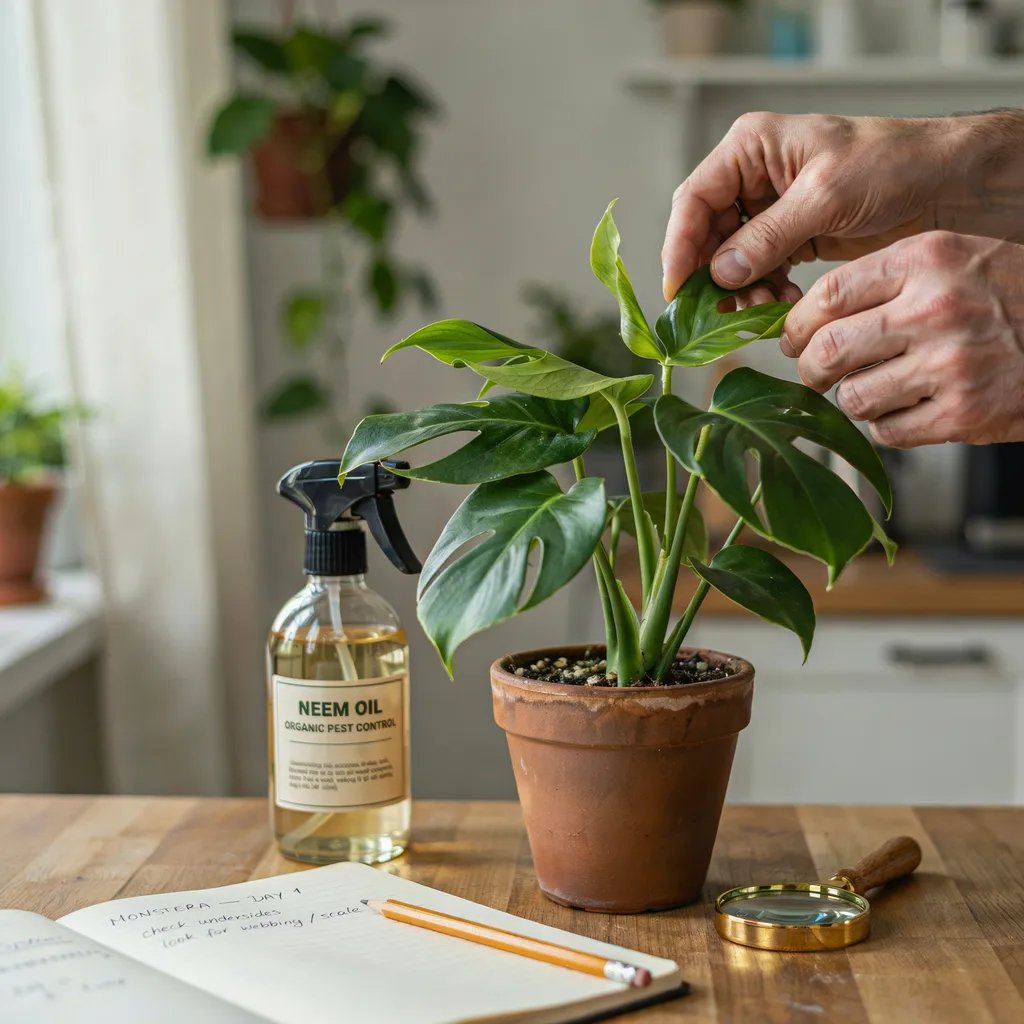
Inspecting new plants before introducing them to an existing collection means genuinely checking any newly acquired plant closely for pest signs, and ideally keeping it isolated for a brief observation period, before placing it among an established plant collection, since new plant introductions represent one of the most common ways pest problems genuinely enter a previously pest-free indoor collection.
New plant inspection and brief isolation genuinely prevents the most common introduction pathway for houseplant pests, making this preventive habit worth adopting consistently rather than assuming any new plant purchase is automatically pest-free.
The Bottom Line
Handling common houseplant pests effectively starts with immediate physical isolation of any suspected infested plant, a simple, fast action that genuinely prevents the worst spread during the treatment-delay window, before moving to accurate identification of the specific pest, spider mites’ fine webbing, mealybugs’ cottony masses, fungus gnats’ soil-associated flying insects, or scale’s immobile bumps. Thorough, repeated treatment with insecticidal soap or neem oil handles most common infestations effectively, while consistently inspecting and briefly isolating new plant purchases before introducing them to an existing collection prevents the majority of pest problems from ever taking hold in the first place.
Frequently Asked Questions
How Long Should a Newly Purchased Plant Be Isolated Before Introducing It to an Existing Collection?
A genuinely useful isolation period is roughly 2-4 weeks, giving enough time for any pest eggs or early-stage infestations that weren’t immediately visible at purchase to become apparent before the new plant joins other established plants.
Can Common Houseplant Pests Like Spider Mites or Mealybugs Spread to Outdoor Garden Plants?
Some houseplant pests genuinely can transfer to outdoor plants if houseplants are moved outside seasonally, making it worth inspecting indoor plants carefully before any outdoor relocation, particularly during warmer months when many people move houseplants outside temporarily.
Are Insecticidal Soap and Neem Oil Safe to Use Around Pets and Children?
These treatments are generally considered relatively low-toxicity options, but allowing treated plants to dry before pets or children have direct contact, and following product-specific safety guidance, remains a reasonable precaution regardless of the treatment’s generally favorable safety profile.
How Do I Know if a Pest Infestation Has Been Successfully Eliminated Versus Just Temporarily Reduced?
Continuing to monitor the plant closely for at least several weeks after the apparent last visible pest sign, checking new growth specifically since pests often target tender new tissue, provides genuine confirmation that the infestation has been fully eliminated rather than simply knocked back temporarily.
Can Overwatering or Underwatering Make a Houseplant More Susceptible to Pest Infestations?
Yes, genuinely, plants stressed by inconsistent watering, either direction, tend to be more vulnerable to pest problems than plants in good overall health, making proper baseline watering care a real contributing factor to pest resistance beyond direct treatment alone.
Is It Ever Necessary to Discard a Houseplant Entirely Rather Than Attempting to Treat a Pest Infestation?
For a genuinely severe, advanced infestation on a plant of low sentimental or monetary value, discarding rather than attempting extended treatment can be the more practical choice, particularly if the infestation risks spreading to a larger, more valuable plant collection despite ongoing treatment efforts.