
Essential Tips for Pruning Flowering Trees

Pruning a flowering tree at the wrong time of year is the single most common way gardeners accidentally remove the growth that would have produced next season’s flowers, and it happens more from following generic pruning advice than from any lack of skill. The tips below cover the timing rule that matters most, plus the technique details that determine whether a flowering tree keeps its natural shape or ends up looking hacked back.
Why Bloom Timing Determines the Pruning Calendar, Not the Season Alone
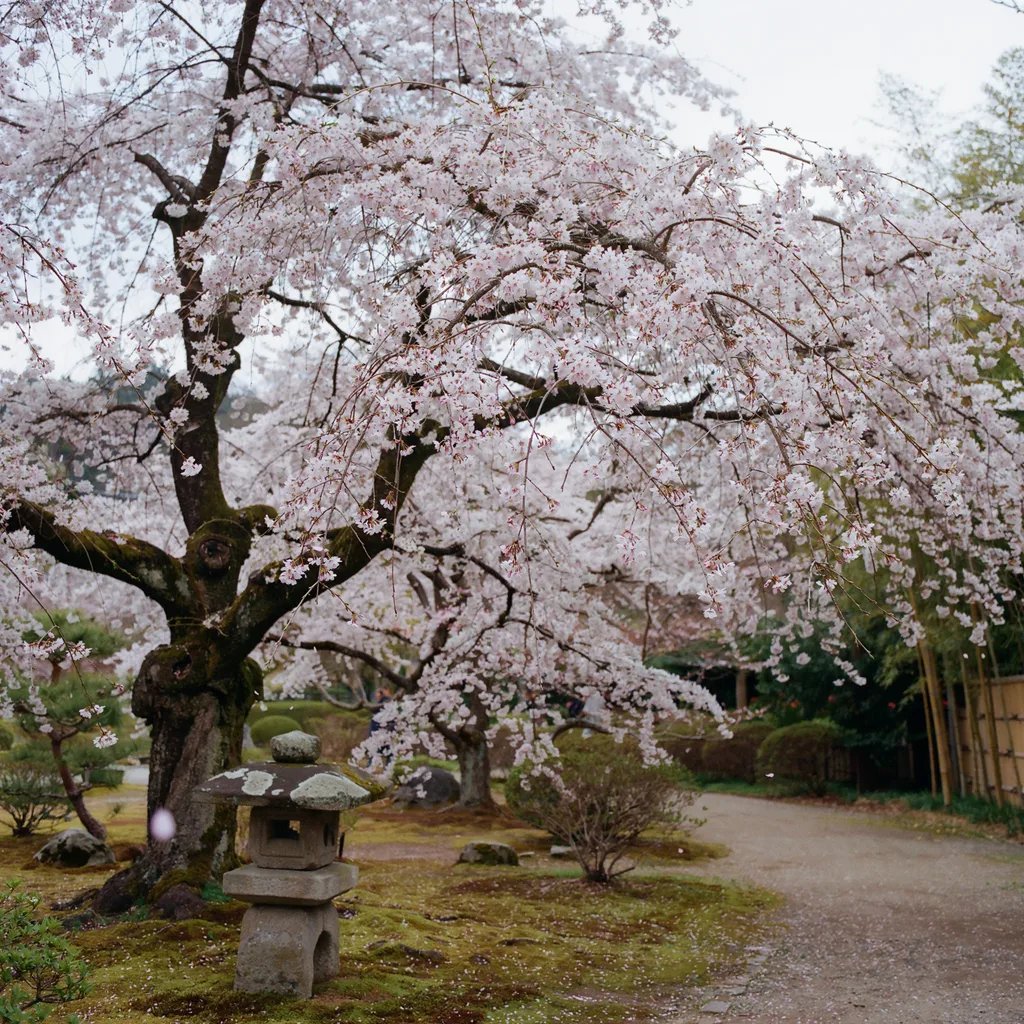
Why bloom timing determines the pruning calendar, not the season alone, is that flowering trees set their flower buds on either old wood (the previous year’s growth) or new wood (the current season’s growth), and pruning at the wrong point in that cycle removes buds that were already formed and waiting to open.
How to Tell if a Tree Blooms on Old Wood or New Wood
How to tell if a tree blooms on old wood or new wood comes down to bloom timing: trees that flower in spring, like cherry, magnolia, and lilac, almost always bloom on old wood formed the previous year, while trees that flower in summer, like crape myrtle, typically bloom on new wood grown that same season.
Spring bloomers set their flower buds the year before, so pruning them in winter or early spring removes buds that were already formed; summer bloomers set buds on new growth, so they’re pruned before that growth starts.
1. Prune Spring-Blooming Trees Immediately After Flowering
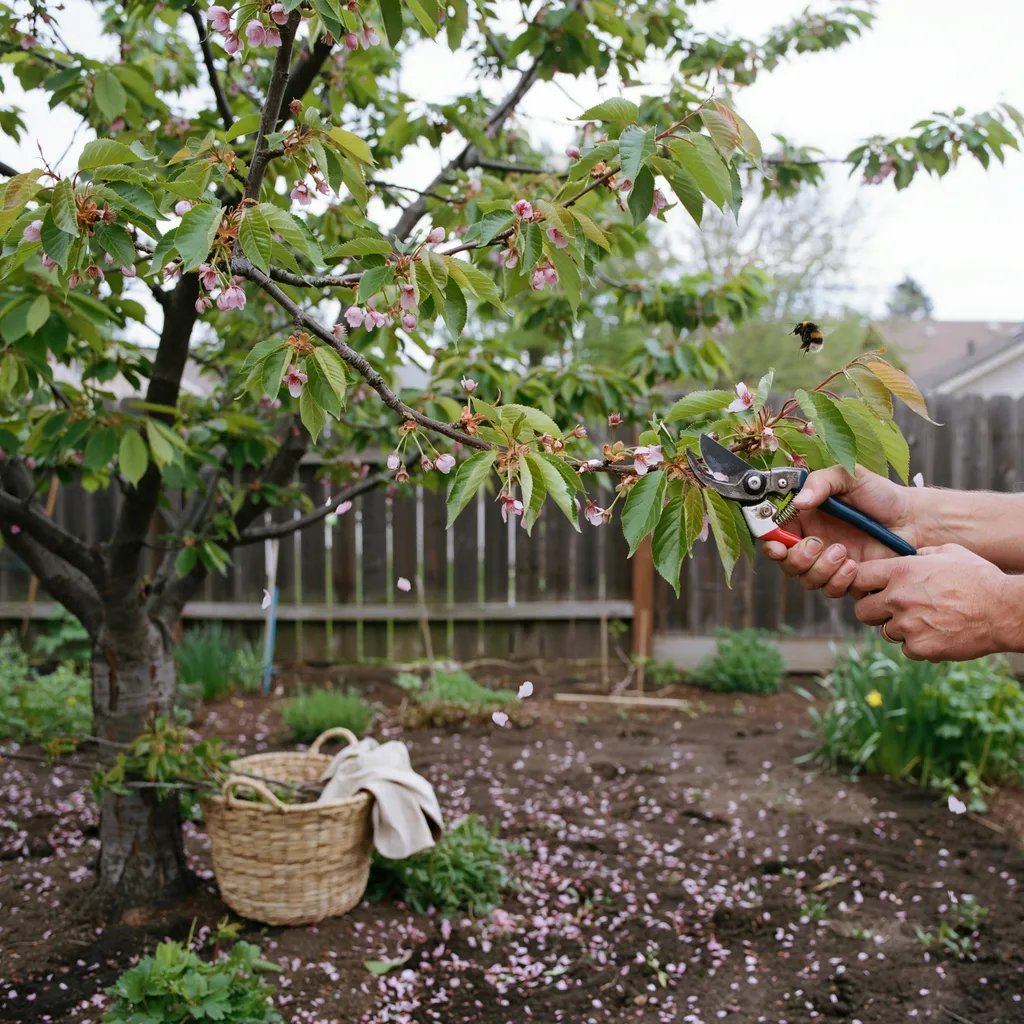
Prune spring-blooming trees immediately after flowering, within a few weeks of the last blooms fading, which gives the tree the rest of the growing season to form next year’s flower buds before winter dormancy sets in.
The window for pruning spring bloomers is genuinely narrow: too early risks cutting off remaining blooms, and too late risks removing the buds that would have opened the following spring.
2. Prune Summer-Blooming Trees in Late Winter
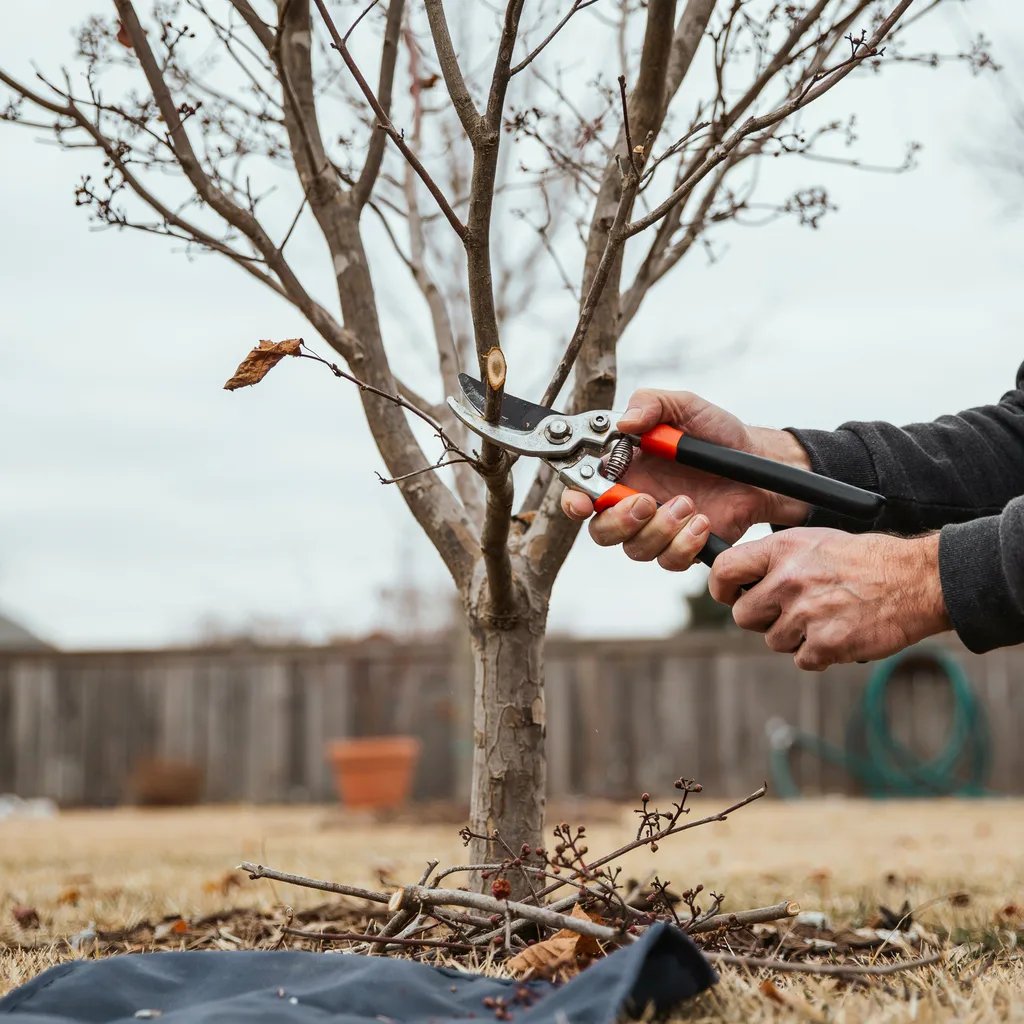
Prune summer-blooming trees in late winter, while the tree is still dormant and before new spring growth begins, since these varieties bloom on the current season’s new wood and pruning before that growth starts doesn’t sacrifice any flowers.
Late-winter dormant pruning works specifically for new-wood bloomers; using this same timing on a spring-blooming, old-wood tree removes its flower buds instead of protecting them.
3. Never Remove More Than 25 Percent of the Canopy at Once
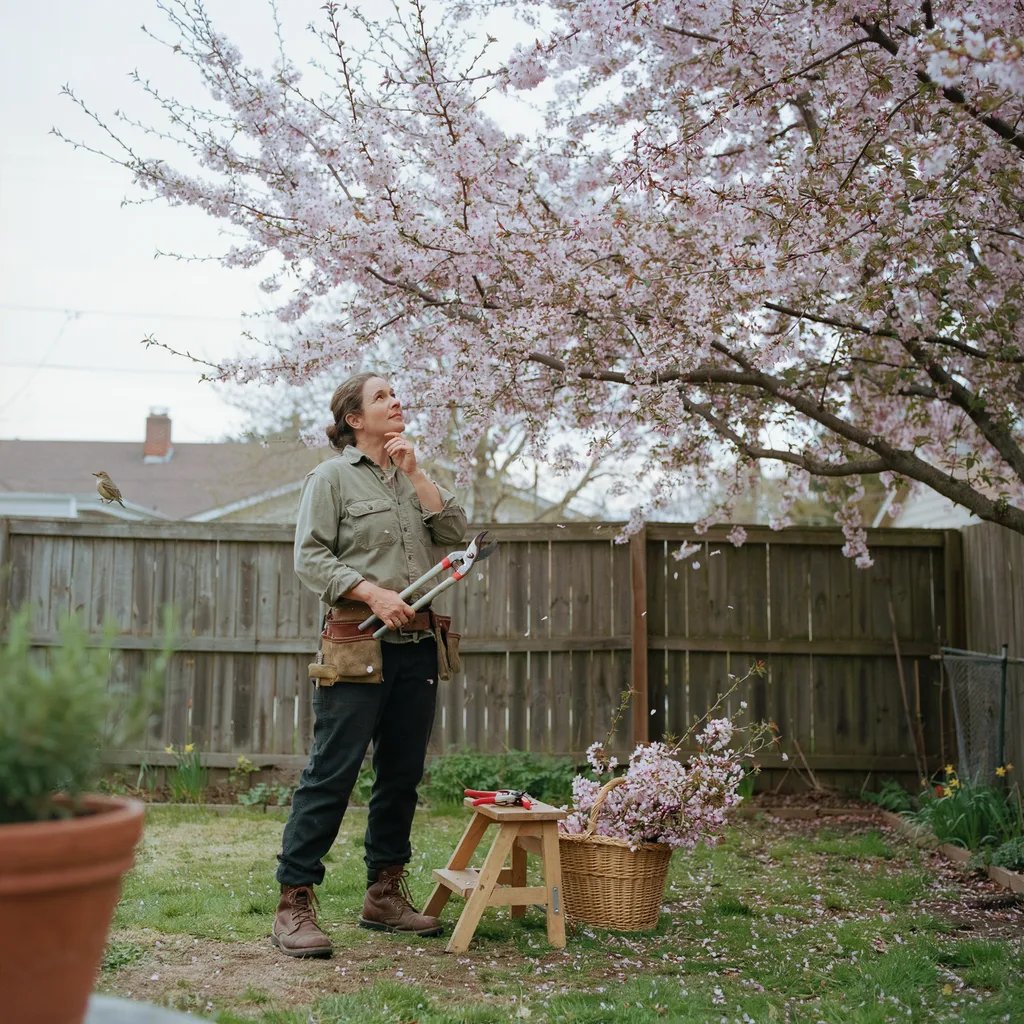
Never remove more than 25 percent of the canopy at once, since more aggressive pruning stresses the tree, can trigger a flush of unproductive water sprouts, and significantly reduces the following season’s bloom regardless of otherwise correct timing.
Why Restraint Matters More Than Frequency
Why restraint matters more than frequency is that a tree pruned lightly but consistently every year stays healthier and blooms more reliably than one left unpruned for years and then cut back hard all at once to compensate.
Consistent light pruning outperforms infrequent heavy pruning for both tree health and bloom quality, even when both approaches technically happen at the correct time of year.
4. Make Cuts at the Branch Collar, Not Flush With the Trunk
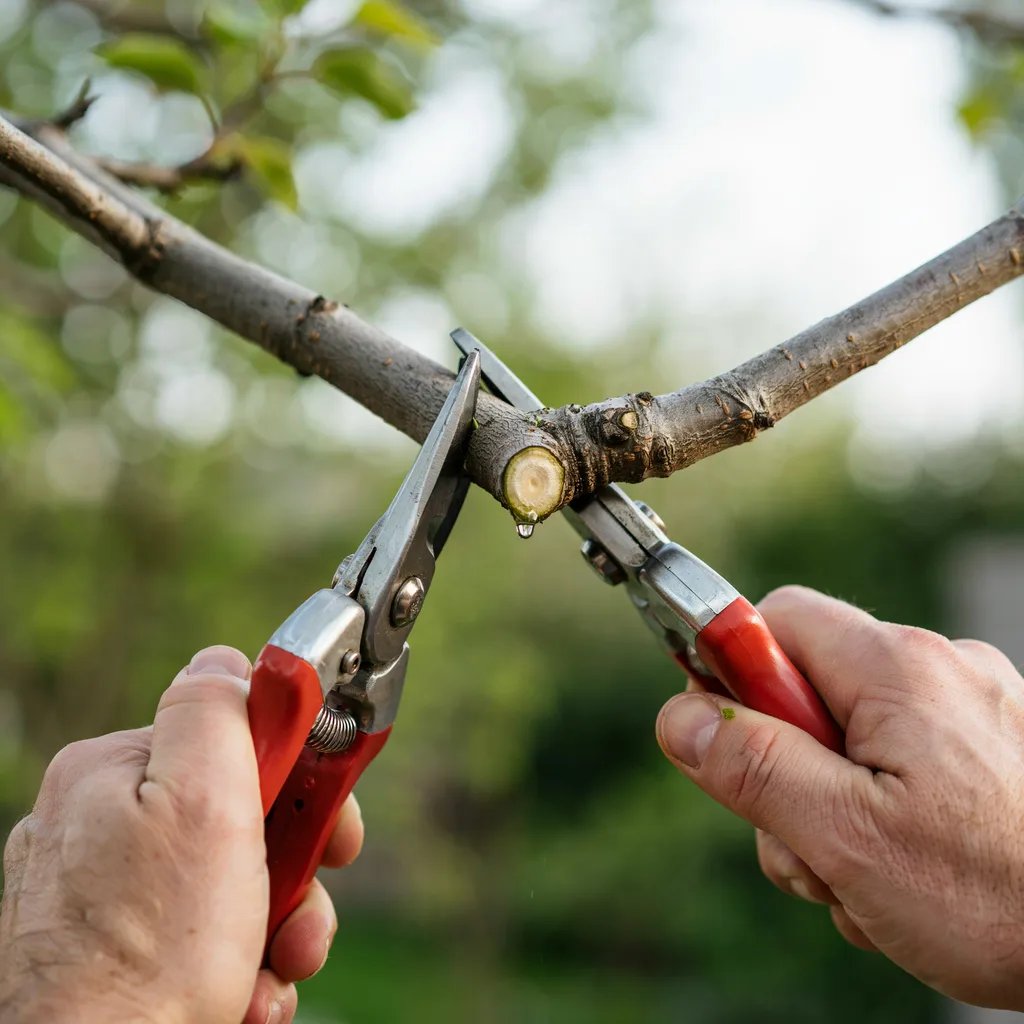
Make cuts at the branch collar, not flush with the trunk, cutting just outside the slightly swollen area where a branch meets the trunk, since this collar contains the tissue the tree uses to properly seal and heal the wound.
Cutting flush with the trunk removes the branch collar entirely, which slows healing and increases disease risk compared with a correctly placed cut just outside it.
5. Remove Dead, Damaged, and Crossing Branches First
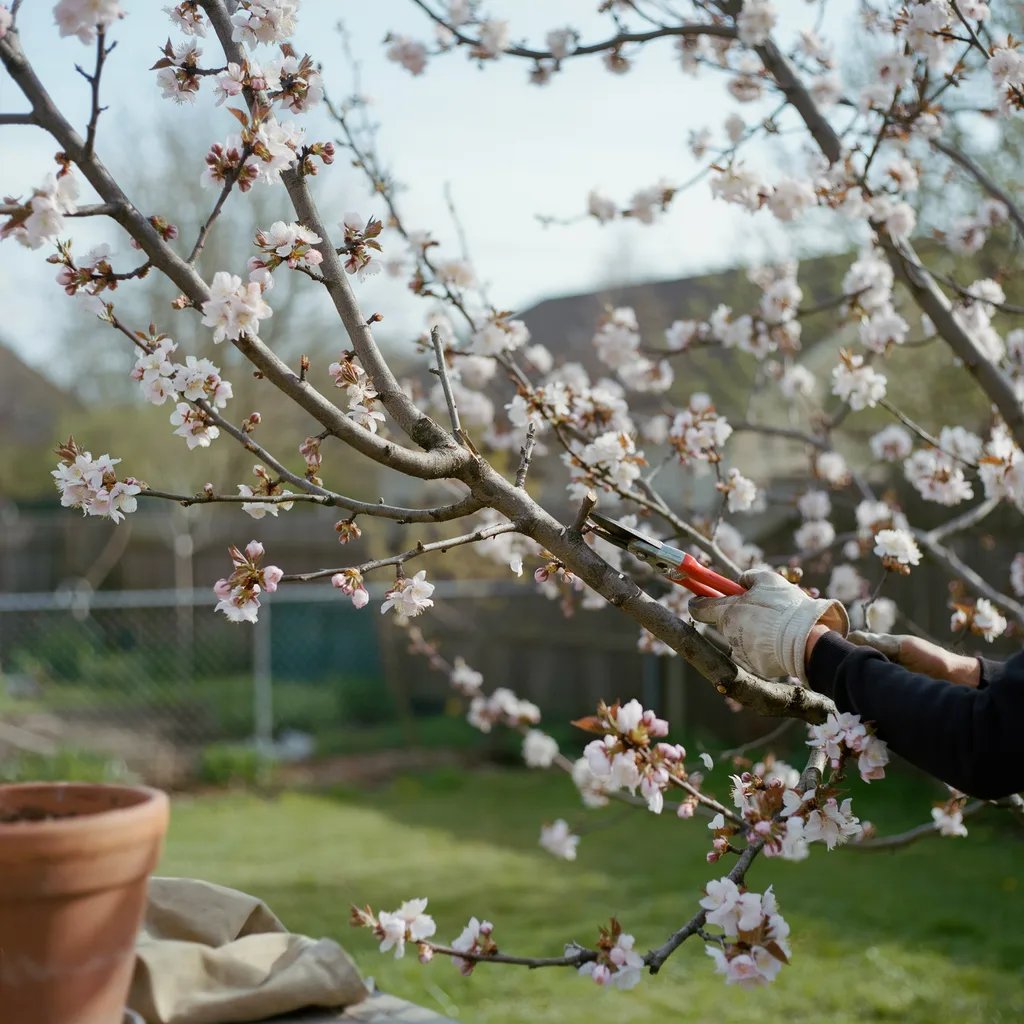
Remove dead, damaged, and crossing branches first, before making any shaping or size-reduction cuts, since this immediately improves the tree’s health and airflow and often reveals that less additional pruning is actually needed than initially expected.
Starting with dead, damaged, and crossing branches often reduces how much additional shaping pruning actually turns out to be necessary.
6. Use Sharp, Clean Tools for Every Cut
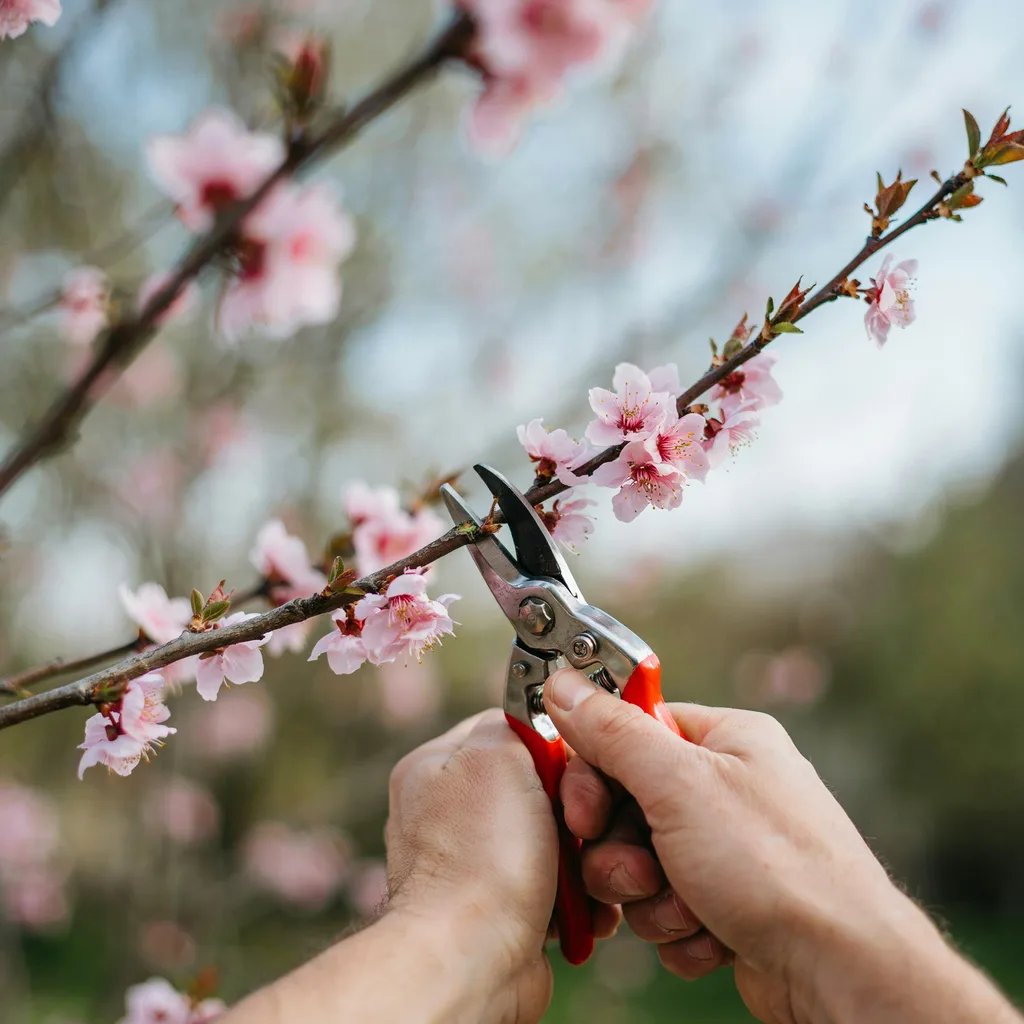
Use sharp, clean tools for every cut, since a dull blade tears rather than cleanly cuts through bark and wood, creating a ragged wound that heals more slowly and is more vulnerable to disease and pest entry than a clean cut.
Tool sharpness affects healing speed and disease resistance as much as cut placement does, making it worth checking blade condition before starting any pruning session.
7. Avoid Pruning During Active Disease Pressure in the Area
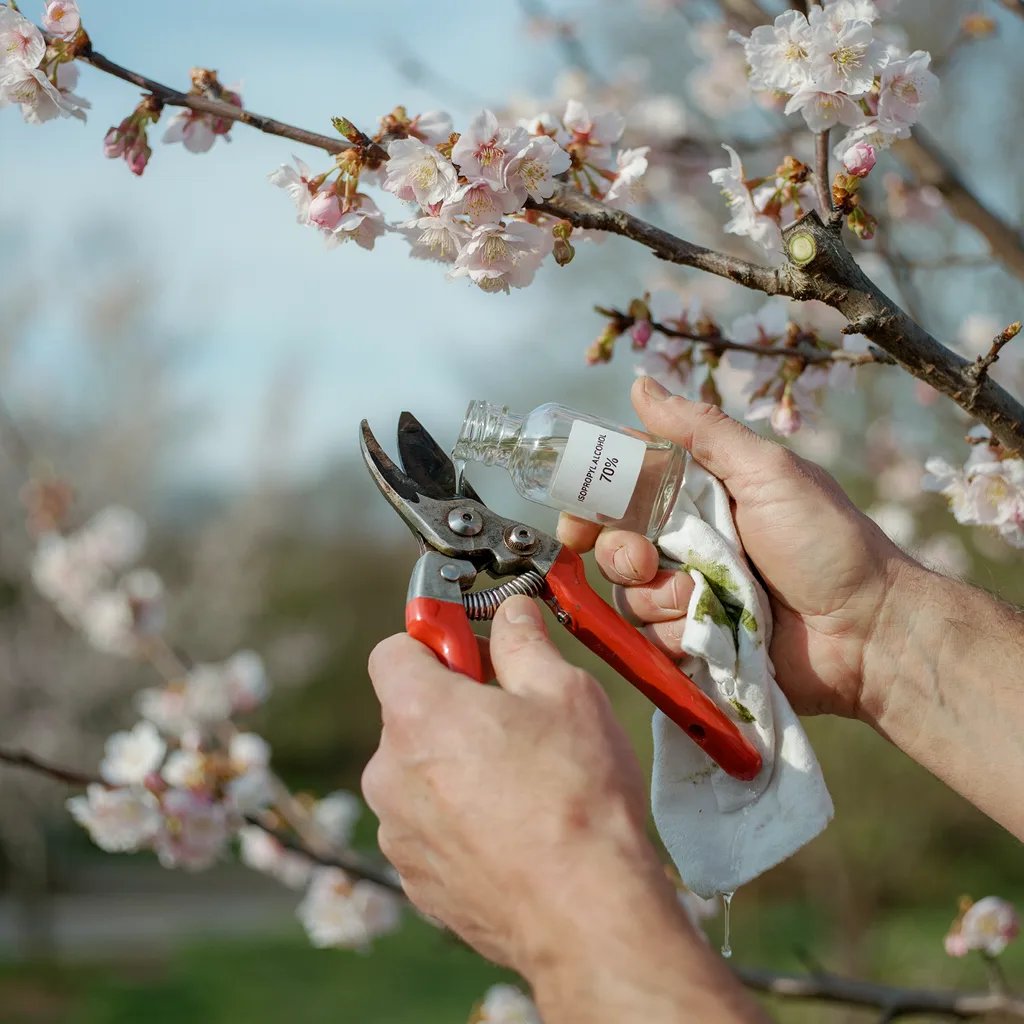
Avoid pruning during active disease pressure in the area, since fresh pruning wounds are entry points for pathogens, and pruning during a known local outbreak of a disease like fire blight can spread infection between trees via contaminated tools.
Checking for active local disease pressure before pruning, and sanitizing tools between cuts when it’s present, prevents pruning itself from becoming a disease-spreading event.
Building a Pruning Calendar for Mixed Flowering Trees
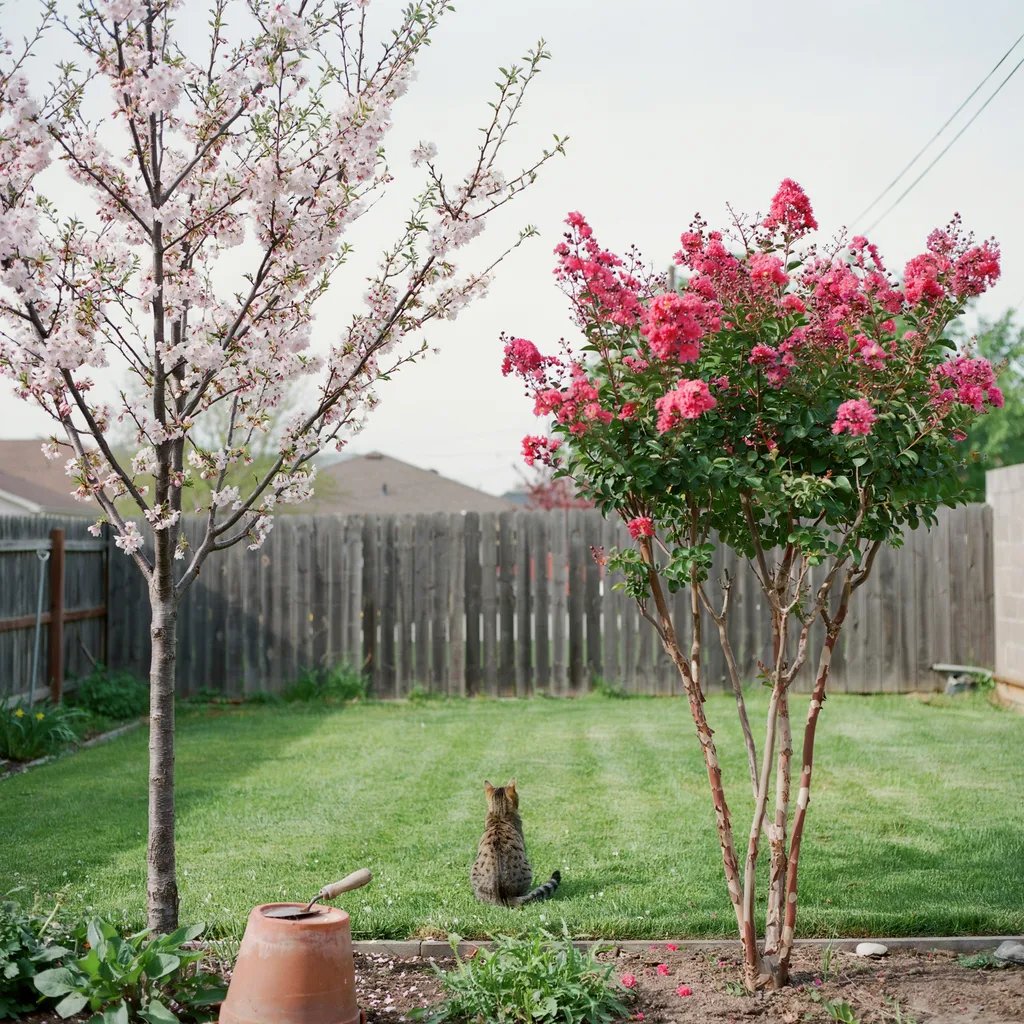
Building a pruning calendar for mixed flowering trees means tracking bloom time for each species in the yard individually rather than pruning everything on the same day, since a yard with both spring and summer bloomers genuinely needs two separate pruning windows to protect both types of flowers.
A single pruning day for an entire yard works only if every tree blooms in the same season; mixed spring and summer bloomers need their pruning spread across two different windows.
The Bottom Line
Pruning flowering trees successfully comes down almost entirely to timing, spring bloomers get pruned right after their flowers fade, summer bloomers get pruned in late winter before growth starts, since getting this backward is what actually costs a tree its next season’s display. Beyond timing, restraint (no more than 25 percent removed at once) and correct cut placement at the branch collar are what keep a tree healthy and well-shaped over years of pruning.
Frequently Asked Questions
What Happens if I Prune a Flowering Tree at the Wrong Time?
The tree generally survives, but the most common consequence is a missed or significantly reduced bloom the following season, since pruning at the wrong point in the bloom cycle removes flower buds that had already formed for the next display.
How Do I Know if My Flowering Tree Blooms on Old or New Wood?
Bloom timing is the most practical clue: trees that flower in spring almost always bloom on the previous year’s old wood, while trees that flower in mid-to-late summer typically bloom on the current season’s new growth, though checking the specific species is worth confirming for certainty.
Is It Ever Safe to Prune a Flowering Tree Outside Its Ideal Window?
Removing dead, diseased, or hazardous branches is safe at any time of year regardless of bloom timing, since tree health and safety take priority; it’s specifically the shaping and size-reduction cuts that should wait for the correct seasonal window.
How Much Should I Prune a Young Flowering Tree Compared to a Mature One?
Young trees generally need lighter, more frequent shaping cuts to establish good structure early, while mature trees need less frequent but sometimes larger cuts to maintain size and remove any developing structural issues.
Can Over-Pruning Permanently Damage a Flowering Tree?
Repeated heavy pruning beyond the 25 percent guideline can weaken a tree over time and lead to a decline in both health and bloom production, though most flowering trees can recover with a return to lighter, more restrained pruning in following seasons.
Do All Flowering Trees Need Annual Pruning?
No, many flowering trees do fine with pruning only every two to three years for shape maintenance, and annual pruning is more often needed for removing dead wood, managing size in a confined space, or maintaining a specific trained form.