
Steps to Minimize Flood Damage in the Garden

Most garden flood damage advice focuses on cleanup after the water recedes, but the steps that actually save the most plants happen before flooding occurs and in the first 24 to 48 hours during and immediately after it, while soil is still saturated. The steps below cover both windows, since waiting until water has fully receded to act is often too late for plants that could have been saved with faster intervention.
Quick Answer
Why Standing Water Duration Matters More Than Flood Volume
The 24 to 48 Hour Window That Determines Plant Survival
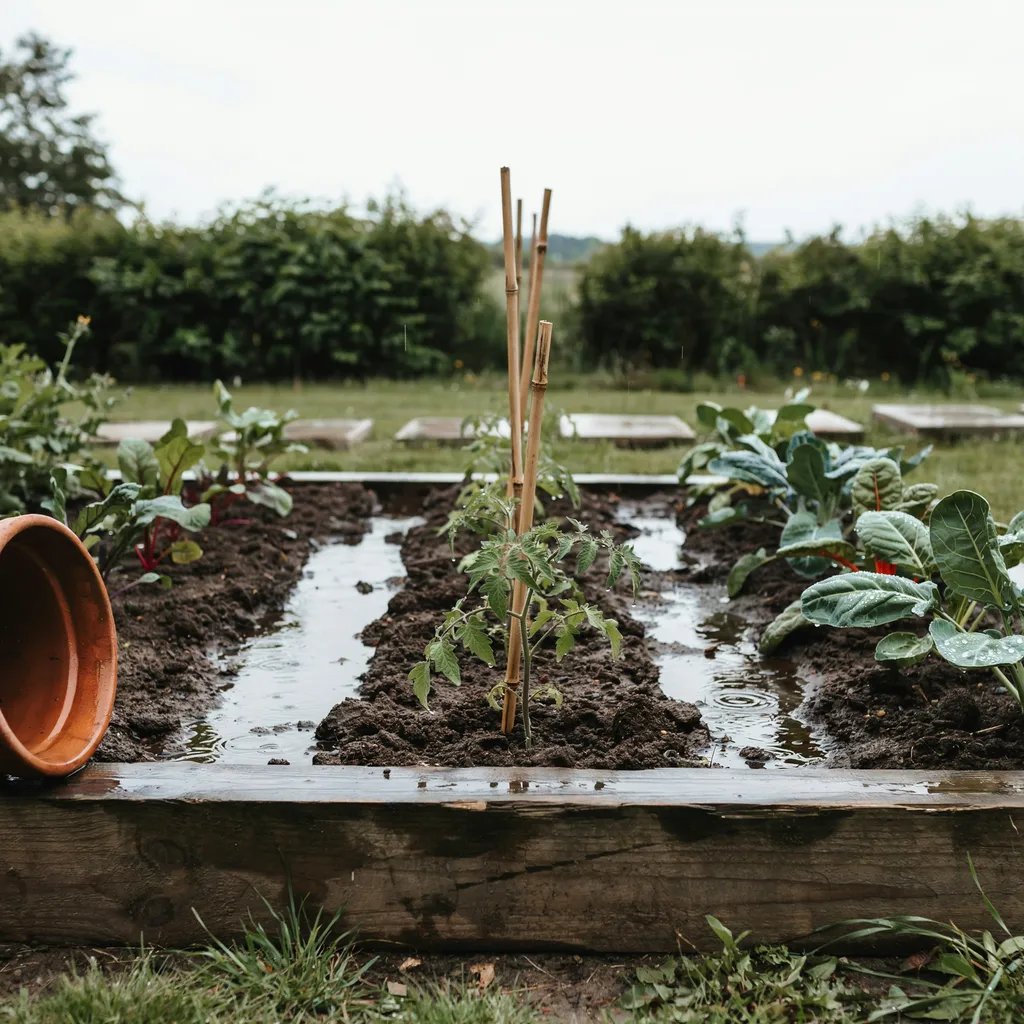
Why standing water duration matters more than flood volume is that plant roots die from lack of oxygen in saturated soil, not from the water itself, which means a garden that drains within a day often recovers fully, while one that stays waterlogged for several days suffers serious root damage regardless of how deep the water was.
The 24 to 48 hour window that determines plant survival is the rough threshold most plant roots can tolerate before oxygen deprivation causes lasting damage, which is why drainage speed, not flood depth, is the factor gardeners have the most control over improving.
How fast a garden drains matters more to plant survival than how deep the flooding got, which is why drainage improvement is the highest-leverage prevention step available.
1. Improve Drainage Before Flooding Becomes a Recurring Problem
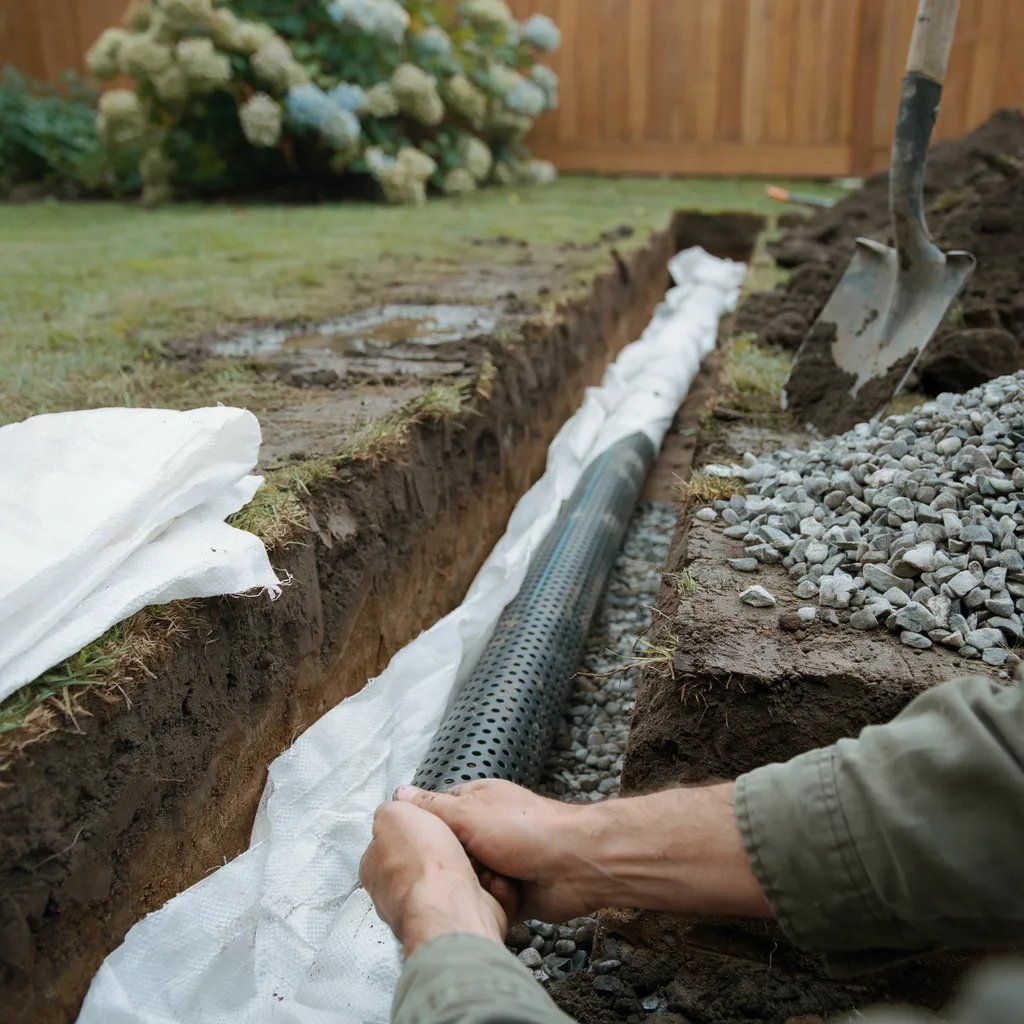
Improve drainage before flooding becomes a recurring problem by identifying the specific low points where water pools longest after rain and addressing them directly, whether through grading, French drains, or amended soil, rather than waiting for the next flood to reveal the same pattern again.
Mapping where water actually pools after a normal rain, before a major flood event happens, identifies exactly where drainage improvements will do the most good.
2. Build Raised Beds in Known Low-Lying Areas
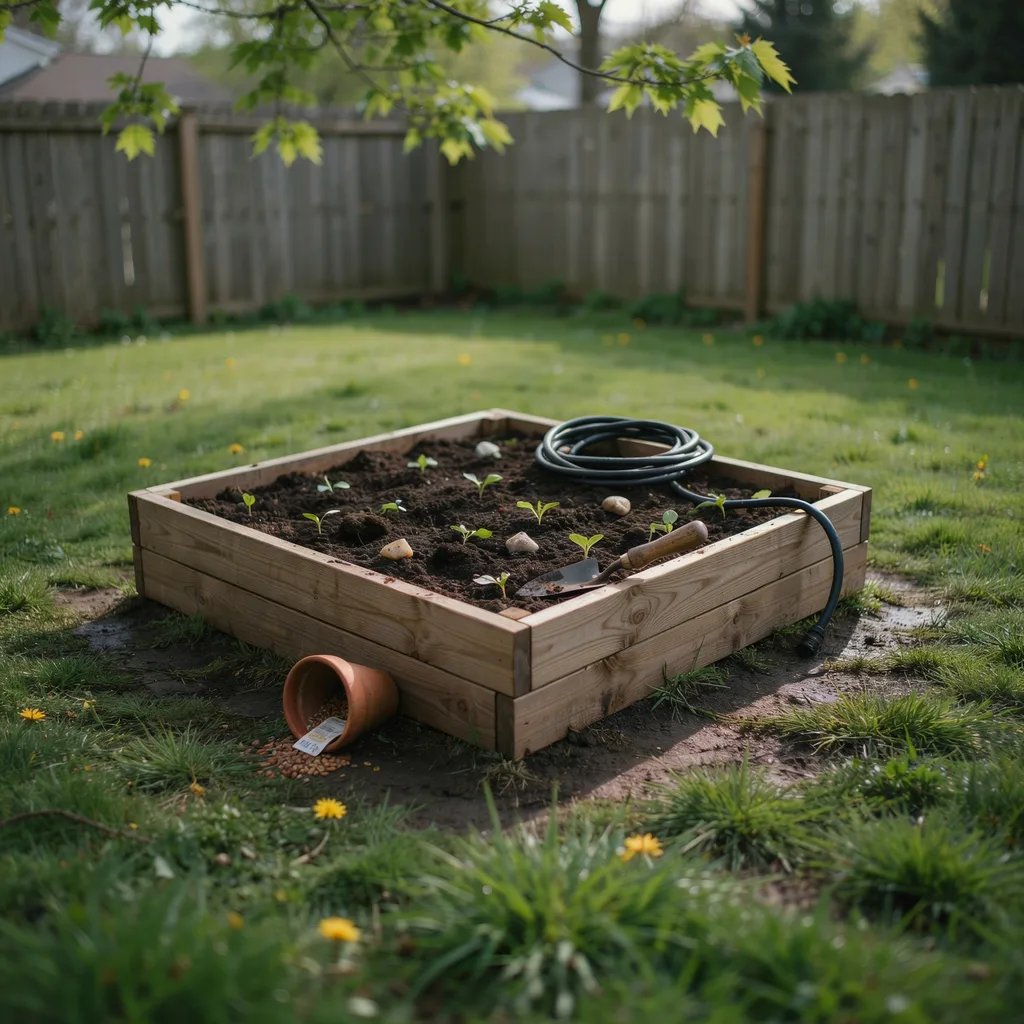
Build raised beds in known low-lying areas, since raising the planting surface even 8 to 12 inches above grade can be the difference between a bed that drains within hours and one that stays waterlogged for days during heavy rain.
Raised beds are one of the most direct, low-tech solutions to chronic flooding in a specific low spot, since they change drainage timing without requiring major grading work.
3. Group Flood-Tolerant Plants in the Most Flood-Prone Areas
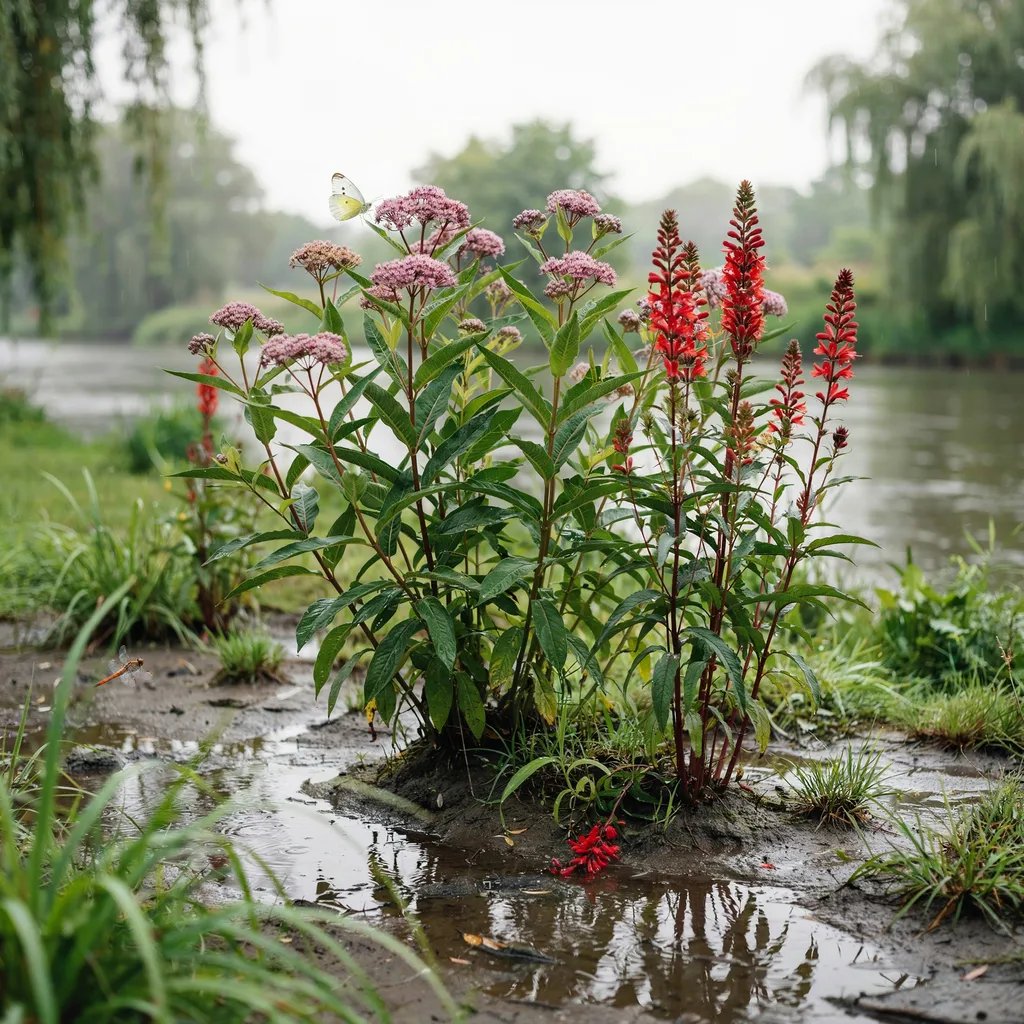
Group flood-tolerant plants in the most flood-prone areas rather than fighting drainage in a spot that floods every season, choosing species genuinely adapted to occasional standing water for that specific location instead.
Matching plant choice to a genuinely flood-prone spot is often more practical long-term than repeatedly trying to drain an area that floods every significant rain event.
4. Avoid Walking on Saturated Soil During and After Flooding
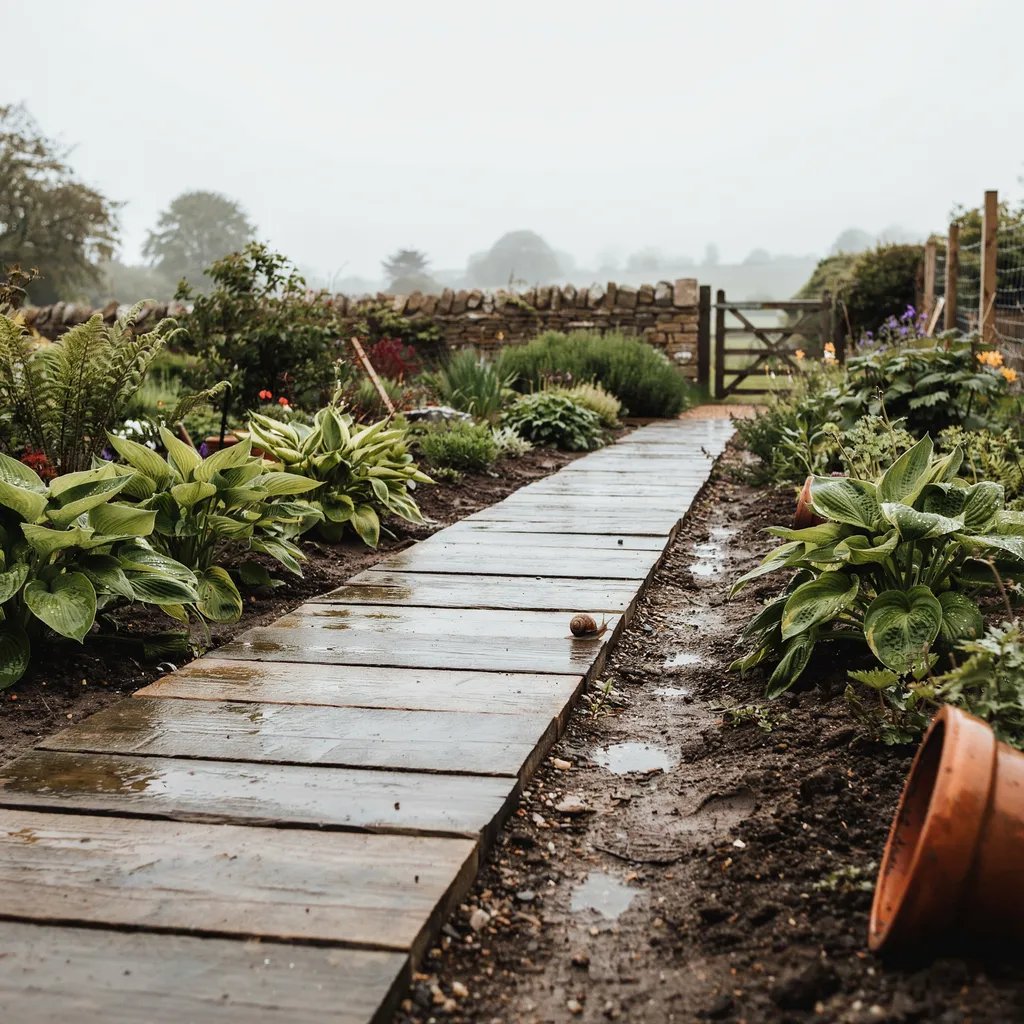
Avoid walking on saturated soil during and after flooding, since foot traffic on waterlogged ground compacts soil significantly more than it would when dry, and that compaction further reduces the oxygen availability roots need to recover.
Compaction from walking on saturated soil compounds the oxygen-deprivation problem flooding already causes, making it worth staying off wet beds even when checking on them.
5. Do Not Fertilize Wet or Recently Flooded Soil
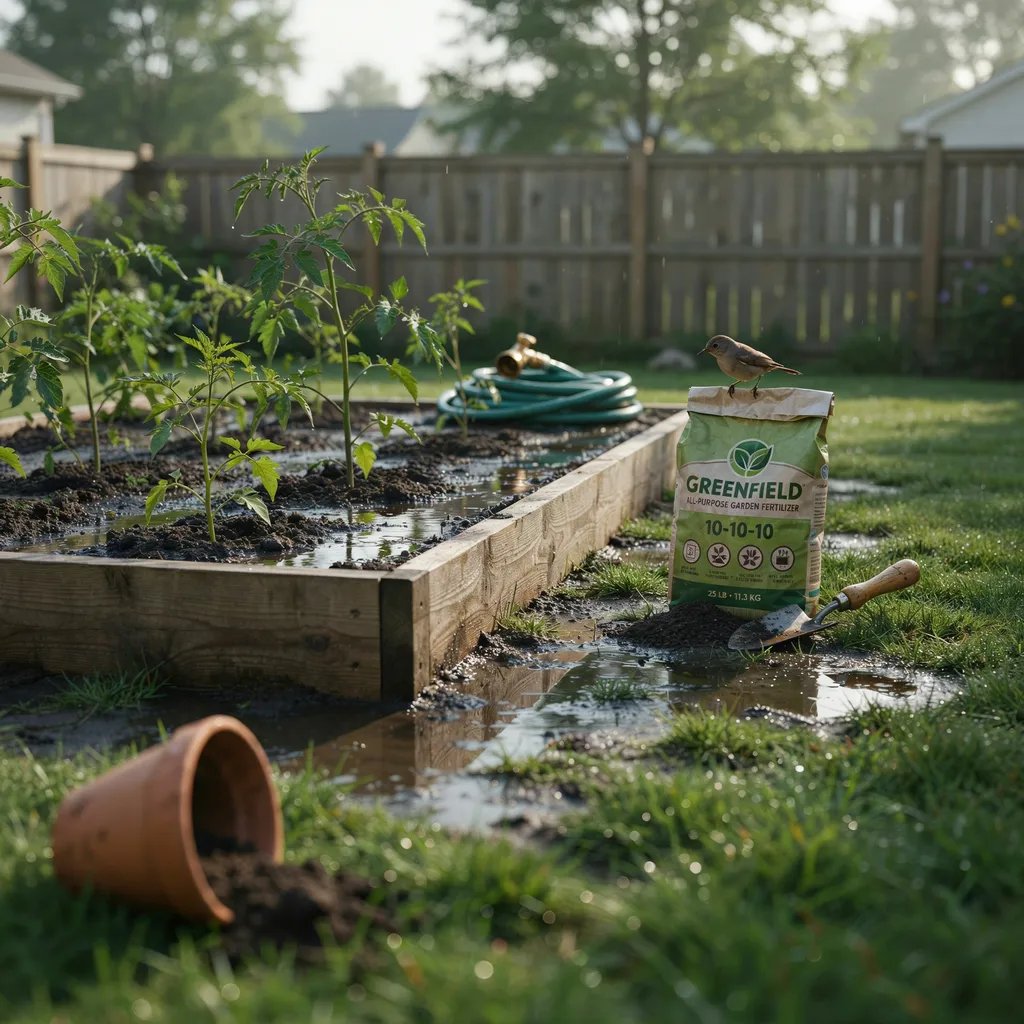
Do not fertilize wet or recently flooded soil, since stressed, oxygen-deprived roots can’t effectively take up nutrients anyway, and excess fertilizer sitting in saturated soil can actually cause additional root damage on top of the flood stress already present.
Fertilizing a recently flooded bed does more harm than good; stressed roots can’t use the nutrients, and the excess can compound the existing damage.
6. Check for Standing Water Daily Until the Garden Fully Drains
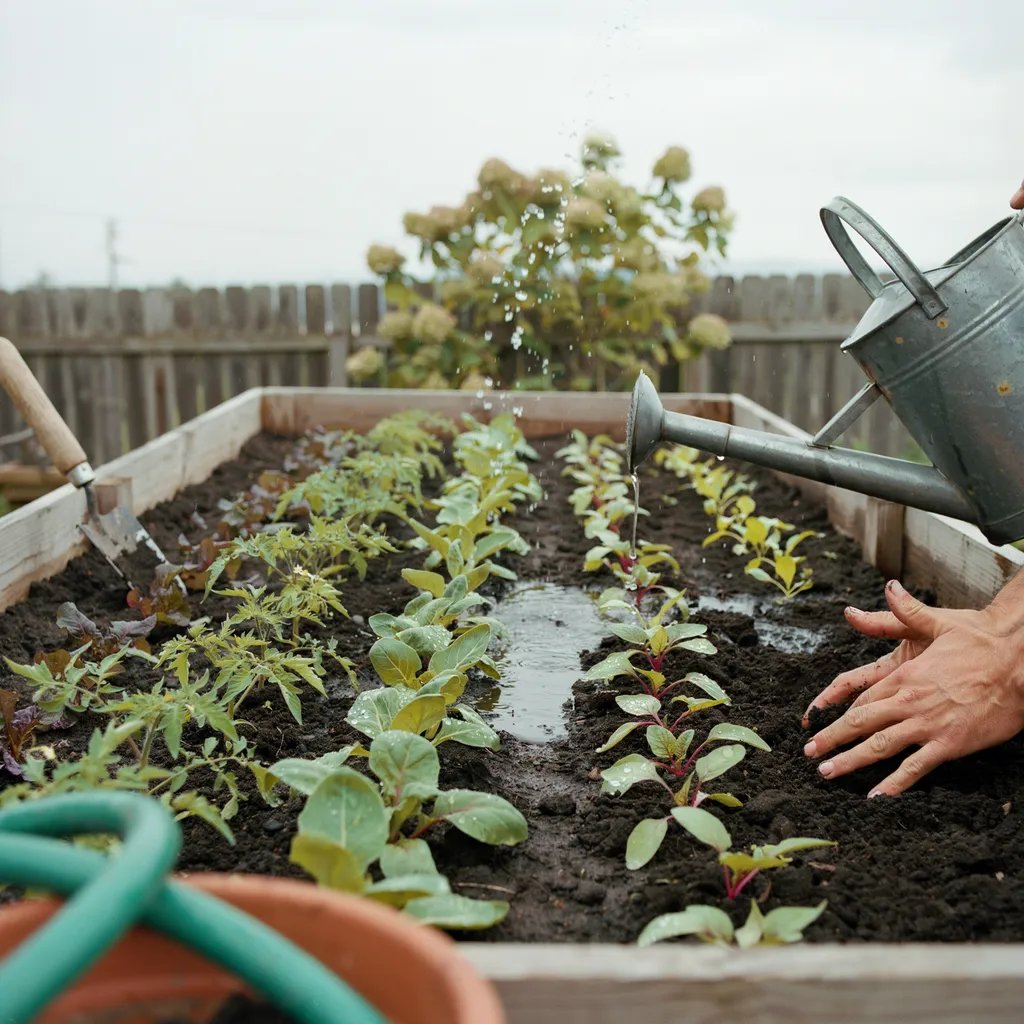
Check for standing water daily until the garden fully drains, tracking specifically how many days a given area stays saturated, since that count is the clearest available indicator of how much root damage to expect once the water is gone.
Tracking exactly how long an area stays saturated gives a much more useful survival prediction than simply noting that flooding occurred at all.
7. Gently Rinse Silt and Debris Off Foliage Once Water Recedes
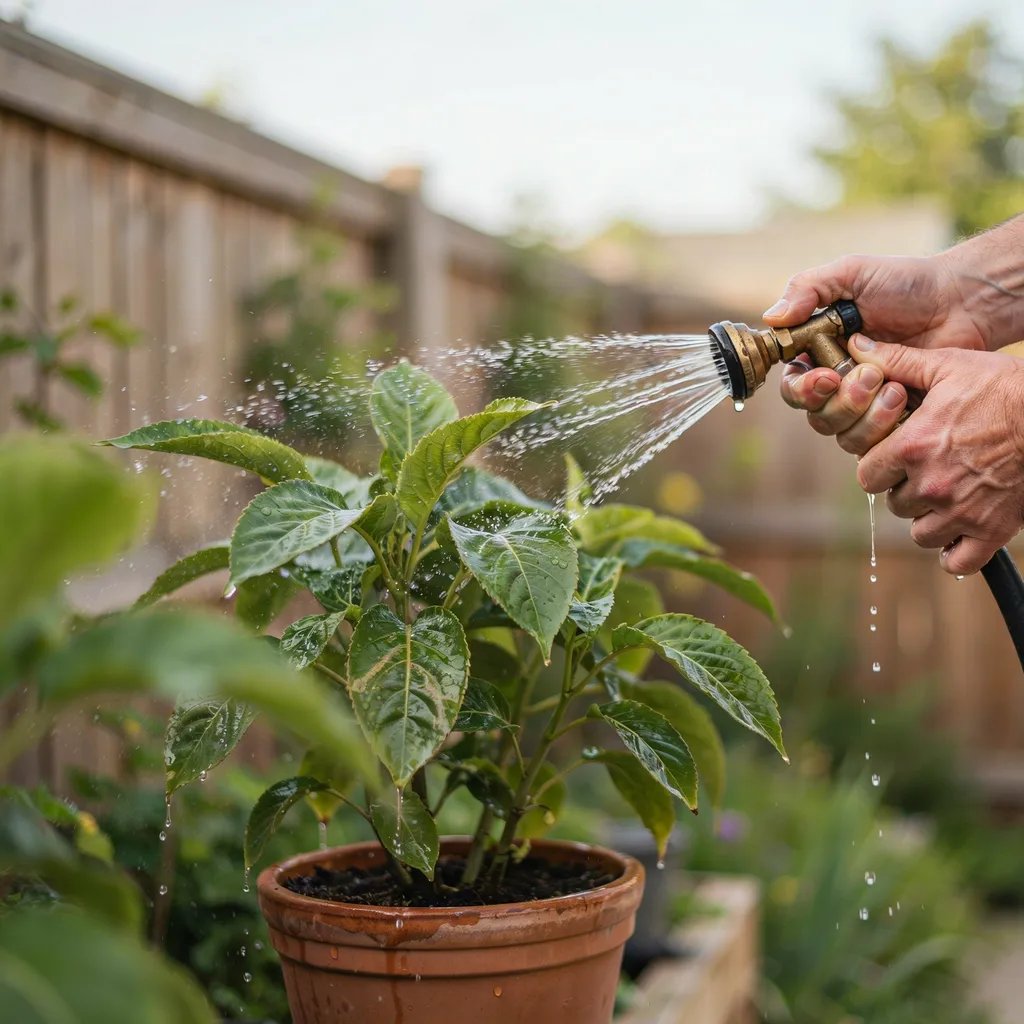
Gently rinse silt and debris off foliage once water recedes, since a layer of dried silt on leaves blocks light and interferes with photosynthesis at exactly the moment a stressed plant most needs its leaves working efficiently.
Silt left on leaves after floodwater recedes actively hampers a stressed plant’s recovery by blocking photosynthesis, making a gentle rinse a genuinely useful, low-effort recovery step.
8. Delay Major Pruning Until New Growth Reveals What Survived
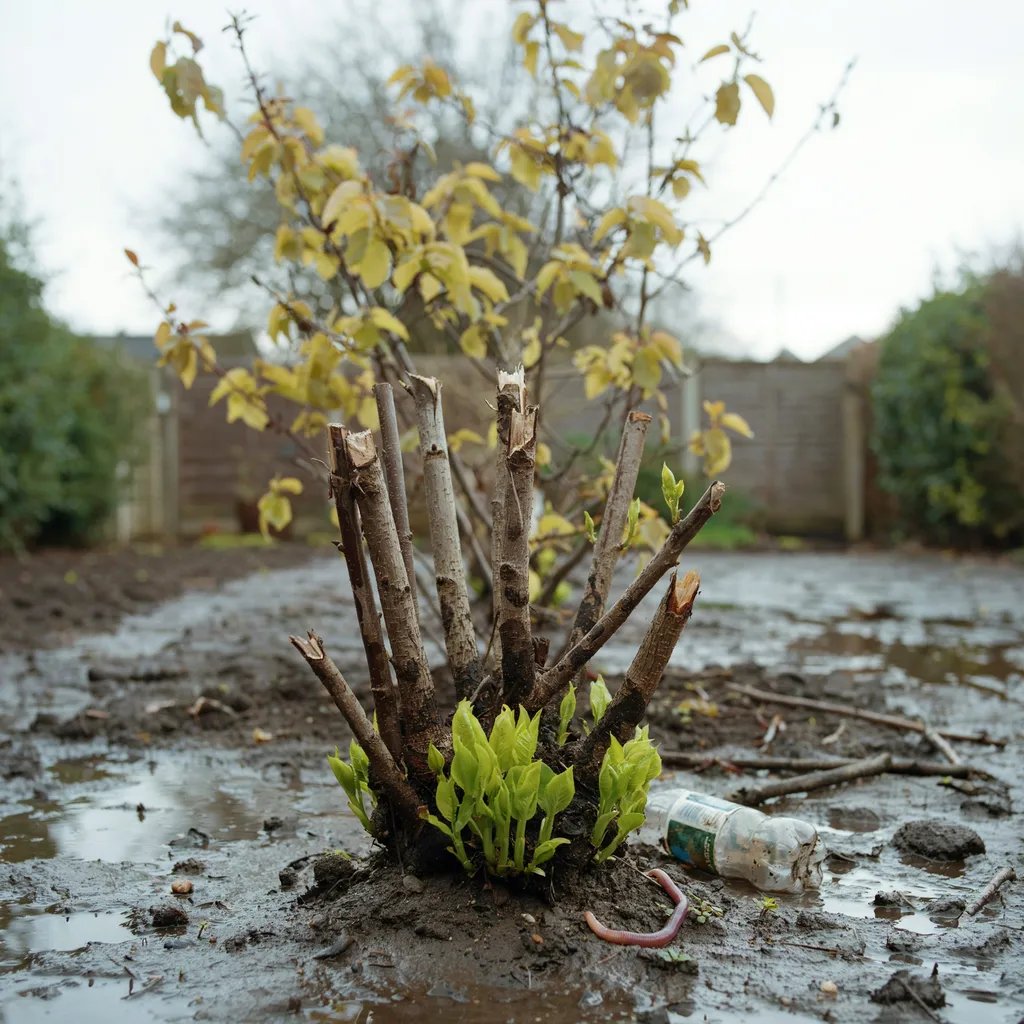
Delay major pruning until new growth reveals what survived, since cutting back branches or stems that look damaged immediately after a flood risks removing tissue that would have recovered, when waiting a few weeks for new growth to appear gives a much clearer picture of actual plant damage.
Premature pruning after a flood risks cutting away parts of a plant that would have recovered on their own; waiting for new growth to confirm what’s actually dead avoids that mistake.
The Bottom Line
Minimizing garden flood damage comes down to drainage speed more than flood severity, since plant roots are damaged by prolonged oxygen deprivation in saturated soil, not by the water itself, which means improving drainage and building raised beds before flooding happens matters more than any single response afterward. Staying off saturated soil, holding off on fertilizer, and waiting for new growth before pruning are the response steps that actually protect a garden’s recovery once water has receded.
Frequently Asked Questions
How Long Can Most Garden Plants Survive Standing Water?
Most common garden plants begin suffering meaningful root damage after roughly 24 to 48 hours of standing water, though tolerance varies significantly by species, with genuinely flood-tolerant plants able to handle several days without the same level of harm.
Should I Remove Mulch After a Flood?
Waterlogged mulch that’s compacted into a dense, airless layer can be worth removing and replacing once soil starts to dry, since it can trap additional moisture against the soil surface right when better drainage and airflow are what the recovering bed actually needs.
Is It Safe to Eat Vegetables That Were Exposed to Floodwater?
Generally no; floodwater can carry contaminants, sewage overflow, and chemical runoff, so most food safety guidance recommends discarding any edible portion of a vegetable that contacted floodwater directly, even if the plant itself survives and continues growing.
How Do I Know if a Plant Is Actually Dead After Flooding Versus Just Stressed?
Waiting several weeks for new growth is the most reliable test; a plant showing fresh green shoots, even from a badly damaged base, has a real chance of recovery, while one showing no new growth after a reasonable recovery window has likely lost its root system.
Can Improving Soil Structure Reduce Future Flood Risk?
Yes, amending heavy clay soil with organic matter improves its ability to absorb and drain water more quickly, which directly reduces how long an area stays saturated after a rain event compared with dense, poorly structured soil.
Are Raised Beds Always the Right Solution for a Flood-Prone Yard?
Raised beds help significantly with localized low spots, but a yard with a broader drainage problem, water flowing in from a higher neighboring property, for example, may need grading or drainage system changes addressing the source of the water, not just raised planting areas.