
Is Lambs Quarters a Weed or a Vegetable?

Lambs quarters is genuinely a nutritious, entirely edible green related to spinach, meaning the “weed” label applied to this common garden volunteer reflects its unwanted presence in a specific spot rather than any actual toxicity or inedibility, making it worth genuinely reconsidering as a harvestable vegetable rather than automatically pulling and discarding it the way a truly problematic weed would warrant.
Quick Answer
“Weed” Describes Location, Not Danger
Why Many “Weeds” Are Edible
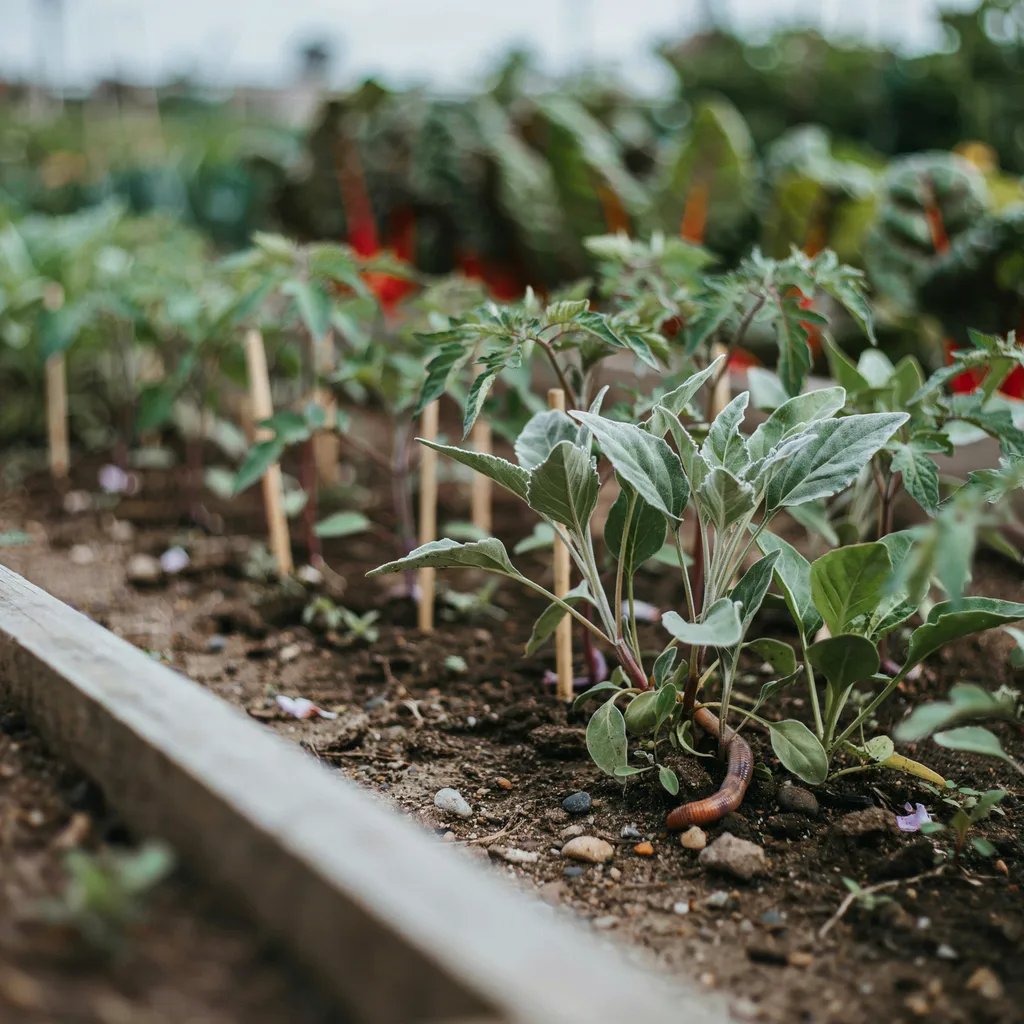
Why “weed” genuinely describes location, not any inherent danger or inedibility, is that this label genuinely just means “a plant growing somewhere it wasn’t intentionally planted,” a definition that says nothing about whether that plant is actually harmful or inedible, meaning lambs quarters’ weed status reflects its unplanned garden presence rather than any genuine safety or nutritional concern about the plant itself.
The definitional distinction that explains why many “weeds” are genuinely edible or beneficial is that the weed category genuinely includes many plants that are nutritious, medicinally useful, or ecologically beneficial, meaning the automatic instinct to remove and discard any plant carrying this label overlooks the genuine value some of these unplanted volunteers, lambs quarters prominently among them, actually offer.
Understanding “weed” as a purely contextual label, not an indicator of actual plant properties, explains why lambs quarters’ genuine edibility and nutritional value coexist entirely comfortably with its common weed classification, making this reconsideration worthwhile before automatically discarding this particular plant.
Its Botanical Relationship to Spinach
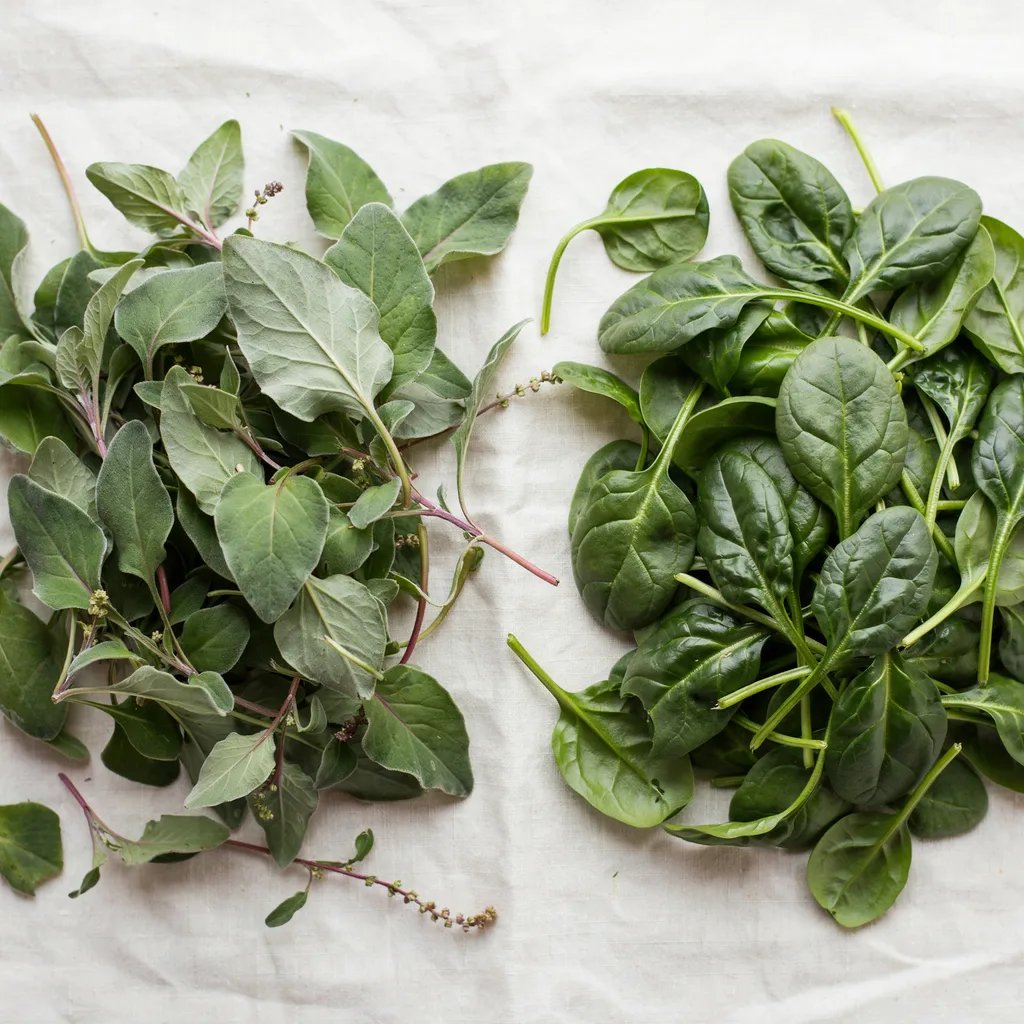
Recognizing lambs quarters’ genuine botanical relationship to spinach and quinoa means understanding that this plant belongs to the same broader plant family as these well-known, widely eaten crops, a genuine botanical relationship that helps explain both its nutritious profile and its genuinely pleasant, spinach-like flavor and texture when prepared similarly.
This genuine family relationship to already familiar, widely trusted edible plants makes lambs quarters’ own edibility considerably more intuitive and credible than it might seem for an unfamiliar plant volunteering in a garden bed without this context.
Harvesting Young, Tender Leaves and Shoot Tips for the Best Culinary Quality
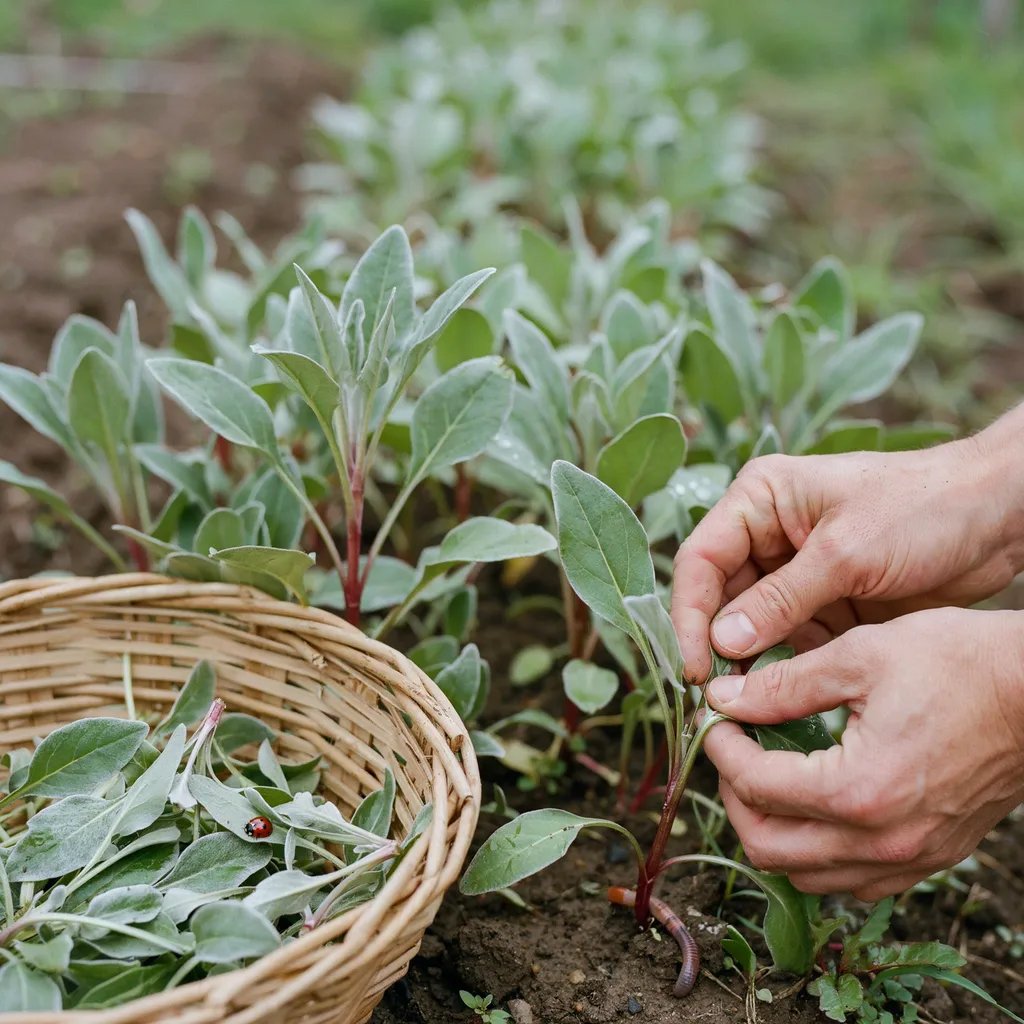
Harvesting young, tender leaves and shoot tips for the best culinary quality means specifically selecting younger growth for eating, since these tender portions genuinely offer better flavor and texture than older, more mature leaves, which can develop a tougher texture as the plant matures further into its growth cycle.
Selective harvesting of younger growth genuinely produces a considerably better culinary result than attempting to use older, tougher plant material, making harvest timing worth paying attention to for anyone specifically choosing to eat this plant.
Preparing Lambs Quarters Similarly to Spinach in Cooked or Raw Preparations
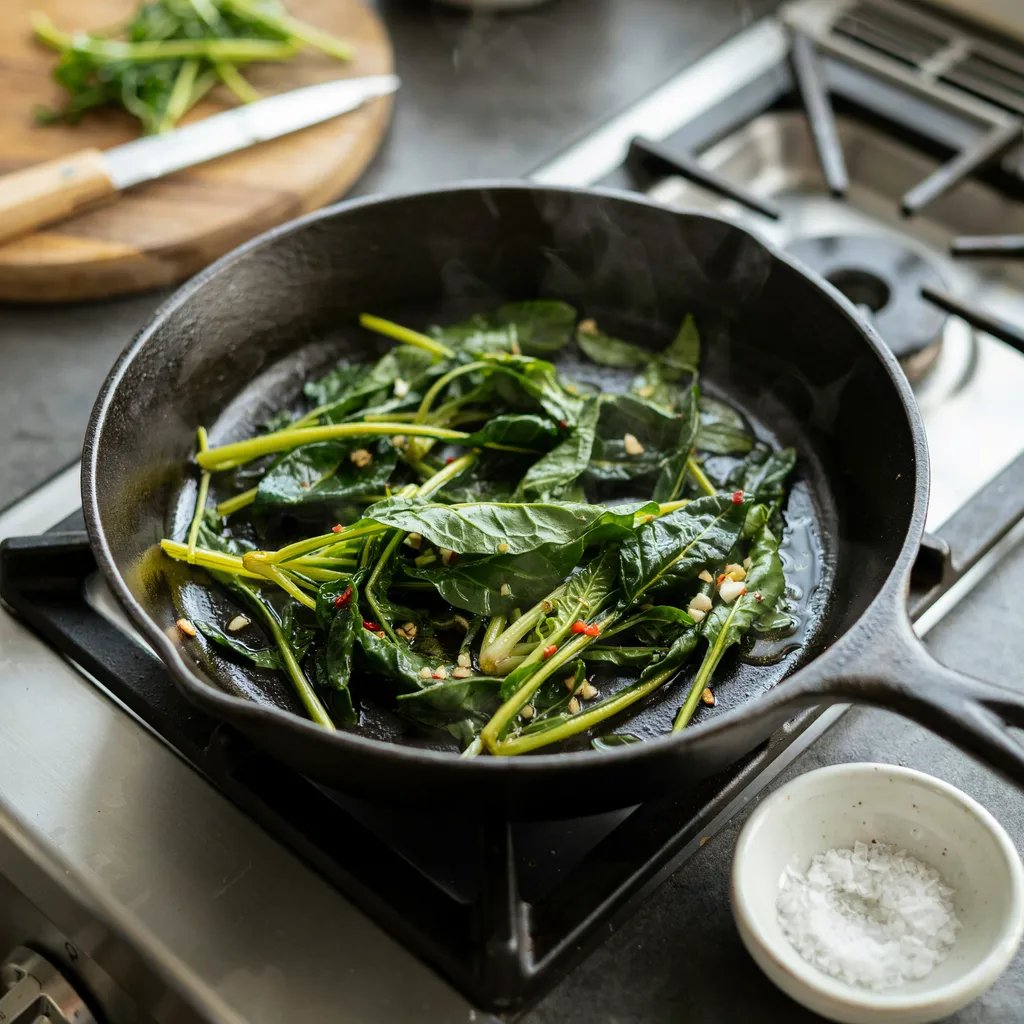
Preparing lambs quarters similarly to spinach in cooked or raw preparations means using this green in ways genuinely comparable to how spinach gets used, sautéed, added to soups, or used raw in modest quantities in salads, taking advantage of its genuine culinary similarity to this more familiar, closely related vegetable.
This genuine culinary versatility, comparable to spinach’s own wide range of uses, makes lambs quarters a practically useful addition to meals rather than simply a curiosity, worth actually incorporating into cooking rather than treating purely as a novelty.
Edibility Doesn’t Eliminate Crop Competition
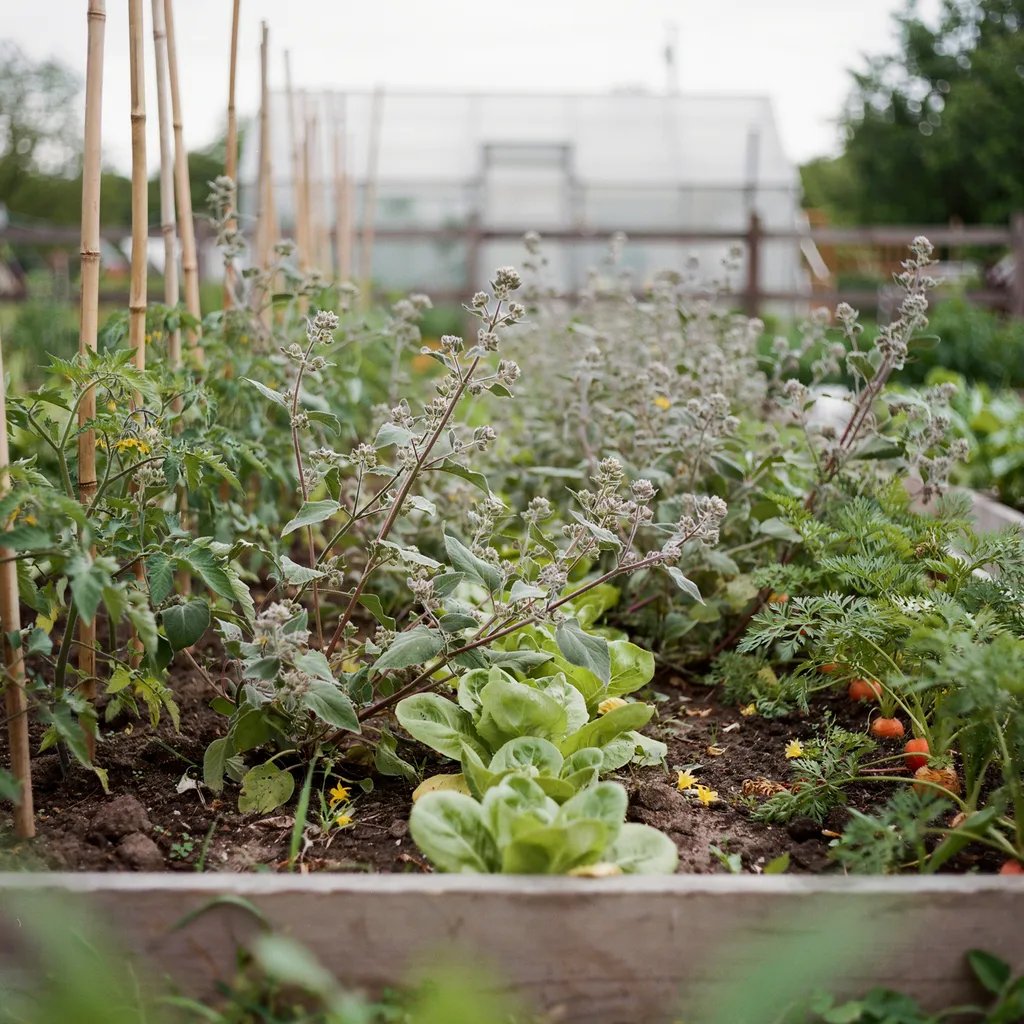
Recognizing that genuine edibility doesn’t eliminate its potential to compete with planted crops means understanding that lambs quarters can still genuinely compete for water, nutrients, and space with intentionally planted garden crops if left to grow unchecked, meaning its edibility is a reason to consider harvesting rather than simply pulling and discarding it, not a reason to ignore its potential to still cause genuine competition if left entirely unmanaged.
Balancing genuine edibility against genuine competitive potential means the most practical approach often involves selective harvesting for food use combined with appropriate management to prevent excessive spread, rather than either complete removal or complete unchecked tolerance.
Confirming Positive Identification Before Consuming Any Wild-Growing Plant Material
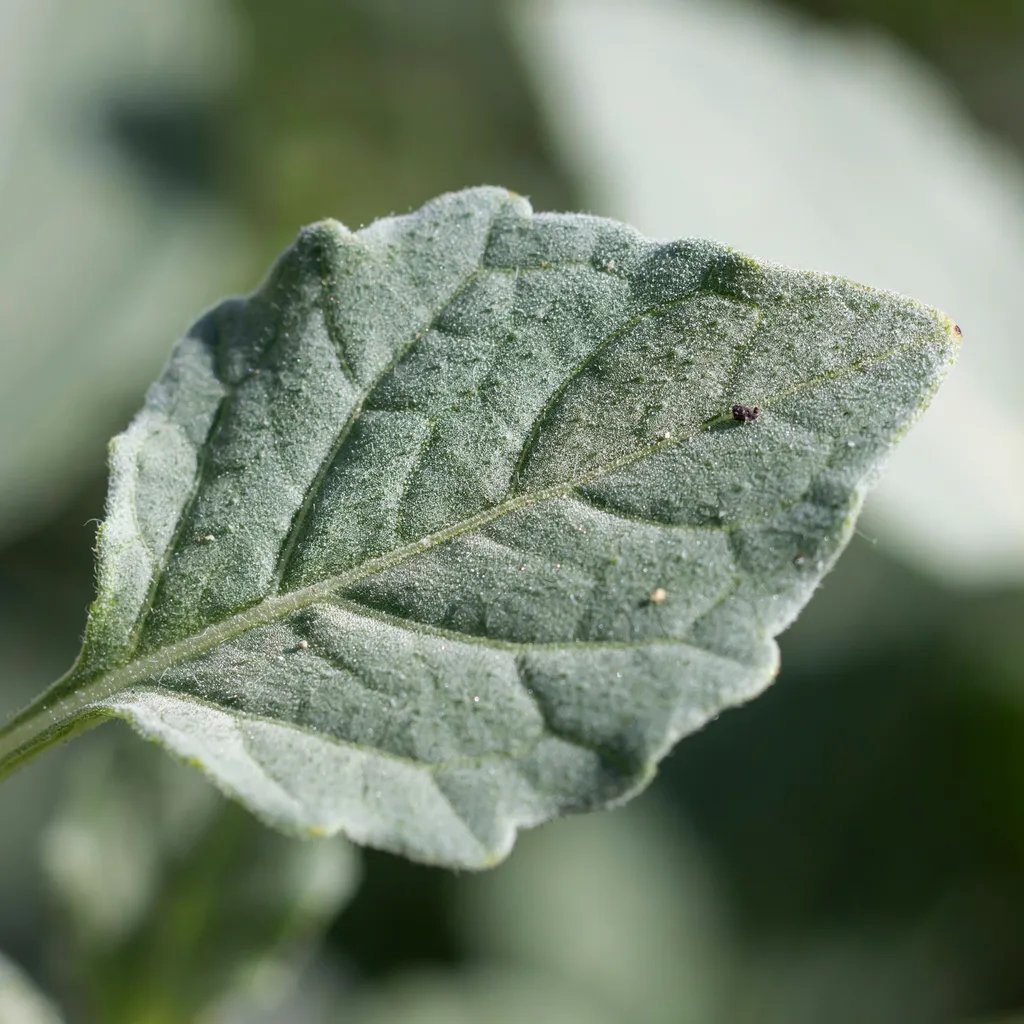
Confirming positive identification before consuming any wild-growing plant material means genuinely verifying accurate identification through reliable sources or expert confirmation before eating any volunteer plant, since confusing lambs quarters with a similar-looking but genuinely different, potentially harmful plant represents a real risk worth taking seriously regardless of lambs quarters’ own genuine safety.
Positive identification confidence is a genuine prerequisite for safely consuming any wild or volunteer plant material, making this verification step worth prioritizing before eating lambs quarters or any other similarly foraged garden volunteer.
The Bottom Line
Lambs quarters is genuinely both a weed and a vegetable simultaneously, since its common “weed” classification reflects only its unplanned garden presence, not any actual toxicity or inedibility, while its genuine botanical relationship to spinach and quinoa, real nutritional value, and comparable culinary versatility make it a legitimately worthwhile edible green rather than simply a nuisance to eliminate. Harvesting young, tender growth for cooking similarly to spinach, while still managing its spread to prevent excessive competition with intentionally planted crops, and confirming positive identification before eating any wild plant material round out a genuinely practical approach to this common, often misunderstood garden volunteer.
Frequently Asked Questions
How Can I Confidently Identify Lambs Quarters if I’m Not Already Familiar With What It Looks Like?
Lambs quarters genuinely has distinctive diamond-shaped leaves with a characteristic light, mealy or powdery-looking coating, particularly on new growth, features worth confirming against reliable identification resources or with an experienced forager before consuming any specimen for the first time.
Are There Other Common Garden “Weeds” That Are Genuinely Edible, Similar to Lambs Quarters?
Yes, genuinely, several other common garden volunteers like purslane and chickweed are also genuinely edible and nutritious, making it worth researching other common weeds in a specific garden before automatically discarding all unplanted plant growth as purely unwanted.
Does Lambs Quarters Have Any Genuine Nutritional Advantages Compared With Cultivated Spinach?
Lambs quarters genuinely offers a comparable, sometimes even higher, concentration of certain vitamins and minerals compared with cultivated spinach, making it a nutritionally worthwhile addition to meals beyond simply being a free, readily available garden green.
Can Lambs Quarters Be Intentionally Cultivated Rather Than Simply Harvested as a Volunteer Weed?
Yes, genuinely, some gardeners do intentionally grow lambs quarters as a deliberate crop given its genuine nutritional value and easy growing habit, though its tendency to self-seed prolifically means intentional cultivation still benefits from some management to prevent excessive unwanted spread.
Is It Safe to Eat Lambs Quarters in Large Quantities, or Should Consumption Be Moderate?
Like many leafy greens containing oxalates, moderate consumption is generally recommended rather than very large quantities, similar to general dietary guidance around spinach and other oxalate-containing greens, making reasonable portion sizes worth practicing rather than unlimited consumption.
Does Lambs Quarters Growing in a Garden Indicate Anything Genuine About the Soil Conditions There?
Lambs quarters often indicates genuinely nutrient-rich, disturbed soil conditions, meaning its presence can actually serve as a useful indicator of favorable growing conditions in that specific garden location, beyond simply being a plant worth considering for its own harvestable value.