
Plant Propagation Methods Beyond Stem Cuttings

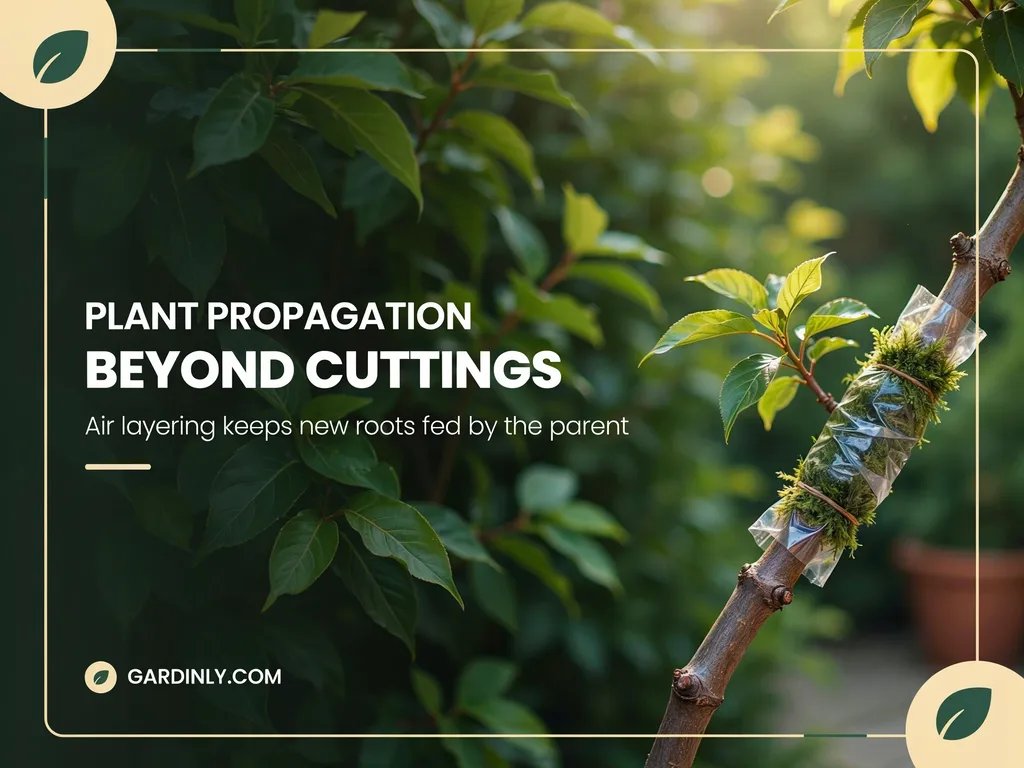
Air layering lets a gardener root an entirely new plant while it genuinely remains attached to and actively fed by the parent plant throughout the rooting process, a real structural advantage stem cuttings, severed completely from their parent before rooting even begins, simply don’t offer, making this and several other lesser-known propagation methods worth understanding for situations where stem cutting genuinely isn’t the best available option.
Quick Answer
Air Layering’s Attached-Rooting Advantage
The Continued Nutrient Supply Mechanism
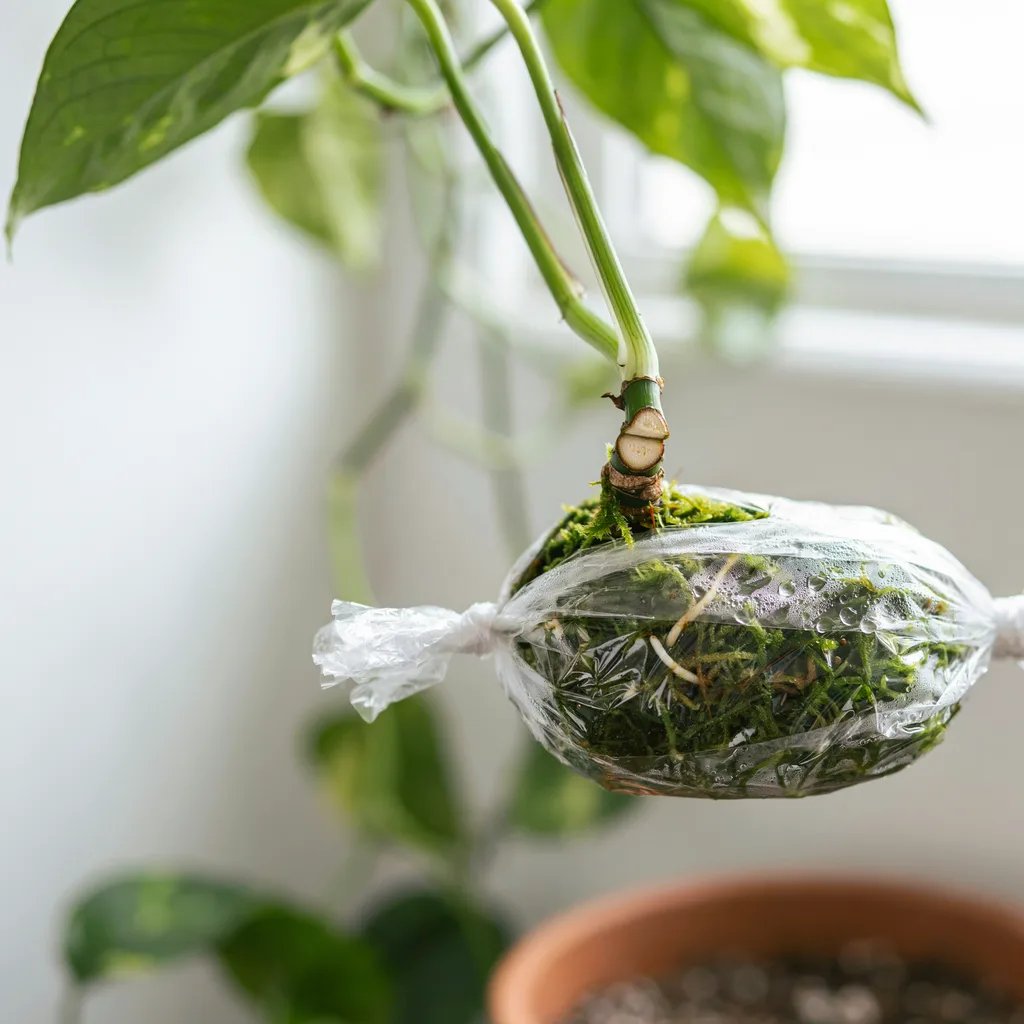
Why air layering’s genuine attached-rooting advantage matters for difficult-to-root plants is that many woody plants genuinely struggle to root successfully from a stem cutting completely severed from its parent, since that severed cutting has no ongoing water and nutrient supply while attempting to develop roots, while air layering’s continued parent-plant connection genuinely provides that ongoing support throughout the entire rooting process, considerably improving success odds for these more challenging species.
The continued nutrient supply mechanism that explains air layering’s genuine success advantage is that a stem cutting genuinely faces a real resource deficit the moment it’s severed, needing to develop roots using only its own limited stored reserves, while an air-layered section continues receiving genuine ongoing support from the still-attached parent plant throughout root development, a mechanistic difference that explains why this method succeeds with plants stem cuttings often fail on.
Understanding this genuine resource-continuity difference explains why air layering specifically suits woody, difficult-to-root plants, making this method worth learning specifically for species that have proven frustrating or unreliable to propagate through standard stem cutting technique.
Performing Air Layering by Wounding a Stem Section and Wrapping With Moist Medium
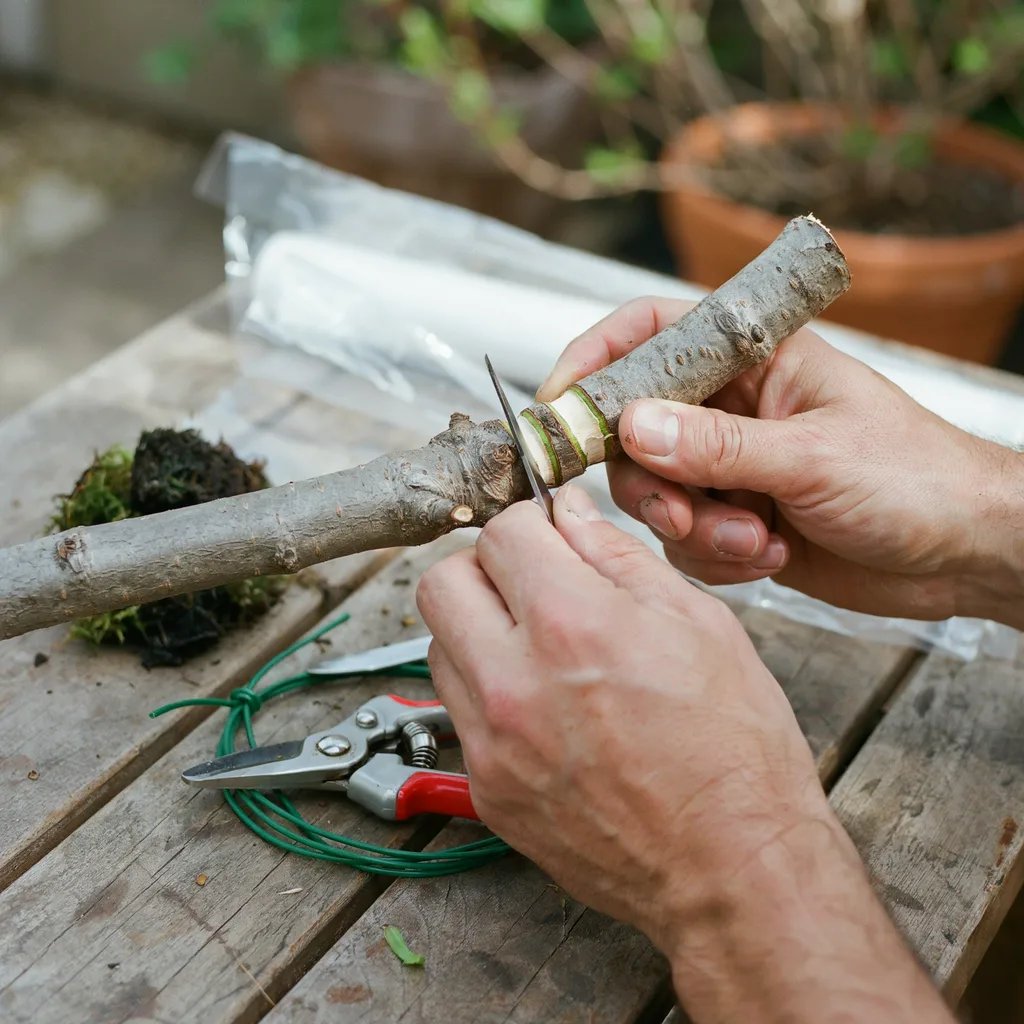
Performing air layering by wounding a stem section and wrapping with moist medium means making a small wound or removing a ring of bark from a chosen stem section, then wrapping that wounded area with moist sphagnum moss covered in plastic, encouraging root development at that specific point while the section remains genuinely attached to and supported by the parent plant.
The wounding step genuinely triggers the plant’s root-development response at that specific location, making this technique detail worth doing correctly rather than simply wrapping an unwounded stem section, which wouldn’t reliably trigger the same rooting response.
Using Division for Perennials and Clumping Plants With Separable Root Systems
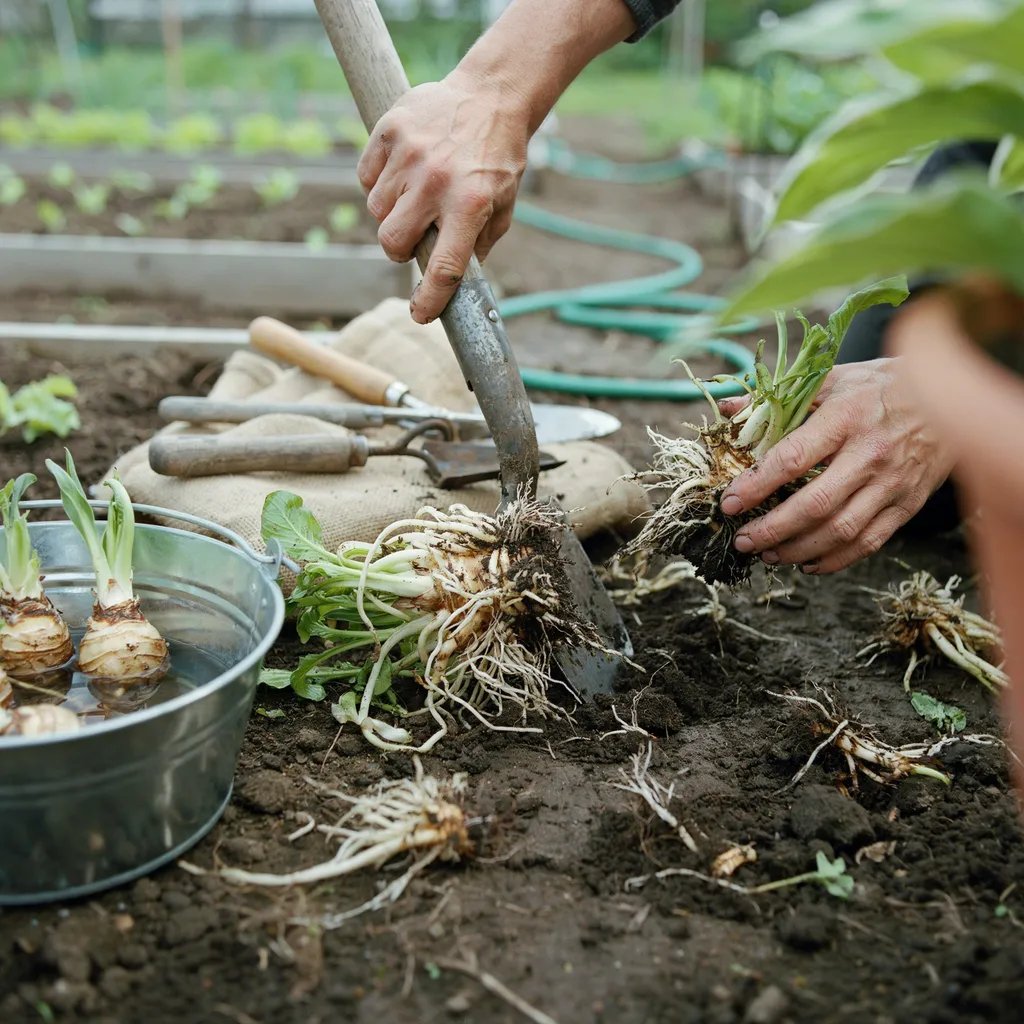
Using division for perennials and clumping plants with separable root systems means separating an existing plant’s root mass into multiple independent sections, each capable of growing as its own separate plant, a genuinely different mechanism from cutting-based propagation since it works with an already-mature root system rather than developing entirely new roots from scratch.
Division’s genuine reliance on an already-established root system, rather than developing new roots, makes it a fundamentally different and often faster-establishing propagation approach compared with cutting-based methods for genuinely suitable plant types.
Separating Naturally Occurring Offsets Into Independent New Plants

Separating naturally occurring offsets into independent new plants means recognizing that certain plants, many succulents and some bulbs notably, naturally produce small plantlets around the base of the parent plant, offsets that can simply be separated once they’ve developed some root system of their own and replanted as genuinely independent new plants.
Offset separation genuinely requires minimal technique skill compared with other propagation methods, since the plant has already done most of the developmental work naturally, making this one of the most accessible propagation approaches for species that produce offsets readily.
Ground Layering for Low, Flexible Branches
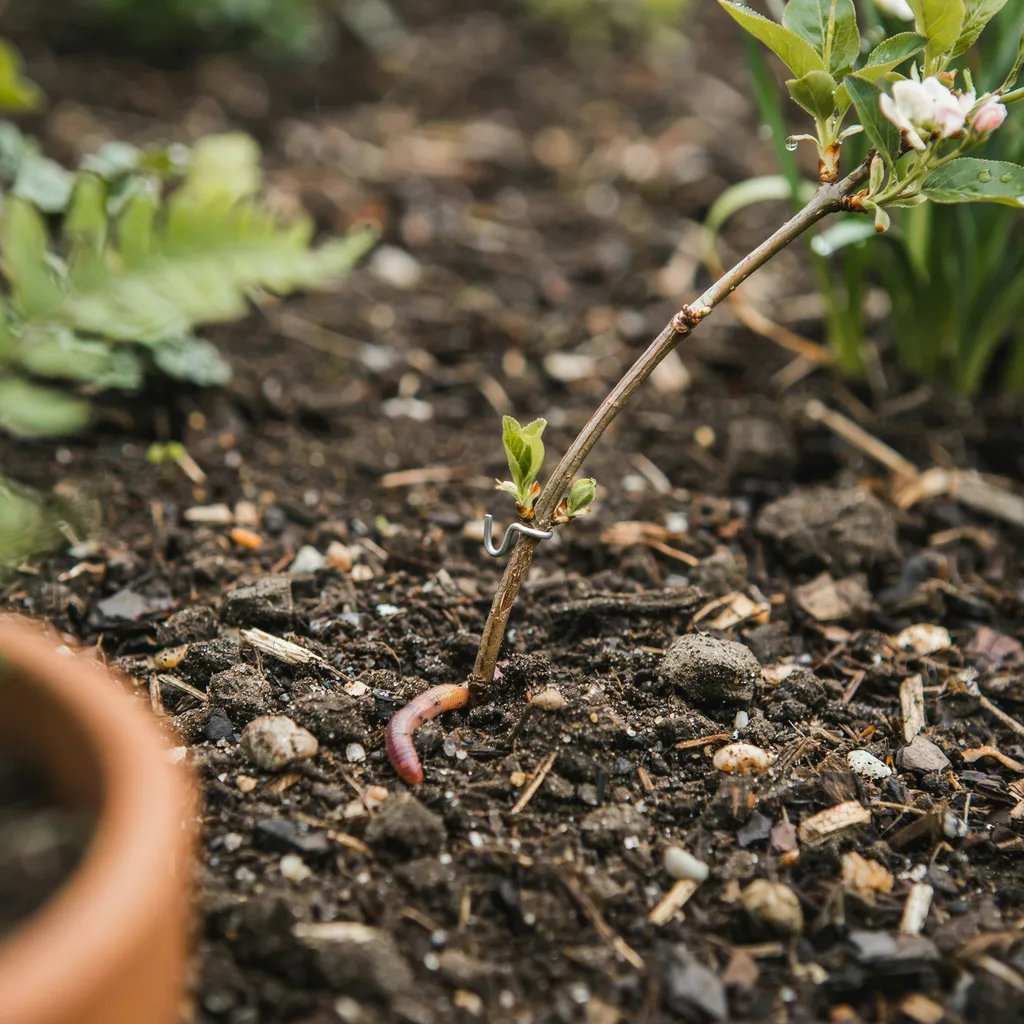
Using ground layering for plants with genuinely flexible, low-growing branches means bending a low, flexible branch down into contact with soil, sometimes wounding the contact point similarly to air layering, and allowing that branch section to develop roots while remaining attached to the parent plant, before eventually severing it once independent roots have established.
Ground layering shares air layering’s genuine attached-rooting advantage while requiring less specialized wrapping material, making it a genuinely practical option specifically for plants with low, flexible branches naturally positioned to reach the ground.
Matching Method to Plant Type
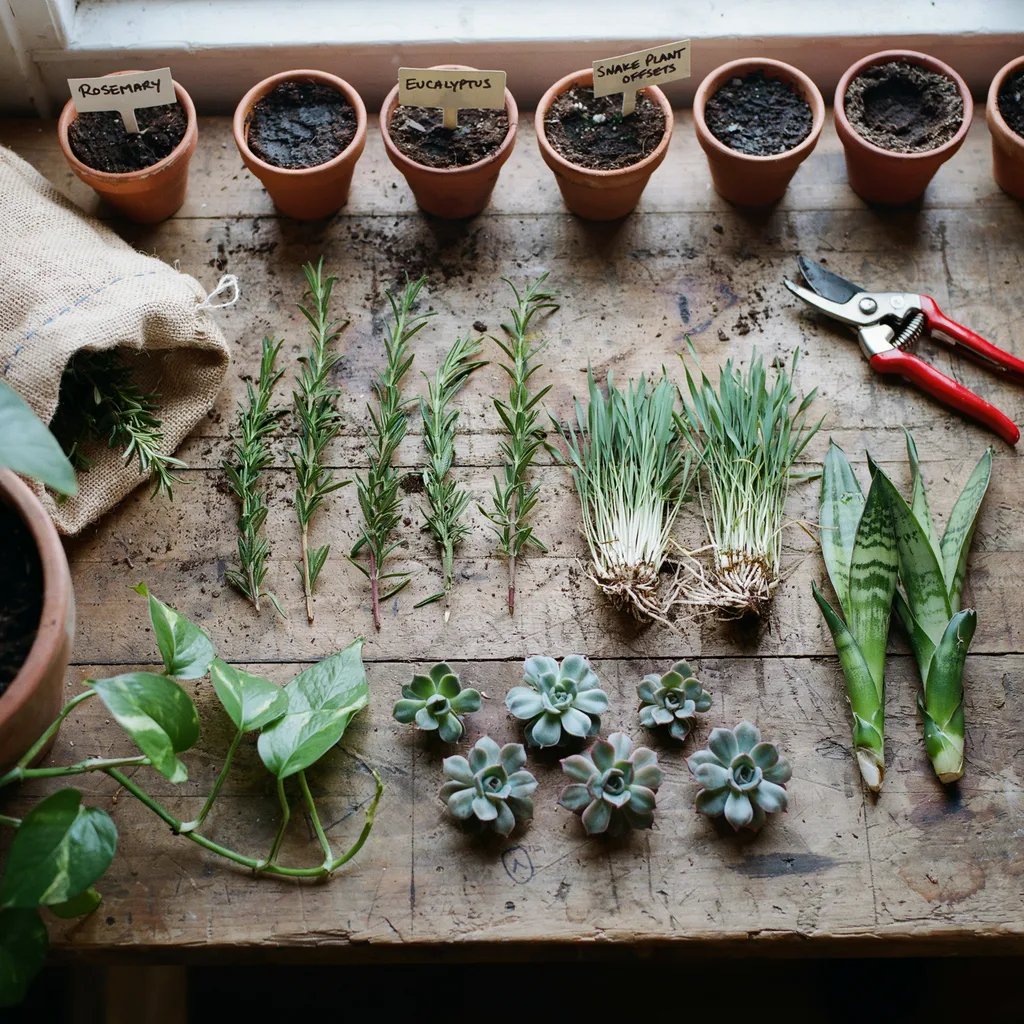
Choosing the genuinely appropriate method based on specific plant type and growth habit means matching propagation technique to a plant’s actual growth characteristics, woody difficult-to-root plants suiting air or ground layering, clumping perennials suiting division, offset-producing plants suiting simple separation, rather than defaulting to stem cutting technique regardless of whether it’s genuinely the best-suited method for a specific plant.
This genuine method-to-plant matching, rather than defaulting to a single familiar propagation technique, meaningfully improves overall propagation success across a genuinely diverse plant collection with varying growth habits and rooting tendencies.
The Bottom Line
Plant propagation extends genuinely well beyond stem cuttings, with air layering and ground layering offering a real structural advantage for difficult-to-root woody plants by keeping the developing new plant attached to and supported by its parent throughout rooting, while division and offset separation work with plants’ own naturally separable growth structures rather than requiring new root development from scratch. Matching propagation method to a specific plant’s actual growth habit and rooting difficulty, rather than defaulting to stem cutting regardless of suitability, genuinely improves success rates across a more diverse range of plants than any single propagation technique could reliably handle alone.
Frequently Asked Questions
How Long Does Air Layering Typically Take Before a Section Has Developed Enough Roots to Separate?
Air layering timing varies considerably by plant species, but genuinely often takes several weeks to a few months of the wrapped section remaining attached before adequate root development allows safe separation from the parent plant.
Can Division Be Performed on Any Perennial, or Do Some Genuinely Not Tolerate This Method?
Most clumping perennials with genuinely separable root systems divide well, though some perennials with a single taproot or non-clumping growth habit genuinely aren’t suited to division, making it worth confirming a specific plant’s root structure before attempting this method.
Is Ground Layering Genuinely as Reliable as Air Layering for Plants That Have Branches Low Enough to Reach Soil?
Yes, genuinely, ground layering offers comparable success rates to air layering when a plant’s growth habit genuinely allows this technique, making it often the simpler, more accessible choice specifically when low, flexible branches are naturally available.
Do Offsets Genuinely Need Their Own Root System Before Separation, or Can They Be Separated Immediately?
Waiting until an offset has developed some genuine root system of its own before separation considerably improves establishment success, making patience worth exercising rather than separating very young offsets that haven’t yet developed adequate independent roots.
Can These Propagation Methods Genuinely Be Combined, Using Different Techniques on the Same Parent Plant?
Yes, genuinely, a single parent plant can sometimes support multiple propagation approaches simultaneously, division of the main clump alongside separating any naturally occurring offsets, for instance, making combined approaches worth considering for maximizing propagation output from a single valuable parent plant.
Which of These Methods Is Genuinely Best Suited for a Complete Propagation Beginner to Start Learning With?
Division and offset separation generally offer the most beginner-friendly starting points, given their reliance on already-developed root systems rather than the more technique-dependent rooting process air and ground layering require, making these methods worth starting with before progressing to layering techniques.