
How to Build a DIY Garden Trellis

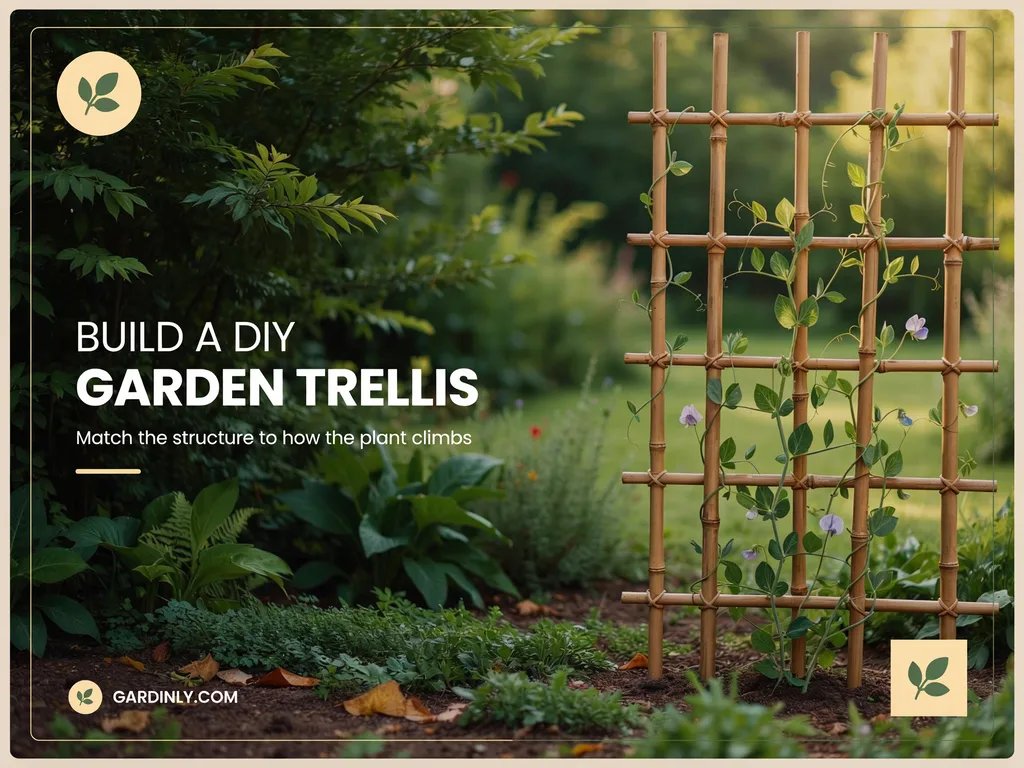
A trellis genuinely needs its spacing and structure matched to the specific plant’s actual climbing mechanism, since tendril-climbers, twining vines, and plants that need active tying each grip or interact with a support structure through genuinely different physical means, meaning a trellis designed without this specific plant behavior in mind often fails to provide the support that particular climbing method actually needs.
Quick Answer
Matching Structure to Climbing Mechanism
Why Generic Trellis Designs Underperform
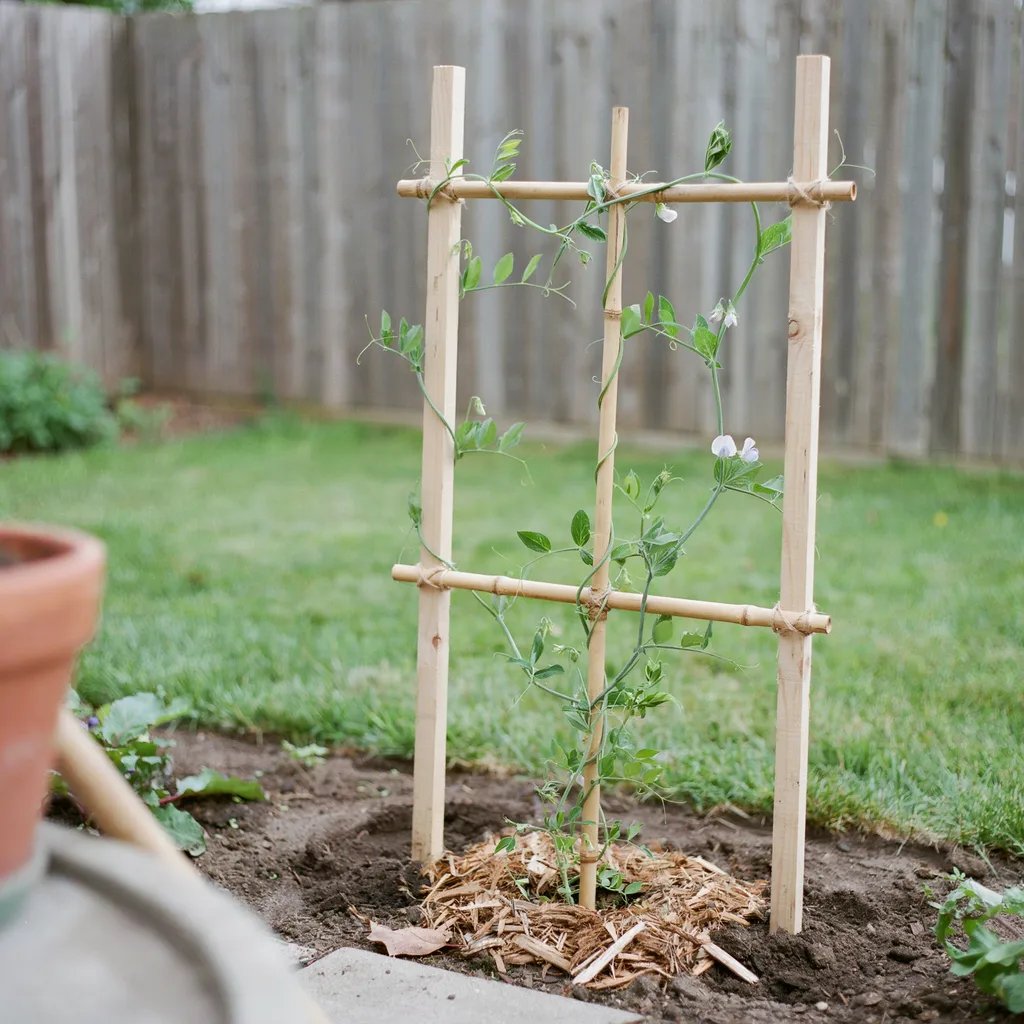
Why matching trellis structure to climbing mechanism genuinely determines support success is that different climbing plants genuinely interact with support structures through distinctly different physical mechanisms, tendrils wrapping around thin elements, stems twining around vertical supports, or plants needing active tying since they don’t climb independently at all, meaning a trellis design that doesn’t account for this specific mechanism often fails to provide functional support regardless of how sturdy the overall structure is.
The climbing mechanism mismatch that explains why generic trellis designs often underperform is that a trellis built with thick, widely spaced elements genuinely won’t support a tendril-climbing plant whose tendrils simply can’t wrap around anything that substantial, while a trellis suited to tendril climbers might not provide the different kind of support a twining vine or a plant needing active tying actually requires, making generic, one-size-fits-all trellis design a genuine functional mismatch for many climbing plants.
Understanding this genuine climbing-mechanism-specific requirement explains why trellis effectiveness depends on design matched to the actual plant, making this consideration worth prioritizing before construction rather than building a generic structure and hoping any climbing plant will adapt to it.
Building Thin-Element Structures Specifically for Tendril-Climbing Plants
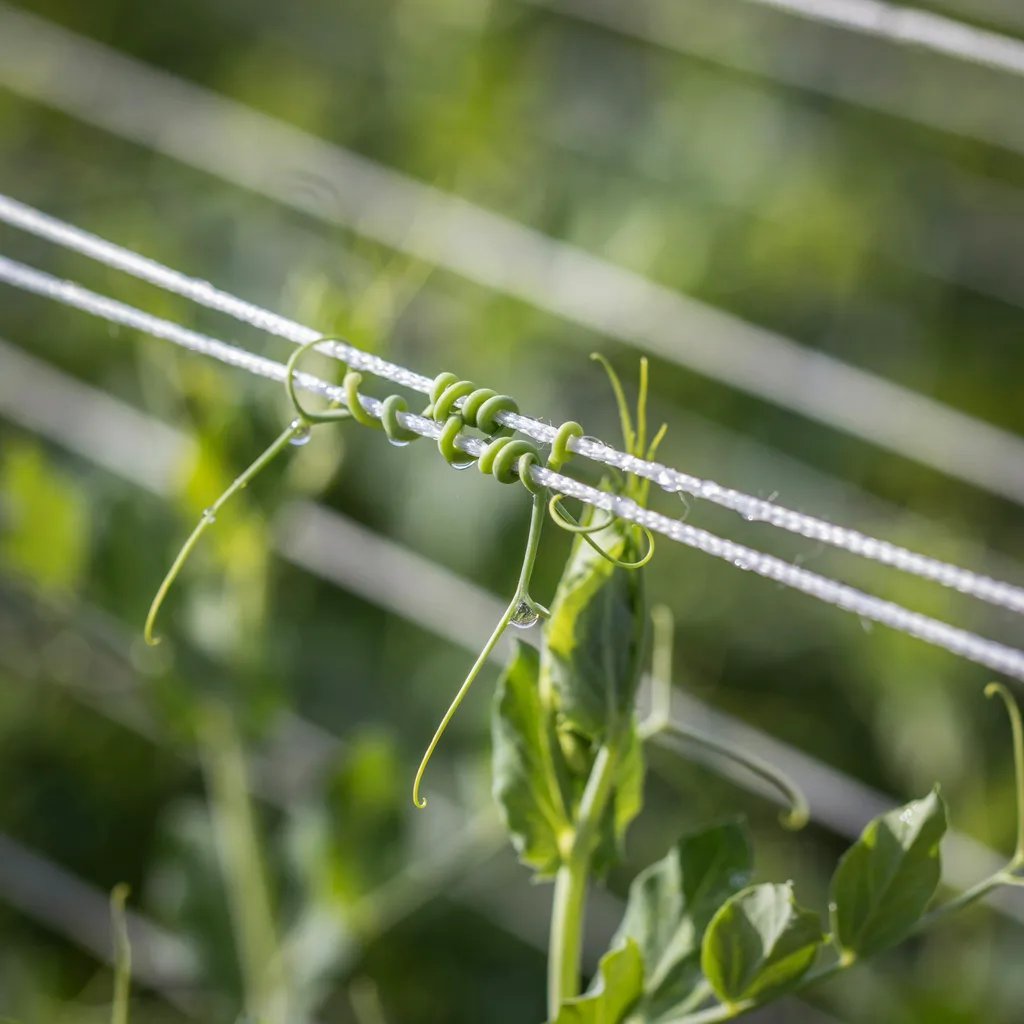
Building thin-element structures specifically for tendril-climbing plants means using support elements genuinely thin enough, roughly pencil diameter or less, string, thin wire, or narrow lattice, that a plant’s tendrils can actually wrap around and grip, since tendrils genuinely can’t grasp the thicker support elements that other climbing plants might use effectively.
Element thinness represents a genuine, specific requirement for tendril climbers, making this detail worth prioritizing specifically when building trellis structures for plants like peas or many clematis varieties that climb through this particular mechanism.
Building Vertical or Diagonal Elements for Twining Vine Support
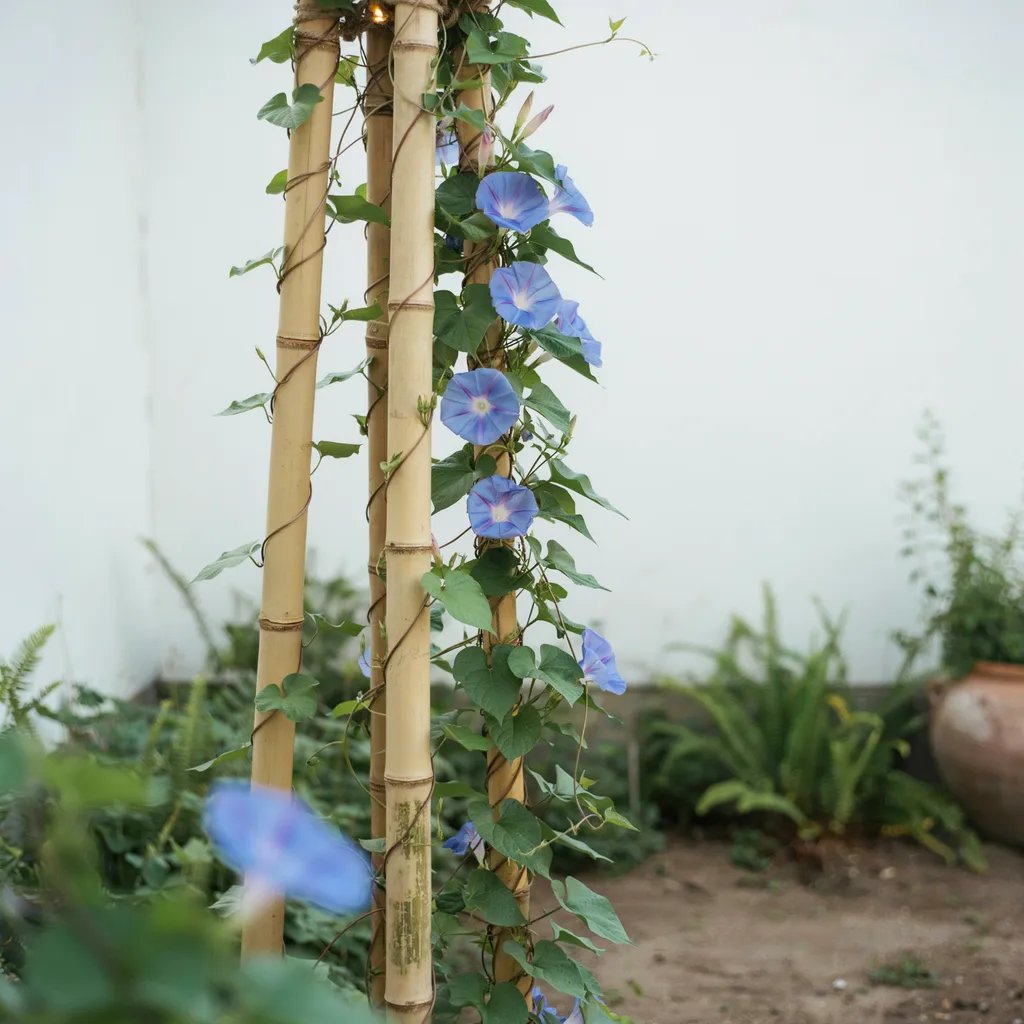
Building vertical or diagonal elements for twining vine support means providing genuinely substantial vertical or diagonal support elements that twining vines, like pole beans or morning glories, can wrap their entire stem around as they grow upward, a genuinely different structural need than the thin elements tendril climbers require.
Twining vines’ genuine need to wrap their entire stem around a support, rather than gripping with specialized tendrils, makes appropriately substantial vertical elements a real structural requirement distinct from tendril-climber trellis design.
Providing Sturdy Structures With Regular Tie Points for Non-Climbing Vining Plants
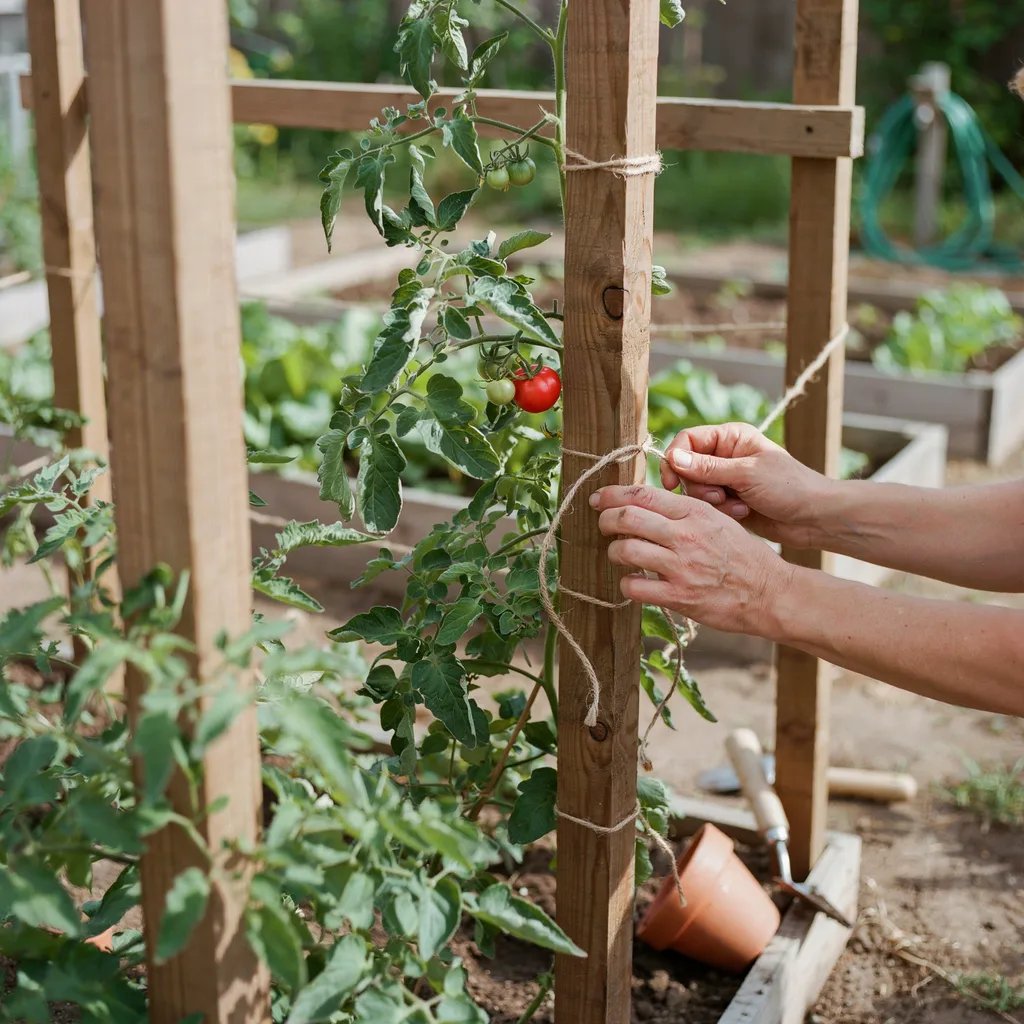
Providing sturdy structures with regular tie points for non-climbing vining plants means recognizing that some plants, tomatoes trained vertically among common examples, don’t genuinely climb independently at all and instead need to be actively tied to a support structure at regular intervals throughout their growth, making a sturdy frame with accessible tie points the actual requirement rather than any specific climbing-mechanism-suited element design.
These non-self-climbing plants genuinely need a different trellis approach entirely, prioritizing overall sturdiness and accessible tying points over the specific thin or substantial element considerations that actual climbing mechanisms require.
Using Readily Available Materials Like Bamboo, Branches, or Wood Lath
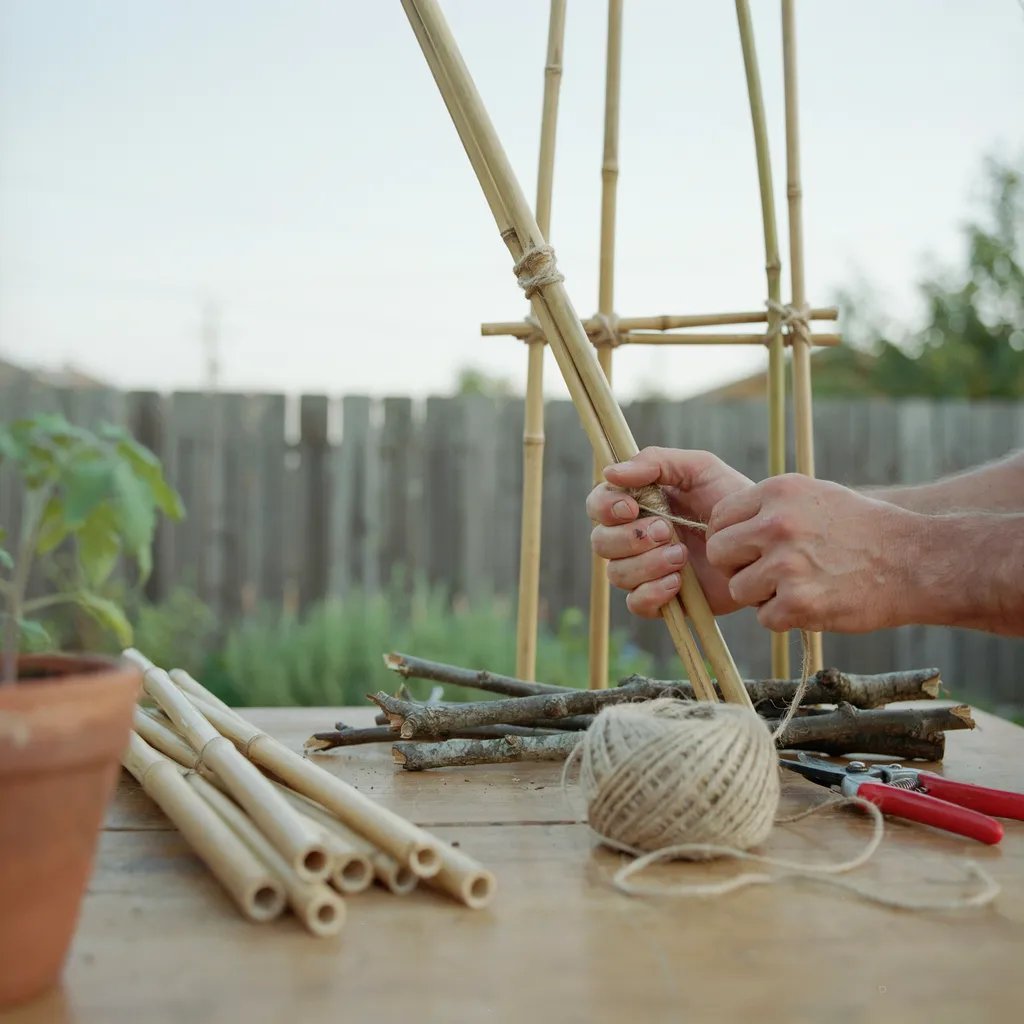
Using readily available materials like bamboo, branches, or wood lath means recognizing that effective trellis construction genuinely doesn’t require specialized or expensive materials, since simple, readily available options like bamboo stakes, pruned branches, or basic wood lath work genuinely well for most home garden trellis projects when properly matched to the climbing plant’s actual mechanism.
Material accessibility genuinely makes DIY trellis building a low-cost, achievable project, making it worth using whatever suitable natural or simple materials are already available rather than assuming effective trellises require specialized purchased components.
Securing Joints for Structural Stability
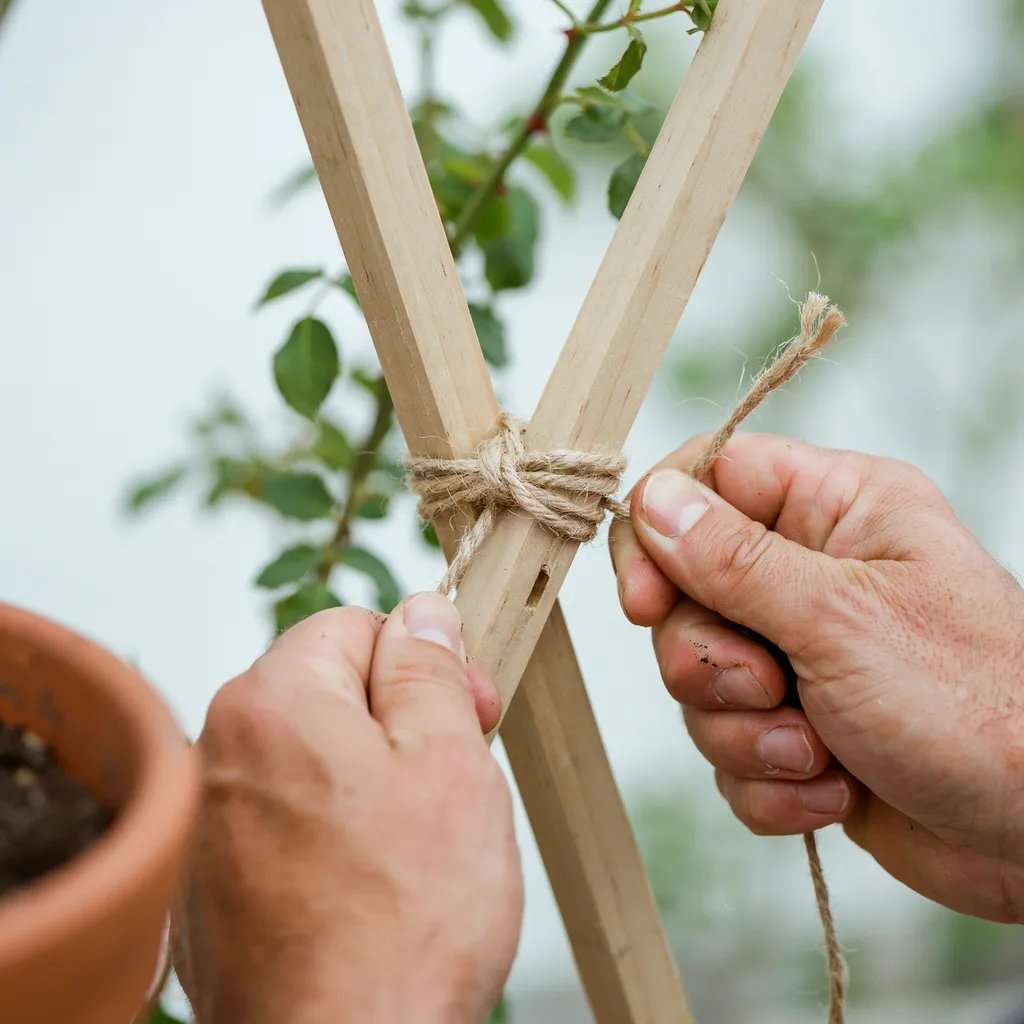
Securing joints and connections for genuine structural stability under plant weight means ensuring all trellis joints and connections are genuinely secure enough to support the eventual weight of a fully grown, potentially fruit-laden climbing plant, since a trellis that seems adequate when empty can genuinely fail under the considerable weight mature vining growth eventually adds.
Anticipating mature plant weight during construction, not just building for the trellis’s empty appearance, genuinely prevents structural failure partway through the growing season once plants have reached their full size and weight.
The Bottom Line
Building a DIY garden trellis effectively depends on genuinely matching the structure to a specific climbing plant’s actual mechanism, thin elements for tendril climbers, substantial vertical or diagonal supports for twining vines, or simply a sturdy frame with tie points for plants that don’t climb independently at all. Using readily available materials like bamboo or branches keeps this project genuinely accessible and low-cost, while securing all joints for the eventual weight of mature, fully grown plants ensures the finished structure provides real, lasting support throughout the growing season rather than failing partway through.
Frequently Asked Questions
How Tall Does a Trellis Typically Need to Be for Common Vegetable Garden Climbing Plants?
Height needs vary considerably by specific plant, but many common vegetable climbers like pole beans or cucumbers genuinely benefit from trellises in the 6-to-8-foot range, making it worth checking a specific plant’s typical mature height before finalizing trellis dimensions.
Can a DIY Trellis Be Built to Lean Against an Existing Wall or Fence Rather Than Standing Freely?
Yes, genuinely, a lean-to style trellis against an existing structure works well for many climbing plants and can simplify construction considerably compared with building a fully freestanding structure, as long as the leaning trellis is adequately secured against wind and plant weight.
Do Trellises Need to Be Removed and Stored Over Winter, or Can They Remain Outdoors Year-Round?
This depends on the specific materials used, wood and bamboo trellises generally can remain outdoors year-round with reasonable durability, though removing and storing them during winter, particularly in harsh climates, genuinely extends their usable lifespan.
Can the Same Trellis Structure Be Reused for Different Climbing Plants in Subsequent Growing Seasons?
Yes, genuinely, as long as the trellis’s specific element spacing and structure suit the new plant’s climbing mechanism, the same physical structure can often be reused across multiple seasons and even different compatible plant types.
Is It Necessary to Treat or Seal Wood Materials Used in Trellis Construction?
Untreated wood genuinely breaks down faster when exposed to outdoor moisture, making some form of weather protection, whether a wood sealant or simply choosing a naturally more rot-resistant wood type, worth considering for a trellis intended to last multiple seasons.
How Do I Know if My Trellis Design Is Genuinely Sturdy Enough Before Plants Reach Their Full Mature Weight?
Testing the structure’s stability by applying firm pressure at various points during construction, and ensuring all joints feel genuinely secure without noticeable give, provides a reasonable practical check before relying on the finished trellis to support a fully grown plant’s eventual weight.