
How to Identify and Treat Common Lawn Fungal Diseases

Overwatering, particularly evening watering that leaves grass blades wet overnight, is genuinely the most common trigger behind lawn fungal disease outbreaks, meaning a gardener’s own irrigation habits are frequently the actual root cause behind blotchy, patchy lawn symptoms, making watering pattern review the genuinely necessary first step before assuming a fungicide treatment alone will resolve a recurring lawn disease problem.
Quick Answer
Watering Pattern and Disease Risk
The Overnight Moisture Window
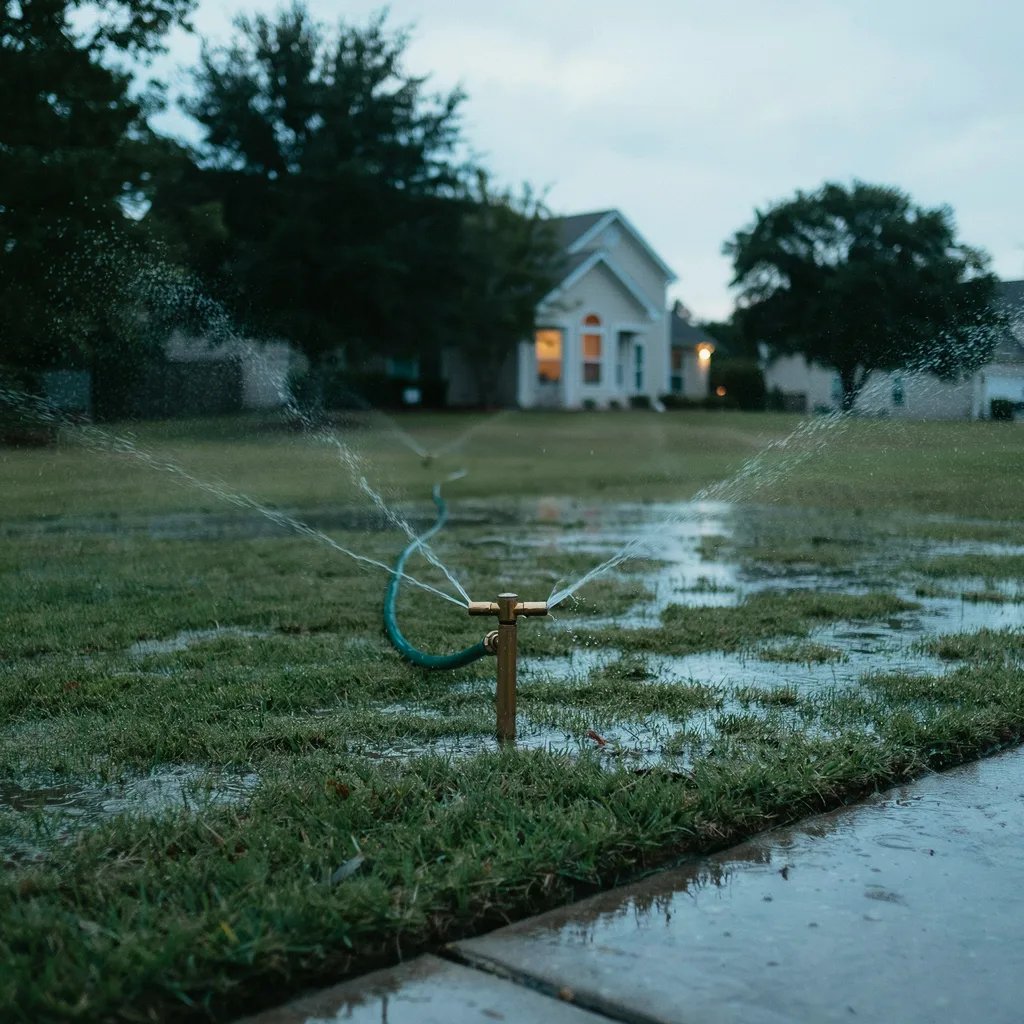
Why watering pattern genuinely matters more than most gardeners realize for fungal disease risk is that fungal pathogens genuinely require sustained leaf surface moisture to establish and spread, meaning evening or overnight watering that leaves grass blades wet for many consecutive hours creates genuinely ideal conditions for fungal establishment, while the same total water volume applied in morning, allowing the day’s sun and air movement to dry grass, considerably reduces this same risk.
The overnight moisture window that explains why watering timing genuinely affects disease risk is that many lawn fungal pathogens genuinely need an extended period of leaf surface wetness, often 8 hours or more, to successfully establish infection, meaning evening watering genuinely provides exactly this extended overnight moisture window that morning watering, followed by daytime drying, simply doesn’t create.
Understanding this genuine moisture-duration mechanism explains why watering timing, not just total water volume, meaningfully affects fungal disease risk, making a shift to morning watering worth prioritizing as a real, practical risk-reduction step.
Recognizing Circular Patches as a Common Fungal Disease Symptom Pattern
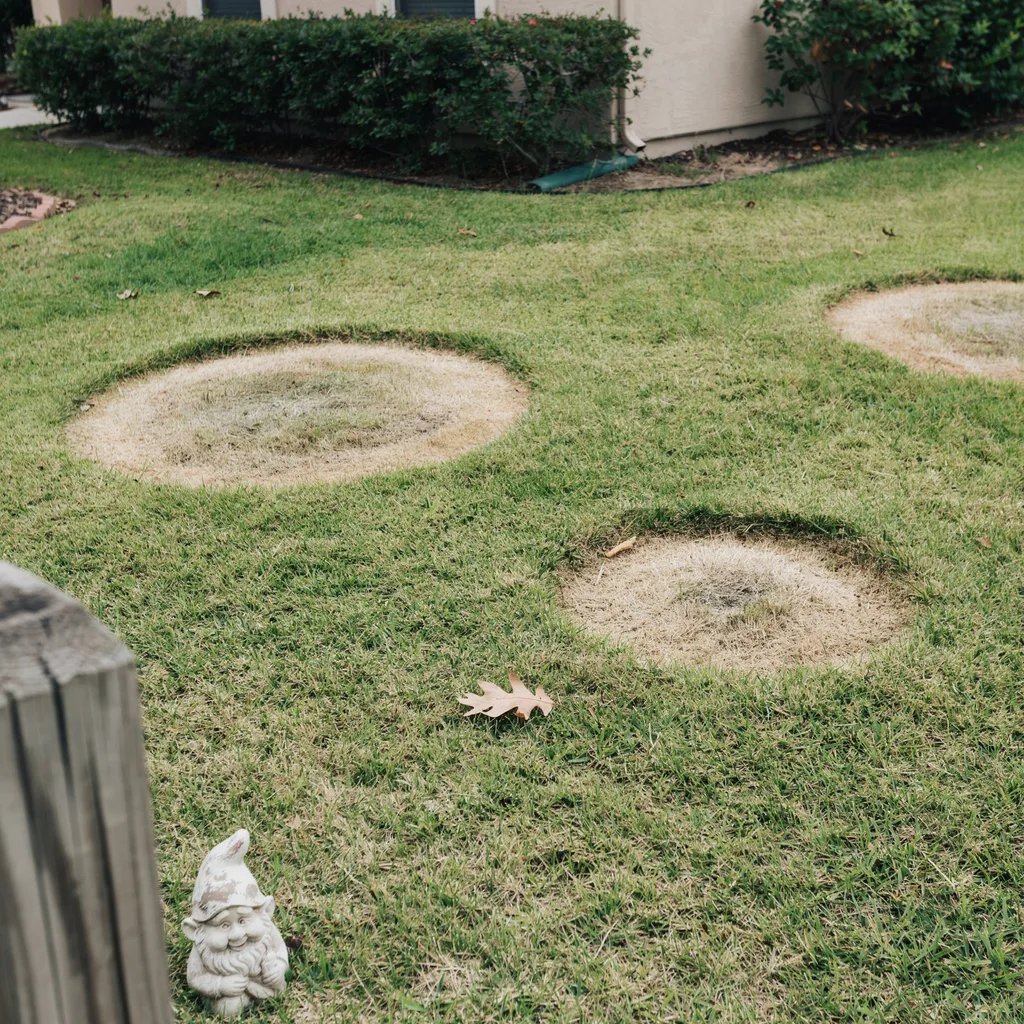
Recognizing circular patches as a common fungal disease symptom pattern means watching for distinctly circular or ring-shaped areas of discolored or dying grass, a symptom pattern genuinely associated with several common lawn fungal diseases and distinct enough to help narrow down the likely cause when this specific pattern appears.
Circular patch patterns provide a genuinely useful visual clue for narrowing down likely disease causes, making pattern shape worth noting carefully as part of any lawn disease diagnostic process.
Recognizing Irregular Blotches and General Blighted Appearance as Alternative Patterns
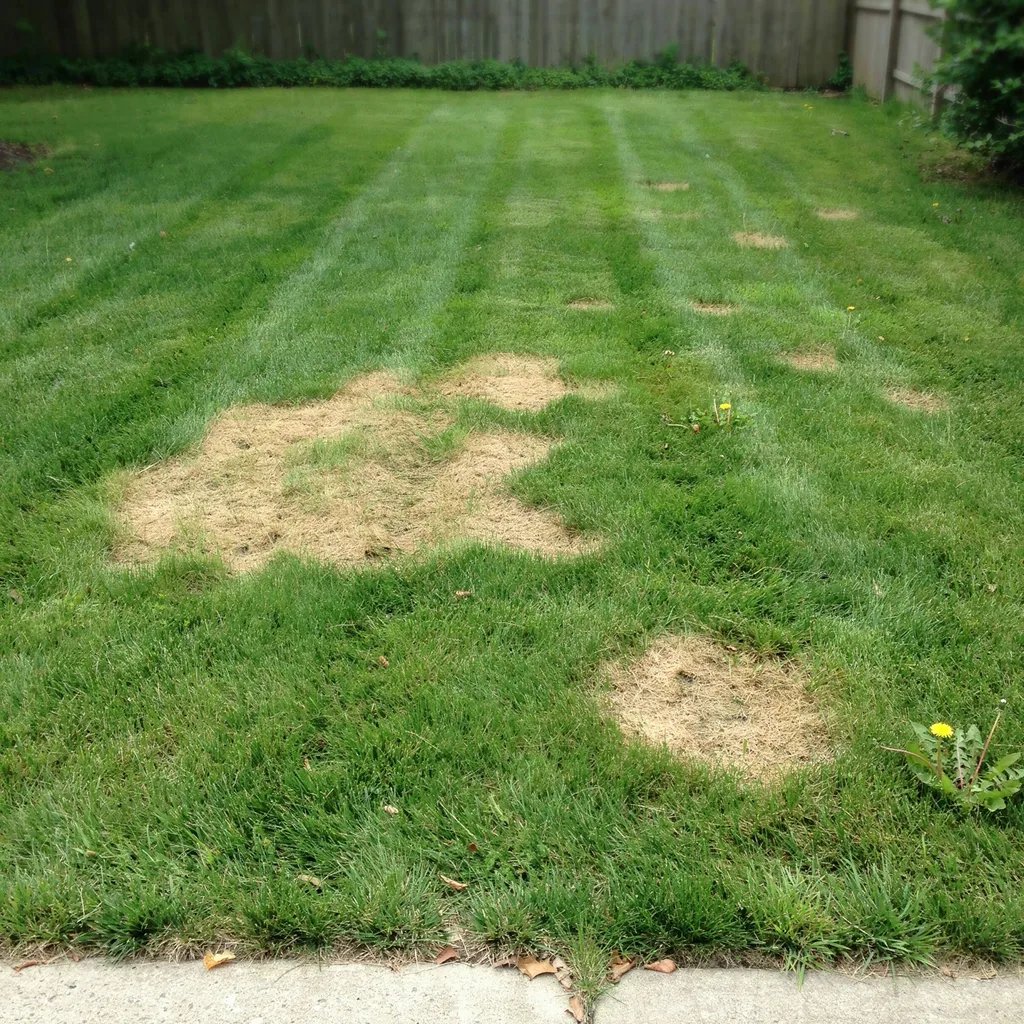
Recognizing irregular blotches and general blighted appearance as alternative patterns means noting that not all lawn fungal diseases produce the circular pattern discussed above, with some genuinely presenting as irregular blotchy areas or a more generally blighted, unhealthy appearance across broader lawn sections, making symptom pattern variety worth understanding rather than expecting every fungal issue to look the same.
Recognizing this genuine pattern variety across different lawn fungal diseases prevents the mistake of assuming any lawn problem not matching one specific pattern must therefore not be fungal in origin.
Switching to Morning Watering
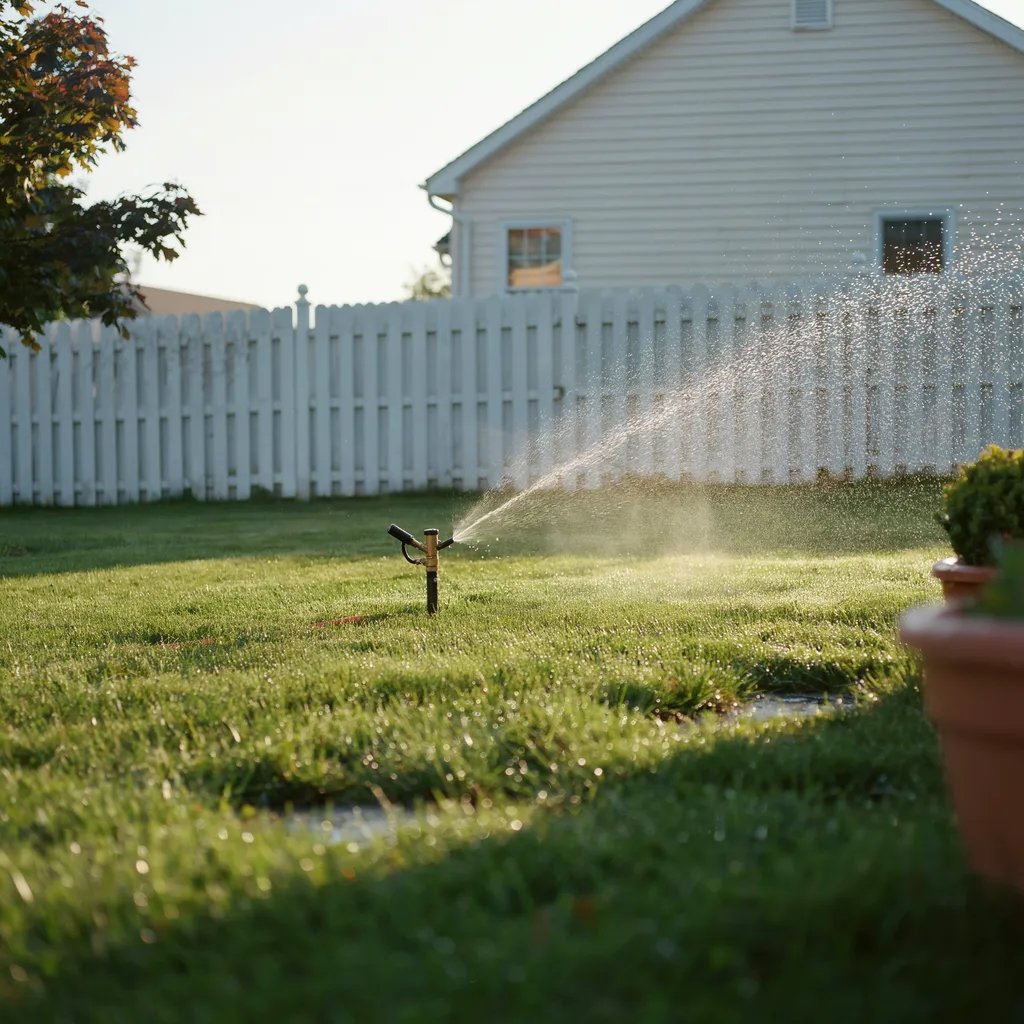
Adjusting watering to morning hours as the genuine first correction step means shifting any evening or nighttime watering schedule to morning instead, allowing the full day’s sun and air movement to dry grass blades before the extended overnight moisture window that favors fungal establishment, a genuinely impactful change worth making before or alongside any direct fungicide treatment.
This watering timing correction genuinely addresses the root trigger behind most lawn fungal outbreaks, making it worth prioritizing as the actual first response rather than jumping directly to fungicide treatment without first addressing this underlying contributing factor.
Improving Airflow and Reducing Excess Thatch to Support Faster Drying
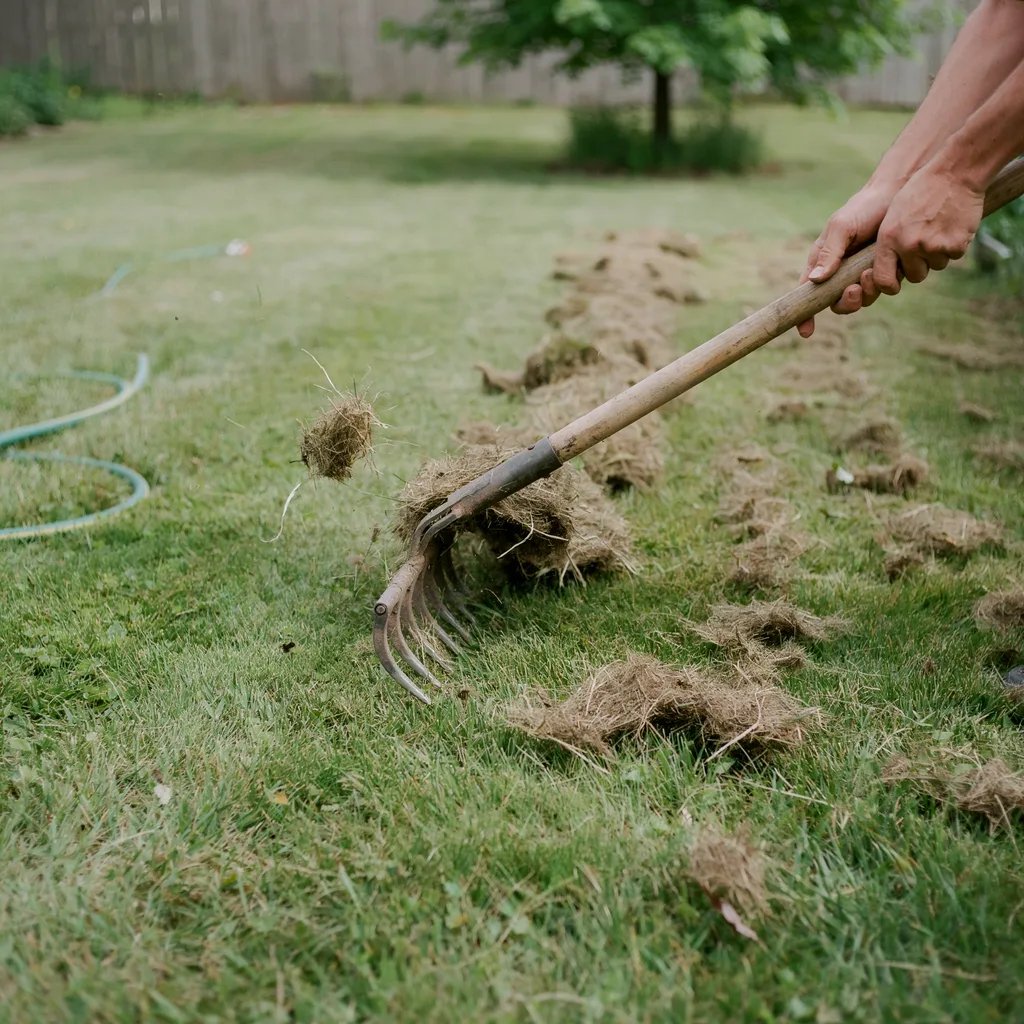
Improving airflow and reducing excess thatch to support faster drying means addressing factors like excessive thatch buildup or poor air circulation around the lawn, both of which genuinely extend how long grass blades stay wet after watering or rainfall, compounding the fungal-favorable conditions that watering timing correction alone might not fully resolve.
These supporting cultural factors genuinely complement watering timing correction, making thatch management and airflow consideration worth addressing together for lawns with persistent or recurring fungal disease problems.
Applying Fungicide as Prevention or Early Intervention Rather Than Late-Stage Treatment
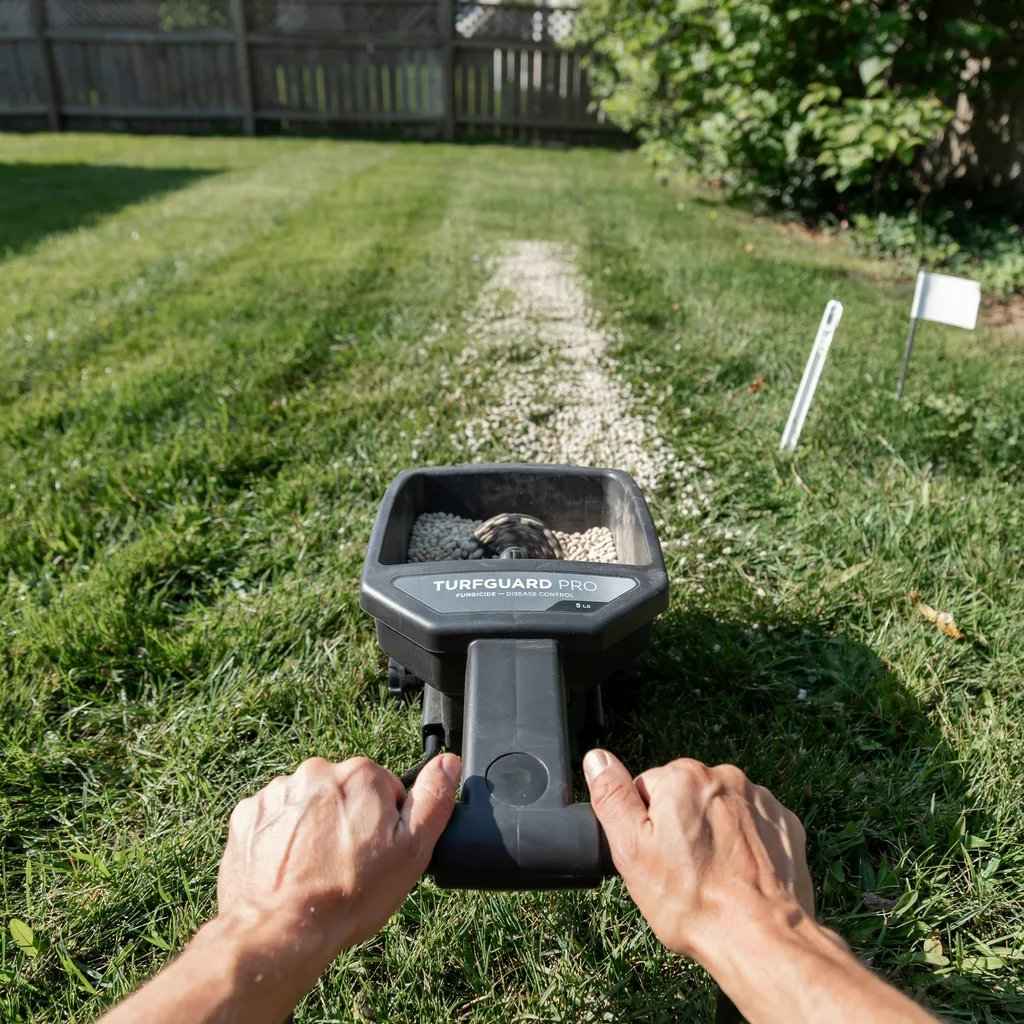
Applying fungicide as prevention or early intervention rather than late-stage treatment means recognizing that fungicide products genuinely work considerably better applied preventively or at the very first sign of disease, similar to the prevention-focused principle relevant to many other fungal disease situations, rather than as a treatment for an already well-established, extensively spread lawn disease problem.
This genuine prevention-over-treatment effectiveness pattern makes early intervention timing worth prioritizing, since waiting until lawn disease symptoms are extensive and well-established genuinely reduces how much fungicide treatment alone can realistically accomplish.
The Bottom Line
Identifying and treating common lawn fungal diseases starts with recognizing that overwatering, particularly evening watering leaving grass wet overnight, is genuinely the most common underlying trigger, making a shift to morning watering the actual necessary first correction step rather than relying on fungicide treatment alone to address symptoms while the root cause continues. Recognizing the genuine variety of symptom patterns these diseases can produce, addressing supporting factors like thatch and airflow, and applying any fungicide treatment as early, preventive intervention rather than late-stage rescue round out a genuinely effective approach to managing lawn fungal disease problems.
Frequently Asked Questions
Can Lawn Fungal Diseases Genuinely Spread to Healthy Grass in Neighboring Yards or Just Within a Single Lawn?
Yes, genuinely, spores from many lawn fungal diseases can travel through air movement or via mowing equipment between neighboring properties, making disease awareness relevant beyond just a single lawn’s own boundaries in areas with widespread fungal disease presence.
Does Mowing Height Genuinely Affect Lawn Fungal Disease Risk?
Yes, genuinely, mowing too short can stress grass and increase susceptibility to fungal disease, while mowing at an appropriate height for the specific grass type generally supports better overall disease resistance alongside proper watering practice.
How Long Does It Typically Take for a Lawn to Genuinely Recover Once Fungal Disease Has Been Successfully Addressed?
Recovery timing varies by disease severity and grass type, but genuinely addressing both the watering trigger and applying appropriate treatment often shows visible improvement within several weeks, with full recovery sometimes taking a full growing season for more severely affected areas.
Can Lawn Fungicide Products Genuinely Harm Beneficial Soil Organisms Along With the Target Fungal Pathogen?
Some fungicide products can genuinely affect beneficial soil fungi and organisms to some degree, making product selection and following label application rates worth doing carefully, and considering cultural corrections like watering timing as the primary strategy rather than relying heavily on repeated fungicide application.
Is There a Way to Test Which Specific Fungal Disease Is Affecting My Lawn Rather Than Guessing From Symptoms Alone?
Yes, genuinely, many state extension offices offer diagnostic services that can confirm the specific fungal pathogen involved, providing more definitive identification than visual symptom assessment alone, particularly useful for a persistent or unusual lawn disease problem.
Do Certain Grass Species Show Genuinely Better Natural Resistance to Common Fungal Diseases Than Others?
Yes, genuinely, grass species and even specific cultivars vary considerably in their natural fungal disease resistance, making species selection worth researching specifically for a region’s common lawn disease pressures when establishing or overseeding a lawn.