
Best Low-Light Indoor Plants
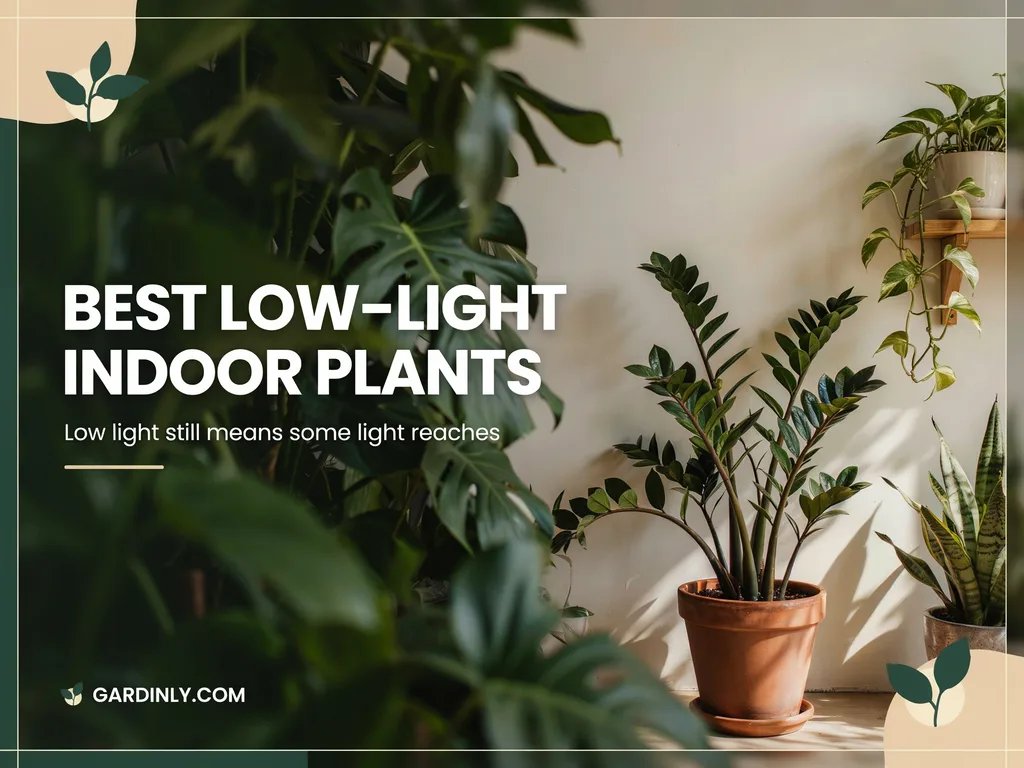
“Low light” in houseplant care genuinely still means some indirect light reaches the space throughout the day, not the literal darkness the phrase sometimes gets misinterpreted as, a distinction that genuinely matters since even the most shade-tolerant houseplants still need some measurable light to photosynthesize and survive, making an honest assessment of actual available light important before assuming any plant can thrive in a truly windowless, unlit space.
Quick Answer
What “Low Light” Actually Means
The Minimum Light Requirement
Why the “low light” label genuinely doesn’t mean no light at all is that even plants documented as genuinely low-light tolerant still require some measurable indirect light to photosynthesize and survive, meaning a truly windowless space or a room with blocked, minimal natural light genuinely won’t support even these tolerant species long-term, making this an important distinction before selecting plants for a genuinely very dim space.
The photosynthesis requirement that makes some minimum light level a genuine universal necessity is that all plants, regardless of documented shade tolerance, genuinely need light to produce the energy that sustains their growth, meaning “low light tolerant” genuinely describes plants that can survive with less light than most houseplants need, not plants that can survive with literally no light input at all.
Understanding this genuine minimum light requirement, even for the most tolerant species, sets realistic expectations, making an honest light assessment of the actual intended space worth doing before assuming any plant, however documented as low-light tolerant, will thrive in a genuinely unlit location.
Choosing ZZ Plant for Exceptional Low-Light Tolerance and General Forgiveness
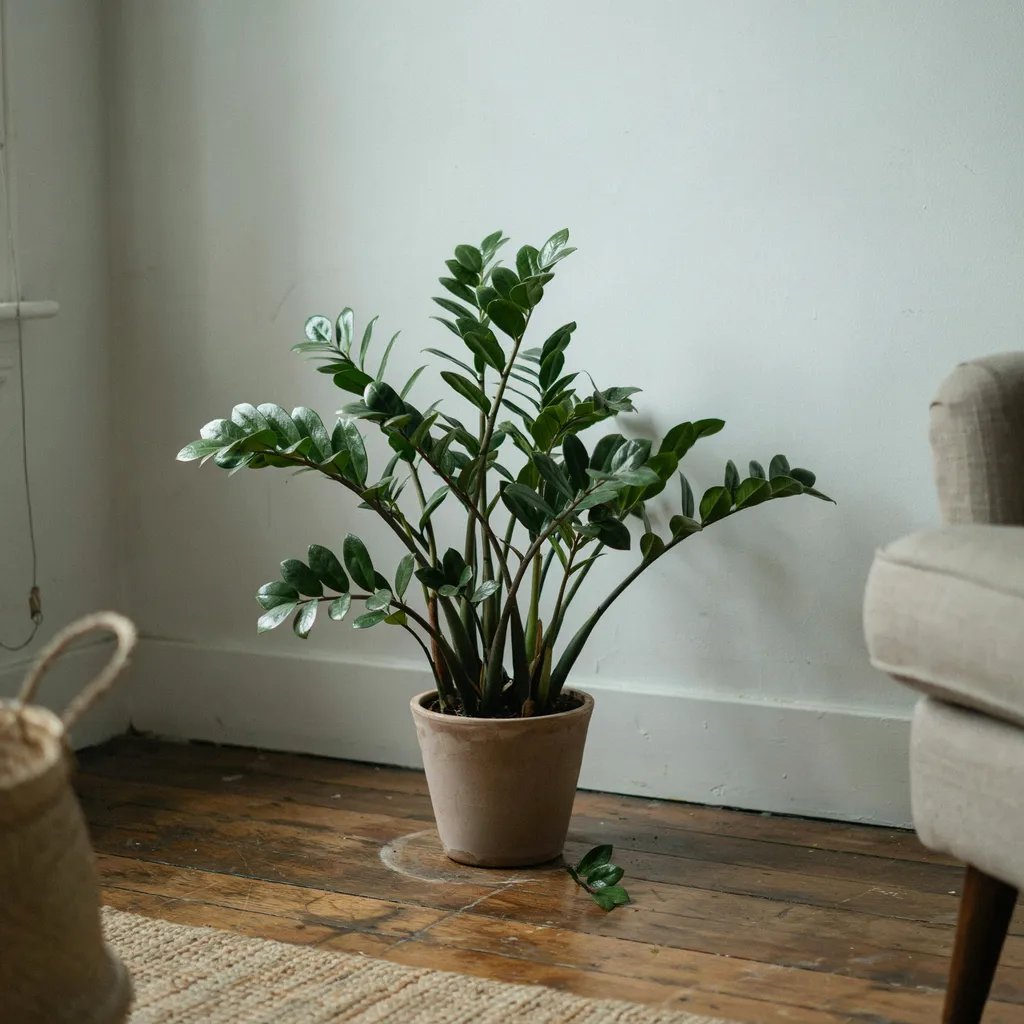
Choosing ZZ plant for exceptional low-light tolerance and general forgiveness offers genuinely one of the most low-light-tolerant options widely available, combined with considerable forgiveness regarding watering inconsistency, making it a particularly reliable choice for genuinely dim locations or for owners who might not provide the most consistent care.
ZZ plant’s combination of genuine low-light tolerance and general care forgiveness makes it worth prioritizing specifically for the most challenging low-light situations, or for anyone specifically wanting a resilient option requiring minimal ongoing attention.
Choosing Pothos for Low-Light Adaptability With Relatively Fast Growth
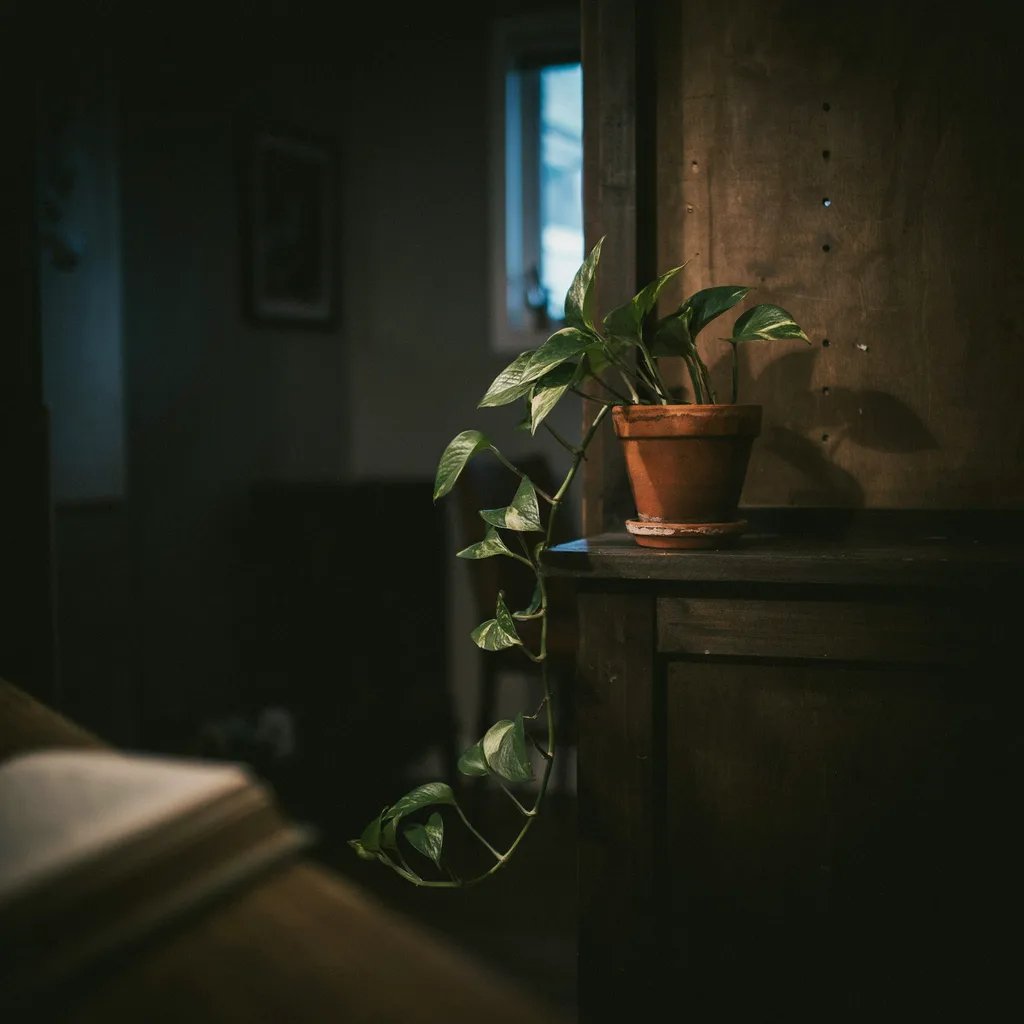
Choosing pothos for low-light adaptability with relatively fast growth offers genuine tolerance for lower light conditions while still maintaining relatively active growth compared with some other low-light options, making it a good choice for anyone wanting to see reasonably visible progress despite growing in a less-than-ideal light environment.
Pothos’s genuine combination of shade tolerance and comparatively active growth makes it worth choosing specifically for gardeners wanting more visible development than some of the slower-growing low-light alternatives typically provide.
Choosing Snake Plant for Combined Low-Light and Infrequent-Watering Tolerance
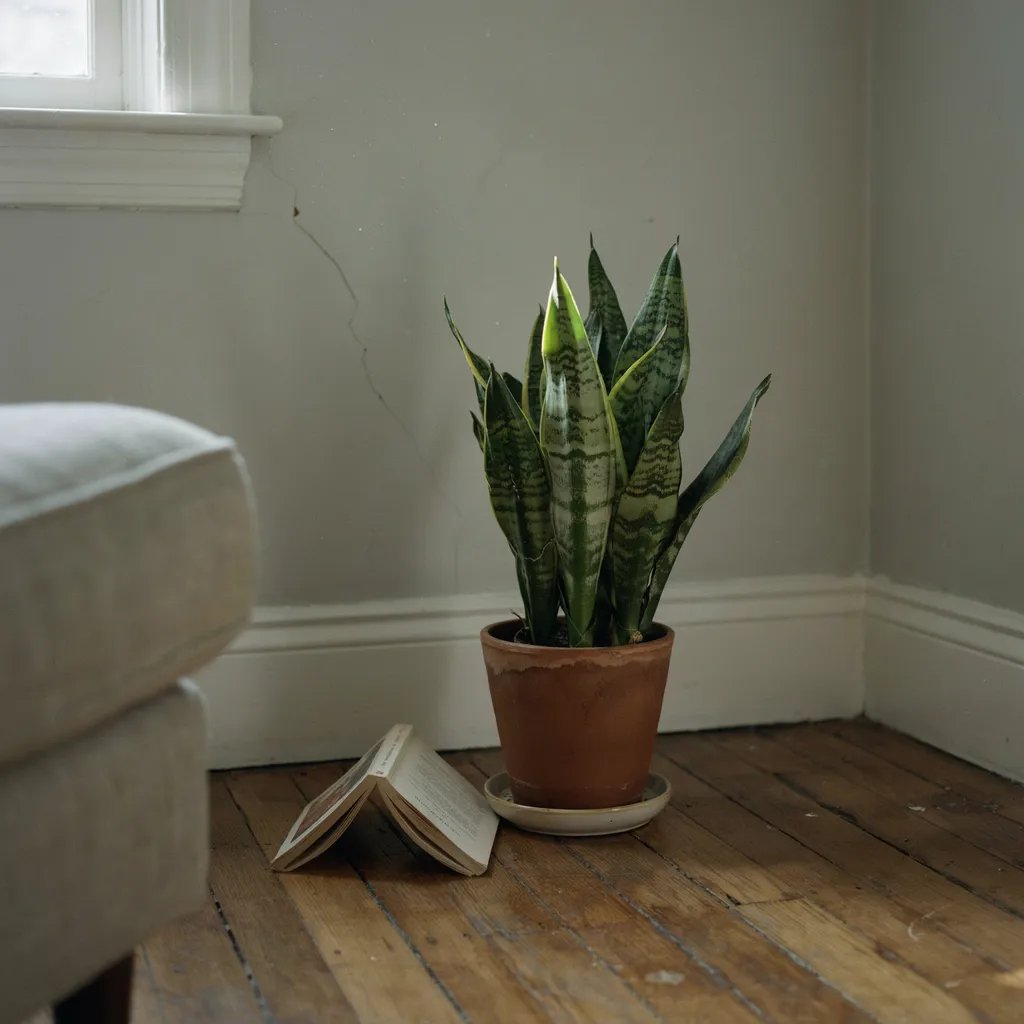
Choosing snake plant for combined low-light and infrequent-watering tolerance offers genuine tolerance for both limited light and inconsistent, infrequent watering simultaneously, making it a particularly practical choice for genuinely low-maintenance care situations where both light and watering attention might be limited.
Snake plant’s genuine dual tolerance for both low light and infrequent watering makes it worth prioritizing specifically for the most genuinely low-maintenance care scenarios, distinct from low-light plants that still need more watering attention despite their light tolerance.
Cast Iron Plant for Durability
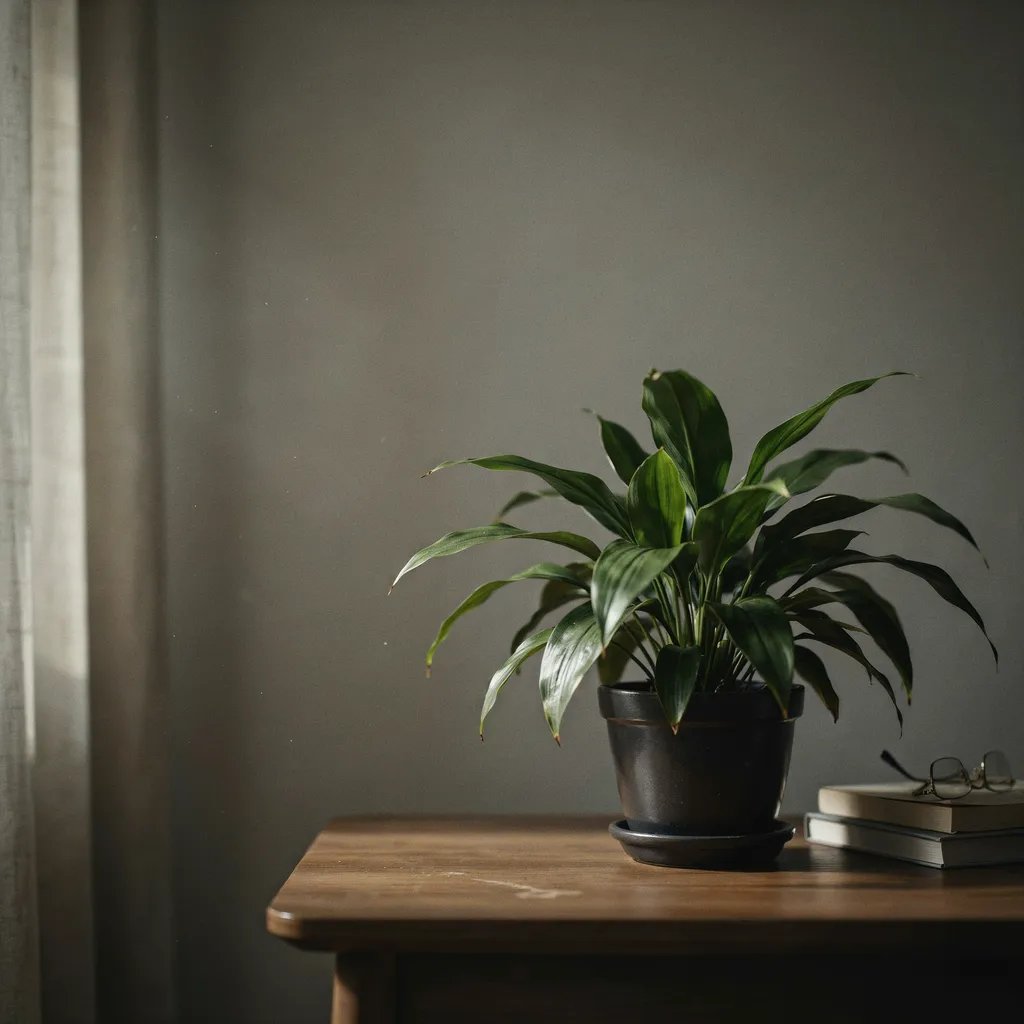
Choosing cast iron plant for genuine durability in consistently dim conditions offers a documented reputation for tolerating genuinely challenging conditions including low light, making it worth considering specifically for spaces that have proven difficult for other plants, living up to its name through this genuine overall hardiness.
Cast iron plant’s genuinely strong reputation for overall durability, not just low-light tolerance specifically, makes it worth considering as a reliable option for spaces where multiple environmental factors, not just light alone, might otherwise challenge less resilient plant choices.
Rotating Struggling Plants to Brighter Light
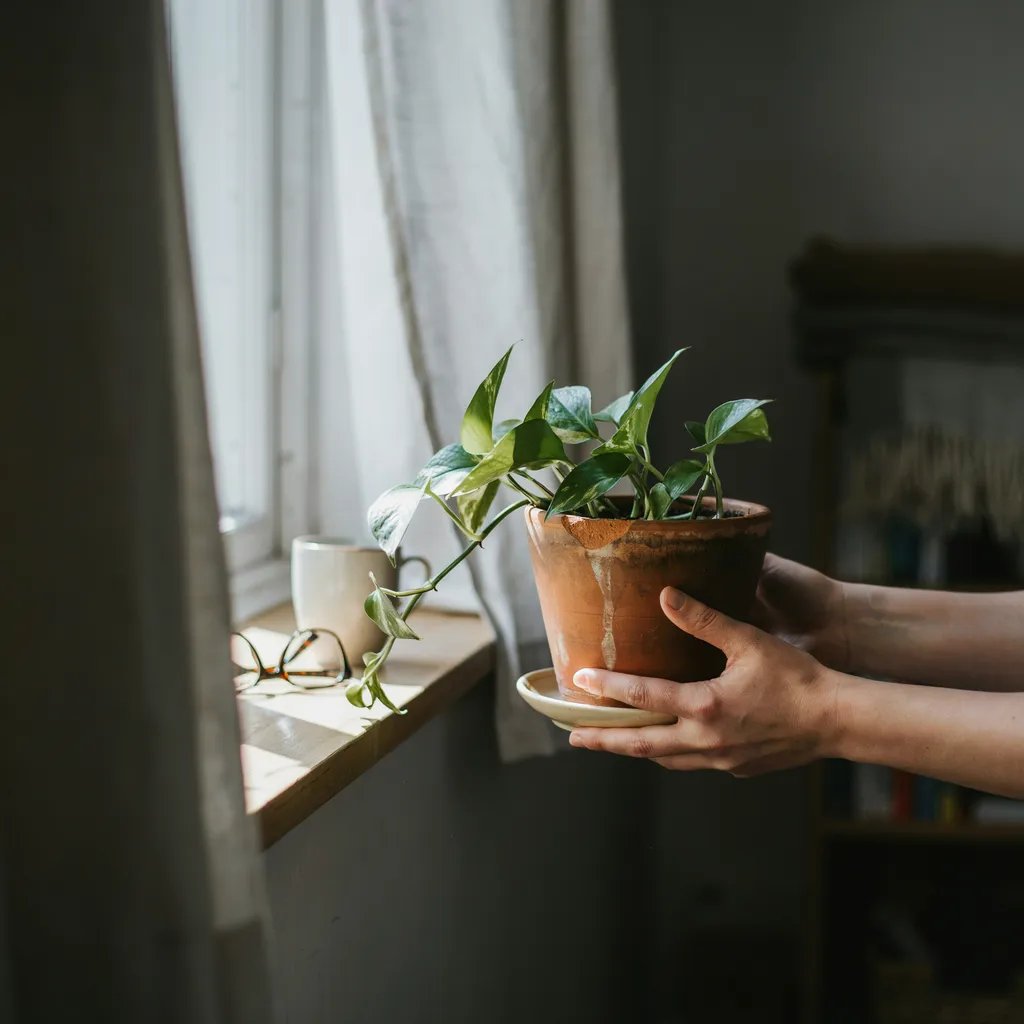
Rotating plants periodically to a brighter location if genuinely struggling means, for plants showing signs of struggle even in a documented low-light-tolerant selection, considering periodic rotation to a brighter location for a recovery period, recognizing that even tolerant plants genuinely benefit from occasional exposure to better light conditions rather than permanent placement in the dimmest available spot indefinitely.
Periodic rotation to brighter conditions genuinely provides a practical recovery option for struggling low-light plants, making this worth considering as a supplementary strategy rather than assuming a documented low-light-tolerant plant will thrive indefinitely without any periodic brighter-light exposure at all.
The Bottom Line
Choosing the best low-light indoor plants starts with honestly understanding that “low light” genuinely still requires some measurable indirect light, not literal darkness, making an accurate assessment of actual available light worth doing before selecting even the most tolerant species like ZZ plant, pothos, snake plant, or cast iron plant. Each of these genuinely low-light-tolerant options offers somewhat different additional strengths, ZZ plant and snake plant for overall care forgiveness, pothos for relatively faster visible growth, cast iron plant for broader environmental durability, making variety selection worth matching to the specific priorities and conditions of a particular low-light space.
Frequently Asked Questions
Can Low-Light Tolerant Plants Eventually Bloom or Flower Despite Their Reduced Light Conditions?
Most genuinely low-light-tolerant houseplants are primarily grown for foliage rather than reliable flowering, since blooming typically requires considerably more light than these plants’ basic survival needs, making foliage appeal the realistic primary benefit to expect from this plant category.
How Do I Know if My Space’s Light Level Genuinely Qualifies as “Low Light” Versus Being Too Dim for Any Plant?
A space that allows reading a book without artificial light during the day, or where you can see clear shadows cast by objects, generally provides adequate light for genuinely low-light-tolerant plants, while a space requiring artificial light even during daytime hours likely falls below what even these tolerant plants can sustain long-term.
Do Low-Light Plants Genuinely Need Less Frequent Watering Than Plants Grown in Brighter Conditions?
Yes, genuinely, plants growing in lower light conditions typically use water more slowly due to reduced photosynthetic activity, making it worth adjusting watering frequency downward compared with the same species grown in brighter light, to avoid overwatering in these lower-light conditions.
Can Artificial Grow Lights Genuinely Substitute for Natural Light for These Low-Light Tolerant Plants?
Yes, genuinely, supplemental grow lighting can support even better growth than the minimal natural light these plants tolerate on their own, making artificial lighting a worthwhile addition for anyone wanting to see more vigorous growth from naturally low-light-tolerant species.
Are There Any Genuine Downsides to Choosing Low-Light Tolerant Plants Over Plants Needing Brighter Conditions?
Low-light tolerant plants often genuinely grow somewhat slower than the same or comparable species grown in brighter conditions, making patience worth expecting regarding visible growth progress compared with plants grown in more ideal, brighter light environments.
Can These Low-Light Plants Eventually Be Moved to Brighter Locations Later Without Any Problems?
Yes, genuinely, though a gradual transition to brighter light, rather than an abrupt move, helps prevent leaf scorch or stress, since these plants have adapted to lower light conditions and benefit from a gradual adjustment period when moving to a considerably brighter location.