
How to Grow and Prune Boxwood Hedges

Repeatedly shearing boxwood into a tidy, solid outer shape genuinely blocks light from reaching the plant’s interior growth, and this light-starved interior genuinely thins out and eventually dies back, leaving a hollow, bare-centered shrub that looks fine from outside until age, storm damage, or a needed size reduction exposes this empty interior, making occasional selective pruning that lets light reach inward a genuinely necessary complement to regular shearing.
Quick Answer
Why Shearing Alone Hollows Out the Interior
The Light-Blocking Mechanism That Explains Why This Problem Develops Gradually and Invisibly
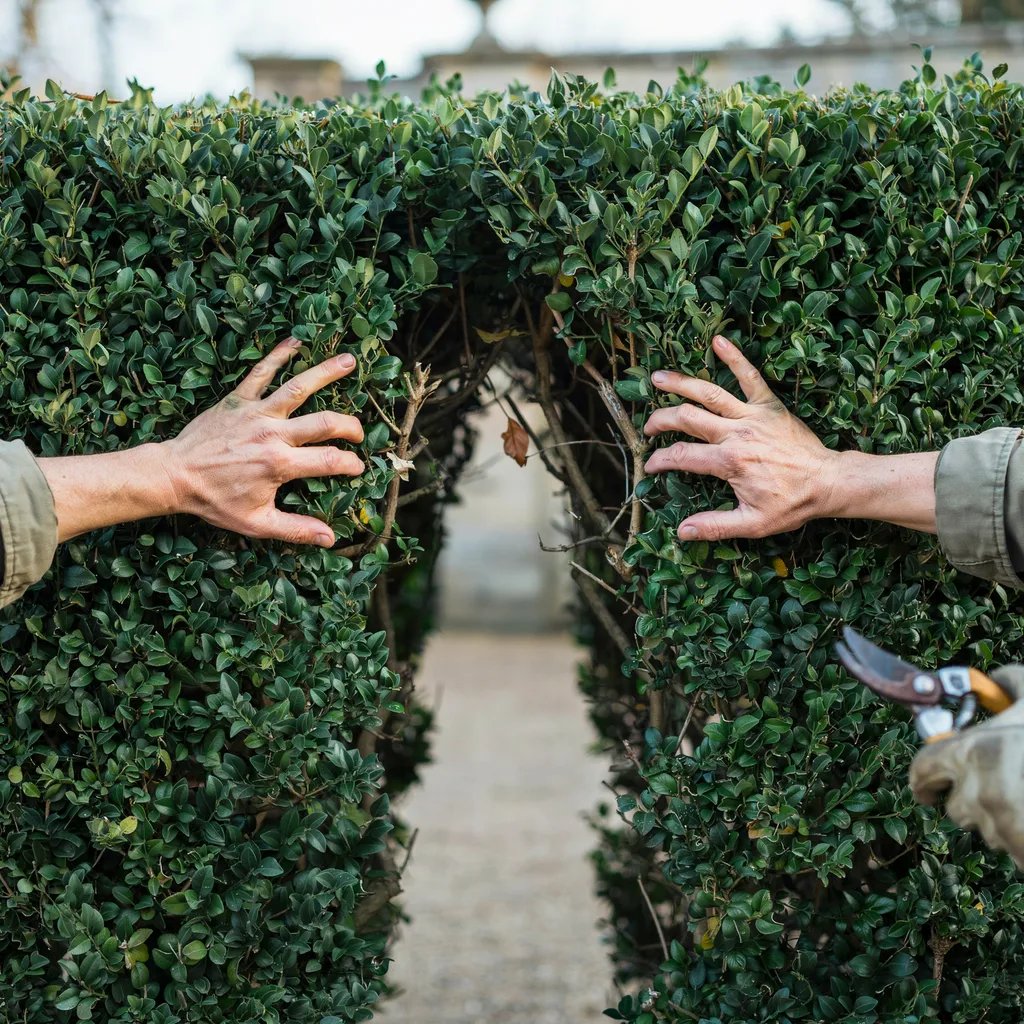
Why repeated shearing alone genuinely creates a hollow, light-starved interior over time is that shearing specifically encourages dense growth at the outer surface where cuts are made, and this increasingly dense outer shell genuinely blocks progressively more light from reaching the shrub’s interior, meaning years of shearing-only maintenance produces a boxwood that looks solid and healthy from outside while its actual interior structure has genuinely thinned and died back from prolonged light deprivation.
The light-blocking mechanism that explains why this problem develops gradually and invisibly is that each shearing session genuinely thickens the outer growth layer slightly more, meaning this light-blocking effect compounds gradually over years rather than appearing as an obvious immediate problem, making it genuinely easy for gardeners to not notice the developing interior hollowness until some disruption, storm damage or a needed size reduction, exposes it.
Understanding this genuine gradual, compounding light-blocking mechanism explains why the hollow-center problem develops invisibly over years of shearing-only maintenance, making periodic selective pruning worth incorporating proactively rather than waiting until the problem becomes visibly obvious.
Incorporating Periodic Selective Pruning to Open Gaps for Interior Light
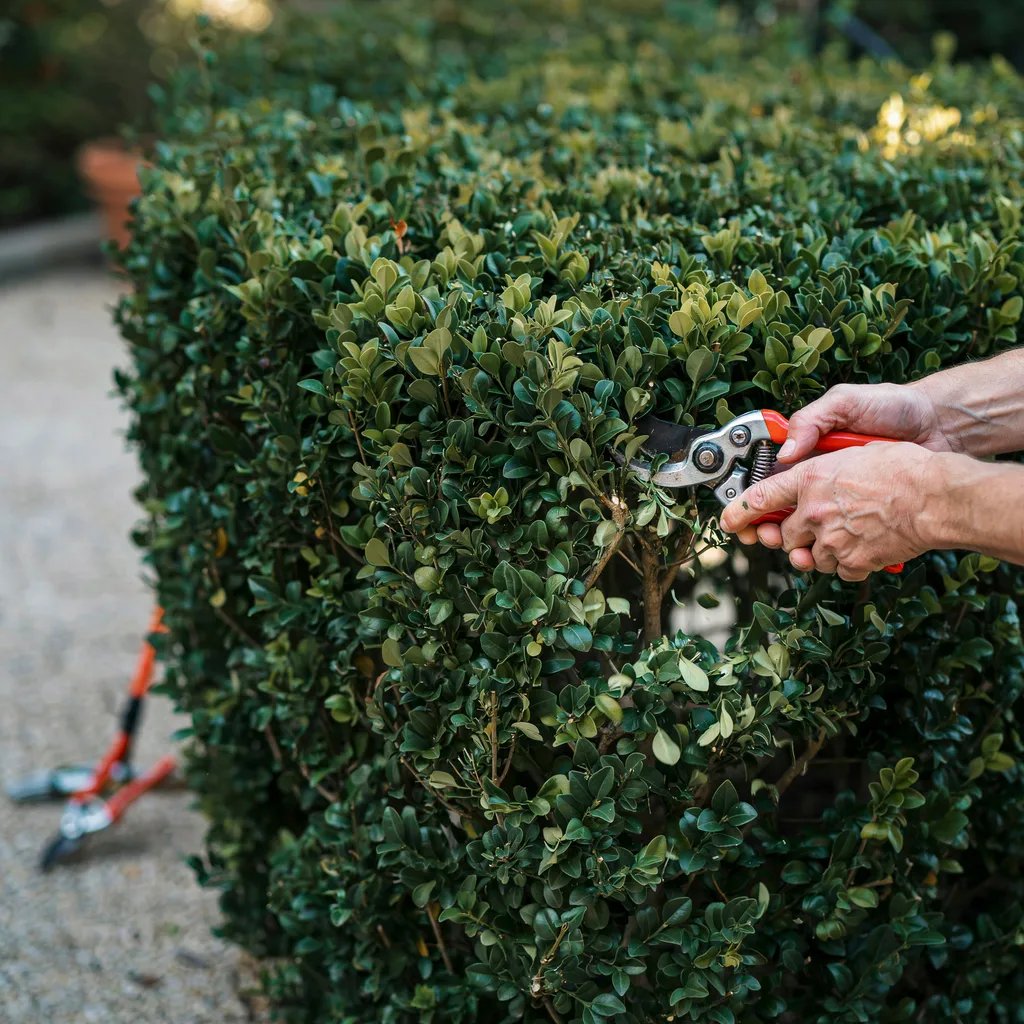
Incorporating periodic selective pruning to open gaps for interior light means, alongside regular shearing for shape, periodically making selective cuts that open small gaps in the outer growth layer, allowing light to genuinely reach interior branches and support their continued health rather than allowing them to gradually die back from accumulated shading.
This periodic selective pruning genuinely addresses the light-blocking problem shearing alone creates, making it worth incorporating as a deliberate, separate practice alongside regular shearing rather than assuming shearing alone constitutes complete boxwood maintenance.
Providing Well-Draining Soil
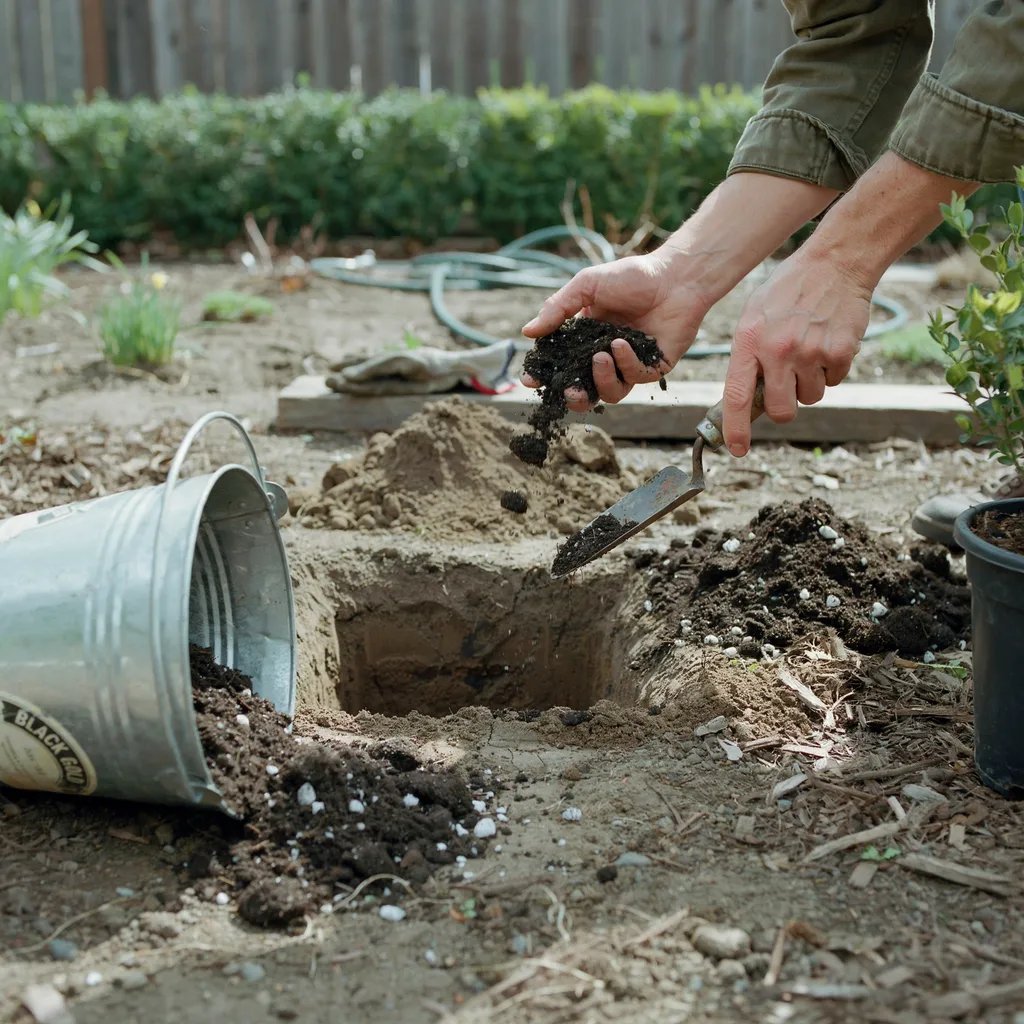
Providing genuinely well-draining soil given boxwood’s root rot susceptibility means ensuring planting locations offer real drainage, since boxwood is genuinely notably susceptible to root problems in consistently wet, poorly draining soil, making this a foundational site requirement worth verifying before planting rather than a minor consideration.
Boxwood’s genuine root rot susceptibility in poor drainage conditions makes site selection and soil preparation a real priority, worth addressing thoroughly at planting time given how directly this factor affects long-term plant health and survival.
Shearing Lightly and Regularly Through the Growing Season for Shape Maintenance
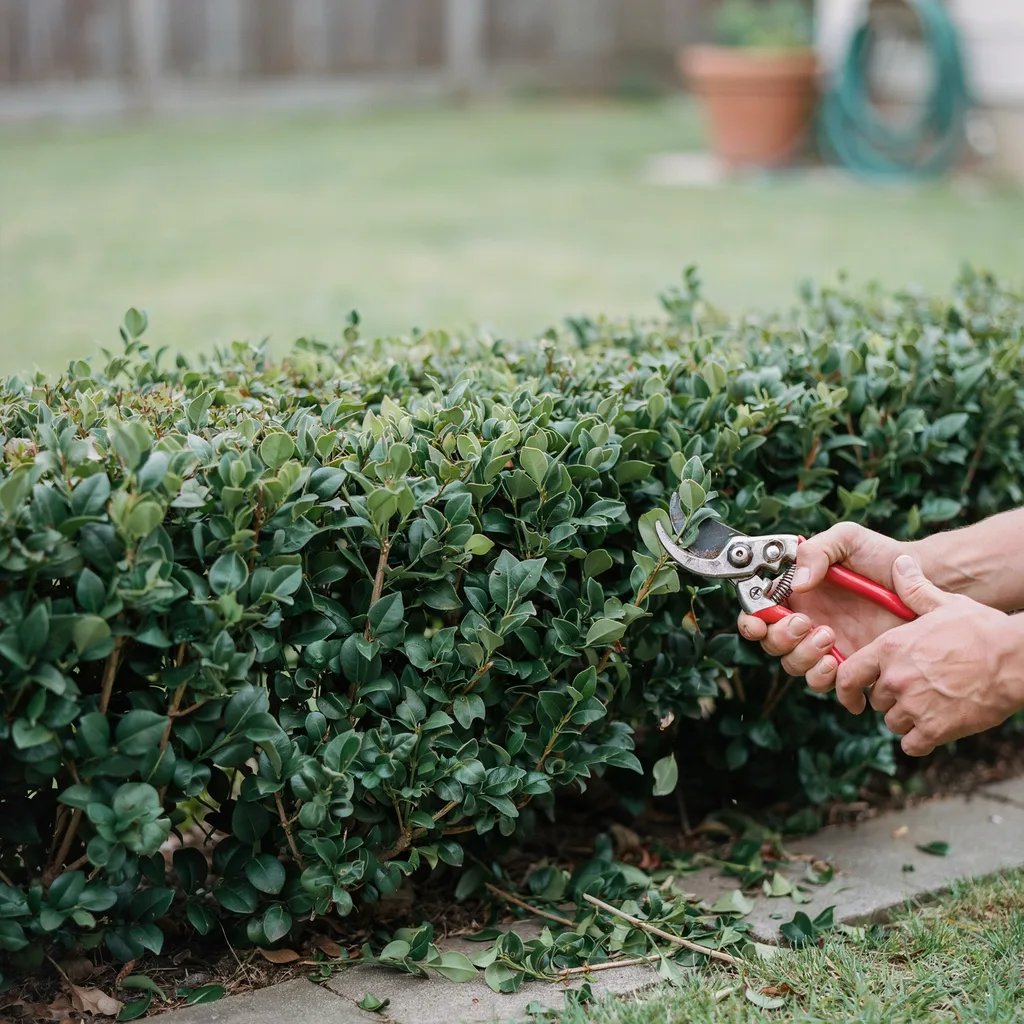
Shearing lightly and regularly through the growing season for shape maintenance means performing regular but genuinely light shearing sessions throughout the active growing season to maintain desired hedge shape, rather than infrequent, heavier shearing sessions that remove considerably more growth at once.
Regular, light shearing genuinely maintains shape more gradually and with less stress than infrequent heavy shearing, making this consistent, lighter-touch approach worth prioritizing for routine hedge shape maintenance throughout the season.
Reserving Any Harder Structural Pruning for Late Winter Dormancy
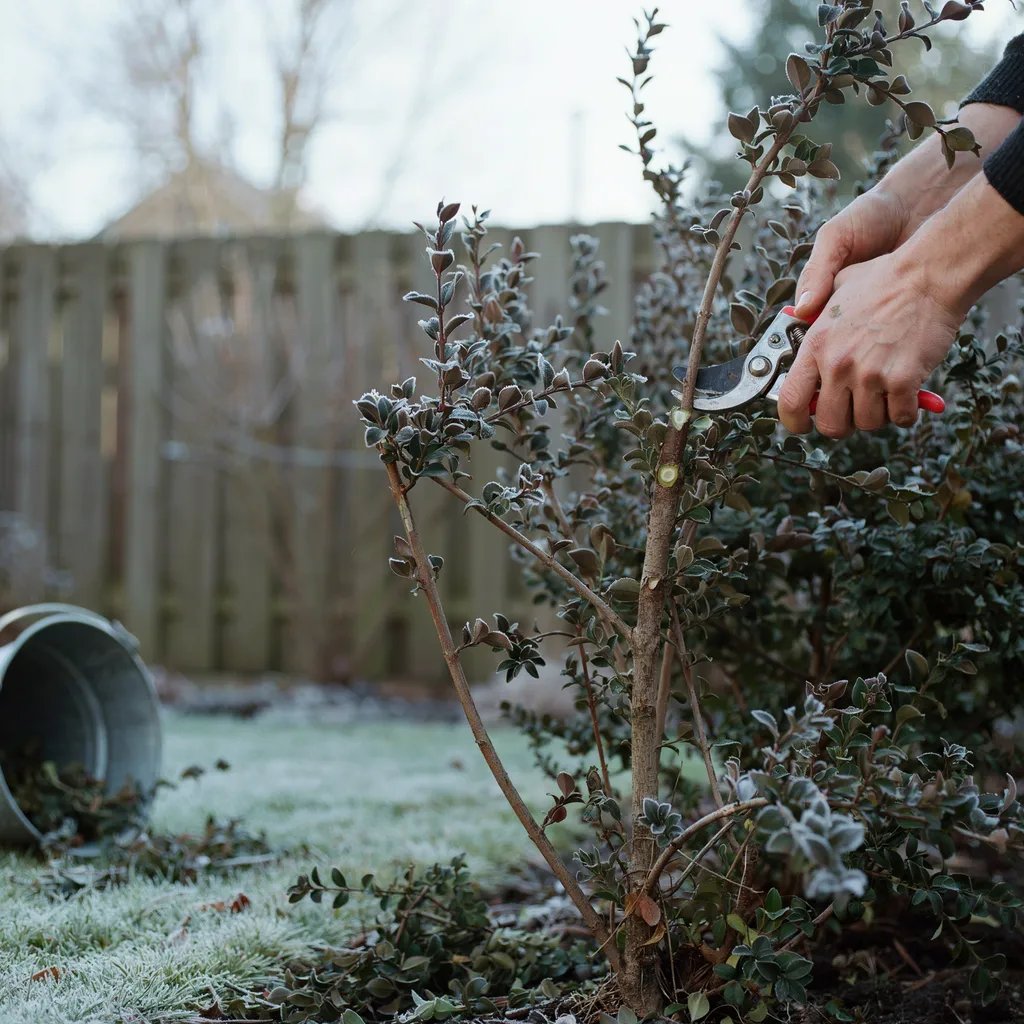
Reserving any harder structural pruning for late winter dormancy means timing any more significant size reduction or structural correction pruning for the dormant late winter period, similar to timing principles relevant to several other woody landscape plants, giving the boxwood the full coming growing season to recover and fill in before facing another winter.
This late-winter timing for harder pruning genuinely aligns significant structural work with the plant’s dormant period and subsequent full growing season recovery window, making this timing worth following for any pruning beyond routine light shearing.
Watching for Signs of Boxwood Blight and Other Documented Disease Concerns
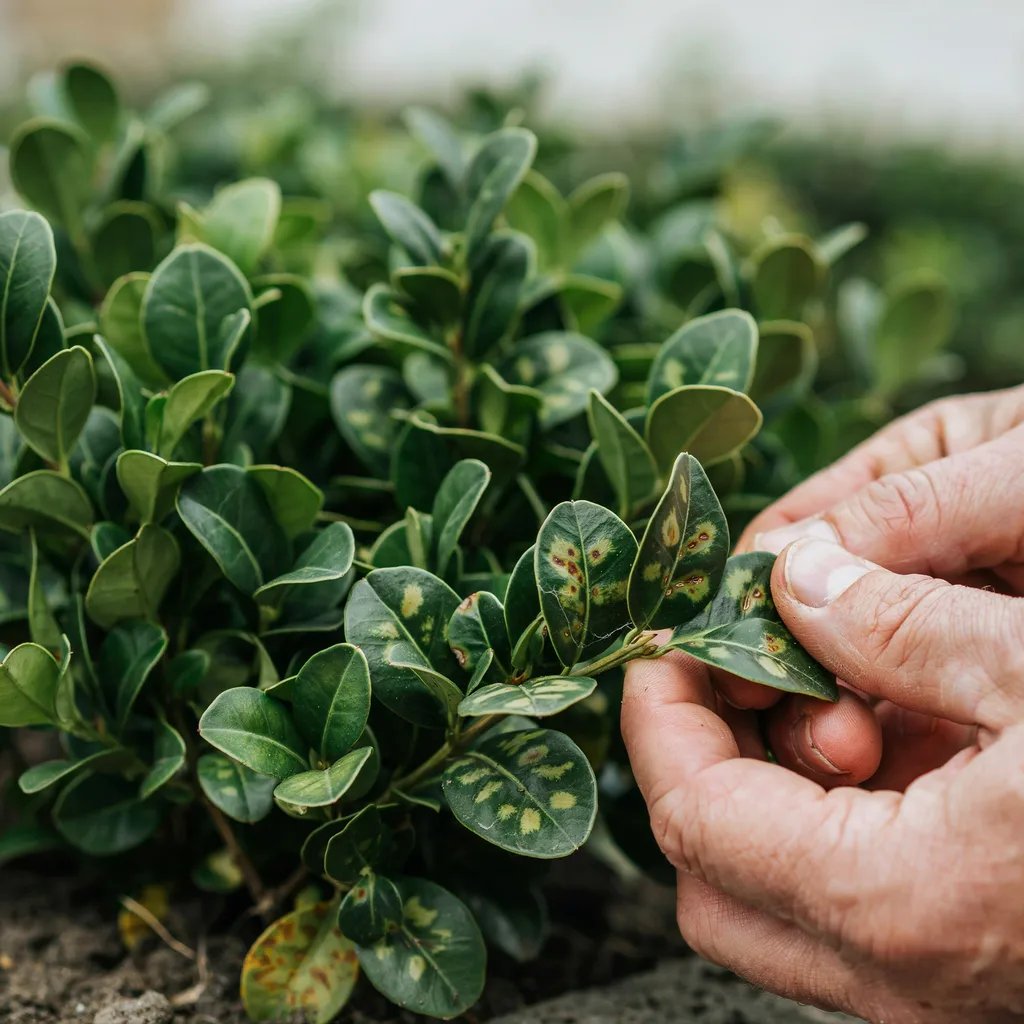
Watching for signs of boxwood blight and other documented disease concerns means staying alert to symptoms of this and other genuine boxwood disease threats, since boxwood faces some documented, sometimes serious disease pressures worth monitoring for as part of overall ongoing hedge health maintenance beyond just pruning technique alone.
Disease monitoring represents a genuine additional health consideration beyond pruning and soil drainage alone, making awareness of documented boxwood disease symptoms worth maintaining as part of comprehensive hedge care.
The Bottom Line
Growing and pruning boxwood hedges successfully depends on recognizing that regular shearing alone genuinely creates a hollow, light-starved interior over time by blocking light from reaching inner growth, making periodic selective pruning that opens gaps for interior light a genuinely necessary complement to routine shearing, not an optional refinement. Providing well-draining soil given boxwood’s genuine root rot susceptibility, shearing lightly and regularly through the growing season, reserving harder structural pruning for late winter dormancy, and watching for disease symptoms round out an approach that maintains genuinely healthy hedge structure rather than an attractive outer shell concealing a declining interior.
Frequently Asked Questions
How Can I Tell if My Existing Boxwood Hedge Has Already Developed a Hollow, Light-Starved Interior?
Checking by gently parting the outer foliage layer and looking inward, sparse, bare, or dead interior branches genuinely indicate this problem has already developed, making this quick visual check worth doing periodically on established hedges maintained primarily through shearing alone.
Can a Boxwood With an Already Hollow Interior Be Genuinely Restored Through Selective Pruning?
Yes, often genuinely, though this restoration process typically takes patience, opening the outer growth gradually over a season or two to allow interior light penetration and encourage new interior growth, rather than expecting immediate full recovery from a single pruning session.
Does Boxwood Genuinely Need Fertilizer to Maintain Healthy Growth and Hedge Density?
Light, infrequent fertilizing generally supports healthy boxwood growth, though excessive fertilizing, particularly high-nitrogen products, can push overly vigorous outer growth that actually worsens the light-blocking interior shading problem discussed throughout this care approach.
How Long Does It Typically Take for a Newly Planted Boxwood Hedge to Reach a Genuinely Mature, Filled-In Appearance?
Depending on variety and growing conditions, most boxwood hedges take several years, often 3-5 or more, to reach a genuinely mature, densely filled appearance, making this a longer-term hedging investment compared with some faster-growing hedge alternatives.
Can Boxwood Be Successfully Grown in Containers Rather Than as an In-Ground Hedge?
Yes, genuinely, boxwood adapts reasonably well to container growing, particularly compact varieties, making container use a viable option for formal container plantings or entryway displays beyond traditional in-ground hedge applications.
Is It Necessary to Clean Pruning Tools Between Boxwood Plants Given Disease Concerns Like Boxwood Blight?
Yes, genuinely, given documented disease concerns affecting boxwood, sanitizing pruning tools between different plants, particularly if any disease symptoms are suspected anywhere in the planting, represents a reasonable precaution against inadvertently spreading disease between individual shrubs.