
How to Make Seed Bombs for Guerrilla Gardening

The clay coating genuinely protects seeds from bird predation and drying wind exposure until natural rainfall eventually dissolves that protective layer, meaning seed bombs genuinely time germination to actually favorable moisture conditions rather than the random, often premature exposure loose scattered seed would face, making this clay protection mechanism the actual functional reason seed bombs outperform simply throwing loose seed onto bare ground.
The Clay Coating’s Protective Function
The Rain-Triggered Release Mechanism
The rain-triggered release mechanism that makes this genuinely more than just a delivery method is that the clay coating’s dissolution genuinely happens specifically in response to moisture, meaning seeds are protected during dry periods when germination would likely fail anyway, and only become exposed and able to germinate once rain provides the actual moisture conditions germination genuinely requires, a real functional timing mechanism, not simply a packaging convenience.
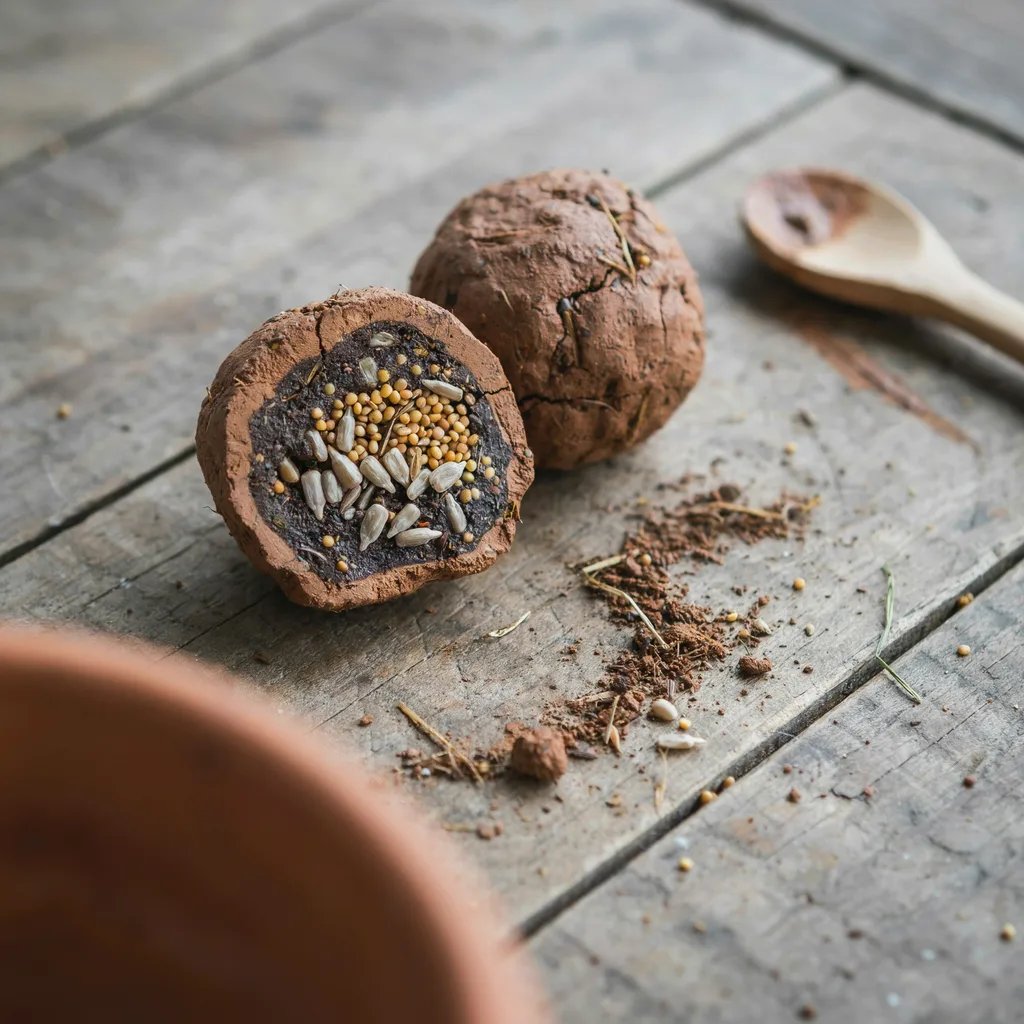
Why the clay coating’s genuine protective function explains seed bombs’ advantage over loose seed is that loose scattered seed faces genuine, immediate predation risk from birds and other seed-eating creatures, plus rapid moisture loss from wind and sun exposure, while the clay coating genuinely shields seeds from both these threats until rainfall naturally dissolves that protective layer, timing exposure to coincide with the actual moisture conditions seeds need for successful germination.
Understanding this genuine rain-triggered protective mechanism explains why seed bombs represent a real functional improvement over loose scattered seed, not simply an aesthetically interesting alternative delivery format for the same underlying seeding process.
Combining Clay, Compost, and Seeds in Roughly Balanced Proportions
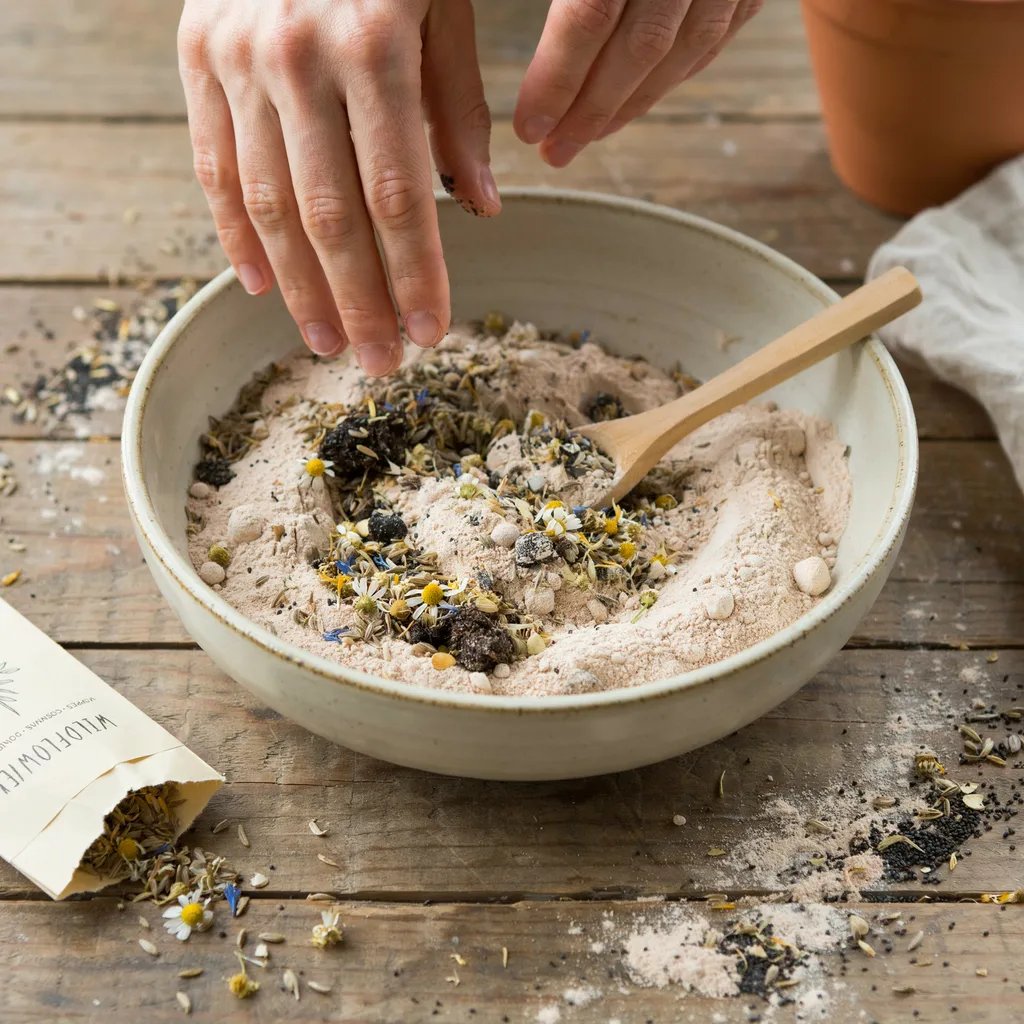
Combining clay, compost, and seeds in roughly balanced proportions means mixing powdered clay, compost, and the chosen seed selection together, typically with the clay and compost in roughly similar proportions and seeds added in a genuinely adequate but not excessive quantity, before adding water gradually to bring the mixture to a workable, moldable consistency.
This basic material combination genuinely provides both the protective clay coating and the nutrient-rich compost that supports initial seedling establishment once germination does occur, making both components worth including rather than using clay alone without the compost’s supportive nutrient contribution.
Forming the Mixture Into Small Balls and Allowing Them to Dry Thoroughly
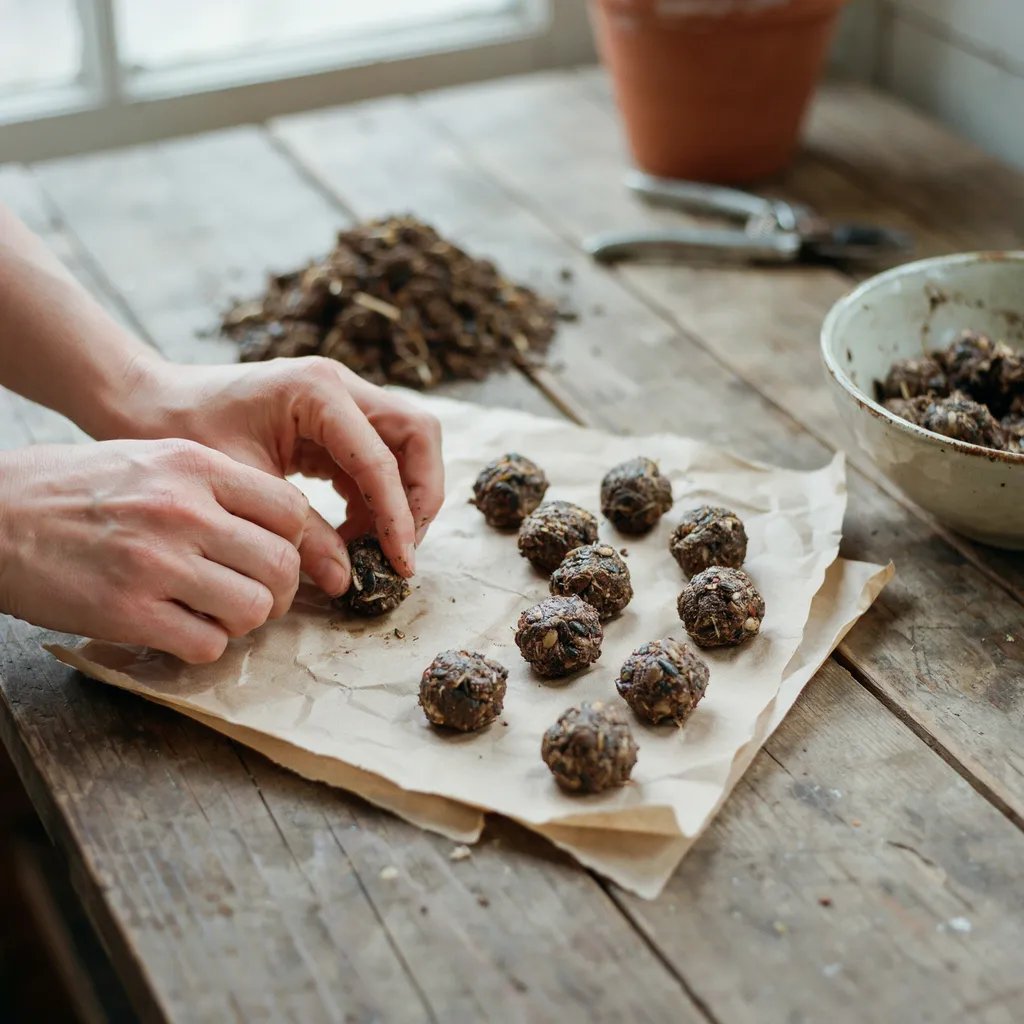
Forming the mixture into small balls and allowing them to dry thoroughly means shaping the combined, moistened mixture into small balls, typically an inch or so in diameter, then allowing these formed balls to dry completely before use, since adequate drying genuinely ensures the clay coating provides its intended protective function once dispersed.
Complete drying genuinely matters for the clay coating’s protective integrity, making this step worth allowing adequate time for rather than using freshly formed, still-moist seed bombs before they’ve genuinely dried and hardened.
Choosing Native or Regional Seed Species
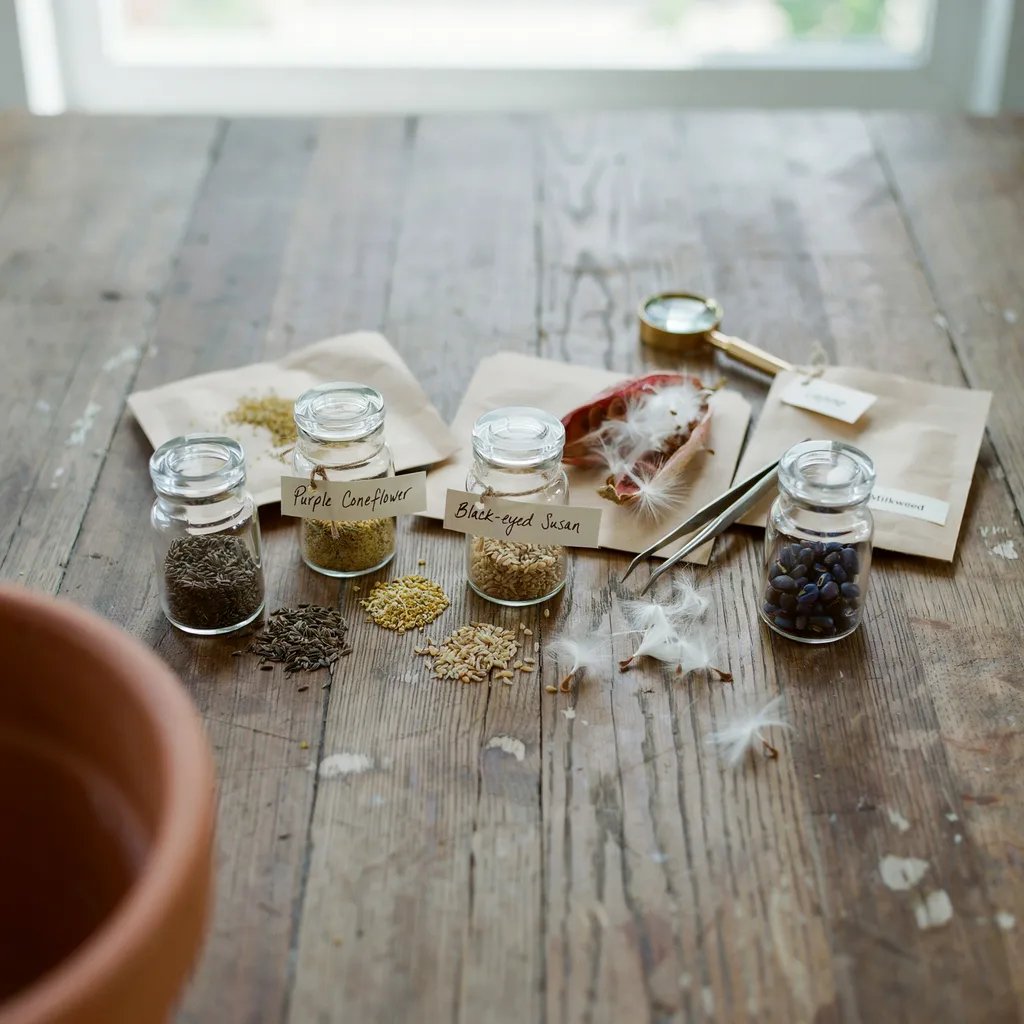
Choosing genuinely native or regionally appropriate seed species means selecting seeds actually suited to the local growing conditions and, ideally, native to the specific region where seed bombs will be dispersed, since this species selection genuinely matters more for the project’s actual ecological and practical success than the seed bomb technique itself, however carefully executed the clay-and-compost mixture might be.
Species selection genuinely represents the actual determining factor for whether dispersed seed bombs produce meaningful, appropriate plant establishment, making this consideration worth prioritizing over technique refinement alone, since even a perfectly made seed bomb fails its purpose if filled with genuinely inappropriate seed for the intended location.
Checking Local Regulations Before Dispersing Seed Bombs on Public or Others’ Land
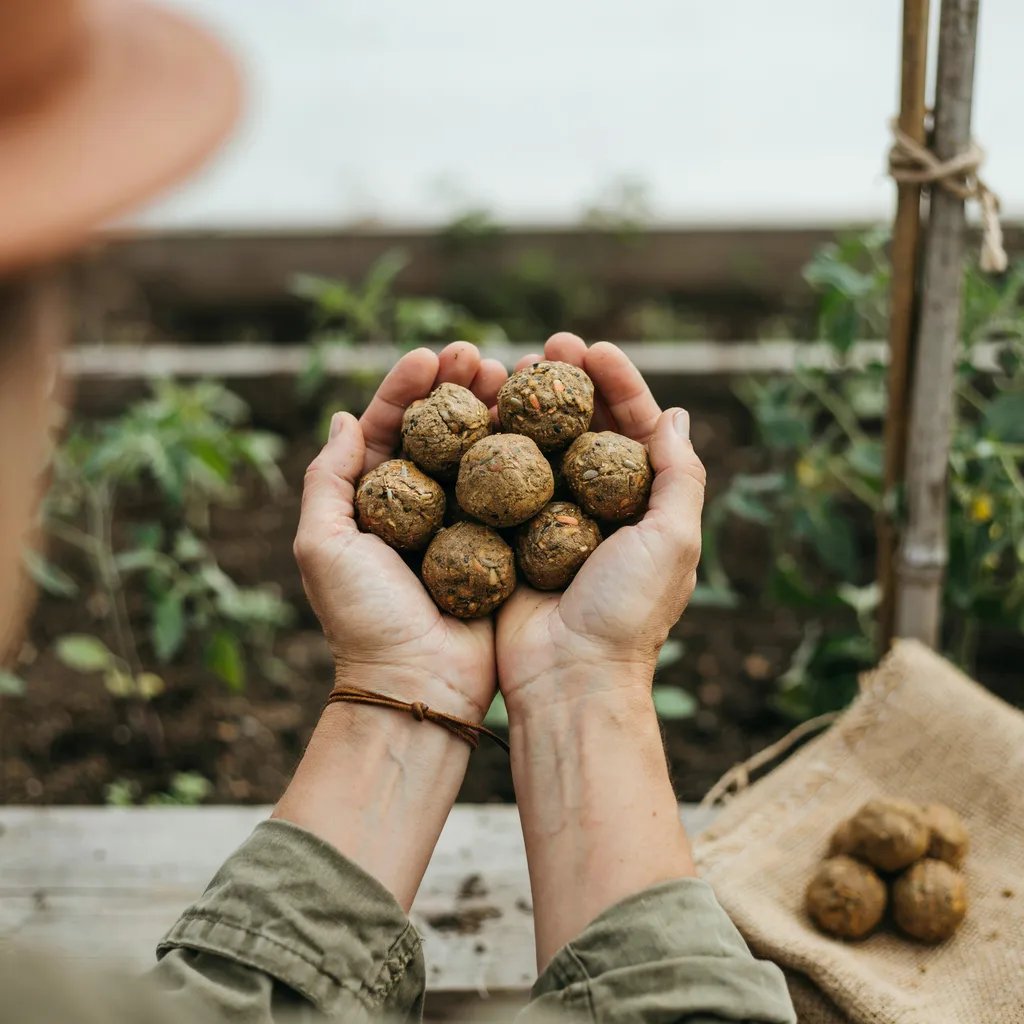
Checking local regulations before dispersing seed bombs on public or others’ land means genuinely verifying the legal status of seed dispersal on any intended location before proceeding, since guerrilla gardening practices genuinely exist in a legally ambiguous or sometimes outright prohibited space depending on specific local jurisdiction and land ownership.
This legal consideration represents a genuine, practical concern worth addressing honestly, making it worth researching local regulations specifically rather than assuming seed dispersal on any land, public or otherwise, is automatically permissible regardless of ownership or local rules.
Timing Dispersal to the Right Season
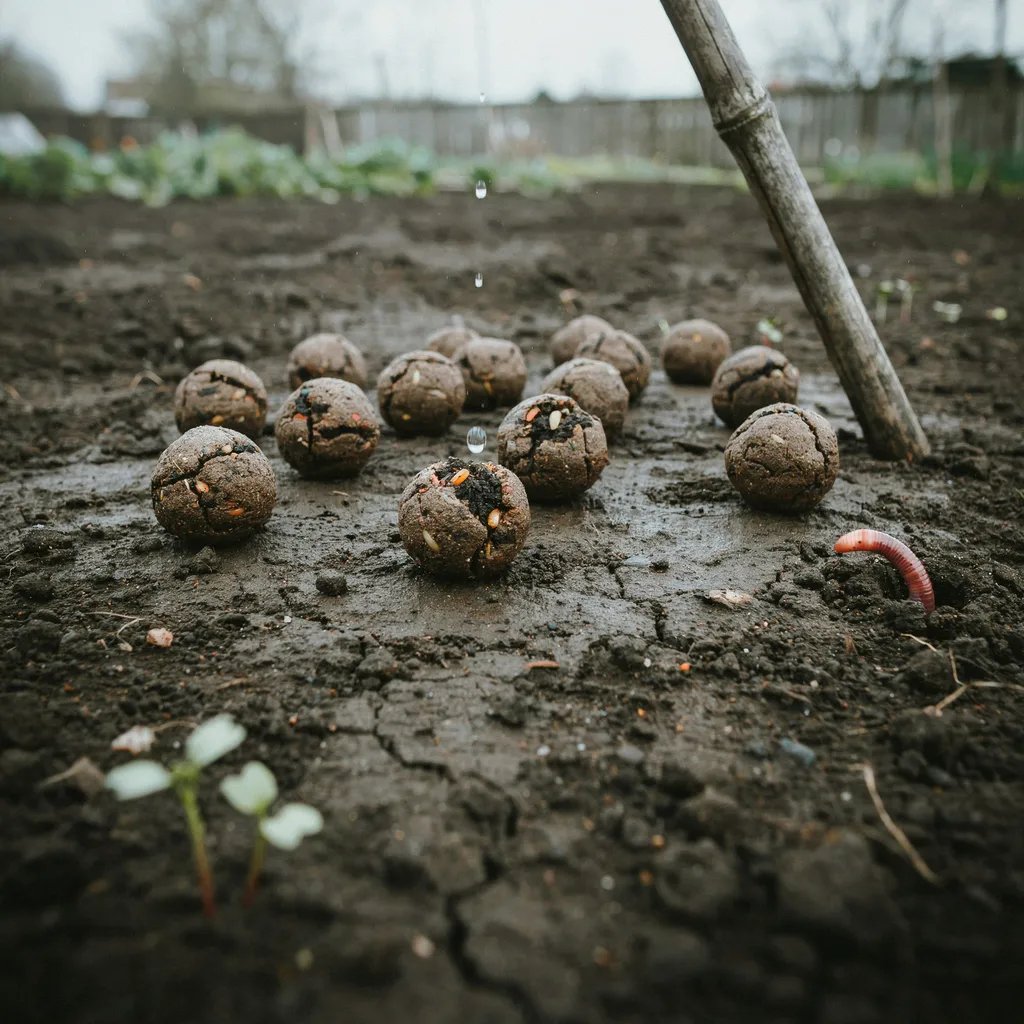
Timing dispersal to coincide with a season genuinely suited to the chosen species means releasing seed bombs during the appropriate season for the specific seeds included, since even the clay coating’s protective, rain-triggered release mechanism works best when the overall timing aligns with when the chosen species would naturally be expected to germinate and establish successfully.
Seasonal timing genuinely complements rather than replaces the clay coating’s protective function, making appropriate seasonal dispersal worth planning alongside the technique itself rather than assuming the clay protection alone guarantees success regardless of when dispersal actually happens.
The Bottom Line
Making seed bombs for guerrilla gardening depends on understanding the clay coating’s genuine protective and rain-triggered release function, which shields seeds from predation and premature drying while timing actual exposure to coincide with the moisture conditions germination genuinely requires, a real functional advantage over simply scattering loose seed. Combining clay, compost, and appropriately selected native or regionally suited seeds, allowing thorough drying before use, checking local legal considerations, and timing dispersal to an appropriate season round out an approach that gives this distinctive, low-tech propagation method a genuine chance at meaningful ecological impact.
Frequently Asked Questions
How Long Can Prepared Seed Bombs Be Stored Before Use Without Losing Their Effectiveness?
Properly dried seed bombs can genuinely be stored for a reasonable period, often several months, in a cool, dry location before use, though checking seed viability for the specific species included and using them within a reasonable timeframe generally produces the most reliable results.
Can Seed Bombs Be Used in a Personal Garden, Not Just for Guerrilla Gardening on Other Land?
Yes, genuinely, the same technique works perfectly well for direct-sowing native wildflowers or other seeds in one’s own garden space, offering a fun, tactile alternative to standard direct seeding while avoiding any of the legal considerations relevant to dispersal on land outside one’s own property.
Does the Specific Type of Clay Used Genuinely Matter for Seed Bomb Effectiveness?
A basic powdered clay, often available as a pottery or gardening supply, generally works well, though some seed bomb recipes specifically recommend certain clay types documented to hold together well while still dissolving appropriately once exposed to adequate rainfall.
Can Seed Bombs Genuinely Establish Plants Successfully in Very Poor, Compacted, or Degraded Soil Conditions?
Seed bombs can genuinely help in moderately poor conditions given the compost component’s nutrient contribution, though genuinely severely degraded or compacted soil may still present real establishment challenges regardless of the seed bomb technique, making realistic expectations worth setting for genuinely difficult site conditions.
Is There a Risk That Seed Bombs Could Introduce Genuinely Invasive Species if Seed Selection Isn’t Careful?
Yes, genuinely, this is a real, serious concern, making careful selection of genuinely native or otherwise appropriate, non-invasive species absolutely essential, since introducing invasive species through seed bombs would cause genuine ecological harm rather than the positive impact this practice intends.
How Many Seeds Should Genuinely Be Included in Each Individual Seed Bomb for Best Results?
A modest handful of seeds per bomb, rather than an excessive quantity, generally works well, since overcrowding seedlings within the same small area once germination occurs can create genuine competition that reduces overall establishment success compared with a more moderate seed density.