
How to Use Mass Planting for Bigger Garden Impact

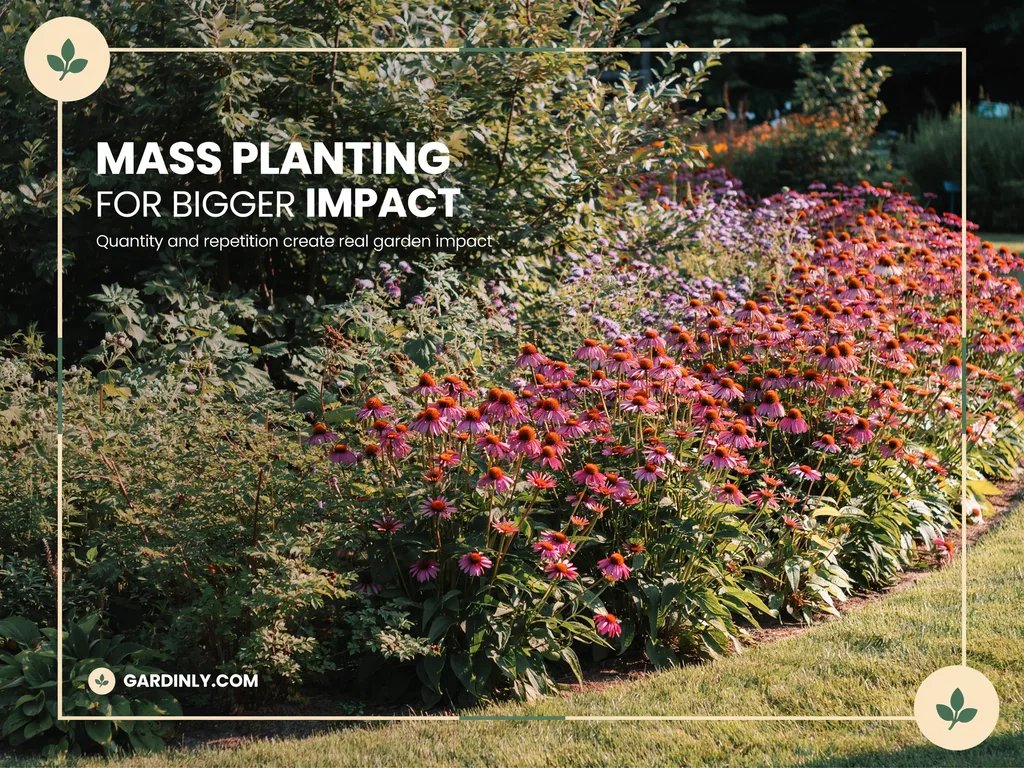
A single plant species repeated in genuine, substantial quantity reads as a deliberate, intentional design statement even from a considerable viewing distance, while that same plant used as a lone specimen or in a small cluster often simply disappears into the visual complexity of a mixed bed, making quantity itself, not just plant selection, a genuine determining factor in whether a planting actually achieves visible garden impact.
Why Quantity Determines Real Impact
The Visual Cohesion Mechanism
The visual cohesion mechanism that explains why repetition genuinely creates impact is that repeated elements genuinely trigger a perceptual grouping response, the eye and brain process the repeated plants as a single unified visual mass rather than as many individual plants, creating a genuinely stronger, more legible visual statement than the same total plant material would create if scattered individually throughout a bed instead.
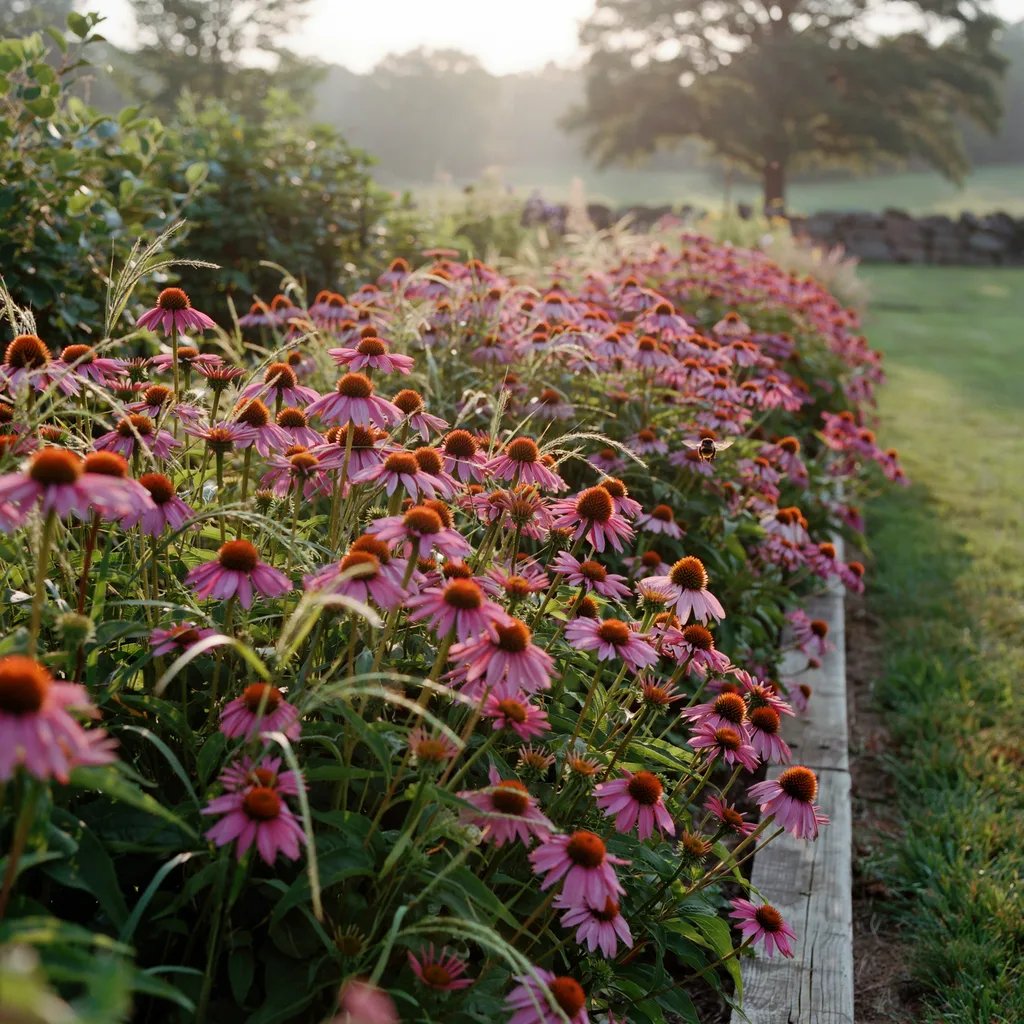
Why genuine quantity, not just plant choice, determines whether a planting achieves real impact is that the human eye genuinely processes repeated visual elements as a cohesive whole, meaning a substantial quantity of a single plant species creates a unified visual mass that reads clearly even from distance, while the identical plant species used singly or in small numbers genuinely lacks this same visual weight and tends to blend into surrounding planting complexity rather than standing out as its own distinct statement.
Understanding this genuine perceptual grouping mechanism explains why mass planting’s impact comes specifically from quantity and repetition, not simply from choosing an inherently more visually striking plant species, making sufficient quantity worth prioritizing as the actual design lever this technique depends on.
Choosing Plants With Uniform Growth Habit
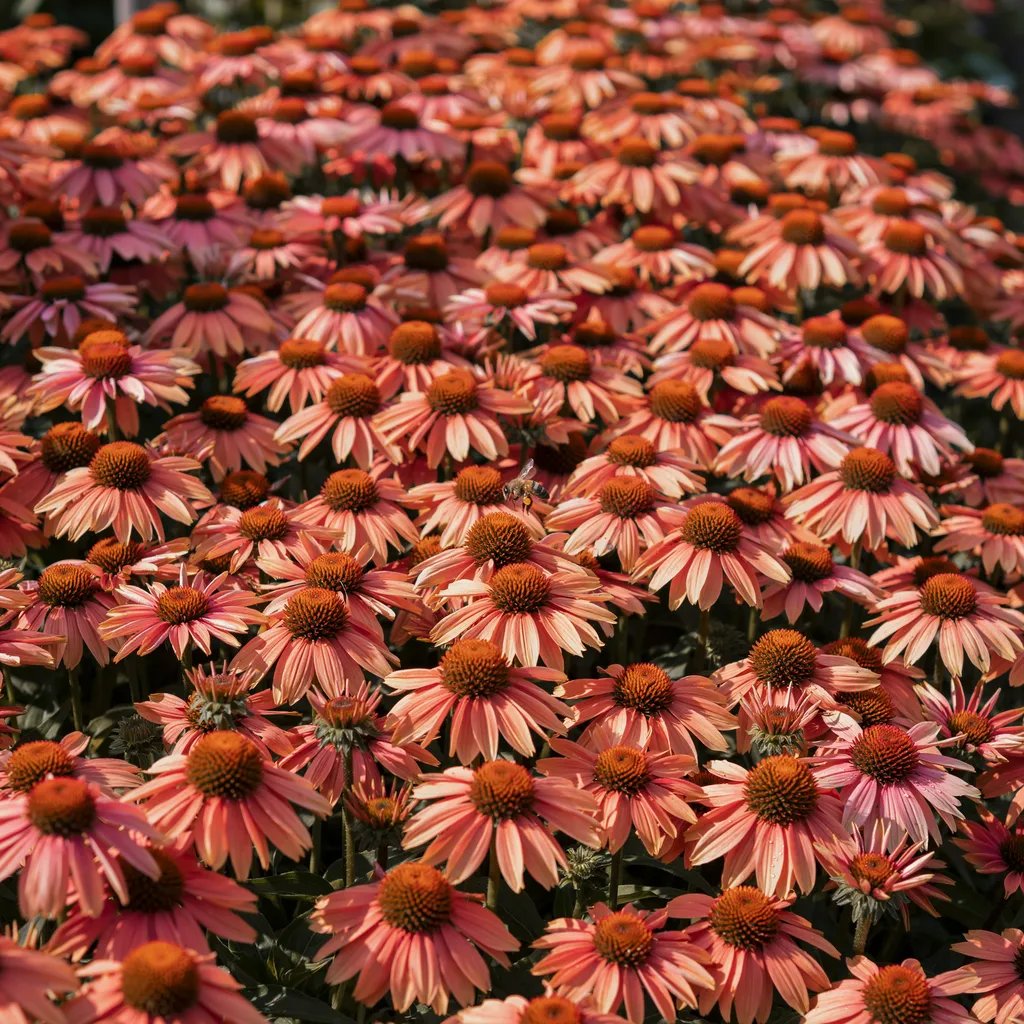
Choosing plants with genuinely reliable, uniform growth habit for cohesive grouping means selecting species that grow with reasonably consistent, predictable form across individual plants, since genuinely uniform growth habit supports the cohesive visual mass mass planting depends on, while highly variable individual plant growth would undermine this same unified visual effect.
Growth habit uniformity genuinely affects whether a mass planting achieves its intended cohesive visual effect, making this characteristic worth prioritizing during species selection specifically for mass planting applications, beyond simply choosing an attractive individual plant.
Determining Adequate Quantity for Impact
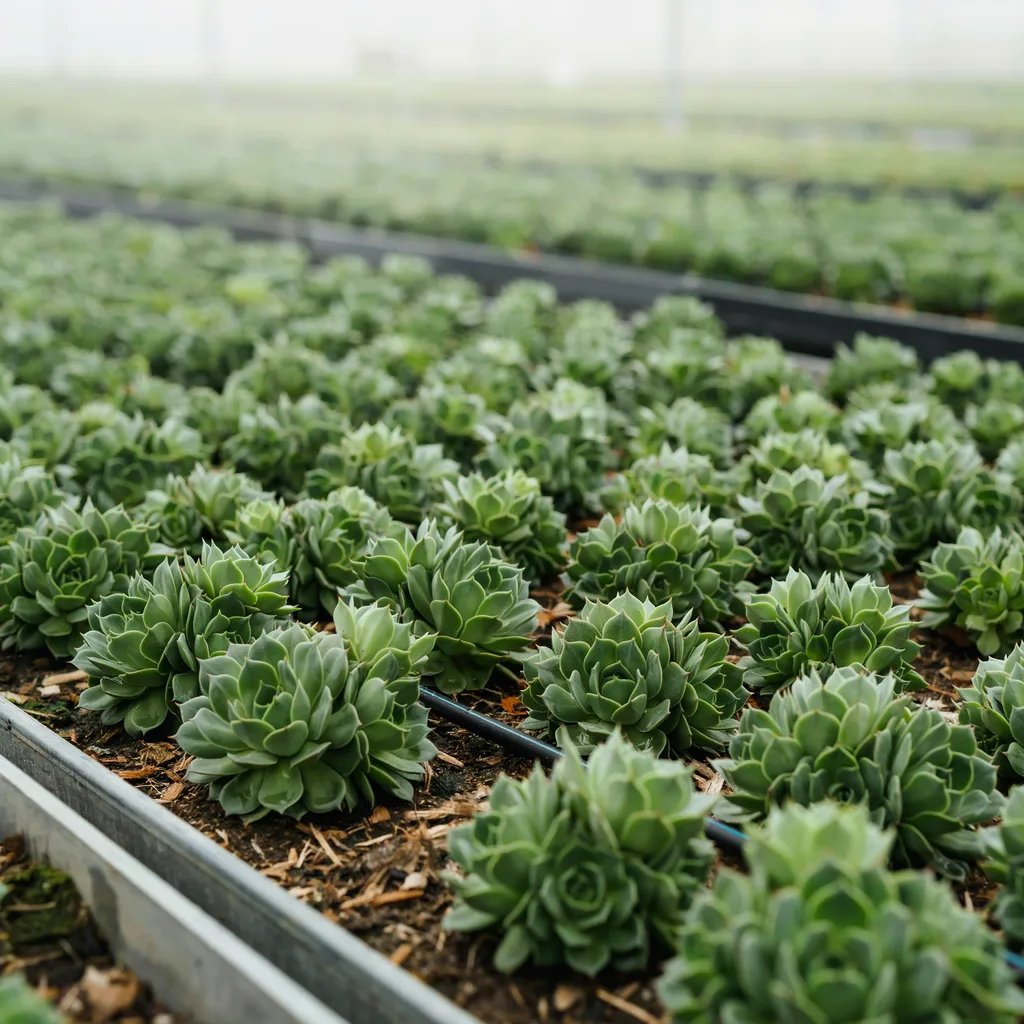
Determining genuinely adequate quantity for the intended visual impact and viewing distance means considering how many plants are genuinely needed to create the intended visual mass effect given the specific viewing distance and bed scale involved, since a quantity that reads as substantial in a small, close-viewed bed might genuinely appear insufficient in a larger space viewed from further away.
Quantity genuinely needs calibration to the specific bed scale and viewing distance rather than following a fixed universal number, making this consideration worth planning deliberately based on the actual intended viewing context for a specific mass planting.
Positioning Mass Plantings at Focal Points
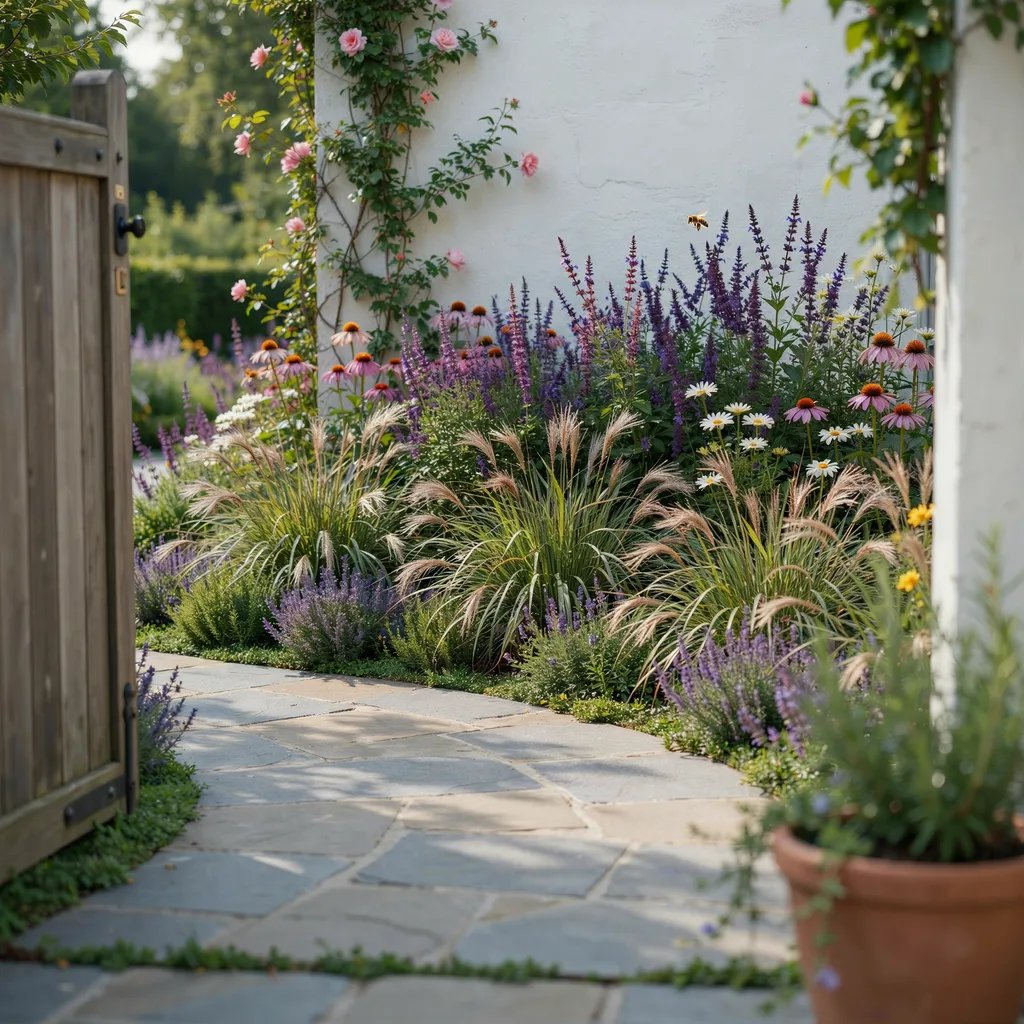
Positioning mass plantings at genuine focal points meant to draw the eye means deliberately placing mass plantings where they’ll do the most visual work, an entry area, a view from a main window, a spot specifically meant to anchor the overall garden composition, rather than distributing this same impact-focused technique evenly and less purposefully throughout an entire landscape.
Strategic focal-point placement genuinely maximizes mass planting’s impact specifically where it matters most, making deliberate positioning worth as much planning consideration as the plant selection and quantity decisions themselves.
Weighing the Diversity Versus Impact Tradeoff
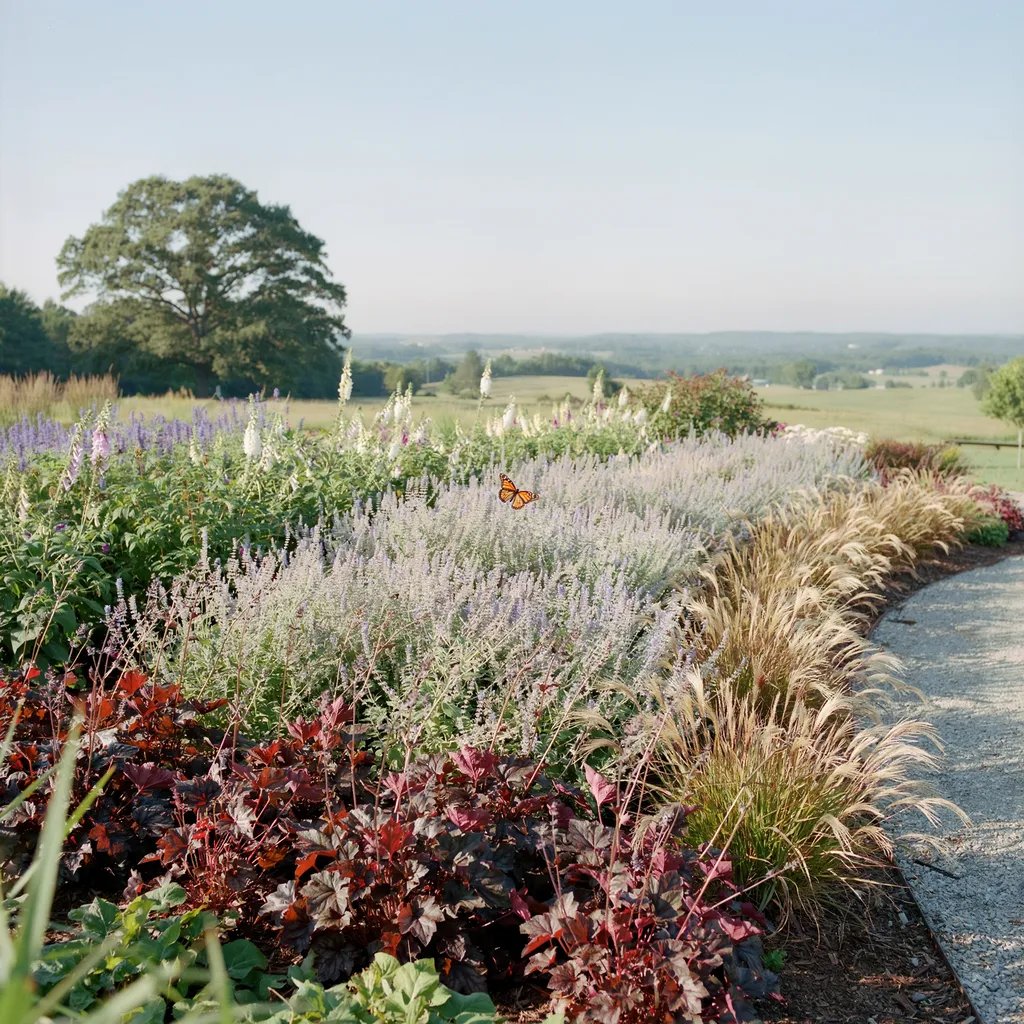
Weighing the genuine diversity-versus-impact tradeoff deliberately means recognizing that mass planting genuinely sacrifices the plant diversity a more varied, mixed border would offer in exchange for the stronger visual impact repetition and quantity provide, a real design tradeoff worth considering deliberately rather than assuming mass planting is simply better or worse than diverse planting in some absolute sense.
This genuine tradeoff between diversity and impact represents a real design decision, not a matter of one approach being objectively correct, making it worth weighing deliberately based on specific garden goals rather than defaulting to either approach without this consideration.
Balancing Mass-Planted Areas Against More Diverse Zones Elsewhere in the Landscape
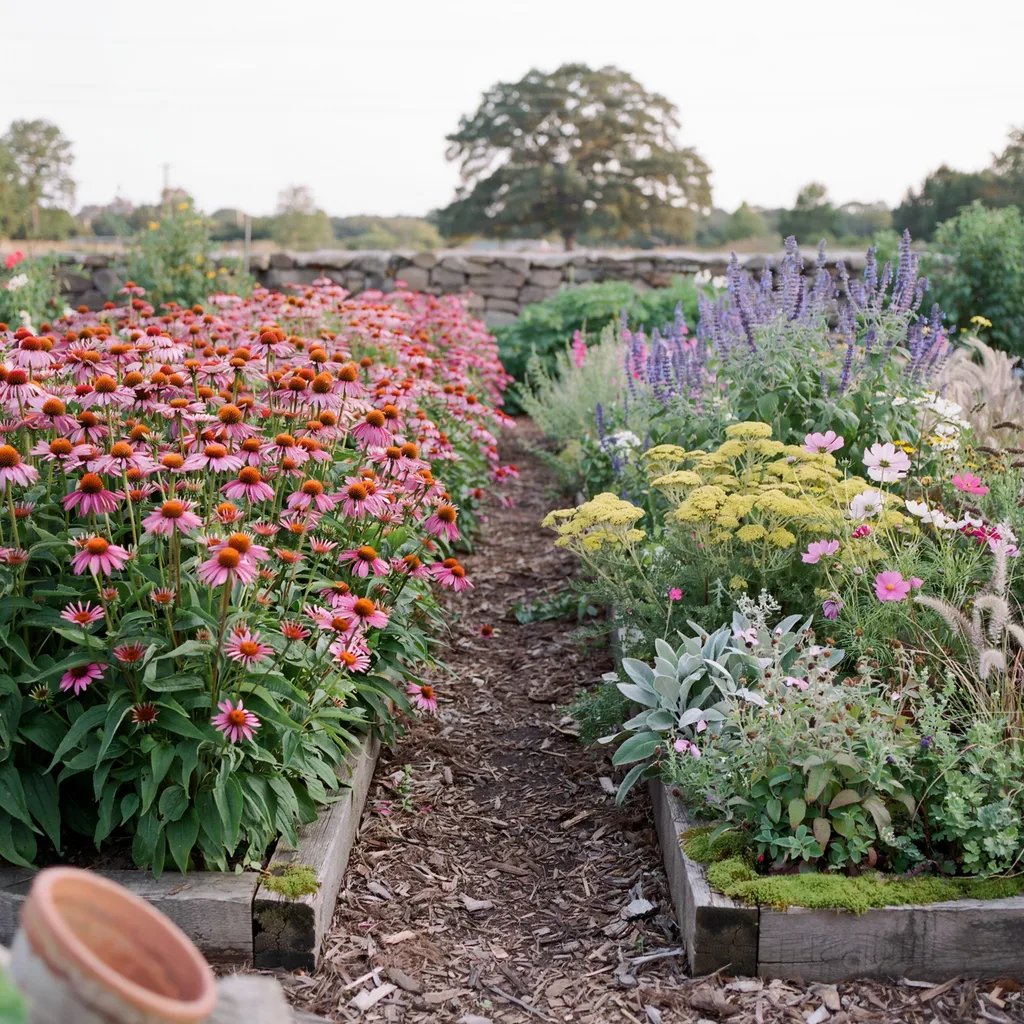
Balancing mass-planted areas against more diverse zones elsewhere in the landscape means using mass planting selectively for specific high-impact areas while maintaining more diverse, varied planting elsewhere in the overall landscape, capturing genuine visual impact where it matters most while still preserving the ecological and aesthetic benefits diverse planting provides in other garden areas.
This selective, balanced approach genuinely captures mass planting’s impact benefit without sacrificing an entire landscape’s overall plant diversity, making strategic zone-based application worth considering rather than an all-or-nothing commitment to either purely mass-planted or purely diverse garden design throughout an entire property.
The Bottom Line
Using mass planting for bigger garden impact depends on understanding that genuine visual impact comes specifically from quantity and repetition triggering a real perceptual grouping response, not simply from choosing an inherently striking plant species, making sufficient scale and appropriately uniform growth habit worth prioritizing together. Positioning mass plantings deliberately at genuine focal points, weighing the real diversity-versus-impact tradeoff this technique represents, and balancing mass-planted areas against more diverse zones elsewhere round out an approach that captures this technique’s genuine visual power while making a deliberate, considered design choice rather than an unconsidered default.
Frequently Asked Questions
How Many Plants Are Genuinely Needed for an Effective Mass Planting in a Typical Home Garden Bed?
There’s no fixed universal number, but many designers suggest odd-numbered groupings starting around 5-7 plants minimum for a modest visual mass effect, scaling up considerably for larger beds or areas specifically meant to be viewed from greater distance.
Can Mass Planting Genuinely Work Well With Flowering Plants, or Is It Better Suited to Foliage-Focused Species?
Yes, genuinely, mass planting works effectively with both flowering and foliage-focused species, though flowering mass plantings create particularly dramatic seasonal impact during bloom while offering less consistent impact outside that specific bloom window compared with foliage-based mass plantings.
Does Mass Planting Genuinely Require More or Less Maintenance Than a Diverse Mixed Border?
Mass plantings often genuinely require somewhat less varied maintenance attention since the same care approach applies uniformly across the whole planted area, though this can vary depending on the specific species chosen and its particular care requirements.
Can Mass Planting Be Successfully Combined With Matrix Planting Principles in the Same Garden Design?
Yes, genuinely, these two naturalistic design approaches share some conceptual overlap and can work well together, with matrix planting’s unifying ground layer sometimes functioning similarly to a mass planting’s own repetition-based visual cohesion within the same overall design.
Is Mass Planting Genuinely Suited to Small Home Gardens, or Is It Primarily an Approach for Larger Landscapes?
Mass planting can genuinely work at smaller scales too, though the plant quantity and bed area need scaling down proportionally, making this technique adaptable across different garden sizes rather than requiring a large landscape to be effective.
Does Choosing Native Plant Species for Mass Planting Provide Additional Genuine Benefits Beyond Visual Impact?
Yes, genuinely, native species used in mass plantings can provide real additional ecological benefit, supporting local pollinators and wildlife more effectively than non-native alternatives, making native species selection worth considering specifically for mass planting projects wanting to combine visual impact with ecological value.