
How to Get Rid of Moles in Your Garden


Moles genuinely feed on grubs and earthworms found in soil, not on plant roots the way many gardeners assume, meaning the actual damage a mole causes comes from its raised surface tunnels physically disrupting root systems and lawn appearance, not from the mole eating garden plants directly, a real distinction that reshapes both how to think about mole damage and which control strategies actually make sense.
Understanding Moles’ Real Diet
The Grub-and-Earthworm Diet
The grub-and-earthworm diet that explains why grub control genuinely affects mole presence is that moles are genuinely drawn to areas with abundant grub and earthworm populations as their actual food source, meaning a lawn with a genuinely heavy grub infestation provides considerably more attractive foraging territory than a lawn with lower grub populations, making grub population management a real, indirect but genuinely effective mole deterrence strategy.
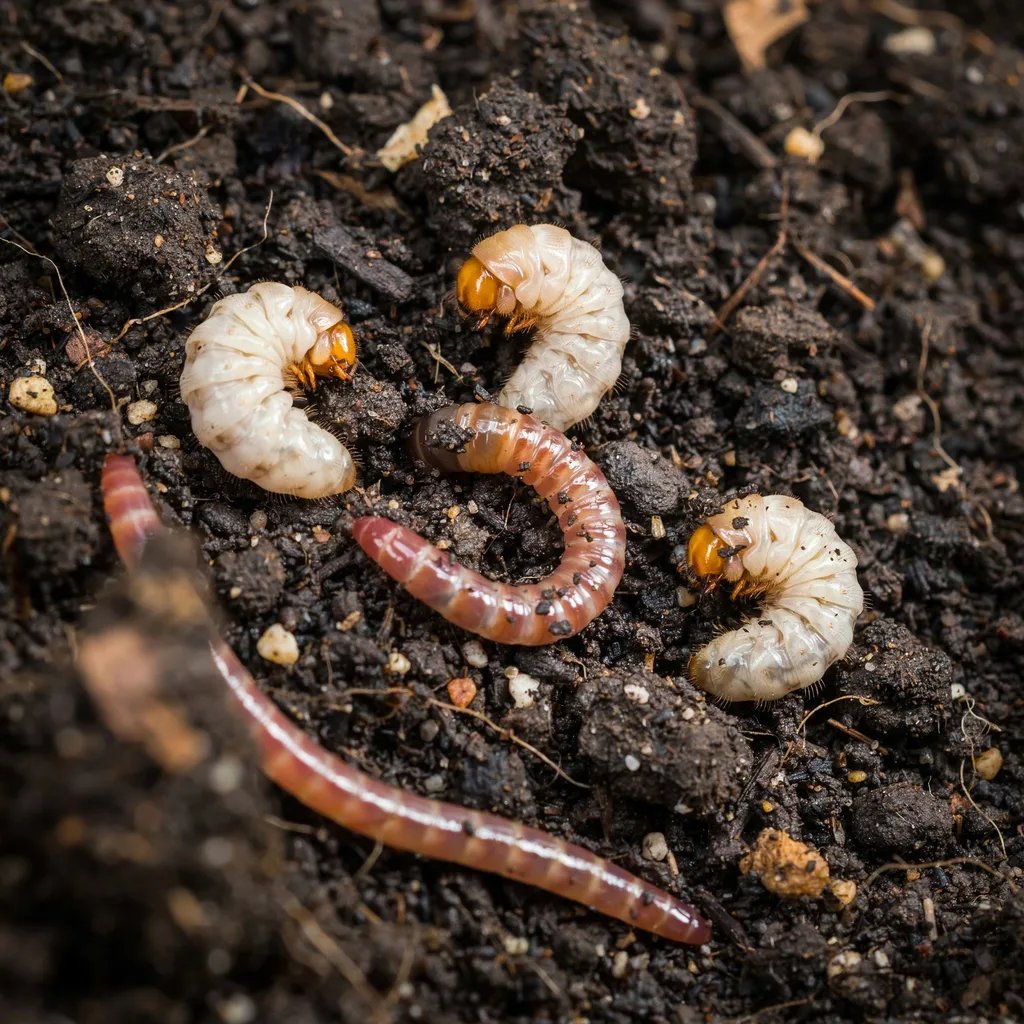
Why understanding moles’ genuine diet reshapes how to think about the actual damage source is that moles genuinely aren’t eating garden plants at all, meaning all the visible damage, raised tunnel ridges, disturbed soil, uprooted small plants, comes specifically from the physical tunneling activity itself rather than from any direct plant consumption, a distinction that redirects control strategy toward addressing tunneling behavior and its underlying food source rather than plant protection methods that would address a feeding threat that doesn’t actually exist.
Understanding this genuine diet-driven habitat preference explains why addressing underlying grub populations represents a real, mechanistically grounded mole management strategy, not simply an unrelated lawn care practice that happens to coincidentally also affect moles.
Reducing Grub Populations to Deter Moles

Reducing grub populations to genuinely make an area less attractive to moles means addressing lawn grub infestations through appropriate treatment, since a genuinely reduced grub food source makes an area considerably less attractive foraging territory for moles, indirectly reducing mole activity without needing to directly target the moles themselves.
This indirect, food-source-focused approach genuinely addresses mole presence at a root cause level, making grub population assessment and management worth considering as a foundational strategy before or alongside more direct mole control methods.
Installing Underground Mesh Barriers to Physically Exclude Moles From Specific Areas

Installing underground mesh barriers to physically exclude moles from specific areas means burying a genuine physical mesh barrier around specific garden beds or areas needing particular protection, creating a real physical obstruction that prevents mole tunneling into that specific protected zone regardless of overall mole population presence elsewhere in the yard.
Physical barriers genuinely provide targeted protection for specific high-value areas, making this approach worth prioritizing specifically for garden beds or areas where mole damage would be particularly problematic, rather than attempting to barrier an entire property.
Trapping as the Most Reliable Removal Method
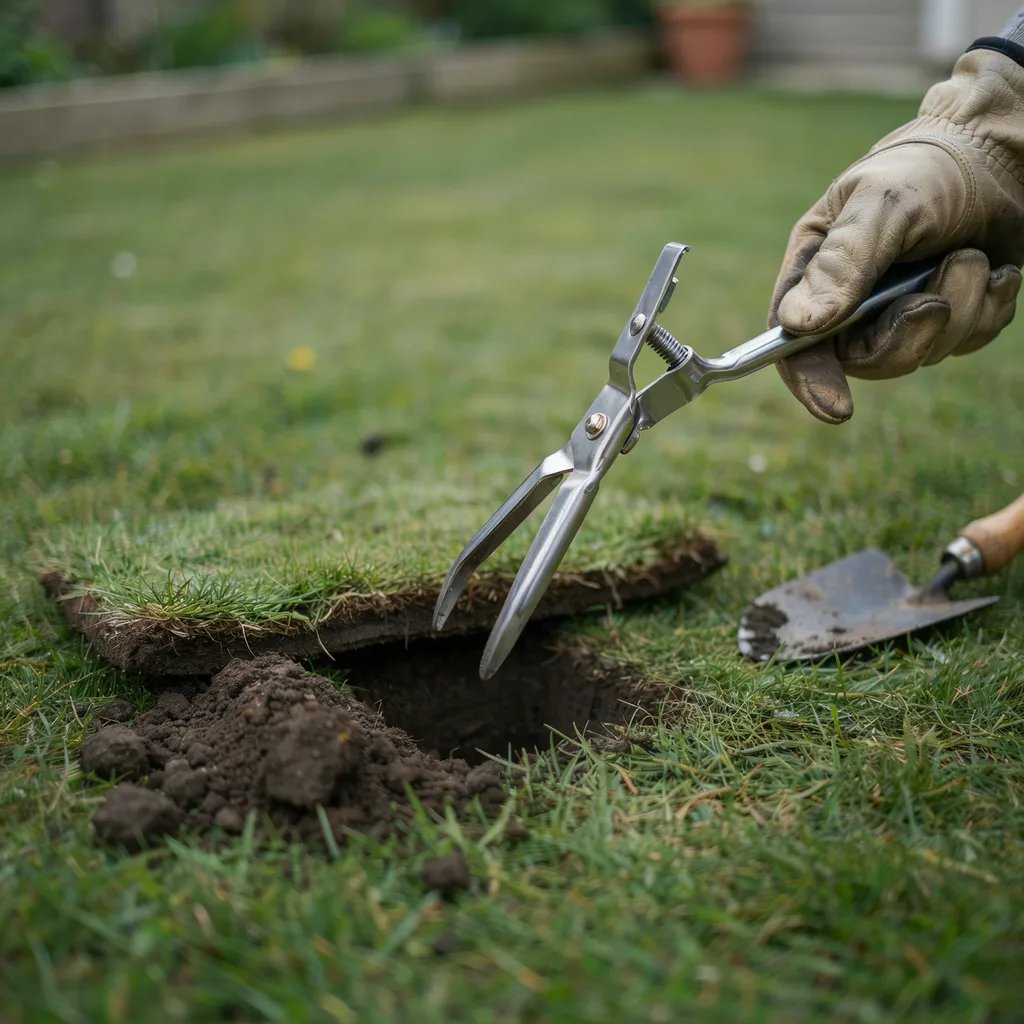
Using trapping as the genuinely most reliable direct removal method means recognizing that, for an already-established mole problem, properly placed and set traps genuinely represent the most reliable direct removal approach available, considerably more consistently effective than many alternative deterrent methods that lack the same documented reliability.
Trapping’s genuine reliability advantage over many alternative deterrent methods makes it worth considering as the primary direct intervention for an active, established mole problem, particularly when indirect grub management and physical barriers alone haven’t adequately resolved the issue.
Why Many Deterrent Products Lack Effectiveness
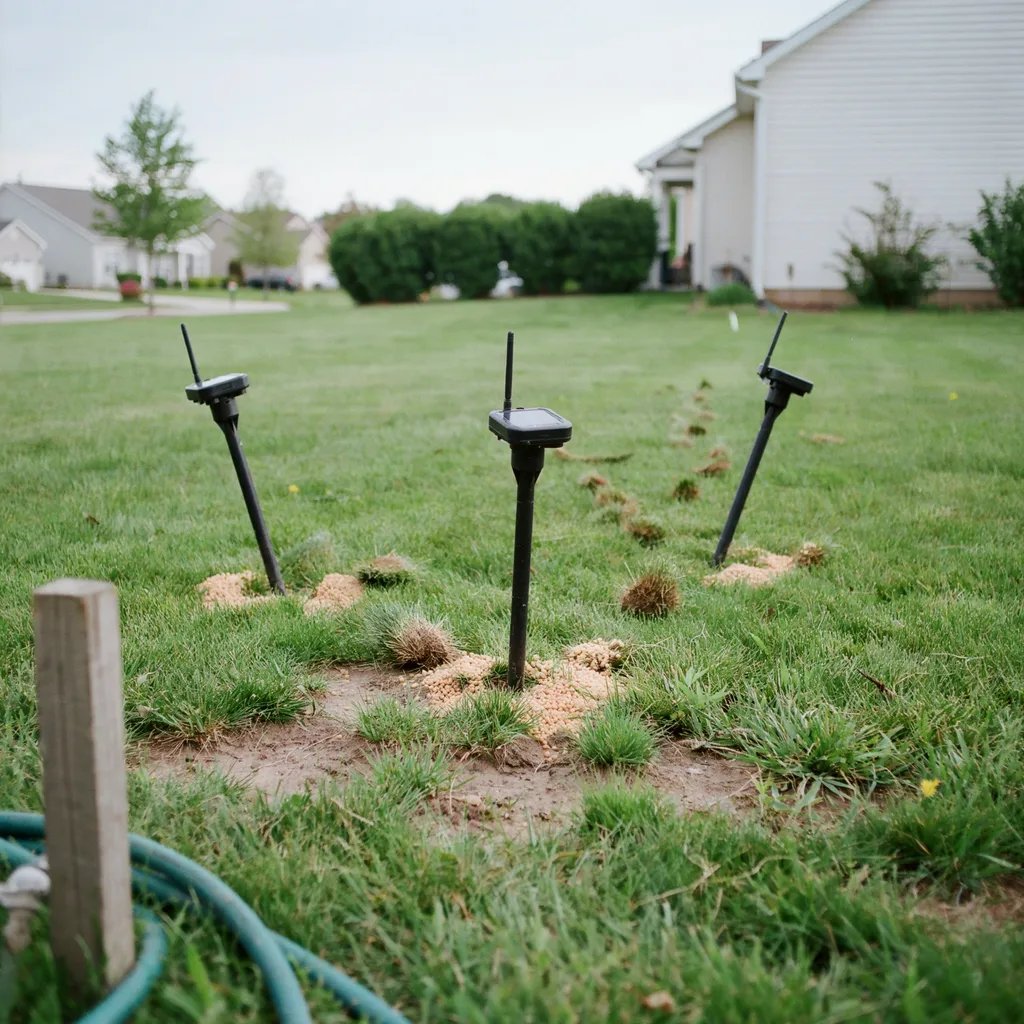
Recognizing that many popular mole deterrent products genuinely lack reliable effectiveness means understanding that various commercially marketed mole repellent products, vibrating stakes, certain granular repellents, genuinely show inconsistent or limited documented effectiveness compared with the more reliable grub management, physical barrier, and trapping approaches already discussed.
This honest assessment of many deterrent products’ genuinely limited documented effectiveness helps set realistic expectations, making it worth prioritizing the more reliably effective strategies discussed here over unproven deterrent products marketed with less substantiated effectiveness claims.
Filling in Tunnels and Monitoring for Renewed Activity After Intervention
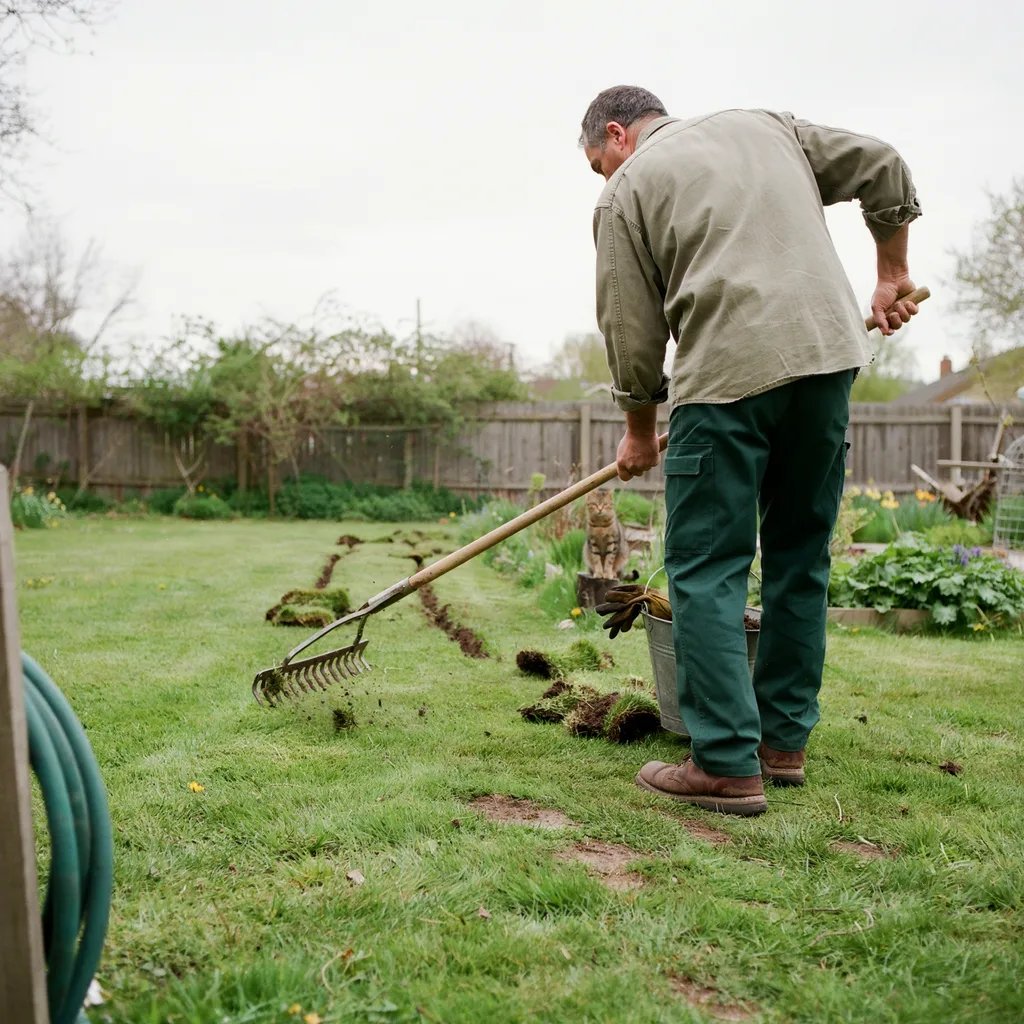
Filling in tunnels and monitoring for renewed activity after intervention means, once mole control measures have been implemented, filling in existing raised tunnels and monitoring the area for any renewed activity, since new tunnel formation genuinely indicates either a remaining mole or a new one that’s moved into the now-vacated territory.
Post-intervention monitoring genuinely confirms whether control measures actually succeeded, making this follow-up check worth doing rather than assuming a single intervention permanently resolves mole activity without any verification that the underlying problem has genuinely been addressed.
The Bottom Line
Getting rid of moles in a garden depends on understanding that these animals genuinely eat grubs and earthworms, not plant roots, meaning actual damage comes from tunneling activity itself, making grub population reduction a genuine indirect deterrence strategy worth pursuing alongside more direct approaches like underground mesh barriers for specific protected areas and trapping for already-established problems. Recognizing that many popular deterrent products genuinely lack reliable documented effectiveness helps focus effort on the approaches that actually work, while filling in tunnels and monitoring for renewed activity confirms whether intervention has genuinely resolved the underlying mole presence.
Frequently Asked Questions
How Can I Tell if Raised Tunnels in My Lawn Are Genuinely From Moles Versus Another Burrowing Animal?
Mole tunnels typically appear as continuous raised ridges just beneath the surface, distinct from the more open holes voles or other rodents create, making this raised-ridge tunnel pattern a genuinely reliable identifying feature for confirming mole activity specifically.
Do Moles Genuinely Cause More Damage to a Lawn Than They Do to Garden Beds With Ornamental Plants?
Impact varies by specific situation, but lawns often show more visually obvious damage given the raised tunnel ridges disrupting turf appearance, while garden beds can experience genuine plant disturbance from tunneling activity physically dislodging roots even though moles aren’t directly consuming those plants.
Is It Legal to Trap and Relocate or Remove Moles in My Specific Region?
Regulations genuinely vary by location, making it worth checking local wildlife control regulations before trapping, since some regions have specific rules regarding trapping methods or relocation versus removal requirements for mole control.
Can a Single Mole Genuinely Cause the Extensive Tunnel Damage Often Attributed to a Larger Mole Population?
Yes, genuinely, a single mole can create surprisingly extensive tunnel networks covering considerable area, meaning visible damage extent doesn’t necessarily indicate multiple moles, making this worth keeping in mind when assessing the actual scope of a mole problem.
Do Moles Return to the Same Territory After Being Trapped and Removed, or Does a New Mole Typically Move In?
If the underlying habitat conditions, particularly grub food source availability, remain genuinely attractive, a new mole often does eventually move into vacated territory, making the grub management strategy discussed here worth pursuing alongside trapping for more lasting results.
Can Predator-Based Natural Deterrents, Like Encouraging Owls or Other Predators, Genuinely Help Control Mole Populations?
While natural predators do occasionally take moles, this isn’t generally considered a reliable primary control strategy given moles’ largely underground lifestyle limiting predator access, making the more direct methods discussed throughout this approach considerably more dependable for actual mole management.