
What Are Multi-Grafted Fruit Trees? A Guide for Small Gardens

Multi-grafted fruit trees genuinely combine several distinct fruit varieties grafted onto a single rootstock, letting a small garden produce multiple varieties from just one tree’s footprint, but this combination genuinely requires ongoing selective pruning attention, since one variety’s naturally more vigorous growth will genuinely crowd out and eventually overwhelm weaker grafts on the same tree without this deliberate, ongoing balancing intervention.
Why Ongoing Selective Pruning Matters
The Shared Resource Competition
The shared resource competition that explains why multi-grafted trees need this genuine ongoing attention is that all grafted varieties on a single tree genuinely draw from the same root system’s water and nutrient supply, meaning this is a real, ongoing competitive dynamic between the different varieties, not a one-time balance established at grafting that then maintains itself automatically without further gardener intervention.
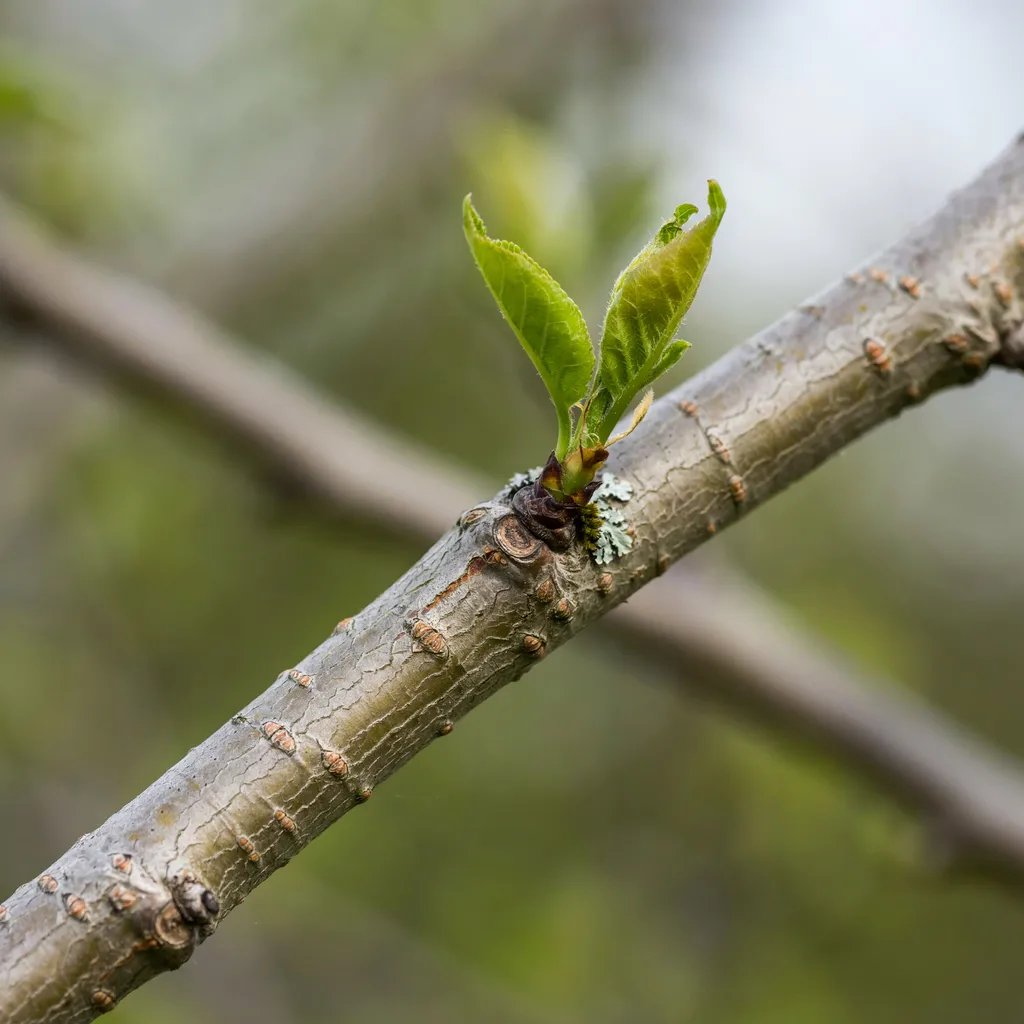
Why ongoing selective pruning is a genuine, necessary requirement, not an optional refinement, is that different fruit varieties genuinely grow at different natural vigor rates, and when multiple varieties share a single root system’s resources, the naturally more vigorous variety will genuinely capture a disproportionate share of that shared resource, gradually overwhelming and potentially killing off weaker grafts if a gardener doesn’t actively intervene through selective pruning to maintain balance between the different varieties.
Understanding this genuine shared-resource competition explains why multi-grafted trees represent an ongoing management commitment, not simply a one-time grafting achievement, making regular selective pruning attention worth planning for as a real, continuing responsibility rather than a task completed once at planting.
The Space-Saving Advantage for Small Gardens
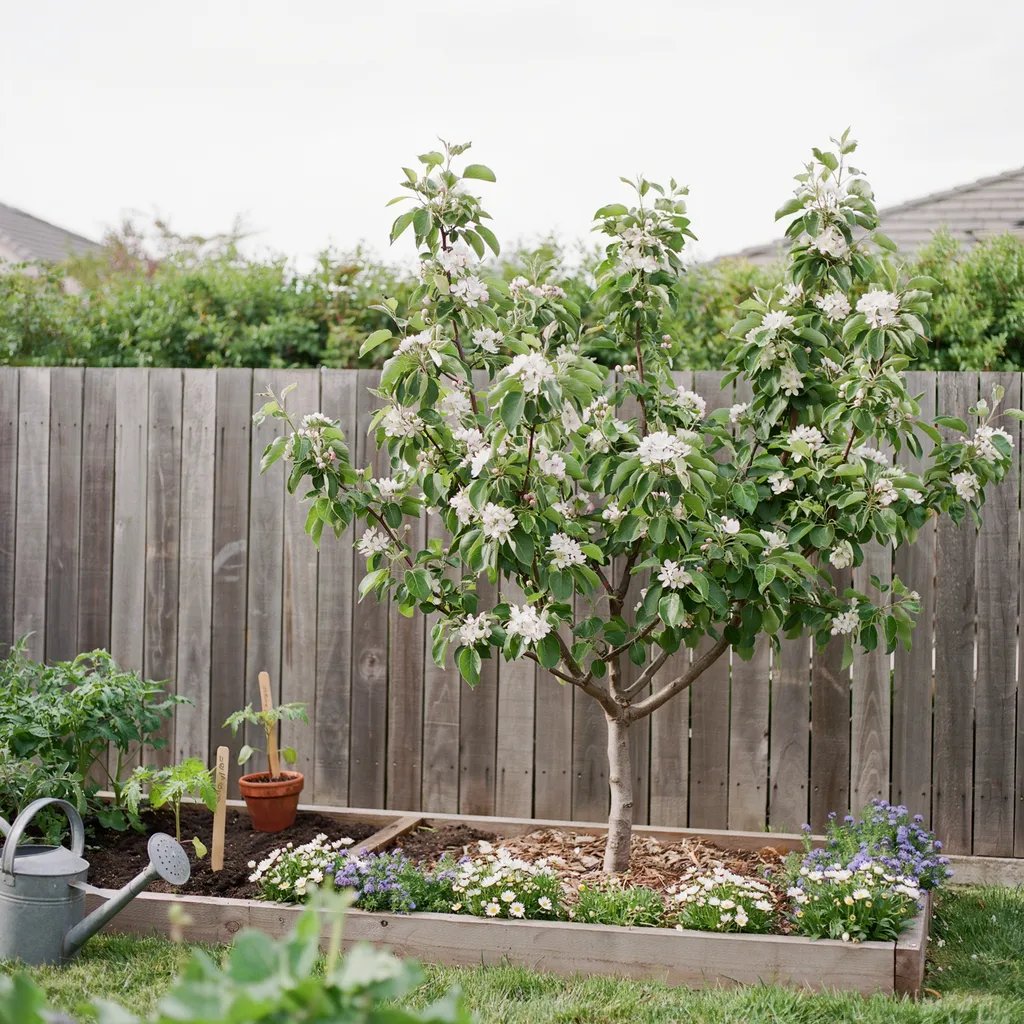
Recognizing the genuine space-saving advantage for small garden situations means understanding that multi-grafted trees genuinely let a gardener enjoy several fruit varieties, different apple varieties for extended harvest timing or diverse eating qualities, for instance, from a single tree’s footprint, a genuinely valuable solution specifically for garden spaces too limited to accommodate multiple separate full-size trees.
This genuine space efficiency represents the core practical value proposition multi-grafted trees offer, making them worth considering specifically for small garden situations where variety diversity would otherwise require more space than’s actually available.
Checking Variety Compatibility for Cross-Pollination
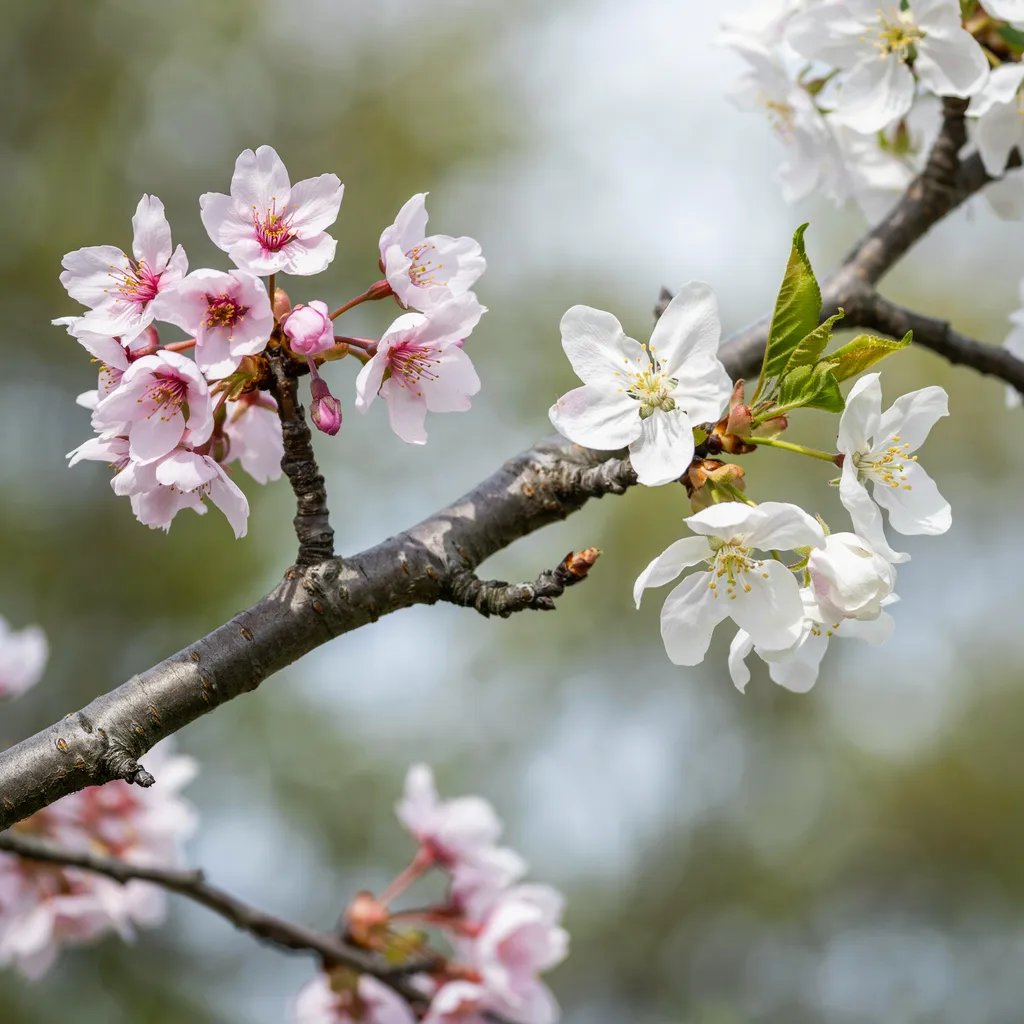
Checking genuine variety compatibility for reliable cross-pollination between grafts means confirming that the different varieties combined on a multi-grafted tree genuinely have compatible, overlapping bloom timing, since varieties blooming at meaningfully different times won’t reliably cross-pollinate each other even though they’re physically growing on the same tree.
Bloom timing compatibility represents a genuine, separate consideration from the grafting itself, making it worth verifying that combined varieties genuinely bloom closely enough together to achieve the cross-pollination benefit that’s often part of the appeal of combining multiple varieties on one tree.
Monitoring Individual Graft Vigor and Pruning Back Dominant Varieties Regularly
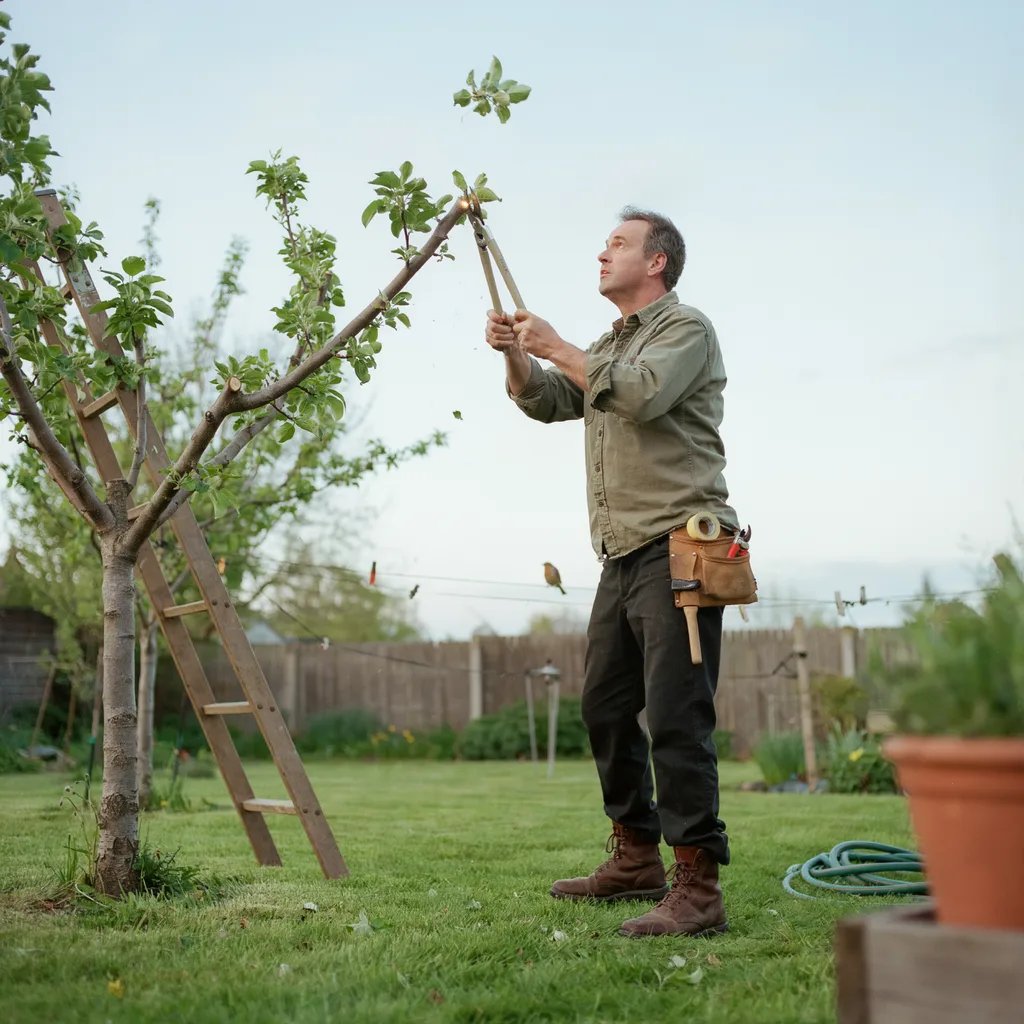
Monitoring individual graft vigor and pruning back dominant varieties regularly means checking each grafted variety’s growth periodically throughout the growing season, identifying which grafts are genuinely outpacing others, and selectively pruning back the more vigorous varieties to maintain reasonable balance across all the different varieties present on the tree.
This regular monitoring and selective pruning represents the actual ongoing skill multi-grafted tree ownership genuinely requires, making it worth committing to this continued attention rather than assuming the tree will maintain its own balance without this deliberate intervention.
Labeling Individual Grafts Clearly for Ongoing Identification and Management
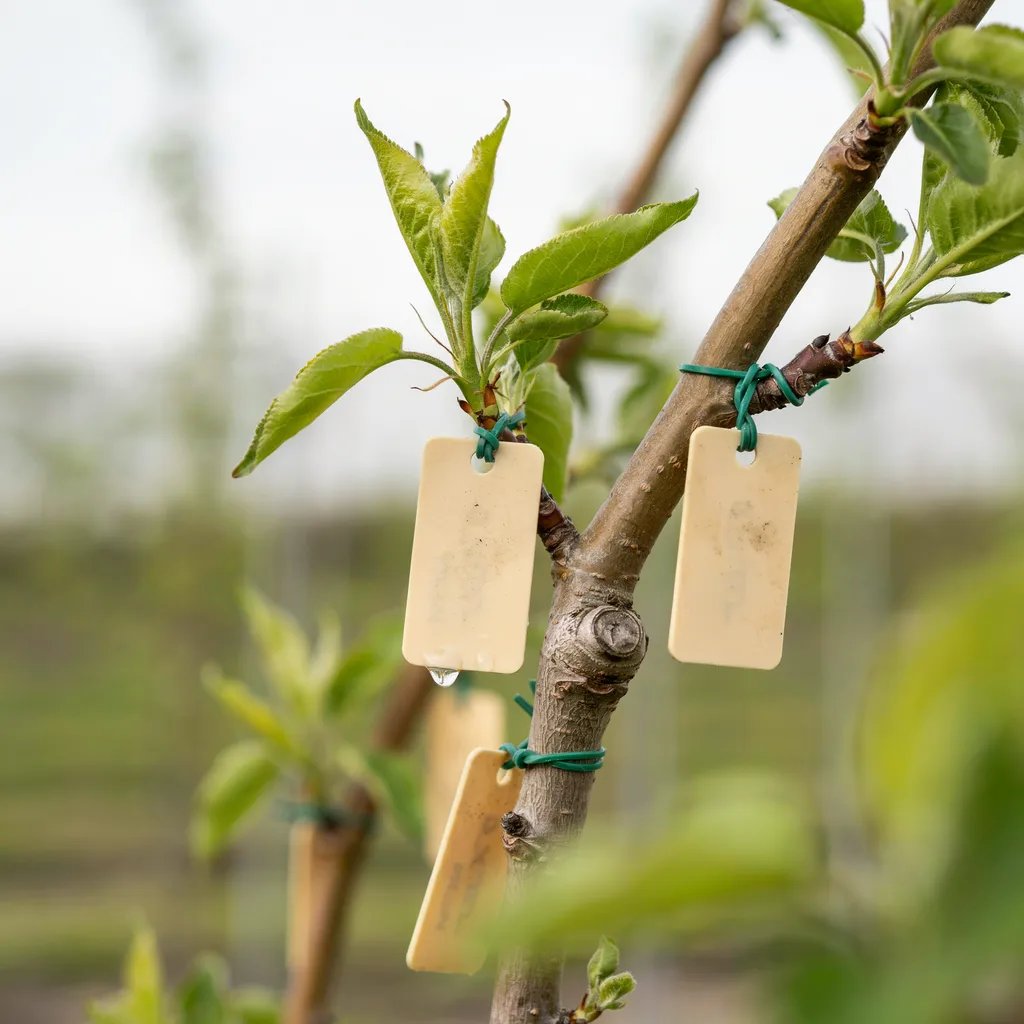
Labeling individual grafts clearly for ongoing identification and management means marking or otherwise clearly identifying which branch represents which grafted variety, since this identification genuinely matters for making informed pruning decisions and for correctly identifying which fruit came from which variety once harvest time arrives.
Clear labeling genuinely supports the ongoing management this tree type requires, making this simple organizational step worth doing at planting and maintaining over time rather than relying on memory alone to track which branch represents which variety as the tree matures.
Choosing a Realistic Variety Count
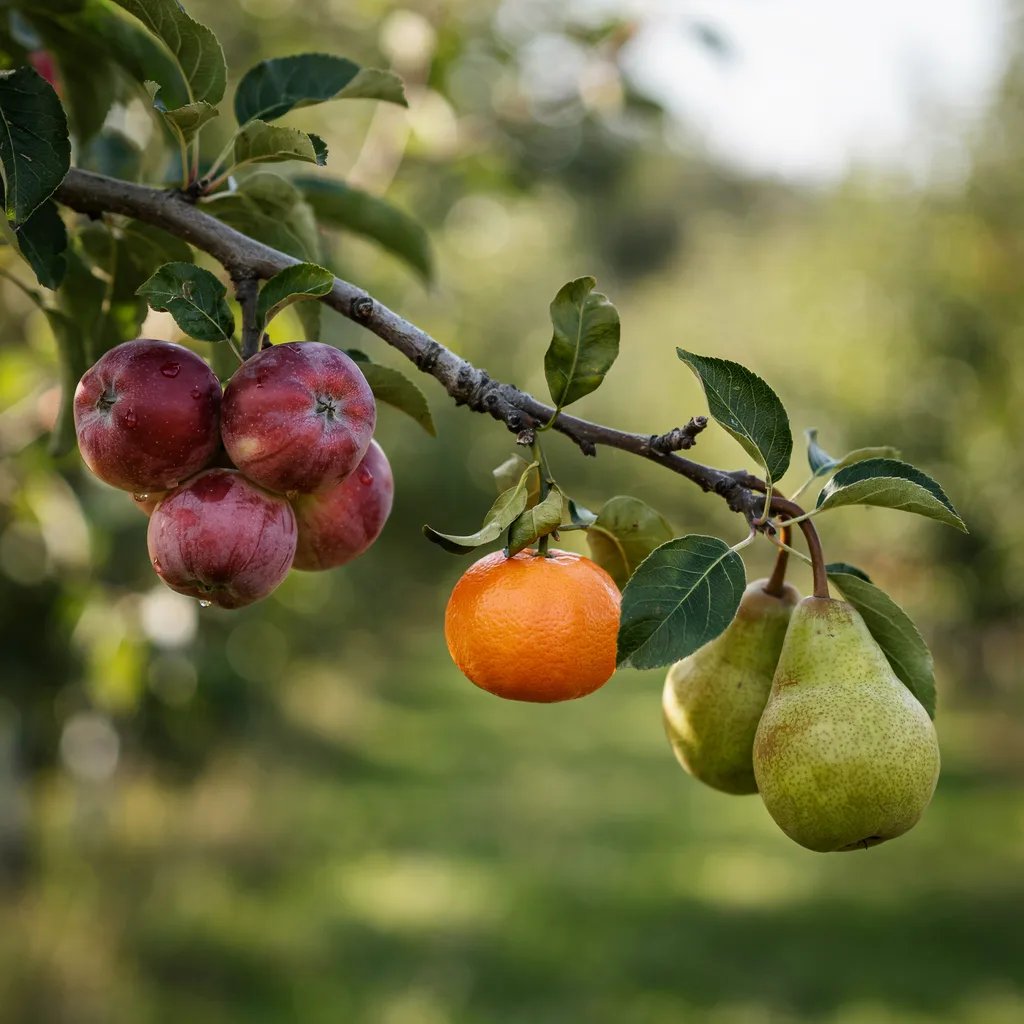
Considering realistic variety count given the genuine management complexity involved means recognizing that while multi-grafted trees can technically combine many varieties, a more modest number, perhaps 3-5 varieties, genuinely keeps the ongoing balance management more realistically achievable than an overly ambitious combination that would require considerably more attentive, complex pruning management to maintain successfully.
Realistic variety count selection genuinely affects long-term management feasibility, making a more modest, manageable combination worth prioritizing over maximizing variety count at the expense of realistic ongoing maintenance capability.
The Bottom Line
Multi-grafted fruit trees offer genuine value specifically for small gardens wanting variety diversity without dedicating space to multiple full-size trees, but this space-saving advantage comes with a genuine, ongoing management requirement, regular selective pruning to prevent naturally more vigorous varieties from crowding out weaker grafts sharing the same root system’s resources. Checking bloom timing compatibility for reliable cross-pollination, labeling individual grafts clearly, and choosing a realistic, manageable variety count round out an approach that helps this genuinely valuable small-garden fruit tree option succeed long-term rather than gradually losing its weaker varieties to unmanaged competitive imbalance.
Frequently Asked Questions
How Many Different Fruit Varieties Can Genuinely Be Combined on a Single Multi-Grafted Tree?
While technically many varieties can be grafted onto one tree, practical management considerations, discussed throughout this guide, generally make a more modest number, often 3-5 varieties, considerably more realistically manageable than more ambitious combinations.
Can Multi-Grafted Trees Combine Genuinely Different Fruit Types, Like Apples and Pears Together, or Only Varieties Within the Same Fruit Type?
Generally, successful grafting requires genuinely compatible rootstock and scion relationships, meaning most multi-grafted trees combine different varieties within the same basic fruit type, apple varieties together, for instance, rather than combining entirely different, incompatible fruit species onto the same tree.
Do Multi-Grafted Trees Genuinely Produce Fruit as Reliably as Single-Variety Trees, or Is Yield Typically Reduced?
Individual variety yield can genuinely be somewhat reduced compared with a dedicated single-variety tree of the same size, given the shared resource competition discussed throughout this guide, though total combined yield across all varieties can still provide meaningful harvest diversity from the single tree.
Can I Purchase an Already Multi-Grafted Tree, or Does This Genuinely Require Learning to Graft Multiple Varieties Myself?
Yes, genuinely, many nurseries offer pre-grafted multi-variety trees, making this option accessible without needing to learn grafting technique personally, though gardeners interested in the grafting process itself can also create their own multi-grafted tree using the technique discussed in dedicated grafting guidance.
How Long Does It Typically Take for All Varieties on a Multi-Grafted Tree to Begin Producing Fruit?
Timing can genuinely vary somewhat between different grafted varieties on the same tree, with some varieties naturally beginning fruit production somewhat earlier than others, making variety-specific patience worth expecting rather than assuming all grafts will begin fruiting simultaneously.
Is It Genuinely More Difficult to Diagnose Disease or Pest Problems on a Multi-Grafted Tree Compared With Single-Variety Trees?
Not inherently more difficult in terms of the disease or pest identification itself, though determining whether a problem affects the whole tree or just one specific grafted variety does require the same clear labeling and individual graft awareness already discussed for effective ongoing management.