
What Are Mycorrhizal Fungi and How Do They Help Plants?

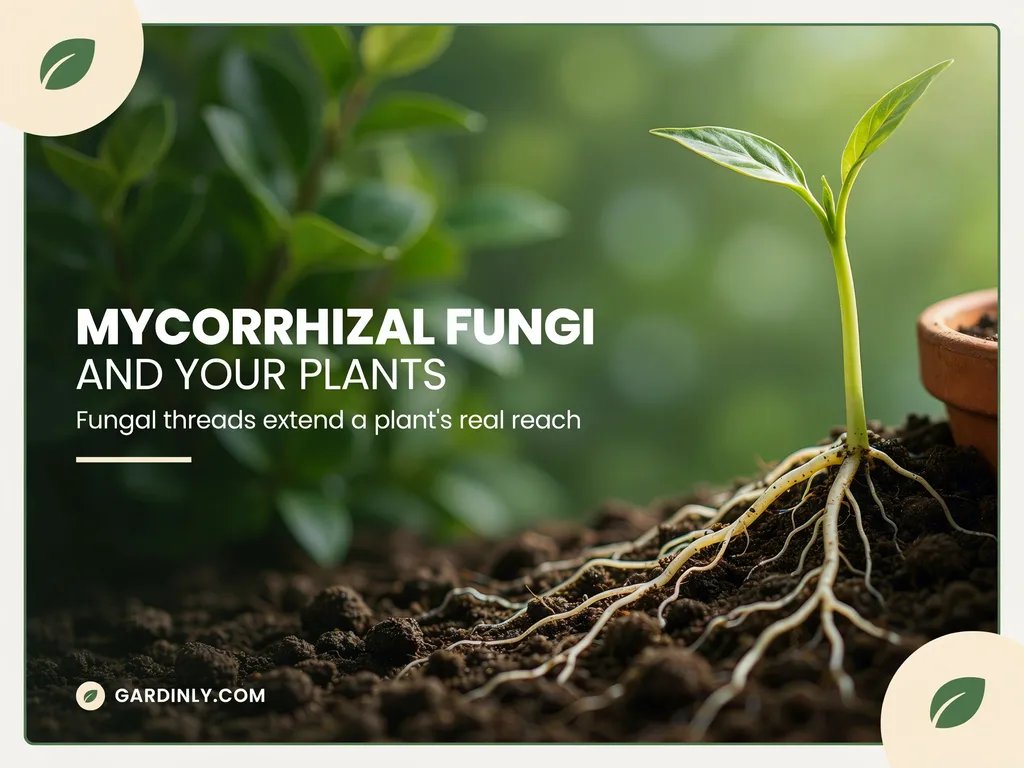
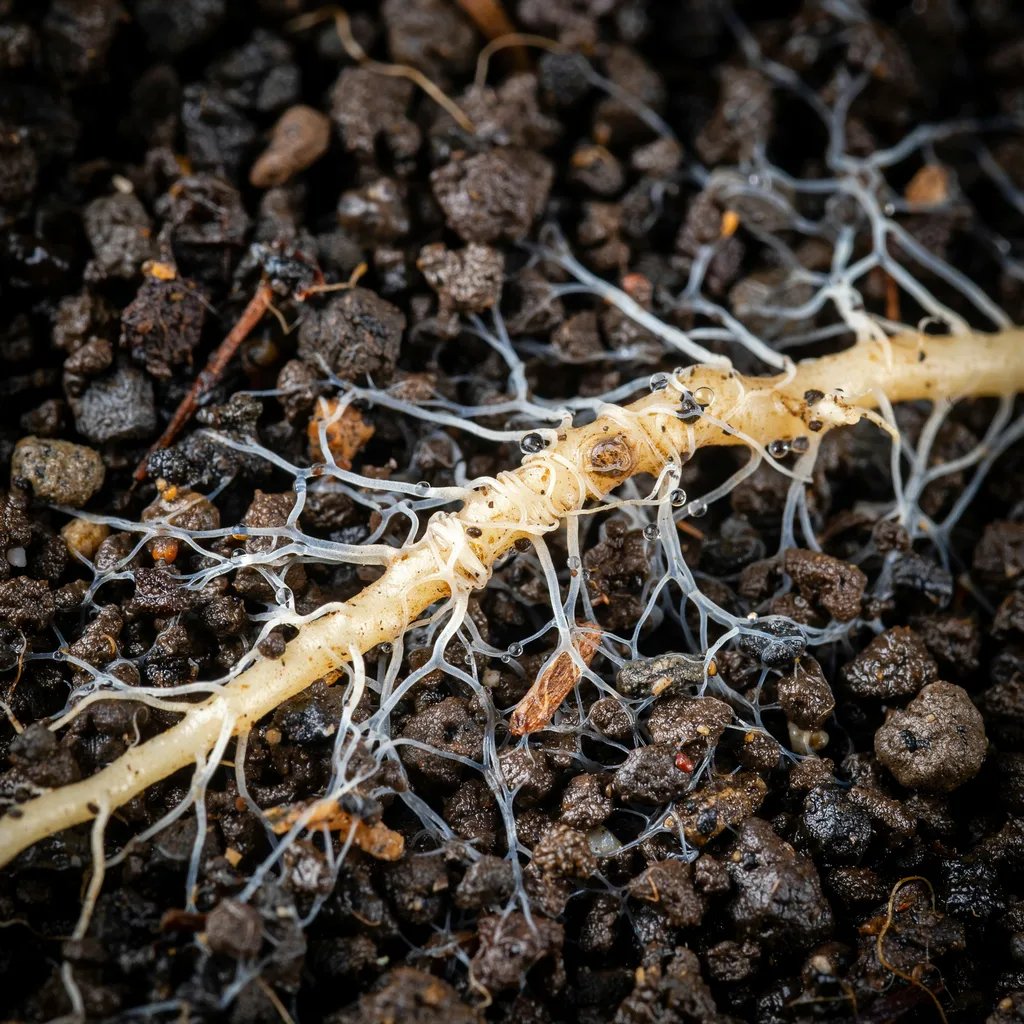
Mycorrhizal fungi genuinely extend a plant’s effective root system many times beyond its own physical root structure, forming a symbiotic partnership where these fungal threads access water and nutrients from soil volume the plant’s own roots alone could never physically reach, then trade that access for sugars the plant produces through photosynthesis, a genuine mutual exchange rather than either organism simply benefiting at the other’s expense.
A Mutual, Symbiotic Exchange
The Extended Reach Mechanism
The extended reach mechanism that explains why this partnership genuinely matters for plant health is that mycorrhizal fungal threads, called hyphae, genuinely extend into soil volume and soil pore spaces too small for plant roots themselves to access, meaning plants with an established mycorrhizal partnership genuinely access considerably more water and nutrients, phosphorus particularly, than the same plant’s roots could access entirely on their own.
Why this genuine symbiotic exchange represents real mutual benefit, not one-sided dependency, is that both organisms genuinely provide something the other needs but can’t produce or access on its own, fungi can’t photosynthesize and produce their own sugars, while plant roots alone genuinely can’t extend their reach across the same extensive soil volume these fungal networks access, making this a real, balanced trade rather than either partner simply exploiting the other.
Understanding this genuine extended physical reach as the actual mechanism behind mycorrhizal benefit explains why this isn’t simply a vague soil health concept but a real, measurable functional partnership directly affecting how much water and nutrients a plant can actually access.
Recognizing That Most Healthy, Undisturbed Soil Naturally Contains These Beneficial Fungi
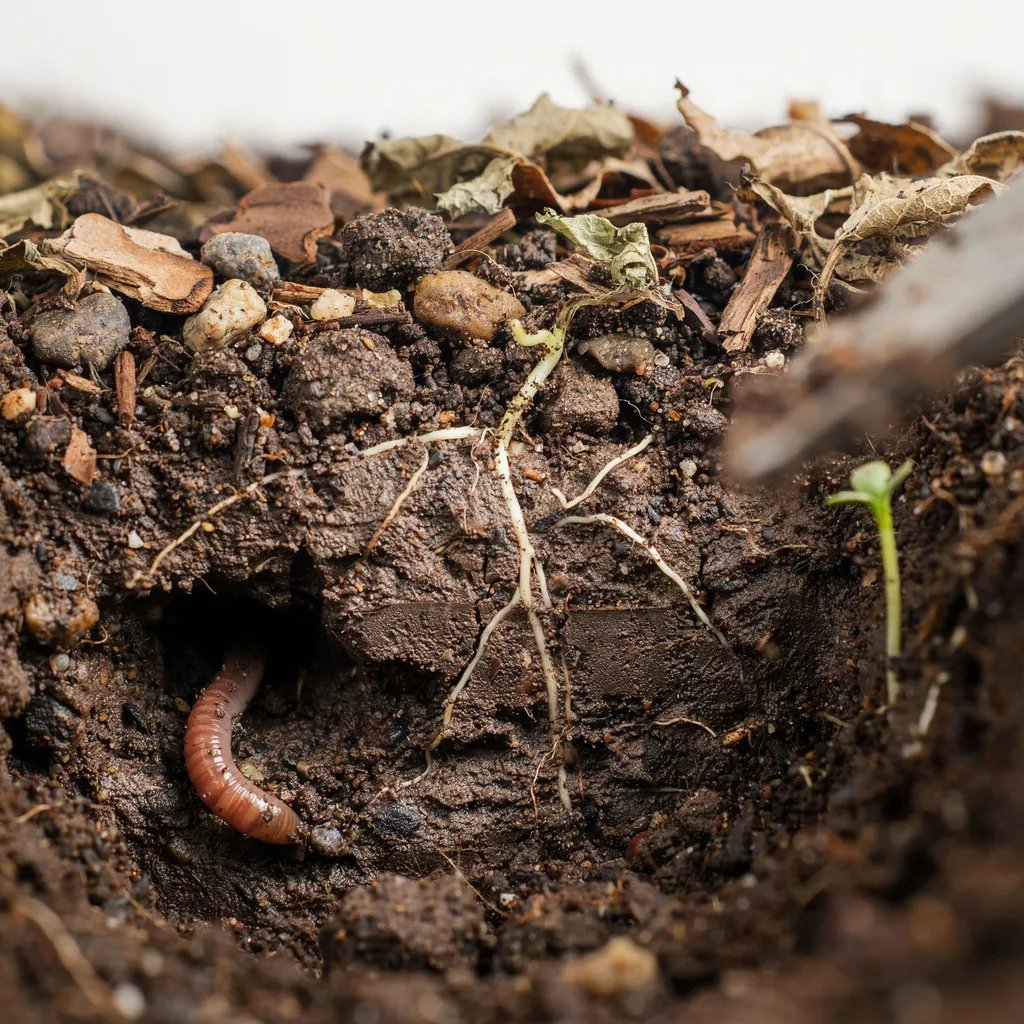
Recognizing that most healthy, undisturbed soil naturally contains these beneficial fungi means understanding that mycorrhizal fungi genuinely occur naturally in most healthy soil environments without needing deliberate introduction, making soil preservation, rather than fungal introduction, often the more relevant practical consideration for most home gardens.
This genuine natural presence in healthy soil means the practical gardening question often centers on preserving existing fungal populations rather than needing to actively introduce them, redirecting attention toward soil-preserving practices rather than assuming inoculation is always necessary.
How Tilling Disrupts Fungal Networks
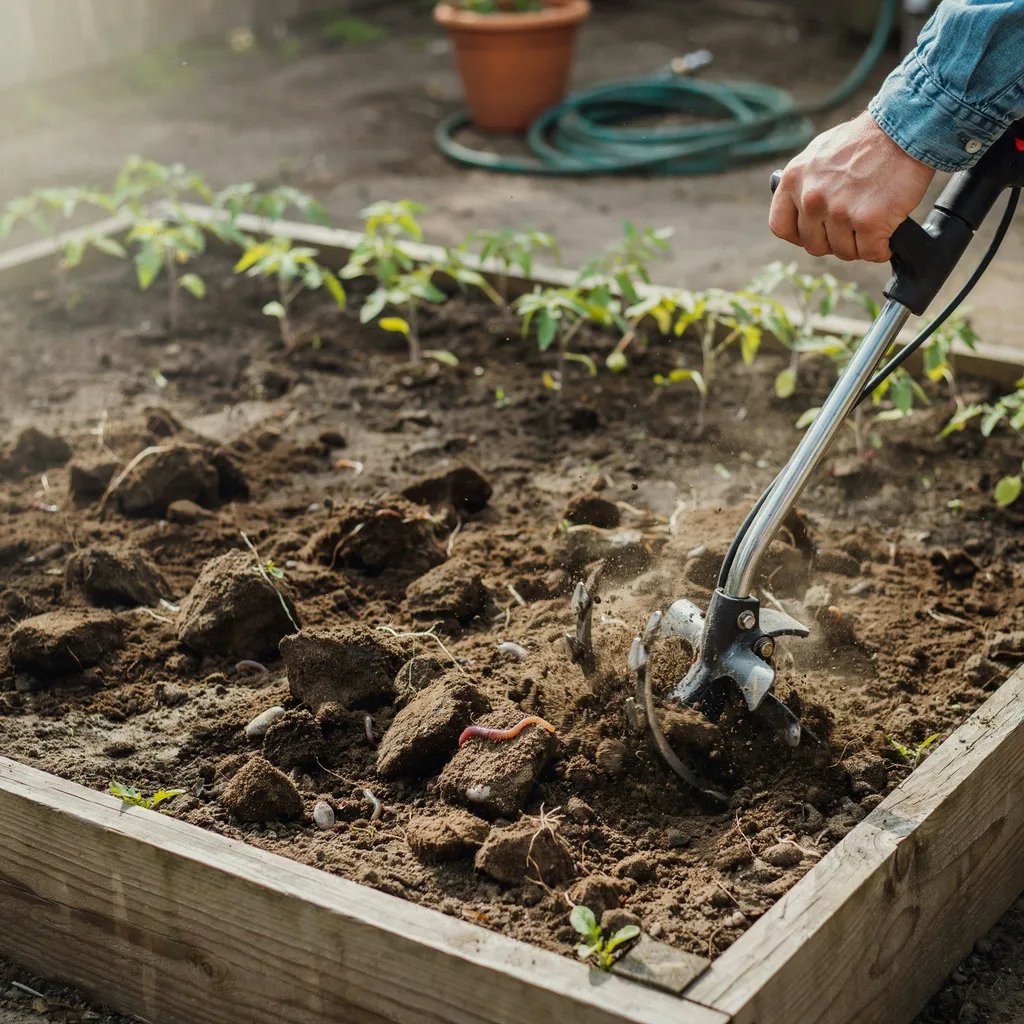
Understanding how excessive tilling genuinely disrupts these fungal networks means recognizing that tilling physically breaks apart the extensive fungal thread networks these organisms depend on, meaning frequently or aggressively tilled soil genuinely tends to have reduced mycorrhizal fungal populations compared with less disturbed soil, a real, physical mechanism behind this documented reduction.
Soil Practice
Effect on Mycorrhizal Populations
Minimal tilling, no-till approaches
Genuinely preserves fungal networks
Excessive or aggressive tilling
Physically disrupts and reduces populations
Heavy chemical fertilizer use
Can reduce plant’s reliance on and support for fungi
Diverse, undisturbed plantings
Generally supports healthier fungal populations
Tilling’s genuine physical disruption mechanism explains the documented connection between tillage intensity and mycorrhizal population health, making reduced tilling worth considering specifically for gardeners wanting to preserve these beneficial soil fungal networks.
How Fertilizer Use Reduces Fungal Partnership
Recognizing how heavy chemical fertilizer use can genuinely reduce plant-fungal partnership means understanding that when a plant has abundant, easily available nutrients from heavy fertilization, it genuinely has less incentive to maintain the resource-costly mycorrhizal partnership, meaning heavily fertilized gardens may show reduced mycorrhizal association compared with gardens relying more on the plant’s own nutrient-seeking partnerships.
This genuine reduced-incentive dynamic explains why heavy chemical fertilization can indirectly discourage mycorrhizal partnership, making moderate fertilizing worth considering specifically for gardeners wanting to support rather than inadvertently discourage these beneficial fungal relationships.
Considering Mycorrhizal Inoculant Products for Disturbed or Compromised Soil Situations
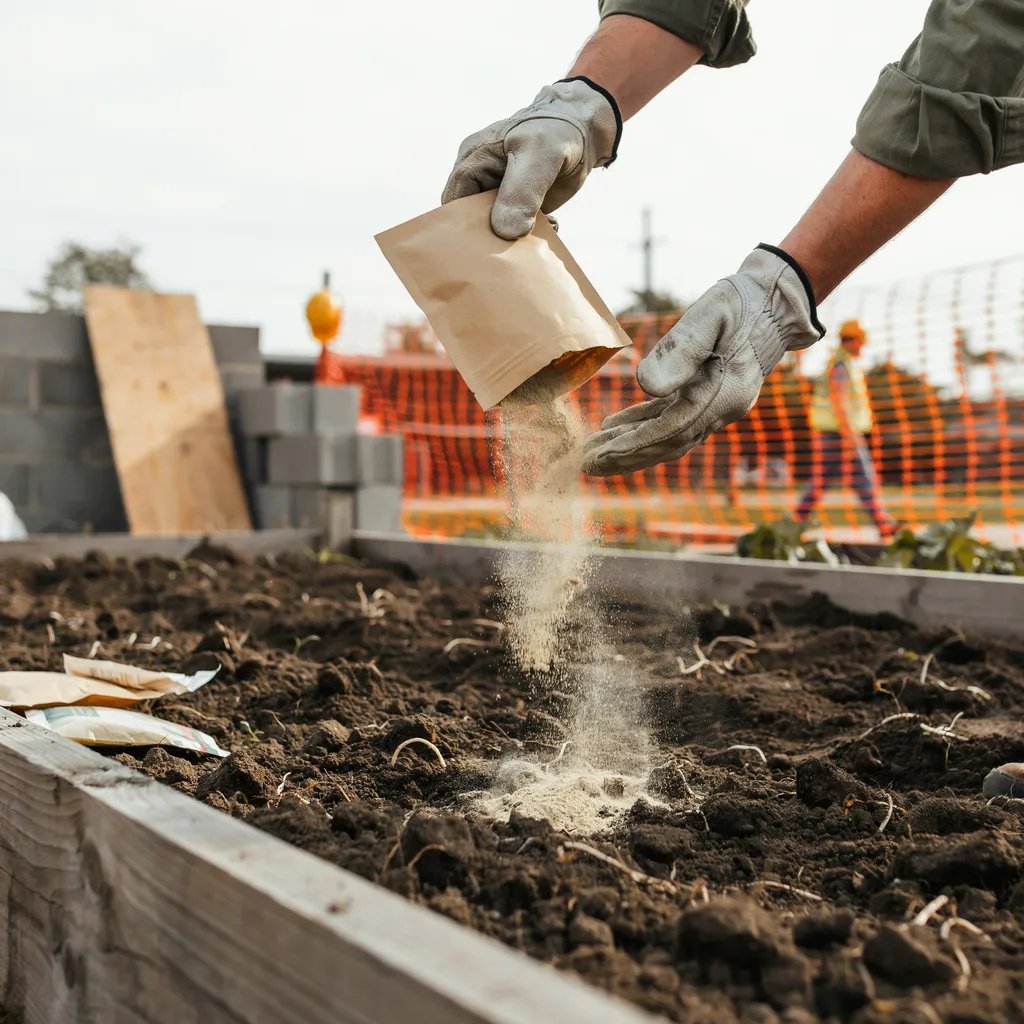
Considering mycorrhizal inoculant products for disturbed or compromised soil situations means recognizing that commercially available mycorrhizal inoculant products can genuinely help reestablish these beneficial fungi specifically in situations where soil has been significantly disturbed, such as new construction sites or heavily degraded soil, where natural fungal populations may have been substantially reduced or eliminated.
Inoculant products offer genuine value specifically for these disturbed-soil situations, making them worth considering in these particular contexts rather than assuming they’re universally necessary for healthy, undisturbed garden soil that already supports adequate natural fungal populations.
Supporting Diverse, Undisturbed Plantings to Maintain Healthy Fungal Networks Long-Term
Supporting diverse, undisturbed plantings to maintain healthy fungal networks long-term means recognizing that diverse plantings with minimal soil disturbance genuinely support more robust, resilient mycorrhizal fungal populations over time compared with frequently disturbed, less diverse plantings, making garden diversity and reduced disturbance worthwhile long-term practices for soil health.
This genuine connection between planting diversity, reduced disturbance, and fungal population health makes these broader garden practices worth considering specifically for their mycorrhizal benefit, beyond whatever other value diverse, undisturbed plantings already provide.
The Bottom Line
Mycorrhizal fungi represent a genuine, mutually beneficial symbiotic partnership where fungal threads extend a plant’s effective reach into soil volume its own roots couldn’t access alone, trading this extended water and nutrient access for sugars the plant produces through photosynthesis. Understanding that these fungi occur naturally in most healthy soil, that excessive tilling and heavy chemical fertilizer use can genuinely disrupt or discourage this partnership, and that inoculant products offer real value specifically for significantly disturbed soil situations helps gardeners make informed decisions about supporting this genuinely beneficial, often invisible soil relationship.
Frequently Asked Questions
Do All Plant Species Genuinely Form Mycorrhizal Partnerships, or Are Some Plants Excluded From This Relationship?
Most plant species genuinely do form mycorrhizal associations, though some plant families, including many in the brassica and amaranth families, genuinely don’t form this same partnership, making this worth knowing for gardeners specifically growing these particular plant groups.
How Long Does It Genuinely Take for Mycorrhizal Fungi to Reestablish in Soil That’s Been Significantly Disturbed?
Reestablishment timing varies considerably based on soil conditions and surrounding fungal sources, but genuinely can take multiple growing seasons for populations to rebuild substantially in significantly disturbed soil without active inoculation intervention.
Can Mycorrhizal Fungi Genuinely Help Plants Tolerate Drought Conditions Better Than They Otherwise Would?
Yes, genuinely, the extended water access these fungal networks provide can meaningfully improve a plant’s drought tolerance compared with the same plant relying solely on its own root system’s more limited reach.
Is It Possible to Genuinely Overdo Mycorrhizal Inoculant Application, or Is More Always Better?
Following product application guidance rather than assuming more inoculant automatically produces proportionally more benefit is reasonable, since these products are generally formulated with appropriate application rates already accounting for typical soil conditions and plant needs.
Do Container-Grown Plants Genuinely Benefit From Mycorrhizal Fungi the Same Way In-Ground Plants Do?
Yes, genuinely, though container growing’s more limited soil volume means the fungi’s extended reach benefit, while still real, operates within a more constrained space compared with the potentially much larger soil volume in-ground plantings allow fungal networks to access.
Can Visible Mushrooms in a Garden Bed Genuinely Indicate the Presence of Beneficial Mycorrhizal Fungi Specifically?
Not necessarily, genuinely, since many visible garden mushrooms are decomposer fungi rather than mycorrhizal species specifically, meaning mushroom presence alone doesn’t reliably confirm mycorrhizal fungi are present, though it does generally indicate active fungal biology in the soil more broadly.