
How to Identify and Remove Garlic Mustard

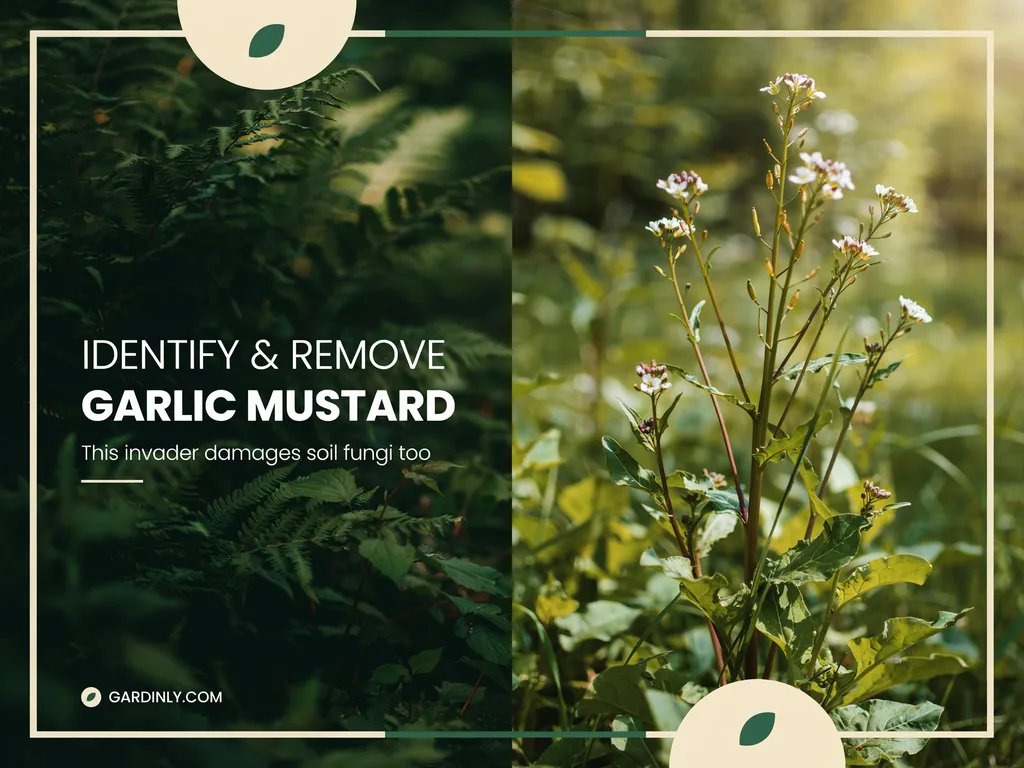
Garlic mustard genuinely releases allelopathic chemicals into surrounding soil that specifically suppress the beneficial mycorrhizal fungi native plants depend on for healthy growth, meaning this invasive plant’s presence causes real, ongoing ecological damage beyond simply competing for space, making its removal considerably more urgent and consequential than typical garden weed management.
Why Garlic Mustard Is More Urgent
The Allelopathic Mechanism
The allelopathic mechanism that explains why removal timing and thoroughness genuinely matter more here is that garlic mustard’s chemical suppression of soil fungi genuinely creates a lasting disadvantage for native plants trying to establish in affected soil, meaning prompt, thorough removal before this chemical legacy accumulates further genuinely matters more than it would for a typical invasive plant competing through space and resource use alone.
Why this genuine soil chemistry disruption makes garlic mustard more urgent than typical weeds is that most invasive plants primarily compete for physical space, light, and nutrients, while garlic mustard genuinely goes further, actively releasing chemicals that suppress the beneficial mycorrhizal fungi native plants depend on, meaning its presence damages the surrounding ecosystem’s ability to support native plants even after the garlic mustard itself might eventually be removed.
Understanding this genuine allelopathic soil disruption, not simply space competition, explains why garlic mustard removal deserves particular urgency and thoroughness compared with many other invasive plant management situations.
Identifying Leaves and Garlic Scent
Identifying garlic mustard through heart-shaped leaves and a genuine garlic scent means recognizing the plant’s distinctive heart-shaped, scalloped-edge leaves, and confirming identification by crushing a leaf to check for the genuinely distinctive garlic smell this plant releases, a combination of visual and scent-based identification that helps distinguish it confidently from similar-looking native plants.
The genuine garlic scent when crushed provides a particularly reliable confirming identification feature, making this simple check worth doing whenever garlic mustard is suspected, since this specific scent isn’t something similar-looking native plants typically share.
Recognizing Small White Four-Petaled Flowers During the Bloom Period
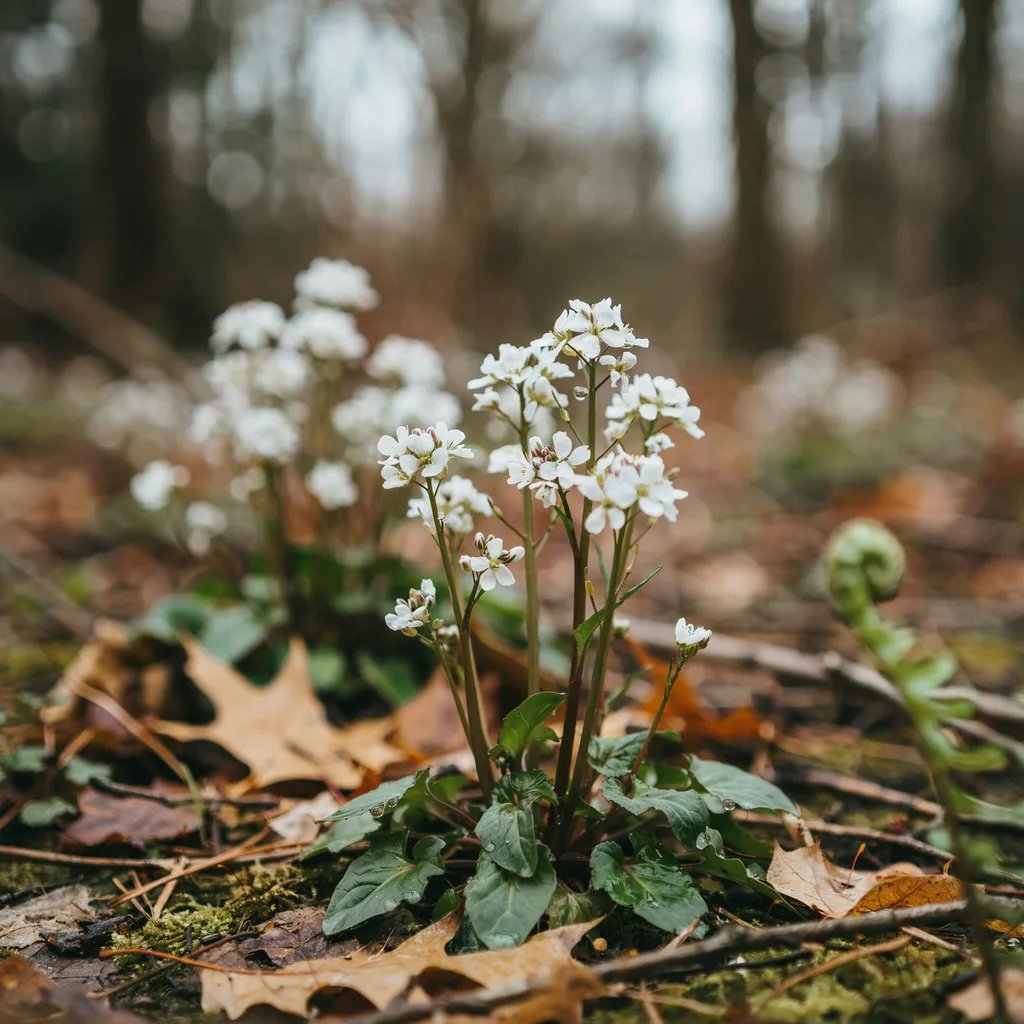
Recognizing small white four-petaled flowers during the bloom period means watching for genuinely small, white, four-petaled flower clusters that garlic mustard produces during its bloom period, a visual confirmation feature worth checking alongside the leaf shape and scent identification already discussed.
Identification Feature
Detail
Leaf shape
Heart-shaped with scalloped edges
Scent
Genuine garlic smell when crushed
Flowers
Small, white, four-petaled
Growth pattern
Biennial, forms rosette first year, flowers second year
This combination of leaf shape, scent, and flower appearance provides genuinely reliable, multi-feature identification confirmation, making garlic mustard relatively straightforward to distinguish confidently from other plants once these combined features are checked together.
Removing Plants Before Seed Set
Removing plants before flowering and seed set for maximum genuine effectiveness means prioritizing removal timing before the plant flowers and sets seed, since garlic mustard seeds genuinely remain viable in soil for several years, meaning allowing plants to reach seed-set stage genuinely commits that area to years of continued garlic mustard emergence from the resulting seed bank.
This pre-flowering removal timing genuinely determines long-term management success, making prompt spring removal, before the plant reaches its flowering and seed-setting stage, worth prioritizing over delayed removal later in the season.
Pulling the Entire Root System
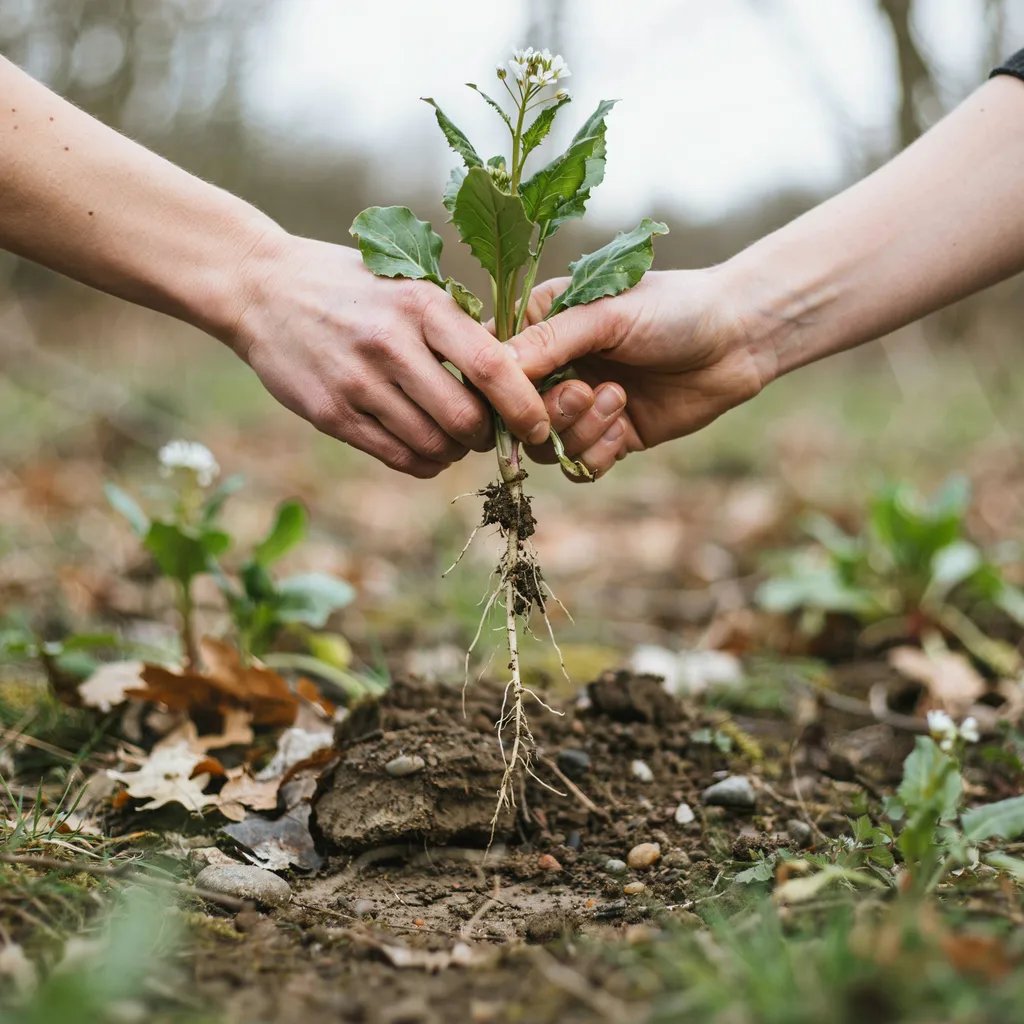
Pulling the entire root system to prevent genuine regrowth from remaining fragments means ensuring complete root removal during hand-pulling, since garlic mustard can genuinely regrow from root fragments left behind if pulling is incomplete, making thorough removal technique worth practicing rather than simply pulling the visible above-ground portion.
Complete root removal genuinely prevents the regrowth that incomplete pulling would otherwise allow, making thorough technique worth prioritizing during each individual plant removal rather than rushing through pulling without checking for complete root extraction.
Bagging and Disposing of Pulled Plants Rather Than Composting Them
Bagging and disposing of pulled plants rather than composting them means placing pulled garlic mustard, particularly any plants that have begun flowering, into bags for disposal rather than adding them to a compost pile, since flowering plants can genuinely continue maturing and producing viable seed even after being pulled, a real risk standard home composting temperatures typically can’t reliably neutralize.
This disposal precaution genuinely prevents the risk of reintroducing viable seed through finished compost, making bagged disposal worth prioritizing specifically for any garlic mustard that’s reached or is approaching its flowering stage at the time of removal.
The Bottom Line
Identifying and removing garlic mustard depends on recognizing its distinctive heart-shaped, scalloped leaves and genuine garlic scent when crushed, then prioritizing removal before flowering and seed set, since this invasive plant’s genuine allelopathic soil chemistry disruption and multi-year seed viability make thorough, prompt management considerably more consequential than typical weed removal. Pulling complete root systems to prevent regrowth from fragments, and bagging rather than composting any flowering plants, round out an approach that addresses both this invasive plant’s immediate presence and its longer-term ecological legacy in affected soil.
Frequently Asked Questions
How Long Does Garlic Mustard’s Seed Bank Genuinely Remain Viable in Soil After the Visible Plants Are Removed?
Garlic mustard seeds can genuinely remain viable in soil for several years, sometimes up to a decade or more, making ongoing monitoring and repeated removal over multiple seasons a genuine necessity even after initial visible plants have been thoroughly removed.
Can Garlic Mustard’s Allelopathic Effect on Soil Fungi Genuinely Reverse Once the Plant Itself Is Removed?
Yes, genuinely, soil fungal populations can gradually recover once the source of chemical suppression is removed, though this recovery process takes time, making patience worthwhile as native plant communities and their fungal partnerships gradually reestablish in previously affected areas.
Is Garlic Mustard Genuinely Edible, Despite Being Such a Problematic Invasive Species?
Yes, genuinely, garlic mustard is documented as edible, with some foragers specifically harvesting it both for culinary use and as a practical way to help control its spread, though thorough removal of the plant’s root system remains important regardless of any culinary use of the harvested foliage.
Does Garlic Mustard Genuinely Spread Primarily Through Seed, or Does It Also Spread Vegetatively?
Garlic mustard genuinely spreads primarily through seed production rather than vegetative spread, making seed prevention through pre-flowering removal the most impactful management priority compared with concerns about vegetative spread that matter more for some other invasive species.
Can Garlic Mustard Genuinely Establish in Full Sun Areas, or Is It Specifically a Shade-Loving Invasive Plant?
While garlic mustard is genuinely well-documented for aggressive invasion of shaded woodland areas, it can also establish in partial sun conditions, making vigilance worthwhile across varied light conditions rather than assuming shade-only monitoring is sufficient.
Is There a Genuine Biological Control Method Available for Garlic Mustard, Similar to Some Other Invasive Species Management?
Biological control research for garlic mustard continues but hasn’t yet produced a widely established, reliable option comparable to some other invasive species programs, making manual removal through the methods discussed here currently the most practically available management approach for most home gardeners.