
Seeds to Plant Before Frost Ends

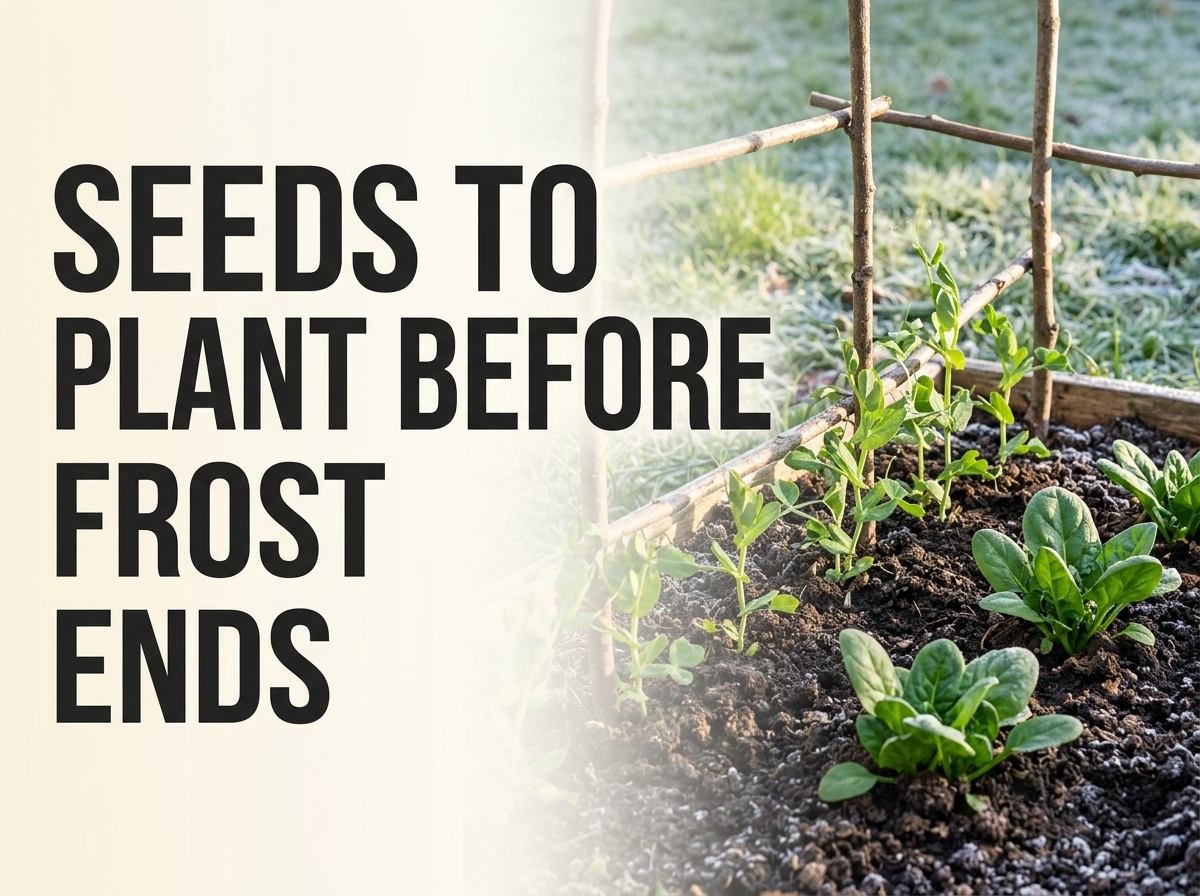
Several vegetable and flower seeds actually germinate best when sown 4-6 weeks before your last frost date, because they’re genuinely frost-tolerant and use the cool soil to establish strong roots before summer heat arrives. Crops like peas, spinach, lettuce, radishes, and kale can handle a light frost (down to 28°F) once germinated, and starting them early means an earlier harvest and often better flavor, since many of these crops turn bitter or bolt in warm weather. The key isn’t waiting for frost to fully end, it’s matching each seed’s actual cold tolerance to how many weeks remain before your area’s average last frost date.
Peas Are the Classic Frost-Season Crop
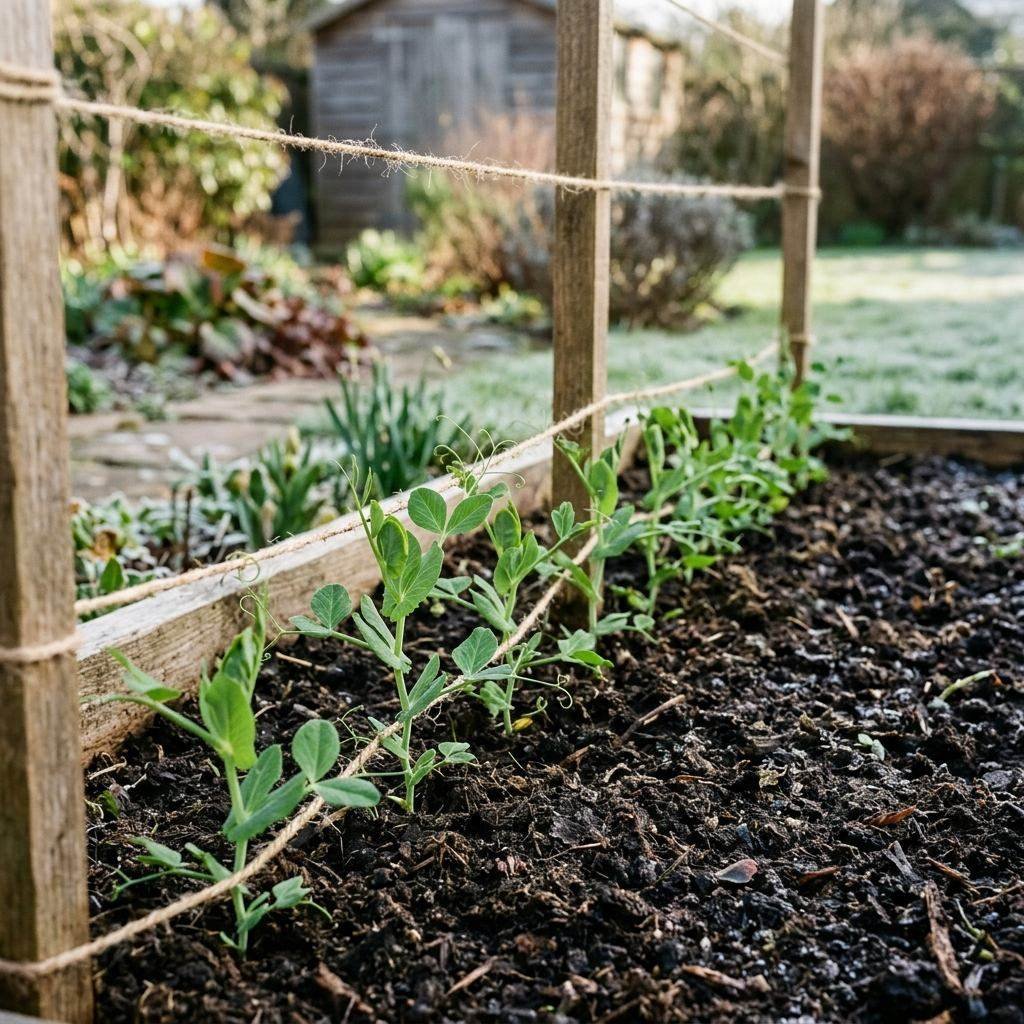
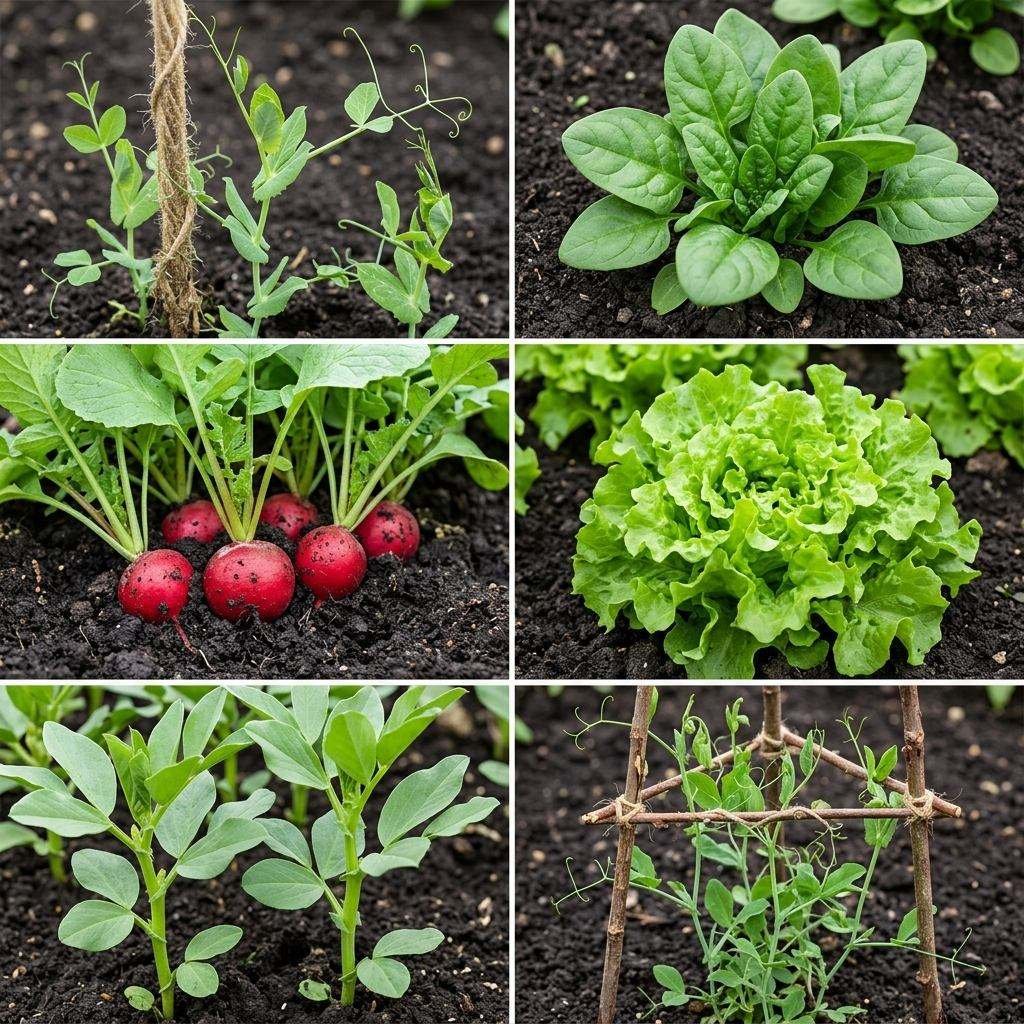
Garden peas and snap peas germinate in soil as cool as 40°F, and traditional gardening wisdom to plant peas “as soon as the ground can be worked” holds up because pea seeds actually rot in warm, wet soil more readily than they suffer in cold soil. Sow pea seeds 1 inch deep and 2 inches apart directly in the garden roughly 4-6 weeks before your last frost date, using an inoculant powder on the seeds if your soil hasn’t grown legumes recently, since it boosts nitrogen fixation and yields by 20-30% in nitrogen-poor soil. Varieties like ‘Sugar Snap’ or ‘Green Arrow’ take 60-70 days to harvest, meaning an early-March sowing in a zone 6 garden yields peas by early May, well before summer heat causes the vines to stop producing. Provide a trellis or netting at planting time rather than after the vines are 6 inches tall, since disturbing young pea roots to install support later sets growth back by a week or more.
Key takeaway: Get peas in the ground the moment soil can be worked with a shovel; waiting for warmer weather only shortens your harvest window.
Spinach and Leafy Greens Thrive in Cold Soil
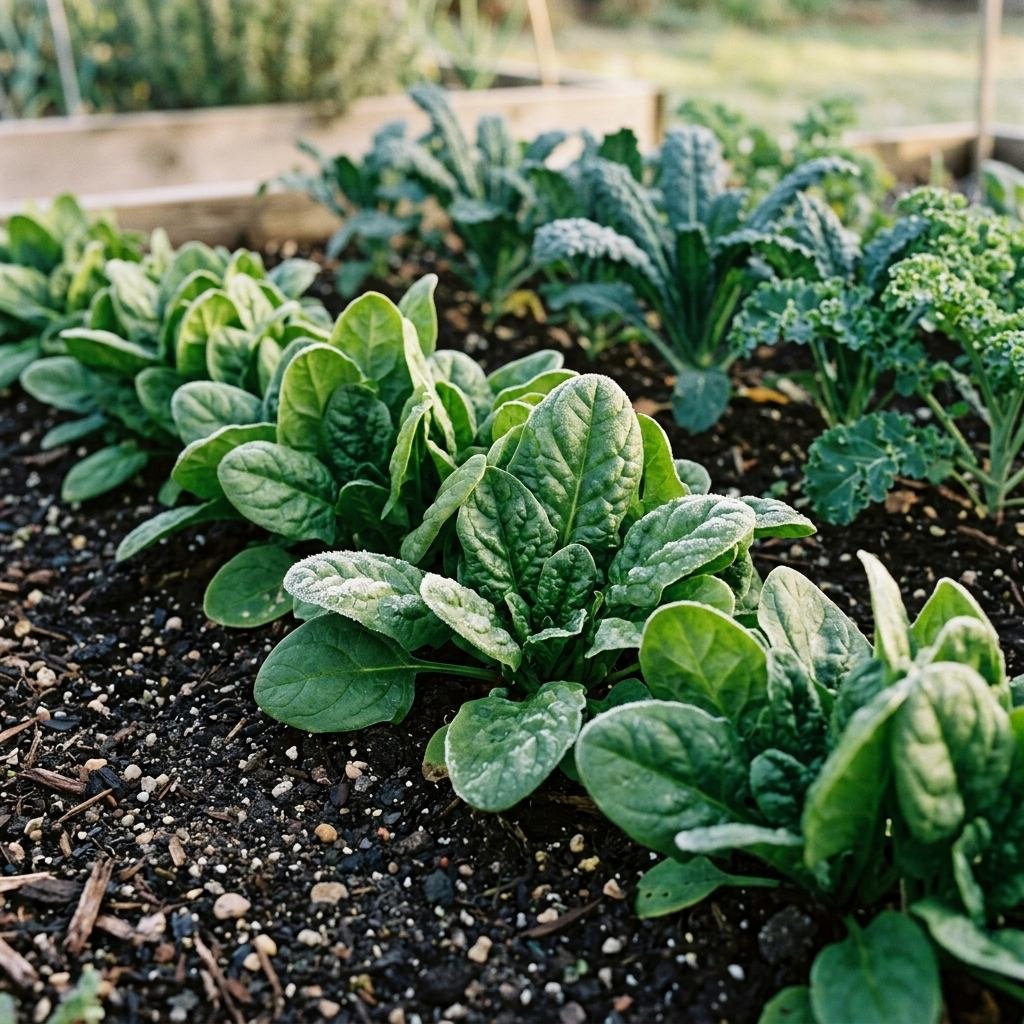
Spinach is remarkably frost-hardy, tolerating temperatures down to 15-20°F once established, and it actually bolts (sends up a flower stalk and turns bitter) when days lengthen and temperatures climb above 75°F, which makes early planting essential rather than optional. Direct-sow spinach seeds ½ inch deep, 2 inches apart, about 4-6 weeks before last frost, and expect germination within 7-14 days in soil around 45-50°F. Varieties like ‘Bloomsdale Longstanding’ or ‘Corvair’ are bred specifically for slow bolting, extending the harvest window by an extra two to three weeks compared to standard varieties. Kale, mustard greens, and arugula follow the same logic: all three actually taste sweeter after light frost exposure because cold triggers the plant to convert starches into sugars as a natural antifreeze response.
Key takeaway: Plant spinach and other leafy greens for cold-weather sweetness, not despite the cold, but because of it.
Radishes for a Fast, Frost-Tolerant First Harvest
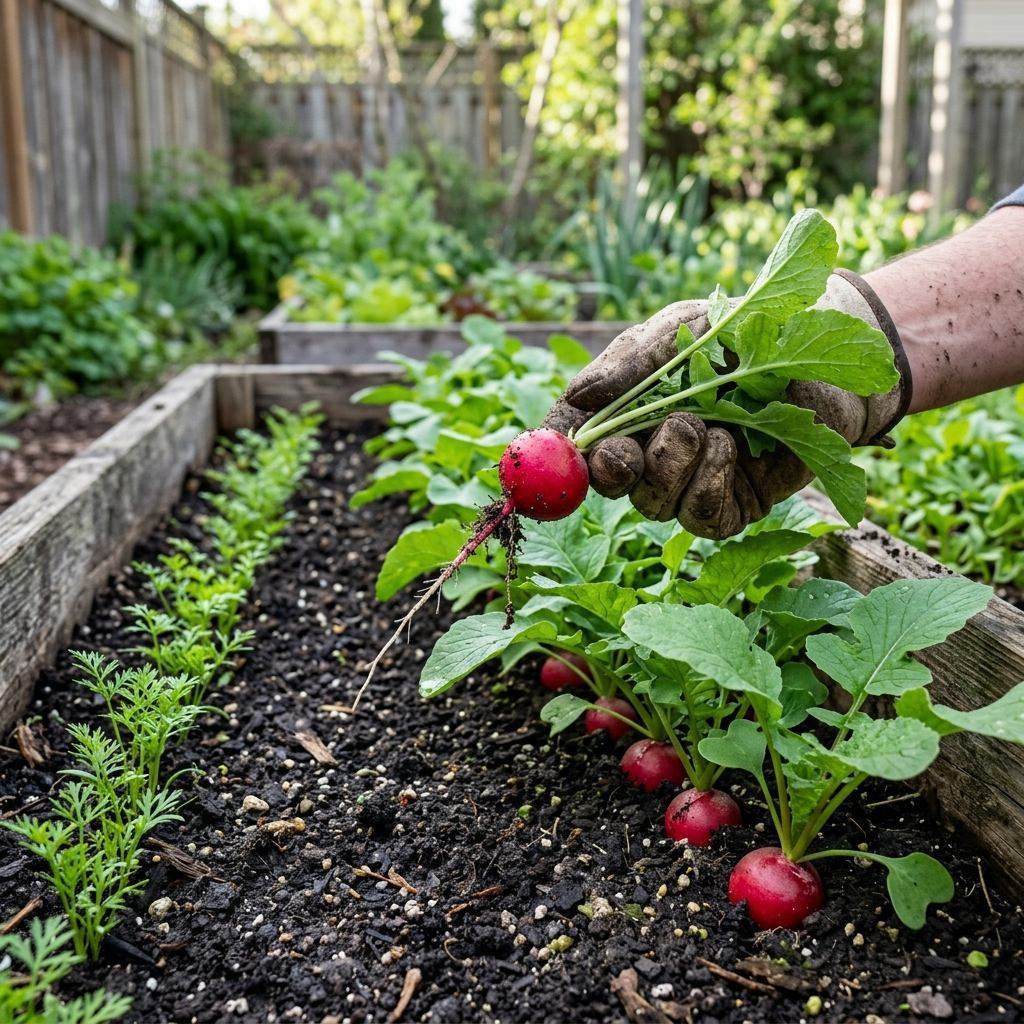
Radishes are one of the fastest-maturing vegetables in existence, with varieties like ‘Cherry Belle’ ready in just 22-28 days, which makes them ideal as a confidence-building first crop of the season and a way to mark rows for slower-germinating seeds planted alongside them. Sow radish seeds ½ inch deep, 1 inch apart, as early as 4 weeks before last frost, since the seeds germinate in soil as cool as 40°F and the seedlings shrug off light frost without damage. A common technique is interplanting radish seeds with carrot seeds, since carrots germinate slowly (14-21 days) and radishes get harvested and out of the way right around the time carrots need the space.
Key takeaway: Radishes reward impatience better than almost any other vegetable, going from seed to harvest in under a month even in cool soil.
Lettuce and Mesclun Mixes for Early Salads
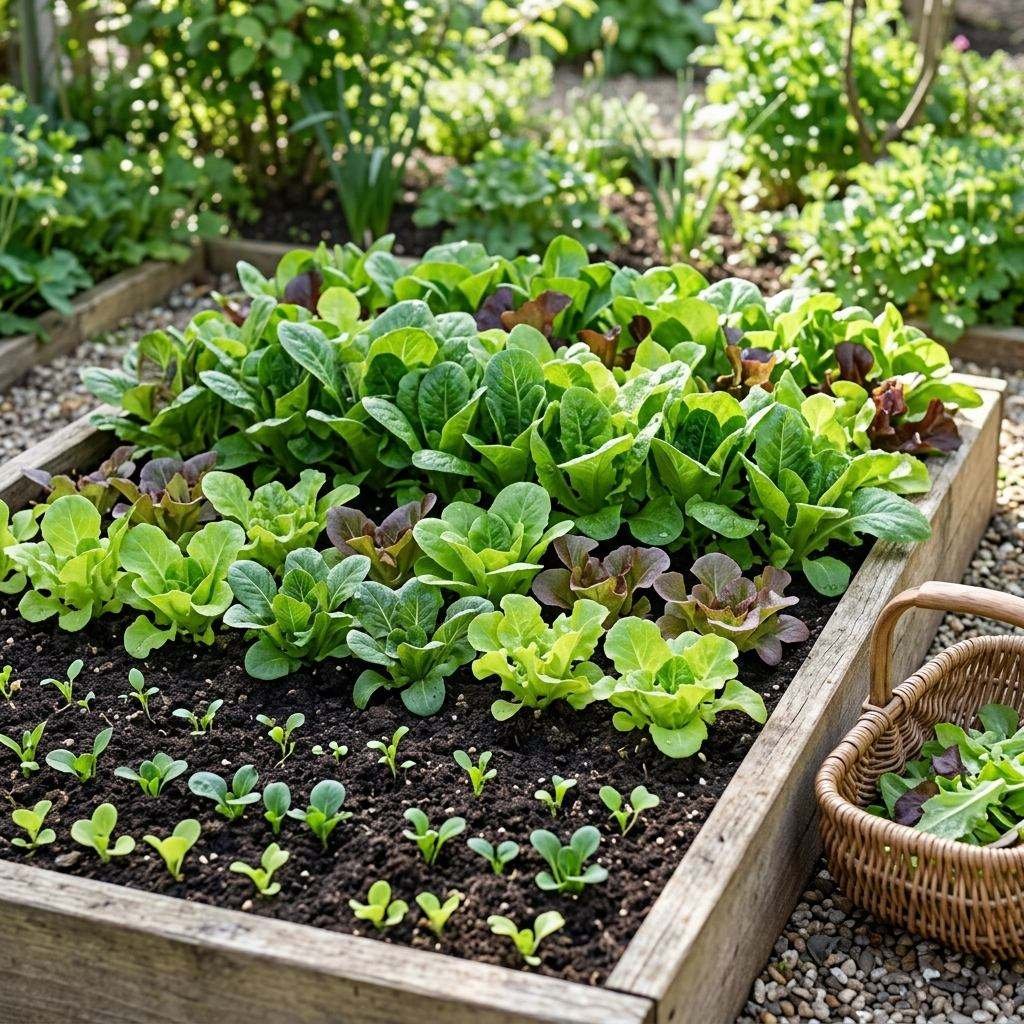
Lettuce germinates in soil temperatures as low as 35°F, though germination rates and speed improve closer to 45-65°F, and most leaf lettuce varieties tolerate frost down to 28°F once they have their first true leaves. Sow seeds ¼ inch deep (lettuce seed actually needs some light exposure to germinate well, so don’t bury it too deep), thinning seedlings to 4-6 inches apart for full heads or leaving them dense for cut-and-come-again baby greens. Loose-leaf types like ‘Black Seeded Simmons’ or mesclun blends are ready for a first cutting in as little as 30 days, and successive sowings every 10-14 days through the cool season keep salads coming until heat causes bitterness and bolting.
Fava Beans for Cold-Climate Protein
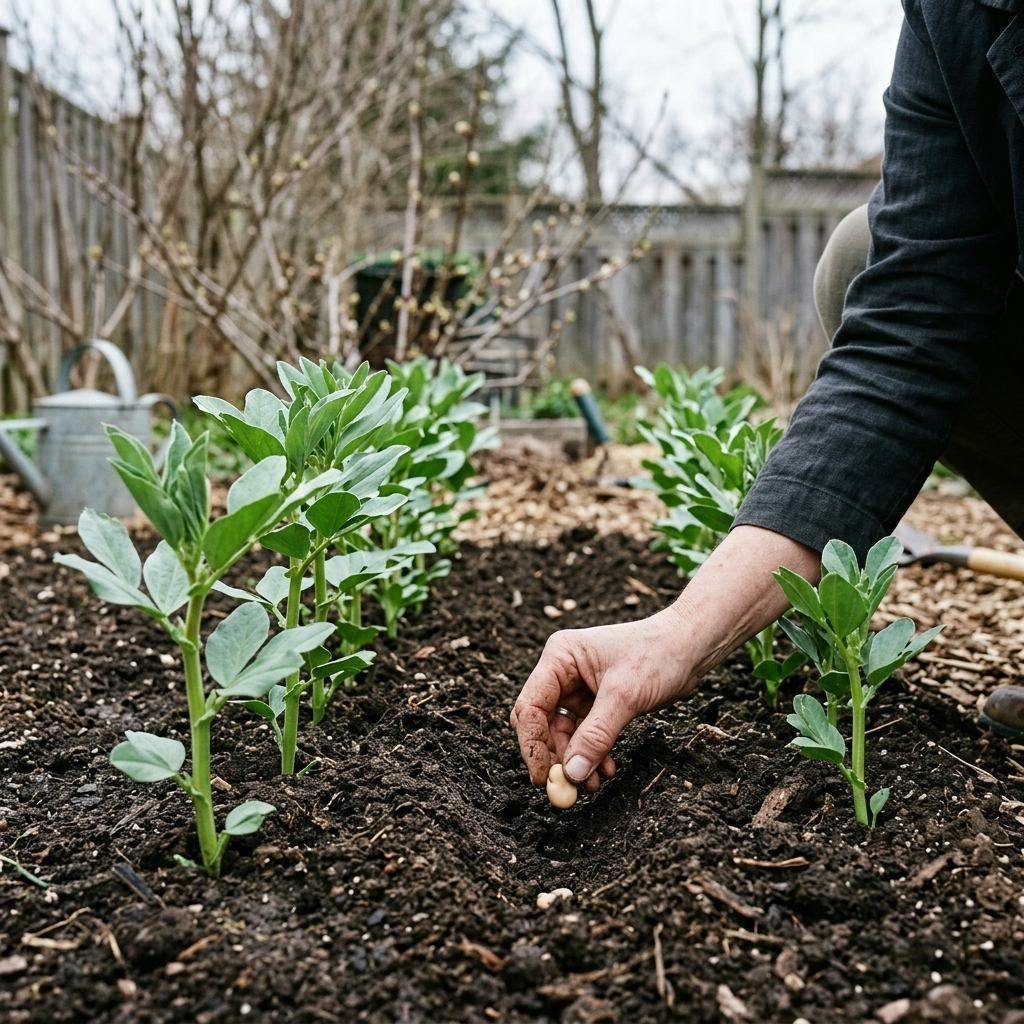
Fava beans (also called broad beans) are unusual among legumes in tolerating hard frost down to 21°F once seedlings emerge, making them one of the earliest protein crops available to gardeners in cold climates. Direct-sow seeds 1-2 inches deep and 6 inches apart about 4-6 weeks before last frost; they need cool weather to set pods well and will stop producing once summer heat arrives, similar to peas. Fava beans also improve soil nitrogen levels, so even gardeners who don’t love eating them often grow a patch purely as a cover crop turned under before summer planting.
Cool-Season Flowers: Sweet Peas and Pansies
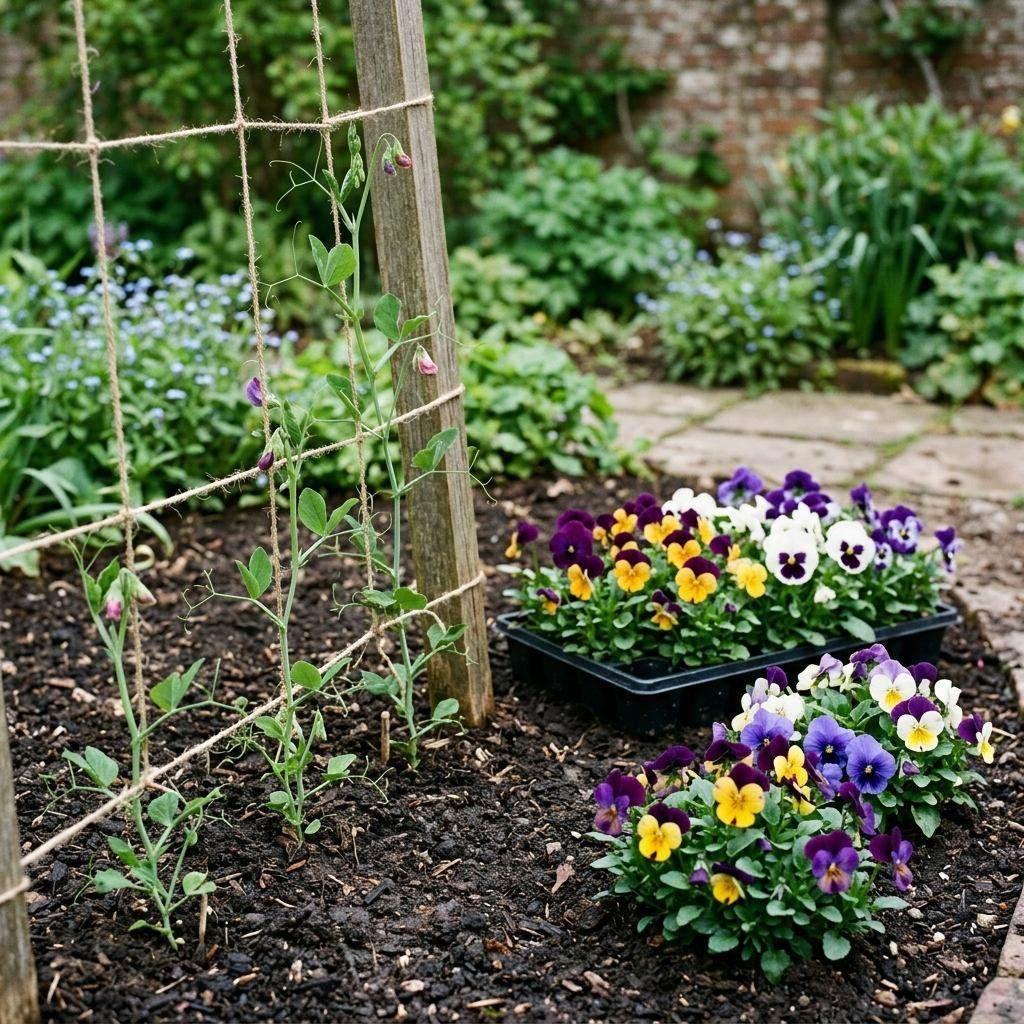
Sweet peas (Lathyrus odoratus, the ornamental cousin of edible peas) germinate best in cool soil and actually benefit from a pre-soak of 24 hours plus nicking the seed coat with a file, which speeds germination from three weeks down to about ten days. Sow directly 1 inch deep about 6 weeks before last frost for the strongest vines and most abundant, fragrant blooms by early summer. Pansies and violas can be started from seed indoors 8-10 weeks before last frost, then transplanted outside 2-4 weeks before that date since the seedlings tolerate temperatures down to 25°F; direct outdoor sowing works too but germination is less reliable without controlled conditions.
Comparing Cold-Hardy Seed Options
| Seed | Min. Germination Soil Temp | Frost Tolerance (established) | Days to Harvest/Bloom |
|---|---|---|---|
| Peas | 40°F | Down to 28°F | 60-70 days |
| Spinach | 35°F | Down to 15-20°F | 40-50 days |
| Radishes | 40°F | Down to 28°F | 22-28 days |
| Lettuce | 35°F | Down to 28°F | 30-50 days |
| Fava beans | 40°F | Down to 21°F | 80-90 days |
| Sweet peas | 40°F | Down to 25°F | 60-70 days to bloom |
Checking Soil Readiness Before You Sow
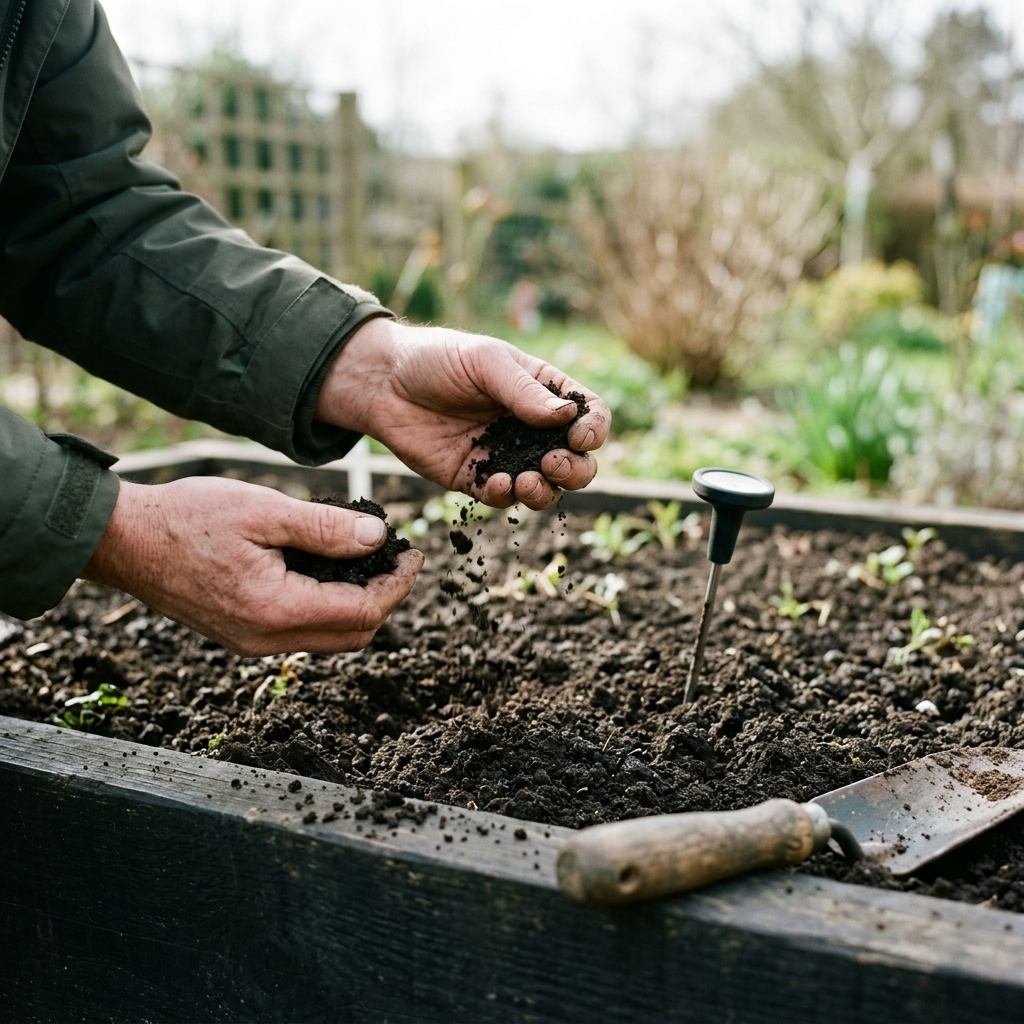
The calendar date matters less than actual soil conditions, and the simplest test is the “squeeze test”: grab a handful of soil from 2-3 inches down and squeeze it into a ball. If water drips out or it stays in a dense, muddy clump, it’s too wet to work and seeds will rot rather than germinate; if it crumbles apart loosely when poked, it’s ready. A soil thermometer pushed 2-4 inches deep gives a more precise reading, and taking measurements at the same time each morning for three consecutive days above the seed’s minimum threshold is a reliable green light to plant.
The Bottom Line
Frost tolerance varies enormously by crop, and the biggest mistake gardeners make is treating “last frost date” as a single universal starting gun rather than a rough guide that different seeds interpret differently. Peas, favas, spinach, and sweet peas can go in weeks before that date once soil is workable, while radishes and lettuce offer fast, forgiving harvests to fill the gap. Match the seed to its actual cold tolerance, check real soil conditions rather than just the calendar, and you’ll have a harvest well underway before warm-season crops even go in the ground.
Frequently Asked Questions
How many weeks before the last frost date can I start planting seeds outside?
Cold-hardy crops like peas, spinach, and fava beans can go in 4-6 weeks before the last frost date as soon as soil is workable. Tender crops like tomatoes and peppers need to wait until after the last frost entirely.
Will a late frost kill seeds I’ve already planted?
Ungerminated seeds in the soil are generally unaffected by frost since they’re insulated underground; it’s emerged seedlings of tender species that suffer damage. Cold-hardy crops like the ones covered here tolerate frost even after germination.
What happens if I plant cold-hardy seeds too late in spring?
Crops like spinach, lettuce, and peas bolt (flower prematurely and turn bitter) once temperatures consistently exceed 75-80°F, so late planting shortens or eliminates your harvest window. Aim to get these in the ground as early as soil allows rather than waiting for guaranteed warmth.
Can I start these frost-tolerant seeds indoors instead of direct-sowing?
Peas and fava beans generally resent transplanting due to sensitive roots, so direct-sowing works best. Lettuce, spinach, and pansies transplant reasonably well if started indoors 4-6 weeks earlier and hardened off gradually before moving outside.
Do I need to cover seeds or seedlings if an unexpected hard freeze is forecast?
A frost cloth or row cover is worth using if temperatures are expected to drop more than a few degrees below each crop’s stated tolerance, particularly for young seedlings under 2 weeks old. Established plants of the crops listed here generally don’t need protection down to their stated thresholds.
Is it better to plant in raised beds or in-ground for early spring seeds?
Raised beds warm up and dry out faster in spring than in-ground plots, often allowing sowing one to two weeks earlier. This makes them especially useful for gardeners eager to get cold-hardy crops started at the earliest safe opportunity.