
Backyard Homesteading in 100 Square Feet of Growing Space

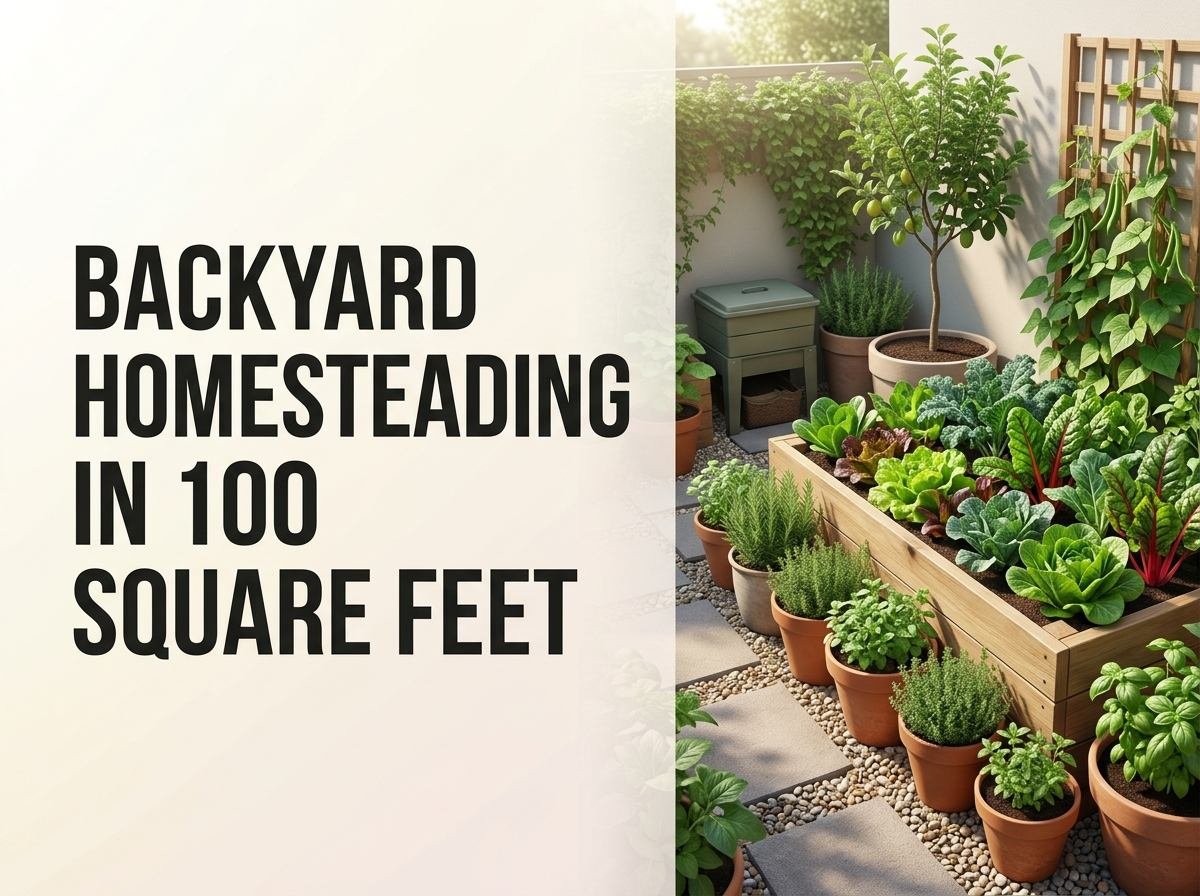
A 100-square-foot growing space, something like a 10×10 plot or several scattered containers adding up to that footprint, is genuinely enough to produce a meaningful share of a household’s herbs, salad greens, and preserved goods, though not full caloric self-sufficiency. The realistic homesteading approach at this scale prioritizes high-value, high-yield crops per square foot (herbs, leafy greens, dwarf fruit, and preserved vegetables) over space-hungry staples like corn or winter squash, and pairs the growing space with small-footprint additions like a worm bin and a dehydrator to close the loop on waste and extend the harvest. This is homesteading scaled to what a suburban yard or large patio can actually support, not a farm replica.
Prioritize Herbs for Maximum Value Per Square Foot
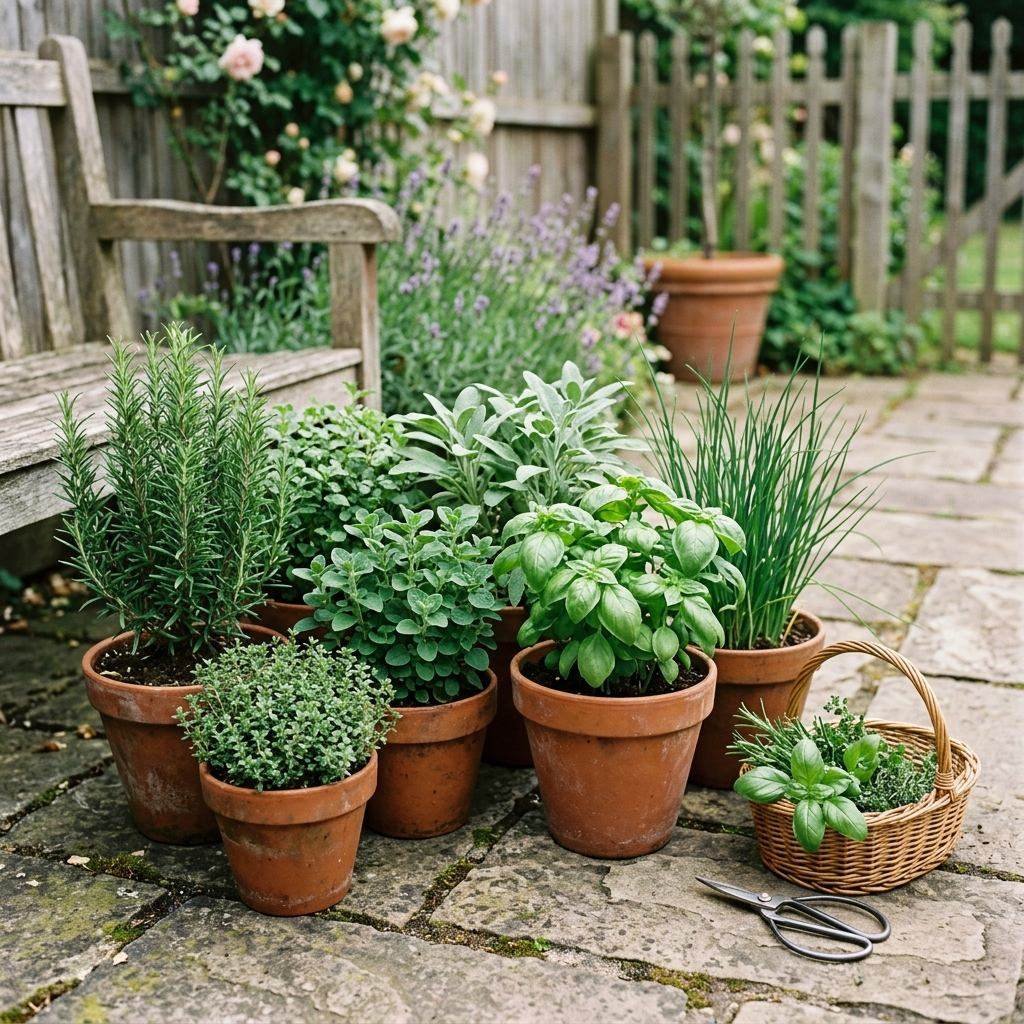
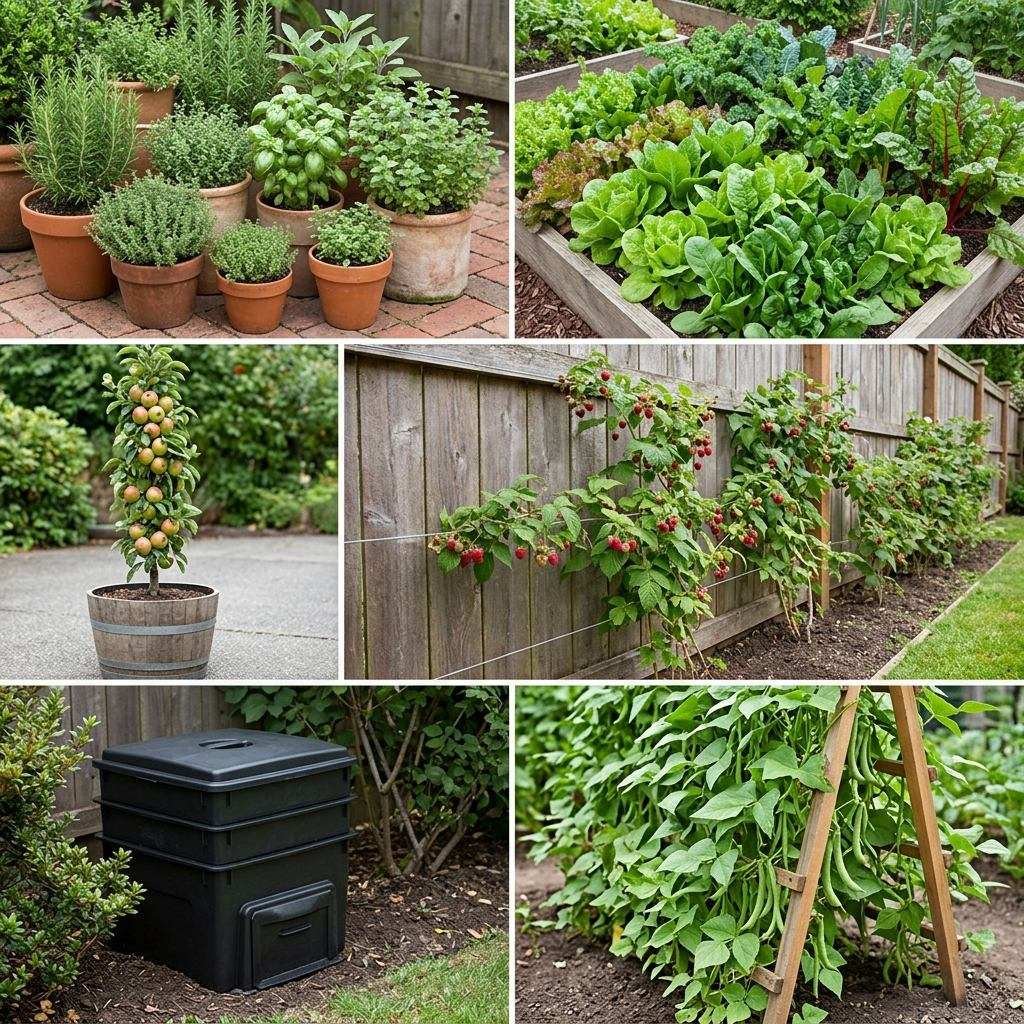
Fresh culinary herbs are one of the most expensive items per ounce at the grocery store, often $3-4 for a small clamshell that a single established plant can outproduce in one cutting, which makes herbs the highest-return crop for a small homestead space. A 10-square-foot herb section (roughly a 2×5 bed or six to eight containers) growing rosemary, thyme, oregano, sage, basil, and chives can realistically replace $15-25 a month in grocery herb purchases during the growing season. Perennial herbs like rosemary, thyme, sage, and oregano come back year after year without replanting in zones 6 and warmer, while basil and cilantro need reseeding each year but produce multiple cuttings within 6-8 weeks of planting. Drying excess herbs at the end of the season (a simple hang-dry in a paper bag or a food dehydrator on the lowest setting) extends their usefulness through winter, effectively banking summer abundance for months when nothing is growing.
Key takeaway: Ten square feet of mixed herbs replaces more grocery spending, cutting for cutting, than almost any other crop you could grow in that space.
Stack a Dwarf Fruit Tree Into the Vertical Layer
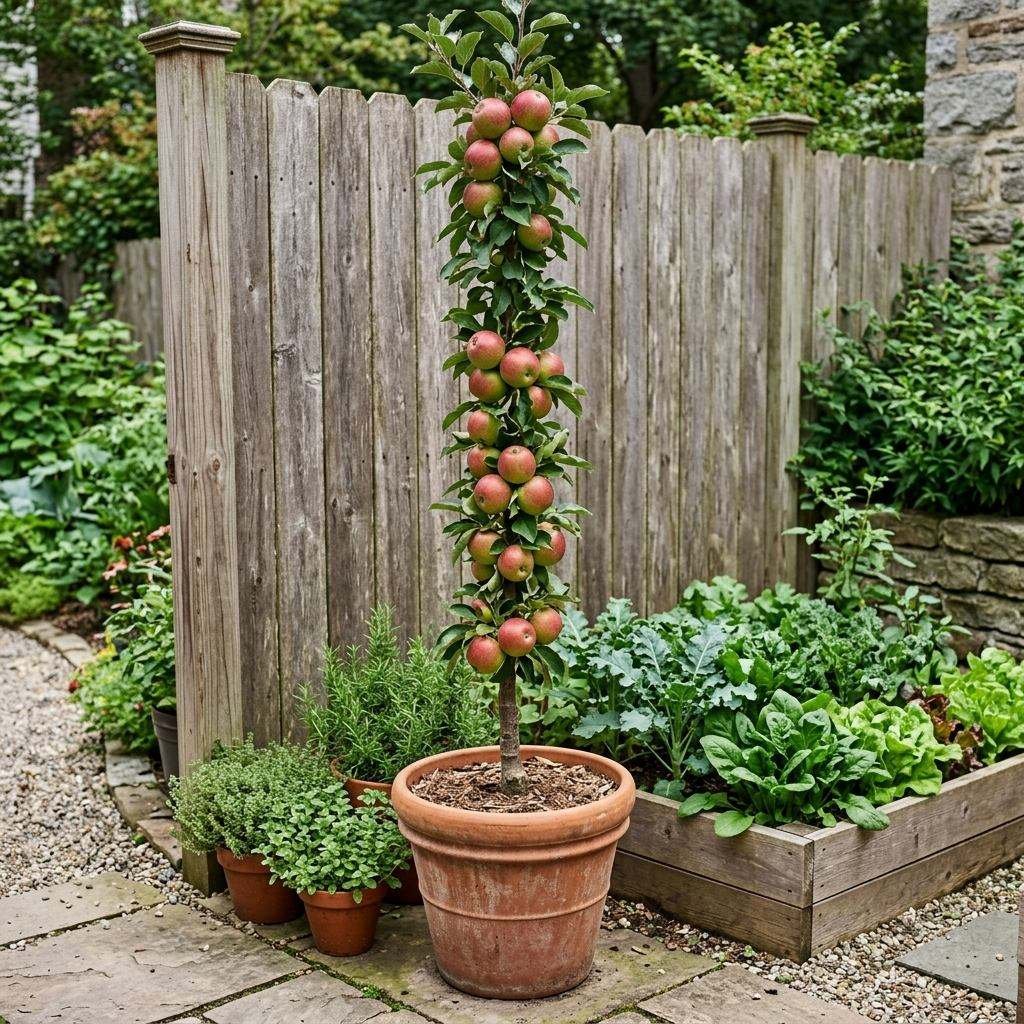
Ground-space calculations often ignore the vertical dimension entirely, but a dwarf or columnar fruit tree in a 15-20 gallon container occupies only about 4-6 square feet of footprint while producing 10-30 pounds of fruit annually once mature (typically by year 3-4). Columnar apple varieties like ‘North Pole’ or ‘Golden Sentinel’ grow to just 8-10 feet tall and 2 feet wide, making them genuinely suited to being tucked against a fence or wall within a 100-square-foot plan without shading out the rest of the growing space. Dwarf citrus (Meyer lemon, calamondin) works the same way in warmer zones or as a container plant brought indoors for winter in colder ones. Pruning to maintain a narrow, upright form and ensuring at least 6 hours of direct sun keeps these productive in a footprint most people would otherwise dedicate to a single tomato plant.
Key takeaway: A single dwarf fruit tree in a large pot adds a genuine perennial harvest using vertical space that ground-level bed calculations completely ignore.
Bramble Fruit as a Fence-Line Alternative
Thornless blackberries or everbearing raspberries trained along a 6-8 foot fence section take up almost no ground footprint (about 1-2 feet of bed depth) while producing pounds of fruit over a 6-8 week harvest window, making them one of the most space-efficient perennial fruit options for a fence-adjacent homestead plot.
Dedicate 4 Square Feet to a Worm Bin
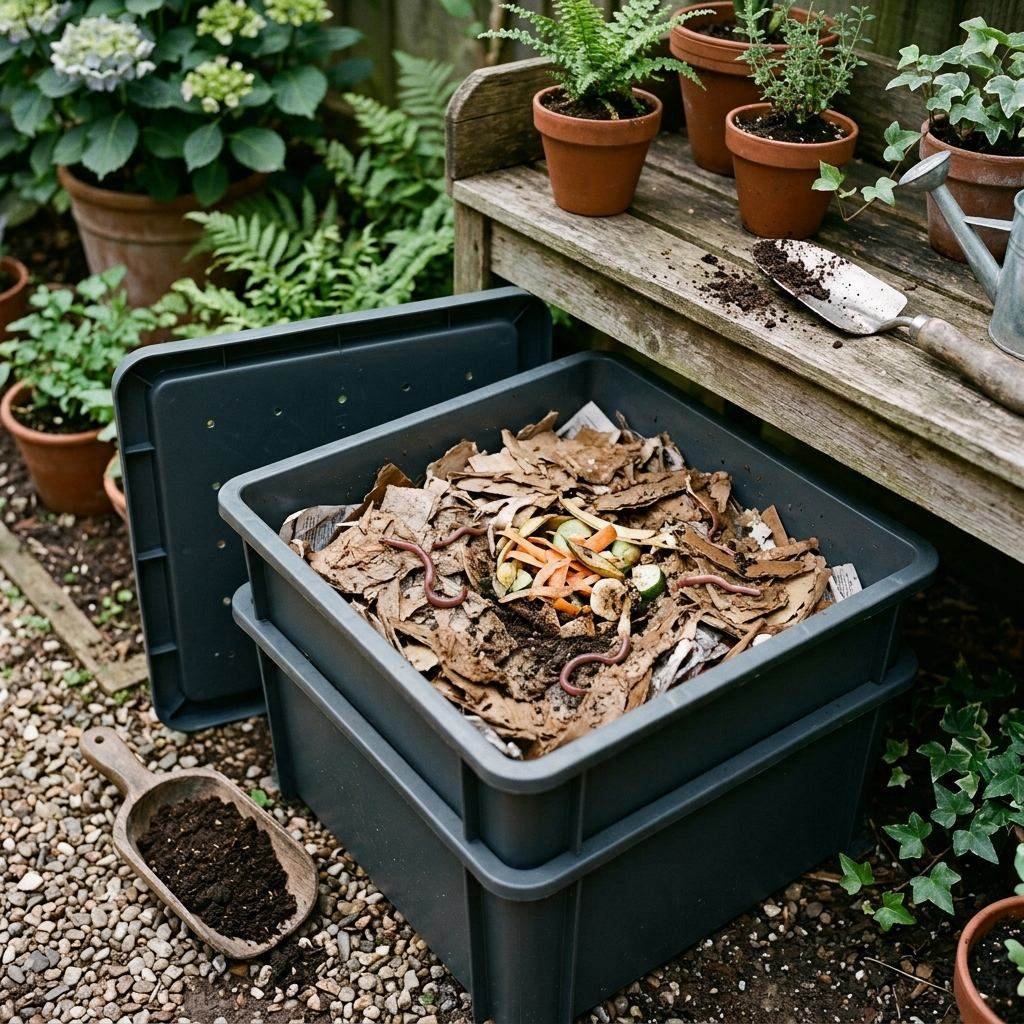
A worm composting bin (vermicomposting) using red wiggler worms processes roughly 1 pound of household food scraps per pound of worms per week, and a starter bin of 1 pound of worms in a stackable tray system takes up about 2×2 feet of floor space, making it one of the most productive uses of square footage on a small homestead in terms of closing the nutrient loop. The output, worm castings, is a nutrient-dense fertilizer that outperforms most bagged commercial products and costs nothing beyond the initial worm investment (typically $30-40 for a pound of red wigglers). Unlike traditional outdoor compost piles that need 9-27 square feet and months to break down, a worm bin works indoors or in a garage year-round, processes scraps in 60-90 days, and produces zero odor when maintained correctly with the right carbon-to-nitrogen balance (roughly equal parts shredded paper/cardboard “browns” to food scrap “greens”).
Key takeaway: A worm bin turns kitchen scraps into free fertilizer in a footprint smaller than a kitchen trash can, making it one of the best value-per-square-foot additions to a small homestead.
Grow Leafy Greens for Continuous Harvest
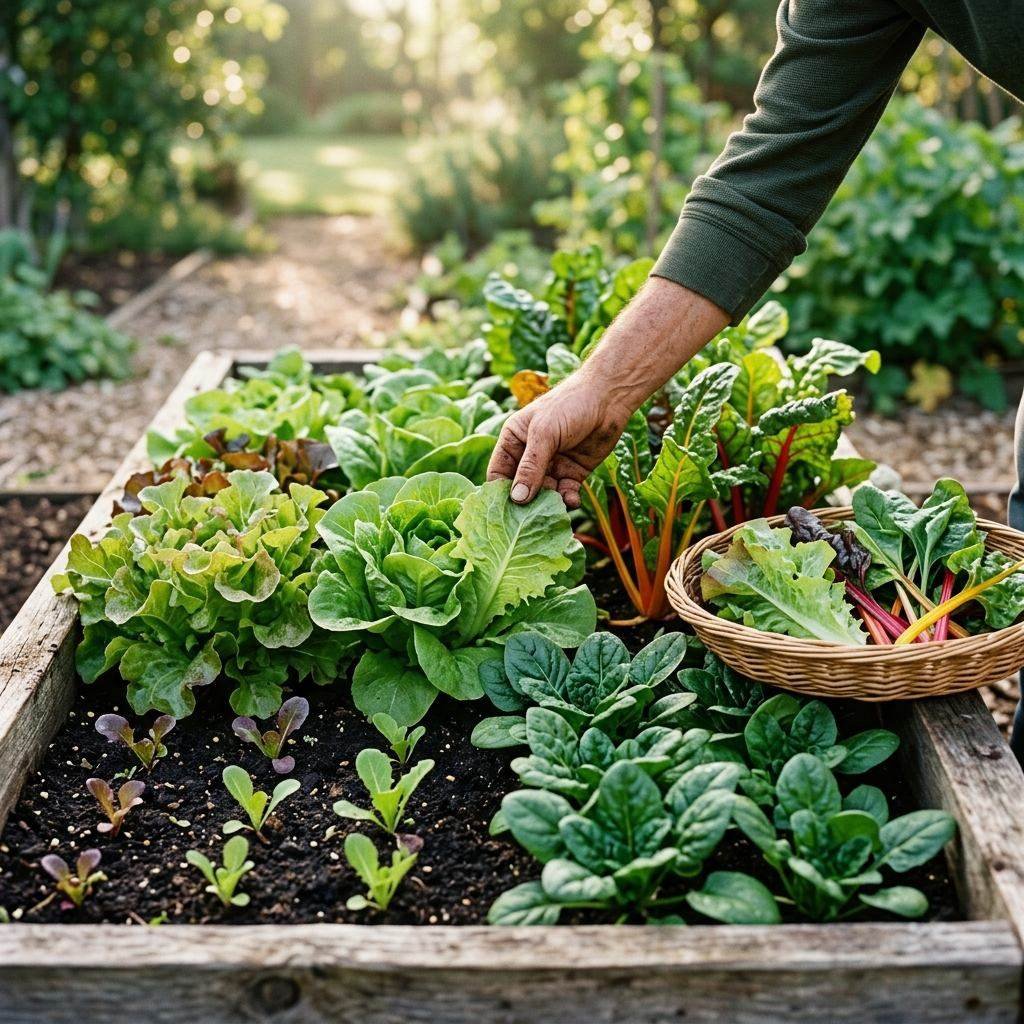
Leafy greens (lettuce, spinach, kale, Swiss chard, and arugula) offer the fastest turnaround of any vegetable category, with baby greens ready for a first cutting in as little as 21-30 days and many varieties regrowing for 3-4 additional cuttings from the same planting using the cut-and-come-again method. Dedicating 15-20 square feet to a rotation of greens, sown in succession every two weeks, keeps a household in continuous salad and cooking greens for 7-8 months of the year in most temperate climates. This crop category also tolerates partial shade better than fruiting vegetables, making it a practical choice for whatever corner of the 100 square feet gets the least direct sun.
Preserve What You Grow to Multiply Its Value
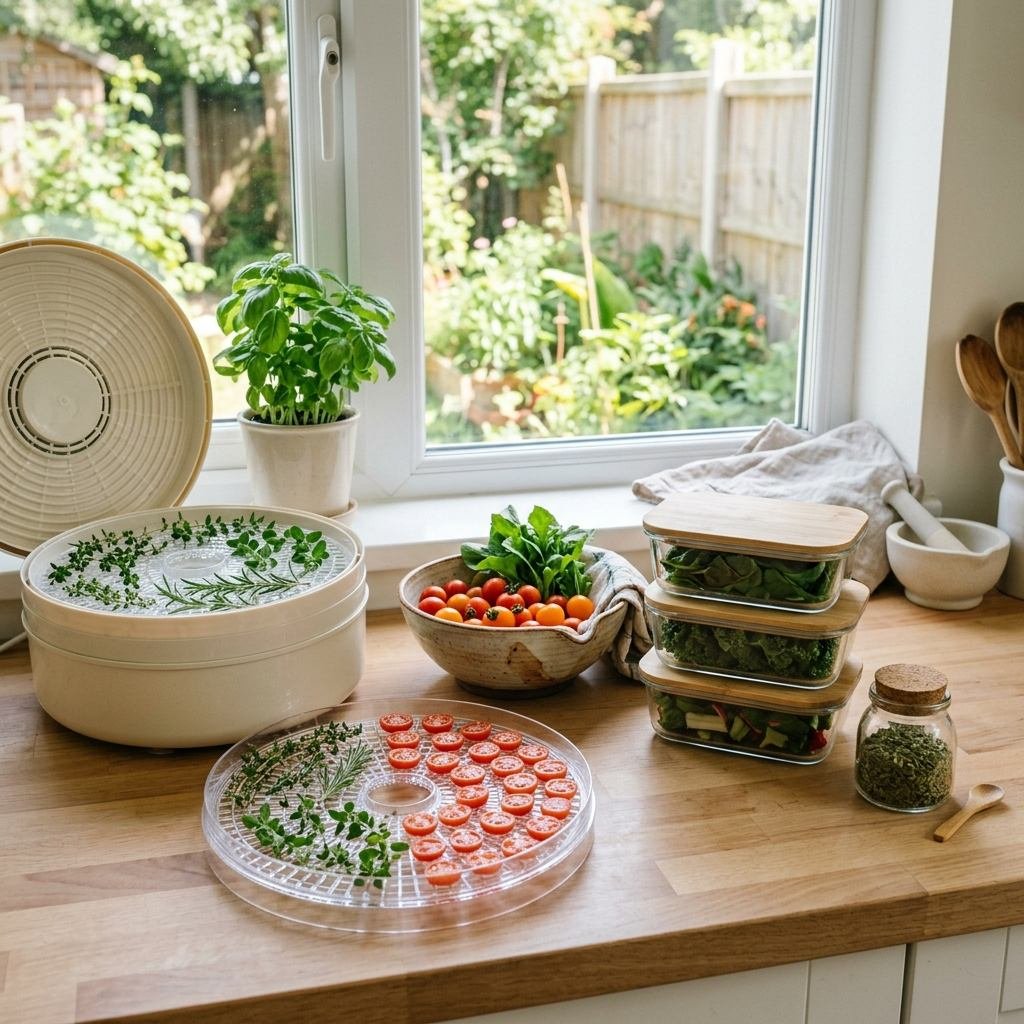
Growing food without a preservation plan means a homestead’s abundance is limited to whatever can be eaten fresh within days, which caps the practical benefit of even a well-planned 100-square-foot space. Dehydrating herbs, tomatoes, and peppers, freezing blanched greens and beans, and water-bath canning high-acid produce like tomato sauce and pickles are the three most accessible preservation methods for a beginner homesteader, requiring no specialized equipment beyond a dehydrator ($40-80) or a canning pot and jars ($30-50 to start). A modest harvest of 20 pounds of tomatoes, for example, yields roughly 10 pints of canned sauce, enough to meaningfully offset grocery spending through winter months when nothing is growing. Building preservation into the plan from the start (rather than as an afterthought when a crop suddenly ripens all at once) means choosing varieties and quantities specifically because they preserve well, not just because they taste good fresh.
Comparing Crop Categories by Space Efficiency
| Crop Category | Space Needed | Time to First Harvest | Best Use |
|---|---|---|---|
| Herbs (perennial + annual) | 8-10 sq ft | 6-8 weeks | Fresh use + drying |
| Leafy greens | 15-20 sq ft | 21-30 days | Fresh eating, continuous harvest |
| Dwarf fruit tree (container) | 4-6 sq ft | 2-4 years to bear | Long-term perennial yield |
| Bramble fruit (fence-trained) | 1-2 sq ft depth | 1-2 years to bear | Preserving, fresh eating |
| Worm bin | 4 sq ft | 60-90 days for finished compost | Fertilizer production |
| Vining vegetables (trellised beans/cucumbers) | 6-10 sq ft | 50-65 days | Fresh eating + preserving |
Layering the Full 100 Square Feet
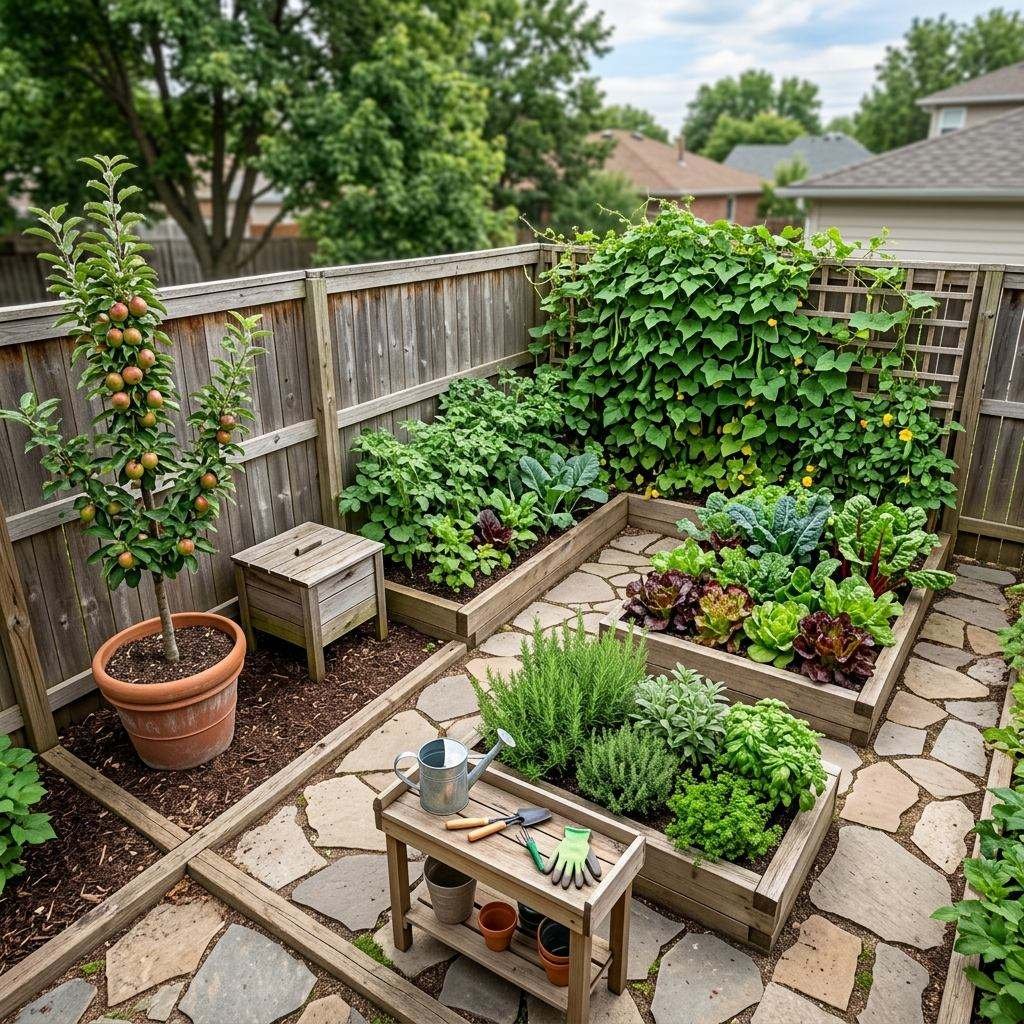
A realistic allocation might look like 20 square feet of raised bed for rotating leafy greens and quick crops, 15 square feet for a trellised vining section (pole beans and cucumbers, which produce far more per square foot than bush varieties because they grow up rather than out), 10 square feet for a permanent herb bed, 6 square feet for one or two dwarf fruit trees in containers, 4 square feet for a worm bin, and the remainder split between a small compost staging area and pathways. The exact mix should shift based on what a household actually eats and how much time is available for preservation work, since growing 30 pounds of tomatoes is only valuable if someone is willing to process them into sauce before they spoil.
The Bottom Line
Backyard homesteading in 100 square feet works best when it’s designed around value density rather than trying to replicate a full farm in miniature. Herbs, leafy greens, and a worm bin deliver the highest practical return for the smallest footprint, while a single dwarf fruit tree and some fence-trained brambles add perennial harvests using vertical space most plans waste. Pair the growing space with a genuine preservation habit and this modest footprint can meaningfully reduce a household’s grocery bill, even if it never approaches full self-sufficiency.
Frequently Asked Questions
Is 100 square feet actually enough to grow a meaningful amount of food?
Yes, for herbs, leafy greens, and a rotation of quick vegetables, 100 square feet can meaningfully offset grocery spending, though it won’t provide full caloric self-sufficiency for a household. Pairing it with preservation methods multiplies its practical impact.
What’s the single best crop to start with in a small homestead space?
Perennial herbs like rosemary, thyme, and oregano offer the best return since they come back yearly, need minimal space, and replace some of the most expensive grocery items per ounce. They’re also nearly foolproof for beginners.
Can I keep any small livestock in a 100-square-foot homestead footprint?
Traditional livestock like chickens generally need more space than 100 square feet allows for humane keeping, but a worm bin functions as a livestock-adjacent addition, processing scraps into fertilizer using only a few square feet. Some very small setups add a couple of quail in a dedicated hutch outside the growing footprint if local regulations allow it.
How much of my harvest should I plan to preserve versus eat fresh?
A reasonable starting goal is preserving about 30-40% of a harvest, particularly crops that ripen all at once like tomatoes and peppers, while eating fast-turnaround crops like greens and herbs mostly fresh. Adjust based on how much time you realistically have for canning or dehydrating.
Do I need raised beds for a 100-square-foot homestead, or can I use containers?
Either works; raised beds are more space-efficient for close plant spacing and succession planting, while containers offer flexibility for renters or uneven yards and make dwarf fruit trees and herbs easy to move for sun exposure. Many small homesteads mix both approaches.
How long does it take to see a return from a small homestead space?
Fast crops like leafy greens and radishes show a return within 3-4 weeks of planting, herbs within 6-8 weeks, while dwarf fruit trees take 2-4 years to bear a meaningful harvest. Plan the space to include both quick wins and longer-term perennial investments from the start.