
How to Create a Small Memorial Garden in Your Backyard

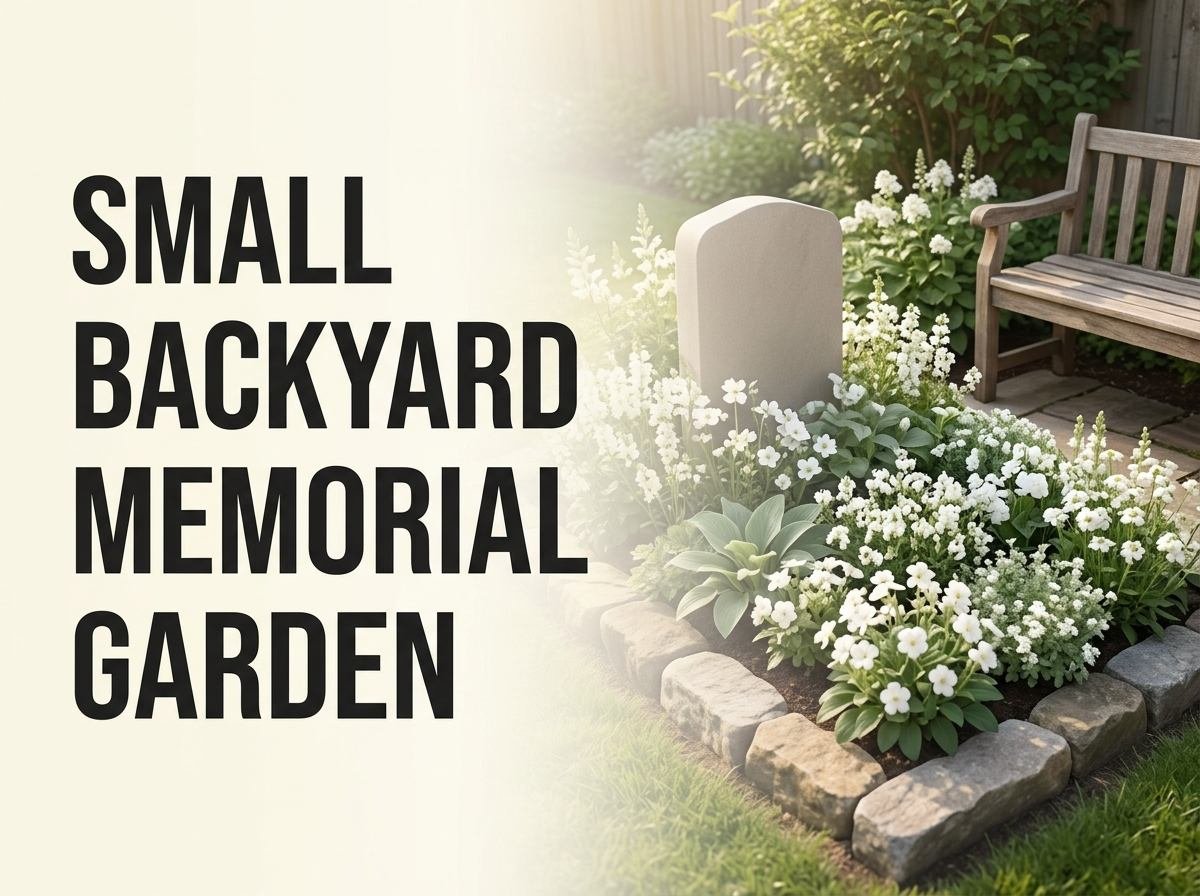
A meaningful memorial garden needs three elements regardless of size: a clearly defined physical boundary that sets it apart from the rest of the yard, a focal point to anchor attention (a stone, plaque, statue, or specific tree), and plants chosen with intentional meaning rather than just visual appeal. Even a 4×6 foot corner accomplishes this fully when those three elements are thoughtfully combined, since the emotional function of a memorial garden depends on deliberate design choices, not acreage. The process typically takes a weekend to install and then rewards ongoing, gentle tending for years afterward, which is often part of its value as an act of continued connection.
Choose and Define the Location First
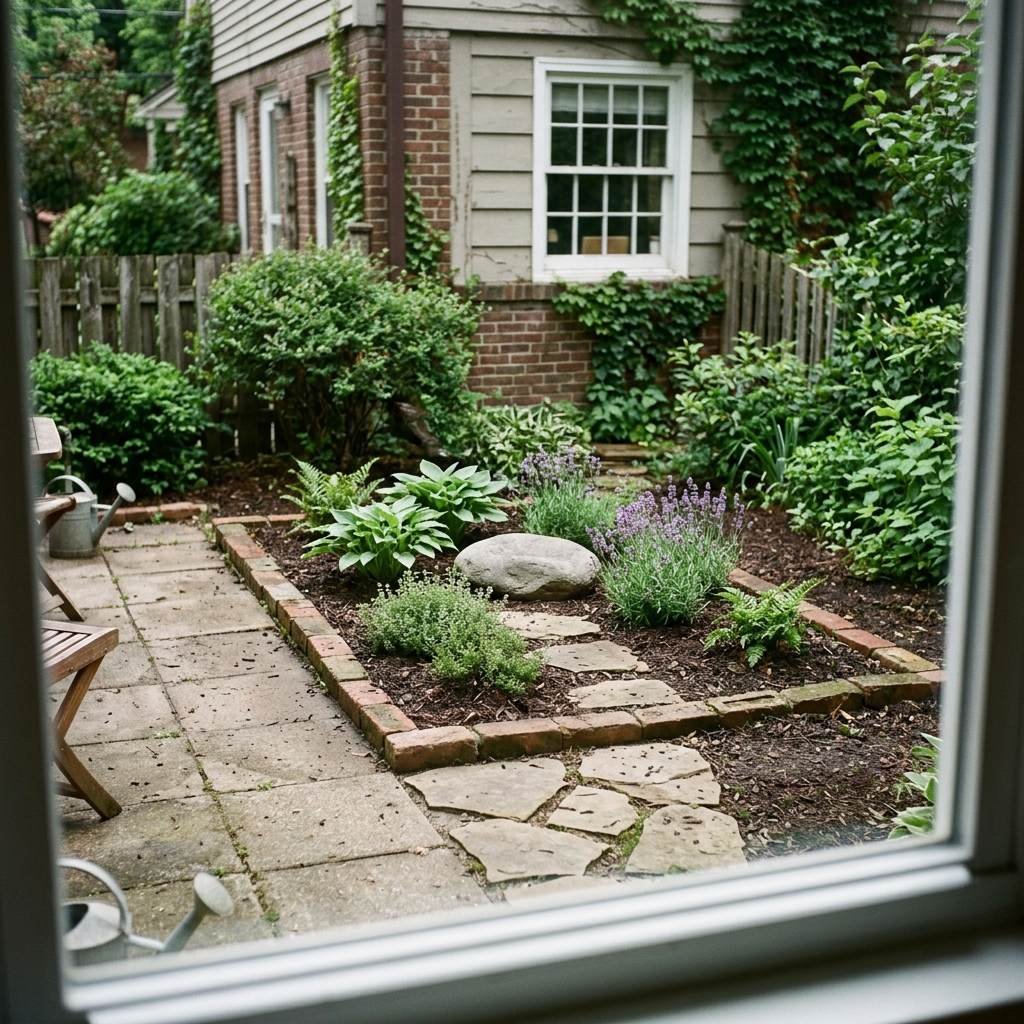
The right spot for a memorial garden is one that’s visible and accessible enough to visit regularly, ideally somewhere you naturally pass or can see from a window, since a memorial tucked in an inconvenient back corner tends to be visited less over time despite good intentions. A quiet corner near a patio, a spot beneath an existing mature tree, or a bed visible from a kitchen window all work well because they integrate into daily life rather than requiring a special trip. Once chosen, physically define the boundary using something as simple as brick or stone edging, a low decorative fence, or even a distinct change in ground material (gravel path transitioning to mulch), since this boundary is what signals to the eye and mind that this space holds different meaning than the surrounding lawn or garden bed. A defined space as small as 4×4 feet reads as intentional and complete, while an undefined scatter of memorial plants across a larger area often reads as incidental, even if more plants are involved.
Key takeaway: A small, clearly bounded space communicates intention and care far more effectively than a larger, undefined planting area.
Establish One Meaningful Focal Point
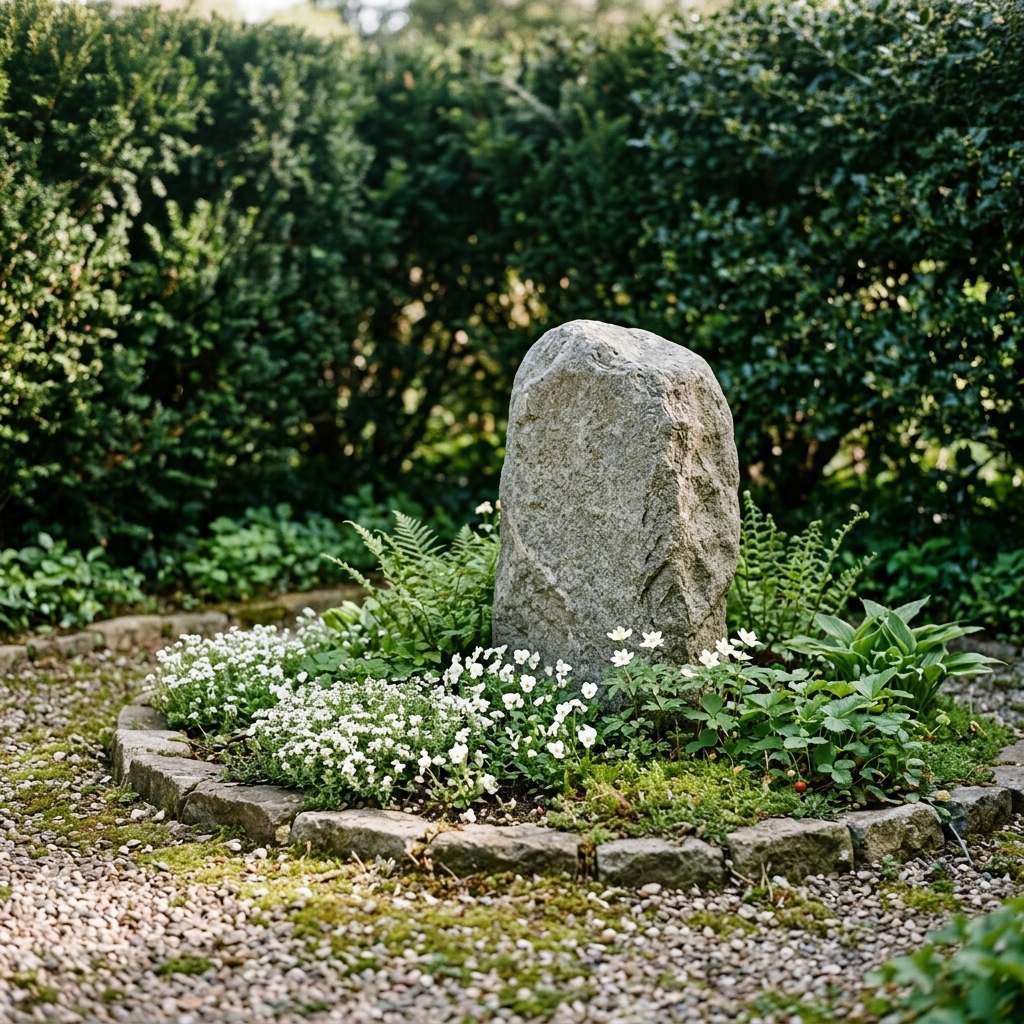
Every effective memorial garden has a single primary element the eye is drawn to, and resisting the urge to add multiple competing focal points (a statue and a large stone and a fountain, for example) keeps the space feeling calm rather than cluttered. Common focal point choices include a personalized memorial stone or plaque (available from garden centers or custom-engraved online for $50-200 depending on size and material), a birdbath or small water feature (adding movement and life to the space, and often attracting birds that some find meaningful as visitors), a simple bench for sitting and reflecting, or a single specimen tree or shrub planted specifically in someone’s memory, which grows and matures over years in a way that feels like a living tribute. Position the focal point slightly off-center within the defined space, following the same principle landscape designers use generally, since perfectly centered placement can feel static compared to an asymmetrical arrangement that guides the eye naturally through the space.
Key takeaway: Pick one focal point and let it anchor the space; multiple competing elements dilute rather than strengthen the garden’s emotional impact.
Select Plants With Personal Meaning
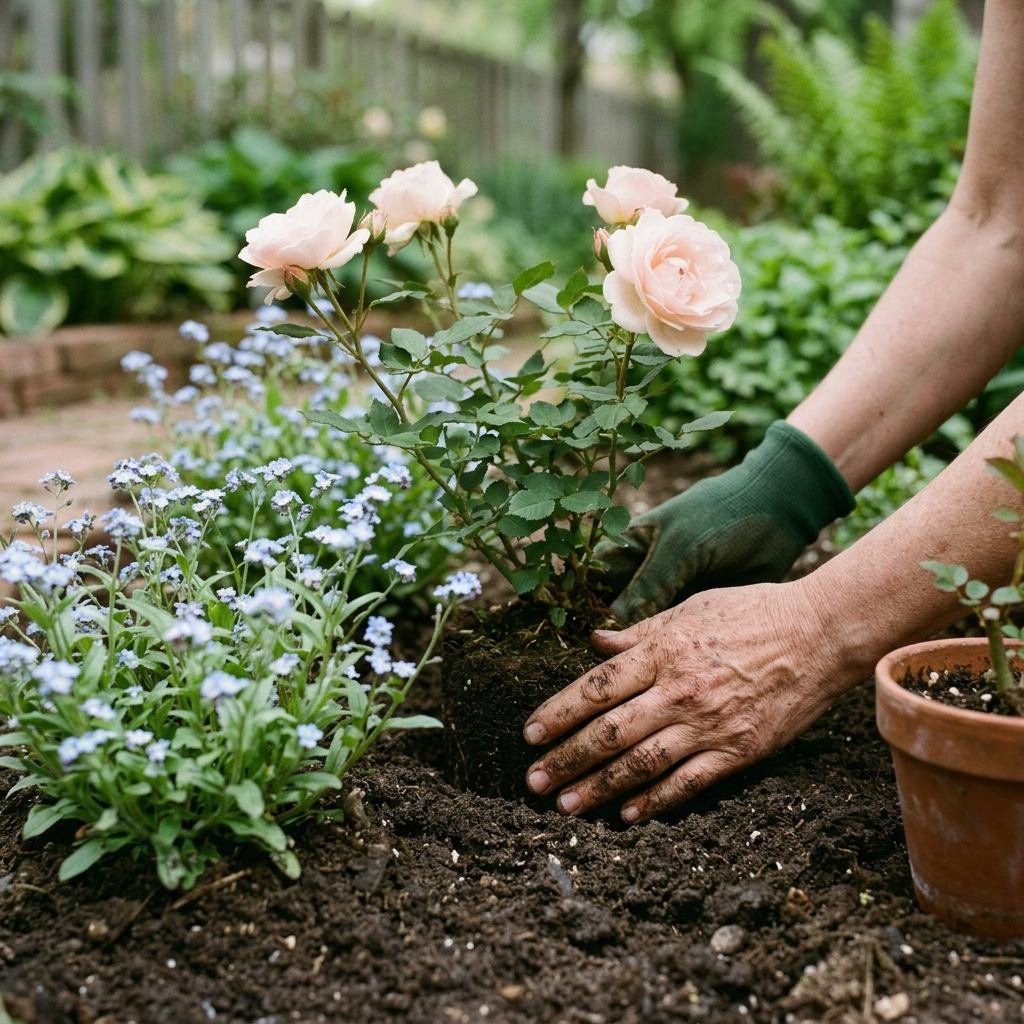
The most resonant memorial gardens use plants chosen for a specific connection to the person being remembered, rather than generic “memorial garden” plant lists, and this personalization is often the single most important design decision in the whole project. Consider the person’s favorite color and build a planting scheme around it (an all-white garden using plants like white astilbe, shasta daisies, and white coneflower reads as serene and is a classic, widely used choice), their birth month flower (January is carnation, June is rose, November is chrysanthemum, and so on, giving a specific and personal starting point), or a plant they actually grew or loved themselves, transplanted or propagated from their own garden if possible. Roses carry broad memorial symbolism and work well as a focal shrub, while forget-me-nots (Myosotis) carry an almost literal meaning that makes them a popular border or ground-cover choice specifically for memorial plantings. Bulbs like daffodils or tulips that return reliably every spring carry their own resonance as a symbol of renewal, appearing again each year without needing to be replanted.
Matching Plant Choice to Maintenance Reality
Be honest about how much on-going care you can realistically commit to; a memorial garden that becomes overgrown or neglected can create its own difficult emotions, so choosing hardy, low-maintenance perennials suited to your actual climate and available time (rather than a high-maintenance rose garden if you know you won’t keep up with spraying and pruning) sets the space up to remain a source of comfort rather than guilt.
Key takeaway: Choose plants for their personal connection to the person first, then filter that list by what you can realistically maintain long-term.
Layer in Perennials for Year-Round Presence
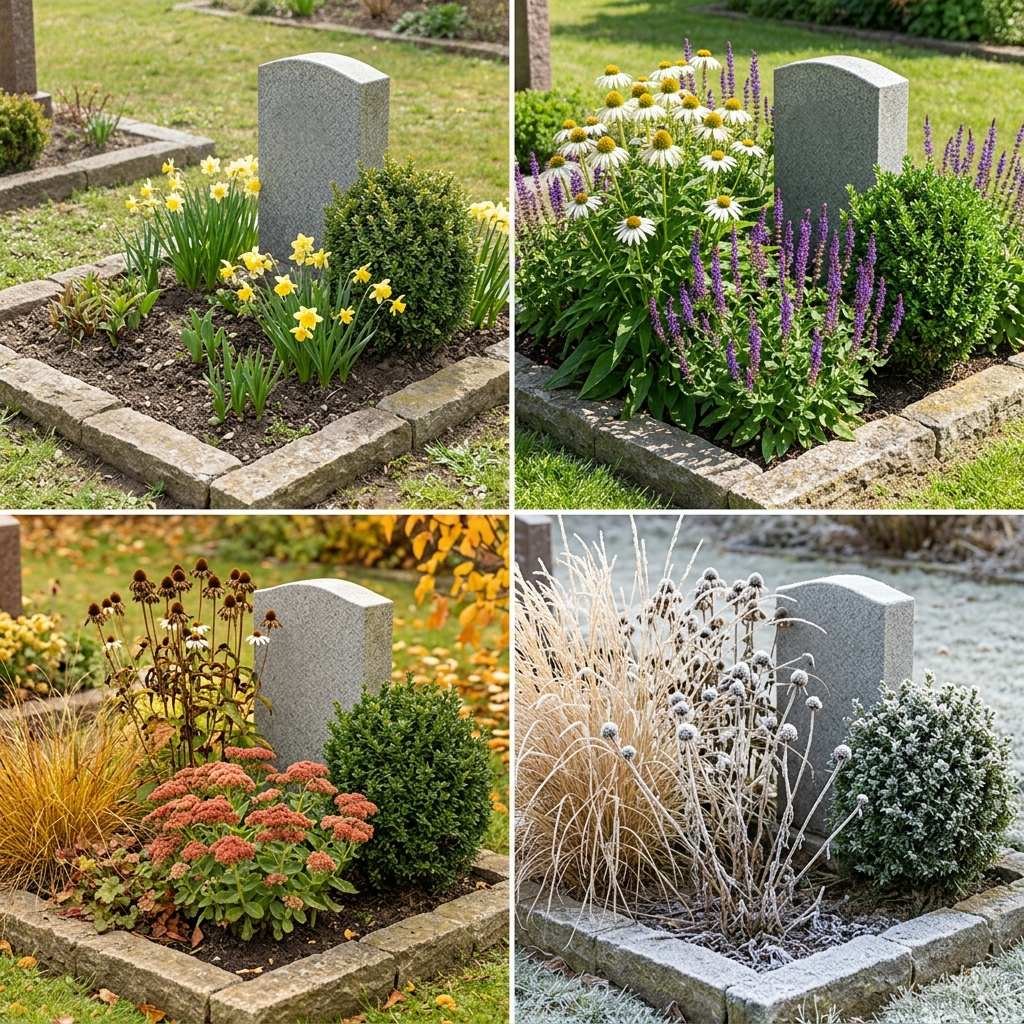
A memorial garden that only looks meaningful for a few weeks of peak bloom loses some of its power the rest of the year, so layering in plants with staggered bloom times, evergreen structure, and multi-season interest keeps the space feeling tended and alive across all four seasons. An evergreen shrub like boxwood or dwarf holly provides a green anchor through winter when perennials have died back, spring bulbs (daffodils, crocus, tulips) provide the first burst of color, summer perennials (coneflower, black-eyed Susan, salvia) carry the space through the growing season, and ornamental grasses or sedum add texture and structure that persists into fall and even through a light winter frost rather than collapsing at first cold. This layered approach, standard in general garden design, matters even more in a memorial context because the space is often visited in quiet, reflective moments across all seasons, not just during peak summer bloom.
Key takeaway: Choose at least one plant from each season, plus one evergreen element, so the garden holds meaning and visual presence year-round rather than only during summer bloom.
Add Personal Touches Beyond Plants
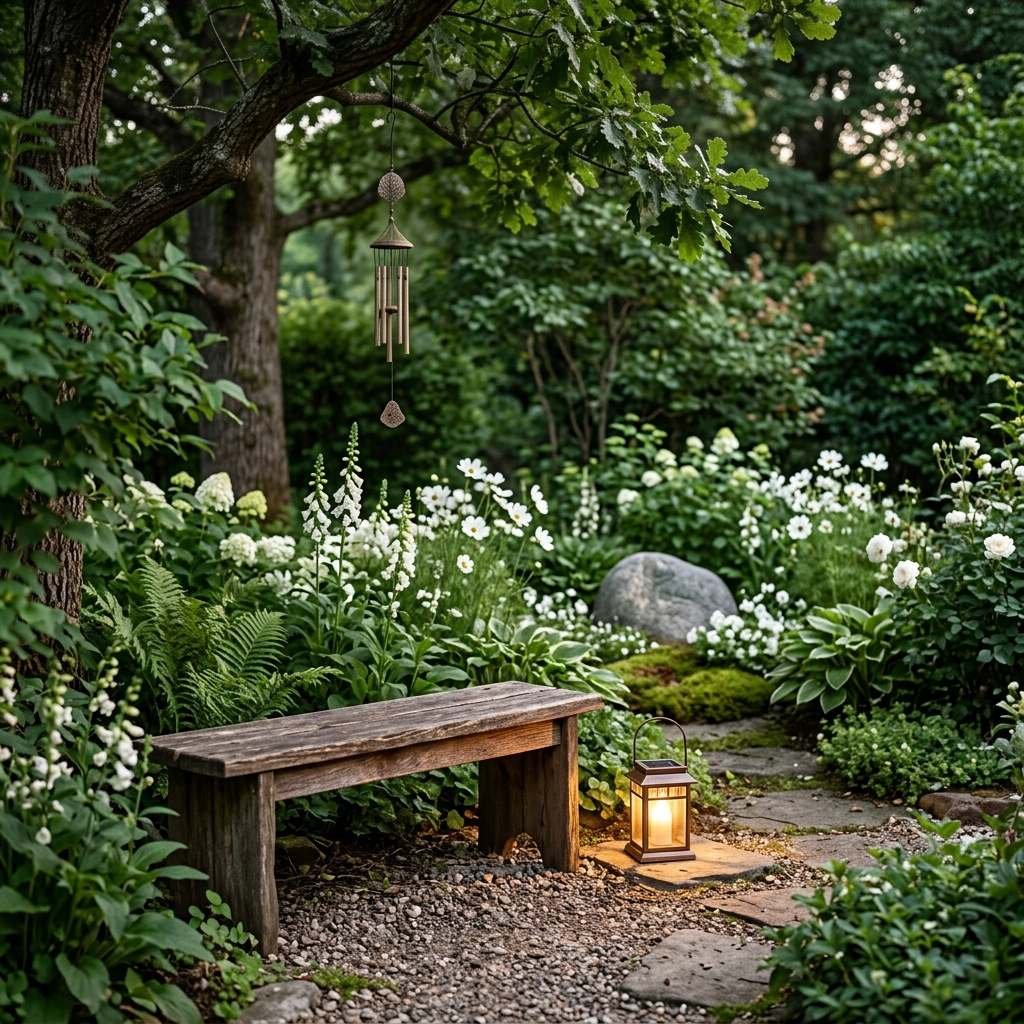
Small additional elements deepen the personal connection without requiring much space: a wind chime the person would have liked, a small solar light or lantern for evening visibility, a weatherproof frame with a favorite photo, or stepping stones with handprints, dates, or a short quote. These items work best used sparingly (one or two, not five or six) so they support rather than compete with the plants and focal point already established. Placing a small bench or single chair, even a simple one, transforms the space from something you look at into something you can sit within, which changes how the garden functions in an important way, turning a passive display into an active space for quiet time.
Plan for Practical Maintenance From the Start
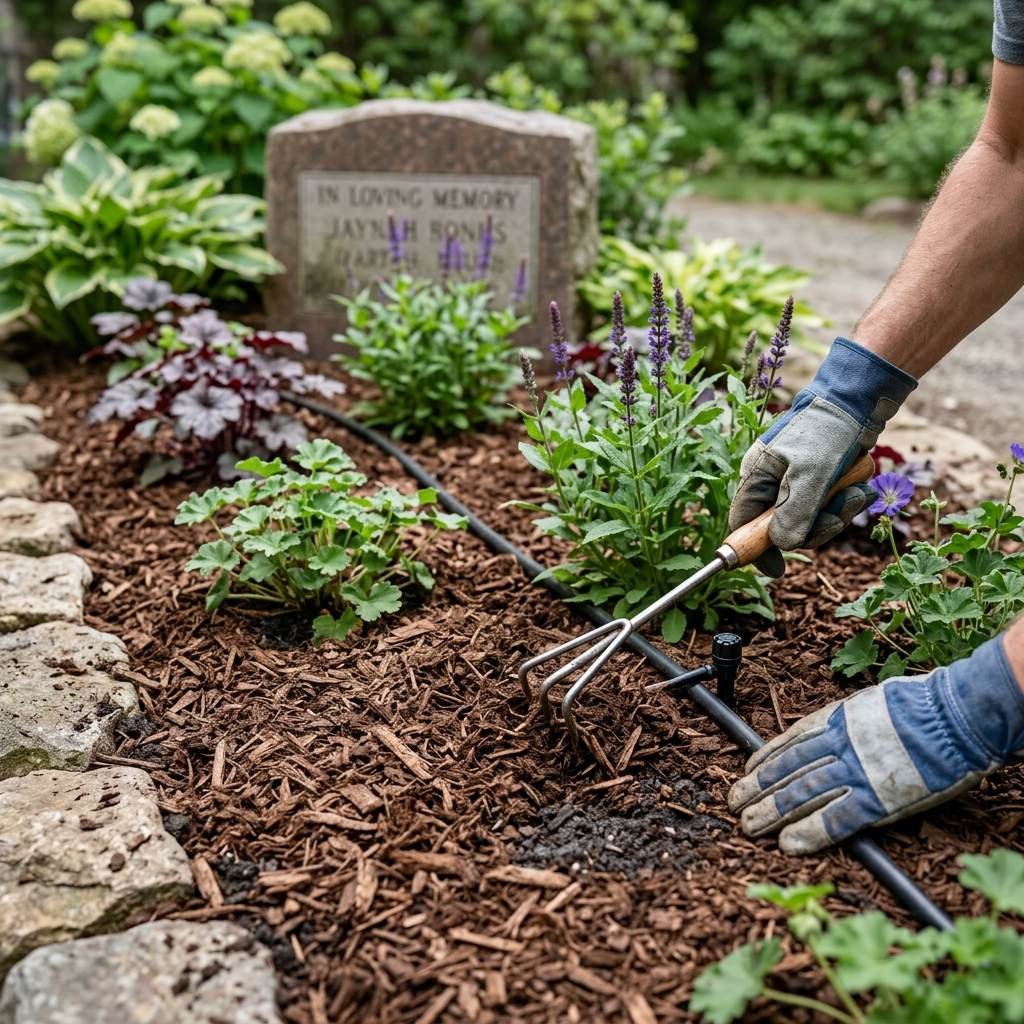
Since the emotional stakes of neglecting a memorial garden feel higher than an ordinary flower bed, building in maintenance ease from the beginning meaningfully increases the odds the space stays cared for over years rather than becoming a source of guilt when life gets busy. A layer of mulch (2-3 inches) suppresses weeds and reduces watering frequency, drip irrigation on a simple timer removes the burden of remembering to water during busy or difficult periods, and choosing drought-tolerant, disease-resistant plant varieties from the outset reduces the ongoing intervention needed to keep the space looking cared for.
Comparing Focal Point Options
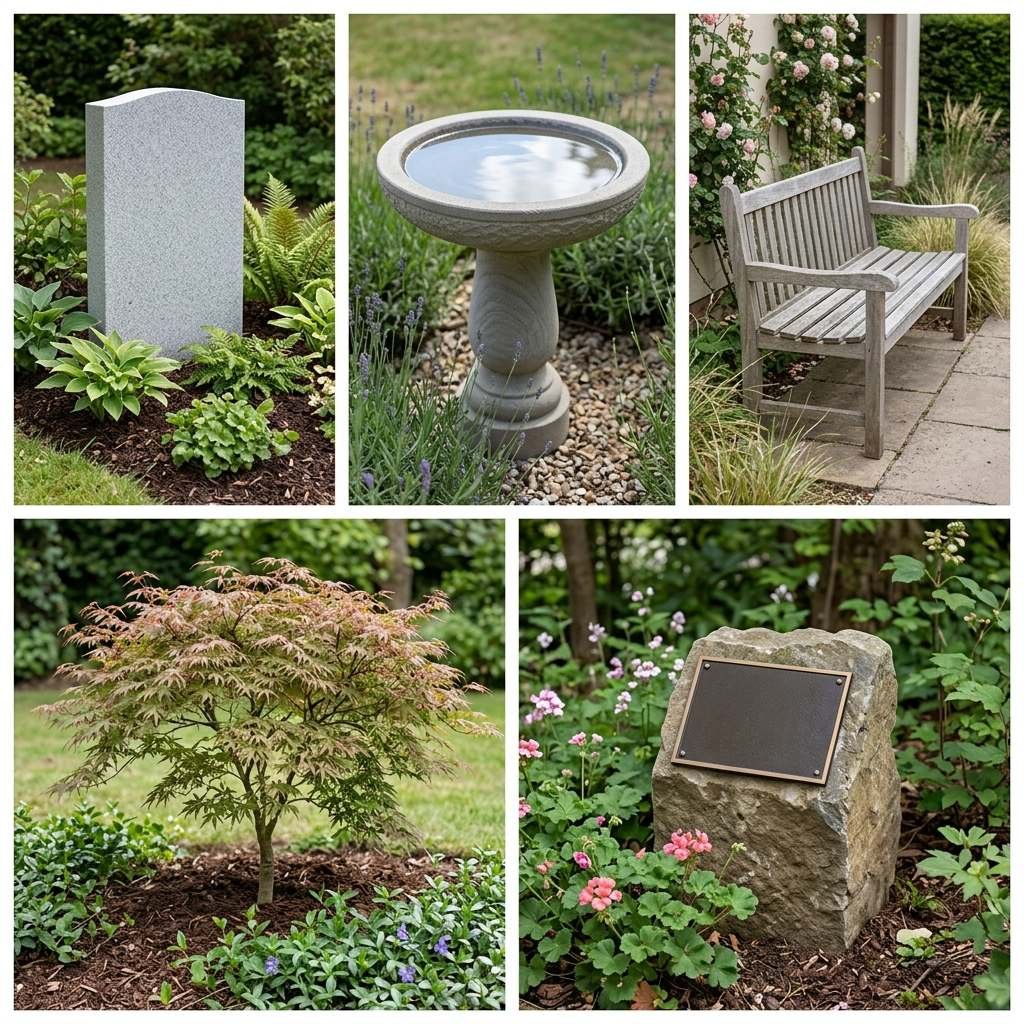
| Focal Point | Approx. Cost | Maintenance | Best For |
|---|---|---|---|
| Engraved memorial stone | $50-200 | None | Permanent, low-effort centerpiece |
| Birdbath or small fountain | $40-300 | Regular cleaning, seasonal drain | Adding movement and wildlife |
| Memorial bench | $150-600 | Occasional cleaning/resealing | Creating a space to sit and reflect |
| Specimen tree or shrub | $30-150 | Establishment watering, pruning | A living, growing tribute over time |
| Photo frame or plaque | $20-80 | Weatherproofing check yearly | Deeply personal, visual connection |
The Bottom Line
A small memorial garden succeeds through intentionality, not square footage: a defined boundary, one clear focal point, and plants chosen for genuine personal meaning create a space that feels complete even in a modest corner of the yard. Layering in year-round interest and planning for realistic, low-effort maintenance from the start ensures the space remains a source of comfort rather than becoming another chore. The process of building it, choosing each element with the person in mind, is often itself a meaningful part of the memorial.
Frequently Asked Questions
How much space do I actually need for a memorial garden?
As little as 4×4 to 4×6 feet is enough for a complete, meaningful memorial garden when the space includes a clear boundary, one focal point, and a few thoughtfully chosen plants. Size matters far less than intentional design in creating emotional resonance.
What plants are traditionally associated with memorial gardens?
Roses, forget-me-nots, and the person’s birth month flower are commonly chosen options, along with any plant the individual personally loved or grew themselves. Bulbs like daffodils and tulips are also popular for their symbolism of yearly renewal.
Can I create a memorial garden in a container if I don’t have yard space?
Yes, a large container or a grouped set of containers on a patio or balcony can hold the same core elements (a small focal object, meaningful plants, and a defined visual boundary) as an in-ground bed. This makes the concept accessible to renters or those with only a balcony.
How do I keep a memorial garden from becoming overwhelming to maintain?
Choose hardy, low-maintenance perennials suited to your specific climate, add a 2-3 inch mulch layer to reduce weeding and watering needs, and consider a simple drip irrigation timer. Being realistic about maintenance capacity when choosing plants prevents the space from becoming neglected.
Is it okay to include a pet’s memorial in the same garden space as a person’s?
Yes, many people choose to combine memorials for pets and people in one shared space, often using separate small markers or distinct plant groupings within the same defined area to honor each individually. There’s no fixed rule, so the decision should reflect what feels right for the family.
What time of year is best to start building a memorial garden?
Spring and fall are generally the best times to plant perennials and trees, giving roots time to establish before summer heat or winter cold, though the hardscape elements (edging, stone markers, benches) can be installed any time of year. Starting the project on a specific meaningful date, like an anniversary, is common regardless of the ideal planting season.