
How to Grow More Food in Your Yard This Season

Growing meaningfully more food this season comes down to increasing yield per square foot rather than expanding the size of your garden, since most backyard gardens use their existing space at only a fraction of its real production potential. The highest-leverage changes, vertical growing, tighter intensive spacing, succession planting, and interplanting fast crops between slow ones, can realistically double or triple output from the same footprint within a single season without any additional land. This matters because expanding garden size is often not possible or practical, while these techniques work in the space already available right now.
Go Vertical With Every Vining Crop You Grow
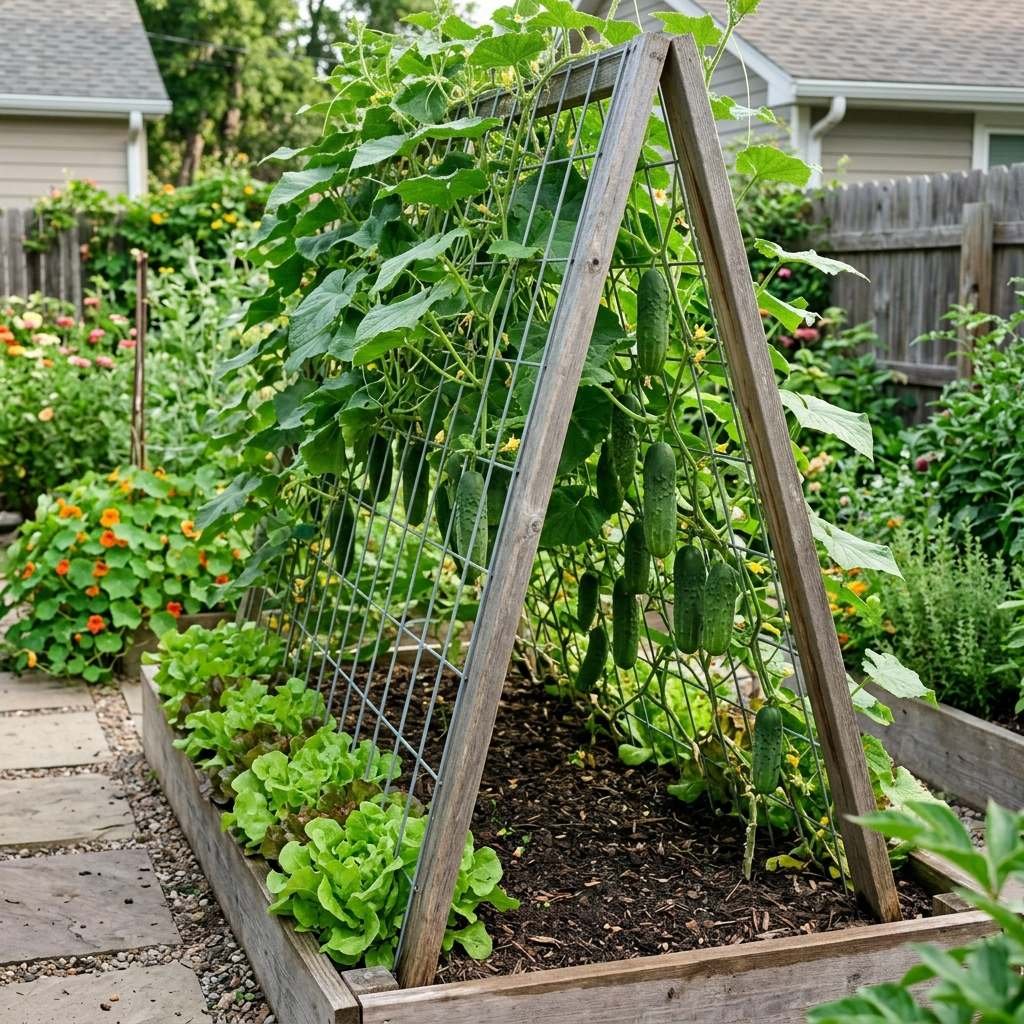
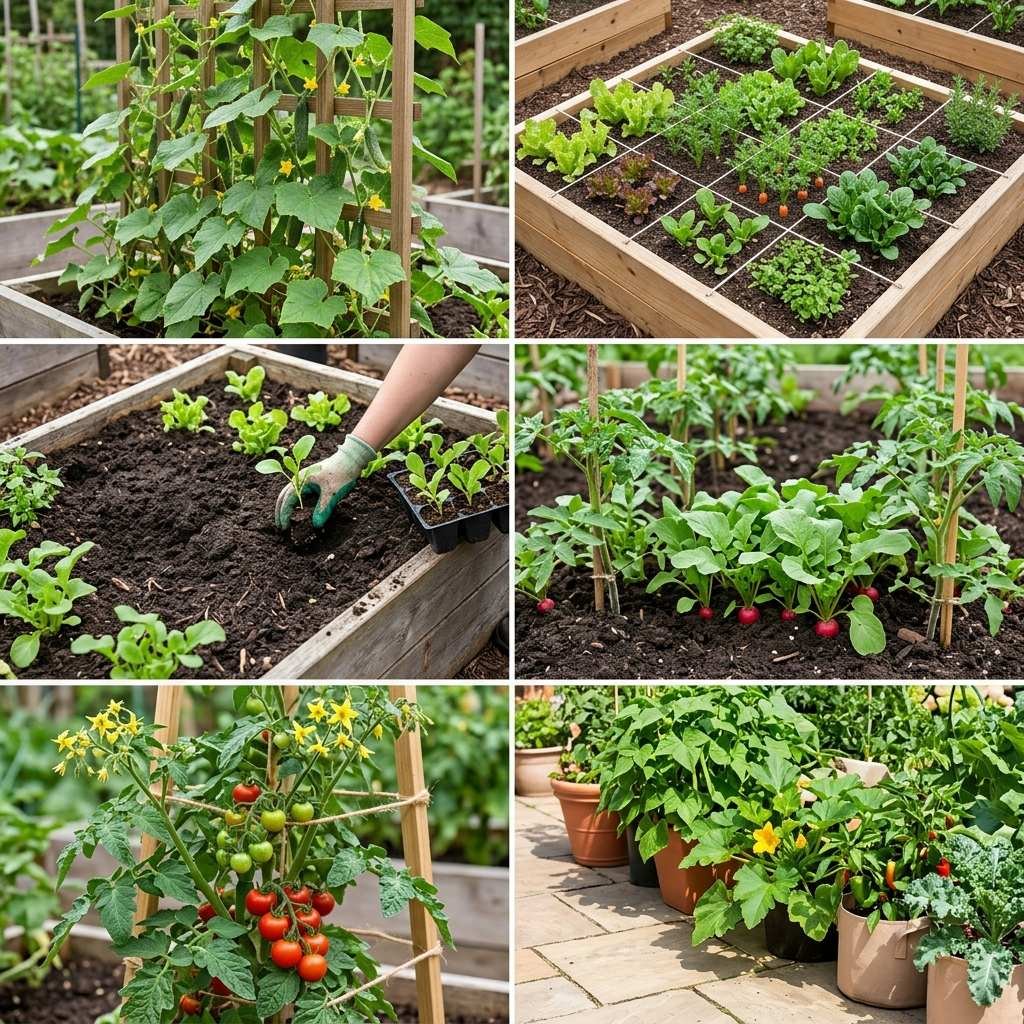
Cucumbers, pole beans, peas, small melons, and even compact winter squash varieties can all be trained onto a trellis, cattle panel, or vertical netting instead of sprawling across the ground, and this single change frees up a dramatic amount of usable ground space since a sprawling cucumber vine can cover 15-20 square feet while the same plant trellised vertically needs only 2-3 square feet of ground footprint. Beyond the space savings, vertically grown crops actually produce cleaner, straighter fruit with less rot and disease pressure, since better airflow around the leaves reduces fungal issues and fruit hanging in the air avoids direct soil contact. A simple A-frame trellis built from cattle panel and t-posts costs under $50 and can support a full season of cucumbers or pole beans, freeing the ground space beneath and around it for shade-tolerant crops like lettuce or spinach planted at its base.
Key takeaway: Any crop that vines should be trellised by default; the ground space this frees up is often the single largest yield gain available in an established garden.
Switch From Row Planting to Intensive Square-Foot Spacing
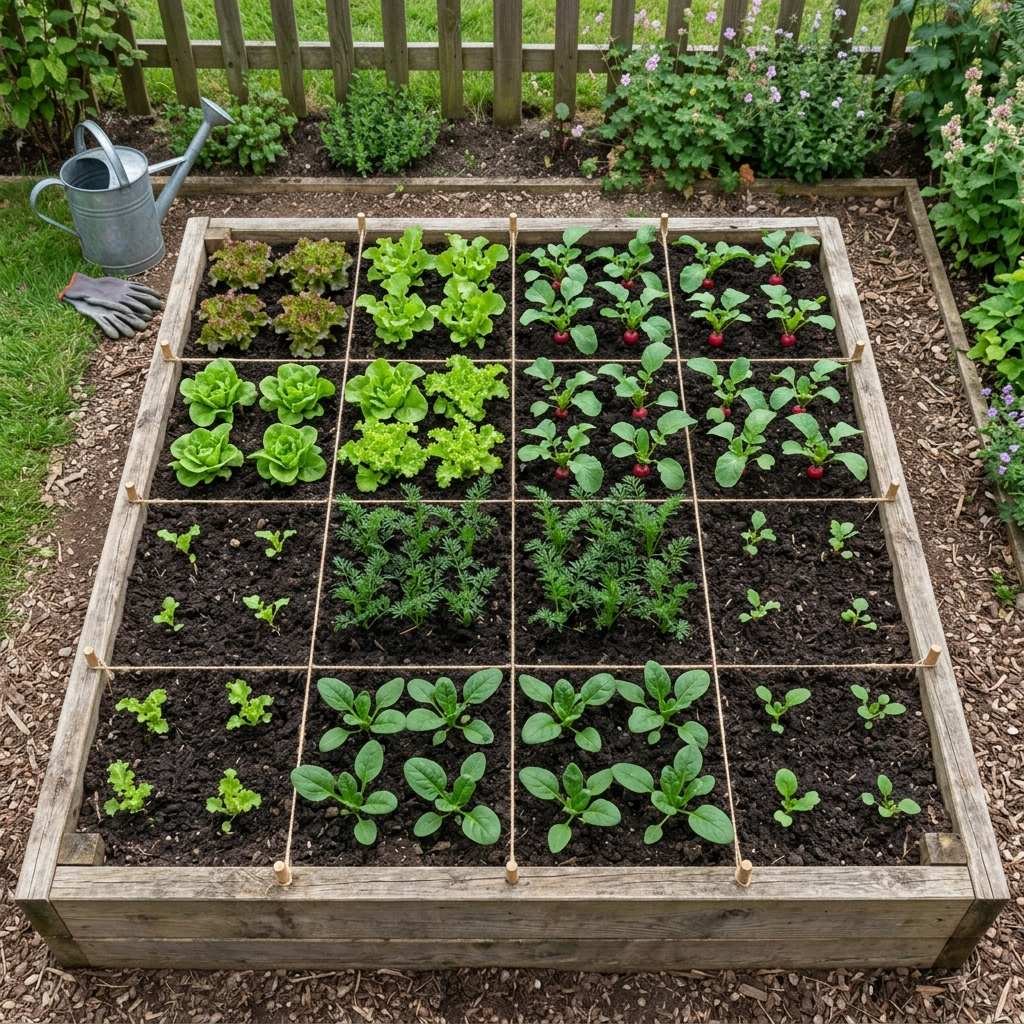
Traditional row gardening, developed originally for horse-drawn and later tractor cultivation, leaves wide aisles between rows that serve no purpose in a hand-tended backyard garden and effectively waste 50% or more of the bed’s total area. Intensive spacing methods, most famously square-foot gardening, instead space plants at the minimum distance recommended for full maturity in a grid pattern rather than rows, fitting far more plants into the same footprint. As a practical example, a traditional row planting might fit 16 lettuce plants in a 4×8 bed, while intensive spacing at the recommended 6-inch centers fits 64 in the same space, four times as many, because there’s no wasted walking aisle between each row. The tradeoff is that intensively spaced beds need richer soil (heavy compost amendment) and more careful watering to support the higher plant density, but the yield increase from the same physical space is substantial and immediate.
Key takeaway: Eliminating unnecessary walking-row aisles in raised beds can double or triple the number of plants grown in the exact same footprint.
Practice Aggressive Succession Planting
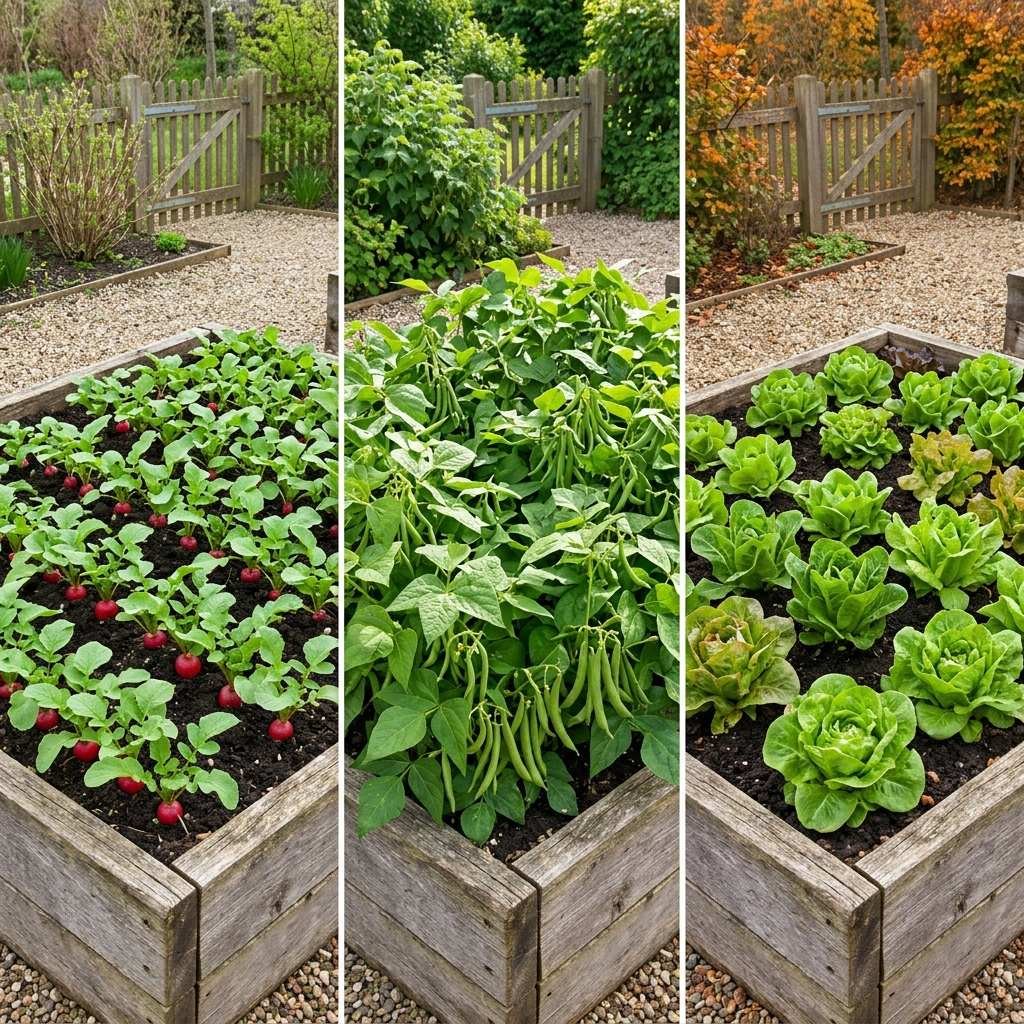
A garden bed that produces one crop and then sits empty or gets ignored for the rest of the season is leaving significant yield on the table, and succession planting, immediately following one harvest with a new planting rather than leaving the space fallow, is one of the simplest ways to multiply total seasonal output. Fast crops like radishes (25 days), baby lettuce (30 days), and bush beans (50-55 days) fit multiple full cycles into a single growing season in most climates; a bed that grows spring radishes, then summer bush beans, then fall lettuce has effectively tripled its productive use in one year compared to a bed planted once and left alone. The practical habit is having the next crop’s seeds or transplants ready before the current crop finishes, so there’s no gap where the bed sits empty and unproductive.
Key takeaway: Plan every bed for at least two, ideally three, plantings across the season rather than treating each bed as a single-crop-per-year space.
Interplant Fast Crops Between Slow-Growing Ones
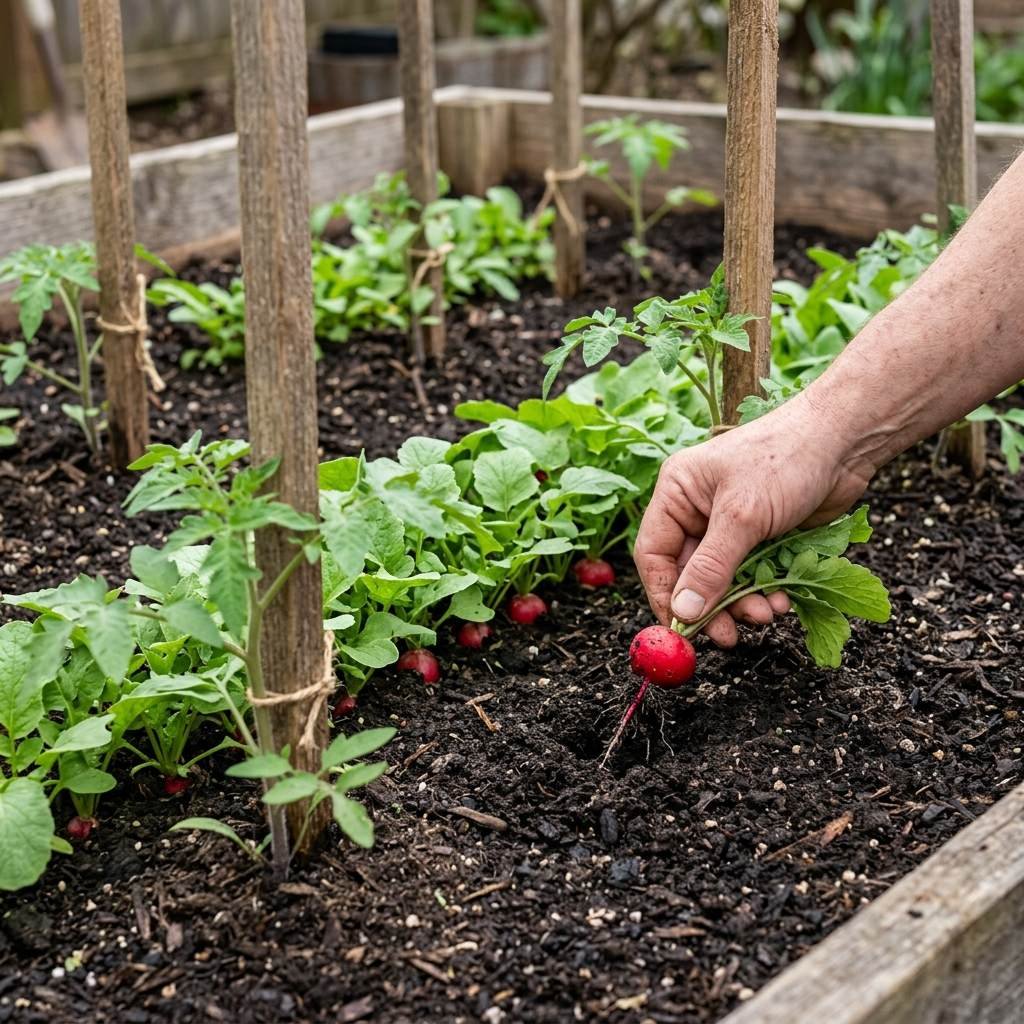
Slow-maturing crops like tomatoes, peppers, and winter squash spend their first several weeks as small transplants that leave most of their allotted spacing empty and unused, and this window is a genuine opportunity to grow a fast crop in that same space before the slow crop’s mature size actually requires the room. Planting radishes or a quick lettuce crop in the gaps between newly transplanted tomato seedlings yields a full harvest of the fast crop before the tomatoes need that space to spread, effectively using the same square footage twice within one season. This technique, sometimes called relay planting, requires knowing both crops’ mature footprints well enough to avoid genuine competition once the slower crop fills in, but done correctly it adds a meaningful bonus harvest with essentially no additional space cost.
Key takeaway: Look at every newly planted slow-growing crop and ask what fast crop could occupy the empty space around it for the next few weeks.
Choose High-Yield Varieties Deliberately
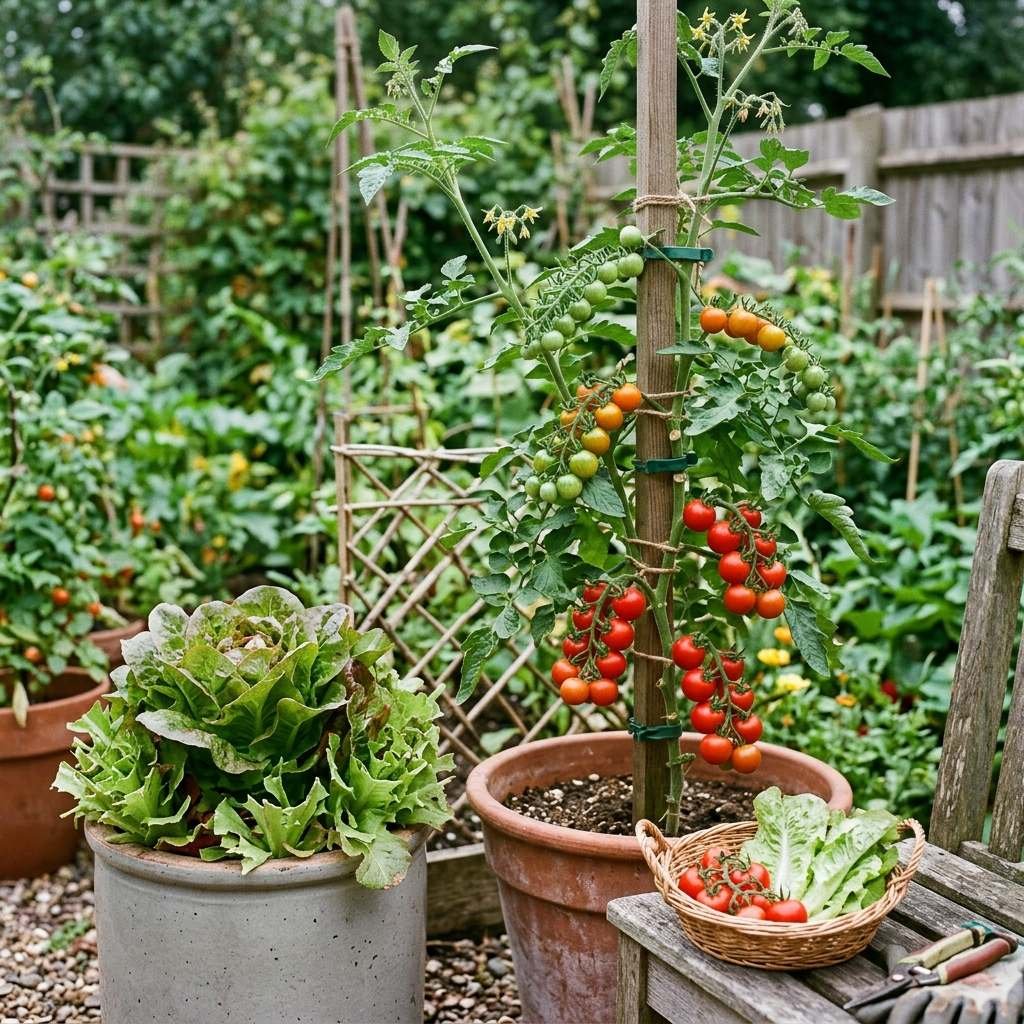
Not all varieties of the same vegetable produce equally, and seed catalogs typically list yield-per-plant or yield-per-foot data that most gardeners skip past without checking, missing an easy opportunity to increase output without changing anything about garden layout or technique. Indeterminate tomato varieties (which keep producing until frost) generally out-yield determinate varieties (which produce one concentrated flush and stop) over a full season, though determinate types can be useful for a single big canning harvest. Cut-and-come-again lettuce and kale varieties provide multiple harvests from a single planting rather than one-and-done harvesting, effectively multiplying yield from the same number of plants. Reading the “days to maturity” and yield notes on seed packets before purchasing, and specifically favoring high-yield, disease-resistant, and (where relevant) continuous-producing varieties, is a free way to increase output that requires no extra space or labor.
Maximize Container and Edge Space
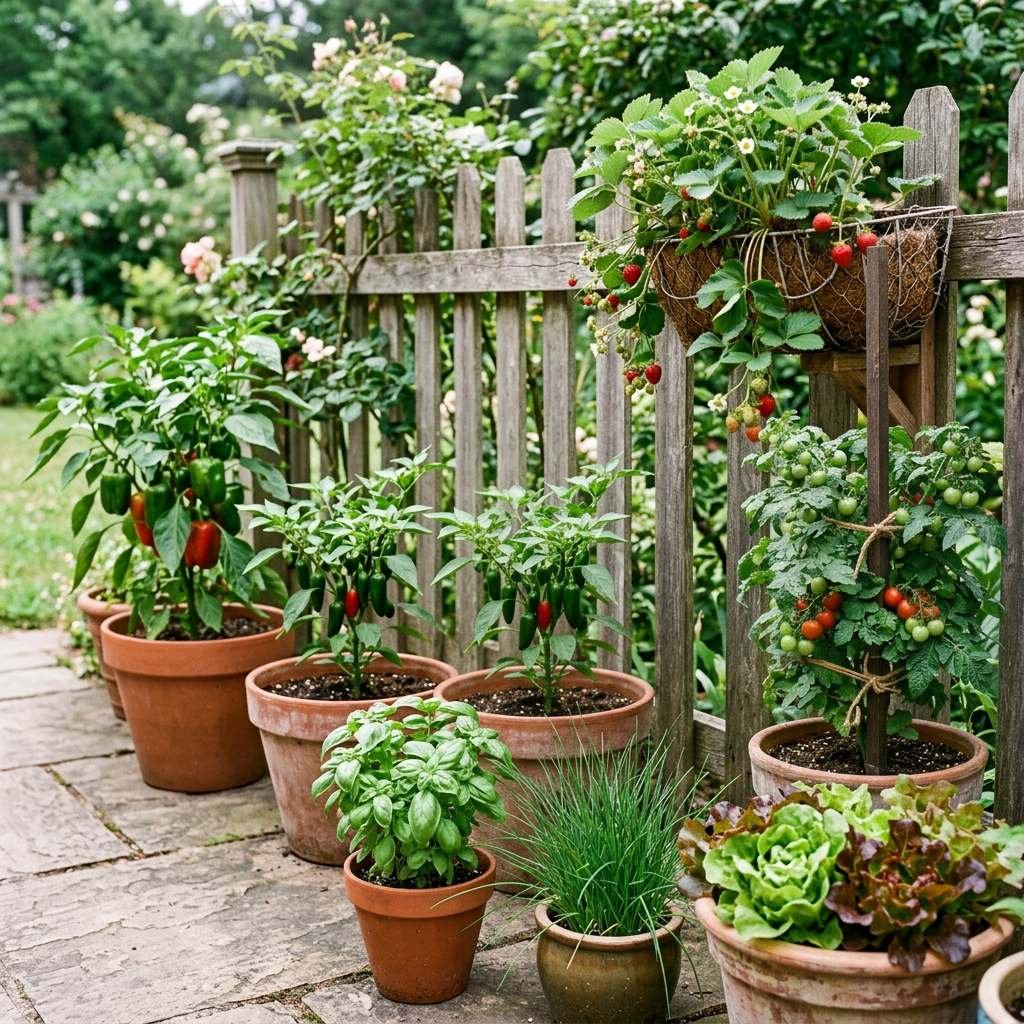
Every yard has unused growing potential along fence lines, in narrow side-yard strips, on a sunny driveway edge, or on a patio, and treating these marginal spaces as legitimate growing zones rather than dead space adds meaningful production without touching the main garden footprint at all. Containers as small as 5-gallon buckets support a full pepper or determinate tomato plant, a series of pots along a sunny fence line can hold a rotating selection of herbs and greens, and hanging planters make use of vertical space above ground-level beds entirely for free. A structured audit of the yard, walking the entire property and noting every spot that gets 6+ hours of sun regardless of how odd-shaped or narrow, often reveals 30-50% more usable growing area than the main garden bed alone provides.
Improve Soil Fertility to Support Higher Density
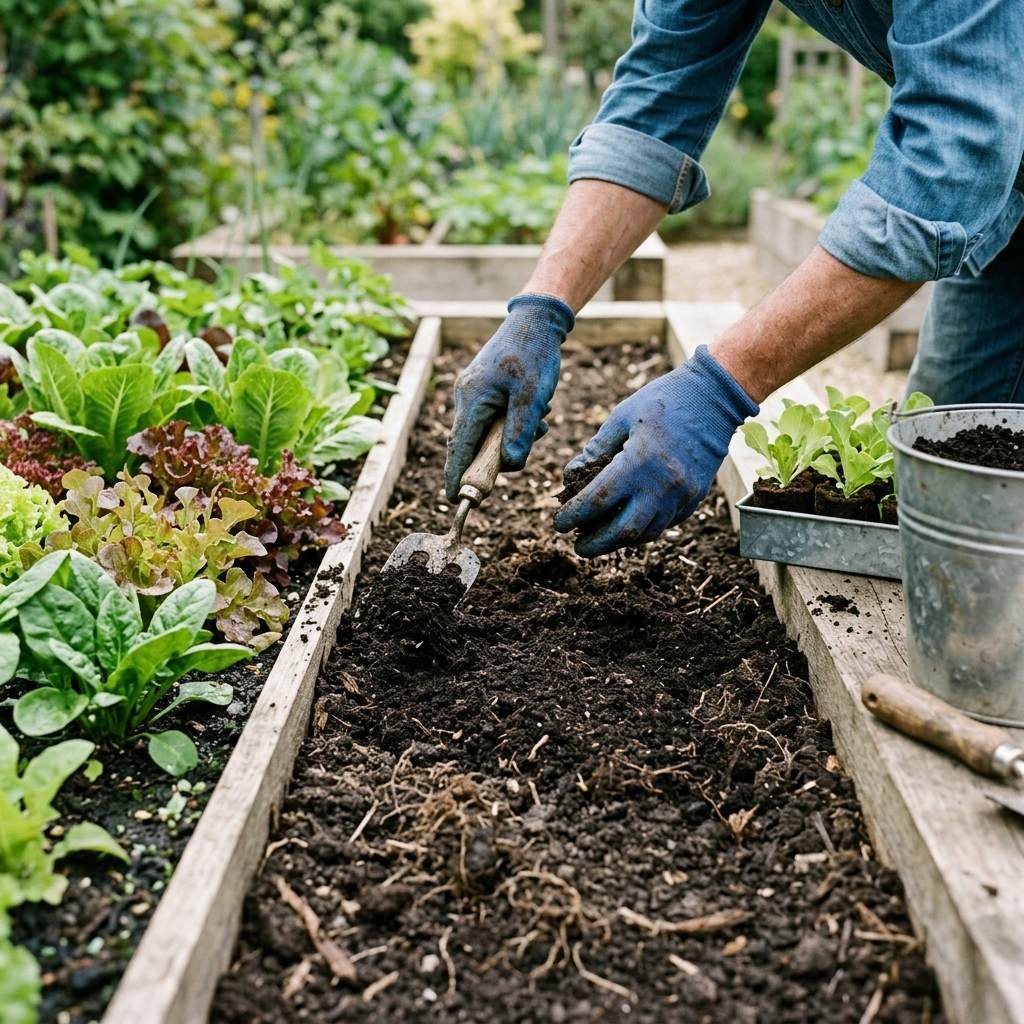
All of the density and succession techniques above depend on soil fertile enough to support more plants drawing from the same volume of soil without depleting it mid-season, which makes consistent compost application and, ideally, a soil test non-negotiable rather than optional extras. Side-dressing with compost or an organic fertilizer between succession plantings replenishes nutrients the previous crop drew down, and this replenishment step is what allows a bed to support three plantings in a season without declining yield in the second and third rounds. Skipping this step is the most common reason intensive growing techniques disappoint gardeners who try tighter spacing without also feeding the soil more aggressively to match.
Comparing Yield-Boosting Techniques by Effort and Payoff
| Technique | Setup Effort | Yield Increase Potential | Best For |
|---|---|---|---|
| Vertical trellising | Low-Medium (one-time build) | High (2-3x space savings on vining crops) | Cucumbers, beans, peas, small melons |
| Intensive/square-foot spacing | Low (planning change) | High (2-4x plants per bed) | Nearly all vegetables |
| Succession planting | Medium (ongoing planning) | High (2-3x seasonal harvests per bed) | Fast crops: greens, radishes, beans |
| Interplanting/relay planting | Low | Medium (bonus harvest, no extra space) | Fast crops paired with slow crops |
| High-yield variety selection | None (just seed choice) | Medium | All crops |
| Container/edge space use | Medium (containers, soil) | Medium-High (adds new growing area) | Herbs, peppers, determinate tomatoes |
The Bottom Line
Growing more food this season is fundamentally a space-efficiency problem, not a land-acquisition problem, and the techniques that matter most, vertical growing, intensive spacing, succession planting, and interplanting, all work within a garden’s existing footprint starting immediately. Layer several of these techniques together rather than picking just one, since trellising frees ground space that intensive spacing then fills more densely, and succession planting keeps that denser bed working continuously through the season. Combined with a genuine soil fertility plan to support the higher plant load, most backyard gardens have real room to double their output without adding a single square foot of new growing space.
Frequently Asked Questions
What’s the fastest way to increase food production in an already-planted garden this season?
Interplanting fast crops like radishes or lettuce into the still-empty gaps between slower-growing transplants like tomatoes and peppers is the quickest change to implement mid-season, since it uses existing space with no new infrastructure. It adds a genuine bonus harvest without disturbing what’s already planted.
Does intensive square-foot spacing actually hurt plant health by crowding them?
No, as long as spacing follows the specific minimum distance each crop needs for full maturity and the soil is amended with enough compost to support the higher plant density. Problems arise only when spacing is pushed tighter than a crop’s actual minimum requirement or when soil fertility isn’t increased to match.
How many succession plantings can I realistically fit in one growing season?
This depends heavily on your climate’s frost-free growing window, but most temperate gardens can fit 2-3 successive plantings of fast crops like lettuce, radishes, and bush beans in a single bed within one season. Warmer climates with longer growing seasons can often manage 3-4 cycles.
Is vertical growing only useful for vining vegetables like cucumbers and beans?
Vertical growing works best for naturally vining or climbing crops, but even some vegetables not typically trellised, like small-fruited winter squash or cherry tomatoes in a cage, benefit from vertical support to save ground space and improve airflow. The core principle applies anywhere a plant’s natural growth habit can be redirected upward.
Do I need to buy new soil or amendments to support higher-density planting?
You don’t need to buy entirely new soil, but you do need to significantly increase compost or organic matter input compared to traditional wide-spaced row gardening, since more plants are drawing nutrients from the same soil volume. Side-dressing with compost between successive plantings is typically sufficient without a full soil replacement.
Can container gardening really add meaningful food production, or is it mostly symbolic?
Container gardening can add genuinely meaningful yield, particularly for peppers, determinate tomatoes, and herbs, especially when unused sunny spaces like driveways, patios, and fence lines are put to use. A dozen well-placed 5-gallon containers can produce a noticeable amount of food without touching the main garden bed at all.