
Year-Round Small Garden Blooming: 40 Seasonal Ideas for Your Yard

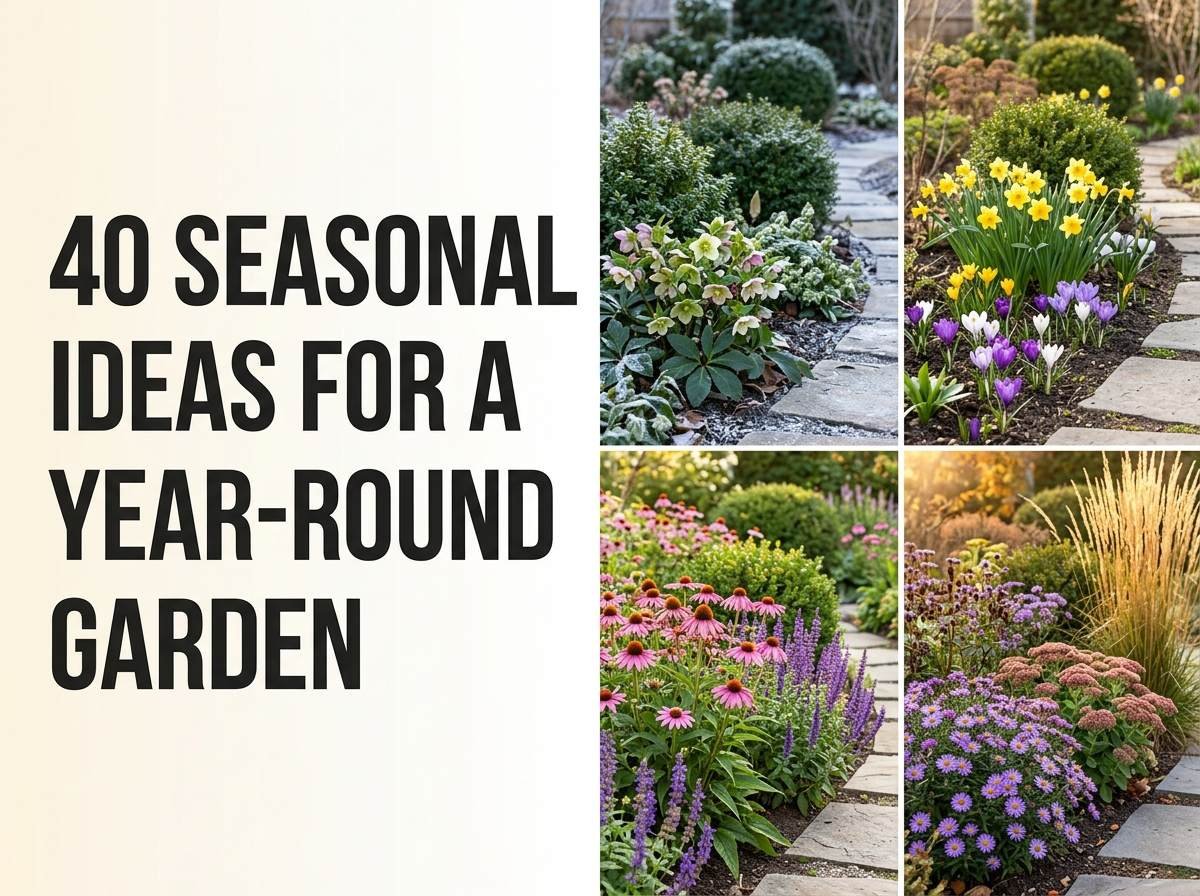
Achieving true year-round bloom in a small garden requires deliberately selecting at least 3-4 plants per season that overlap in bloom timing, since most small gardens fail at this not from lack of effort but from unintentionally clustering all their plant choices into a single peak season, usually late spring through summer, leaving fall and winter visually empty. The fix is treating each season as an equal design problem worth the same planning attention, choosing specific early bloomers, specific winter-interest plants, and specific late-season performers rather than defaulting to whatever looks good at the garden center in May. These 40 ideas are organized by season so a small space can carry visual interest from January through December.
Winter Interest (December-February): 10 Ideas
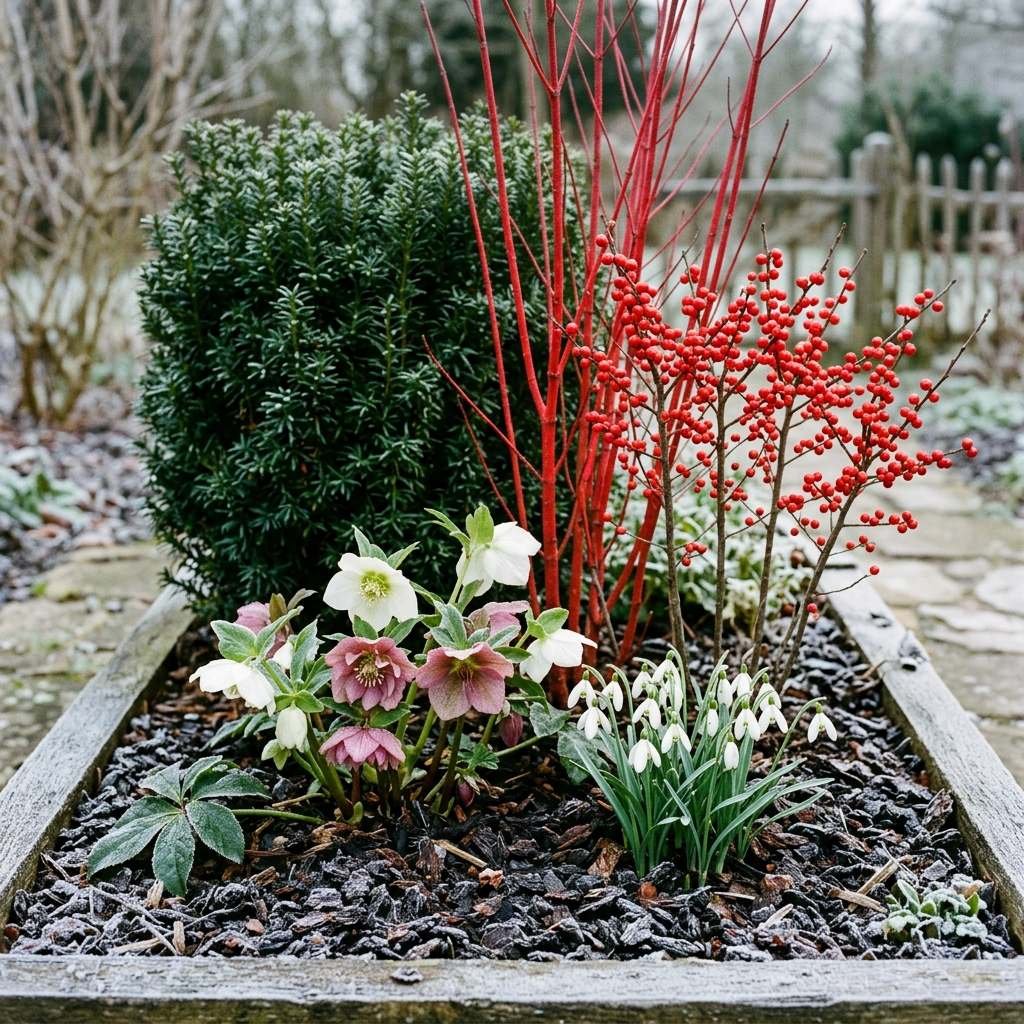
1. Hellebores (Lenten rose) bloom in late winter, often pushing through light snow, with nodding flowers in white, pink, or deep maroon that last for weeks in cold weather. 2. Witch hazel produces spidery, fragrant yellow or orange blooms on bare branches in January and February, one of the very few shrubs flowering in true winter cold. 3. Winterberry holly holds bright red berries on bare stems well into winter, providing color and food for birds long after leaves have dropped. 4. Red-twig dogwood isn’t a bloomer but its brilliant red bark becomes the visual centerpiece of a winter garden once leaves fall, especially striking against snow. 5. Snowdrops (Galanthus) are often the very first bloom of the year, pushing up white nodding flowers as early as late January in mild zones. 6. Winter jasmine produces cheerful yellow flowers on bare green stems during warm spells throughout winter in zones 6-9. 7. Evergreen boxwood or holly structure provides the year-round green backbone that keeps a garden from looking dead even when nothing is blooming. 8. Ornamental cabbage and kale hold their colorful rosette shape through hard frost and into winter in many climates, functioning as a substitute for flowers. 9. Paperwhite narcissus can be forced indoors in containers for winter bloom regardless of outdoor conditions. 10. Winter-blooming camellias (in zones 7-9) provide large, elegant blooms in the depths of winter when almost nothing else in the garden is flowering.
Key takeaway: Winter interest depends on evergreen structure and berries carrying the visual weight, supplemented by a genuinely small number of true winter bloomers like hellebores and witch hazel.
Early Spring (March-April): 10 Ideas
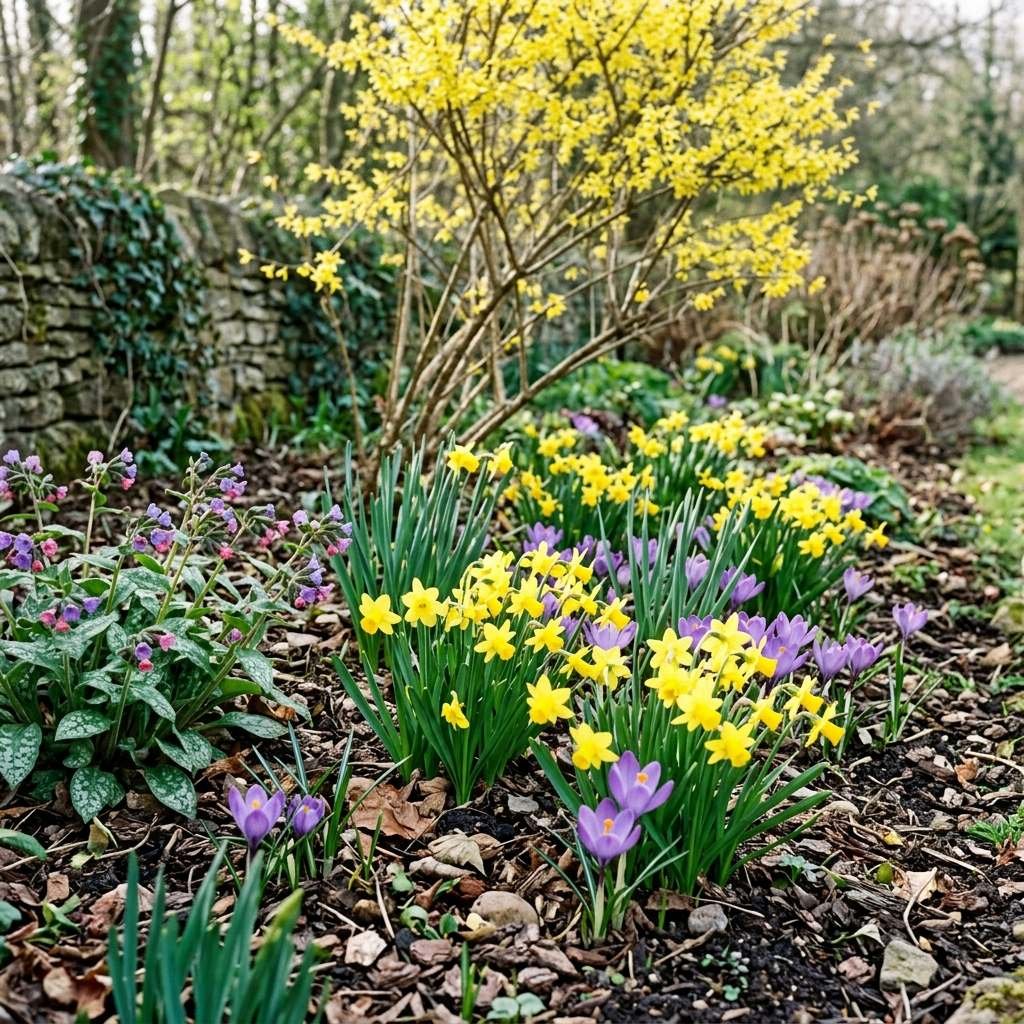
11. Crocus are typically the first true flower bloom of spring, pushing up through late snow as early as March in many zones. 12. Daffodils follow shortly after crocus, with early varieties like ‘February Gold’ blooming as soon as the soil thaws. 13. Early tulips (single early and Kaufmanniana types) bloom several weeks before the more familiar late tulip varieties most people picture. 14. Forsythia bursts into bright yellow bloom on bare branches in early spring, one of the most reliable early-season shrubs. 15. Pieris japonica produces cascading clusters of small bell-shaped flowers in March-April along with striking red new growth. 16. Hyacinths bloom in mid-spring with intensely fragrant flower spikes in a range of colors. 17. Pulmonaria (lungwort) blooms early with pink-to-blue flowers on spotted foliage, thriving in shade where many spring bloomers struggle. 18. Bleeding heart produces distinctive heart-shaped pink or white flowers on arching stems in April in most temperate zones. 19. Flowering quince blooms on bare branches in early spring with vivid red, pink, or orange flowers before leafing out. 20. Primrose offers some of the earliest, most colorful ground-level blooms, often flowering while frost is still a nightly possibility.
Key takeaway: Early spring bloom depends almost entirely on fall-planted bulbs, so the planning for this season actually happens the previous October.
Late Spring to Summer (May-August): 12 Ideas
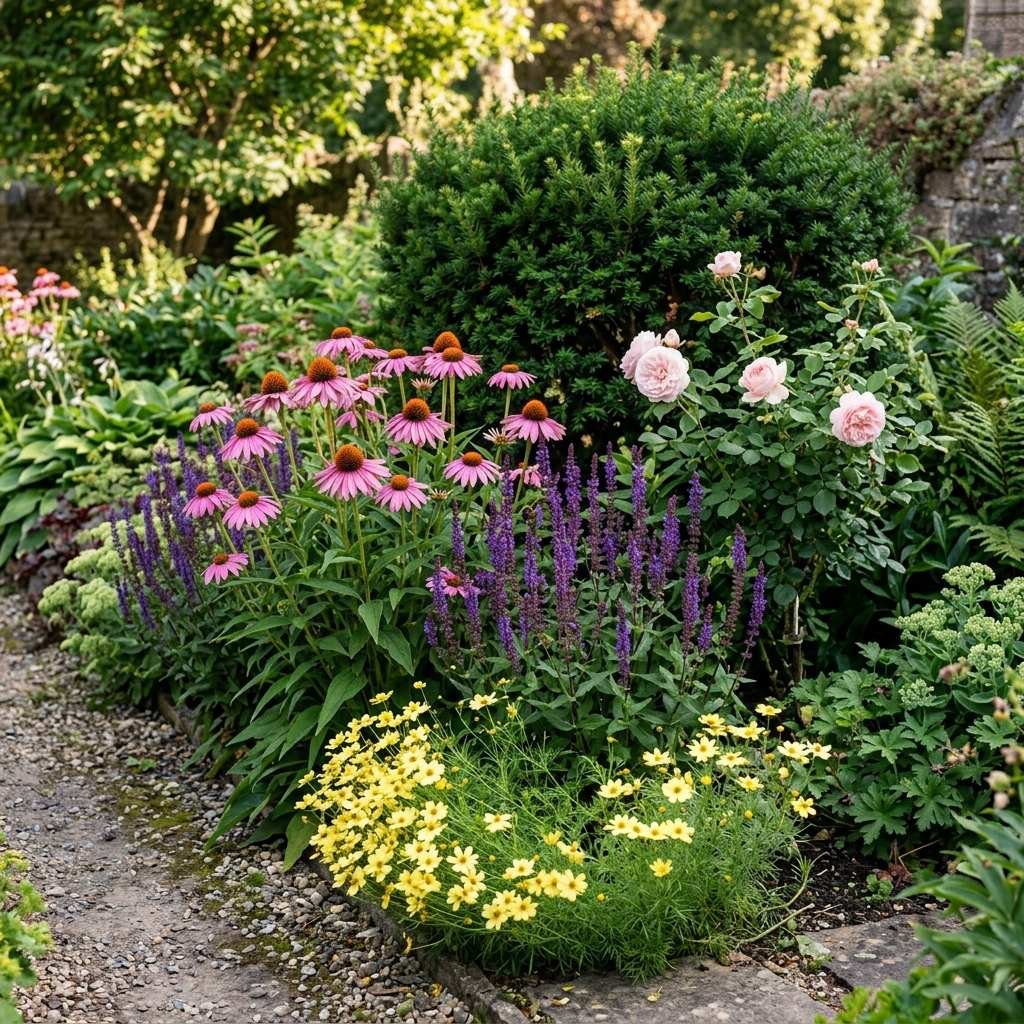
21. Peonies bloom in late May with some of the largest, most dramatic flowers of the whole gardening year. 22. Roses provide the longest continuous summer bloom of almost any shrub, especially reblooming varieties that flower from June through frost. 23. Coneflower (Echinacea) blooms from June through September and tolerates heat and drought better than most summer perennials. 24. Black-eyed Susan offers reliable, cheerful yellow bloom from midsummer into fall. 25. Daylilies bloom in succession through summer, with different varieties timed to extend the overall bloom window across 6-8 weeks. 26. Salvia blooms continuously from early summer to frost with proper deadheading, in shades of purple, blue, and red. 27. Hydrangea provides large, long-lasting blooms from June through fall depending on variety, with some types changing color as the season progresses. 28. Zinnias (annual) bloom prolifically from planting until frost with minimal care, making them one of the highest-value summer annuals. 29. Lavender blooms in mid-summer with fragrant purple spikes that also attract pollinators heavily. 30. Phlox offers fragrant clusters of bloom in midsummer, filling a common late-July lull in many perennial borders. 31. Dahlias bloom from midsummer through the first frost, often the longest individual bloom window of any perennial or tender perennial listed here. 32. Coreopsis blooms continuously through summer with cheerful yellow flowers and excellent heat tolerance.
Key takeaway: Summer is the easiest season to fill, so the real planning value is choosing varieties (like reblooming roses and dahlias) that stretch summer bloom later into fall rather than concentrating it all in June and July.
Fall (September-November): 8 Ideas
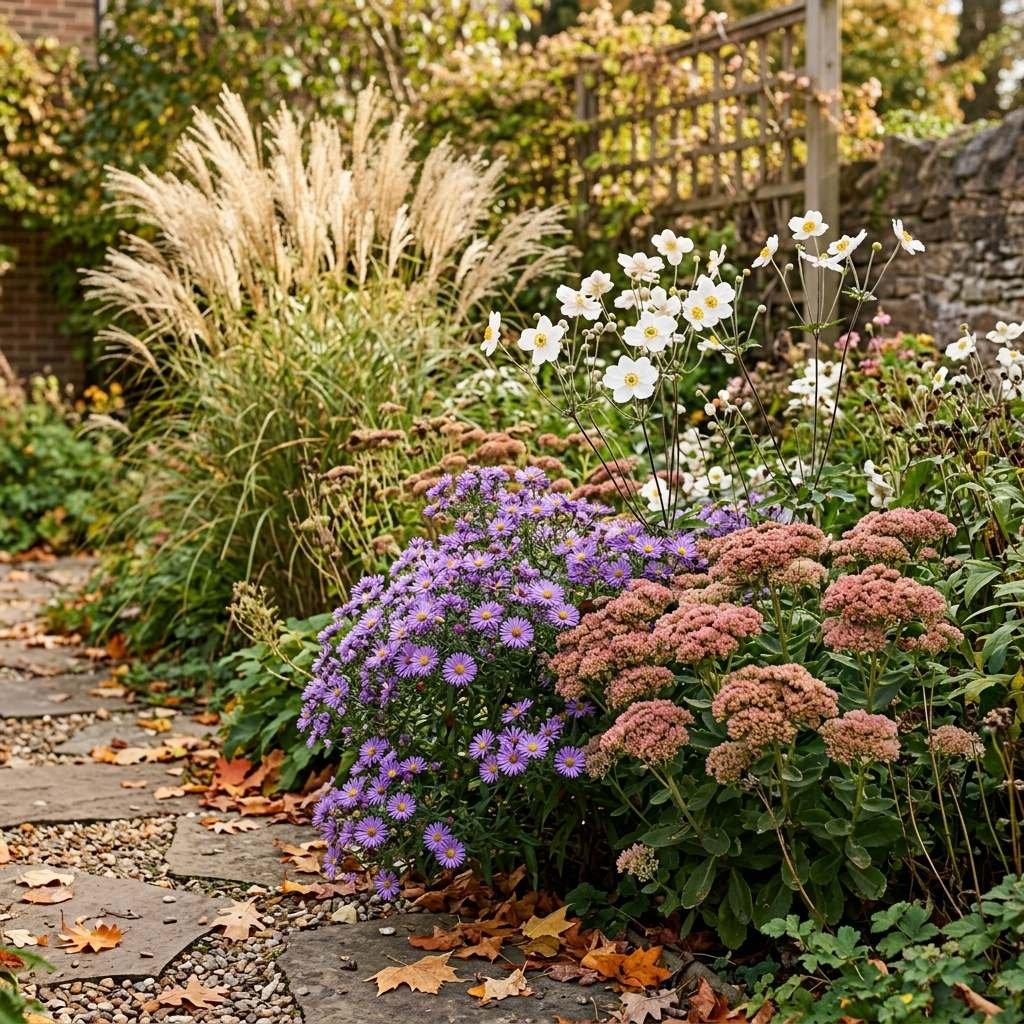
33. Sedum ‘Autumn Joy’ blooms with dusty pink-to-rust flower heads from September through October, one of the most reliable fall perennials available. 34. Asters provide some of the last true flower color of the season, blooming in purple, pink, and white from September into November. 35. Chrysanthemums are the classic fall bloomer, available in nearly every color and blooming right up until hard frost. 36. Ornamental grasses (miscanthus, fountain grass, switchgrass) reach their peak visual impact in fall as their plumes mature and catch the low autumn light. 37. Japanese anemone blooms in September and October with delicate pink or white flowers on tall, airy stems. 38. Toad lily offers unusual, orchid-like spotted blooms in shade during September and October, filling a gap most shade gardens struggle with in fall. 39. Goldenrod blooms in bright yellow plumes through fall and is a critical late-season food source for pollinators preparing for winter. 40. Ornamental peppers and late-season foliage plants (like coleus and heuchera) provide vivid color that intensifies as temperatures cool, extending visual interest even as true flowers wind down.
Key takeaway: Fall bloom relies on a specific, smaller group of true performers (aster, sedum, mum, Japanese anemone) so deliberately including several of these prevents the common late-season visual drop-off.
Comparing Bloom Coverage Across the Four Seasons
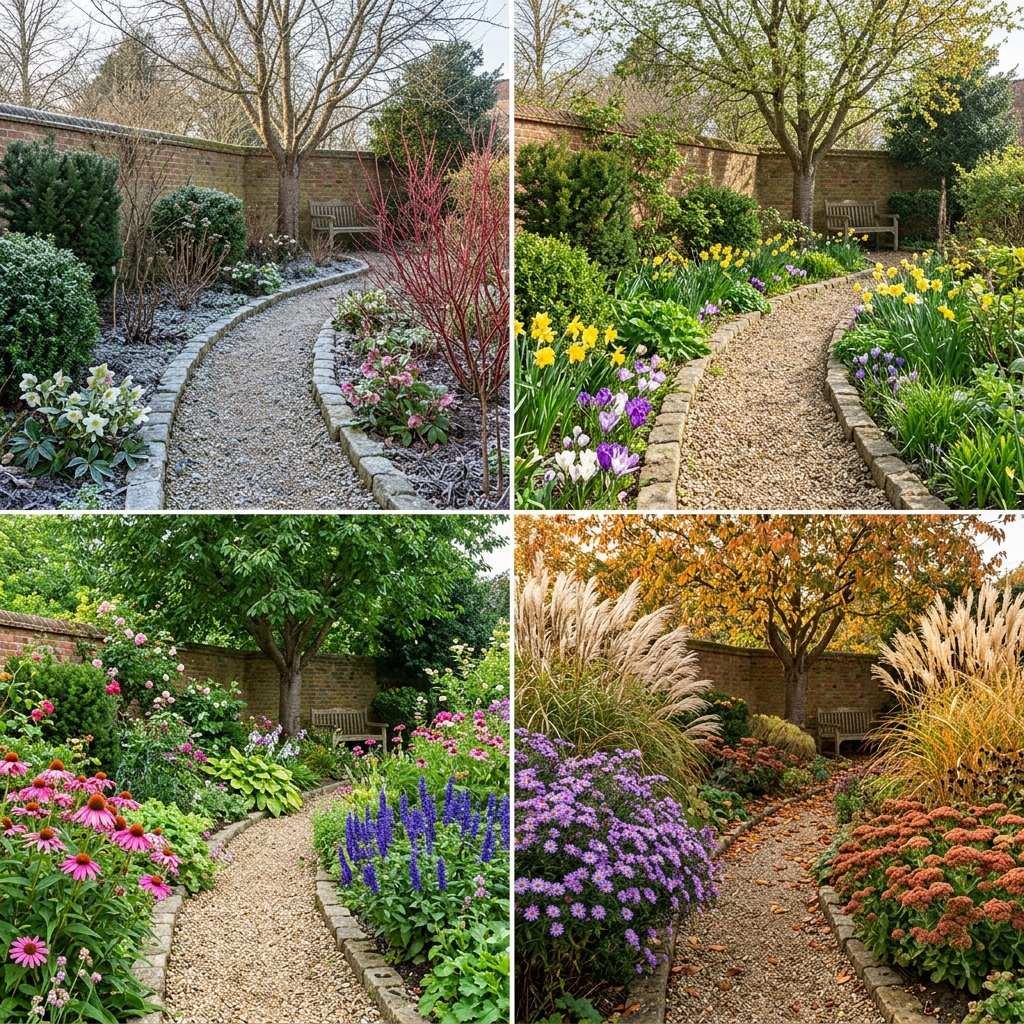
| Season | Bloom Reliability | Key Plant Types | Planning Timing |
|---|---|---|---|
| Winter | Lowest (structure-dependent) | Evergreens, berries, hellebores, witch hazel | Plant shrubs in spring/fall prior |
| Early spring | High (if bulbs were planted) | Bulbs: crocus, daffodil, tulip | Bulbs planted previous fall |
| Summer | Highest (easiest to fill) | Perennials, annuals, roses, dahlias | Plant in spring |
| Fall | Moderate (needs deliberate choices) | Aster, mum, sedum, ornamental grass | Plant in spring/early summer |
Layering the 40 Ideas Into a Small Space
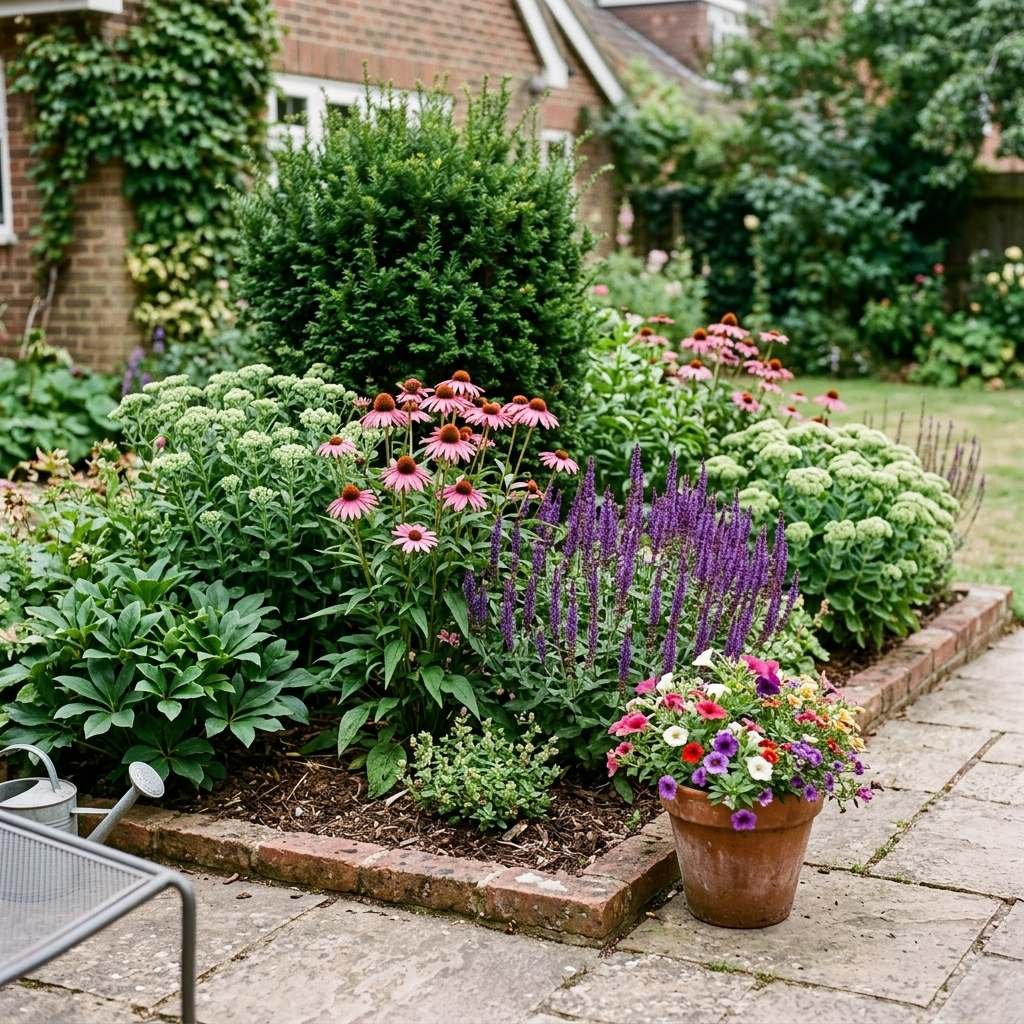
In a genuinely small garden, the practical approach isn’t planting all 40 of these, it’s selecting 8-12 total plants, roughly 2-3 per season, chosen specifically to overlap at the transition points between seasons so there’s no sudden gap. A functional small-space rotation might include snowdrops and hellebores for winter, daffodils and pulmonaria for early spring, coneflower and salvia for summer, and asters and sedum for fall, all planted within a modest 6×8 foot bed using the layering principles (height, repetition, evergreen backbone) that apply to any well-designed small garden. Container plantings can fill in gaps flexibly, since pots of seasonal bloomers can be swapped in and out as each plant’s peak passes, offering more year-round control than an all in-ground planting scheme in a truly limited space.
The Bottom Line
Year-round bloom in a small garden is a planning exercise more than a plant-shopping exercise, since the failure mode isn’t lack of pretty plants, it’s unconsciously clustering every purchase into the same one or two peak seasons. Treating winter and fall with the same deliberate attention typically given to spring and summer, and specifically choosing plants like hellebores, witch hazel, asters, and ornamental grasses that perform in the off-seasons, closes the gaps that make most small gardens look abandoned for half the year. Even 8-12 well-chosen plants, spread deliberately across all four seasons, can keep a compact space visually alive in every month.
Frequently Asked Questions
How many different plants do I actually need for year-round bloom in a small garden?
A well-planned small garden can achieve genuine year-round interest with as few as 8-12 carefully chosen plants, roughly 2-3 per season, selected specifically for their bloom timing rather than picked at random. The key is deliberate seasonal spread, not sheer plant quantity.
What’s the most commonly neglected season in small garden planning?
Winter is by far the most commonly neglected season, since most gardeners shop and plant during spring and summer when winter-blooming plants like hellebores and witch hazel aren’t visible or available at typical garden centers. Deliberately seeking out winter-interest plants, often in fall, is necessary to close this gap.
Do I need to plant bulbs in fall to get early spring blooms?
Yes, spring-flowering bulbs like crocus, daffodils, and tulips need to be planted the previous fall (typically September through November depending on climate) since they require a cold dormancy period before they’ll bloom in spring. This is the single most common planning miss for gardeners trying to achieve early spring color.
Can container gardening achieve year-round bloom as well as in-ground planting?
Yes, and in some ways containers offer more flexibility, since pots of seasonal bloomers can be rotated in and out as each plant’s peak bloom passes, allowing a small patio or balcony to always display something in its prime. The tradeoff is more frequent hands-on swapping compared to a permanent in-ground planting scheme.
Which plants provide interest without actually blooming, for the toughest gaps in the calendar?
Ornamental grasses, evergreen shrubs, colorful stem plants like red-twig dogwood, and berry-producing shrubs like winterberry holly all provide visual interest without relying on active flowers, which is especially valuable for covering late fall and winter gaps. These non-bloom elements often carry as much design weight as flowers do during their peak seasons.
How far in advance should I plan a year-round blooming garden?
Realistically, plan at least a full year ahead, since fall bulb planting affects the following spring, and shrub and perennial choices made in one season often don’t show their full effect until the next year or two of establishment. Treating it as a multi-season project rather than a single weekend of planting produces far better long-term results.