
How to Grow Elegant Lily Gardens in Small Spaces

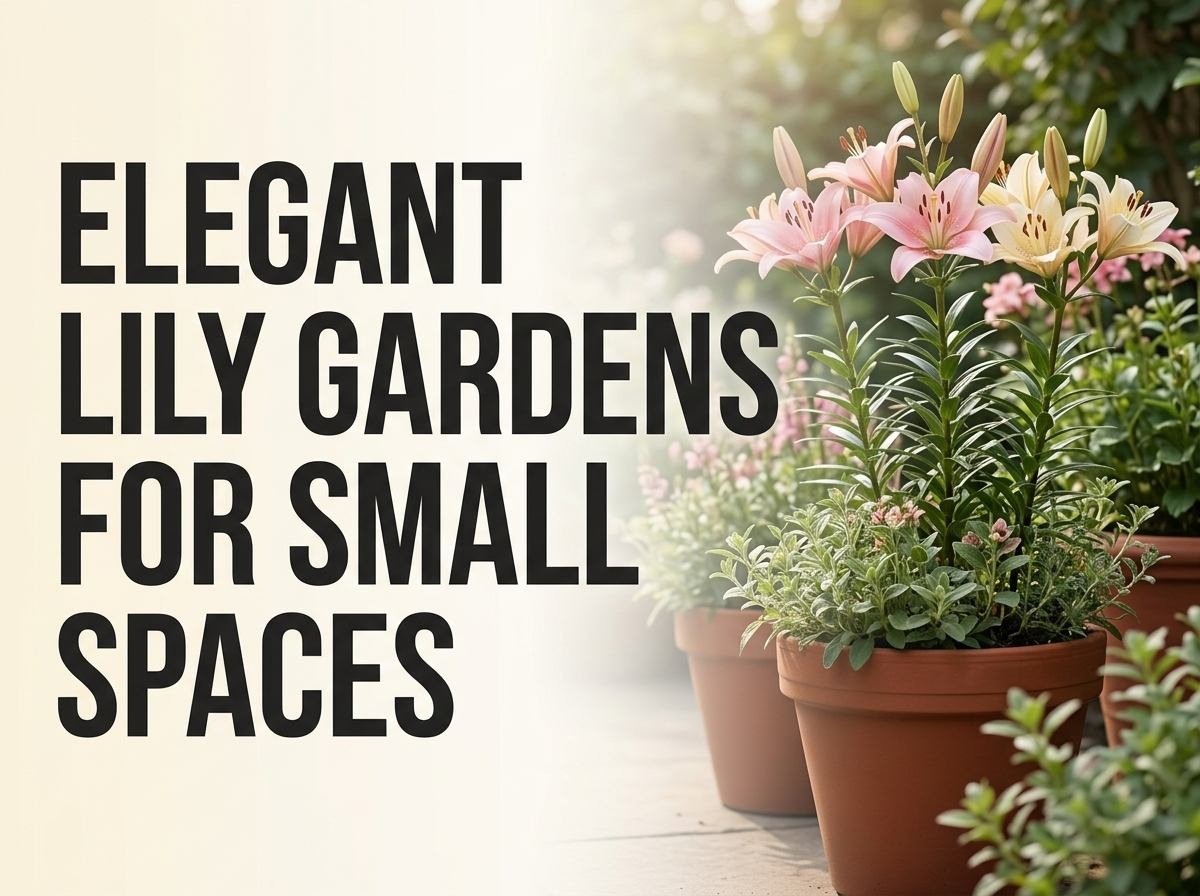
A small-space lily garden works by choosing compact varieties bred specifically for containers (like Asiatic ‘Tiny’ series lilies, which top out at 12-18 inches) and layering bloom times across Asiatic, Trumpet, and Oriental types to stretch color from June through August in a footprint as small as a few large pots. True lilies (Lilium species) grow from true bulbs rather than tuberous roots, and most varieties tolerate container life well as long as pot depth reaches at least 12 inches to accommodate their root system and provide winter insulation. The elegant, vertical look lily gardens are known for actually suits small spaces particularly well, since height doesn’t require footprint the way spreading perennials do.
Choosing Compact Lily Varieties for Containers

Asiatic lilies are the most naturally compact group, with dwarf series like ‘Tiny Padhye’ or ‘Tiny Rocket’ bred specifically to stay 12 to 18 inches tall, compared to standard Asiatic varieties that can reach 3 to 4 feet, making the dwarf types the clear starting point for container or small-bed growing. Oriental lilies, prized for their intense fragrance and larger flowers (often 6-8 inches across), tend to run taller, typically 2 to 4 feet, but compact cultivars like ‘Mona Lisa’ stay closer to 18 to 24 inches and still deliver the classic Oriental scent in a more manageable size. LA hybrids (a cross between Longiflorum and Asiatic lilies) offer a middle ground, combining Asiatic’s compact growth habit with larger, more elegant trumpet-shaped blooms, typically staying under 3 feet. Avoid full-size Trumpet or Orienpet (Oriental-Trumpet hybrid) varieties for small containers, since these commonly reach 4 to 6 feet and become top-heavy and prone to tipping in anything less than a substantial, weighted pot.
Key takeaway: Look specifically for “dwarf” or patio series lilies rather than assuming any lily will stay small just because it’s grown in a pot.
Container Selection and Planting Depth

Choose a container at least 12 inches deep and equally wide, since lily bulbs need genuine depth both for root development and for winter insulation if the container stays outside year-round in colder climates. Plant bulbs 6 to 8 inches deep even in a container, following the general bulb rule of covering with soil roughly three times the bulb’s height, since shallow planting in a pot leaves bulbs more exposed to temperature swings than the same depth would provide in the ground. Always use a container with drainage holes and a well-draining potting mix amended with perlite or coarse sand, since lilies are considerably more prone to bulb rot in a container’s contained, moisture-retentive environment than they are planted in well-draining garden soil. Terra cotta and other porous materials help excess moisture evaporate compared to sealed plastic or glazed ceramic pots, which matters more for lilies than for many other container plants given their sensitivity to soggy soil.
Key takeaway: Container depth for lilies isn’t just about root space, it’s genuinely about winter bulb insulation, so don’t undersize the pot to save on soil cost.
Layering Bloom Times for Extended Color

Asiatic lilies bloom earliest, typically in June, with a bloom window lasting 2 to 3 weeks per planting, and their wide color range (yellow, orange, red, pink, white) makes them a versatile starting layer for a small lily garden. Trumpet and Aurelian hybrids follow in July, offering large, fragrant, outward-facing blooms in a narrower but still varied color palette of white, yellow, pink, and apricot tones. Oriental lilies close out the season in August, with the most intensely fragrant blooms of the three groups and typically the largest individual flowers, in colors concentrated in white, pink, and deep red-pink shades. Planting a mix of these three groups, at their respective correct depths, in a cluster of coordinated containers creates a full 10 to 12 week bloom season running from early June through late August, considerably longer than any single lily type could provide alone.
Key takeaway: Because Asiatic, Trumpet, and Oriental lilies naturally bloom in sequence, combining all three in one small garden gives you a full summer of color without any single variety needing to work overtime.
Positioning for Sun and Root Shade

Lilies genuinely need 6 or more hours of direct sun daily to produce strong stems and full-sized blooms, but their roots actually prefer cooler, shaded soil, which is why in-ground plantings traditionally place lilies behind lower, shade-casting companion plants. In a small container garden, achieve the same effect by underplanting large lily pots with trailing, shallow-rooted plants like sweet alyssum or creeping thyme, which shade the container’s soil surface without competing significantly for the lily’s root zone. Position taller lily containers toward the back or center of a container grouping and shorter companion pots in front, both for the shading benefit and because it mimics the layered look of a genuine garden bed rather than a scattered collection of individual pots. In climates with intense afternoon heat, positioning containers where they get full morning sun and light afternoon shade protects blooms from fading and shortening their display life prematurely.
Key takeaway: Solve the “full sun for blooms, cool roots” tension through underplanting and grouping rather than compromising on sun exposure, since reduced sun weakens stems and flower size more than warm roots do.
Staking and Supporting Tall Varieties in Containers

Even compact lily varieties can become top-heavy once in full bloom, particularly Oriental types with their large, heavy flower heads, so a simple bamboo stake or a decorative grow-through support ring inserted at planting time (rather than after growth is established, which risks damaging roots) prevents wind or rain damage. For a small cluster of container lilies, a single central stake per pot, tied loosely with soft garden twine at two points along the stem, is usually sufficient rather than needing a more elaborate cage system. Wind exposure matters more for container-grown lilies than in-ground plantings, since pots lack the anchoring root spread of garden soil, so positioning containers in a location with some wind break, like near a wall or fence, reduces staking needs considerably.
Key takeaway: Stake at planting time rather than waiting until a plant looks unstable, since inserting supports later risks damaging the bulb or root system that’s already established.
Comparing Lily Types for Small-Space Gardens

| Lily Type | Bloom Time | Height (dwarf/compact) | Fragrance | Best Use |
|---|---|---|---|---|
| Asiatic (dwarf series) | June | 12-18 in | Little to none | Front containers, mixed pots |
| LA Hybrid | June-July | 20-30 in | Mild | Mid-height containers |
| Trumpet/Aurelian | July | 24-36 in | Strong | Focal point containers |
| Oriental (compact) | August | 18-24 in | Very strong | Fragrance focal point |
Overwintering Container Lilies in Cold Climates

In zones 7 and colder, container-grown lily bulbs are more vulnerable to freeze damage than in-ground bulbs since pots don’t have the surrounding earth’s insulating mass, so move containers into an unheated garage or shed once temperatures drop consistently below 20°F. Alternatively, cluster pots tightly together and wrap the group in burlap or bubble wrap, or bury the pots up to their rims in a spare garden bed for the winter, both of which meaningfully improve the bulbs’ odds of surviving to bloom again next year. Reduce watering significantly once foliage dies back in fall, since dormant bulbs in overly moist, cold soil are prone to rot even when the plant itself is otherwise winter-hardy. In milder climates (zone 8 and warmer), most lily varieties can stay in their containers outdoors year-round with only a layer of mulch added for extra insulation.
Key takeaway: Container lilies need active winter protection in cold climates that in-ground lilies typically don’t require, since pots offer far less natural insulation against hard freezes.
The Bottom Line
An elegant small-space lily garden comes down to choosing genuinely compact varieties, giving bulbs proper depth even in containers, and layering Asiatic, Trumpet, and Oriental types to stretch bloom time across the whole summer rather than relying on one type’s brief window. The vertical, architectural look lilies are known for is actually an advantage in tight spaces, delivering visual drama without demanding the horizontal spread that many other flowering perennials need. Get container depth, sun exposure, and winter protection right, and a handful of well-chosen pots can rival a full in-ground lily border for color and fragrance.
Frequently Asked Questions
What is the best lily variety for growing in pots on a small patio? Dwarf Asiatic varieties like the ‘Tiny’ series are the most reliable choice, staying 12 to 18 inches tall and adapting well to container life without becoming top-heavy. LA hybrids offer a good middle option if you want slightly larger blooms while still keeping a manageable, compact size.
How deep does a container need to be to grow lilies? A container should be at least 12 inches deep to accommodate proper bulb planting depth (typically 6-8 inches) plus adequate root development space below the bulb. Shallower containers leave bulbs vulnerable to temperature swings and don’t provide enough root room for healthy growth.
Can I grow different types of lilies together in the same small garden? Yes, and it’s actually the best strategy for extending bloom time, since Asiatic, Trumpet, and Oriental lilies bloom sequentially from June through August. Grouping them in coordinated containers creates continuous color across the whole summer rather than one short bloom window.
Do lilies need full sun or can they grow in partial shade? Lilies need at least 6 hours of direct sun daily to produce strong stems and full-sized blooms, though their root zone actually benefits from being shaded and cool. Underplanting with low, trailing companions solves this by shading the soil surface while the plant itself still receives full sun.
How do I protect container-grown lily bulbs over winter? In cold climates, move containers into an unheated garage or shed, or cluster and insulate pots with burlap or bubble wrap, since container bulbs lack the insulation that in-ground bulbs get from surrounding soil mass. Reduce watering significantly once foliage dies back to prevent rot during dormancy.
Why are my container lilies falling over or looking top-heavy? This usually happens with larger-flowered varieties like Oriental lilies, whose heavy blooms outweigh what the stem and shallow container can support unaided. Staking at planting time with a bamboo stake or support ring, and positioning containers in a wind-sheltered spot, generally prevents this.