
Are Lawns Actually Bad for the Environment?

A lawn’s genuine environmental impact depends considerably more on management intensity, how much water, fertilizer, and pesticide gets applied, than on the simple presence of turf grass itself, meaning the blanket claim that “lawns are bad for the environment” genuinely oversimplifies a picture where a minimally managed, appropriately regional lawn behaves quite differently from an intensively irrigated, heavily chemically treated one.
Management Intensity Over Turf Presence
The Input-Dependent Impact Pattern
The input-dependent impact pattern that explains why this nuance genuinely matters is that the specific documented environmental costs, water depletion in dry regions, fertilizer and pesticide runoff affecting water quality, genuinely scale with how intensively a lawn is managed, meaning the blanket “lawns are bad” framing genuinely obscures this real, meaningful variation between different management approaches to the same basic turf grass surface.
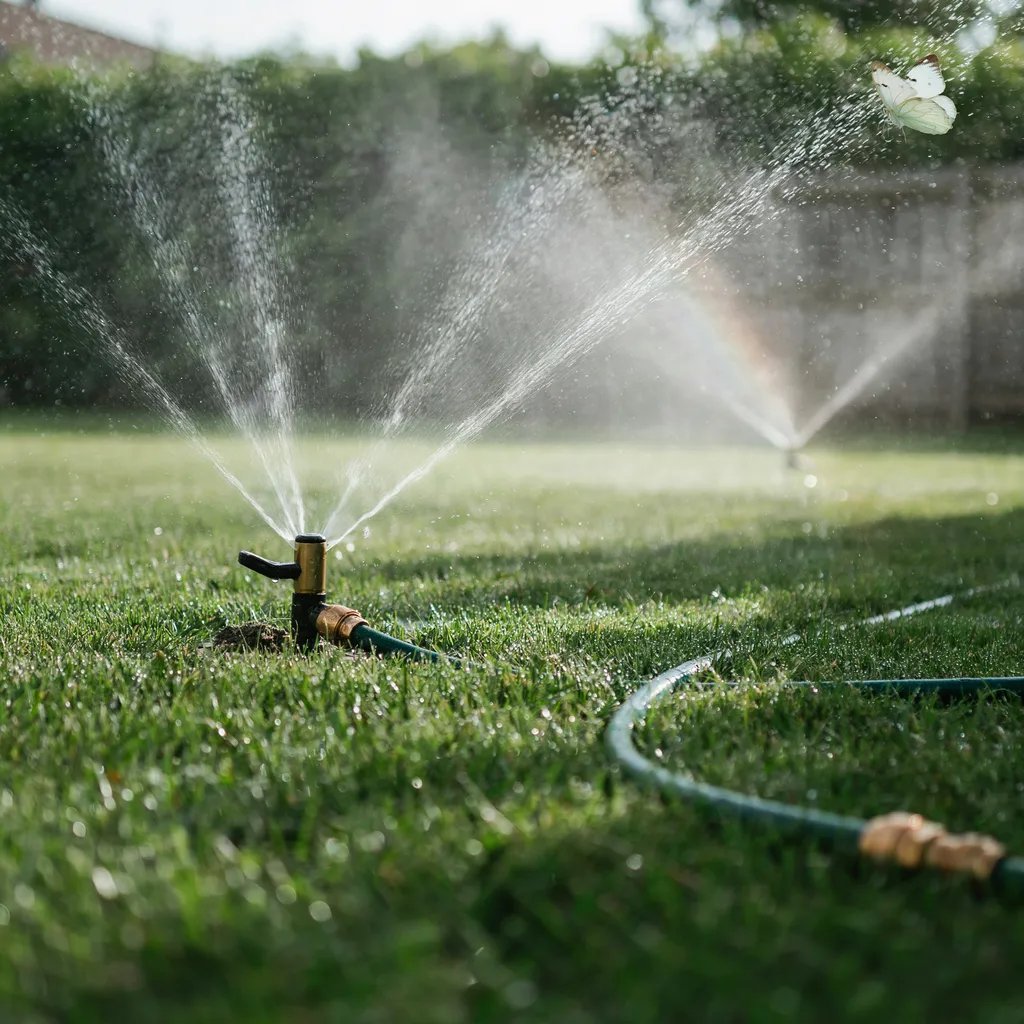
Why management intensity, not turf presence alone, is genuinely the more accurate framing is that the documented environmental concerns associated with lawns, excessive water use, chemical runoff into waterways, genuinely stem from intensive management practices rather than from turf grass as a plant category itself, meaning a lawn maintained with minimal water and chemical input genuinely presents a considerably different environmental picture than one under intensive conventional management.
Understanding environmental impact as genuinely input-dependent, not an inherent property of turf grass itself, reframes the actual question toward management practice rather than whether lawn as a landscape feature should exist at all.
Irrigation’s Real Environmental Cost
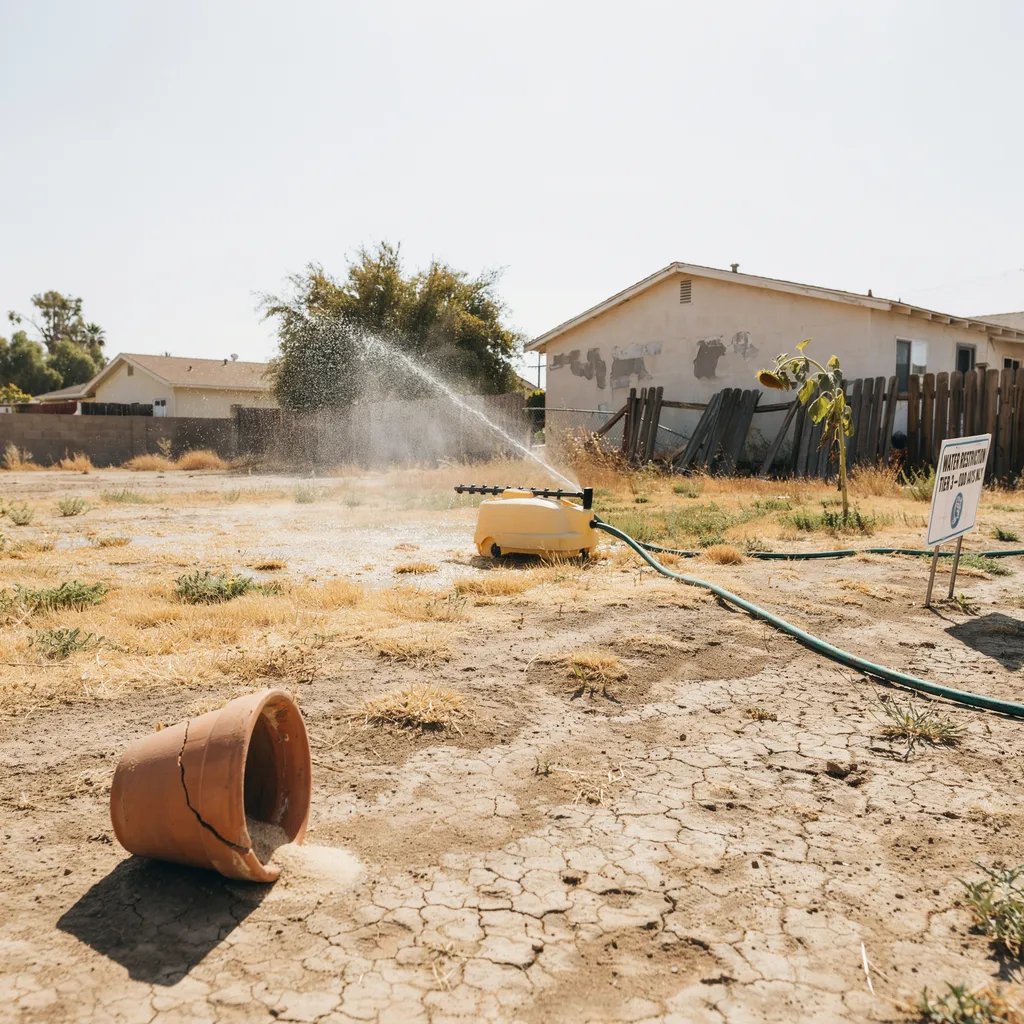
Recognizing excessive irrigation as a genuine, well-documented environmental concern means acknowledging that lawns maintained through heavy, frequent irrigation, particularly in naturally dry regions where turf grass isn’t well climate-matched, genuinely represent a real, substantial water resource concern, especially significant in drought-prone areas facing broader water scarcity pressures.
This genuine water use concern is real and well-documented specifically for intensively irrigated, climate-mismatched lawns, making it worth acknowledging honestly rather than dismissing, while still recognizing this represents a management and species-matching issue rather than an inherent flaw in lawn as a landscape concept.
Chemical Runoff From Fertilizer and Pesticides
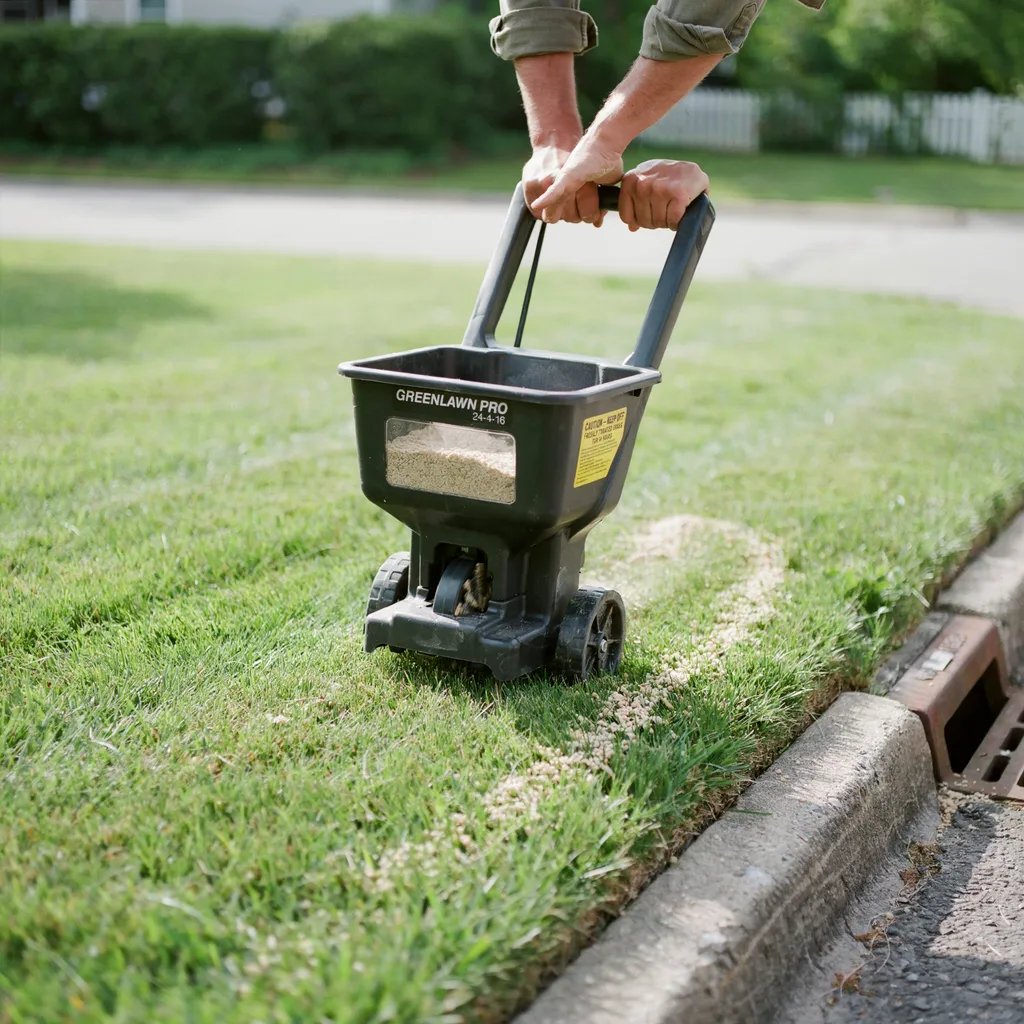
Recognizing chemical runoff from fertilizer and pesticide use as a genuine concern means acknowledging that intensively fertilized and chemically treated lawns genuinely contribute to documented water quality concerns through runoff into nearby waterways, a real environmental cost specifically associated with this particular management intensity level.
Chemical runoff represents a genuine, documented environmental cost specifically tied to intensive fertilizer and pesticide application, making reduced chemical input a real, actionable way to meaningfully reduce a lawn’s actual environmental footprint.
Lawns’ Real Environmental Benefits
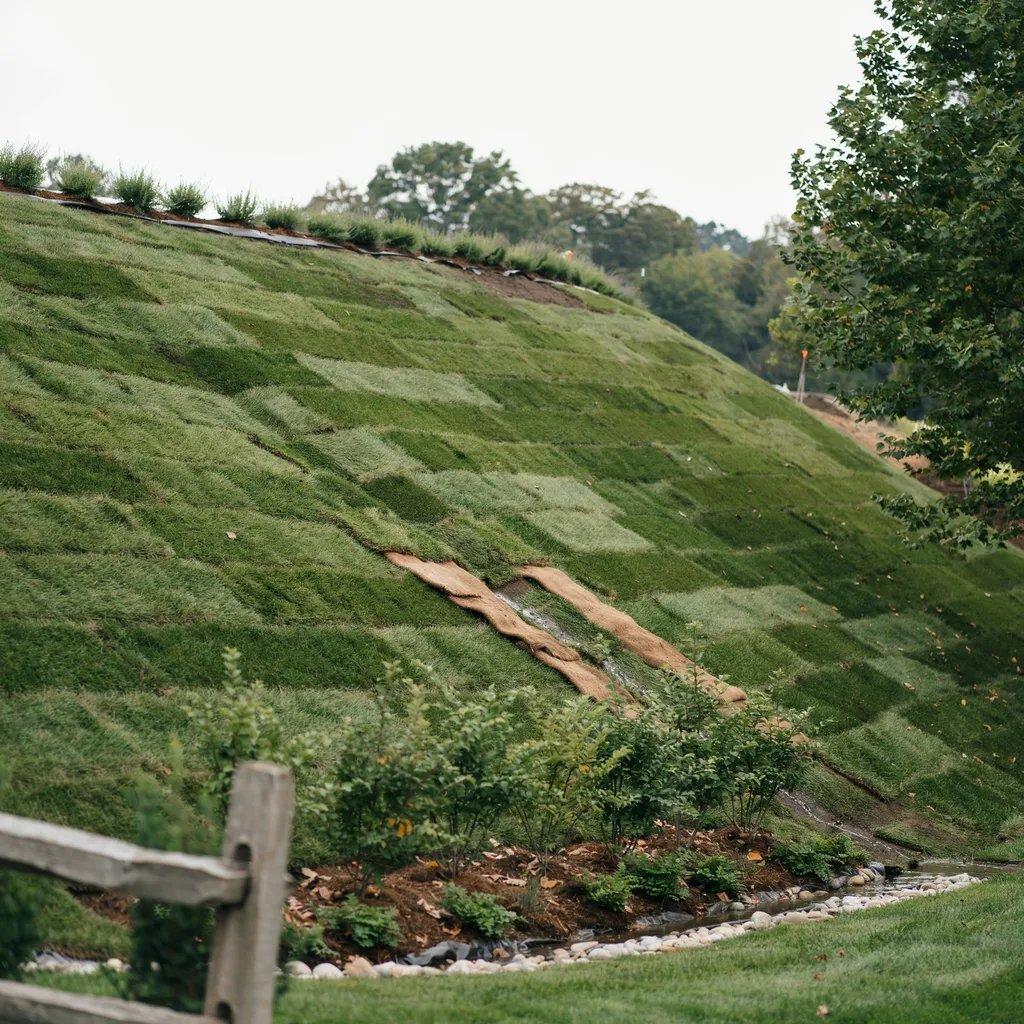
Recognizing genuine environmental benefits lawns do provide means acknowledging that turf grass genuinely offers some real environmental function, erosion control on sloped areas, some temperature moderation compared with hardscaping, and permeable surface function allowing water infiltration compared with paved alternatives, benefits worth weighing honestly alongside the documented concerns rather than treating lawns as purely environmentally negative.
These genuine functional benefits complicate a purely negative framing of lawns, making a more balanced assessment, weighing real costs against real benefits, more accurate than either uncritical lawn defense or blanket condemnation.
Choosing Regionally Appropriate Turf Species
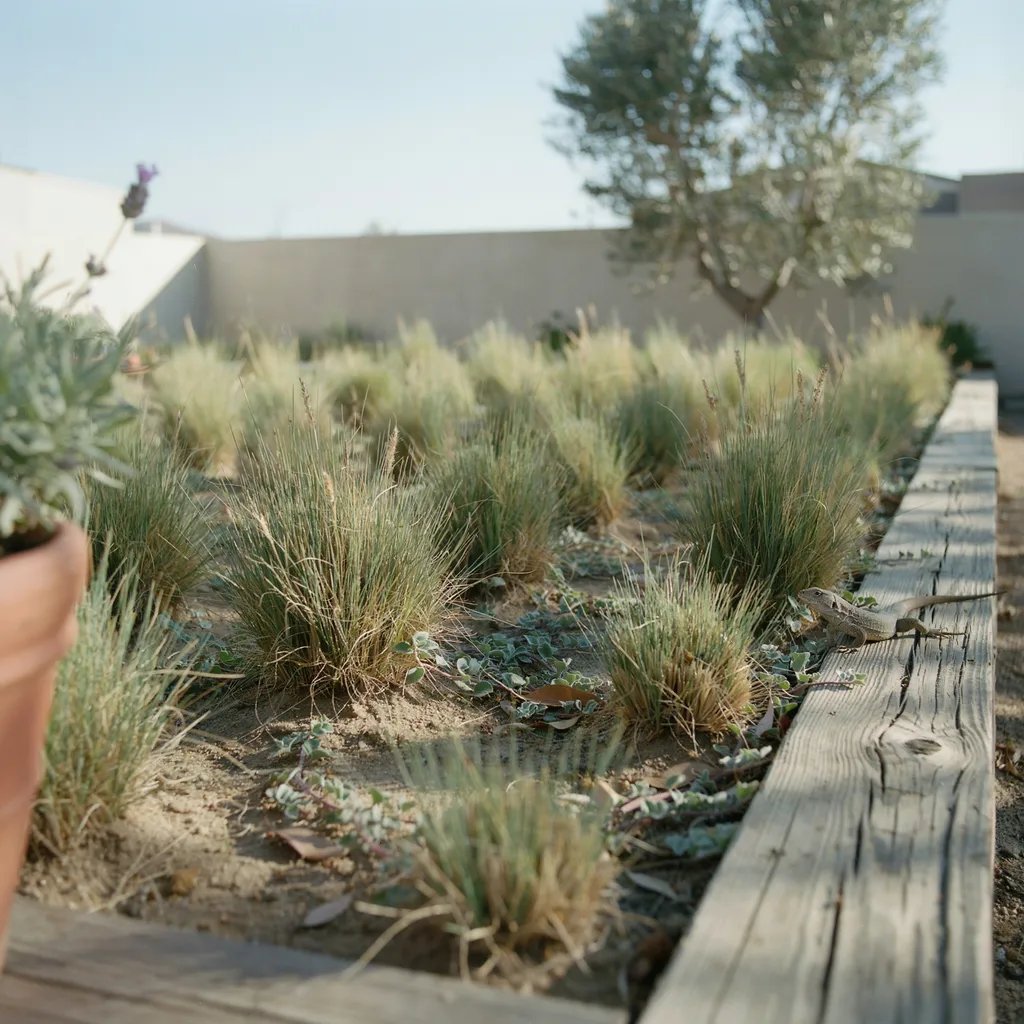
Choosing regionally appropriate turf species to genuinely reduce required input means recognizing that turf grass species genuinely suited to local climate conditions require considerably less supplemental water and input than mismatched species planted outside their natural climate tolerance, making species selection a real, practical lever for reducing a lawn’s actual environmental footprint.
Regional species matching genuinely reduces the input intensity driving most documented lawn environmental concerns, making this consideration worth prioritizing for anyone wanting to maintain some lawn area while genuinely minimizing its environmental impact.
Considering Reduced-Lawn Alternatives
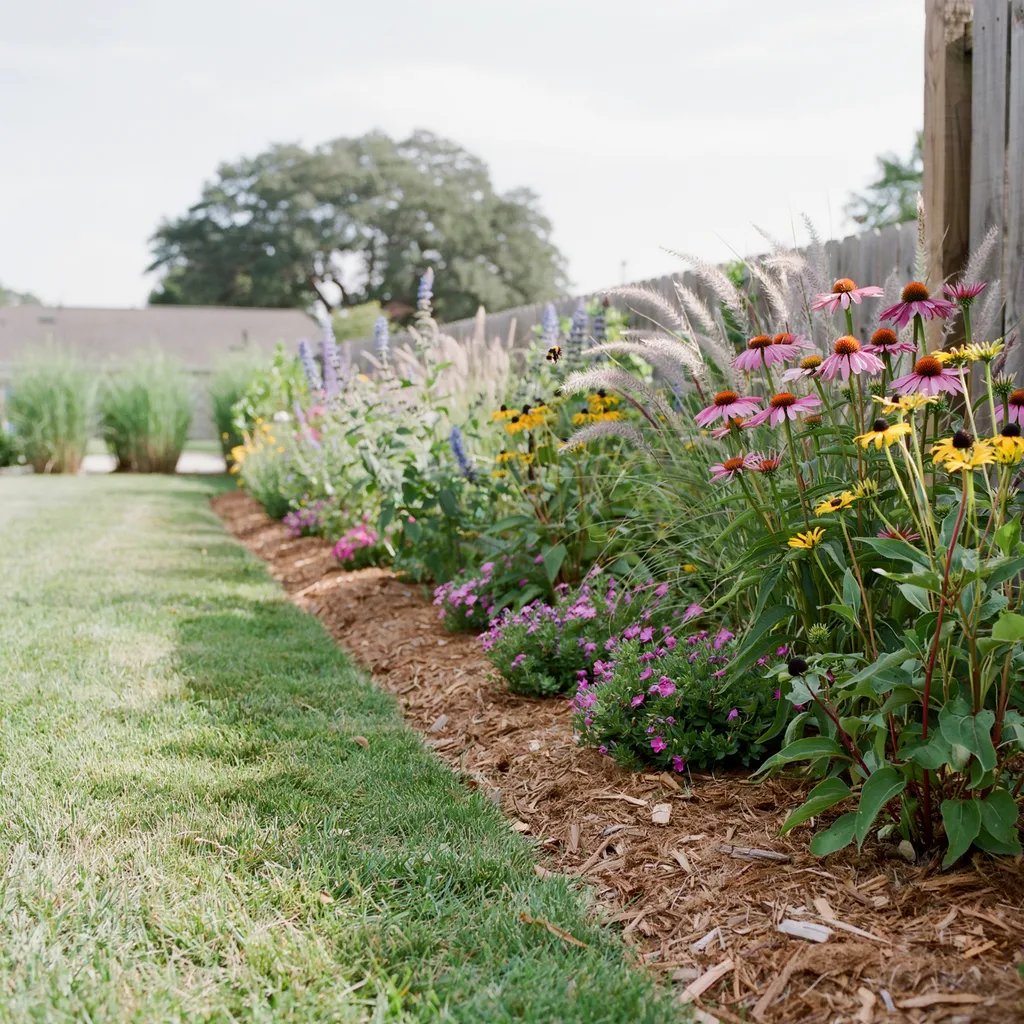
Considering reduced-lawn or alternative approaches where genuinely appropriate means recognizing that reducing overall lawn area in favor of native plantings, groundcovers, or other lower-input alternatives represents a genuinely valid additional strategy for gardeners wanting to further reduce environmental impact beyond simply improving management of whatever lawn area remains.
Reduced lawn area represents a genuine complementary strategy to improved management practices, making both approaches, better management of retained lawn plus reduced overall lawn footprint, worth considering together rather than treating them as mutually exclusive options.
The Bottom Line
Whether lawns are genuinely bad for the environment depends considerably more on management intensity, water and chemical input specifically, than on turf grass’s mere presence as a landscape feature, meaning the accurate answer is genuinely more nuanced than a simple yes or no. Recognizing both the real, documented concerns around excessive irrigation and chemical runoff alongside lawns’ genuine functional benefits, erosion control and permeable surface function among them, while choosing regionally appropriate species and considering reduced lawn area where genuinely appropriate, represents a considerably more accurate and actionable framing than blanket condemnation or uncritical defense.
Frequently Asked Questions
Do All Regions Genuinely Face the Same Level of Environmental Concern From Lawn Irrigation?
No, genuinely, water scarcity concerns are considerably more acute in naturally dry, drought-prone regions than in areas with abundant natural rainfall, making regional water availability a genuine factor in how significant lawn irrigation’s environmental impact actually is in any specific location.
Can Organic Lawn Care Practices Genuinely Reduce the Environmental Concerns Associated With Conventional Chemical Treatment?
Yes, genuinely, organic lawn care approaches that avoid synthetic fertilizers and pesticides meaningfully reduce the chemical runoff concern specifically, though water use considerations remain relevant regardless of whether conventional or organic products are used for any remaining fertilization needs.
How Much Does Lawn Size Genuinely Affect Overall Environmental Impact Compared With Management Practice?
Both factors genuinely matter, a smaller, intensively managed lawn can still have meaningful environmental impact, while a larger but minimally managed, regionally appropriate lawn may have less impact than a smaller intensively managed one, making both size and management intensity worth considering together.
Are There Genuine Carbon Sequestration Benefits From Lawns That Should Factor Into This Environmental Assessment?
Turf grass does provide some genuine carbon sequestration function, though this benefit is generally considered more modest than what native plantings or trees typically provide, making it a real but relatively minor factor compared with the more significant water and chemical input considerations.
Does Mowing Frequency Genuinely Affect a Lawn’s Overall Environmental Footprint?
Yes, genuinely, more frequent mowing, particularly with gas-powered equipment, contributes additional emissions and energy use beyond the water and chemical input considerations already discussed, making reduced mowing frequency or electric equipment worth considering as additional environmental impact factors.
Is There Genuine Scientific Consensus on Whether Lawns Provide a Net Positive or Negative Environmental Effect Overall?
No, genuinely, this remains a considerably nuanced, context-dependent question without a single universal answer, since the actual net effect depends heavily on the specific management practices, regional climate, and turf species involved rather than any inherent, universal property of lawns themselves.