
Growing 11 Aromatic Mint Types for Your Backyard Garden

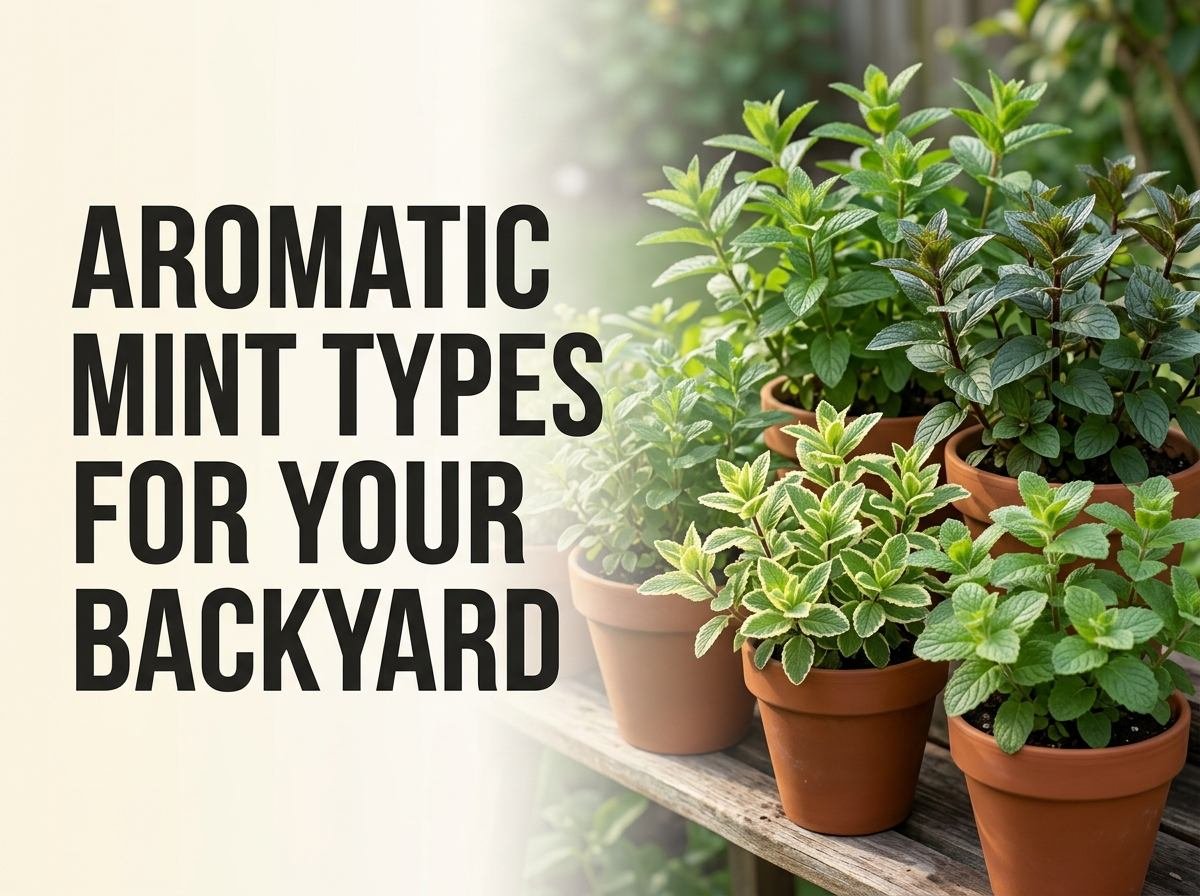
Mint genuinely rewards growers who respect its two defining traits: aggressive rhizomatic spread and wildly varied scent chemistry across varieties, from the menthol punch of peppermint to the dessert-like sweetness of chocolate mint. All 11 varieties below share the same basic needs (partial shade, consistent moisture, and containment), but their essential oil profiles differ enough that growing several side by side genuinely gives you distinct culinary and aromatic uses rather than redundant plants. The single most important growing decision for any mint is containment, since every variety here will spread by underground runners and can take over a garden bed within one growing season if left unchecked.
Peppermint (Mentha × piperita)

Peppermint is a natural hybrid between spearmint and water mint, and it carries the highest menthol content of any common mint variety, giving it that sharp, cooling sensation that makes it the standard choice for tea and confections. It grows 12 to 24 inches tall with dark green, slightly fuzzy leaves and purple-tinged stems, preferring partial shade in hot climates since full afternoon sun can scorch leaf edges once temperatures pass 85°F. Harvest leaves just before flowering for the most concentrated oil content, since essential oil levels drop noticeably once the plant puts energy into blooming. Because it’s a hybrid, peppermint doesn’t come true from seed reliably, so propagate new plants from stem cuttings or root divisions instead.
Key takeaway: Harvest peppermint just before it flowers for maximum menthol intensity in cooking or tea.
Spearmint (Mentha spicata)

Spearmint has a milder, sweeter flavor than peppermint because it contains carvone rather than high menthol concentrations, which is why it’s the standard choice for mojitos, tabbouleh, and most Middle Eastern and Mediterranean cooking. It grows more upright, reaching 18 to 36 inches, with lighter green, more pointed leaves than peppermint, and it tolerates slightly more sun exposure while still preferring partial shade in zones 8 and warmer. Spearmint spreads even more aggressively than peppermint in loose, moist soil, so a buried barrier at least 12 inches deep is worth the extra effort if it’s going in the ground rather than a pot. It’s also one of the easier mints to start from seed, germinating in 10 to 15 days at soil temperatures around 70°F.
Key takeaway: Choose spearmint over peppermint for savory dishes and cocktails where you want mint flavor without an overpowering cooling bite.
Chocolate Mint (Mentha × piperita ‘Chocolate’)

This peppermint cultivar genuinely smells like chocolate mixed with menthol, thanks to compounds that mimic cocoa aroma layered over the standard peppermint oil profile, and the dark, almost mahogany-tinted stems make it visually distinct in a mixed mint bed. It grows to about 18 inches and performs best with morning sun and afternoon shade, since intense heat can mute the chocolate aroma noticeably. It’s a favorite for garnishing desserts and infusing into cream or ice cream bases, where a small handful of leaves steeped in warm cream for 20 minutes transfers real chocolate-mint flavor. Like other peppermint hybrids, propagate by cuttings rather than seed for a true chocolate scent.
Key takeaway: Chocolate mint’s aroma is strongest with some afternoon shade, so full-sun placement actually works against its signature scent.
Orange Mint / Bergamot Mint (Mentha × piperita citrata)

Orange mint, also called bergamot mint, carries a genuine citrusy aroma from higher linalool and linalyl acetate content, closer in scent profile to bergamot orange than to standard mint. It has smooth, rounder, purplish-green leaves and grows 12 to 18 inches tall, making it slightly more compact than peppermint or spearmint. It pairs well in fruit salads, iced tea, and cocktails where a citrus-forward mint note is more appealing than menthol sharpness. Like chocolate mint, it’s a peppermint-family hybrid, so it needs propagation from cuttings to maintain its citrus character.
Key takeaway: Use orange mint anywhere a recipe calls for both mint and citrus zest, since it effectively provides both in one leaf.
Pineapple Mint (Mentha suaveolens ‘Variegata’)

Pineapple mint is instantly recognizable by its cream-and-green variegated leaves and soft, fuzzy texture, and its scent carries a genuine fruity sweetness compared to the sharper menthol of peppermint. It’s more compact and mounding than most mints, staying around 12 to 18 inches, and the variegation actually makes it more sun-sensitive since the lighter patches lack chlorophyll and can scorch in intense, direct sun. It’s milder in flavor than most mints, which makes it a good choice for fruit garnishes and drinks where you want a hint of mint without dominating other flavors. Its ornamental variegation also makes it one of the more attractive mints for mixed container displays.
Key takeaway: Pineapple mint’s variegated leaves need more shade protection than solid-green mints, despite looking delicate rather than tough.
Apple Mint (Mentha suaveolens)

Apple mint has round, fuzzy, bright green leaves and a genuinely fruity, mild flavor with less menthol punch than peppermint, making it popular for mint jelly and fruit-based desserts. It’s a vigorous grower reaching 24 to 36 inches, tolerating more sun than many mints while still preferring some afternoon shade in hot regions. Its fuzzy leaf texture actually deters some pests better than smooth-leaved mints, since the texture is less palatable to certain leaf-chewing insects. It’s also one of the parent species behind pineapple mint, which explains their similar fuzzy texture and mild sweetness.
Key takeaway: Apple mint’s fuzzy leaves offer a small natural pest advantage, making it a lower-maintenance choice in gardens with heavy insect pressure.
Ginger Mint (Mentha × gracilis)

Ginger mint is a spearmint and corn mint hybrid with a distinctly spicy, warm undertone layered over standard mint flavor, and its yellow-variegated leaves make it easy to distinguish in a garden bed. It grows 12 to 24 inches and spreads via both rhizomes and above-ground stolons, meaning it can actually root wherever a stem touches soil, making containment slightly trickier than with rhizome-only spreaders. It works well in Asian-inspired dishes and cocktails where a spicier mint note complements ginger or lemongrass flavors already in the recipe. Full sun intensifies the yellow variegation, while shade produces greener, less patterned leaves.
Key takeaway: Because ginger mint spreads by both roots and stolons, container growing is even more strongly recommended than for other mint types.
Corsican Mint (Mentha requienii)

Corsican mint is a true groundcover mint, growing barely half an inch tall with tiny, densely packed leaves that release a strong peppermint scent when stepped on, making it a popular choice for planting between stepping stones. It needs consistent moisture and doesn’t tolerate drought at all, since its shallow root system dries out quickly compared to taller mint varieties. It’s hardy only to zone 6 in most conditions and often needs winter mulch protection or container growing in colder climates. Because of its tiny size, it’s used more for pathway planting and fragrance release underfoot than for culinary harvesting.
Key takeaway: Corsican mint trades culinary usefulness for landscape function, working best as a fragrant living groundcover rather than a kitchen herb.
Banana Mint (Mentha arvensis ‘Banana’)

Banana mint carries a genuinely tropical, banana-like sweetness in its aroma, a less common variety that stands out strongly in a mixed mint collection. It grows to about 18 inches with typical mint-green foliage, and it prefers the same partial shade and moist soil as other Mentha arvensis relatives. It’s mostly grown for its novelty scent and works well in fruit-forward drinks or as a conversation-starting addition to an herb garden. Like other mints, it needs firm containment to avoid overtaking neighboring plants.
Key takeaway: Banana mint’s main value is aromatic novelty, making it a good pick for gardeners who already grow the more common mint types and want variety.
Lavender Mint (Mentha × piperita ‘Lavender’)

Lavender mint combines standard peppermint’s cooling menthol with a floral, lavender-like top note, resulting from crossbred essential oil compounds that layer the two scent families together. It grows 12 to 20 inches with the typical dark green peppermint leaf shape, and its floral aroma makes it a strong choice for homemade potpourri, sachets, and infused simple syrups for cocktails. It shares peppermint’s preference for partial shade and consistently moist, well-drained soil. Because it’s a specialty hybrid, it’s propagated from cuttings and can be harder to source than more common varieties.
Key takeaway: Lavender mint bridges culinary and aromatic uses better than most mints, working equally well in drinks and in dried floral arrangements.
Comparing the 11 Mint Varieties

| Mint Type | Flavor Profile | Height | Best Use |
|---|---|---|---|
| Peppermint | Sharp, menthol | 12-24 in | Tea, confections |
| Spearmint | Mild, sweet | 18-36 in | Cocktails, savory dishes |
| Chocolate Mint | Cocoa-menthol | ~18 in | Desserts, ice cream |
| Orange Mint | Citrusy | 12-18 in | Fruit salads, iced tea |
| Pineapple Mint | Fruity, mild | 12-18 in | Garnish, containers |
| Apple Mint | Fruity, mild | 24-36 in | Jelly, fruit desserts |
| Ginger Mint | Spicy-warm | 12-24 in | Asian dishes, cocktails |
| Corsican Mint | Strong peppermint | 0.5 in | Groundcover, pathways |
| Banana Mint | Tropical-sweet | ~18 in | Novelty drinks |
| Lavender Mint | Floral-menthol | 12-20 in | Potpourri, syrups |
Growing Conditions and Containment Every Mint Shares

Regardless of variety, mint prefers partial shade to full morning sun, consistently moist soil (1 to 1.5 inches of water weekly), and a loose, humus-rich soil that drains well without ever drying out completely. Every variety spreads by underground rhizomes, and left unchecked in garden soil, a single mint plant can colonize a 3-foot radius within one growing season, which is why growing in containers, whether freestanding pots or containers sunk into the ground, is the standard containment method among experienced gardeners. If planting in the ground is preferred for aesthetic reasons, bury a rigid plastic or metal barrier at least 12 inches deep and extending 2 inches above soil level around the planting area. Harvest regularly, cutting stems back by up to a third every few weeks, which encourages bushier growth and prevents the leggy, flower-heavy growth that reduces essential oil concentration in the leaves.
The Bottom Line
Growing multiple mint varieties side by side genuinely gives a backyard garden a range of culinary and aromatic options that a single mint plant can’t provide, from peppermint’s sharp menthol to chocolate mint’s dessert-like sweetness. The tradeoff every variety demands is the same: firm containment, whether through pots or buried barriers, since none of these 11 types stay politely in their assigned bed. Get the containment right from the start, and mint becomes one of the lowest-maintenance, highest-yield herbs in the entire garden.
Frequently Asked Questions
Can I grow all 11 mint types together in the same bed? Not recommended in open ground, since they’ll cross-spread and eventually blend into an unidentifiable mint patch within a couple of seasons. Separate containers or well-barriered sections keep each variety’s distinct flavor and scent intact.
Which mint variety is best for making tea? Peppermint remains the standard for tea due to its high menthol content and clean, cooling flavor, though spearmint offers a milder alternative for those who find peppermint too intense. Chocolate mint and lavender mint also make interesting specialty tea blends.
Do mint plants need full sun or shade? Most mint varieties prefer partial shade, particularly afternoon shade in hot climates, since intense sun can scorch leaves and reduce essential oil concentration. Morning sun with afternoon shade is generally the ideal balance for flavor and plant health.
How do I stop mint from taking over my garden? Grow mint in containers, either freestanding pots or pots sunk into the ground with the rim exposed above soil level, which physically blocks rhizome spread. A buried barrier at least 12 inches deep works as an alternative if in-ground planting is preferred.
How often should I harvest mint to keep it healthy? Harvest every 2 to 3 weeks during the growing season, cutting stems back by about a third, which encourages bushier regrowth and prevents the plant from bolting to flower. Regular harvesting also keeps essential oil concentration higher in the leaves.
Is chocolate mint or orange mint stronger in flavor? Chocolate mint tends to have a more intense, complex flavor due to its peppermint base layered with cocoa-like aroma compounds, while orange mint is generally milder and more purely citrus-forward. Both work best used fresh rather than dried, since drying mutes their signature aromatic notes.