
Backyard Pumpkin Garden Planting Guide for Fall Harvest Success

Getting pumpkins ready for an October harvest means planting seeds outdoors between late May and early July, depending on your variety’s days-to-maturity (usually 90-120 days) and your region’s first fall frost date. Work backward from the date you want ripe pumpkins: count back the maturity days plus a 2-week buffer for curing on the vine, and that’s your planting window. The most common mistake is planting too early or too late by even two weeks, which either leaves pumpkins sitting too long past ripeness (inviting rot) or catches them unripe when frost hits.
Calculate Your Exact Planting Window
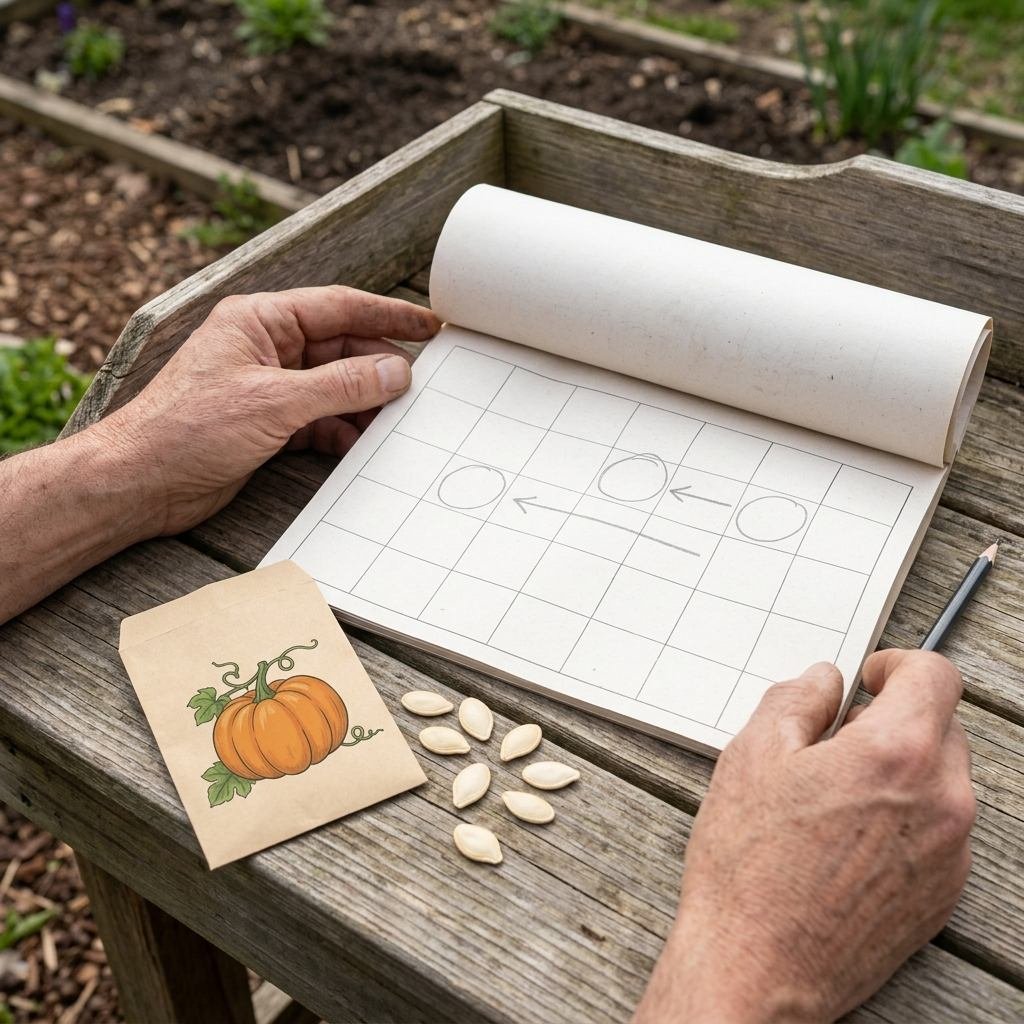
Every pumpkin variety lists “days to maturity” on the seed packet, counted from germination (not planting) to first ripe fruit, and this number varies dramatically by type: mini pumpkins like ‘Jack Be Little’ mature in as few as 85-90 days, standard carving pumpkins like ‘Connecticut Field’ take 100-110 days, and giant varieties like ‘Atlantic Giant’ need 120-140 days of warm growing season. To hit a specific harvest target (say, mid-October for a fall display or Halloween), count backward from that date by the maturity days plus an additional 10-14 days, since pumpkins benefit from curing on the vine after they reach full color to harden their skin for storage. In a zone 6 garden with a target harvest of October 15 and a 110-day variety, that math points to planting around June 12-17, factoring in the standard week for seeds to germinate before the maturity clock effectively starts.
Key takeaway: Read the days-to-maturity number on your specific seed packet and count backward from your target date rather than following a generic regional planting calendar.
Choose a Variety That Matches Your Space and Purpose
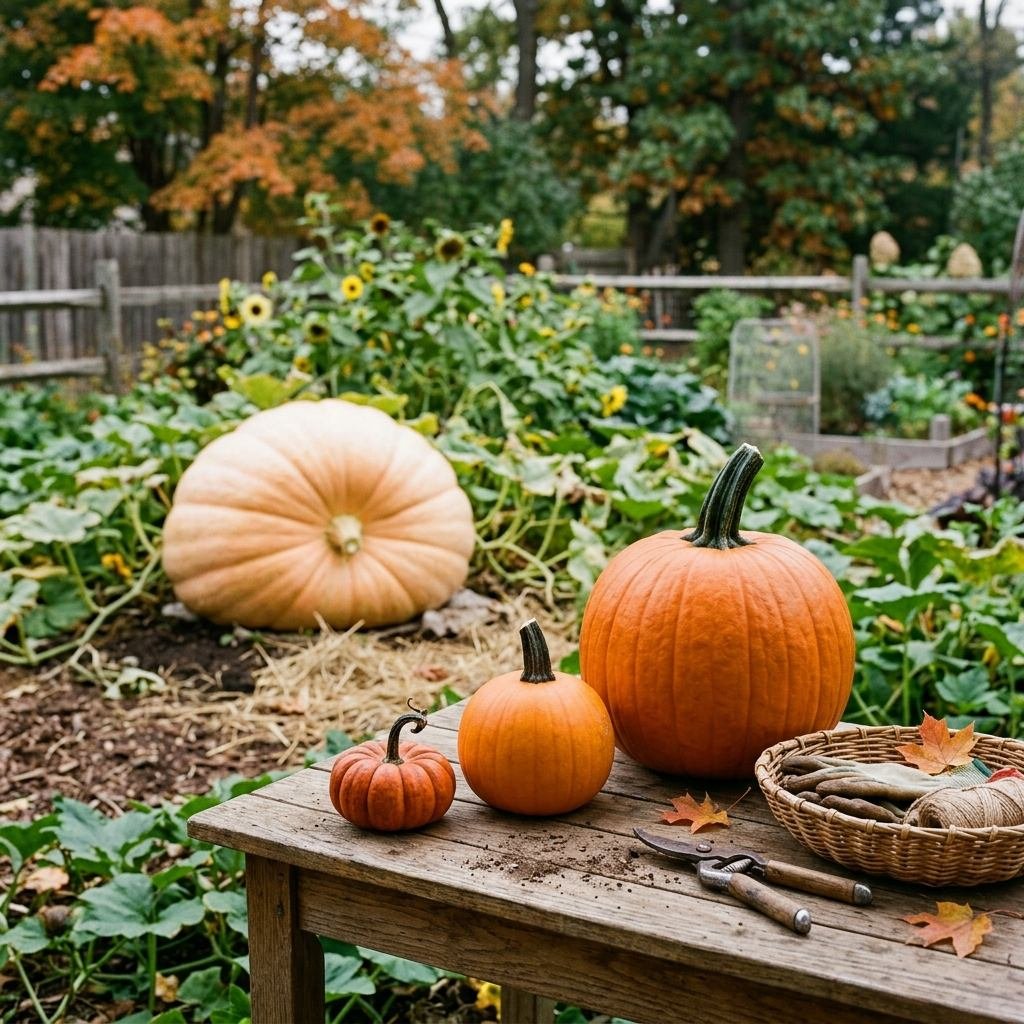
Pumpkin varieties differ enormously in vine size, fruit size, and intended use, and matching the variety to both your available space and your harvest goal (carving, pie-making, or ornamental display) prevents the common frustration of a giant vine producing pumpkins too small or too large for the intended purpose. Pie pumpkins like ‘Sugar Pie’ or ‘New England Pie’ stay compact (producing 4-8 pound fruits perfect for baking) and take up less space than jack-o’-lantern varieties, while carving pumpkins like ‘Howden’ or ‘Connecticut Field’ are bred for that classic round shape and sturdy handle, typically reaching 15-25 pounds. Giant pumpkin varieties bred for competition weigh-ins, like ‘Atlantic Giant’, require dramatically more space, water, and soil fertility than any other type, routinely reaching 100-300+ pounds under dedicated growing conditions. Bush or semi-bush varieties such as ‘Small Sugar’ or ‘Wee-B-Little’ compress the vine’s spread down to a 4×4 foot footprint, making them the only realistic option for small backyard beds.
Key takeaway: Decide whether you want pie pumpkins, carving pumpkins, or giant show pumpkins before choosing a variety, since the space and time investment differs enormously between them.
Prepare Soil With Heavy Organic Matter
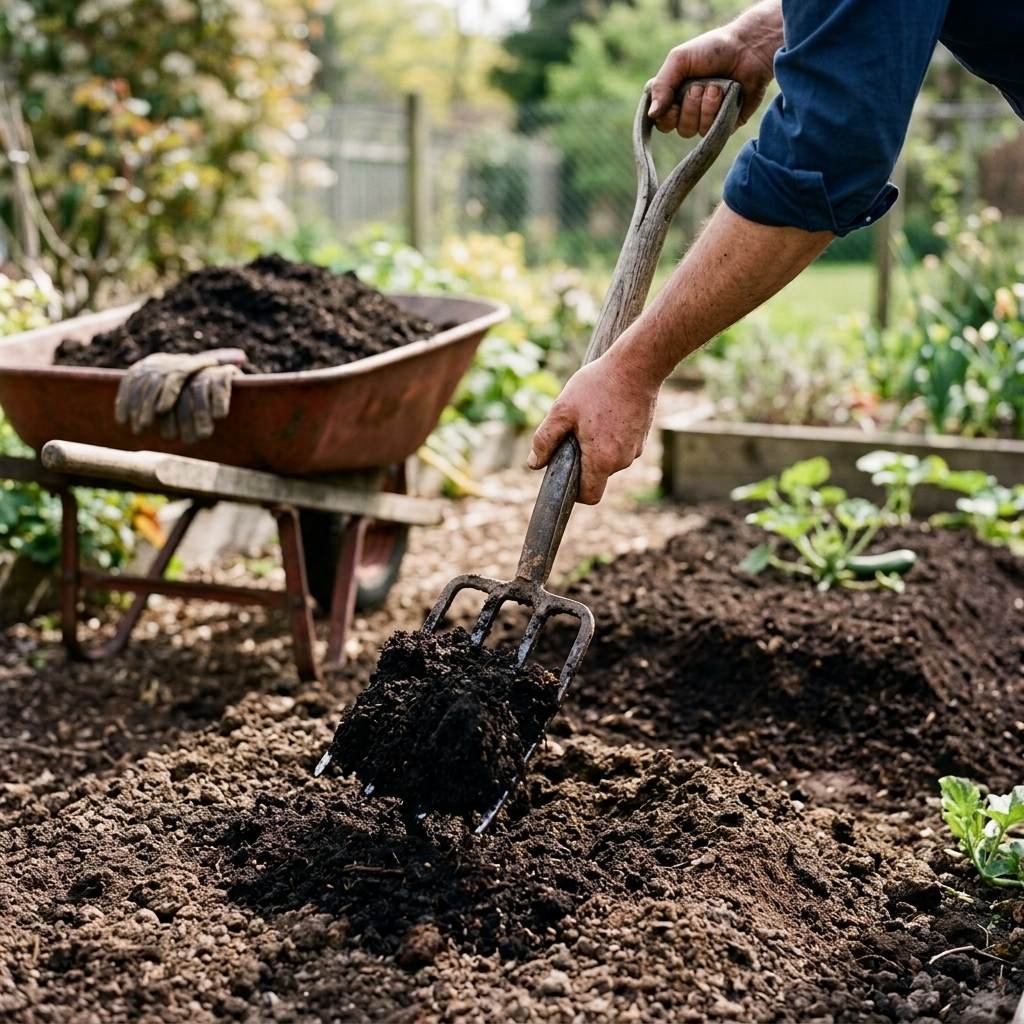
Pumpkins are notoriously heavy feeders, drawing enormous amounts of nutrients from the soil to fuel their sprawling vines and large fruit, and skimping on soil preparation is one of the most common reasons for disappointing yields. Work 3-4 inches of finished compost or well-aged manure into the top 8-10 inches of soil at least two weeks before planting, aiming for a soil pH between 6.0 and 6.8. Pumpkins particularly benefit from planting into slightly mounded hills, 12 inches across and a few inches high, which improves drainage around the root zone and helps the soil warm faster in spring, a meaningful advantage since pumpkin seeds germinate poorly below 65°F soil temperature and can take up to three weeks to sprout in cooler conditions versus just 5-7 days at optimal warmth.
Testing Soil Temperature Before Planting
A simple soil thermometer pushed 2 inches deep, checked at the same time for three consecutive mornings, gives a reliable reading; waiting for consistent 65-70°F readings rather than relying solely on the calendar avoids the seed rot that comes from planting into soil that’s technically past frost date but still too cold.
Key takeaway: Amend soil heavily with compost two weeks before planting, and confirm soil temperature has reached 65°F rather than planting by calendar date alone.
Space Plants According to Mature Vine Spread
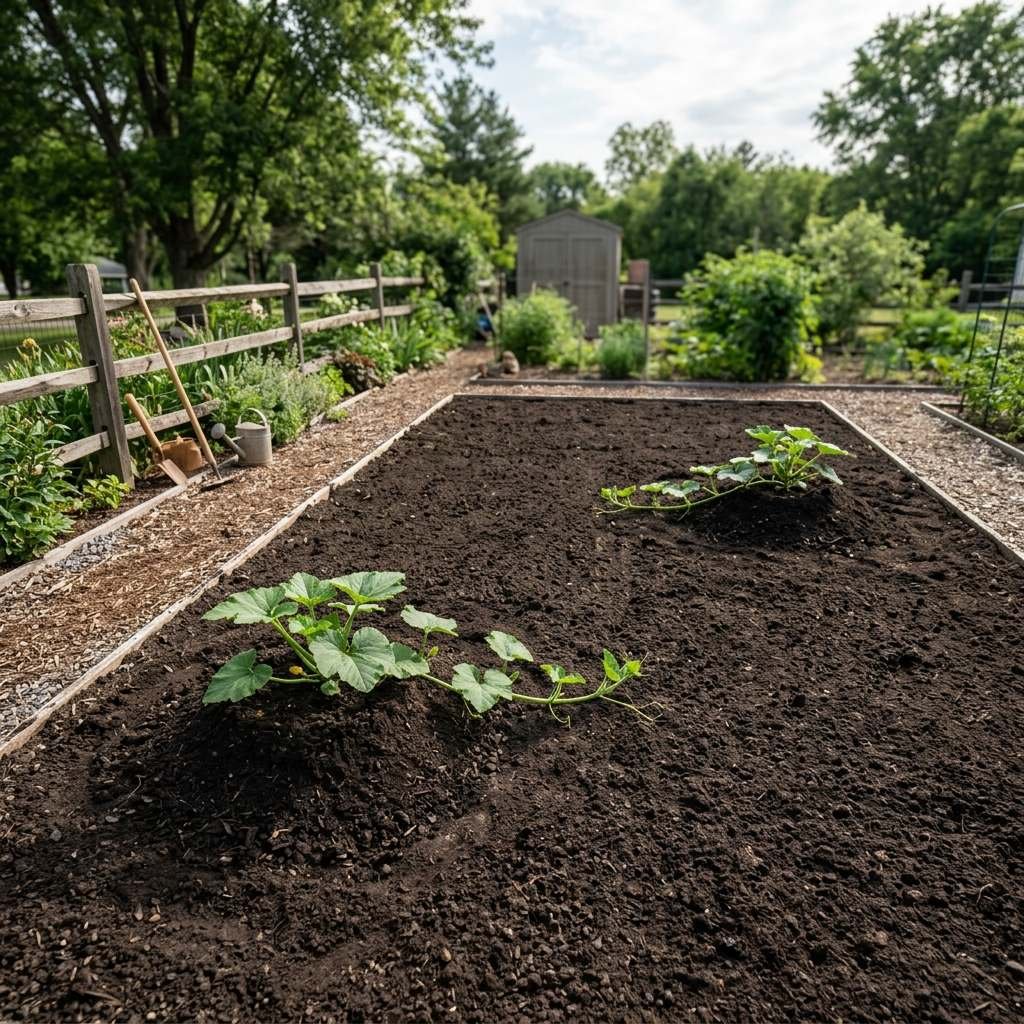
Underestimating spacing is one of the most common backyard pumpkin mistakes, since a young pumpkin seedling gives no visual hint of the 10-20 foot vine it will eventually produce. Standard vining varieties need 25-50 square feet per plant, typically spaced with hills 4-6 feet apart in rows 8-10 feet apart to accommodate the sprawl. Giant varieties need considerably more, often 400-1,000 square feet per plant when growing for maximum size. Bush varieties are the exception, needing only about 16 square feet (a 4×4 foot area) per plant, making them the practical choice for anyone without a dedicated large plot. Vertical training on a heavy-duty trellis works for smaller-fruited varieties (under 5 pounds) using slings made from old pantyhose or mesh bags to support the developing fruit, effectively cutting the footprint by more than half.
Key takeaway: Match your variety’s mature vine spread, not the seedling’s current size, to the space you actually have before committing to a planting layout.
Water Deeply and Consistently, Especially During Fruit Set
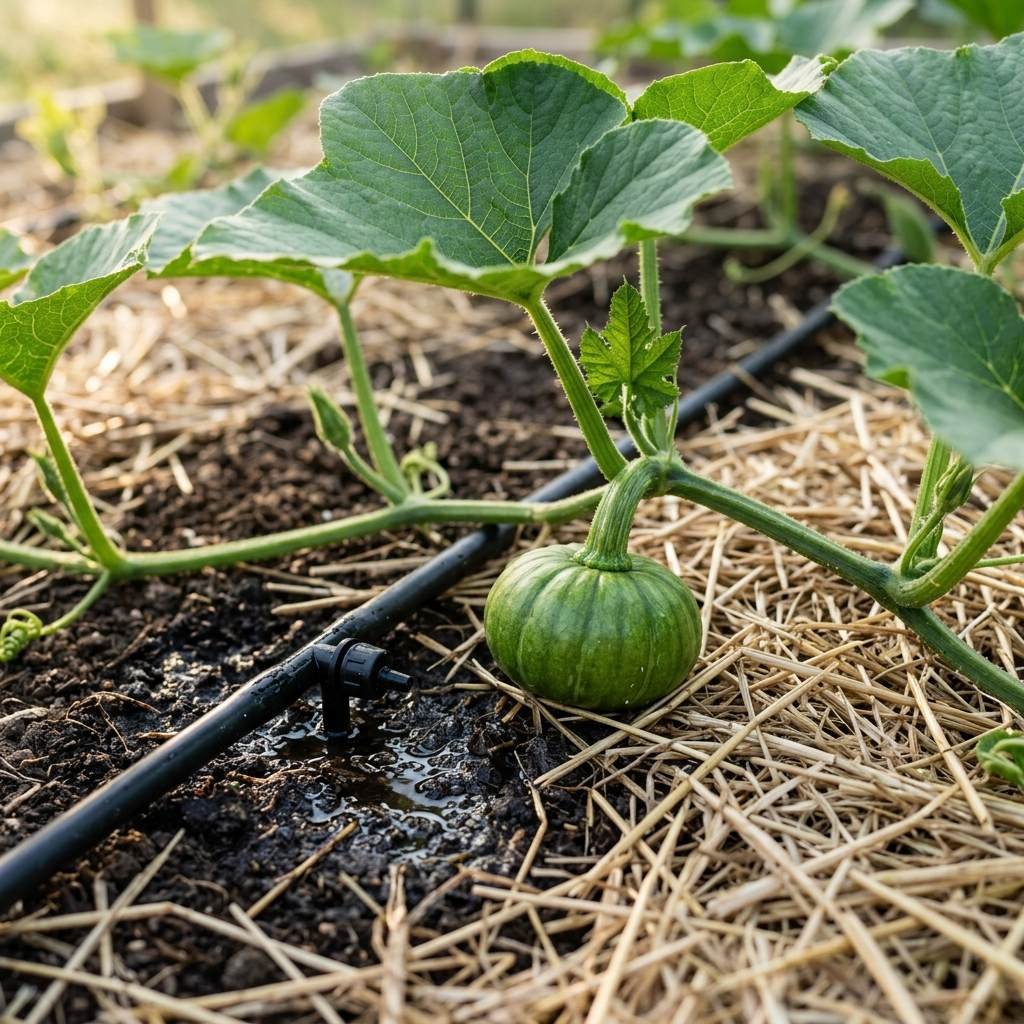
Pumpkins need approximately 1-1.5 inches of water per week, delivered deeply and infrequently rather than in frequent shallow doses, to encourage the deep root system that supports both vine growth and fruit development. Water stress during the flowering and early fruit-set stage (typically 45-60 days after planting) is the most common cause of blossom drop and small, underdeveloped fruit, so this is the period to be most vigilant about consistent moisture. Drip irrigation or soaker hoses are strongly preferred over overhead sprinklers, since wetting the foliage promotes powdery mildew, one of the most common pumpkin diseases in humid climates. Once fruits reach full size and begin to turn their mature color, reducing water slightly actually helps concentrate sugars and firm up the rind for better storage.
Hand-Pollinate for Reliable Fruit Set
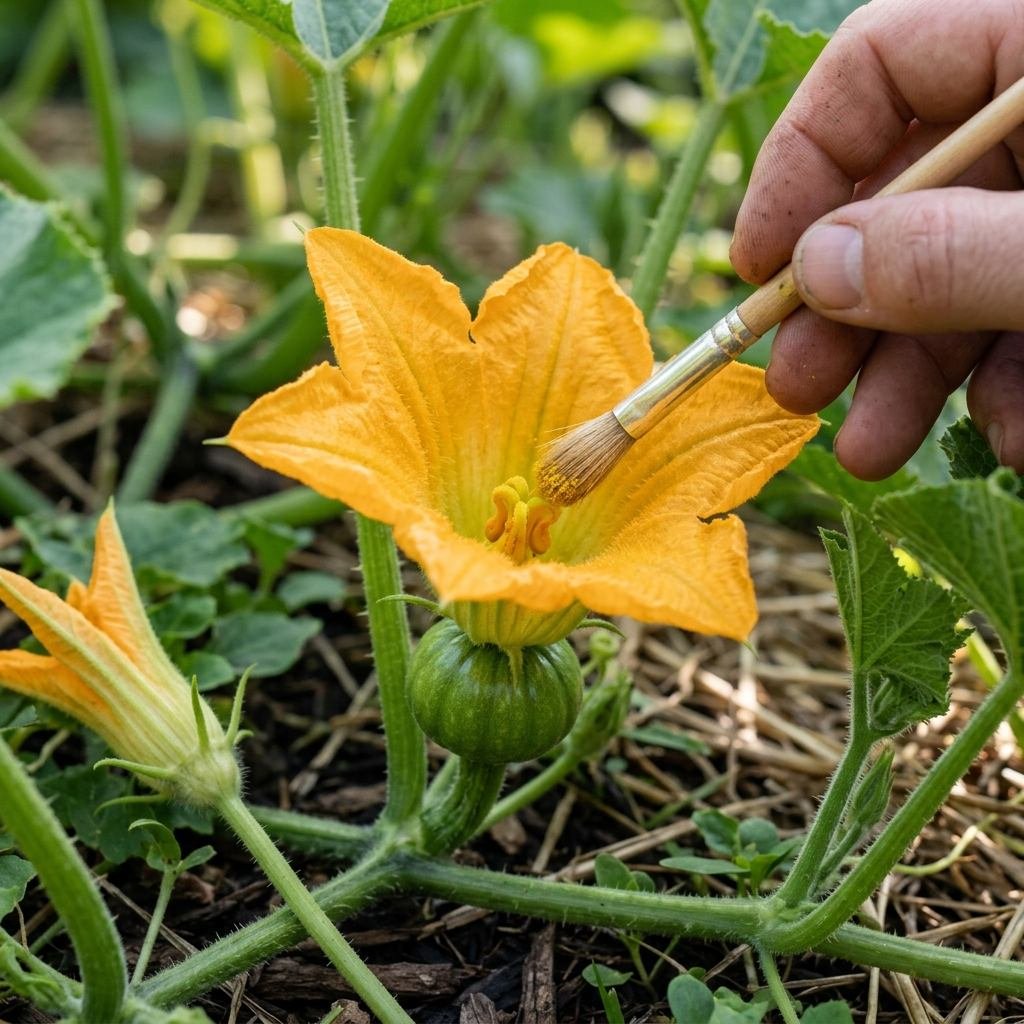
Pumpkins produce separate male and female flowers on the same vine, and female flowers (identifiable by the small bulb, a miniature pumpkin, at the base of the bloom) require pollen transfer from a male flower, typically via bees, to set fruit. In gardens with low pollinator activity, or during cool, rainy stretches when bees are less active, hand-pollinating with a small paintbrush, transferring pollen from a freshly opened male flower to the center of a female flower in the early morning, dramatically improves fruit set reliability. This takes only a few minutes every couple of days during peak bloom and is worth doing even in gardens with decent bee activity, since pumpkin flowers are only receptive for a single morning before closing permanently.
Manage Common Pests and Diseases Proactively
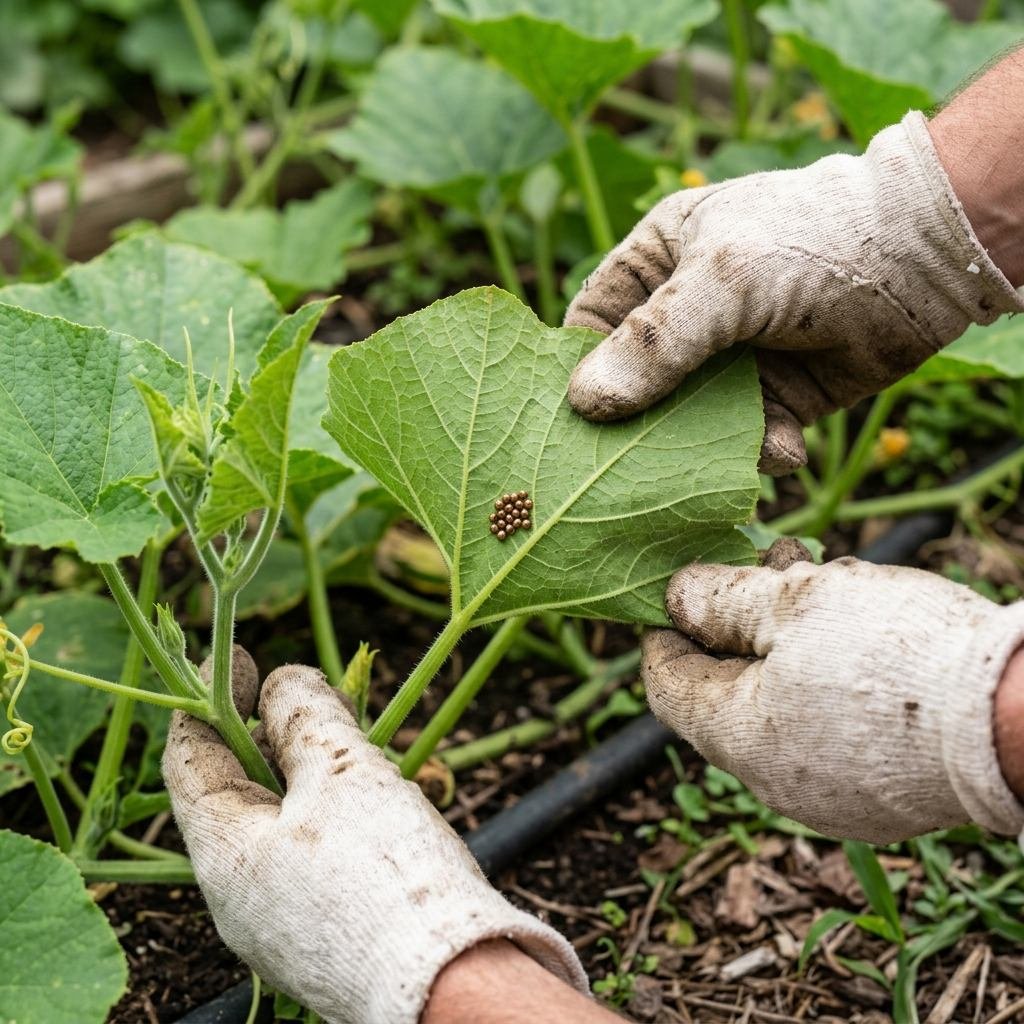
Squash vine borers, squash bugs, and powdery mildew are the three most damaging pumpkin problems in most backyard gardens, and prevention is considerably more effective than treatment after the fact. Squash vine borers lay eggs at the base of the stem in early summer; wrapping the base of young vines in foil or floating row cover until flowering begins prevents the moth from laying eggs there in the first place. Squash bugs cluster and lay bronze egg clusters on the undersides of leaves, easily crushed by hand if checked weekly starting in early summer. Powdery mildew, the white powdery coating that appears on leaves in late summer, is largely a function of humidity and poor airflow; spacing plants properly and watering at the soil line rather than overhead reduces its severity considerably, and a diluted milk spray (1 part milk to 9 parts water, applied weekly) has shown real effectiveness as a preventive treatment in university trials.
Comparing Pumpkin Variety Categories
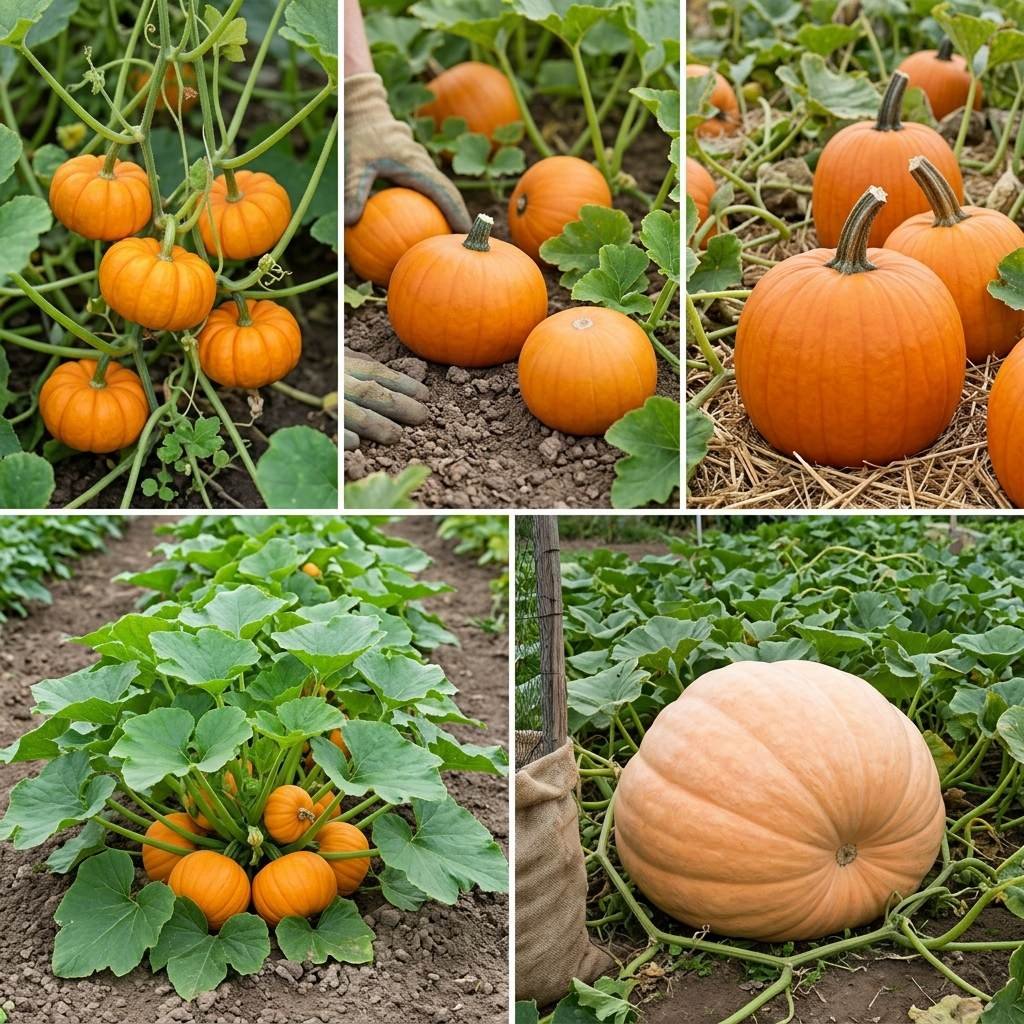
| Variety Type | Days to Maturity | Space Needed | Typical Weight |
|---|---|---|---|
| Mini pumpkins | 85-100 days | 15-20 sq ft | 1-2 lbs |
| Pie pumpkins | 95-105 days | 20-30 sq ft | 4-8 lbs |
| Carving pumpkins | 100-115 days | 25-50 sq ft | 15-25 lbs |
| Bush varieties | 90-100 days | 16 sq ft | 4-10 lbs |
| Giant/competition | 120-140 days | 400-1,000 sq ft | 100-300+ lbs |
Harvest at the Right Time and Cure Properly
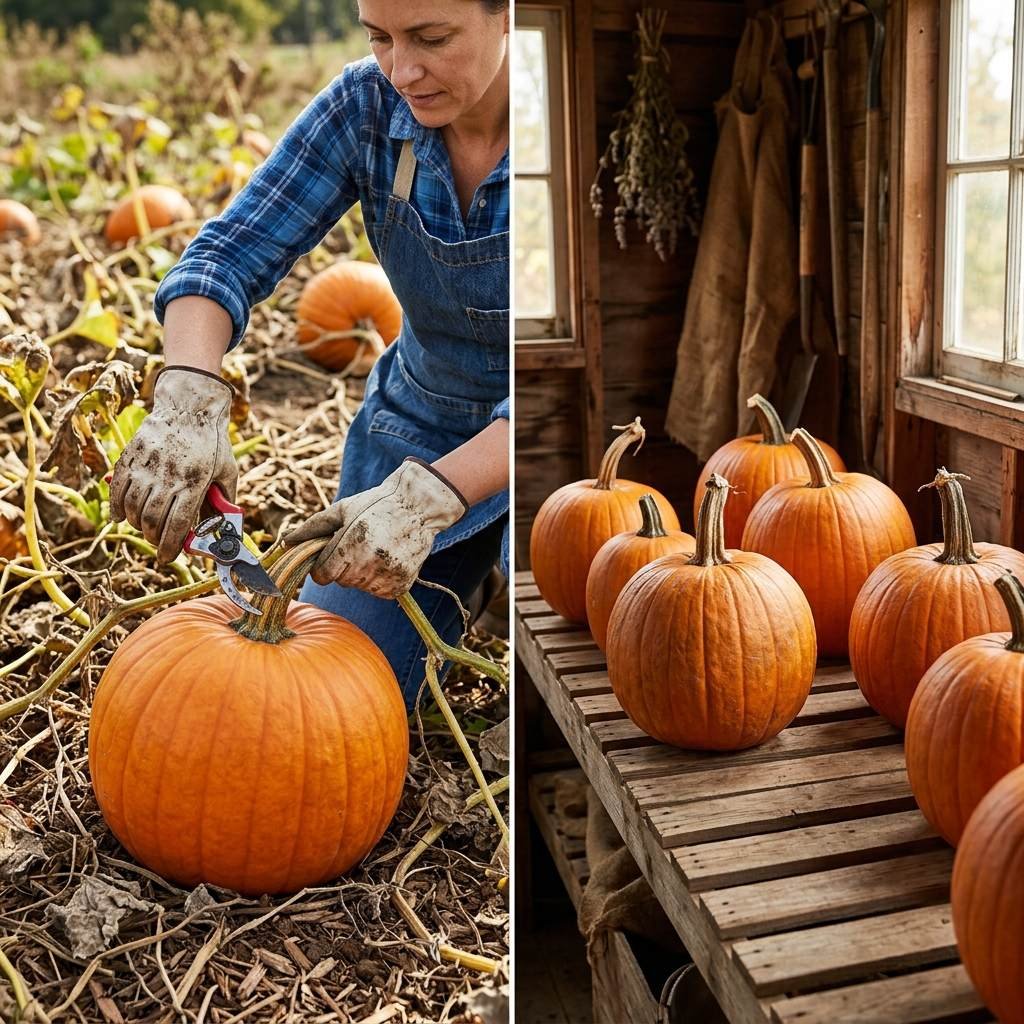
Harvest pumpkins once they’ve reached full, deep color for the variety and the rind resists puncture from a fingernail; a hollow sound when thumped is another reliable indicator of maturity. Cut the stem with pruning shears rather than snapping it, leaving 3-4 inches of stem attached, since a broken or missing stem creates an entry point for rot that can spread into the fruit within days. Curing harvested pumpkins in a warm, dry spot (75-80°F) for 10 days hardens the skin further and heals any minor cuts, substantially extending storage life to 2-3 months in a cool, dry location afterward.
The Bottom Line
Backyard pumpkin success comes down to working backward from your target harvest date to find the right planting window, then matching variety choice to the space actually available rather than the space you wish you had. Heavy soil feeding, deep consistent watering during fruit set, and proactive pest monitoring for vine borers and squash bugs handle most of the problems that derail a pumpkin patch before harvest. Get those fundamentals right and even a small backyard bed can produce a respectable haul of pie or carving pumpkins by fall.
Frequently Asked Questions
When exactly should I plant pumpkins for a Halloween harvest?
Count back 100-120 days from October 31 depending on your variety, which typically lands planting in late June to early July for most of the US. Adjust earlier for giant varieties needing 130-140 days, or later for fast mini varieties needing only 85-90 days.
Can I grow pumpkins in a small backyard with limited space?
Yes, bush varieties like ‘Small Sugar’ or ‘Wee-B-Little’ need only about 16 square feet per plant, and smaller-fruited vining varieties can be trained vertically on a sturdy trellis with fruit slings to cut the footprint further. Giant varieties are not realistic for small spaces regardless of technique.
Why are my pumpkin plants flowering but not setting fruit?
This is almost always a pollination issue, either low bee activity or a mismatch in timing between male and female flower openings. Hand-pollinating female flowers each morning with a paintbrush resolves this reliably within a week or two.
How much water do pumpkin plants need per week?
Pumpkins need 1-1.5 inches of water weekly, applied deeply via drip irrigation or soaker hose rather than overhead watering, which promotes fungal disease on the leaves. Increase attention to consistent watering specifically during the flowering and early fruit-set period.
What causes pumpkins to rot on the vine before they finish ripening?
Excess moisture against the fruit’s skin, poor drainage, and contact with wet soil are the most common causes; placing a piece of cardboard or straw under developing pumpkins prevents direct soil contact and significantly reduces rot risk. Overwatering late in the season also contributes to rot in nearly mature fruit.
How long do harvested pumpkins actually last in storage?
Properly cured pumpkins (10 days at 75-80°F after harvest) stored in a cool, dry location around 50-55°F typically last 2-3 months, sometimes longer for thick-skinned varieties. Pumpkins with cut or missing stems, or those harvested before full maturity, deteriorate much faster, often within just a few weeks.