
How to Use Garden Backgrounds to Make Your Yard Look Stunning

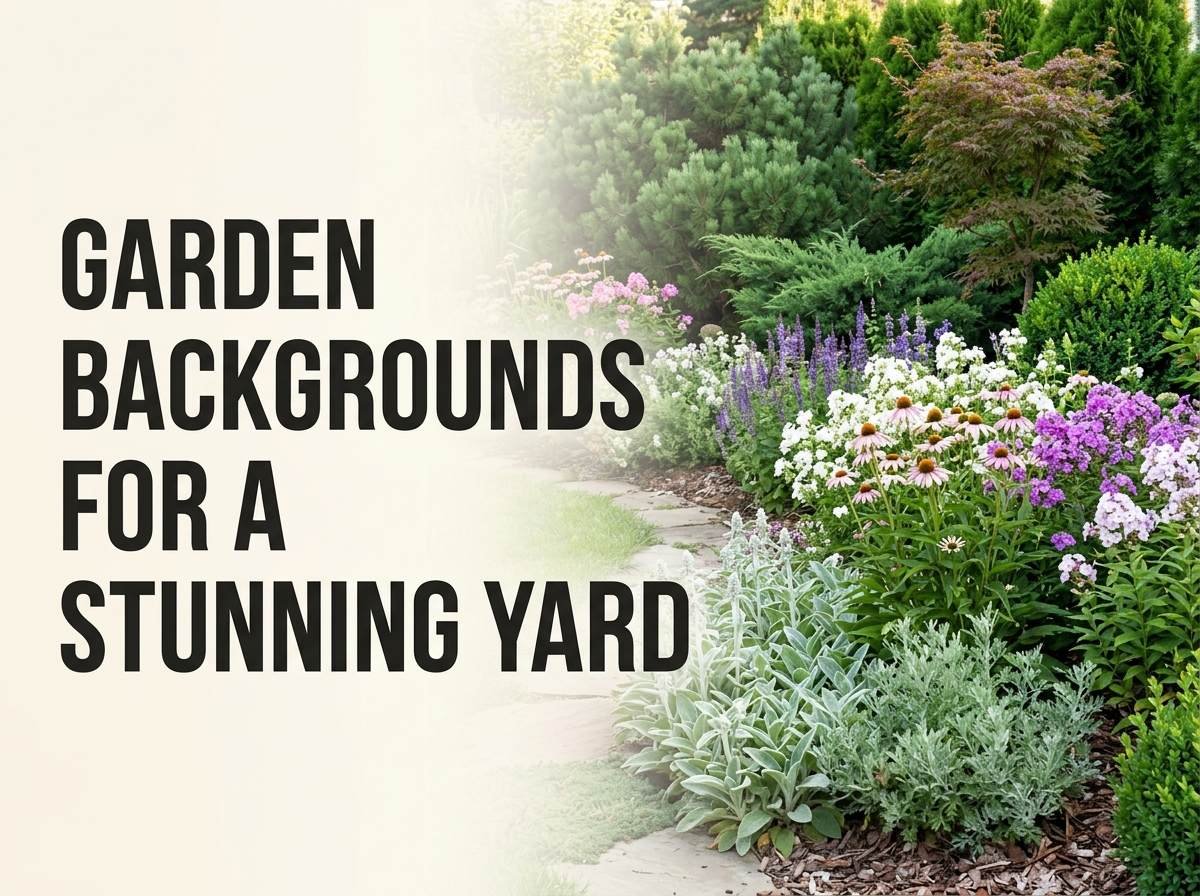
A garden background, in landscape design terms, is a living backdrop layer of trees, shrubs, or tall plantings positioned behind your main flower beds or focal points, and it’s one of the most underused tools for making an ordinary yard look professionally designed. Without a defined background layer, flower beds tend to read as isolated splashes of color floating against a fence, a neighbor’s house, or bare sky, while a deliberate backdrop of layered greenery gives those same flowers depth, contrast, and a sense of enclosure that instantly elevates the whole space. This is a structural landscaping decision, built with permanent or semi-permanent plantings, not a one-season fix.
Understand Why Backgrounds Transform a Yard’s Appearance
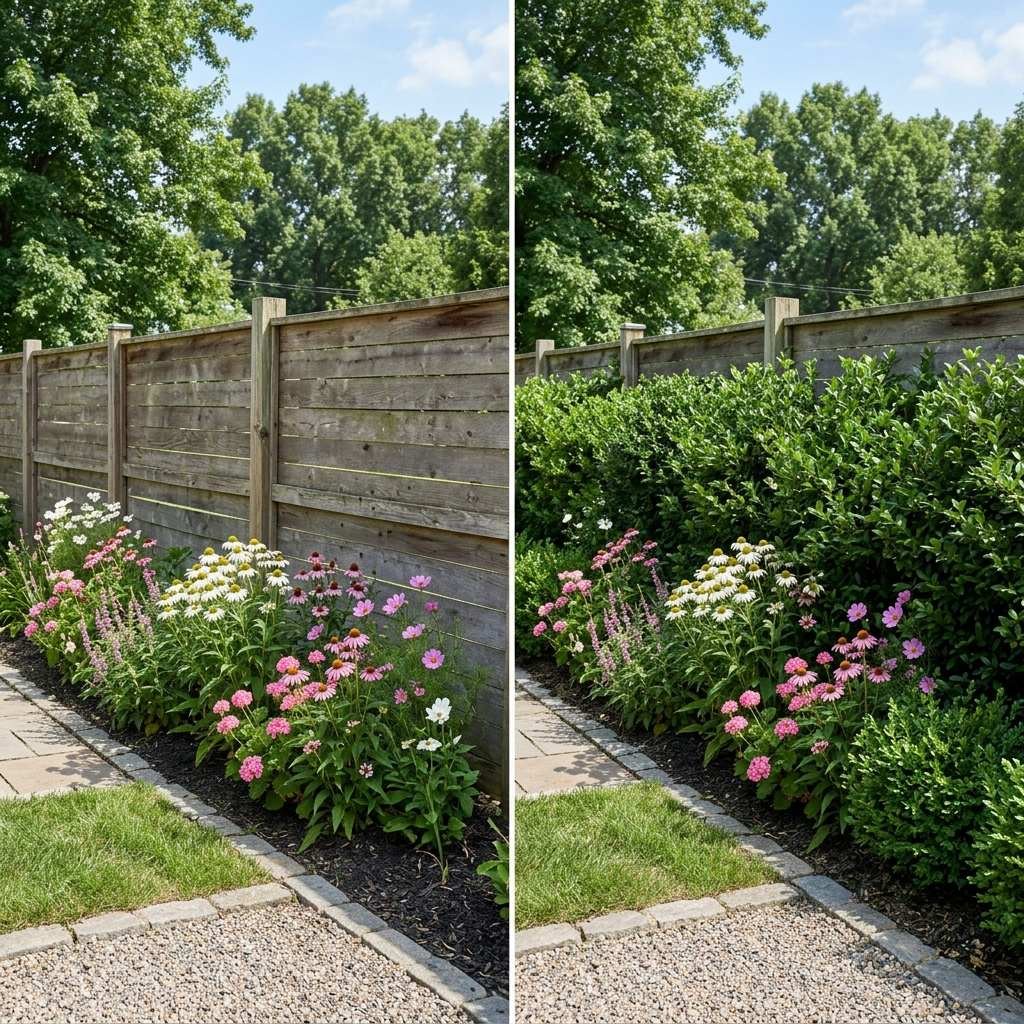
Most unstyled yards have flower beds bordered directly by a fence, a bare wall, or open lawn, and this lack of a transitional layer is why even a well-chosen selection of flowers can look flat or disconnected rather than cohesive. Professional landscape designers almost universally build in three layers, background (tall shrubs or trees), midground (medium perennials and flowering shrubs), and foreground (low borders, groundcover, or edging plants), because this layering mimics how plants actually grow in nature and creates the sense of depth the human eye reads as “designed” rather than “planted at random.” Adding even a single background layer, a run of medium-height shrubs along a fence line, gives every flower bed in front of it a defined edge and a contrasting texture to be seen against, which is often the single biggest visual upgrade available to a yard that otherwise already has decent plants.
Key takeaway: A missing background layer, not a lack of pretty flowers, is usually the real reason a yard reads as unfinished rather than designed.
Choose Dark or Textured Foliage for Maximum Contrast
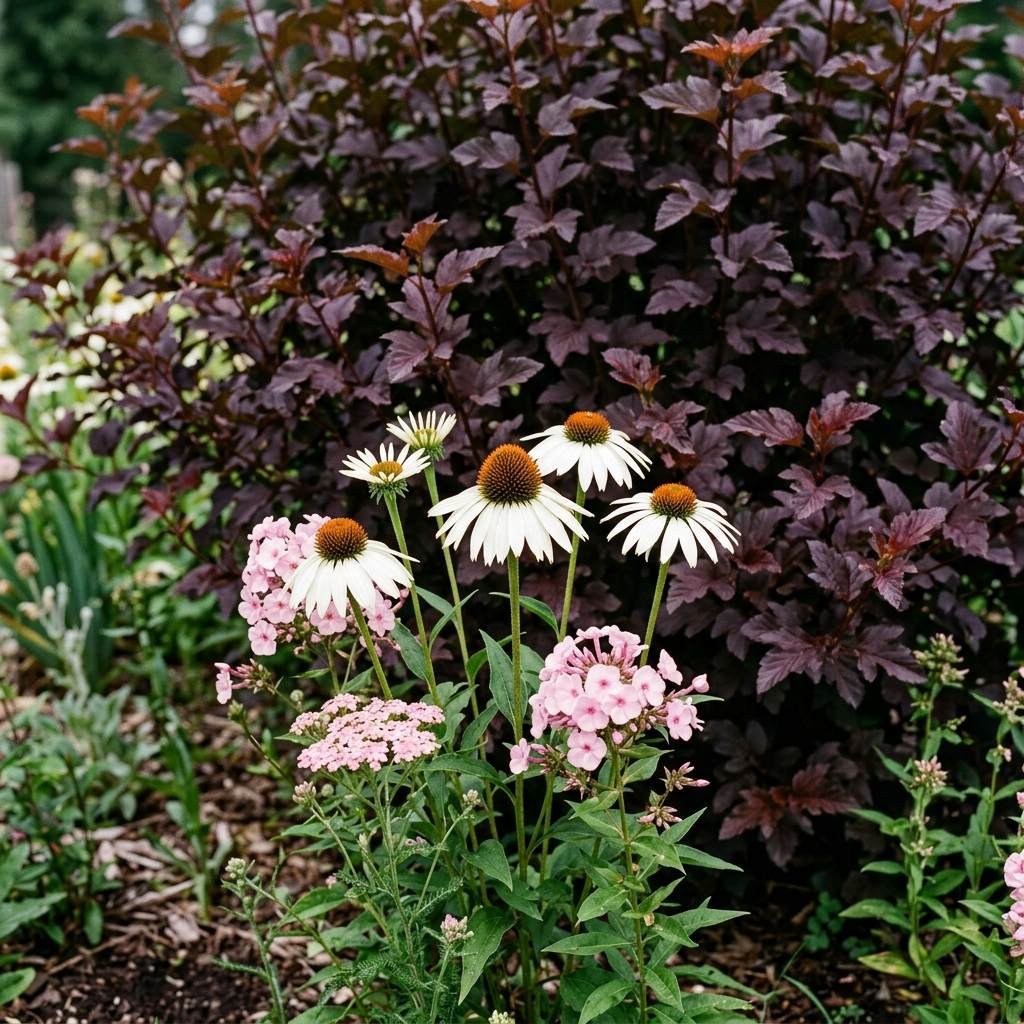
Background plants with dark green, deep burgundy, or matte foliage make foreground flower colors read as significantly more vivid through simple color contrast, the same principle a photographer uses when choosing a background for a portrait. Dark-leaved shrubs like ninebark ‘Diabolo’ (deep burgundy-purple foliage) or dark boxwood create a backdrop against which white, pink, yellow, and orange flowers appear to glow rather than blend in, while a plain green hedge, though still effective, provides less dramatic contrast than a darker option. Textured backgrounds, ornamental grasses that catch and move in wind, or a hedge with small, dense leaves like boxwood versus large, glossy leaves like rhododendron, add a second layer of visual interest beyond just color, giving the eye more to register even when nothing is in bloom in front of it.
Key takeaway: Choosing a background plant one or two shades darker than typical garden green measurably increases how vivid the flowers planted in front of it appear.
Build an Evergreen Backbone for Year-Round Structure
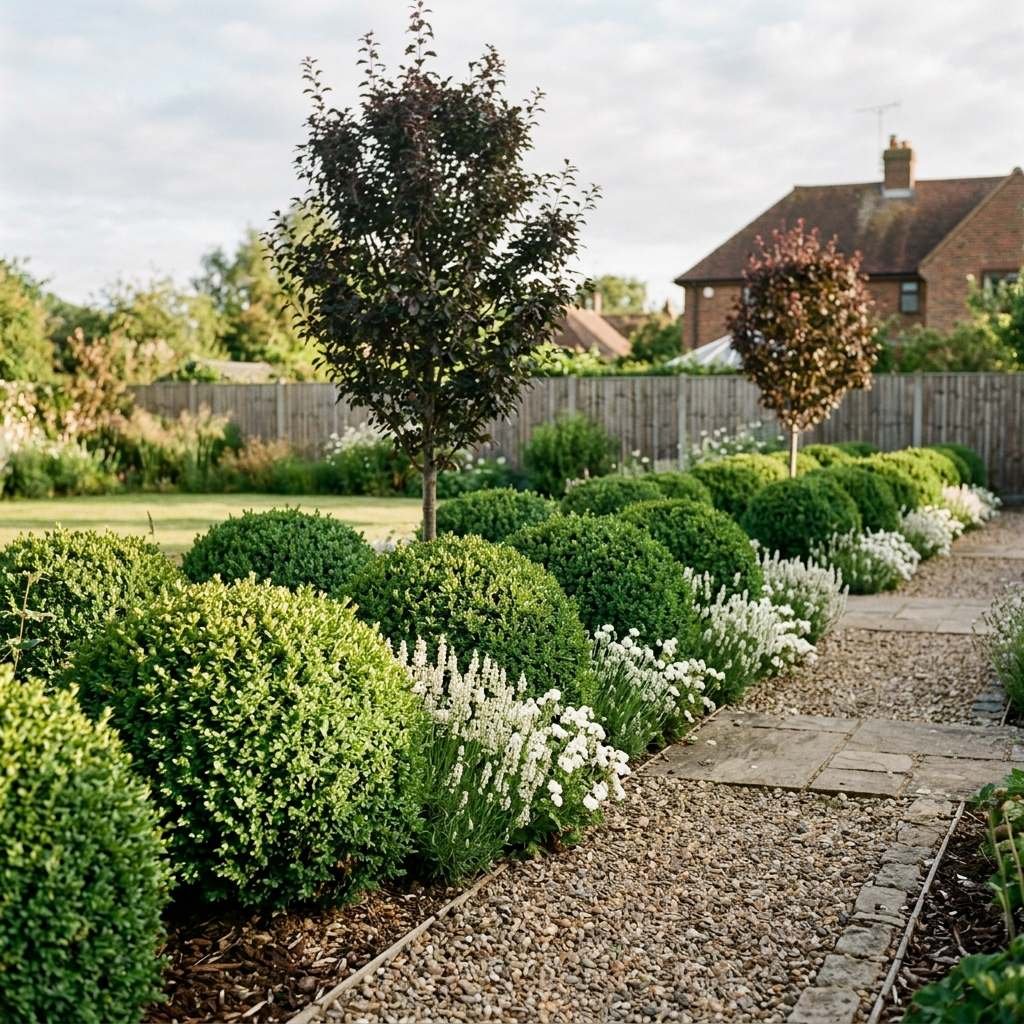
A background composed entirely of deciduous plants disappears in winter, leaving the same bare-fence problem the background was meant to solve for three to five months of the year, which is why professional designs typically anchor at least 60-70% of the background layer with evergreen material (boxwood, holly, arborvitae, or dwarf conifers) and use deciduous flowering shrubs as accents within that evergreen structure rather than as the entire backdrop. This evergreen backbone is what makes a yard look “designed” even in the dead of winter when nothing is blooming, since the layered shape and structure remain visible regardless of season. Arborvitae varieties like ‘Emerald Green’ or ‘Green Giant’ work well as a taller privacy-style background (10-20 feet depending on variety and years grown), while boxwood and dwarf holly suit a shorter, more formal background in the 3-5 foot range appropriate for framing a perennial border.
Key takeaway: Build the majority of a background layer from evergreen plants so the “designed” structure of the yard survives winter, using deciduous flowering shrubs only as seasonal accents.
Repeat Background Elements to Create Visual Rhythm
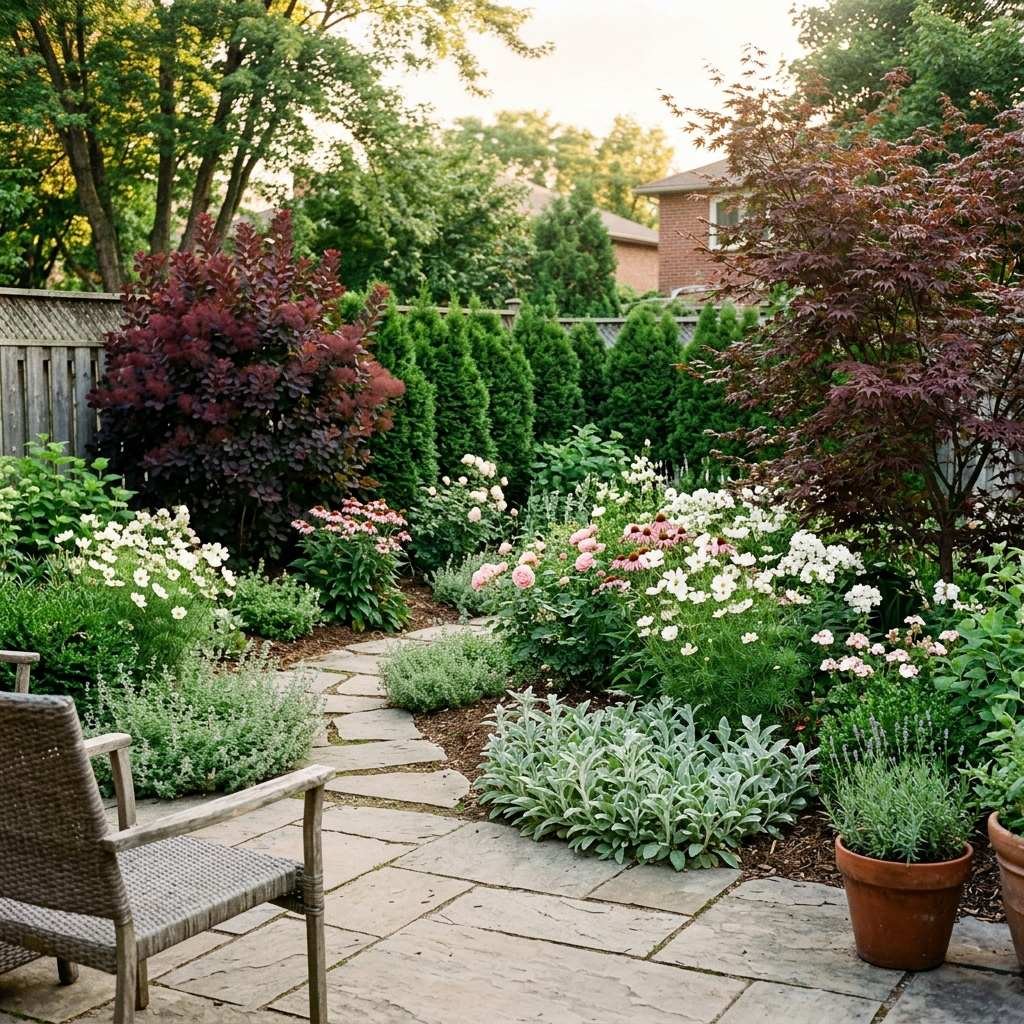
One of the clearest signals of intentional, professional landscape design is repetition, planting the same background shrub or small tree at regular intervals along a bed rather than using a different plant in every spot, since repetition creates a visual rhythm the eye follows naturally down the length of a border. A background row alternating three or four different shrub species randomly reads as chaotic no matter how nice each individual plant is, while the same number of plants using just one or two repeated species reads as calm and deliberate. This doesn’t mean total uniformity is required, using one dominant repeated shrub (say, a boxwood every 4 feet) punctuated by an occasional taller accent tree at a wider interval (every 12-15 feet) achieves both rhythm and enough variation to avoid monotony.
Key takeaway: Repeating one or two background plants at regular intervals reads as far more intentional and professional than using a different plant in every gap.
Layer Heights to Create Depth From Any Viewing Angle
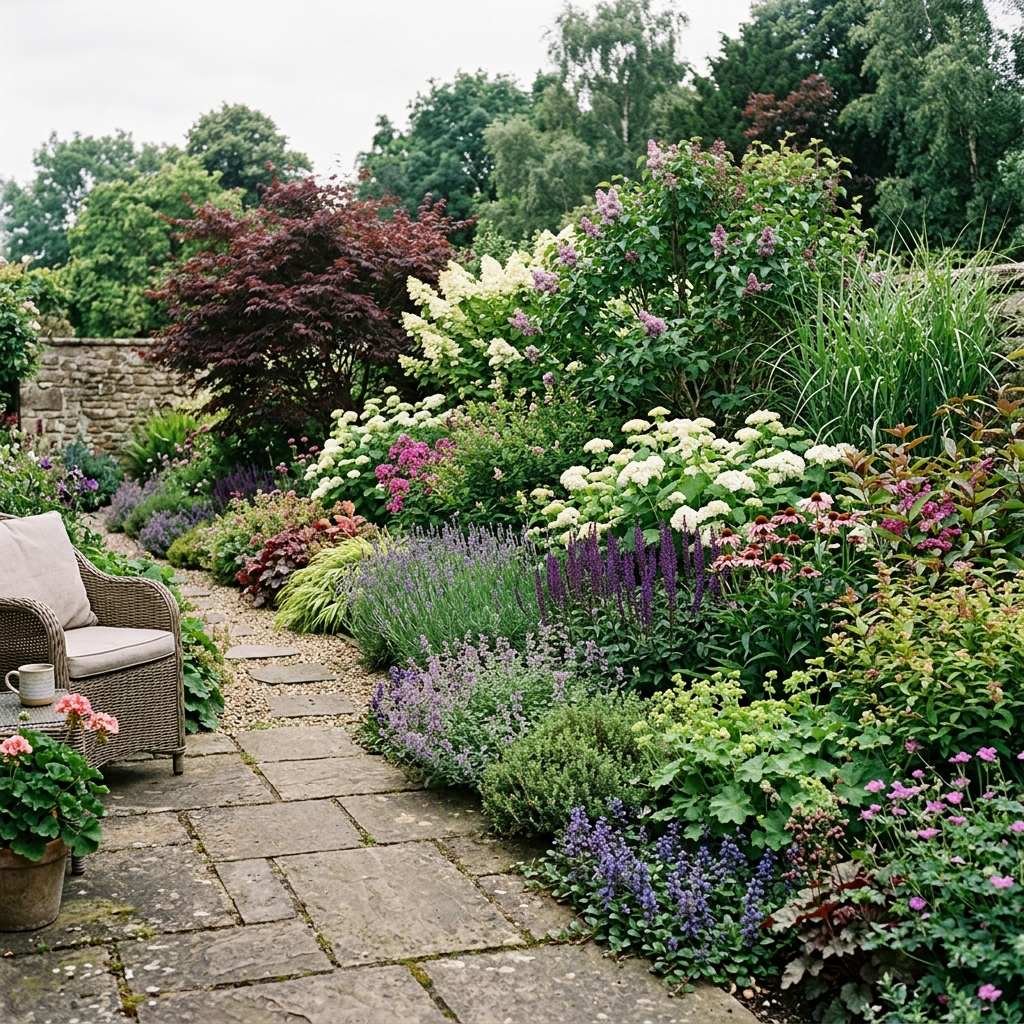
A truly effective garden background isn’t a single flat wall of uniform-height plants, it’s a graduated series of heights, tallest at the very back, stepping down through medium shrubs, to the shortest perennials and edging plants at the front, since this stepped profile is what actually creates the illusion of depth when viewed from a patio, window, or path. As a working guide, background trees or tall shrubs in the 8-15 foot range, midground shrubs in the 3-6 foot range, and foreground perennials and groundcover under 18 inches gives a border real dimensionality rather than the flat, single-plane look of same-height plantings. This layering also solves a practical problem: taller background plants shade and protect midground and foreground plants from harsh afternoon sun or wind in exposed yards, functioning as passive garden infrastructure in addition to their visual role.
Use Color-Blocking for a Bold, Modern Background Effect
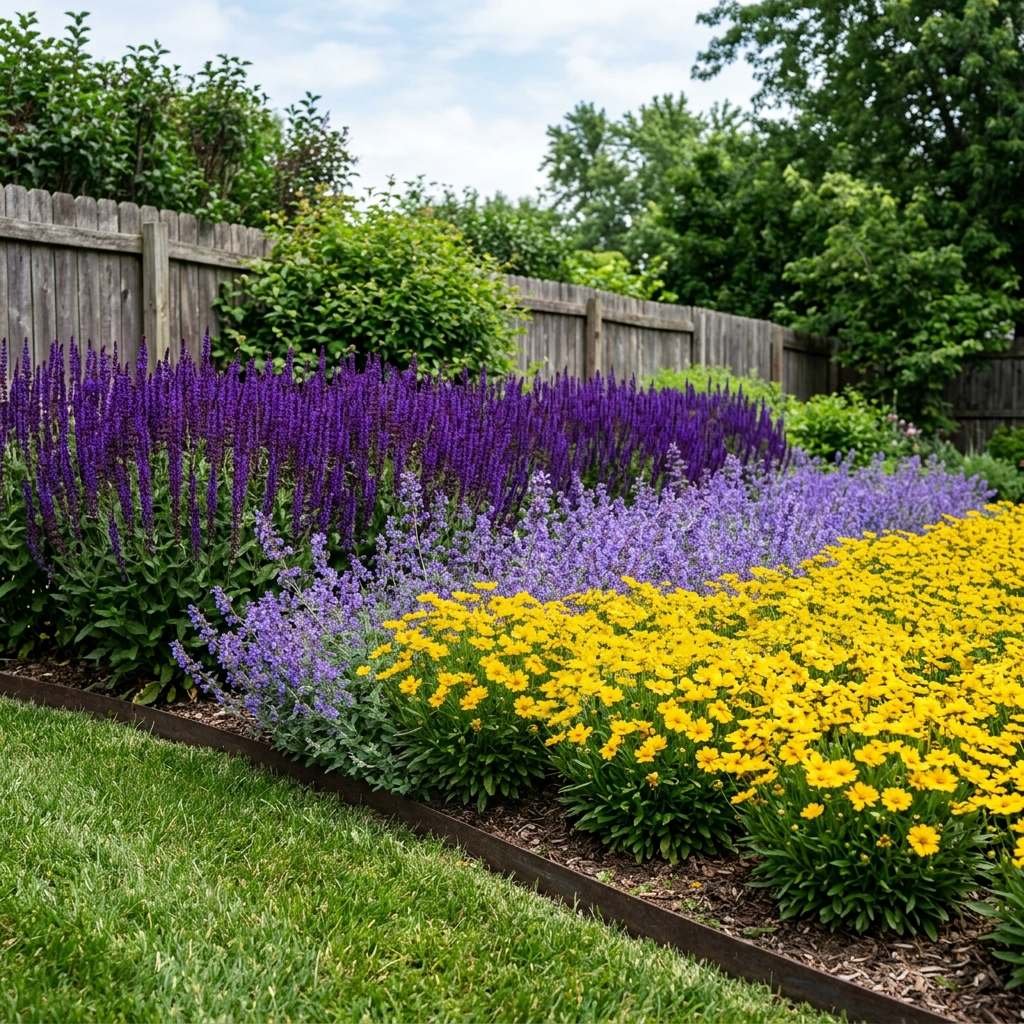
Rather than mixing many different flower and foliage colors together in a background planting, color-blocking, using large masses of a single color or a tight two-to-three color palette across the entire background section, creates a bold, contemporary look that reads clearly even from a distance across the yard. A background block of all-purple salvia and catmint behind a bed of yellow coreopsis and black-eyed Susan, for instance, creates strong, legible contrast that a scattered mixed-color background would blur into visual noise. This technique works particularly well for larger background sections (10+ feet) where the mass of a single color has room to actually register as a deliberate block rather than getting lost among neighboring plants.
Consider Sound and Movement as Background Elements
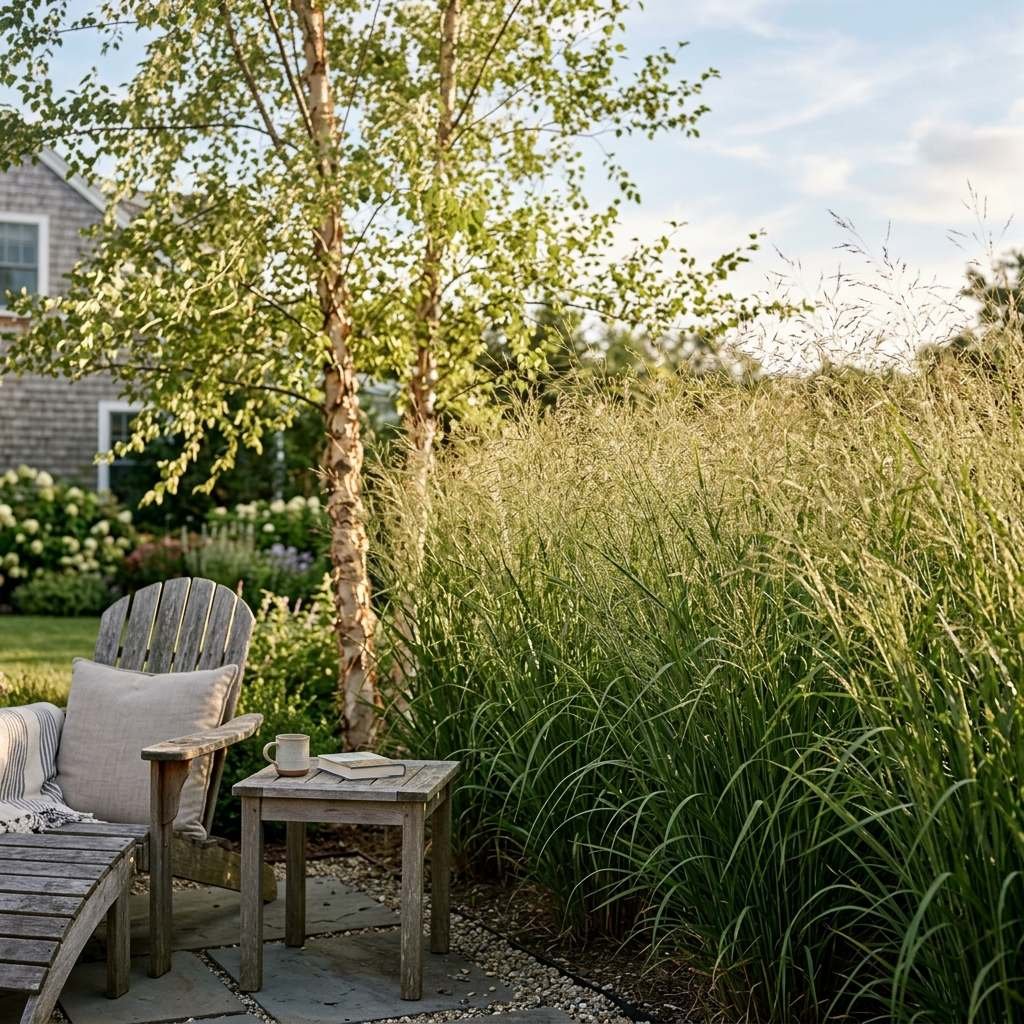
Background plantings don’t only work visually, tall ornamental grasses (like miscanthus or switchgrass) and small trees with light, rustling foliage (like quaking aspen or certain birch varieties) add a sensory dimension through movement and sound that static shrubs can’t replicate, and this sensory layer contributes meaningfully to how “alive” and dynamic a yard feels even in still photographs or quick daily glances out a window. Positioning these movement-oriented plants where they’ll catch prevailing wind patterns, often along the more open side of a yard, maximizes this effect.
Comparing Background Plant Categories
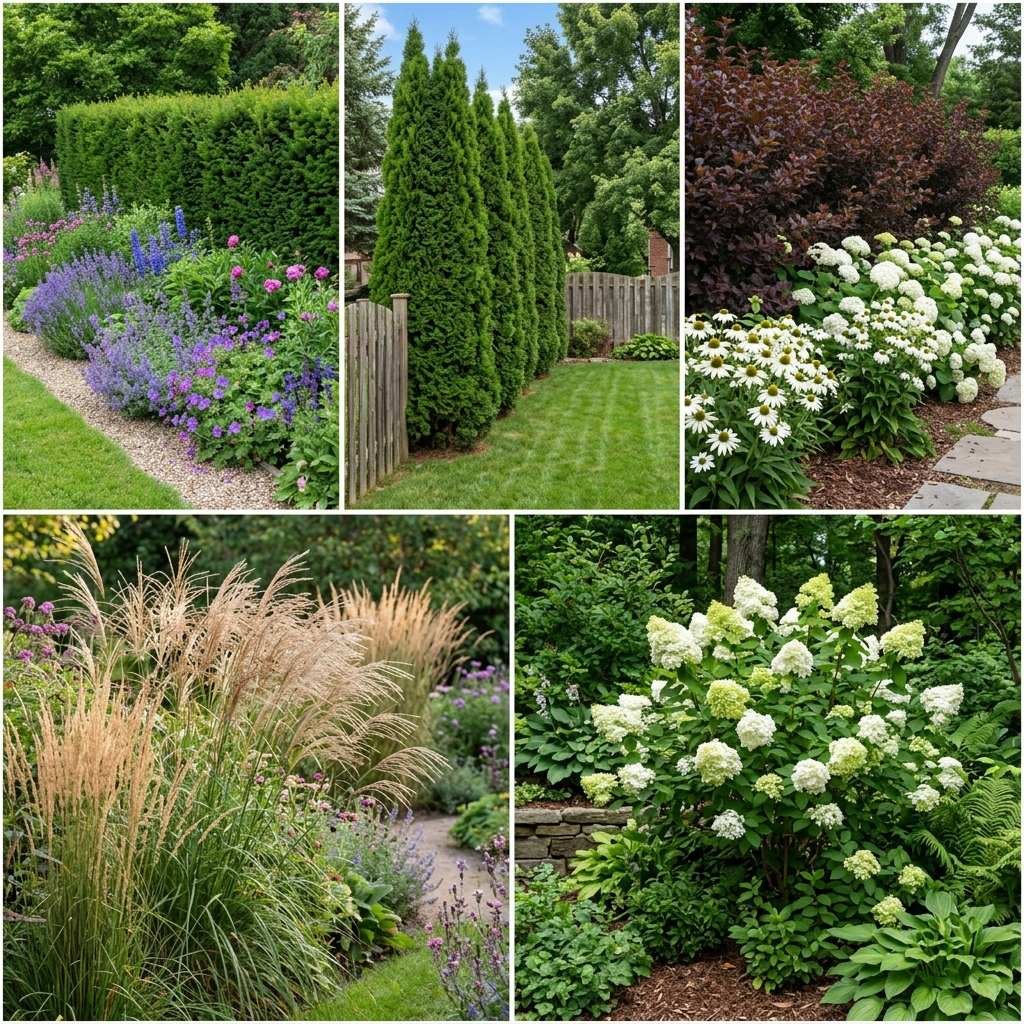
| Background Type | Height Range | Season of Interest | Best Use |
|---|---|---|---|
| Evergreen shrub hedge (boxwood, holly) | 3-6 ft | Year-round | Formal border framing |
| Tall evergreen screen (arborvitae) | 10-20 ft | Year-round | Privacy + backdrop combined |
| Dark-leaved deciduous shrub (ninebark) | 4-8 ft | Spring-fall | High-contrast flower backdrop |
| Ornamental grasses | 3-6 ft | Summer-winter (dries attractively) | Movement, texture, fall/winter interest |
| Flowering background shrub (hydrangea, lilac) | 4-8 ft | Seasonal bloom + green backdrop off-season | Accent within an evergreen structure |
The Bottom Line
A stunning-looking yard is rarely about having rarer or more expensive flowers, it’s about giving those flowers a deliberate living background to be seen against, built from layered heights, evergreen structure, repeated rhythm, and thoughtful contrast in color and texture. This is a landscaping investment that pays off over years as shrubs and trees mature and fill in, unlike seasonal flower displays that reset annually. Start with even one background layer, a repeated hedge or shrub row behind your best existing flower bed, and the improvement in how the whole space reads is usually immediate and dramatic.
Frequently Asked Questions
What’s the difference between a garden background and just a privacy hedge?
A privacy hedge is planted primarily to block views and create screening, while a garden background is planted specifically to enhance the visual depth and contrast of the flower beds and focal points in front of it. In practice, many plants serve both roles at once, but the design intent and plant selection (contrast, layering, repetition) differ when the goal is specifically an aesthetic background.
How far should a background planting be from my main flower bed?
A gap of 2-4 feet between the background layer and the midground planting usually works well, giving both layers room to reach mature size without competing directly for light and root space. Adjust based on the mature width of your specific background plants to avoid overcrowding as they grow.
Can I create an effective garden background using only flowering shrubs, without evergreens?
You can, but the background will lose its structure and visual interest for several months each winter in temperate climates, since deciduous shrubs go bare. Mixing in at least some evergreen material is strongly recommended if you want the “designed” look to hold up year-round.
How long does it take for a new background planting to look full and mature?
Most shrubs used for backgrounds take 3-5 years to reach a reasonably full, mature appearance, while faster-growing options like certain arborvitae varieties can fill in within 2-3 years. Planting slightly closer than the absolute mature spacing recommendation (while still allowing eventual room to grow) speeds up the “filled in” look in the first couple of seasons.
Does a garden background work in a small backyard, or does it need a lot of space?
Yes, even a small backyard benefits from a background layer, using more compact shrub varieties (dwarf boxwood, compact ninebark cultivars) scaled to the space rather than the larger varieties suited to expansive yards. The layering principle (tall, medium, short) applies at any scale, just with correspondingly smaller plant choices.
What’s the fastest way to add a background layer to an already-established yard?
Adding a row of fast-growing shrubs or ornamental grasses along an existing fence line or bare wall behind current flower beds is the quickest way to retrofit a background into an established yard. Choosing plants already suited to your specific light and soil conditions avoids the setback of struggling or replacing plants that don’t thrive in the spot.