
How to Build a Living Wall (Vertical Garden)

Water genuinely flows downward through a living wall’s structure the way gravity dictates in any vertical growing system, meaning the top rows of plants genuinely dry out considerably faster than lower rows receiving both their own irrigation and residual moisture draining down from above, a real structural reality most first-time living wall builds fail to account for in their plant selection and watering system design.
Quick Answer
How Gravity Creates Moisture Zones
The Vertical Moisture Gradient
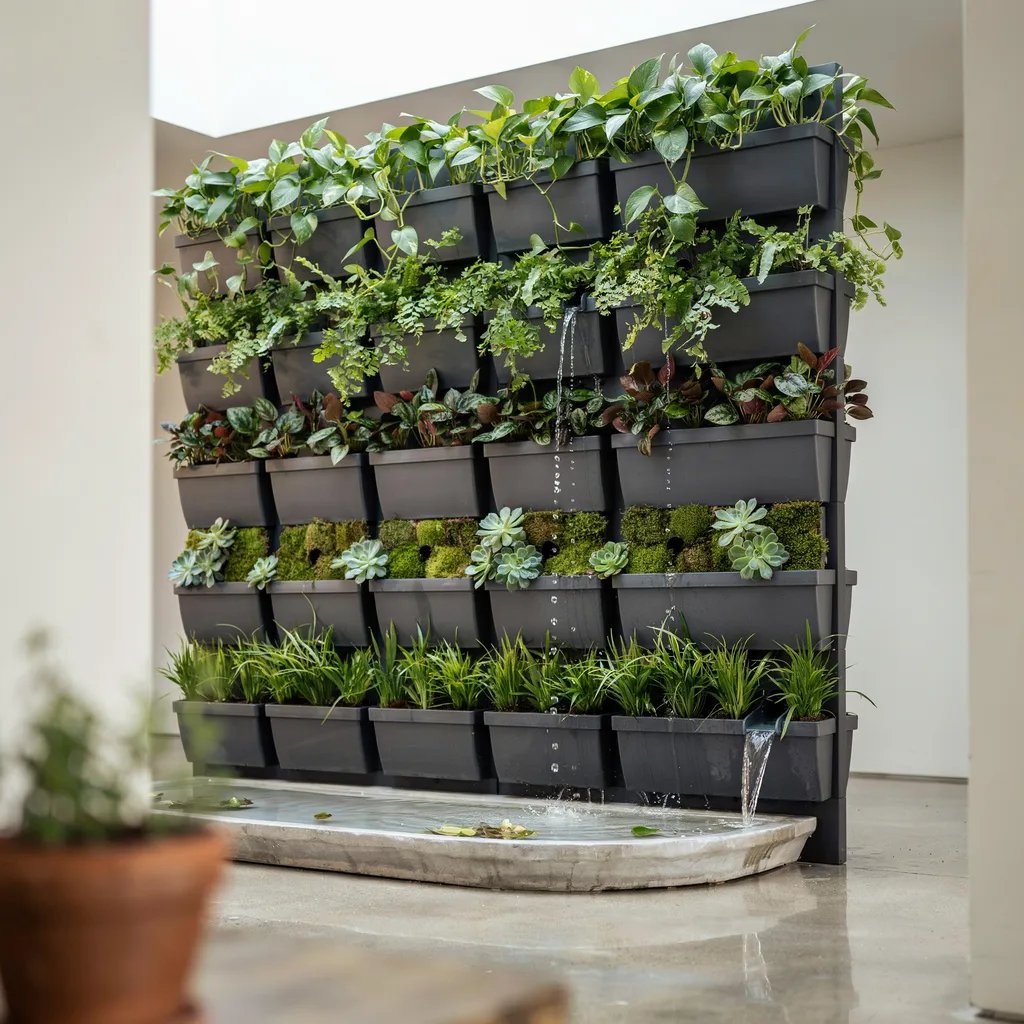
Why gravity-driven water flow genuinely creates different moisture zones within the same wall is that water applied at or near the top of a living wall structure genuinely drains downward through the system, meaning lower rows receive both their own direct irrigation and additional residual moisture from above, while top rows only receive their own direct watering without this same supplemental benefit, creating genuinely different effective moisture conditions across a structure that might appear uniform at first glance.
The vertical moisture gradient that most first-time builders genuinely overlook is that this moisture differential between top and bottom rows is a genuine, physical consequence of gravity acting on any vertical growing system, meaning it’s not simply a matter of imperfect irrigation system design but a fundamental structural reality that needs to be planned around through appropriate plant placement rather than something an irrigation system alone can fully equalize.
Understanding this genuine gravity-driven moisture gradient as a structural reality, not simply an irrigation flaw, explains why plant selection by row position matters as much as the irrigation system design itself for overall living wall success.
Drought-Tolerant Plants for the Top Rows
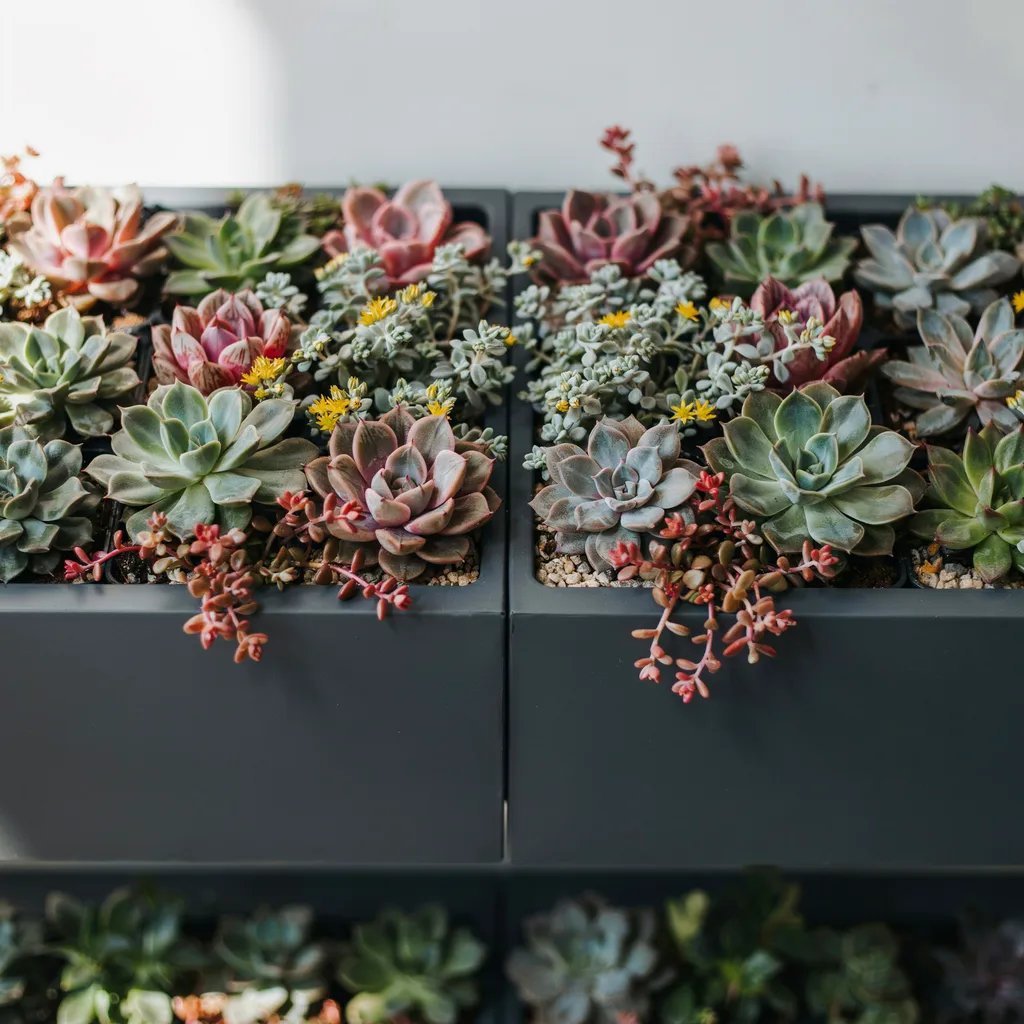
Placing genuinely drought-tolerant plants toward the top of the structure means specifically selecting plants with real drought tolerance for the upper rows, since these positions genuinely experience faster drying than lower rows, making drought-tolerant species considerably better suited to successfully handling this specific position’s actual moisture conditions.
Matching drought tolerance to vertical position genuinely addresses the gravity-driven moisture gradient at its source, making this placement strategy worth prioritizing over uniform plant selection that doesn’t account for this real structural moisture variation.
Placing Moisture-Loving Plants Toward the Bottom Where Residual Water Accumulates
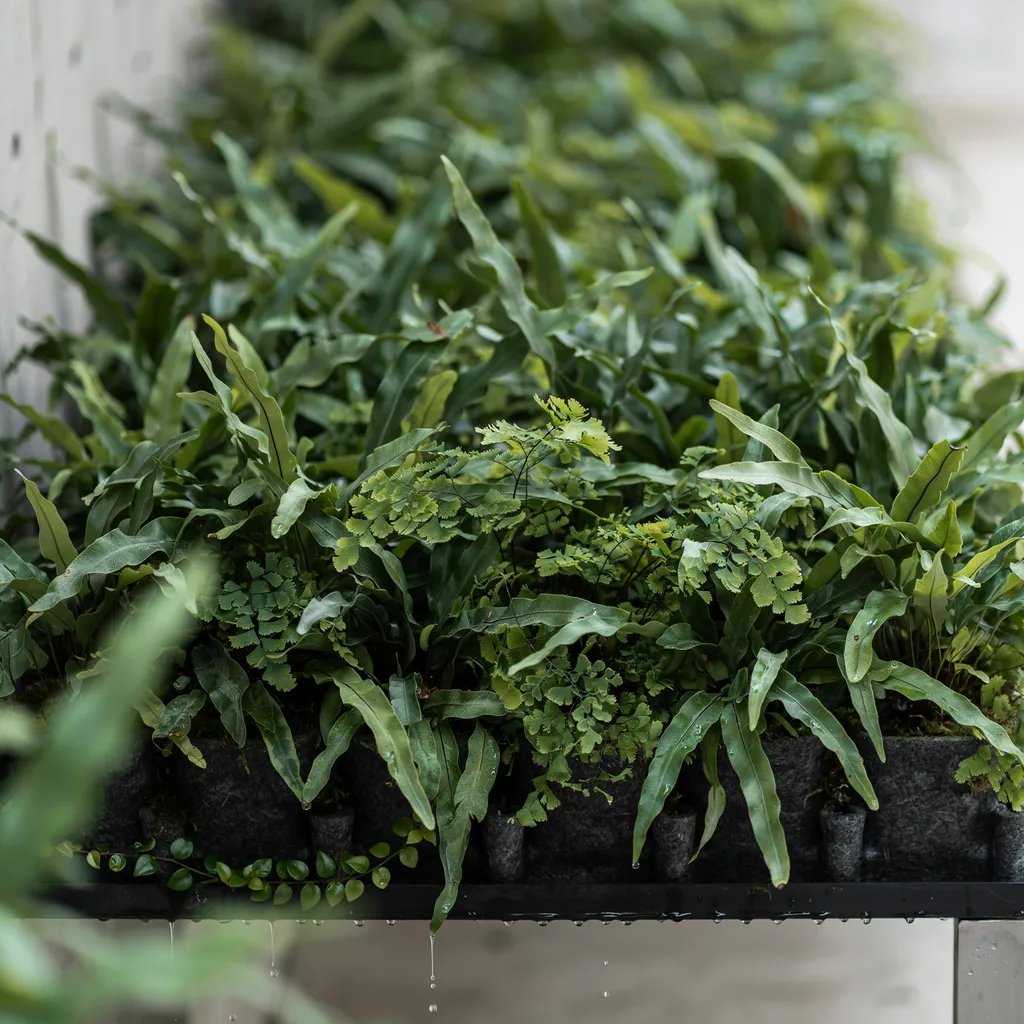
Placing moisture-loving plants toward the bottom where residual water accumulates means positioning plants with higher moisture needs in the lower rows, taking genuine advantage of the additional residual moisture these positions receive from water draining down through the structure from above.
This position-based moisture matching genuinely takes advantage of, rather than fights against, the structure’s inherent gravity-driven moisture pattern, making thoughtful row-by-row plant placement a real design strategy rather than an afterthought.
Choosing a Modular Panel System
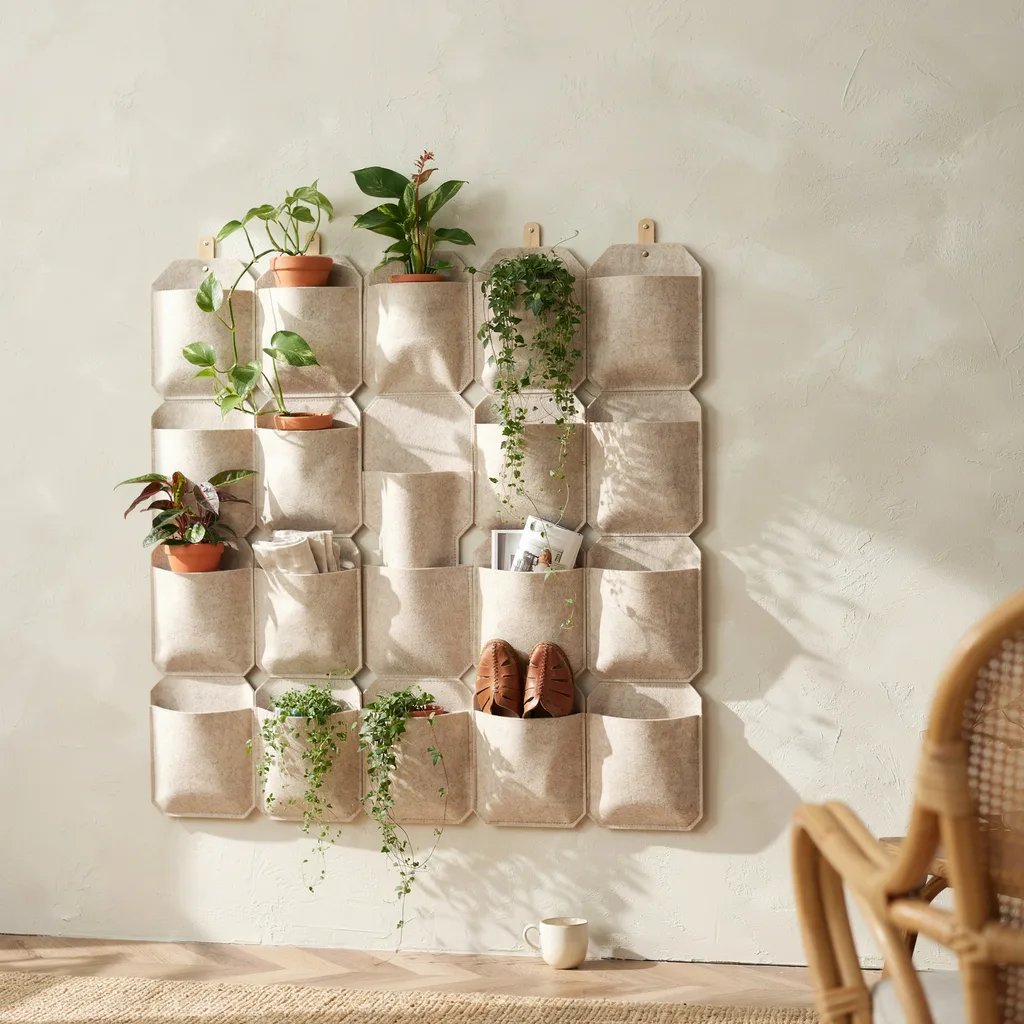
Choosing a modular panel or pocket system as the basic structural framework means selecting from various available systems, felt pocket panels, modular plastic tray systems, or similar structures, that provide individual growing spaces for plants while attaching securely to the intended wall surface, giving the overall project its genuine structural foundation.
System choice genuinely affects both installation complexity and long-term maintenance ease, making it worth researching available options relative to the specific wall surface and intended plant selection before committing to a particular structural approach.
Installing Drip Irrigation Rather Than Relying on Manual Watering
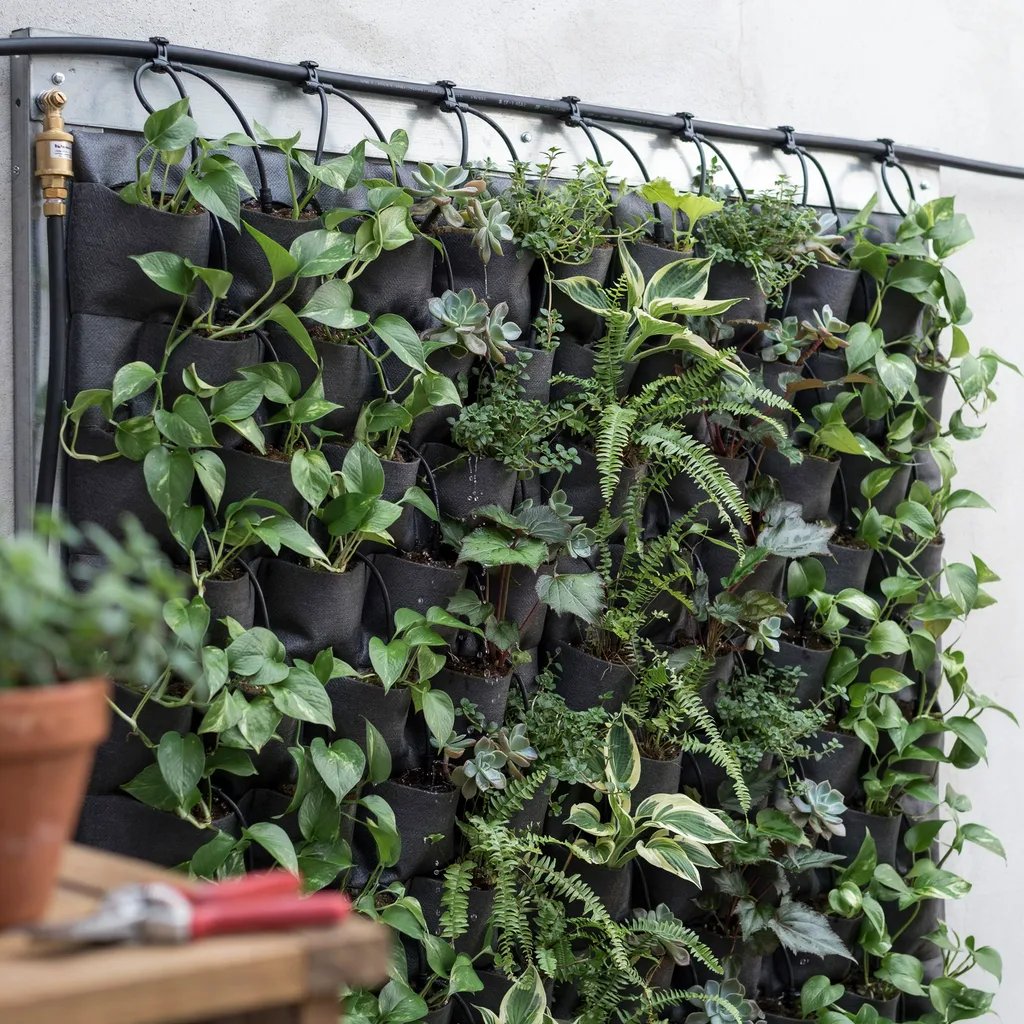
Installing drip irrigation rather than relying on manual watering means setting up an automated drip irrigation system integrated into the living wall structure, since manual watering genuinely struggles to provide the consistent, even moisture delivery a living wall’s many individual growing pockets actually need, particularly given the row-by-row moisture variation already discussed.
Automated drip irrigation genuinely provides the consistency manual watering can’t reliably match across a living wall’s many individual growing positions, making this system investment worth prioritizing rather than attempting to manually water numerous individual pockets consistently over time.
Confirming Support for the Wet Weight
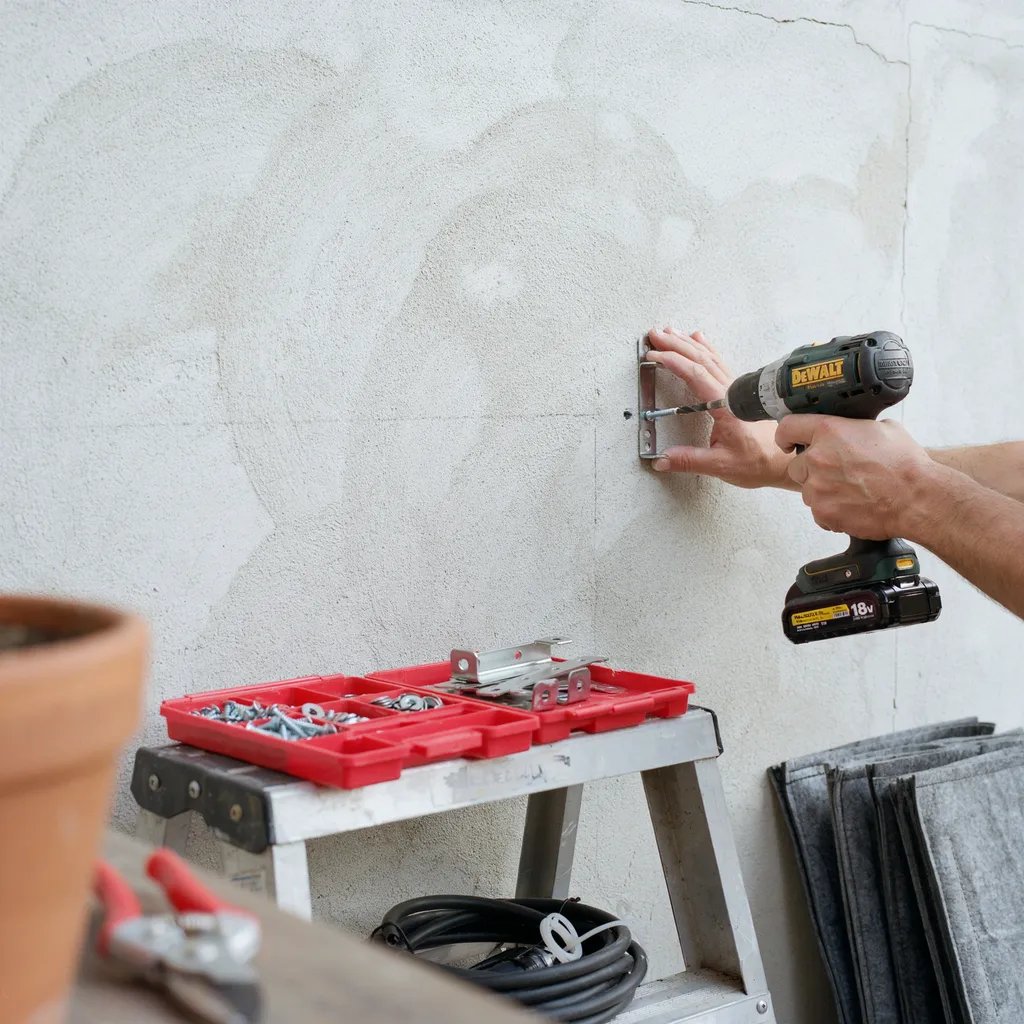
Ensuring the wall surface and mounting system can genuinely support the wet weight means confirming that the intended wall surface and mounting hardware can support not just the dry system weight but the considerably heavier wet weight once soil, plants, and water are all factored in, a genuine structural consideration easy to underestimate before installation.
Wet weight calculation genuinely represents a real structural safety consideration, making it worth verifying mounting capacity thoroughly before installation rather than discovering inadequate support after the system is fully installed and watered.
The Bottom Line
Building a successful living wall depends on genuinely understanding and designing around gravity’s effect on water distribution, placing drought-tolerant plants toward the top where drying happens faster and moisture-loving plants toward the bottom where residual drainage accumulates, rather than treating the entire structure as having uniform moisture conditions. Choosing an appropriate modular panel or pocket system, installing drip irrigation for the consistency manual watering can’t reliably provide, and confirming the wall and mounting hardware can support the considerably heavier wet weight round out a genuinely practical approach to this visually striking but structurally demanding garden project.
Frequently Asked Questions
How Much Ongoing Maintenance Does a Living Wall Genuinely Require Compared With a Traditional Garden Bed?
Living walls generally require genuinely more attentive ongoing maintenance than traditional beds, given the concentrated plant density and the need to monitor irrigation system function closely, making this worth factoring into the decision alongside the structure’s visual appeal.
Can a Living Wall Be Successfully Built and Maintained Indoors, Not Just Outdoors?
Yes, genuinely, indoor living walls are a popular application of this same basic technique, though indoor installations need particular attention to adequate light, whether natural or supplemental grow lighting, given indoor light limitations compared with most outdoor locations.
Do Living Walls Genuinely Provide Any Practical Benefit Beyond Their Visual Appeal?
Yes, genuinely, living walls can provide some documented benefits including modest temperature moderation for the adjacent wall surface and improved local air quality, making them functionally beneficial beyond their purely decorative appeal.
How Do I Know if My Specific Wall Surface Is Genuinely Suitable for a Living Wall Installation?
Checking the wall’s structural capacity for the wet system weight, along with confirming adequate light exposure and reasonable water drainage management for the specific location, are the key factors determining genuine suitability before committing to installation.
Can Living Walls Be Successfully Grown With Edible Plants, Not Just Ornamental Species?
Yes, genuinely, herbs and some compact vegetables can work well in living wall systems, making edible living walls a genuinely viable option, though the same top-drier, bottom-moister positioning principle still applies when selecting which edible plants suit which row positions.
What Happens if a Living Wall’s Irrigation System Fails or Malfunctions Without Being Noticed Quickly?
Given how quickly a living wall’s relatively small individual growing pockets can dry out compared with traditional garden soil volume, an irrigation failure genuinely poses more immediate risk to plant survival, making some form of monitoring or backup notification system worth considering for larger or more valuable installations.