
How to Build a Simple Wooden Garden Tote

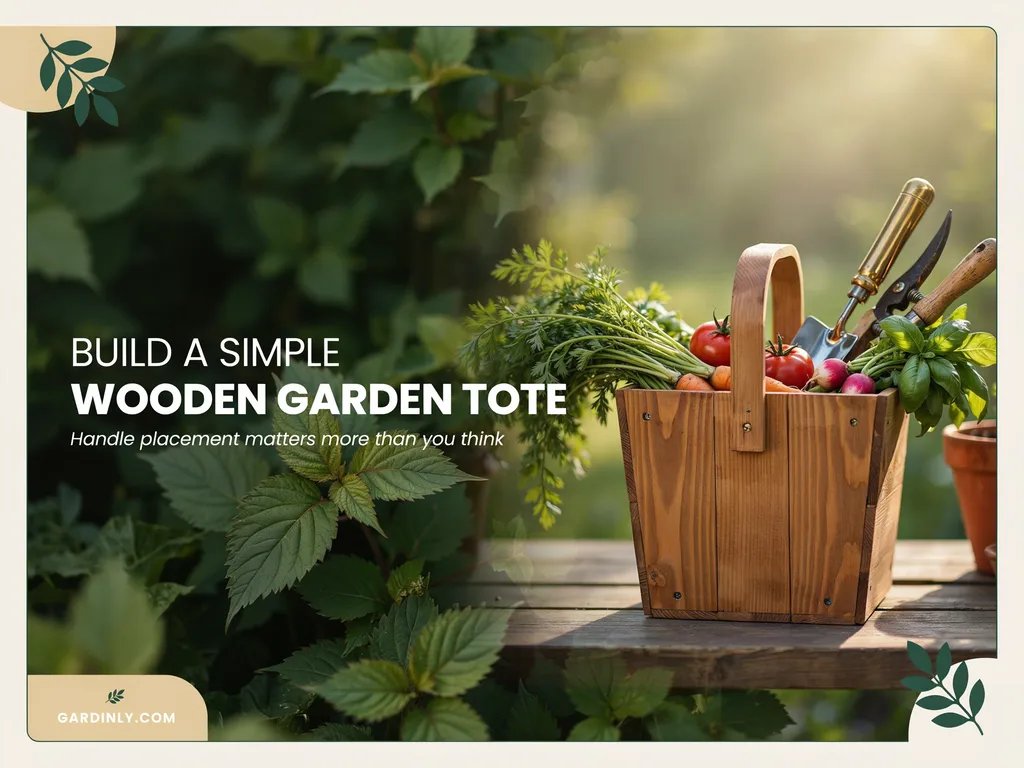
A garden tote’s center handle genuinely needs to sit directly above the actual balance point of a typically loaded box, not simply the box’s geometric center, since a handle positioned at pure geometric center often results in a genuinely awkward, tipping carry once the tote holds its typical uneven load of harvested vegetables, tools, and other garden items rather than a hypothetically evenly distributed weight.
Balance Point vs. Geometric Center
The Loaded-Weight Reality
The loaded-weight reality that explains why empty-box symmetry genuinely misleads design is that an empty tote’s geometric center genuinely differs from where weight actually concentrates once the tote holds its typical real-world contents, meaning designing purely around the empty structure’s visual symmetry, without considering actual typical loaded use, genuinely produces a less functional final result than considering realistic loaded balance from the start.
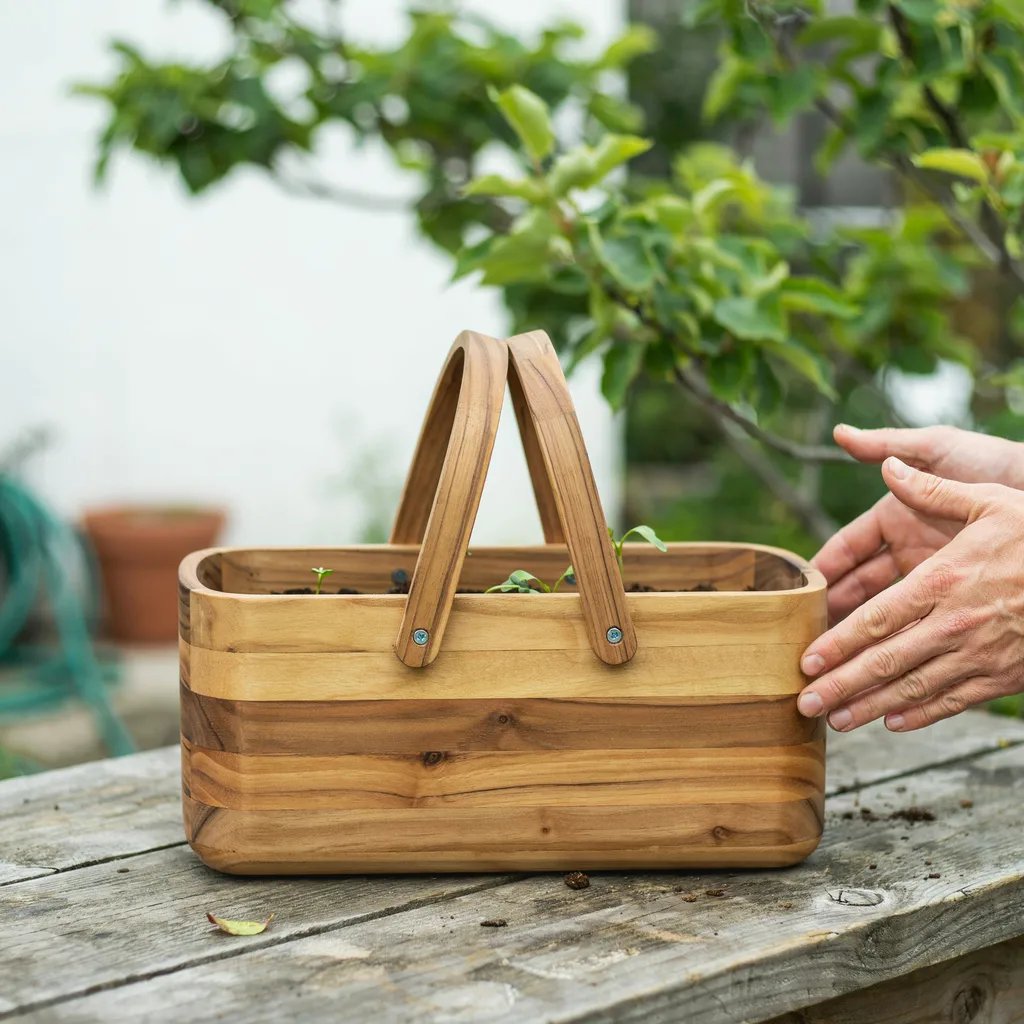
Why balance point, not geometric center, genuinely determines comfortable handle placement is that a garden tote’s actual typical use involves unevenly distributed loads, tools on one side, harvested produce on the other, meaning a handle positioned at the box’s pure mathematical center often doesn’t align with where the loaded tote’s actual weight genuinely concentrates, causing the tote to tip or feel unbalanced when carried despite the handle appearing correctly centered on the empty structure.
Understanding this genuine gap between empty-box geometric center and actual loaded balance point explains why thoughtful handle placement, considering realistic use rather than pure structural symmetry, genuinely improves the finished tote’s practical comfort and functionality.
Building a Simple Open-Top Box as the Basic Structural Foundation
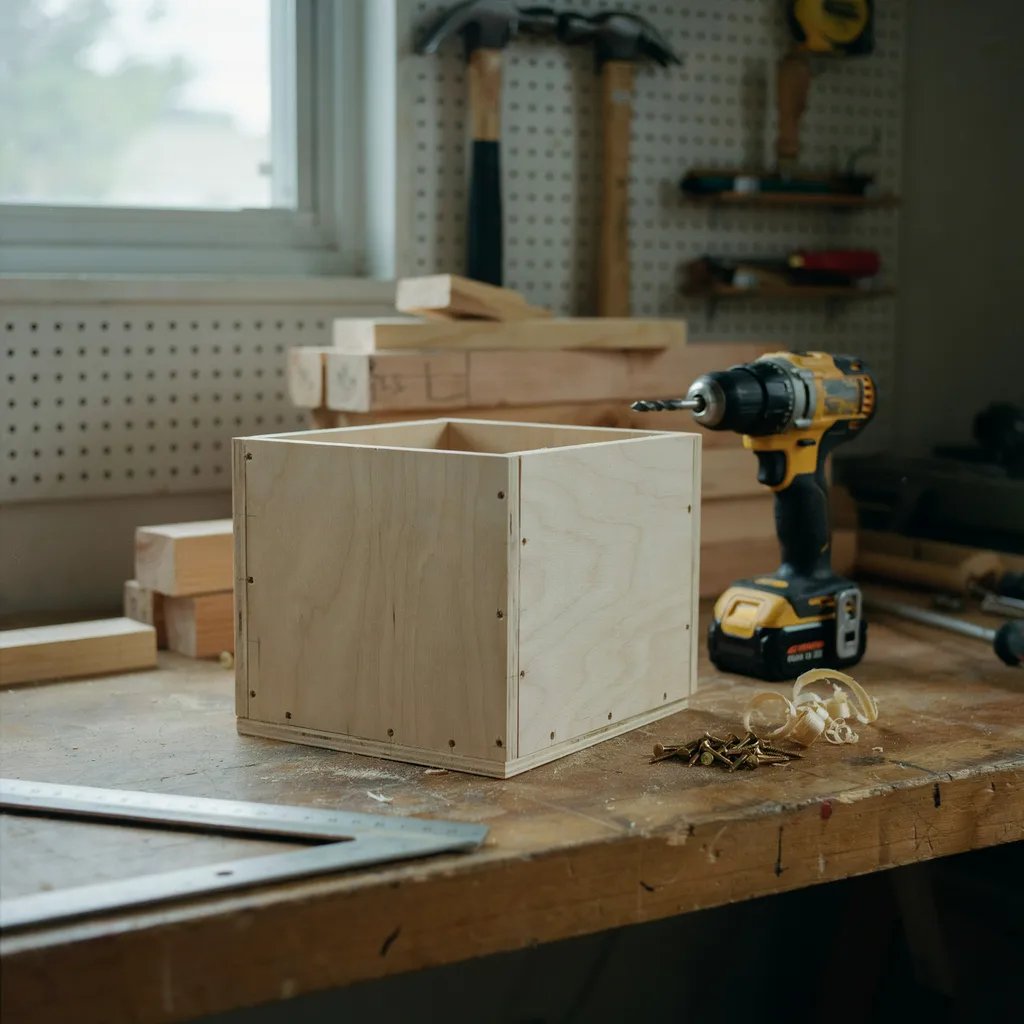
Building a simple open-top box as the basic structural foundation means constructing a genuinely straightforward open-top rectangular box using standard dimensional lumber, forming the basic container structure the rest of the project builds upon, without requiring any particularly complex woodworking technique for this foundational element.
This basic box construction genuinely requires only fundamental woodworking skill, making the overall project accessible to relatively inexperienced builders before the more design-sensitive handle placement consideration comes into play.
A Center Partition for Handle Support
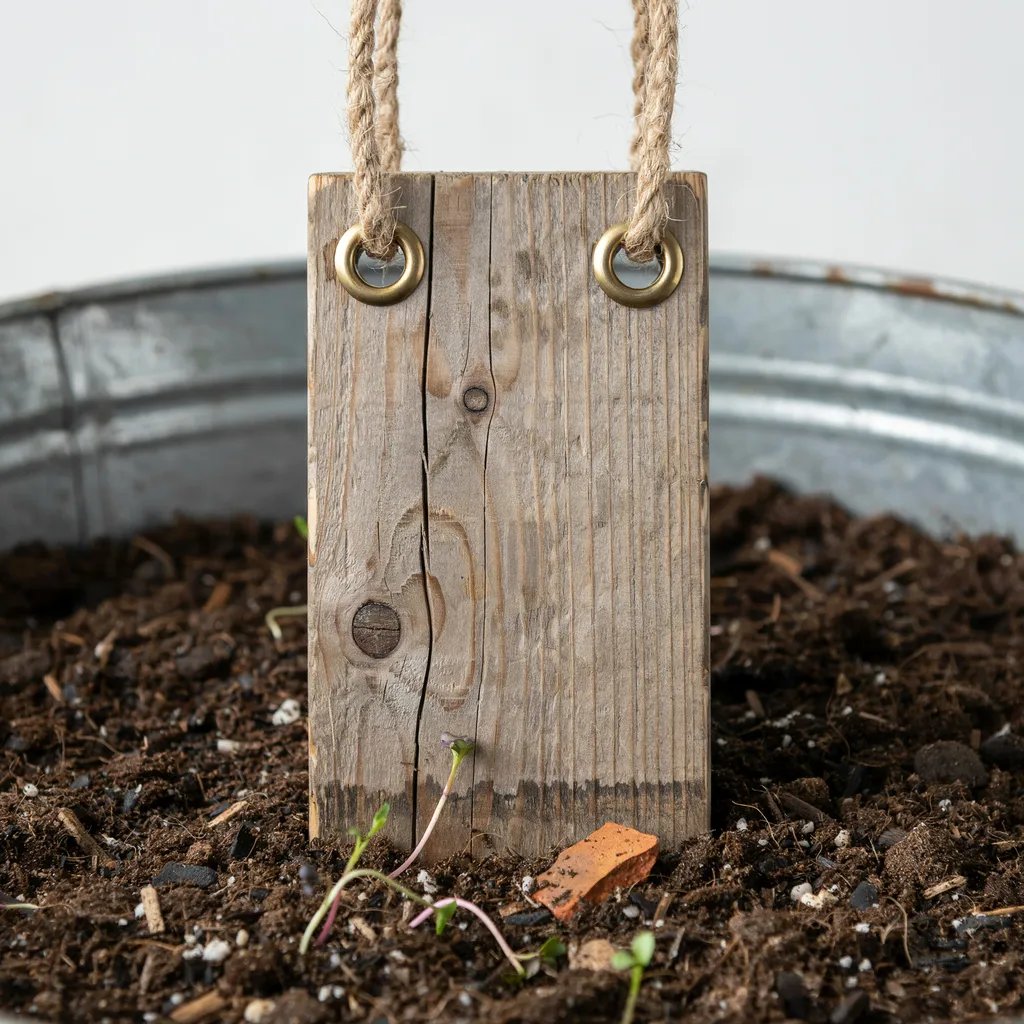
Adding a center partition that genuinely doubles as structural handle support means installing a vertical partition piece across the box’s middle section, a genuinely efficient design element that simultaneously divides the tote’s interior into two sections while also providing the structural support the carrying handle will attach to.
This dual-function partition design genuinely maximizes structural efficiency, making it worth incorporating rather than adding a separate, non-load-bearing divider and a completely independent handle support structure as two separate elements.
Positioning the Handle for Loaded Use
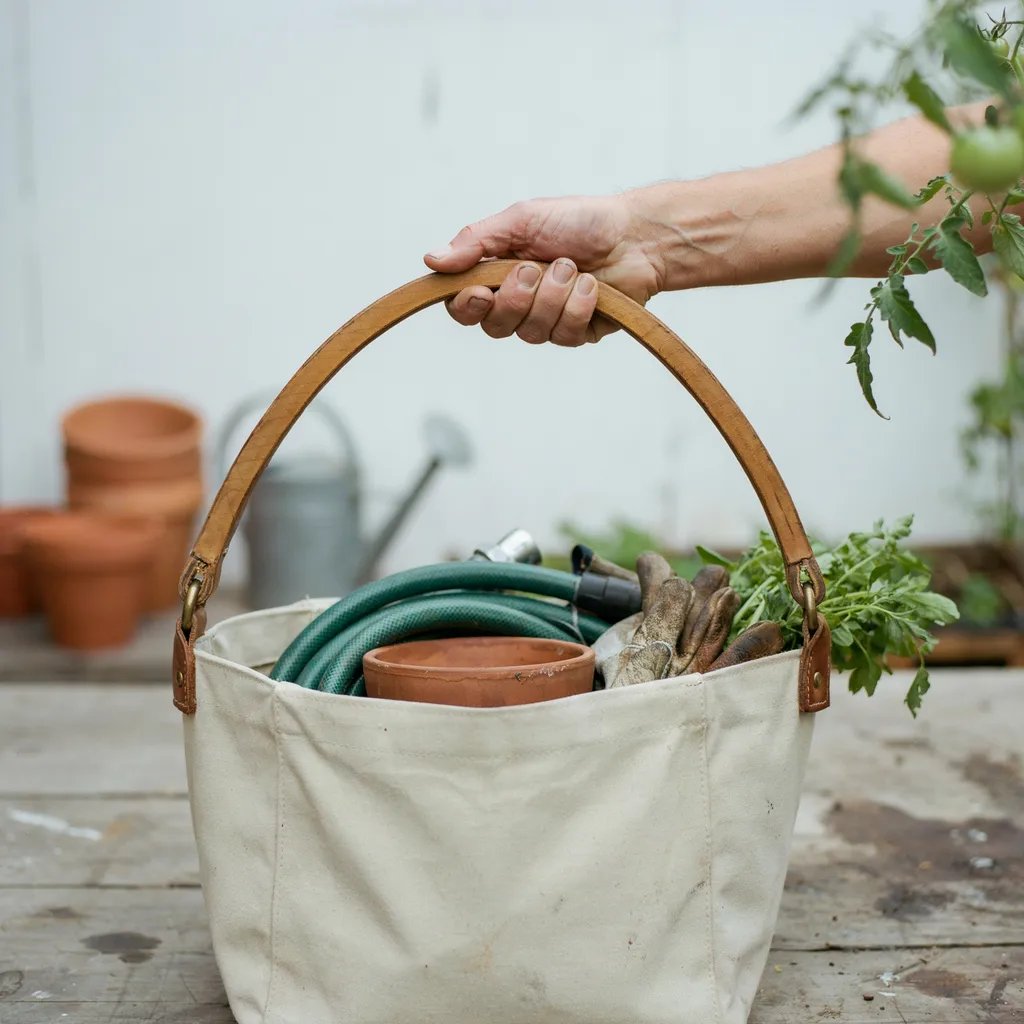
Positioning the handle based on genuinely anticipated typical loaded use means considering how the tote will actually typically be loaded, tools in one section, harvested produce in the other, for instance, and positioning the handle attachment point to genuinely balance well under this realistic anticipated loading pattern rather than defaulting purely to the box’s geometric center.
This use-informed handle positioning represents the genuine design insight that most improves practical tote functionality, making it worth thinking through anticipated actual use before finalizing handle placement rather than defaulting automatically to geometric center positioning.
Sizing the Overall Structure for Comfortable Carrying Given Typical Intended Loads
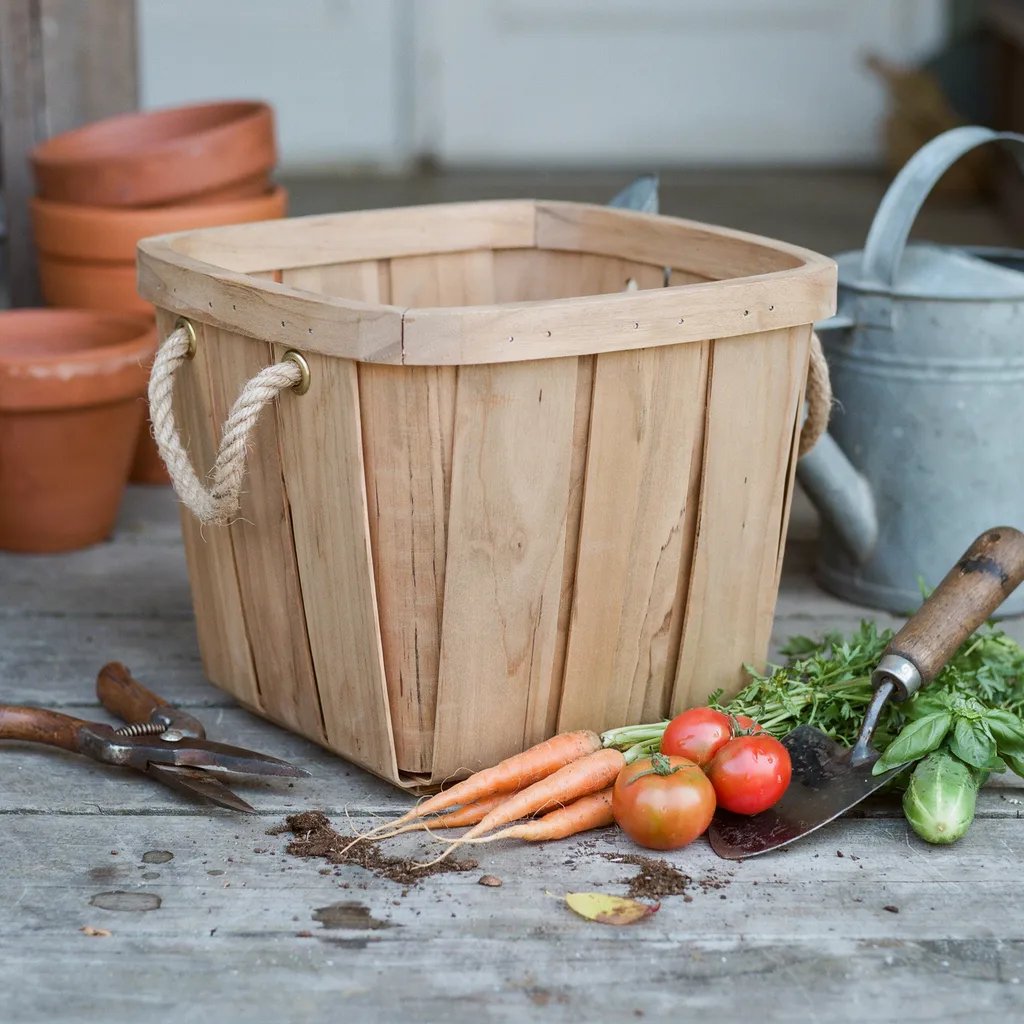
Sizing the overall structure for comfortable carrying given typical intended loads means proportioning the tote’s overall dimensions to remain comfortably manageable when loaded with its typical intended contents, avoiding an overly large structure that becomes genuinely unwieldy once filled with a realistic garden harvest or tool load.
Appropriate sizing genuinely affects the finished tote’s practical usability, making it worth considering realistic typical load volume when determining overall dimensions rather than simply building as large a structure as available materials might allow.
Finishing for Outdoor Durability
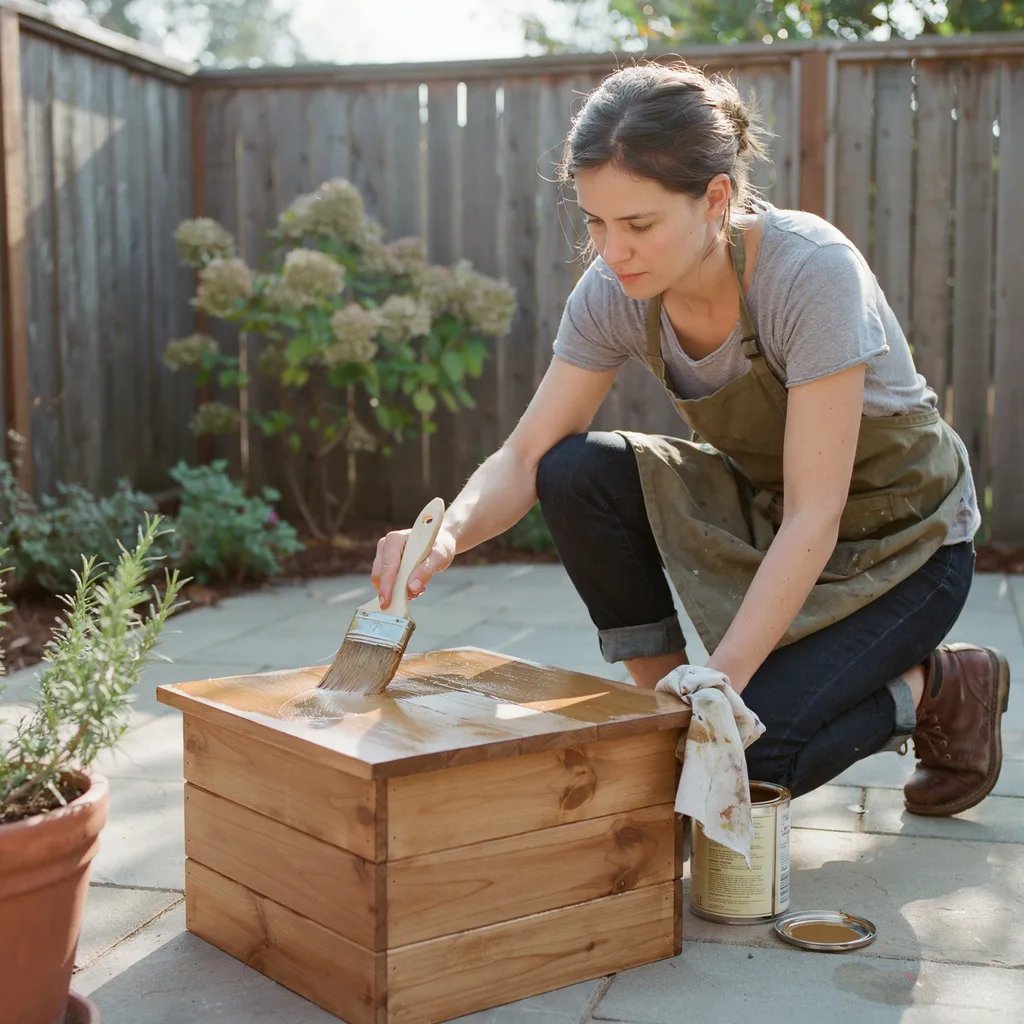
Finishing with wood treatment for genuine outdoor durability means applying an appropriate wood sealant or similar protective finish, since a garden tote genuinely faces regular outdoor exposure and contact with soil and moisture, making some protective treatment worthwhile for extending the finished project’s usable lifespan beyond what untreated wood would provide.
This finishing step genuinely extends the tote’s practical outdoor durability, making it worth including as a final project step rather than treating the tote as a purely indoor or purely temporary-use structure that wouldn’t need this protective consideration.
The Bottom Line
Building a simple wooden garden tote successfully depends on considering genuine loaded-use balance, not just empty-box geometric symmetry, when positioning the carrying handle, since a tote’s typical uneven real-world loading pattern means handle placement based purely on geometric center often produces an awkward, tipping carry once actually loaded with garden tools and produce. Constructing a basic open-top box with a dual-function center partition serving as both interior divider and handle support, sizing the structure appropriately for realistic intended loads, and finishing with protective wood treatment round out an accessible, practical project that produces a genuinely functional, comfortable-to-carry garden tote.
Frequently Asked Questions
What Type of Wood Works Best for a Garden Tote Given Its Outdoor Use and Exposure to Moisture?
Naturally rot-resistant woods like cedar genuinely offer better long-term outdoor durability than many other common lumber types, though standard dimensional lumber with appropriate protective finish also works reasonably well for this project.
How Large Should a Basic Garden Tote Genuinely Be for Typical Home Garden Use?
A commonly practical size runs roughly 18-24 inches long, providing enough capacity for a reasonable harvest or tool load while remaining genuinely manageable to carry comfortably once loaded, though specific sizing can be adjusted based on individual intended use.
Can This Same Basic Tote Design Be Adapted for Carrying Specific Items Like Cut Flowers Rather Than General Garden Tools?
Yes, genuinely, the same basic structural principles adapt well to more specialized totes, sometimes with additional smaller compartments or water-holding sections added specifically for cut flower carrying, building on this same fundamental open-box-with-handle design approach.
Is It Necessary to Use Wood Glue in Addition to Screws or Nails for Adequate Tote Structural Strength?
Combining wood glue with mechanical fasteners like screws generally produces a genuinely stronger, more durable joint than either method used alone, making this combination worth using specifically at the more structurally important joints like the handle attachment point.
How Long Does a Well-Built Wooden Garden Tote Typically Last With Regular Outdoor Garden Use?
With appropriate wood selection and protective finishing, a well-built garden tote can genuinely last many years of regular use, though periodic reapplication of protective finish helps maintain this durability over the tote’s extended practical lifespan.
Can This Project Be Completed Using Only Basic Hand Tools, or Does It Genuinely Require Power Tools?
While power tools genuinely speed up construction considerably, this project can be completed with basic hand tools including a saw, hammer or screwdriver, and measuring tools, making it accessible to builders without extensive power tool equipment available.