
How to Graft Apple Trees

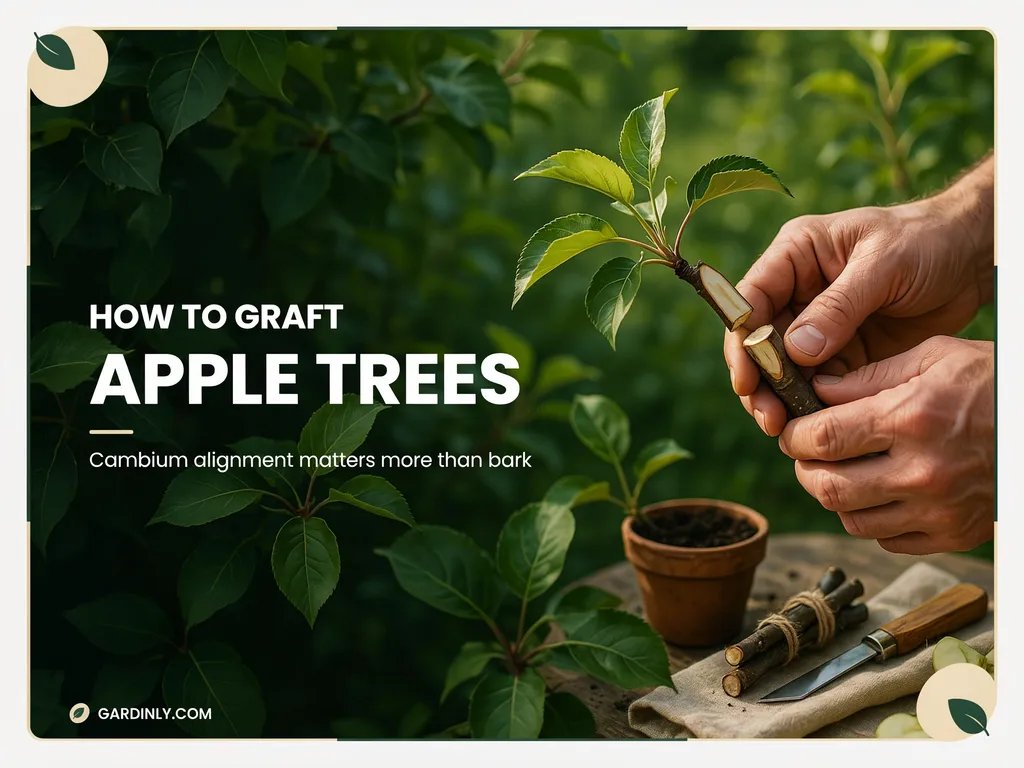
A successful apple graft genuinely depends on precisely aligning the cambium layer, the thin ring of actively growing green tissue just beneath the bark on both the scion and rootstock, and this critical alignment detail is exactly what most beginning grafters genuinely overlook while instead focusing on matching up the more visually obvious outer bark, a mistake that prevents the graft union from actually forming despite an otherwise carefully executed cut.
Quick Answer
Why Cambium Alignment Matters Most
Why This Alignment Detail Matters
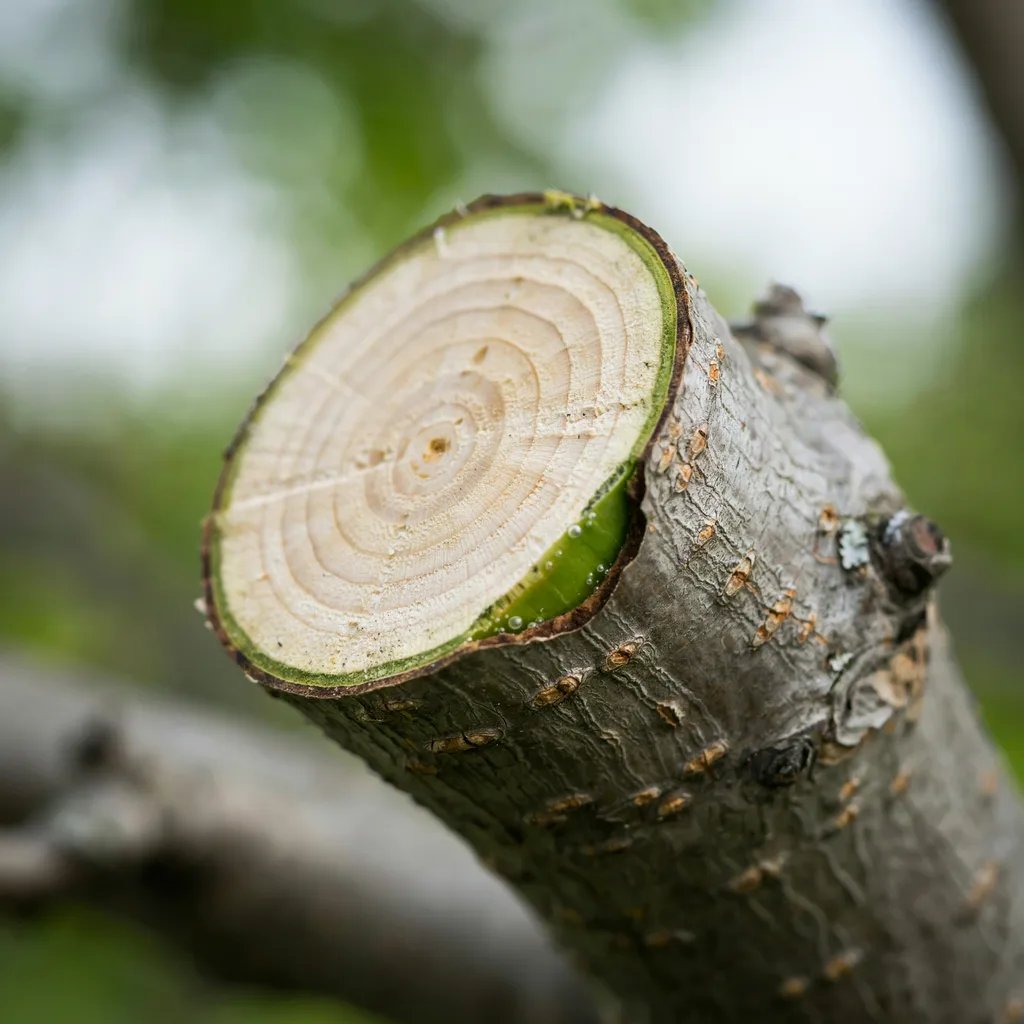
Why cambium alignment, not bark matching, is the genuine determining factor for graft success is that the cambium layer is where actual new growth and tissue fusion genuinely occurs, meaning a graft with perfectly matched outer bark but misaligned cambium layers will genuinely fail to form a functional union, while a graft with well-aligned cambium, even if the outer bark isn’t perfectly matched, has a genuinely much better chance of successful fusion.
The tissue fusion mechanism that explains why this specific alignment detail matters so much is that the cambium layer genuinely contains the actively dividing cells responsible for producing the new tissue that fuses scion and rootstock into a single functioning plant, meaning this thin, easily overlooked layer, not the more visually obvious bark, is where the actual biological work of graft union formation genuinely takes place.
Understanding cambium as the genuine site of actual tissue fusion, not simply an internal detail beneath the more visible bark, explains why beginning grafters specifically need to learn identifying and aligning this thin green layer rather than relying on outer bark appearance alone.
Selecting Healthy Dormant Scion Wood
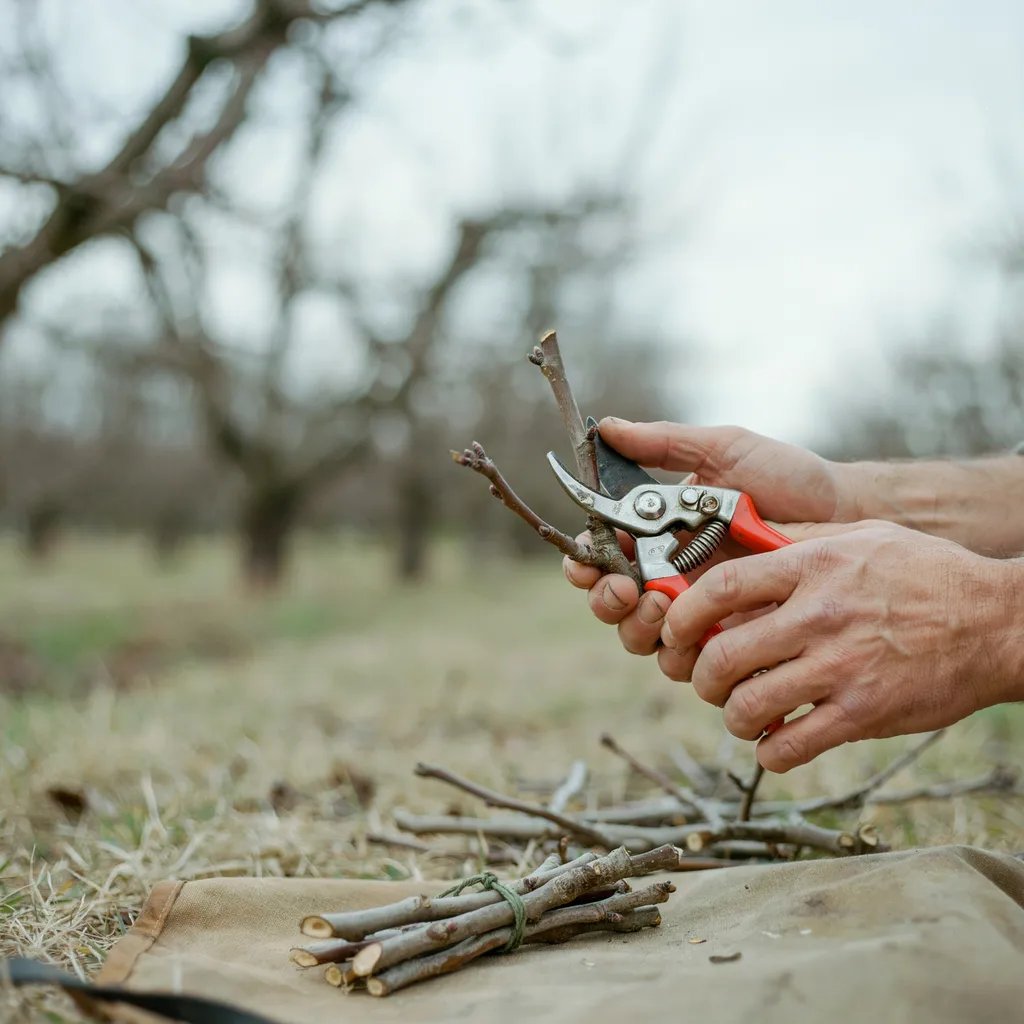
Selecting healthy, genuinely dormant scion wood from the desired apple variety means choosing pencil-diameter, healthy dormant wood from the specific apple variety being propagated, collected while the source tree remains genuinely dormant, ensuring the scion wood carries adequate stored energy and viable cambium tissue for successful grafting.
Scion quality genuinely affects graft success independent of technique execution, making careful selection of healthy, appropriately dormant wood worth prioritizing as a foundational step before any actual grafting cuts begin.
Preparing Diameter-Matched Rootstock
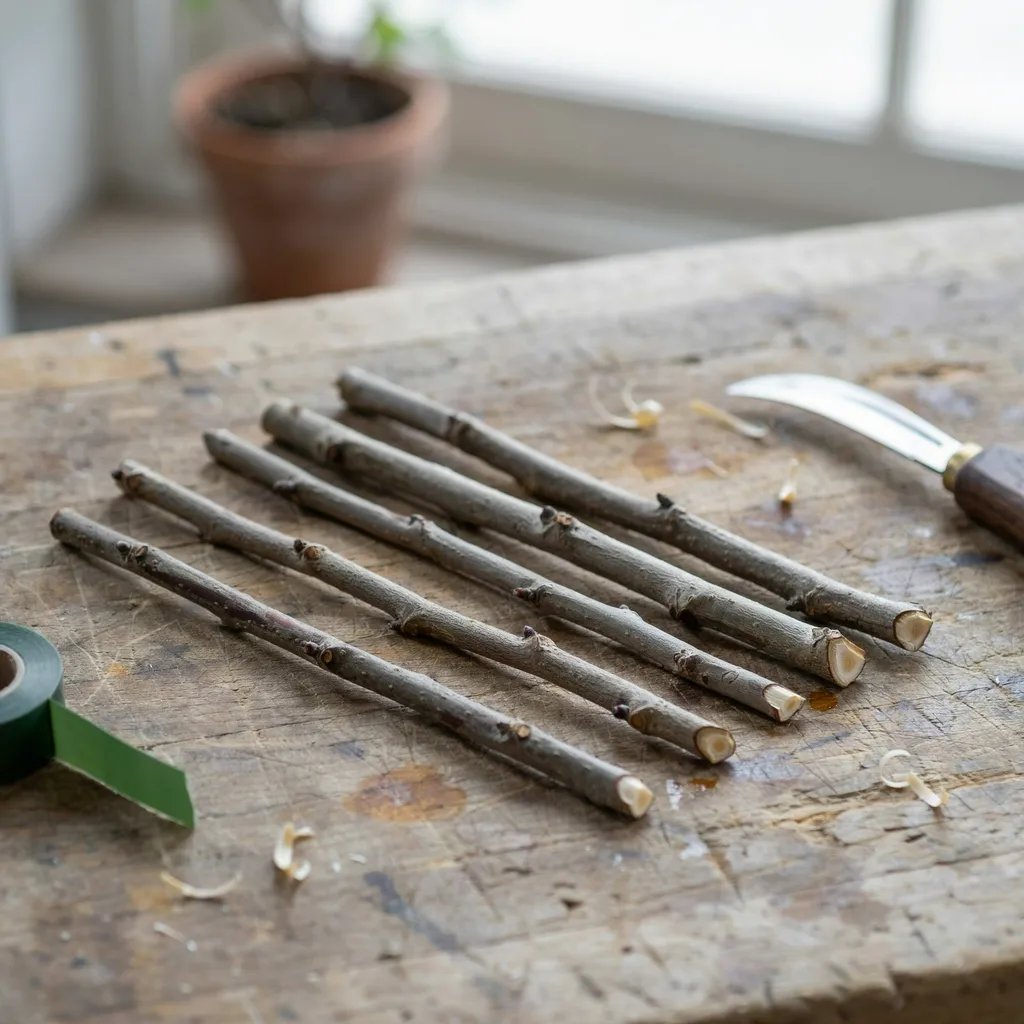
Preparing compatible rootstock, genuinely matched in diameter to the scion wood, means selecting rootstock material with a diameter reasonably close to the scion wood being grafted, since a genuine size mismatch makes achieving the necessary precise cambium alignment considerably more difficult than working with similarly sized material.
Diameter matching between scion and rootstock genuinely simplifies achieving proper cambium alignment, making this compatibility worth prioritizing during rootstock selection rather than attempting to graft mismatched material and compensate through technique alone.
Making Matching Diagonal Cuts Using the Whip and Tongue Technique
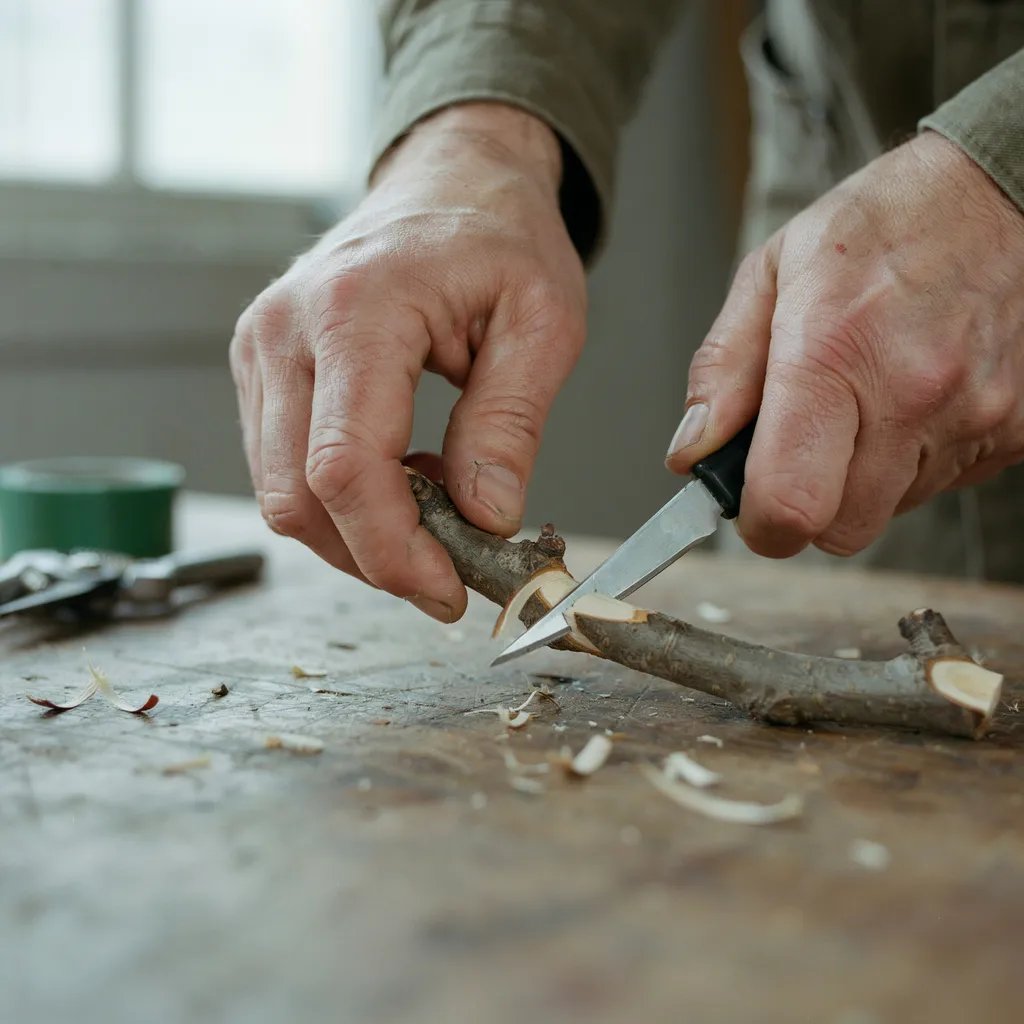
Making matching diagonal cuts using the whip and tongue technique means cutting both scion and rootstock with matching diagonal cuts, then making a second smaller cut into each to create interlocking “tongues” that help hold the graft together mechanically while the cambium layers are aligned and begin fusing, a technique genuinely well-suited to typical home apple grafting projects.
The whip and tongue technique’s interlocking mechanical structure genuinely provides helpful physical stability during the critical early fusion period, making this specific method worth learning as a reliable, accessible starting technique for home apple grafting.
Aligning Cambium Layers Precisely Before Binding the Graft Union
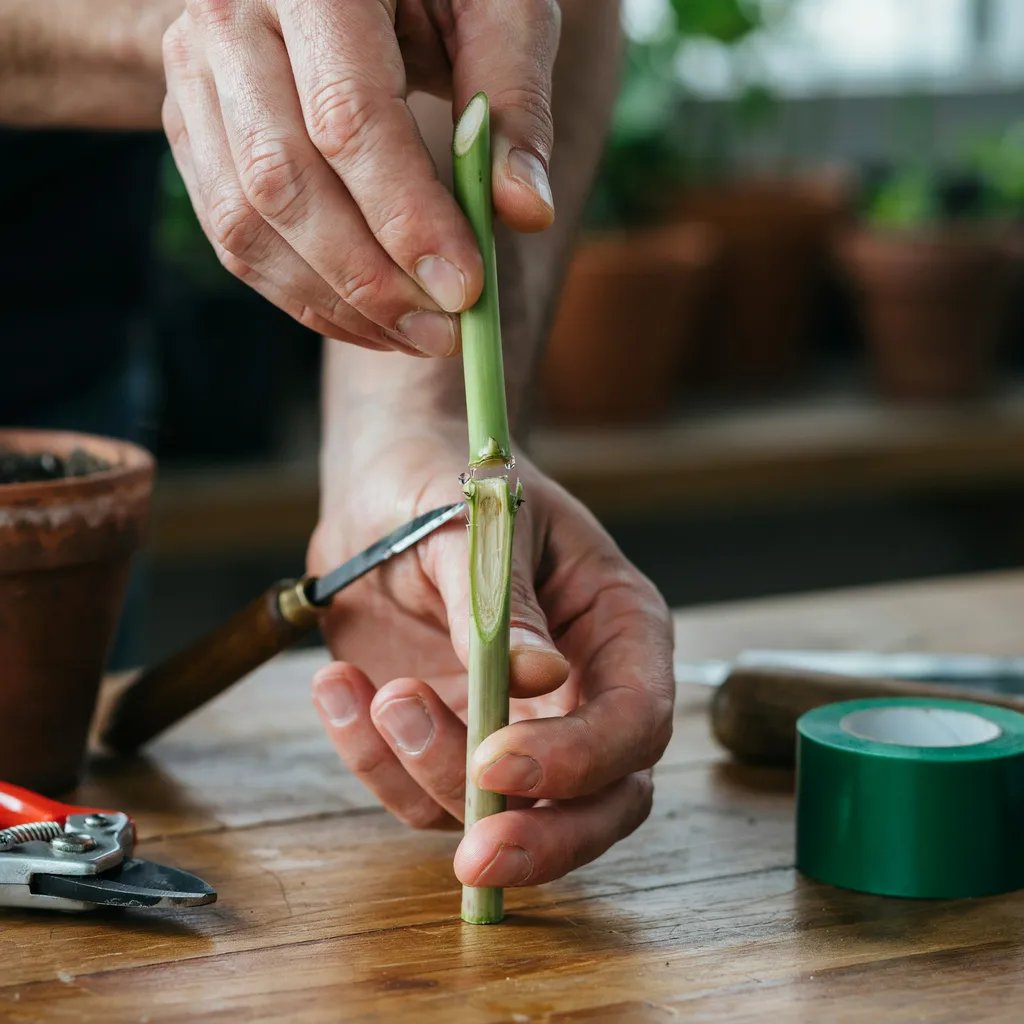
Aligning cambium layers precisely before binding the graft union means carefully positioning the cut scion and rootstock surfaces so their cambium layers genuinely line up, checking this alignment carefully from multiple angles before proceeding to bind the union in place, since this precise positioning is the actual technical step that determines whether the graft will genuinely succeed.
This precise alignment step deserves the most careful attention of the entire process, making it worth double-checking from multiple angles before committing to binding the union, since misalignment discovered after binding is considerably harder to correct.
Wrapping and Sealing the Graft Union to Protect It During Fusion
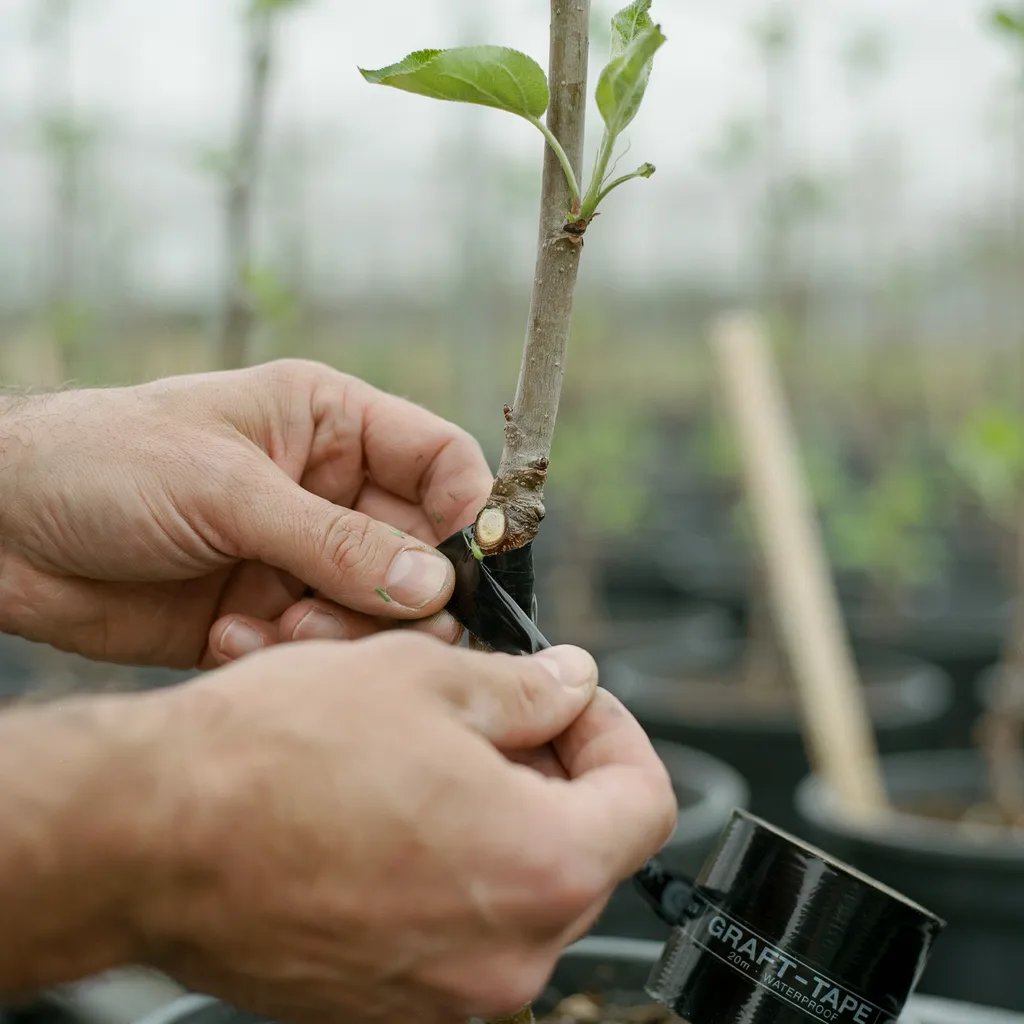
Wrapping and sealing the graft union to protect it during fusion means binding the aligned union with grafting tape or a similar wrapping material, then sealing exposed cut surfaces with grafting wax or a similar sealant, protecting the vulnerable union from drying out and from potential infection while the actual cambium fusion process takes place over the following weeks.
Proper wrapping and sealing genuinely protects the graft during its vulnerable fusion period, making this finishing step worth doing thoroughly rather than treating it as a minor final detail after the more technically demanding cutting and alignment work is complete.
The Bottom Line
Successfully grafting apple trees depends most critically on precisely aligning the cambium layer, the thin, easily overlooked tissue ring where actual fusion occurs, rather than simply matching the more visually obvious outer bark that many beginning grafters mistakenly focus on instead. Selecting healthy dormant scion wood, choosing appropriately diameter-matched rootstock, using the whip and tongue technique for reliable mechanical stability, and properly wrapping and sealing the completed union round out an approach that gives home apple grafting projects a genuinely strong chance of success.
Frequently Asked Questions
How Long Does It Typically Take to Know Whether an Apple Graft Has Successfully Taken?
Visible signs of success, new growth emerging from the scion, typically appear within a few weeks to a couple of months once the growing season begins, though checking for a firm, healthy union rather than relying solely on new growth timing gives additional early confirmation.
Can Grafting Be Performed on Apple Trees That Are Already Mature and Established, Not Just Young Rootstock?
Yes, genuinely, top-working, grafting new scion wood onto an already established mature tree’s branches, is a common practice for changing or adding varieties to an existing tree, using similar cambium alignment principles adapted to the larger existing branch structure.
Do I Need Specialized Tools to Successfully Graft Apple Trees at Home?
A genuinely sharp grafting knife, grafting tape, and sealant represent the core specialized tools needed, a relatively modest investment that makes home apple grafting accessible without requiring extensive specialized equipment beyond these basic items.
Can Different Apple Varieties Genuinely Be Successfully Grafted Onto the Same Rootstock Tree?
Yes, genuinely, multiple compatible apple varieties can be grafted onto a single rootstock tree, creating a multi-variety tree, as long as each individual graft follows the same cambium alignment principles regardless of how many different varieties are being combined onto one tree.
What’s the Most Common Reason a Home Apple Grafting Attempt Genuinely Fails?
Cambium misalignment is genuinely the most common failure cause, though inadequately dormant scion or rootstock material, poor sealing allowing the union to dry out, and simple technique inexperience also contribute to graft failures among beginning grafters.
Is There a Genuine Advantage to Grafting Apple Trees Rather Than Simply Growing New Trees From Seed?
Yes, genuinely, grafting reproduces the exact parent variety’s characteristics reliably, while apple seeds produce genetically unpredictable offspring that rarely match the parent tree’s specific fruit qualities, making grafting the standard, reliable method for propagating known apple varieties.