
How to Grow Asparagus From Crowns

Asparagus genuinely needs 2 to 3 full years of establishment before supporting a real, sustained harvest, and cutting spears too early during this establishment period genuinely weakens the crown’s long-term energy reserves and productivity, making the patience to skip harvesting during those first couple of seasons a real requirement for eventual long-term success with this genuinely long-lived perennial vegetable.
Why Early Harvesting Hurts Productivity
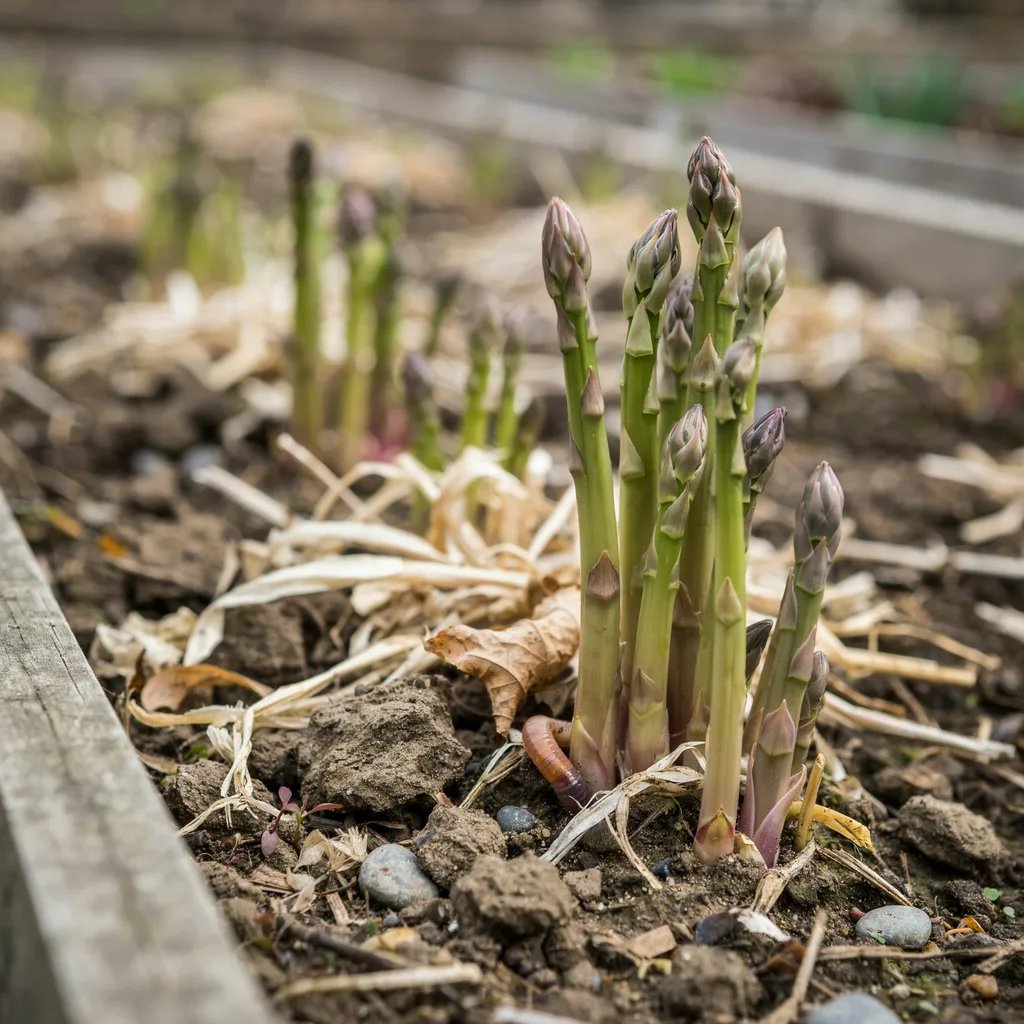
Why premature harvesting genuinely undermines an asparagus crown’s long-term productivity is that each spear a young crown produces genuinely represents stored energy the plant needs to develop its root system and future productive capacity, meaning harvesting spears too early and too heavily during establishment genuinely diverts resources away from this critical foundational development, weakening the crown’s eventual long-term yield potential.
Why Root Development Takes Years
The root system development timeline that makes the 2-to-3-year wait a genuine requirement is that asparagus crowns need this extended period to establish the extensive root system capable of supporting genuine sustained annual harvests for the many years the plant will subsequently remain productive, meaning this isn’t an arbitrary traditional guideline but a real reflection of how long the plant genuinely needs to build adequate root reserves.
Understanding the establishment period as genuine root system development, not simply an arbitrary waiting period, explains why patience during these first couple of years directly determines the crown’s productivity for the many subsequent years it will remain in the garden.
Planting Crowns in a Trench and Gradually Backfilling as Growth Occurs
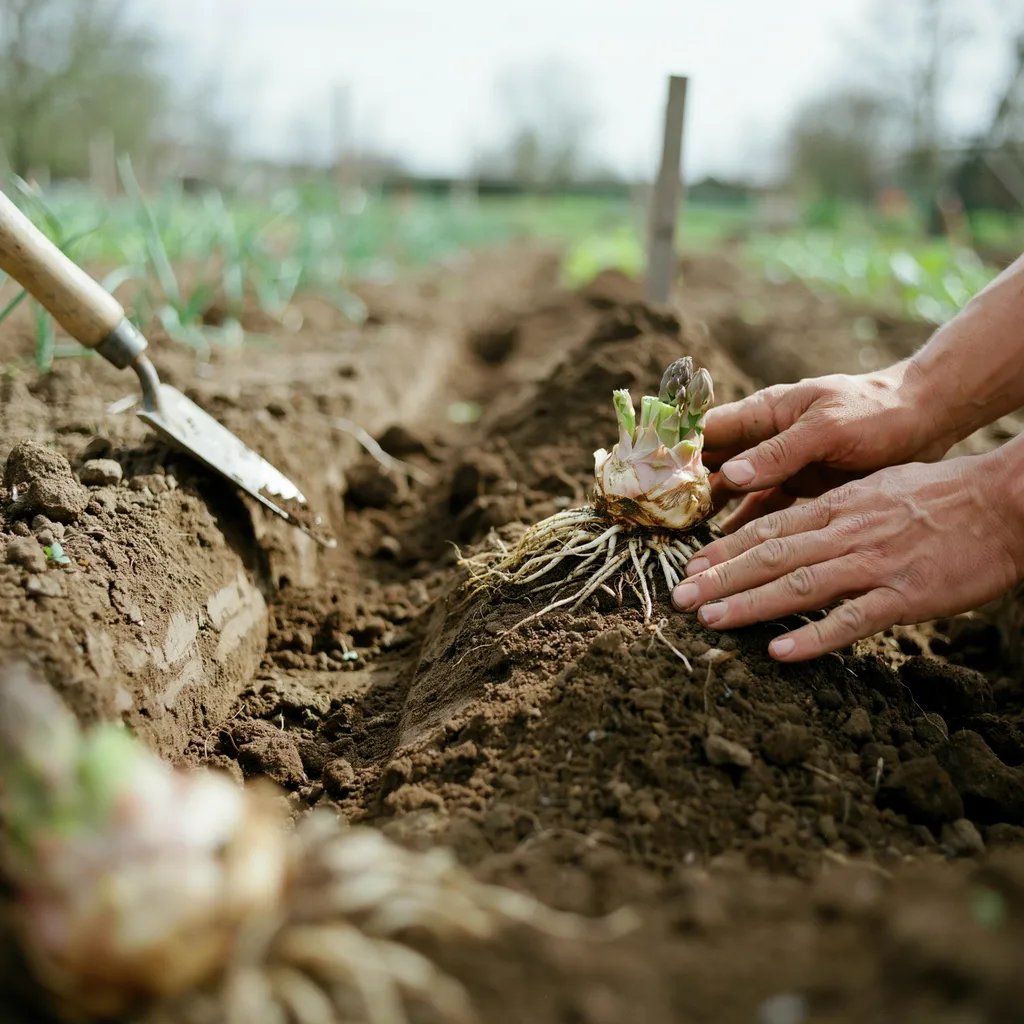
Planting crowns in a trench and gradually backfilling as growth occurs means digging a trench roughly 6-8 inches deep, spreading crown roots out over a small mound within the trench, then gradually filling in soil around emerging growth throughout the first season rather than immediately burying crowns completely at planting time.
The gradual backfilling technique genuinely suits asparagus crowns’ particular growth pattern, making this specific planting method worth following precisely rather than simply burying crowns at full depth immediately at planting.
Skipping or Minimizing Harvest Entirely During the First Growing Season
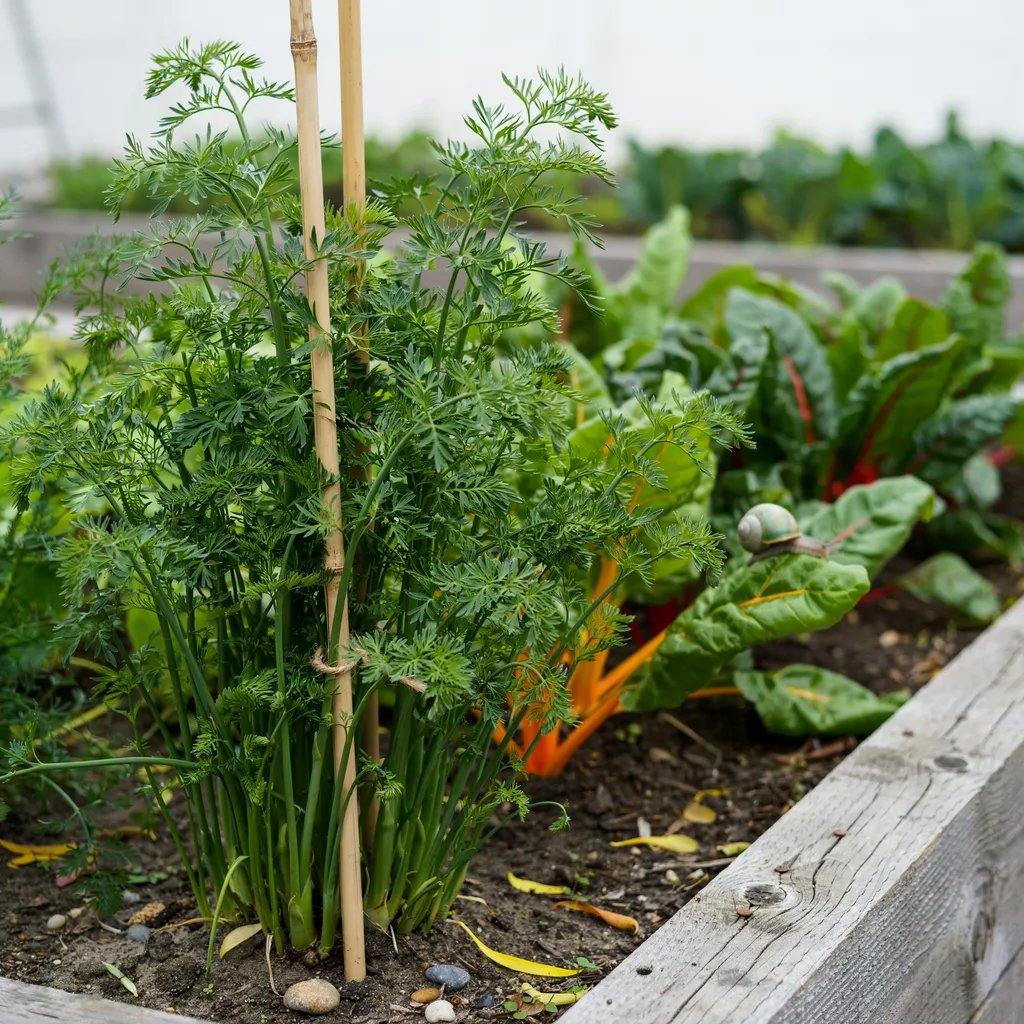
Skipping or minimizing harvest entirely during the first growing season means allowing all spears produced in the crown’s very first year to grow fully into their fern-like foliage rather than harvesting any of them, letting the plant direct its full first-season energy toward establishing its root system without any harvest-related energy diversion.
Complete first-year harvest restraint genuinely maximizes the crown’s foundational root development, making this the single most important patience-requiring step in the entire multi-year establishment process.
Allowing a Very Light, Brief Harvest in the Second Year if Growth Looks Strong
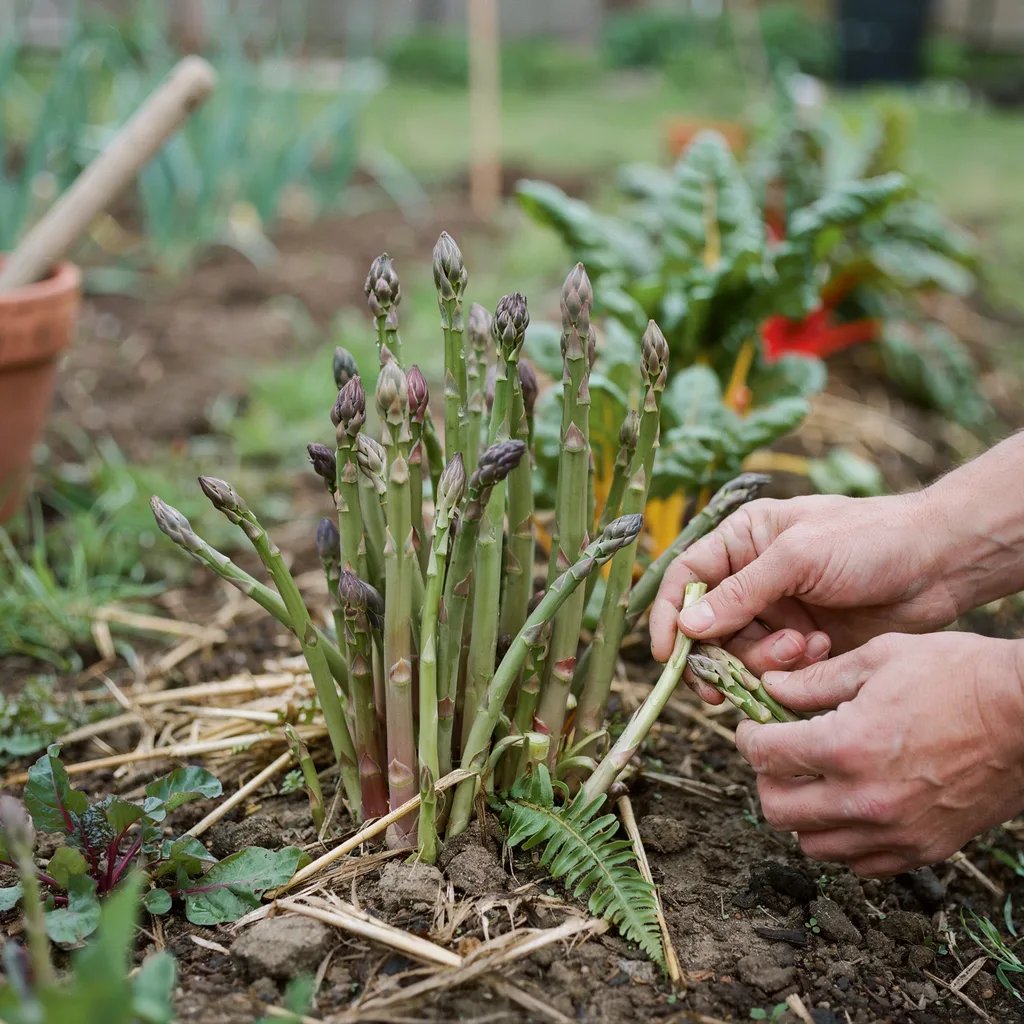
Allowing a very light, brief harvest in the second year if growth looks strong means, based on how vigorously the crowns have established through their first season, potentially harvesting a small number of spears over a genuinely brief window during year two, while still directing the majority of the plant’s energy toward continued root development rather than a full harvest.
Second-year harvest, when attempted at all, needs to remain genuinely conservative and brief, making restraint still the priority even as the temptation to harvest more substantially naturally increases with the crown’s visibly stronger second-year growth.
Reaching Full, Sustained Annual Harvest by the Third or Fourth Year
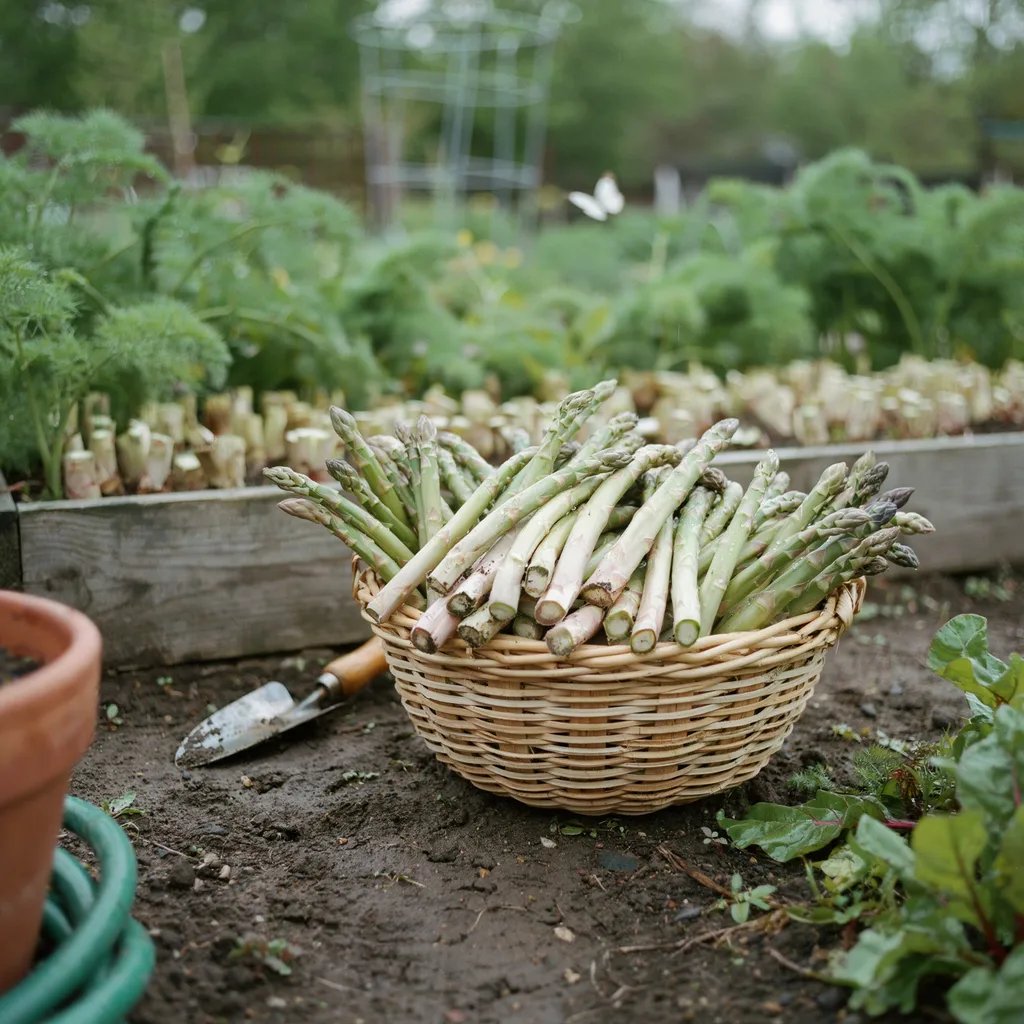
Reaching full, sustained annual harvest by the third or fourth year means that crowns properly established through the patient first couple of seasons genuinely become ready to support a full, extended harvest window annually from this point forward, the payoff for the earlier restraint that allowed proper root system development.
The genuine payoff for 2-to-3-year establishment patience is a crown capable of full, reliable annual harvest for many subsequent years, making the initial investment of restraint worth the considerably longer productive lifespan that follows.
Maintaining the Bed Through Consistent Weeding and Fall Cleanup for Long-Term Health
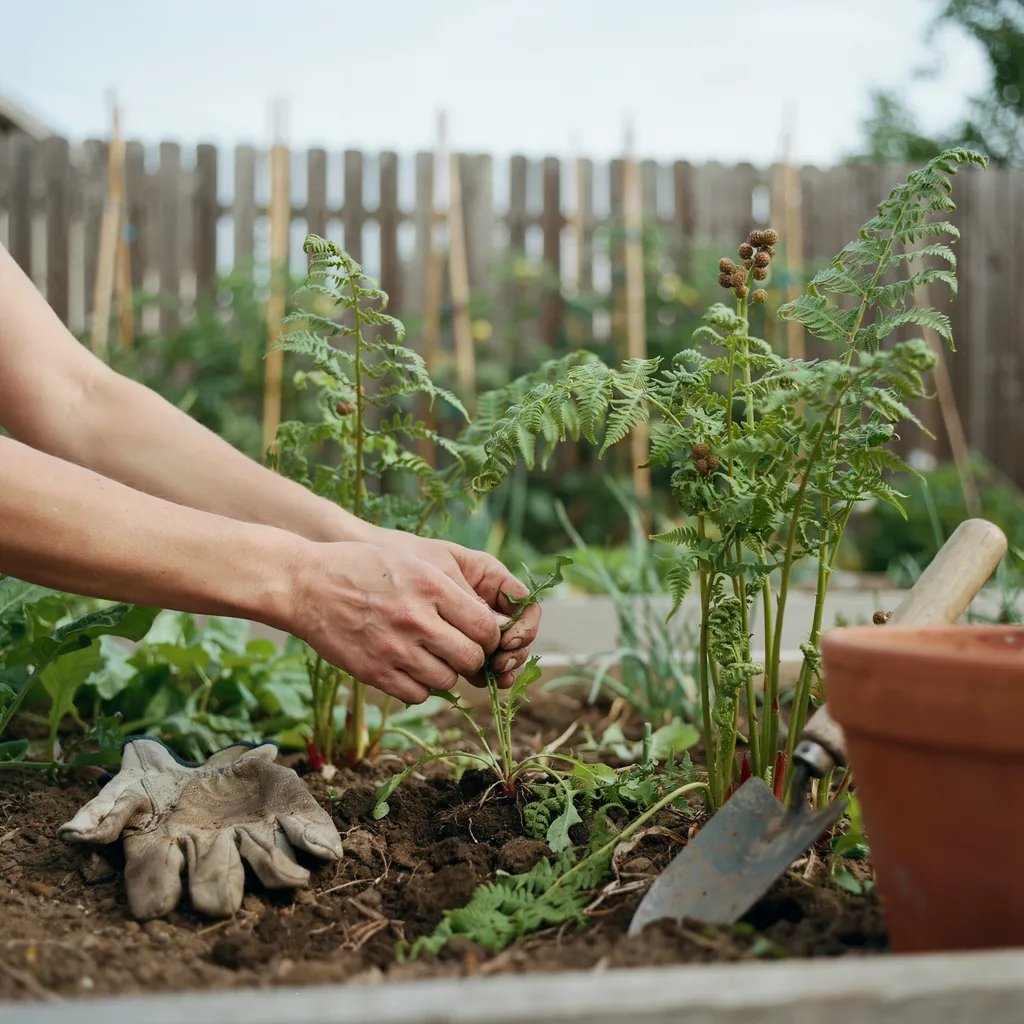
Maintaining the bed through consistent weeding and fall cleanup for long-term health means keeping the asparagus bed genuinely free of weed competition throughout the growing season, then cutting back the fern-like foliage after it yellows and dies back naturally in fall, ongoing maintenance practices that support the crown’s continued health and productivity across its genuinely long multi-decade lifespan.
Consistent ongoing bed maintenance genuinely protects the long-term investment the establishment period represents, making weed control and proper fall cleanup worth continuing as standard annual practice throughout the bed’s entire productive lifespan.
The Bottom Line
Growing asparagus from crowns successfully depends most critically on patience during the genuine 2-to-3-year establishment period, skipping harvest entirely in the first year and keeping any second-year harvest genuinely light and brief, allowing crowns to develop the extensive root system needed to support full, sustained annual harvests for the 15-to-20-plus years an established bed can genuinely remain productive. Proper trench planting with gradual backfilling and consistent ongoing bed maintenance through weeding and fall cleanup round out an approach to this genuinely long-term perennial vegetable investment that rewards early restraint with many subsequent years of reliable harvest.
Frequently Asked Questions
Can Asparagus Be Started From Seed Instead of Purchased Crowns, and Is This a Better Approach?
Yes, asparagus can be grown from seed, though this genuinely adds an additional year or more to the overall timeline before reaching harvest readiness compared with starting from already-established one-year-old crowns, making crowns the more time-efficient starting point for most home gardeners.
How Much Space Does a Productive Asparagus Bed Genuinely Need for a Meaningful Home Harvest?
A dedicated bed of roughly 10-20 crowns, requiring somewhere around 100-200 square feet depending on spacing, typically provides a genuinely meaningful harvest for a small household, making this a worthwhile space commitment given the bed’s many years of subsequent productivity.
Does Asparagus Need Full Sun to Perform Well, or Can It Tolerate Some Shade?
Asparagus genuinely performs best with full sun exposure, at least 6-8 hours of direct sun daily, since inadequate light noticeably reduces both spear production and overall plant vigor throughout the bed’s productive lifespan.
How Long Does the Actual Harvest Season Typically Last Once an Asparagus Bed Reaches Full Maturity?
A fully established bed typically supports a harvest window of roughly 6-8 weeks each spring, after which spears are allowed to grow into full fern foliage for the remainder of the season to support the crown’s energy reserves for the following year.
Can an Established Asparagus Bed Be Successfully Divided or Transplanted if I Need to Move It to a New Location?
Established crowns can technically be divided and transplanted, though this genuinely sets back productivity significantly, essentially restarting much of the establishment timeline, making it generally preferable to plant a new bed rather than attempting to relocate an already-established, mature asparagus planting.
What’s the Most Common Mistake New Asparagus Growers Make Beyond Harvesting Too Early?
Inadequate weed control during the establishment years is another genuinely common mistake, since young asparagus crowns compete poorly against aggressive weed growth, making consistent early weeding just as important as harvest restraint for successful long-term establishment.