
How to Grow Bolt-Resistant Lettuce in Warm Weather

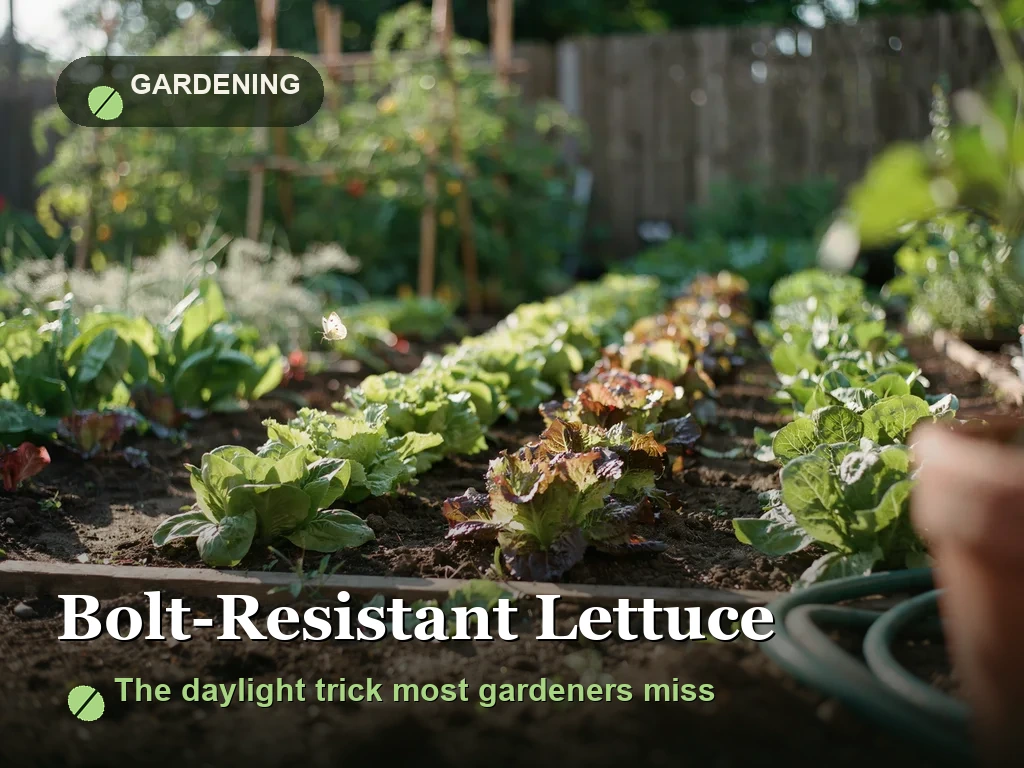
Lettuce genuinely bolts, sending up a bitter seed stalk, in response to the combination of lengthening daylight hours and heat together, not heat alone, meaning shade cloth used alone to address bolting often provides incomplete protection, since it addresses only the heat component while leaving the genuine daylight-length trigger completely unaddressed.
- Genuine bolting trigger: lengthening daylight combined with heat, not heat exposure alone
- Bolt-resistant varieties: specifically bred to delay this dual-trigger response, genuinely worth prioritizing for warm-season growing
- Shade cloth limitation: addresses heat but not the daylight-length component of the actual bolting trigger
- Succession planting: staggered plantings genuinely extend the harvest window before bolting eventually occurs
Lettuce’s Two-Part Bolting Trigger
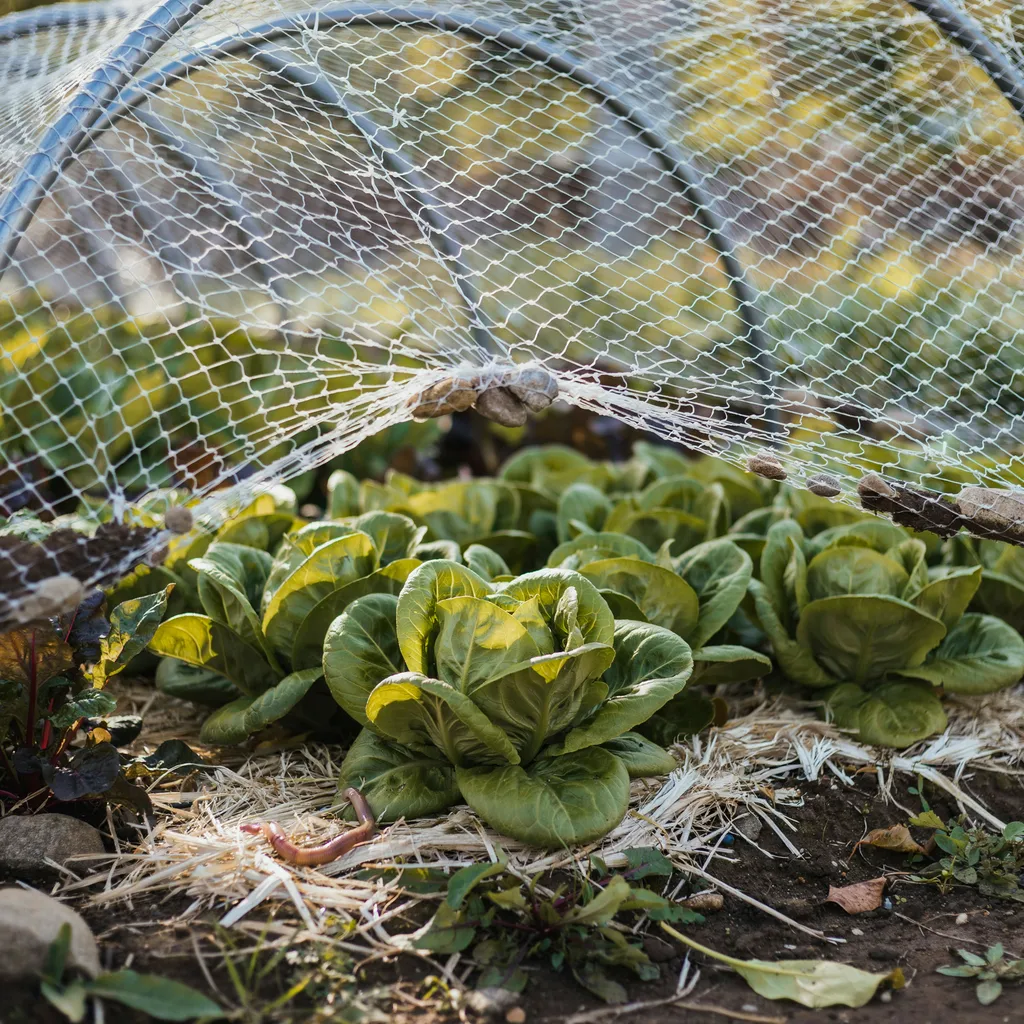
Why the genuine dual trigger explains shade cloth’s limited, incomplete protection is that lettuce bolting genuinely responds to both lengthening daylight hours and heat working together, meaning shade cloth, which primarily addresses the heat component, genuinely can’t fully prevent bolting driven partly by the daylight-length signal that shade alone doesn’t change, explaining why even well-shaded lettuce sometimes still bolts during the naturally lengthening days of late spring and early summer.
Why Heat Management Alone Falls Short
The photoperiod component that explains why heat management alone genuinely falls short is that lettuce genuinely responds to day length as a real environmental signal separate from temperature, meaning even a genuinely well-shaded, temperature-moderated lettuce planting can still receive the daylight-length signal driving bolting, explaining why comprehensive bolting prevention genuinely requires addressing both factors rather than temperature management alone.
Key takeaway: Understanding this genuine dual-trigger mechanism, not heat alone, explains why bolt-resistant variety selection matters as much as or more than shade cloth alone, making variety choice worth prioritizing as a complementary strategy rather than relying on shade management as a complete solution.
Choosing Bolt-Resistant Varieties
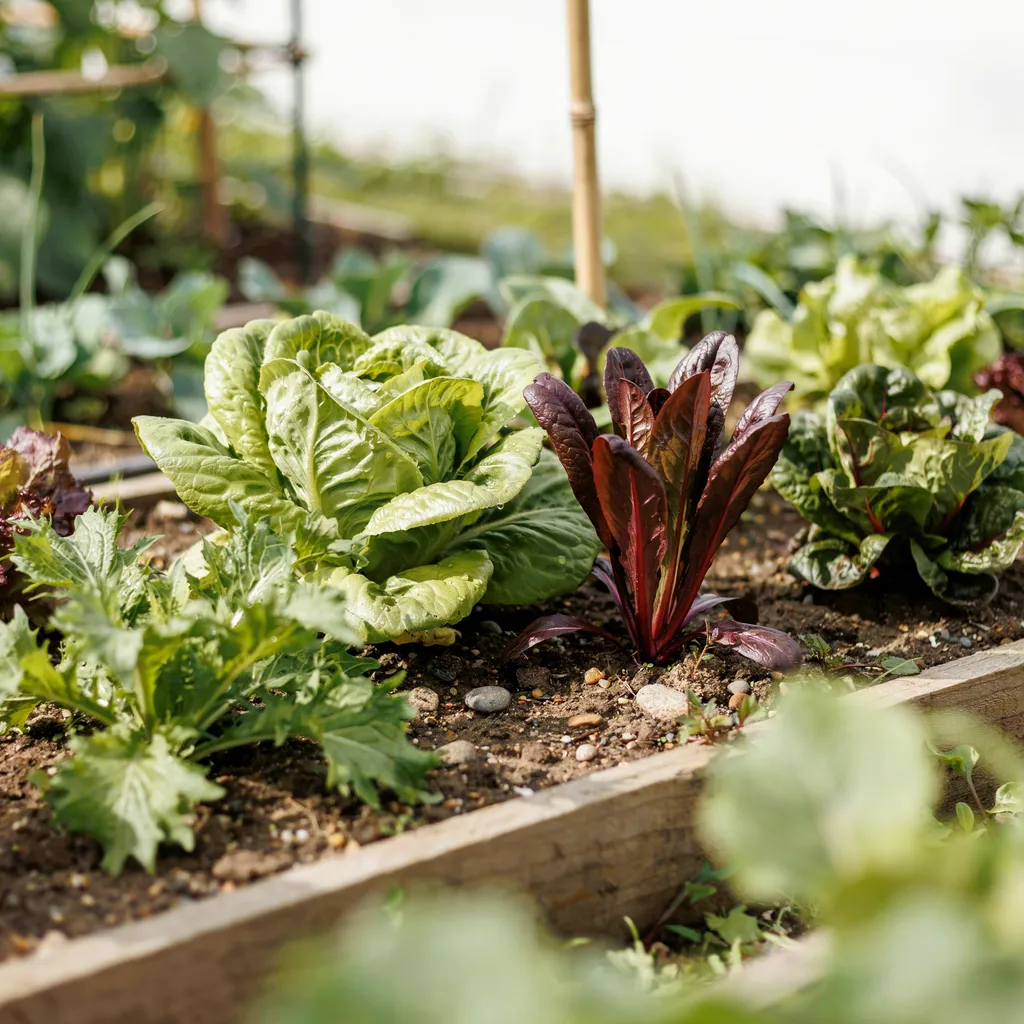
Choosing genuinely bolt-resistant varieties specifically bred to delay this response means selecting lettuce cultivars documented and specifically bred for delayed bolting response, since these varieties genuinely tolerate the combination of warming temperatures and lengthening days considerably better than standard varieties, extending the productive harvest window meaningfully compared with non-resistant options.
Key takeaway: Bolt-resistant variety selection genuinely addresses the actual dual-trigger mechanism at its biological source, making this selection worth prioritizing as the primary strategy for extending warm-season lettuce harvest rather than relying solely on environmental modification like shade cloth alone.
Shade Cloth as a Complementary Strategy
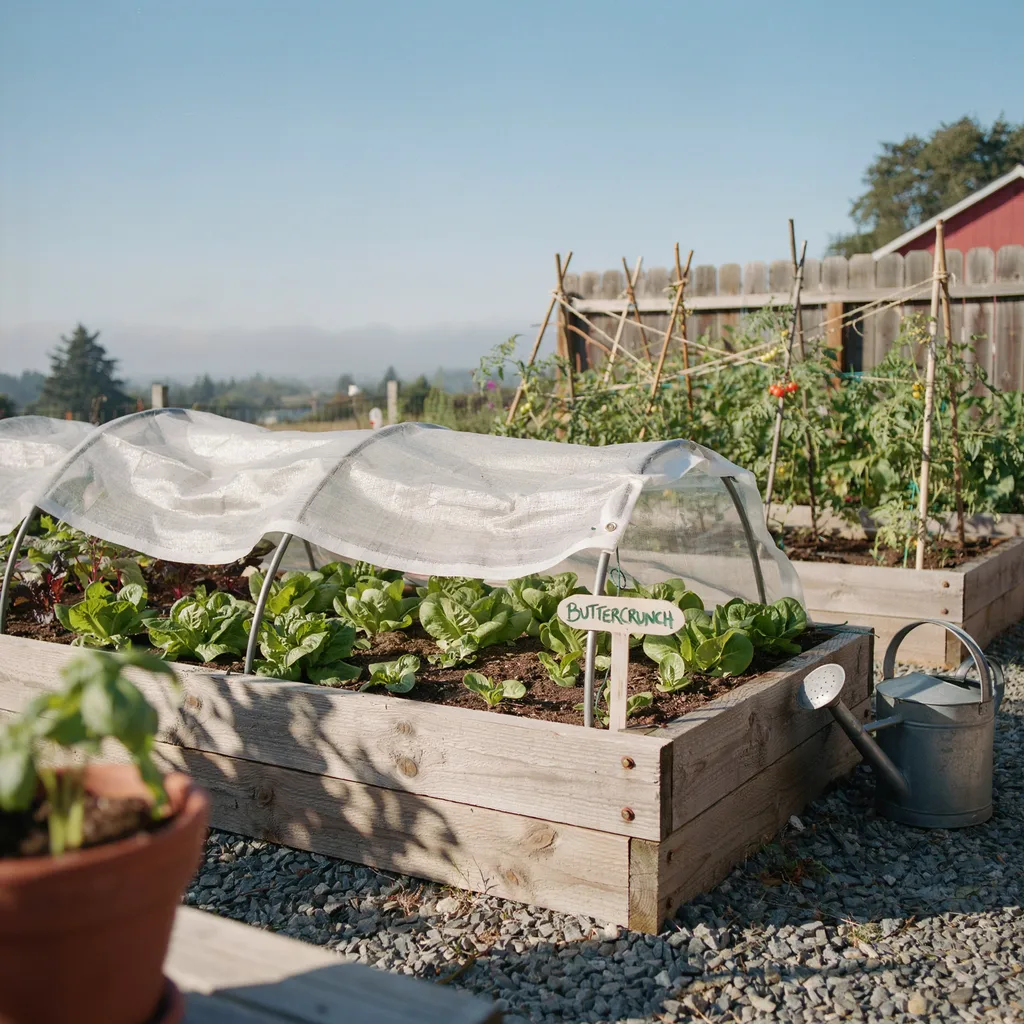
Using shade cloth as a genuine complementary strategy, not a complete solution, means continuing to use shade cloth for its genuine heat-moderation benefit, while understanding this represents a partial, complementary strategy rather than complete bolting prevention on its own, given the daylight-length component shade cloth simply doesn’t address.
| Bolting Prevention Strategy | What It Addresses |
|---|---|
| Bolt-resistant varieties | Genuine dual-trigger response at its source |
| Shade cloth | Heat component only, not daylight length |
| Succession planting | Extends overall harvest window before bolting |
Key takeaway: Recognizing shade cloth’s genuine partial coverage of the bolting trigger mechanism helps set realistic expectations, making it worth combining with bolt-resistant variety selection rather than expecting shade alone to fully prevent bolting during naturally lengthening late spring days.
Succession Planting for a Longer Harvest
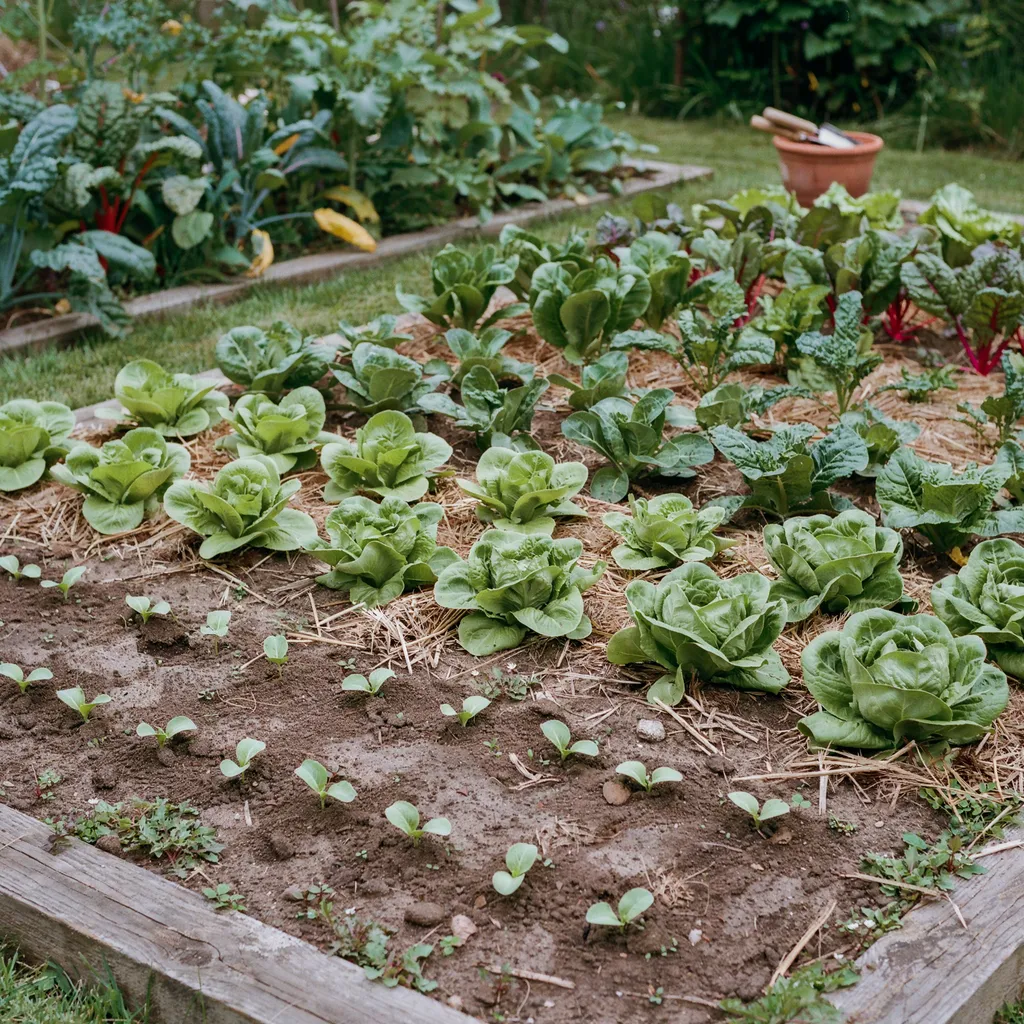
Practicing succession planting to genuinely extend the overall harvest window means planting new lettuce batches every couple of weeks rather than a single large planting, ensuring a continuous supply of younger, non-bolted lettuce even as earlier plantings eventually succumb to bolting as the season progresses.
Key takeaway: Succession planting genuinely works around the bolting timeline rather than preventing it entirely, making this strategy worth combining with bolt-resistant variety selection to maintain continuous harvest availability throughout an extended warm-season growing period.
Consistent Moisture Reduces Plant Stress
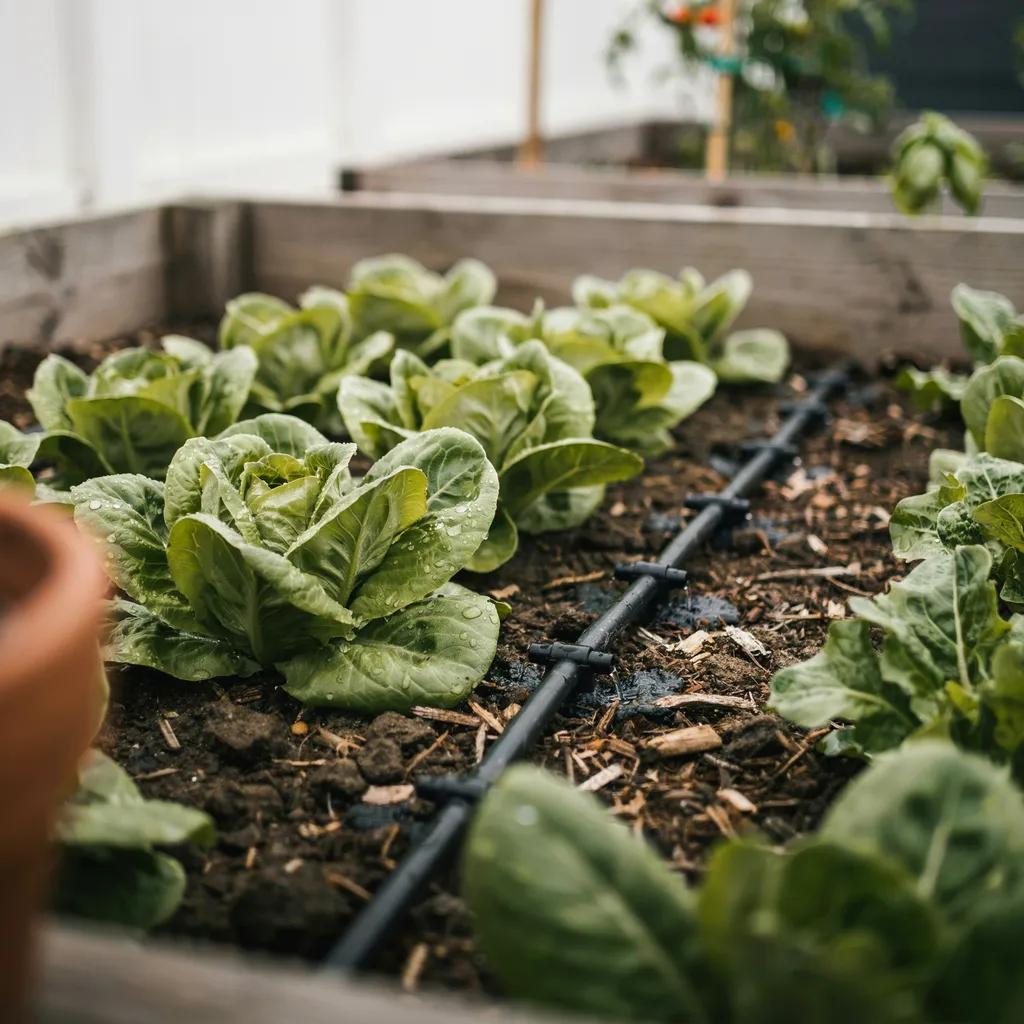
Providing consistent moisture since water stress genuinely compounds bolting tendency means maintaining consistent soil moisture throughout lettuce’s growing period, since water stress genuinely adds additional plant stress that can compound and accelerate the bolting response beyond what the daylight-and-heat trigger alone would cause.
Key takeaway: Consistent moisture management genuinely reduces one additional stress factor that can compound bolting tendency, making reliable watering worth maintaining as a supporting practice alongside variety selection and shade management.
Harvesting Promptly to Beat Bolting
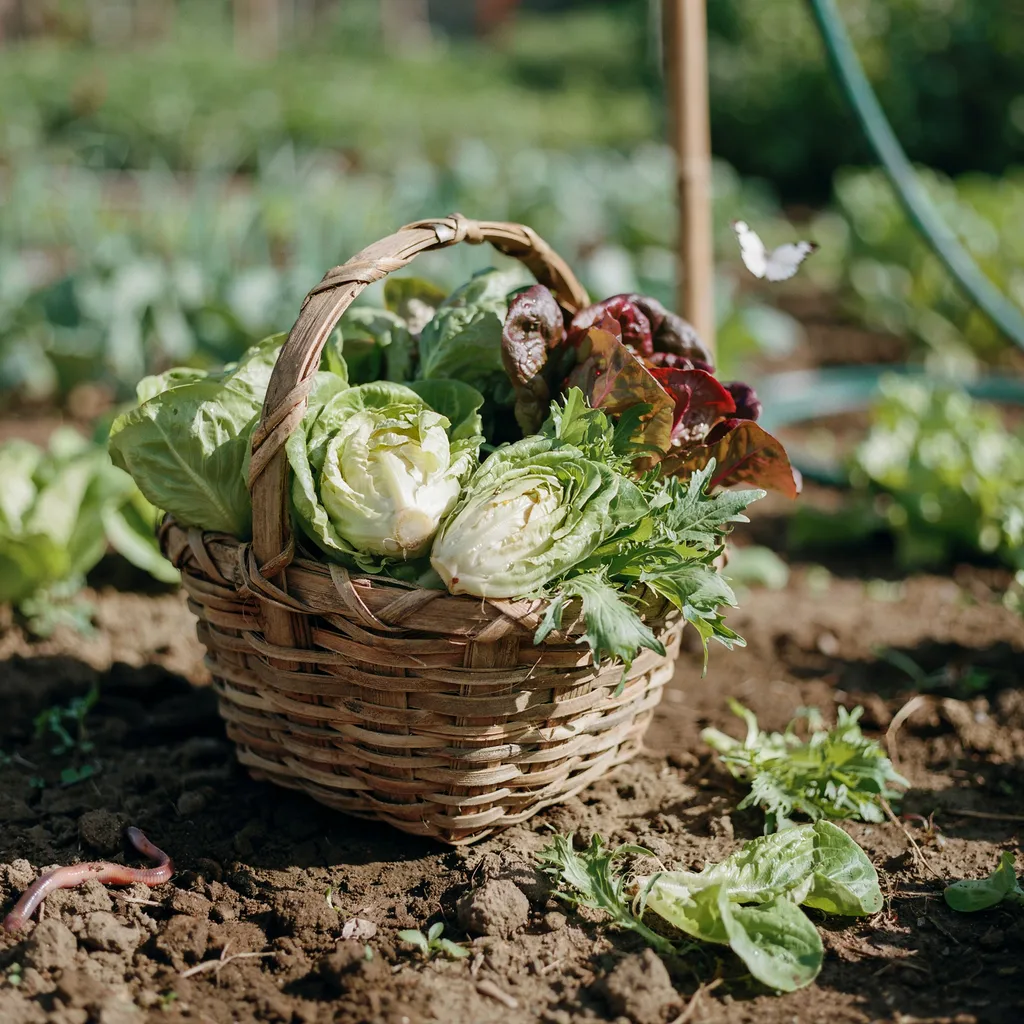
Harvesting promptly once lettuce reaches good size rather than delaying means harvesting lettuce once it reaches good eating size rather than leaving it in the ground hoping for further growth, since prompt harvest genuinely captures the lettuce before bolting has a chance to begin, particularly important during the warmer, longer-day period when bolting risk is genuinely elevated.
Key takeaway: Timely harvest represents a genuinely practical final safeguard, making prompt harvesting worth prioritizing specifically during the higher-bolting-risk period rather than delaying harvest in hopes of additional growth that increased bolting risk might prevent from ever being realized.
The Bottom Line
Growing bolt-resistant lettuce successfully in warm weather depends on understanding that bolting genuinely responds to lengthening daylight combined with heat, not heat alone, making bolt-resistant variety selection a genuinely more complete strategy than shade cloth alone, which only addresses the heat component of this dual trigger. Combining bolt-resistant varieties with shade cloth as a complementary heat-moderation strategy, succession planting to extend overall harvest availability, consistent moisture to avoid compounding stress, and prompt harvest timing round out an approach that genuinely extends productive lettuce harvest further into the warm season than any single strategy alone would achieve.
Frequently Asked Questions
Is Bolted Lettuce Genuinely Unsafe to Eat, or Is It Simply an Undesirable Flavor Change?
Bolted lettuce is genuinely safe to eat, not unsafe, though it typically develops a notably more bitter flavor and tougher texture as the plant redirects energy toward seed stalk production, making it simply less palatable rather than genuinely dangerous.
Can Lettuce Be Successfully Grown Through an Entire Hot Summer With the Right Combination of Strategies?
Even with bolt-resistant varieties and the complementary strategies discussed here, lettuce genuinely struggles through the hottest part of summer in many climates, making a planned gap in lettuce succession planting during peak summer heat, resuming again as temperatures moderate, often more practical than attempting continuous summer-long production.
Do All Lettuce Types, Like Romaine Versus Leaf Lettuce, Genuinely Show the Same Bolting Tendency?
Bolting tendency does genuinely vary somewhat between different lettuce types and specific varieties, making it worth researching a specific type’s documented bolting behavior alongside general bolt-resistant variety selection when planning warm-season lettuce growing.
Can I Save Seed From Lettuce That Has Bolted for Future Planting?
Yes, genuinely, bolted lettuce that’s allowed to fully flower and set seed provides viable seed for future planting, though seed saved from hybrid varieties may not grow true to the parent plant the way open-pollinated variety seed reliably would.
Does Container-Grown Lettuce Genuinely Bolt Differently Than Lettuce Grown Directly in Garden Beds?
The same fundamental daylight-and-heat trigger applies regardless of growing method, though containers can sometimes experience more pronounced heat exposure than in-ground beds, making shade positioning and watering consistency particularly worth attention for container-grown lettuce specifically.
Is There a Way to Genuinely Predict Roughly When My Lettuce Planting Will Begin Bolting Based on Regional Daylight Patterns?
Tracking both local daylight length trends and expected seasonal warming, combined with a specific variety’s documented bolt-resistance rating, provides a reasonable general estimate, though actual bolting timing still varies somewhat based on specific growing conditions each season.