
How to Grow Shiitake Mushrooms on Logs

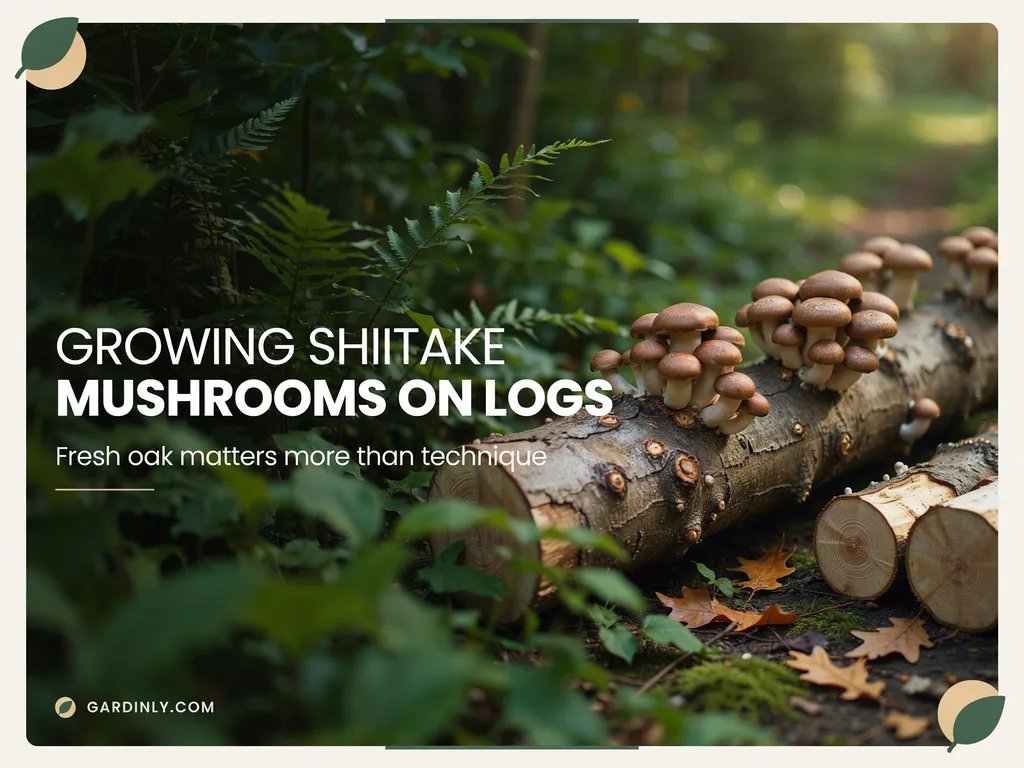
Shiitake log cultivation genuinely depends on using freshly cut hardwood, ideally oak, rather than aged or already-dead wood, since the mushroom spawn needs the tree’s still-present natural sugars and internal moisture to successfully establish its network throughout the log, resources that genuinely diminish once wood has been cut and sitting for an extended period before inoculation.
Why Fresh Wood Outperforms Aged Wood
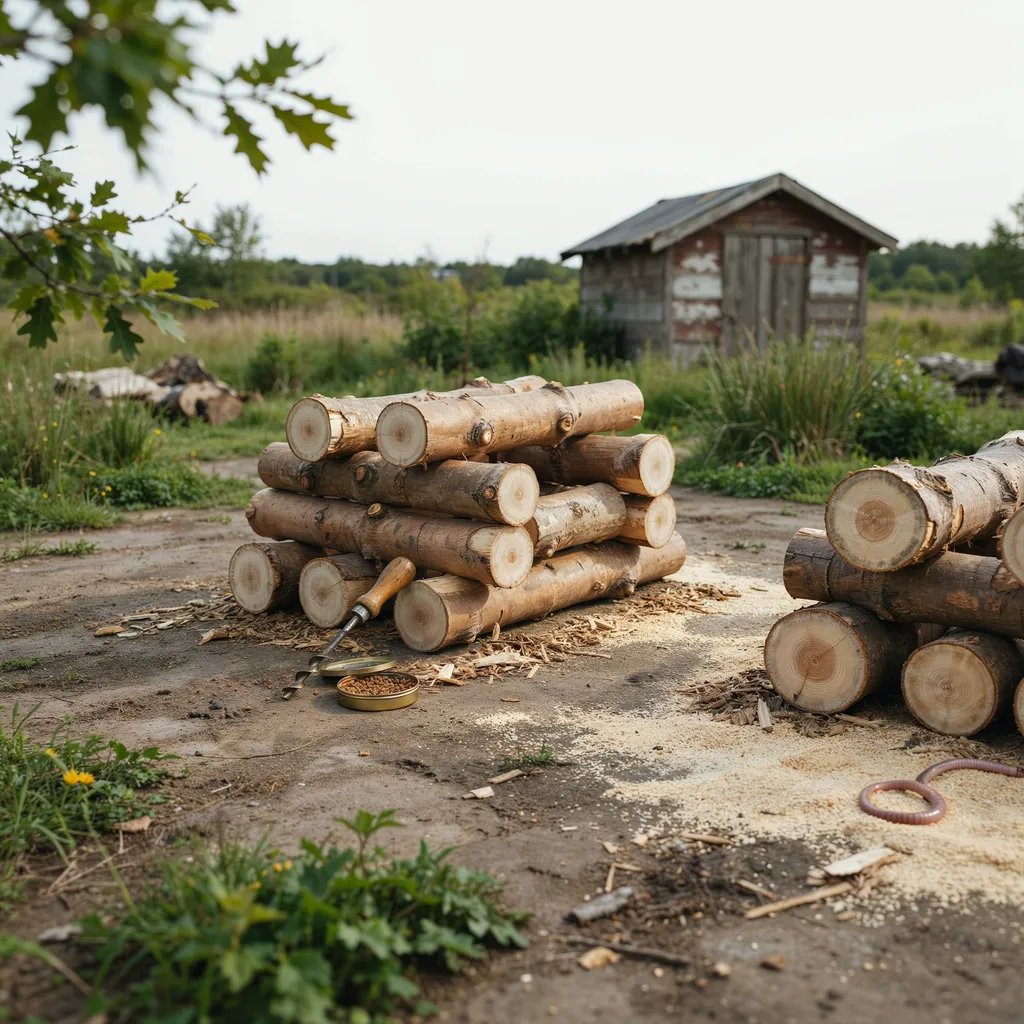
Why freshly cut wood genuinely outperforms aged or dead wood for successful colonization is that shiitake spawn needs to establish and spread throughout the log using the wood’s own available sugars and moisture content, resources that are genuinely at their highest right after cutting and decline steadily as the log sits and dries, meaning wood cut too far in advance of inoculation offers considerably less favorable conditions for the fungus to successfully establish.
Why Cutting-to-Inoculation Timing Matters
The resource depletion timeline that makes cutting-to-inoculation timing genuinely important is that a freshly cut log’s internal sugar and moisture content begins declining relatively soon after cutting, meaning inoculation performed within a few weeks of cutting genuinely gives the shiitake spawn access to considerably more favorable resources than attempting inoculation on wood that’s already been sitting for months.
The narrowing window between cutting and inoculation is a genuine resource availability issue, not simply a traditional guideline, making prompt inoculation after cutting worth prioritizing for meaningfully better colonization success.
Choosing the Right Hardwood Species
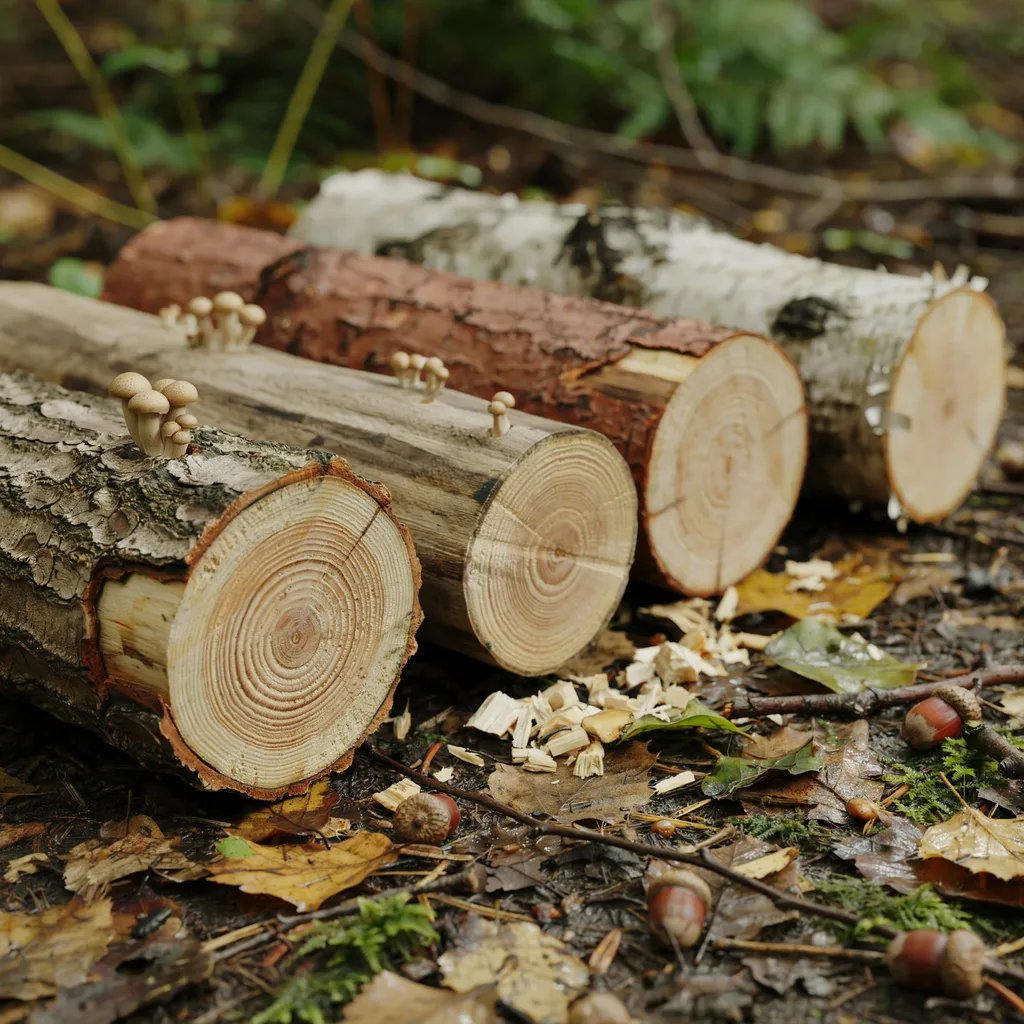
Selecting oak or other suitable hardwood for the log material means choosing genuinely appropriate wood species, oak being the most commonly recommended and reliable choice, though other hardwoods like sweetgum or ironwood can also work reasonably well, while softwoods like pine genuinely don’t support shiitake growth successfully at all.
Hardwood species selection is a genuine, non-negotiable requirement, making it worth confirming wood type before beginning the inoculation process, since softwood simply won’t support successful shiitake colonization regardless of technique quality.
Drilling Holes and Inserting Spawn Plugs
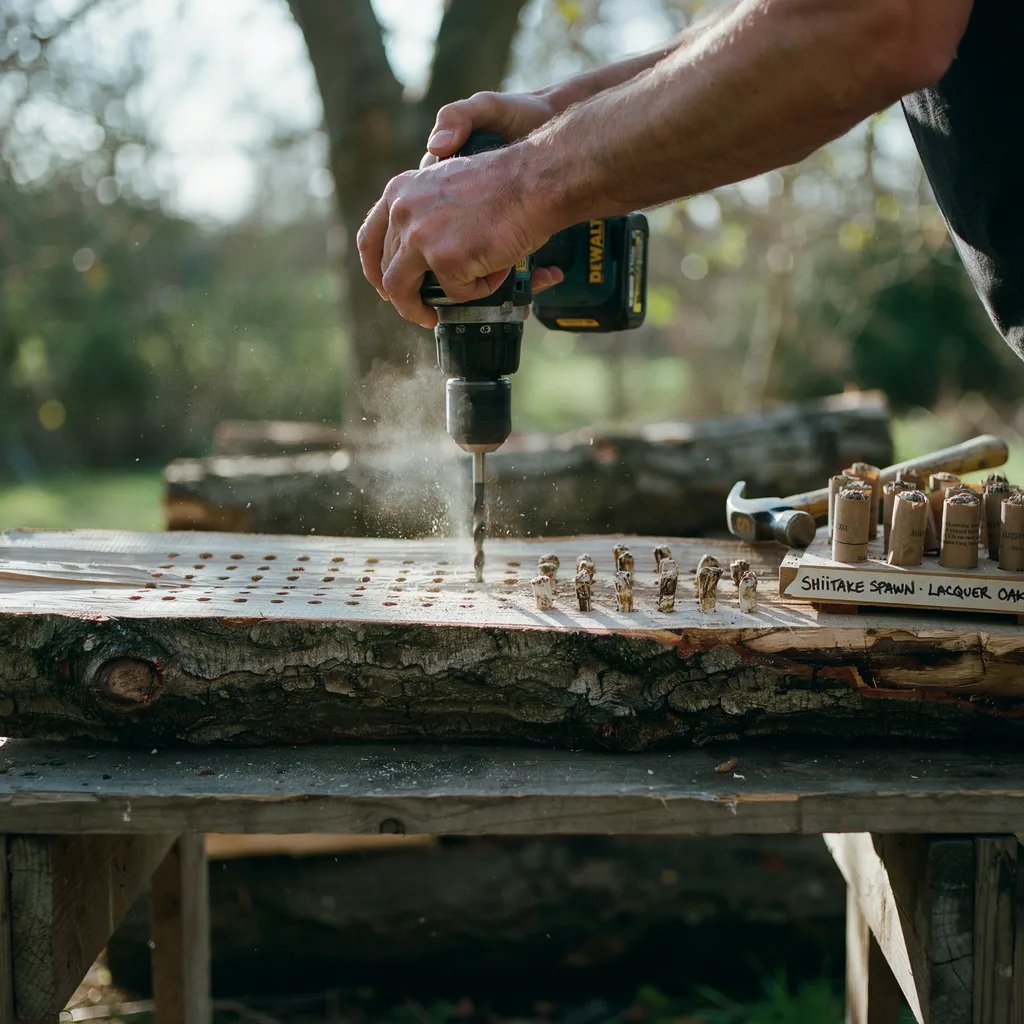
Drilling holes and inserting shiitake spawn plugs at appropriate spacing means drilling a genuine grid pattern of holes across the log’s surface, typically spaced several inches apart in a diamond pattern, then inserting wooden dowel plugs pre-colonized with shiitake spawn into each hole, establishing the multiple inoculation points the fungus will spread and connect between throughout the log.
The diamond-pattern spacing genuinely gives the fungus multiple established starting points that will eventually grow together throughout the log, making adequate hole density worth following rather than under-inoculating with too few spawn points.
Sealing Inoculation Points With Wax
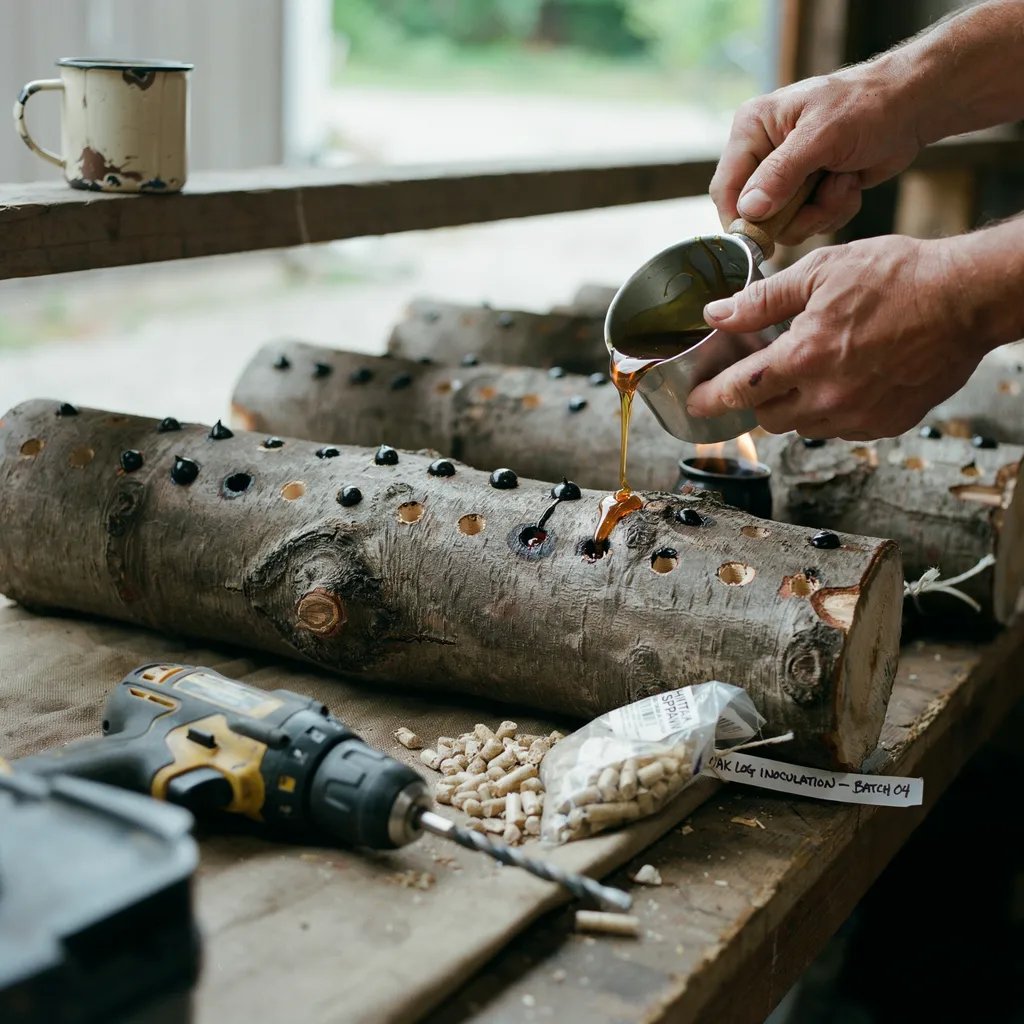
Sealing each inoculation point with wax to prevent contamination and moisture loss means covering each drilled and plugged hole with melted cheese wax or a similar sealant, which genuinely protects the inoculation site from competing fungi, insects, and excessive moisture loss during the extended incubation period that follows.
Wax sealing genuinely protects the vulnerable inoculation points from contamination and moisture loss over the long incubation period, making this finishing step worth doing thoroughly rather than treating it as an optional cosmetic touch.
The Incubation Period Before Fruiting
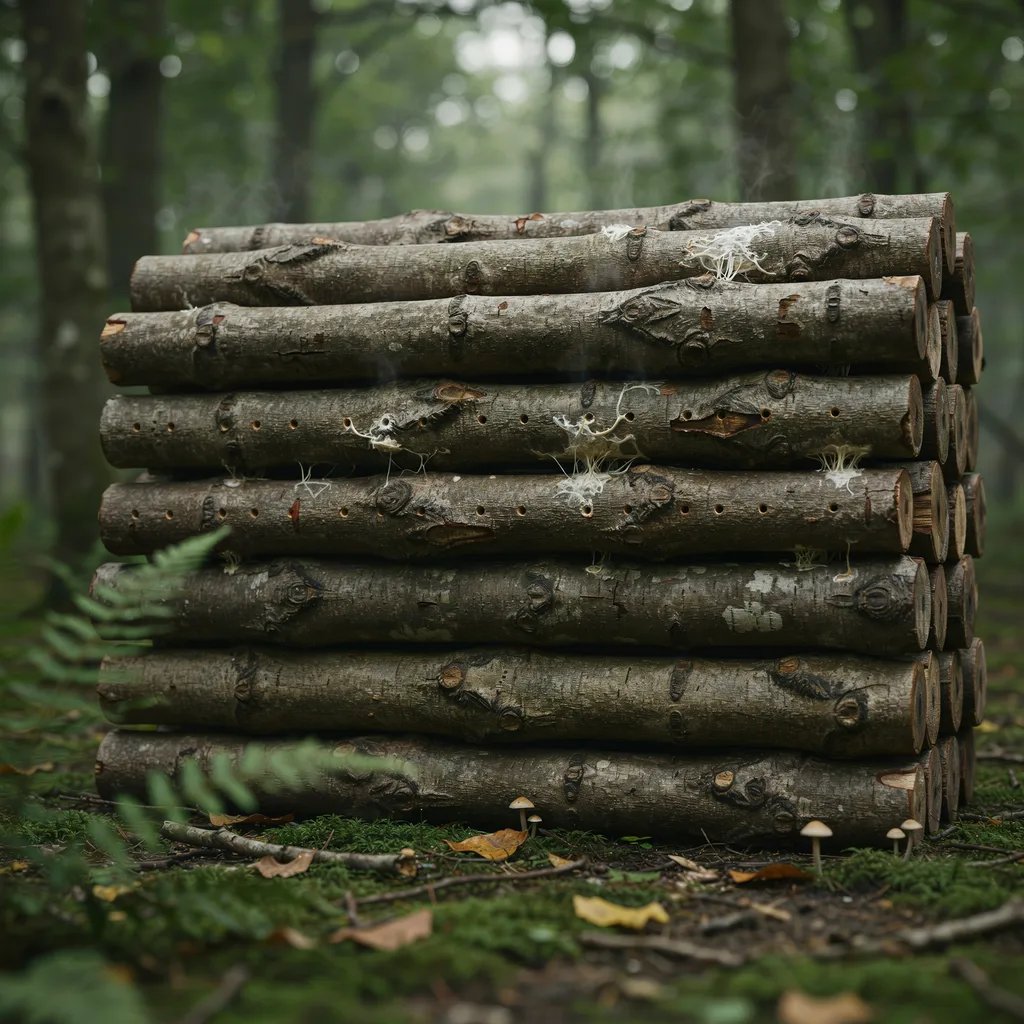
Allowing 6-12 months of incubation before expecting the first mushroom flush means storing inoculated logs in a shaded, consistently moist location and genuinely waiting through this extended period while the shiitake mycelium spreads throughout the log’s internal wood structure, a considerably longer timeline than many other home mushroom growing methods require.
The genuinely extended 6-to-12-month incubation timeline reflects how much internal colonization needs to happen before the log is ready to fruit, making patience through this period a real requirement rather than a sign something has gone wrong if mushrooms don’t appear sooner.
Triggering Fruiting With Cold Water
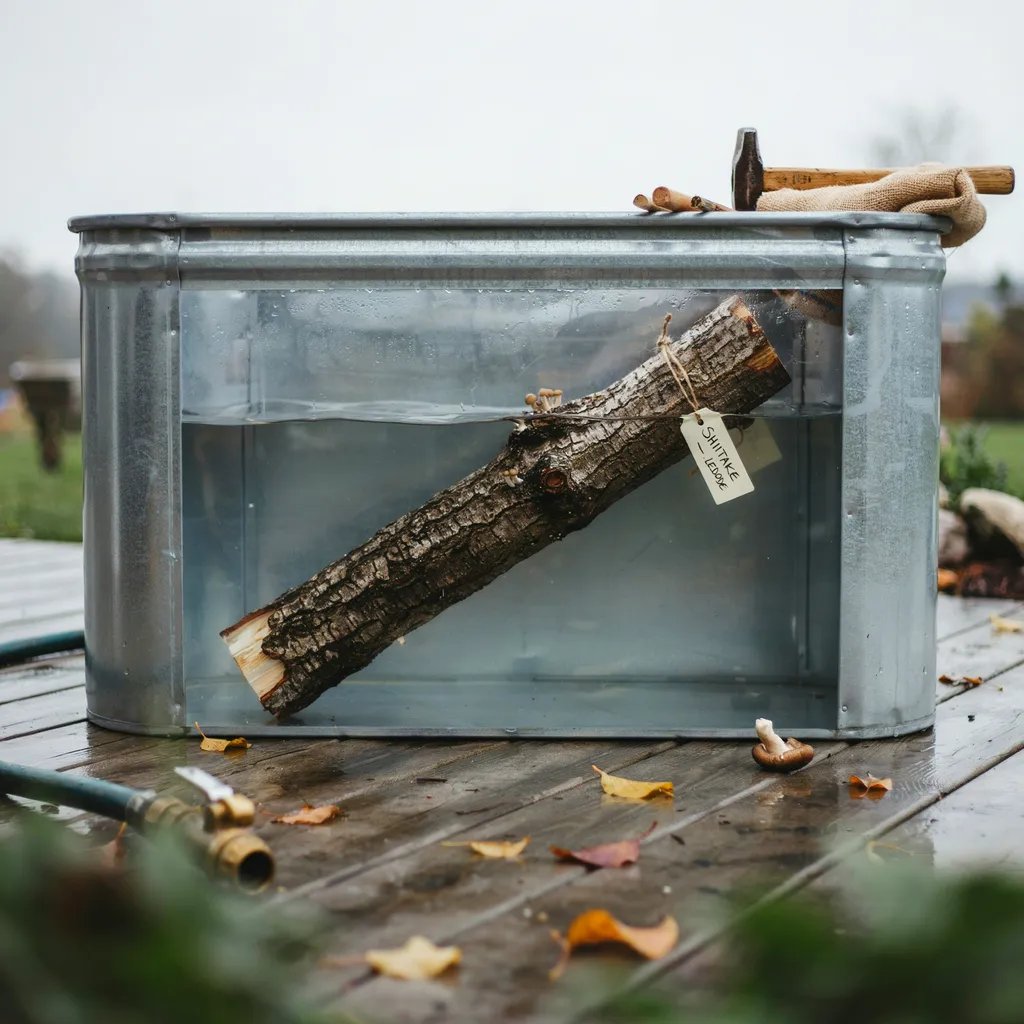
Triggering fruiting through cold water soaking once the log is ready means submerging a properly incubated log in cold water for roughly 24 hours, a genuine shock treatment that mimics natural seasonal moisture changes and reliably triggers the log to produce its first flush of visible mushrooms within about a week or two afterward.
Cold water soaking’s shock-triggering effect is a genuinely reliable, deliberate technique for prompting fruiting on demand, making it worth using specifically once a log has completed its incubation period rather than simply waiting indefinitely for spontaneous fruiting.
The Bottom Line
Growing shiitake mushrooms on logs successfully depends on using freshly cut oak or other suitable hardwood inoculated promptly while the wood’s natural sugars and moisture remain genuinely favorable, following proper spawn plug spacing and wax sealing technique, then committing to the genuinely extended 6-to-12-month incubation period before the log is ready to fruit. Triggering that first mushroom flush through a deliberate cold water soak, and understanding this whole process as a patient, longer-term project rather than a quick growing method, sets realistic expectations for anyone attempting this distinctive, rewarding home mushroom cultivation technique.
Frequently Asked Questions
How Many Times Can a Single Inoculated Log Be Triggered to Produce a New Flush of Mushrooms?
A well-colonized log can typically be soaked and triggered to fruit multiple times, often producing several flushes over a period of several years before the log’s internal wood resources are genuinely exhausted and it stops producing.
What Size Log Is Genuinely Ideal for Shiitake Cultivation, Both in Diameter and Length?
Logs roughly 4-8 inches in diameter and about 3-4 feet in length are commonly recommended as a practical, manageable size, offering enough wood volume to support meaningful mushroom production while remaining reasonably easy to handle and move during the soaking process.
Can Shiitake Logs Be Successfully Grown Indoors, or Do They Genuinely Need to Be Outdoors?
Shiitake logs generally need outdoor or similarly humid, sheltered conditions, like a shaded area or greenhouse, since they require sustained ambient humidity and temperature conditions that a typical indoor home environment usually can’t adequately replicate over the extended incubation period.
Is It Normal for a Log to Fail to Produce Any Mushrooms Even After the Recommended Incubation Period?
Some inoculated logs genuinely don’t successfully colonize for various reasons, including insufficient spawn density, using wood that wasn’t fresh enough at inoculation, or contamination by competing fungi, making an unsuccessful log a real possibility worth planning for by inoculating multiple logs rather than relying on just one.
Can I Purchase Pre-Inoculated Shiitake Logs Instead of Inoculating My Own From Scratch?
Yes, some suppliers offer already-inoculated logs at various stages of the incubation process, providing a genuinely more accessible starting point for beginners wanting to skip the initial wood selection and inoculation steps while still experiencing the later stages of log care and mushroom harvesting.
Does Climate Genuinely Affect How Well Shiitake Log Cultivation Works in a Specific Region?
Yes, shiitake cultivation generally performs best in climates with adequate humidity and moderate temperatures, making genuinely hot, dry, or extremely cold climates somewhat more challenging, potentially requiring additional shade, misting, or seasonal timing adjustments to maintain suitable growing conditions.