
How to Harden Off Seedlings

Seedlings moved directly from protected indoor growing conditions into full outdoor sun, wind, and temperature swings can suffer genuine leaf scorch and physical tissue damage within just a few hours, since their tissue simply hasn’t developed the protective adaptations outdoor-grown plants naturally build up, making the gradual, week-plus hardening off process a real physiological necessity rather than an optional precaution.
Why Indoor Tissue Lacks Outdoor Protection
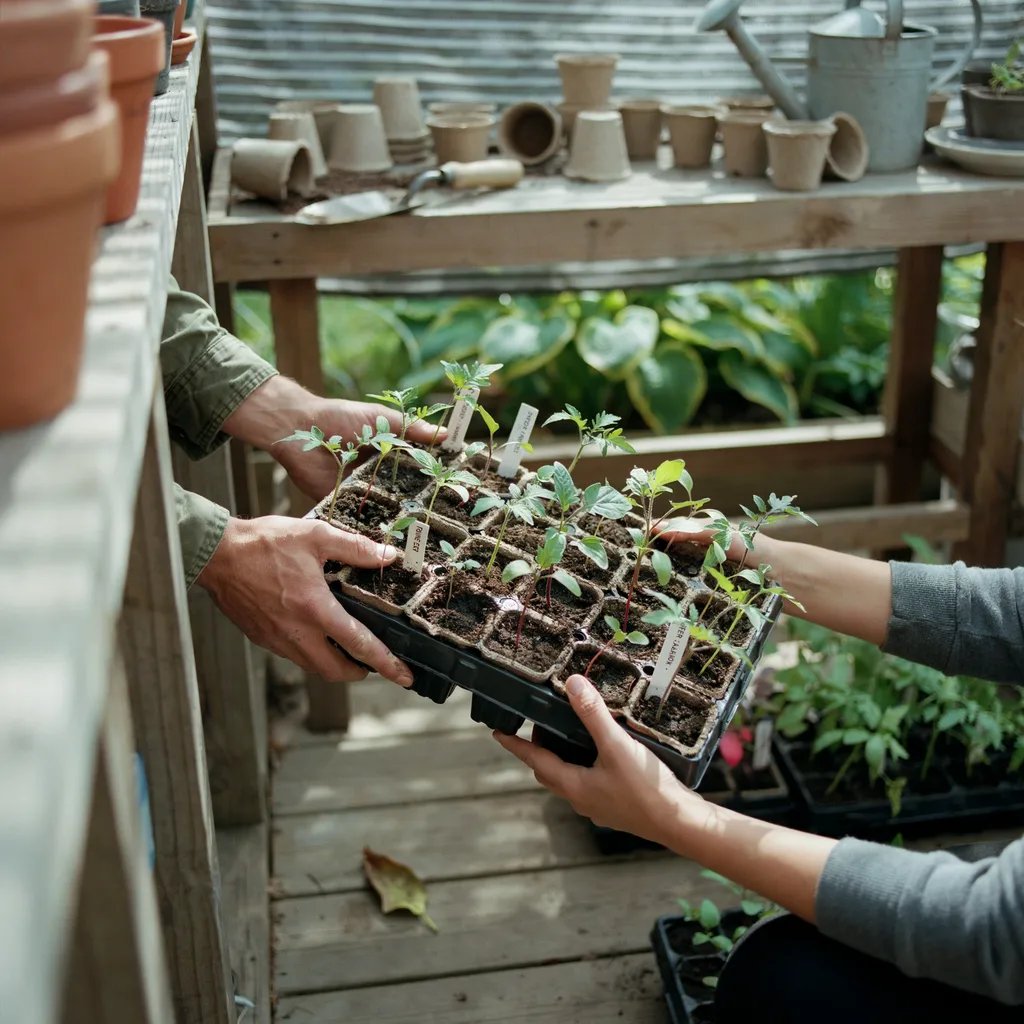
Why indoor-grown seedling tissue genuinely lacks outdoor-ready protective adaptations is that plants grown indoors under relatively stable temperature, filtered light, and still air develop thinner leaf cuticles and less robust cell structure than plants that experience genuine outdoor conditions from germination, meaning this indoor-grown tissue is genuinely more vulnerable to sudden outdoor exposure, not simply unfamiliar with it.
Why Gradual Exposure Is Required
The physical tissue difference that makes gradual exposure a real requirement, not just caution, is that direct sun exposure on thin, indoor-developed leaf tissue can genuinely cause cell damage equivalent to sunburn, while sudden wind exposure can cause excessive water loss through leaves not yet adapted to handle that airflow, both genuine physical stresses that gradual exposure allows the plant to build tolerance against incrementally rather than all at once.
Understanding hardening off as addressing genuine physical tissue vulnerability, not simply psychological ‘adjustment,’ explains why rushing this process risks real, sometimes irreversible plant damage rather than just temporary stress.
Starting With Brief Shaded Exposure
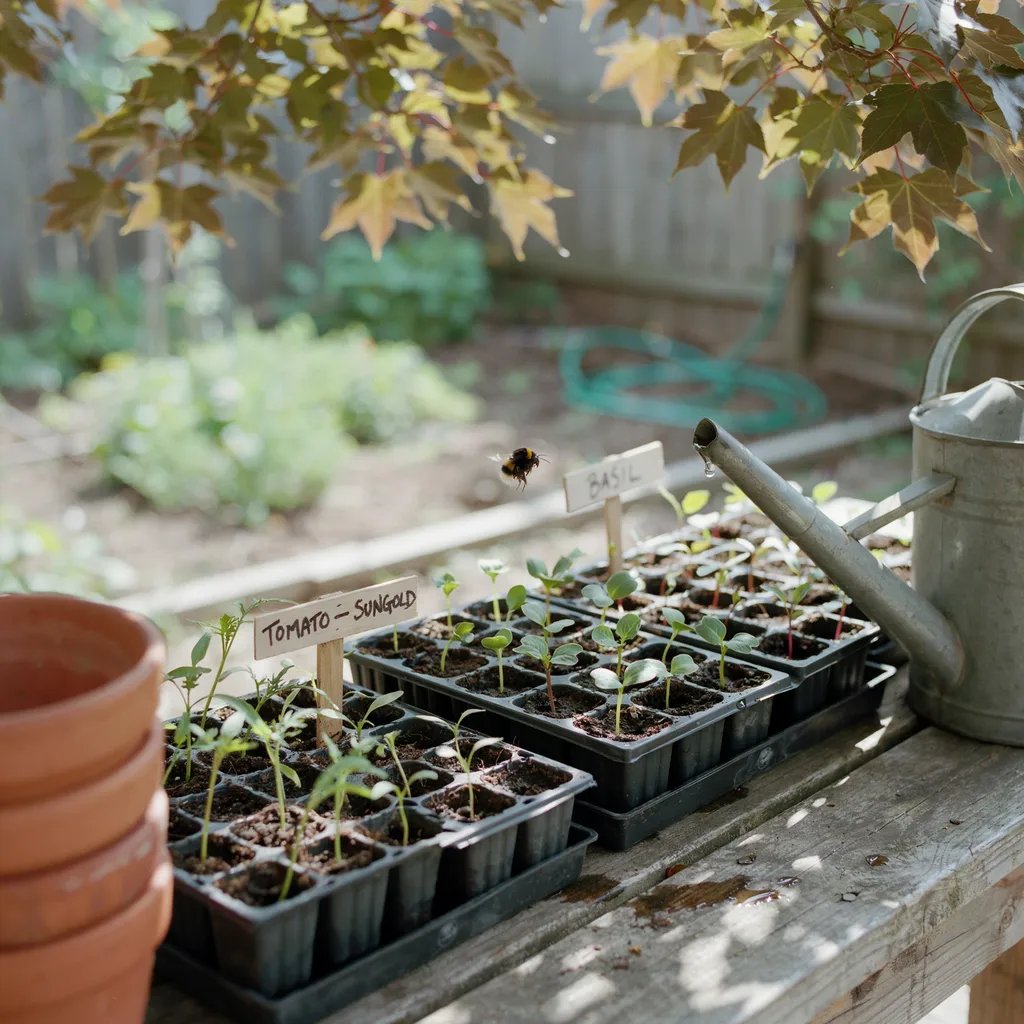
Starting with a few hours in shaded, wind-protected outdoor conditions means beginning the hardening off process with just 1-2 hours outside in a location shielded from direct sun and strong wind, giving seedlings their very first, genuinely gentle outdoor exposure before any more intense conditions are introduced.
This deliberately gentle starting point genuinely establishes the foundation for successful hardening off, making it worth resisting the urge to skip ahead to more intense conditions even on what seems like a mild, favorable first day.
Gradually Increasing Outdoor Exposure
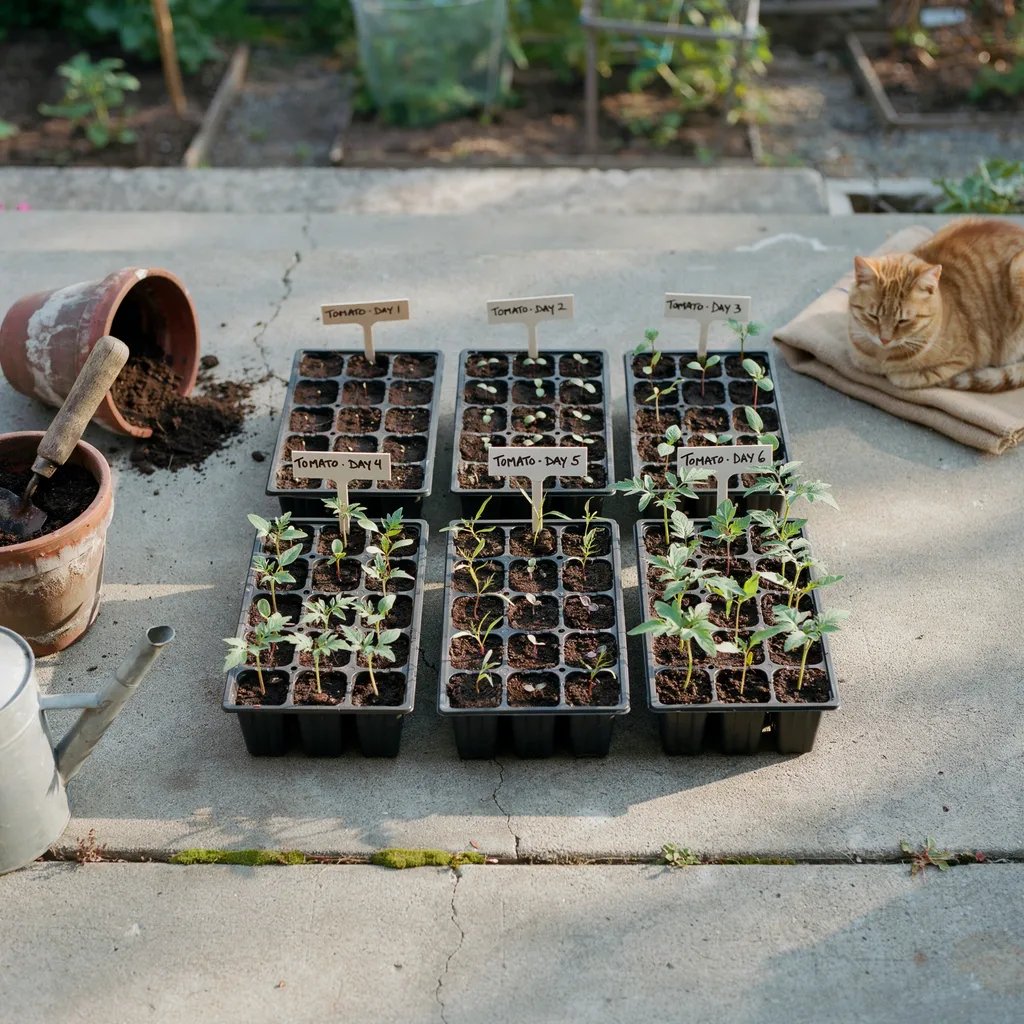
Gradually increasing outdoor time and sun exposure over 7-10 days means incrementally extending both the duration outdoors and the amount of direct sun exposure each day, building from that initial brief, shaded introduction toward full-day outdoor exposure in the seedlings’ eventual planting location’s actual light conditions by the end of this period.
This structured, incremental progression genuinely builds tissue tolerance systematically, making the specific gradual timeline worth following rather than a rough approximation that jumps ahead too quickly at any single stage.
Bringing Seedlings Indoors Overnight
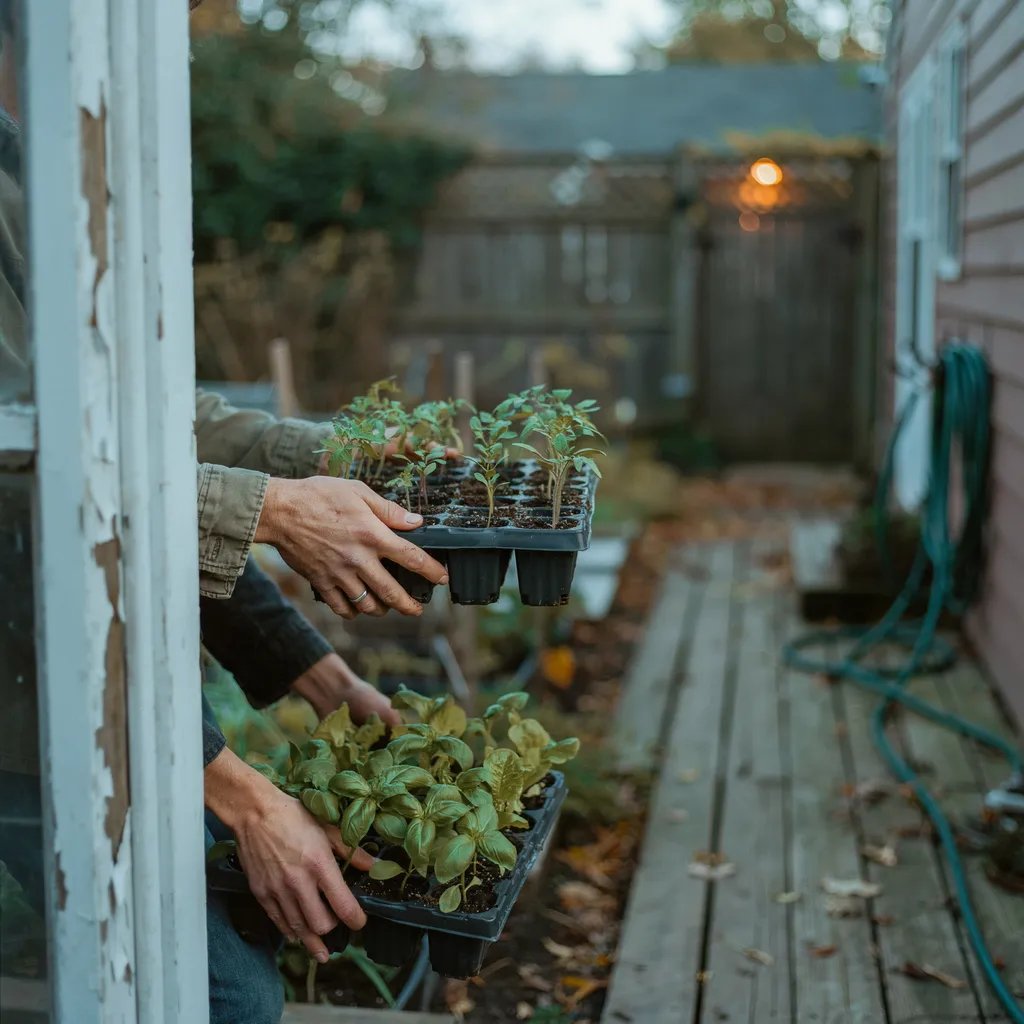
Bringing seedlings back indoors overnight during the initial hardening period means continuing to protect seedlings from overnight temperature drops and conditions during the earlier days of the hardening off process, gradually extending toward leaving them outdoors overnight only once they’ve built sufficient tolerance through several days of daytime exposure.
Overnight protection during the early hardening period genuinely prevents an additional, unnecessary stress layer while daytime tissue adaptation is still developing, making this extra caution worth maintaining until the process is further along.
Watching for Wilting and Leaf Scorch
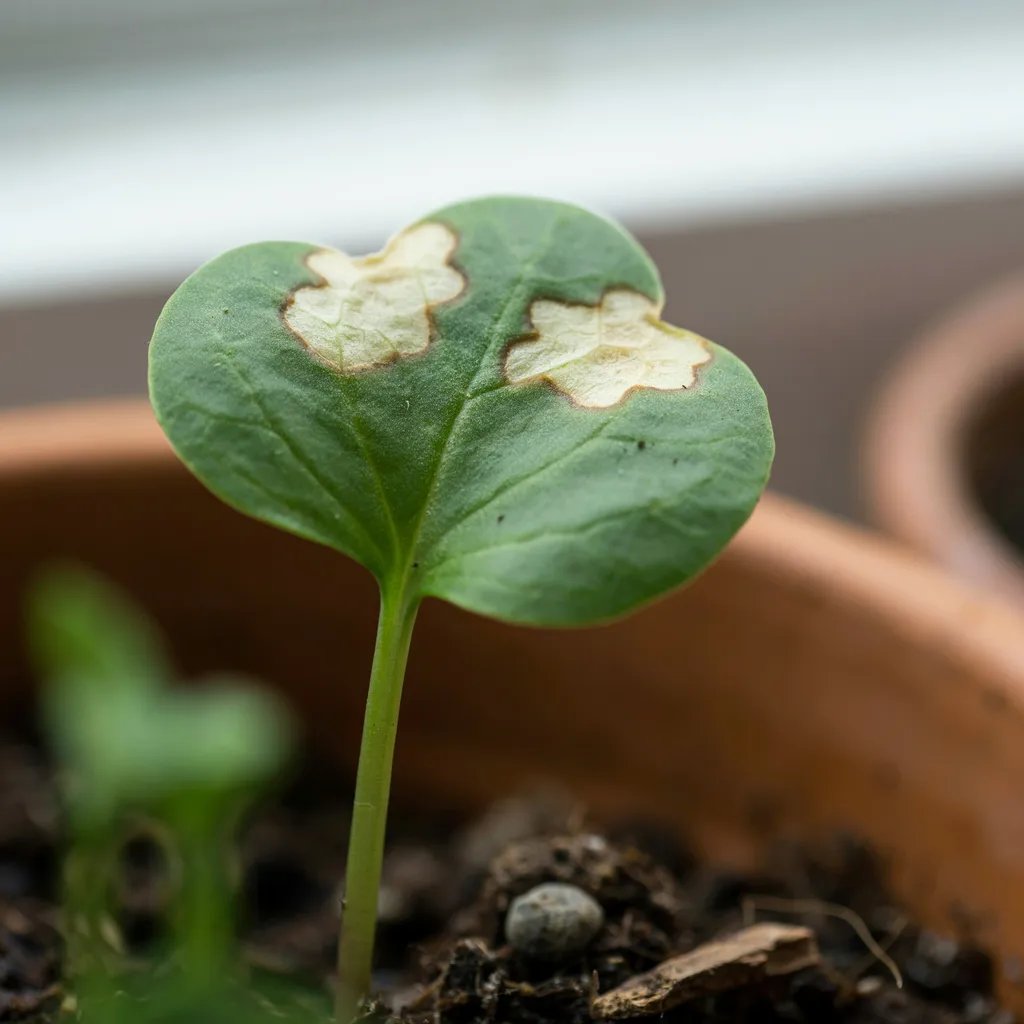
Watching for wilting or leaf scorch as genuine signs to dial back exposure means monitoring seedlings closely throughout the hardening off period and treating any visible stress signs, wilting, scorched or bleached leaf patches, as a genuine signal to reduce exposure intensity temporarily rather than pushing through in hopes the plant will simply adapt regardless.
Stress signs during hardening off represent genuine physical damage already occurring, not simply discomfort the plant will power through, making prompt exposure reduction the right response rather than persisting with an exposure level the plant has clearly signaled it can’t yet handle.
Timing Hardening to Finish Before Transplanting
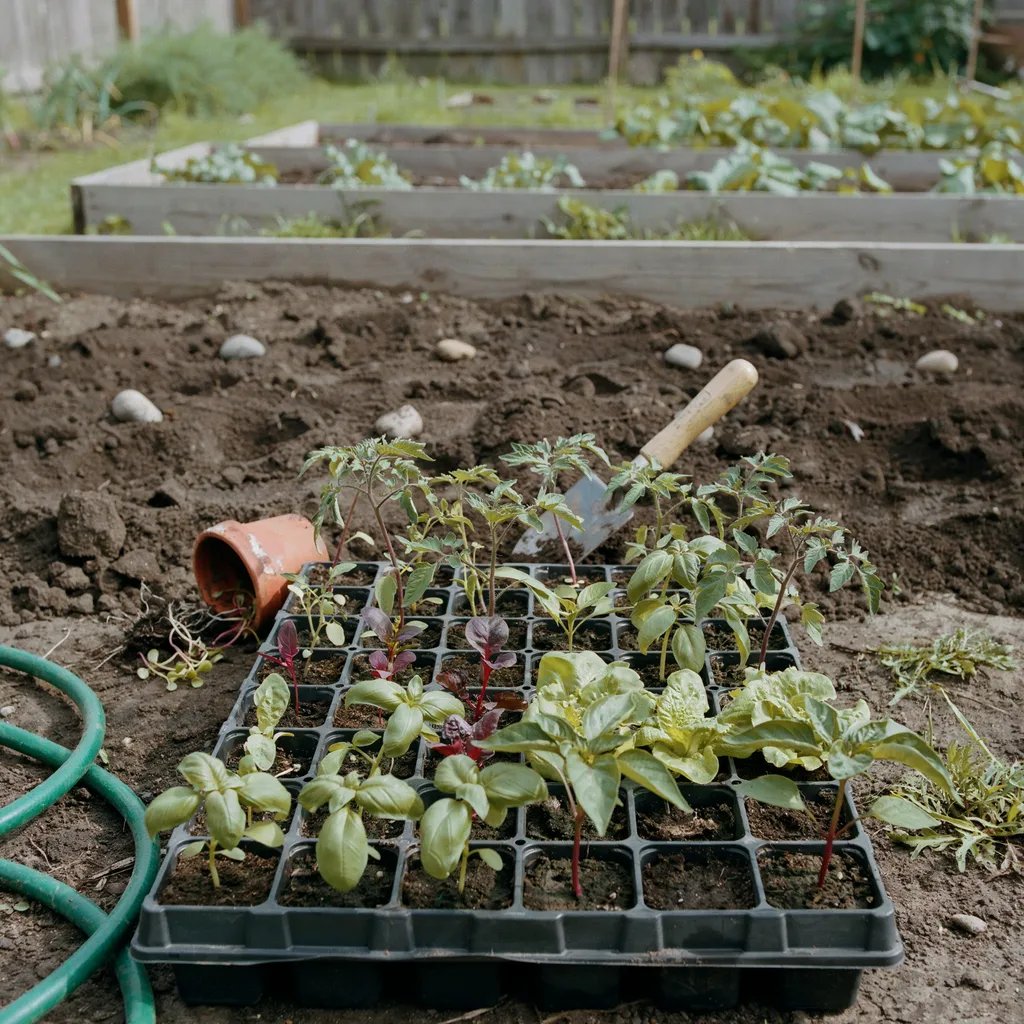
Timing the complete hardening process to finish right before transplanting means planning the full 7-to-10-day hardening schedule to conclude just as the actual transplant date arrives, ensuring seedlings reach genuinely full outdoor readiness exactly when they need to make the permanent move to their garden location.
Coordinating hardening off timeline with the actual planned transplant date prevents the mismatch of either rushing an incomplete hardening process or having fully hardened seedlings waiting unnecessarily, making this timing coordination worth planning deliberately in advance.
The Bottom Line
Hardening off seedlings successfully depends on respecting the genuine physical tissue vulnerability indoor-grown plants have to direct sun, wind, and temperature swings, starting with brief, shaded outdoor exposure and gradually building toward full outdoor conditions over 7 to 10 days rather than transplanting directly from indoor protection into the garden. Bringing seedlings indoors overnight during the earlier hardening days, watching closely for wilting or leaf scorch as genuine signals to dial back exposure, and timing the complete process to finish right at the planned transplant date round out an approach that protects the real investment of time and effort already put into growing healthy seedlings from seed.
Frequently Asked Questions
What Happens if I Skip Hardening Off Entirely and Transplant Seedlings Directly Outdoors?
Seedlings transplanted without hardening off genuinely risk significant transplant shock, including leaf scorch, wilting, and sometimes plant death, making this skipped step a real risk to the seedlings’ survival rather than simply a minor setback they’ll quickly recover from.
Can the Hardening Off Process Be Shortened for Gardeners on a Tighter Timeline?
While the process can sometimes be compressed somewhat for genuinely hardy plant varieties, shortening it significantly increases the real risk of transplant stress and damage, making the full 7-to-10-day timeline worth protecting rather than treating as flexible whenever schedule pressure exists.
Do All Seedling Types Need the Same Hardening Off Approach, or Do Some Need More Caution Than Others?
More tender, heat-loving seedlings like tomatoes and peppers generally benefit from a somewhat more gradual, cautious approach compared with naturally hardier cool-season crops like cabbage or broccoli, making some adjustment to the standard timeline worth considering based on the specific crop being hardened off.
Is There a Way to Harden Off Seedlings if I Don’t Have Convenient Outdoor Space to Move Trays In and Out Daily?
A cold frame genuinely offers a practical alternative, providing a gradually adjustable, semi-protected outdoor environment where seedlings can acclimate without needing to be physically moved indoors and outdoors each day throughout the hardening process.
Can Cloudy, Overcast Weather Days Be Used to Skip Ahead in the Hardening Off Schedule?
Overcast days do offer somewhat gentler light conditions that can allow slightly extended outdoor time compared with a bright sunny day, though wind and temperature exposure still matter regardless of cloud cover, making it reasonable to adjust timing slightly but not to abandon the gradual approach entirely.
How Do I Know When Seedlings Have Genuinely Completed Hardening Off and Are Truly Ready for Permanent Transplanting?
Seedlings that have spent a full day and ideally at least one night outdoors in conditions matching their eventual planting location, without showing wilting, scorching, or other stress signs, are generally considered genuinely ready for the final transplant into the garden.