
How to Identify and Treat Cedar-Apple Rust

Cedar-apple rust genuinely requires two entirely different host plant types, a juniper or cedar and an apple or crabapple, growing within a reasonable distance of each other to complete its full life cycle, meaning this disease’s genuine two-host dependency means removing or treating either host species alone can meaningfully break the infection cycle, a real strategic option this disease’s unusual biology specifically makes possible.
Quick Answer
The Two-Host Dependency Explained
Why Single-Host Intervention Works
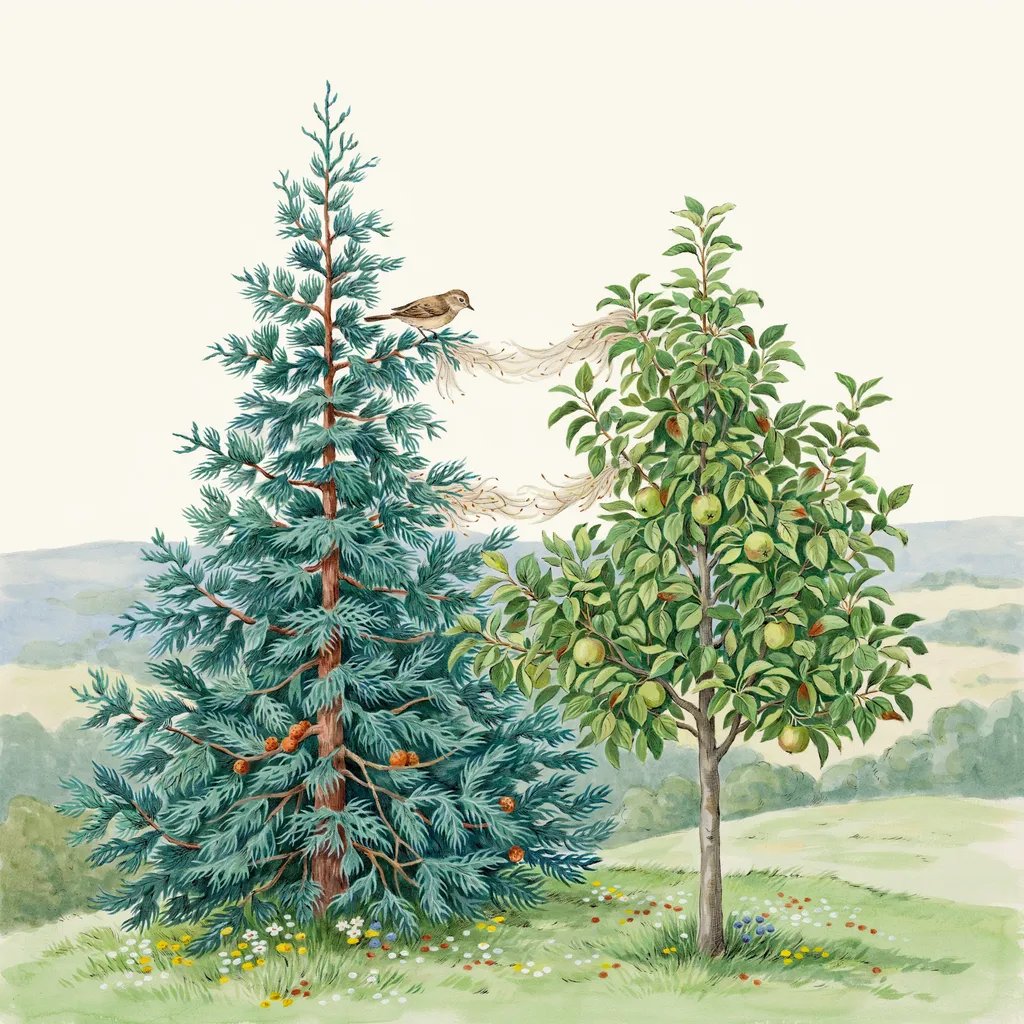
Why the genuine two-host dependency creates a real, actionable control strategy is that this disease’s fungal pathogen genuinely can’t complete its life cycle using only one host type, meaning the infection cycle depends on genuine back-and-forth transmission between nearby juniper/cedar and apple/crabapple hosts, making removal or treatment of either host species a genuinely viable strategy for breaking this cycle, an option many single-host plant diseases simply don’t offer.
The life cycle dependency that makes single-host intervention genuinely effective is that the fungal pathogen genuinely requires spending part of its life cycle on each host type in sequence, meaning breaking this cycle at either point, removing susceptible junipers near valued apple trees, or vice versa, genuinely disrupts the pathogen’s ability to complete its reproductive cycle and continue spreading between the two host types.
Understanding this genuine two-host life cycle dependency explains why cedar-apple rust management offers a real strategic option, single-host intervention, that many other plant diseases genuinely don’t provide, making host-species management worth considering alongside more typical treatment approaches.
Recognizing Distinctive Orange, Gelatinous Galls on Cedar and Juniper Hosts
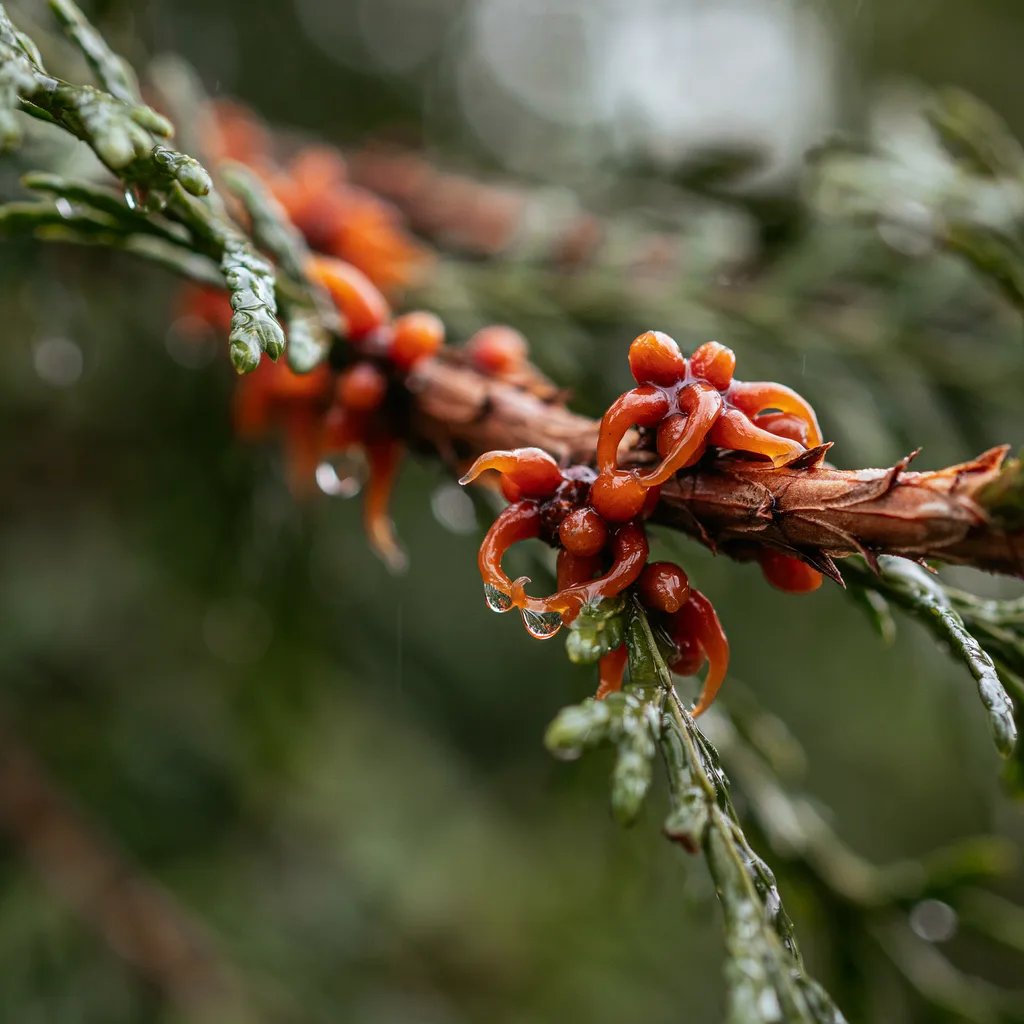
Recognizing distinctive orange, gelatinous galls on cedar and juniper hosts means watching for these genuinely distinctive growths, which appear as brownish galls that transform into striking orange, gelatinous, tentacle-like structures specifically after rain, a visually unmistakable symptom that makes cedar-host identification of this disease relatively straightforward.
This dramatic, genuinely distinctive post-rain gall appearance provides one of the more visually unmistakable disease identification signs available, making cedar and juniper hosts relatively easy to diagnose confidently once this specific symptom is observed.
Recognizing Yellow-Orange Leaf Spots on Apple and Crabapple Hosts
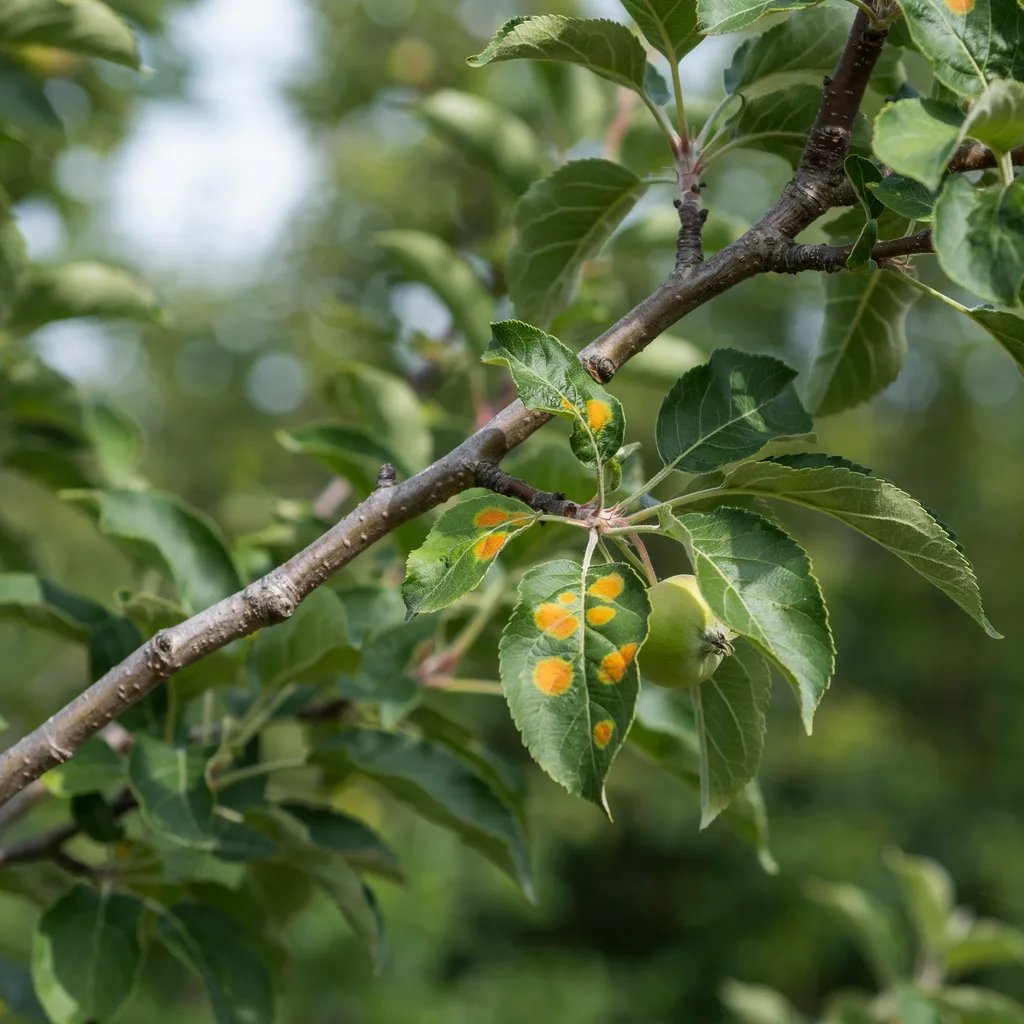
Recognizing yellow-orange leaf spots on apple and crabapple hosts means checking for characteristic yellow-orange spots developing on leaves, sometimes with small black dots within the spots, and in more severe cases, spots potentially also affecting fruit, symptoms that represent this same disease’s manifestation on its second, genuinely different host plant type.
Recognizing these genuinely distinct symptom presentations on each different host type helps confirm which host plant is actually being observed, since the same underlying disease looks considerably different depending on which host it’s currently affecting.
Removing Susceptible Cedar or Juniper Plants Near Valued Apple Trees if Practical
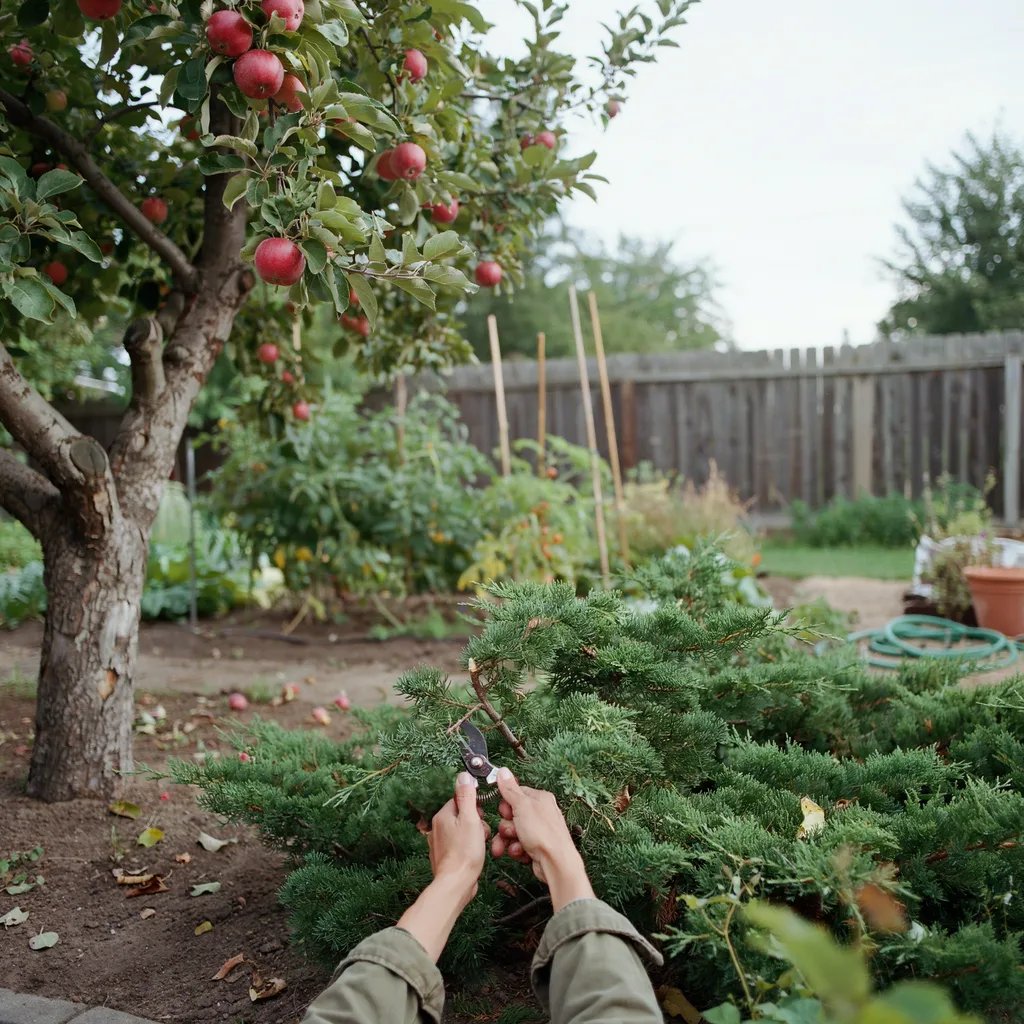
Removing susceptible cedar or juniper plants near valued apple trees if practical means considering removal of nearby susceptible cedar or juniper specimens specifically when a valued apple or crabapple tree is experiencing significant recurring infection, taking direct advantage of the genuine two-host dependency to break the infection cycle at its source.
This removal strategy genuinely works specifically because of the disease’s two-host requirement, making it worth considering as a real management option rather than assuming treatment must always focus on the currently symptomatic plant alone.
Choosing Resistant Apple and Crabapple Varieties Where Cedar Removal Isn’t Practical
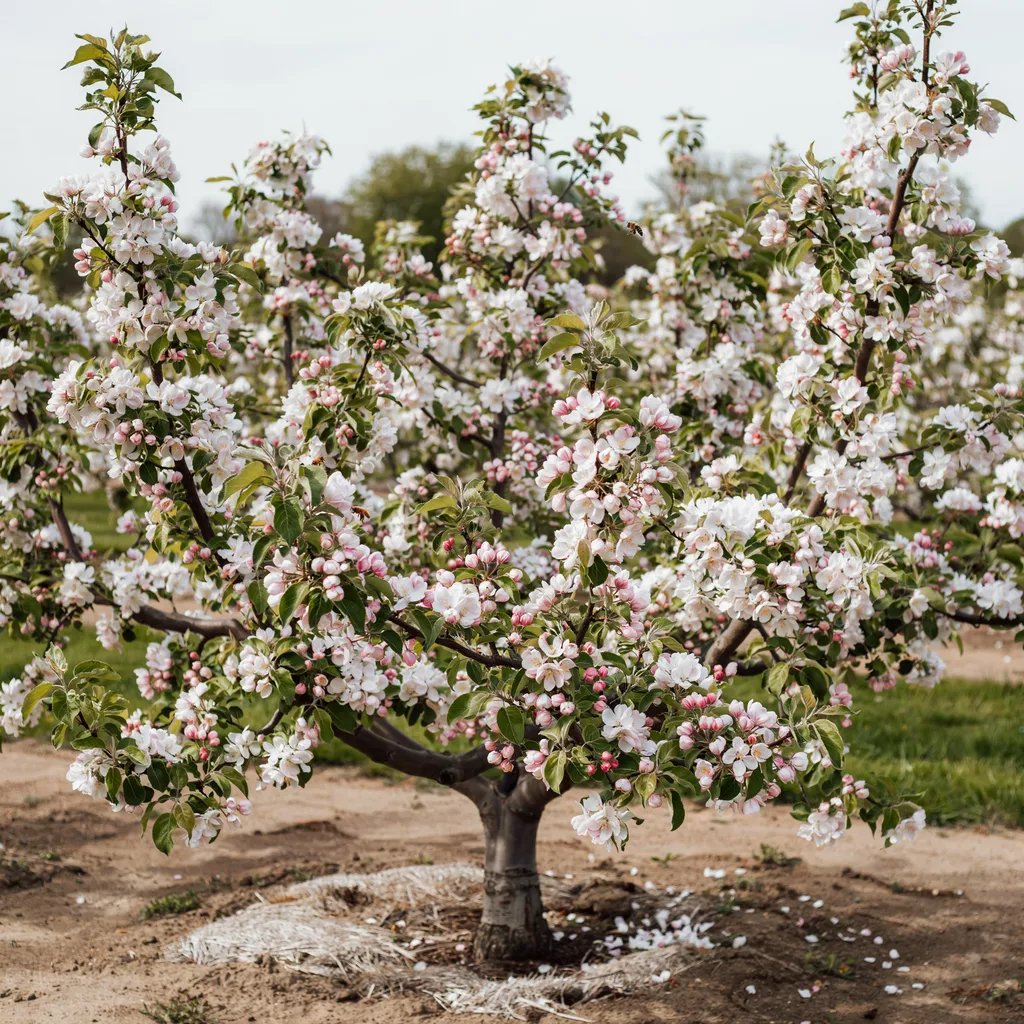
Choosing resistant apple and crabapple varieties where cedar removal isn’t practical means selecting apple or crabapple cultivars specifically bred with documented cedar-apple rust resistance, a genuinely practical alternative when removing nearby cedar or juniper hosts isn’t feasible, whether due to their own landscape value or simply their presence on neighboring, uncontrollable properties.
Resistant variety selection genuinely provides an effective alternative specifically for situations where host removal isn’t practical, making this worth prioritizing when planting new apple or crabapple trees in an area where cedar or juniper presence can’t reasonably be controlled.
Applying Preventive Fungicide Specifically Timed to Spring Spore Release
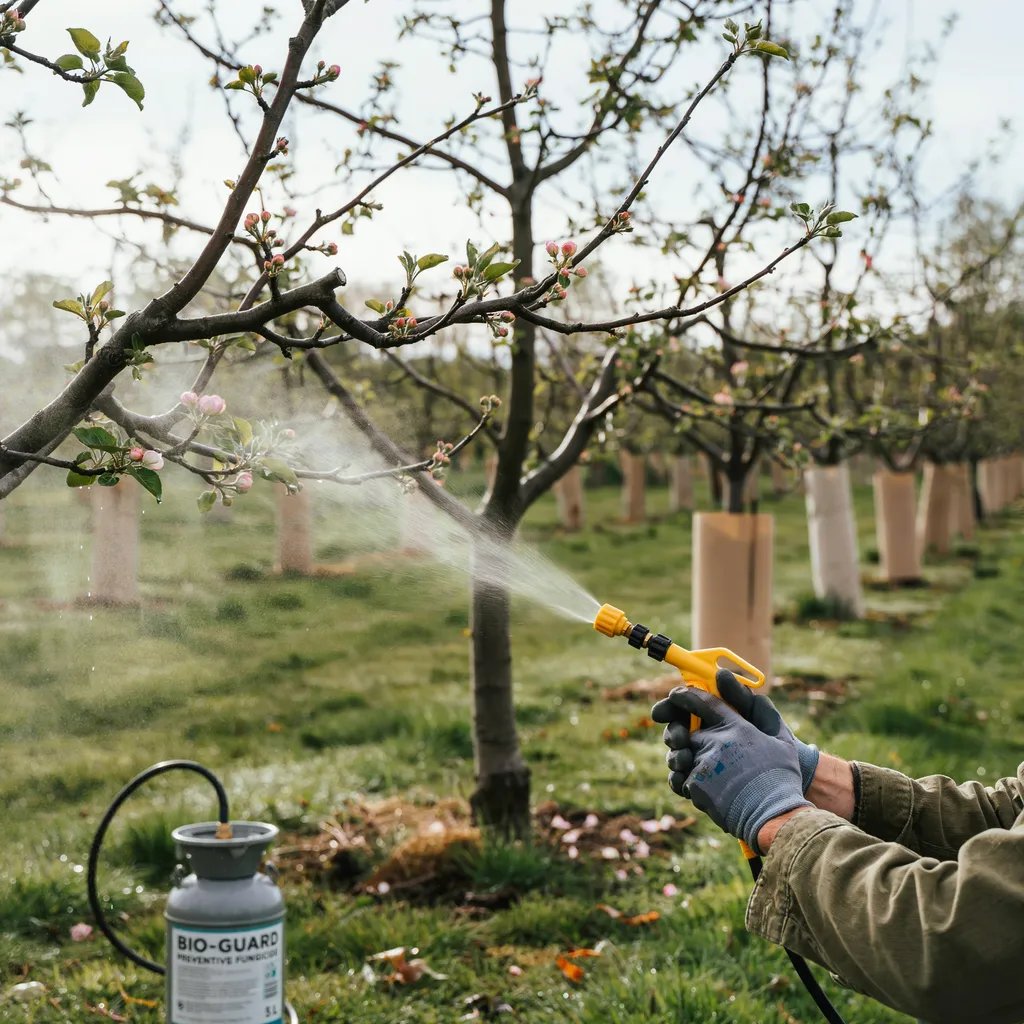
Applying preventive fungicide specifically timed to spring spore release means, for apple and crabapple trees needing protection where host removal and resistant varieties aren’t sufficient options, applying preventive fungicide treatment timed specifically to the spring period when spores are actively being released from cedar galls, following the same prevention-before-symptoms principle that benefits many fungal disease treatments.
This specific spring timing genuinely aligns treatment with the actual spore release period driving new infection, making timing precision worth prioritizing for anyone choosing fungicide treatment as part of their cedar-apple rust management approach.
The Bottom Line
Identifying and treating cedar-apple rust depends on understanding its genuine two-host life cycle, requiring both a cedar or juniper host showing distinctive orange gelatinous galls and an apple or crabapple host showing yellow-orange leaf spots, a dependency that makes single-host removal or treatment a real, viable control strategy this disease’s unusual biology specifically enables. Choosing resistant apple and crabapple varieties where host removal isn’t practical, and applying preventive fungicide timed to spring spore release for trees needing additional protection, round out a genuinely comprehensive approach that takes real advantage of this disease’s distinctive two-host dependency.
Frequently Asked Questions
How Far Apart Do Cedar/Juniper Hosts and Apple/Crabapple Hosts Genuinely Need to Be to Prevent Disease Transmission?
Disease spores can genuinely travel considerable distances, sometimes several miles under favorable wind conditions, meaning complete separation isn’t always practically achievable, making resistant varieties and preventive fungicide often more reliable than distance alone in areas with widespread cedar or juniper presence.
Does Cedar-Apple Rust Genuinely Threaten a Tree’s Overall Health, or Is It Primarily a Cosmetic Concern?
Severity genuinely varies, with mild infections often remaining largely cosmetic, while more severe, recurring infections can genuinely reduce fruit quality and yield on apple trees, and repeated heavy infection can meaningfully stress affected trees over successive seasons.
Can Cedar-Apple Rust Spread to Other Plant Species Beyond These Two Specific Host Categories?
No, genuinely, this disease’s two-host cycle is specifically limited to cedar/juniper and apple/crabapple relatives, meaning it doesn’t pose a threat to unrelated plant species elsewhere in the garden, a genuine limitation worth understanding to avoid unnecessary broader concern.
How Long Do the Orange Galls Genuinely Remain Visible on Infected Cedar or Juniper Trees?
The dramatic orange, gelatinous gall appearance is genuinely temporary, typically lasting only while conditions remain wet after rain, though the underlying brownish gall structure itself can persist on the plant for a longer period between these more visually dramatic wet-weather episodes.
Are There Genuinely Resistant Cedar or Juniper Varieties, Similar to Resistant Apple Varieties?
Yes, genuinely, some juniper and cedar cultivars show documented reduced susceptibility, making this worth researching specifically for new plantings in areas where cedar-apple rust is a known regional concern, though resistant apple varieties remain the more commonly available and utilized option.
Can This Disease Be Genuinely Prevented Entirely, or Is Some Level of Risk Always Present Wherever Both Hosts Coexist Regionally?
Complete prevention is genuinely difficult in regions where both host types are common throughout the broader landscape, making risk reduction through the strategies discussed here, rather than complete elimination, the realistic goal for most gardeners in areas where this disease is regionally established.