
How to Make a Hypertufa Trough Planter

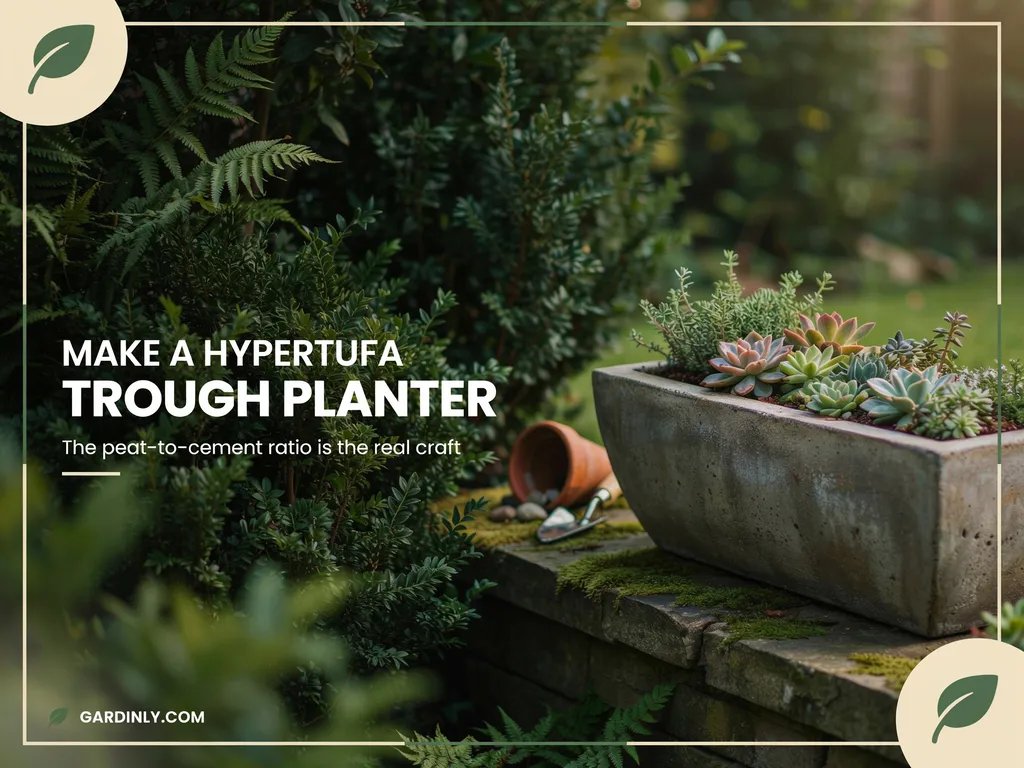
The peat-to-cement ratio genuinely determines whether a finished hypertufa trough achieves the convincingly aged, porous stone-like appearance this craft is specifically known for, or simply looks like decorated concrete, making mix proportion the actual technical foundation this project depends on rather than the mold shape or decorative finishing techniques that get more visual attention.
Quick Answer
Why the Peat-to-Cement Ratio Matters
The Porosity Mechanism That Explains Why This Specific Ratio Matters So Much
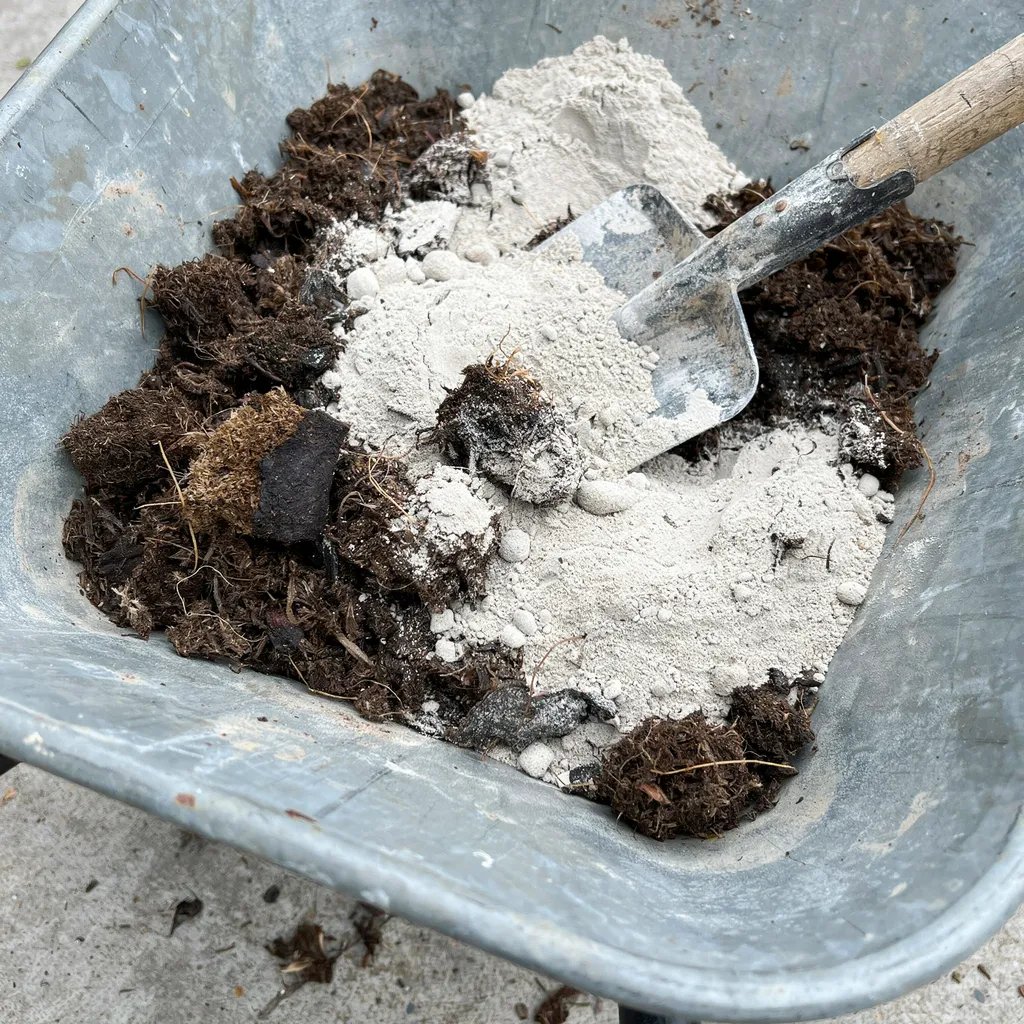
Why the peat-to-cement ratio genuinely determines authentic stone-like appearance is that the peat moss component genuinely creates the porous, textured surface quality that distinguishes hypertufa from simple decorated concrete, meaning a mix with too little peat relative to cement produces a denser, smoother surface lacking the genuine porous texture that makes hypertufa convincingly resemble naturally weathered stone.
The porosity mechanism that explains why this specific ratio matters so much is that peat moss’s fibrous structure genuinely creates small voids and texture variation throughout the cured material as it breaks down within the cement matrix, producing the porous, somewhat rough surface quality that reads as genuinely stone-like, meaning this specific material property, not simply the mix’s overall composition, is what actually drives the desired aesthetic result.
Understanding peat’s genuine role in creating porous surface texture, not simply as filler material, explains why getting this specific ratio right matters more for achieving authentic results than many other aspects of the hypertufa-making process.
Mixing Roughly Equal Parts Portland Cement, Peat Moss, and Perlite or Vermiculite
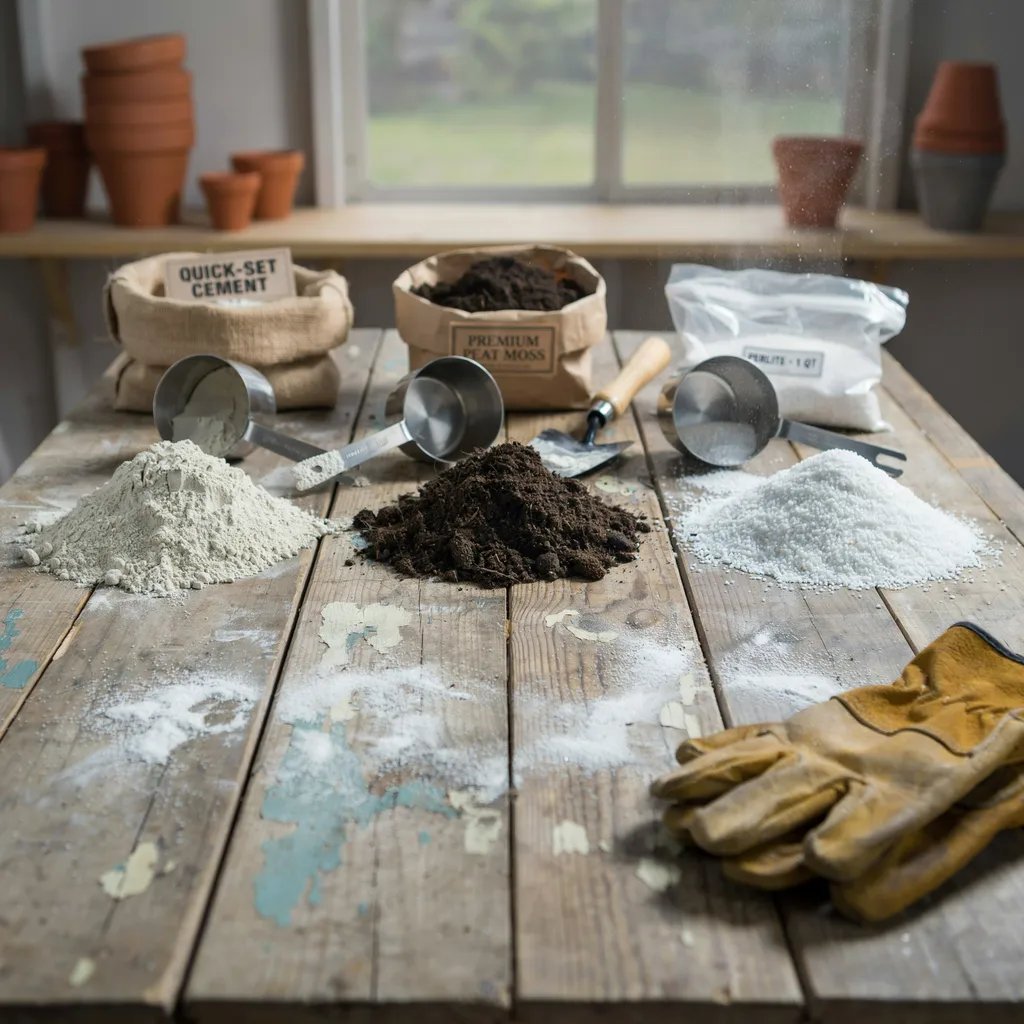
Mixing roughly equal parts portland cement, peat moss, and perlite or vermiculite, means combining these three dry materials in approximately equal proportions as a genuinely reliable starting ratio, with perlite or vermiculite adding additional lightweight texture and structure alongside the peat’s own contribution to the mix’s overall porous character.
This roughly equal-parts starting ratio provides a genuinely reliable foundation for beginners, making it worth using as a starting formula before experimenting with ratio adjustments once initial results and personal preference for the finished texture become clearer.
Adding Water for the Right Consistency
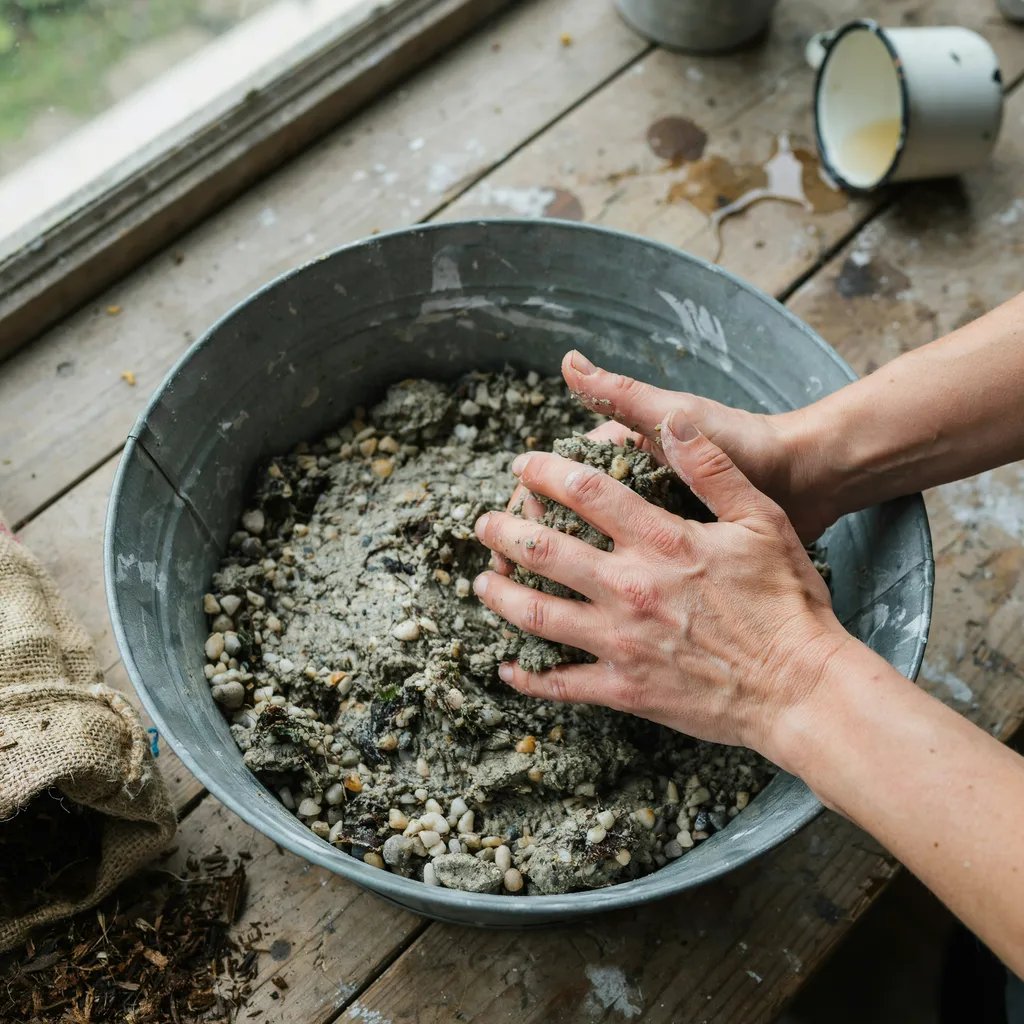
Adding water gradually to achieve a genuinely workable, not soupy, consistency means incorporating water slowly into the dry mixed materials, checking consistency frequently, since the mixture genuinely needs to hold together workably, similar to a thick, moist dough consistency, rather than becoming soupy or overly wet, which would compromise both workability and final cured strength.
Achieving this specific workable consistency genuinely affects both how easily the mixture can be shaped into the desired trough form and how strong the finished, cured piece ultimately becomes, making careful water addition worth doing gradually rather than adding water quickly and risking an overly wet mixture.
Forming the Trough With Household Molds
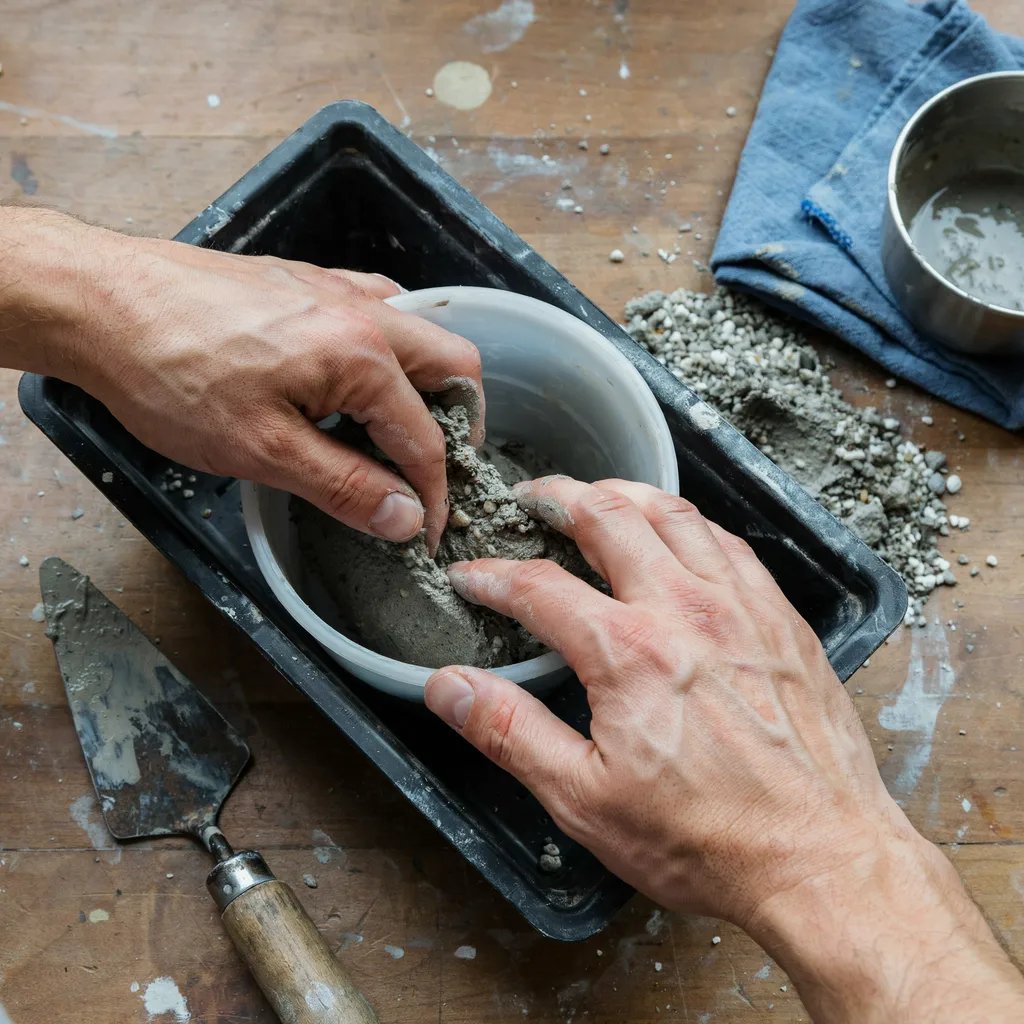
Forming the trough using a mold, genuinely common household containers work well, means using a simple mold setup, often two nested containers of different sizes creating the trough’s hollow interior, packing the prepared hypertufa mixture between them to form the desired trough shape and wall thickness.
This accessible molding approach, using readily available household containers rather than specialized equipment, makes hypertufa trough-making a genuinely achievable project without requiring specialized casting equipment beyond what most households can source easily.
Curing Slowly for Several Weeks
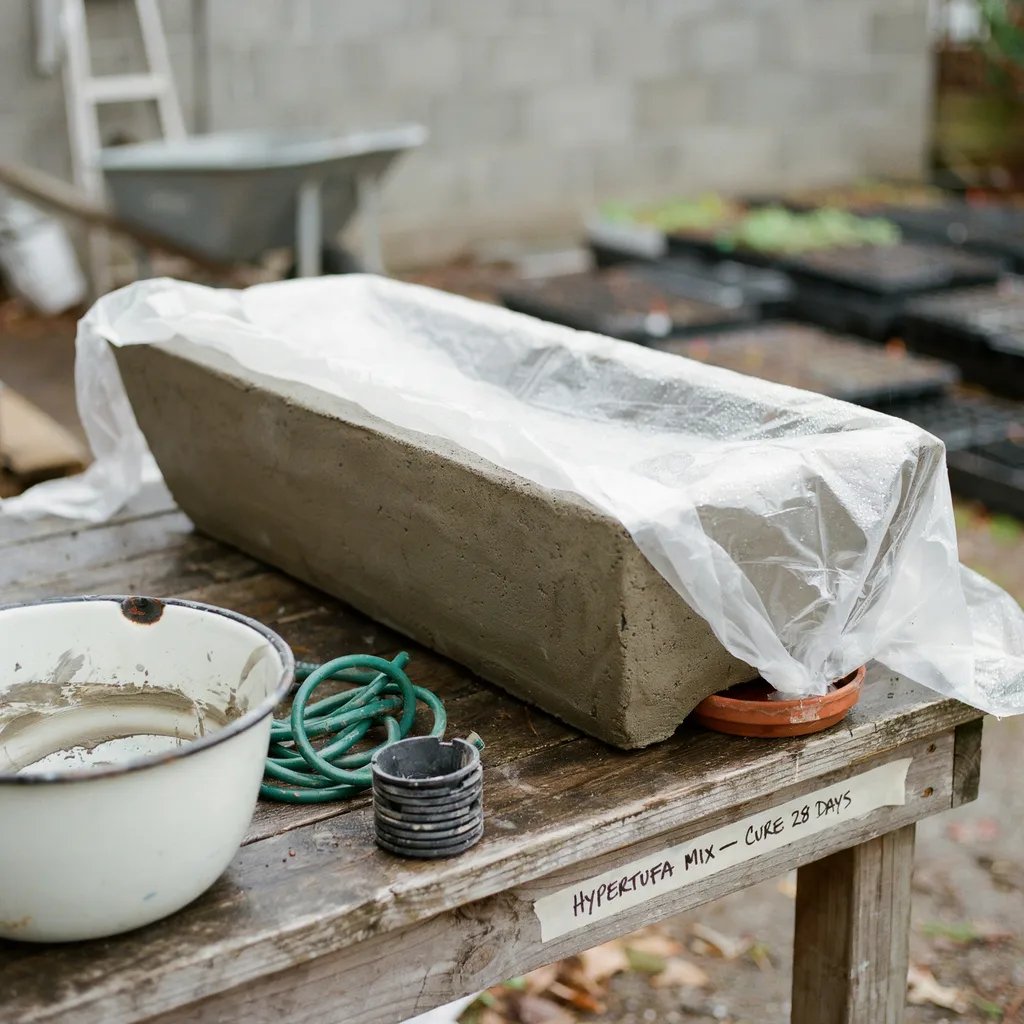
Allowing genuinely slow curing over several weeks for adequate strength means recognizing that hypertufa needs a genuinely extended curing period, not simply surface drying, to develop adequate structural strength, making patience through this multi-week process worth respecting rather than handling or using the trough prematurely before it’s genuinely cured through.
This genuine curing timeline, considerably longer than the material might appear to need based on surface dryness alone, represents a real structural requirement, making premature handling worth avoiding even when the surface seems dry and workable.
Encouraging Moss or Algae Growth to Accelerate the Naturally Aged Appearance
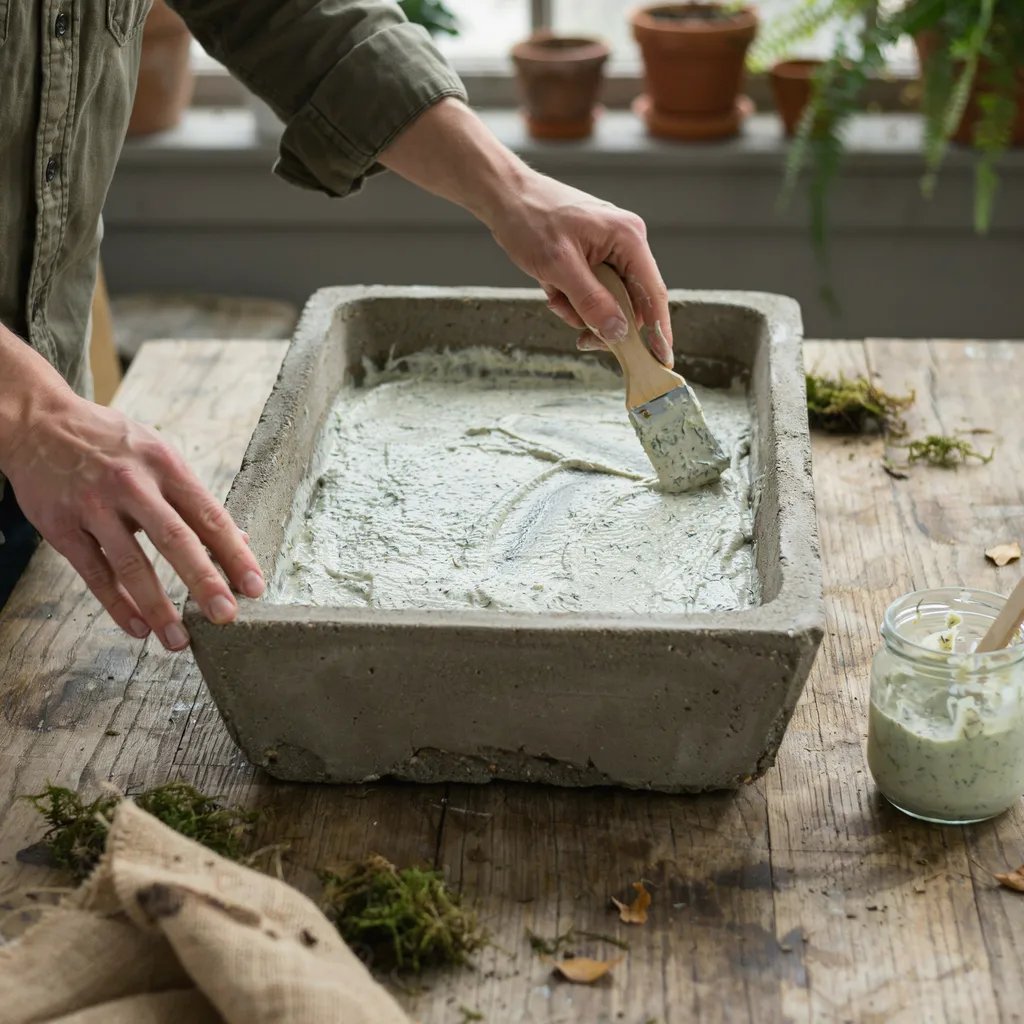
Encouraging moss or algae growth to accelerate the naturally aged appearance means applying techniques like coating the finished, cured trough with a yogurt or buttermilk mixture, which genuinely encourages faster moss and algae colonization than the trough would develop naturally on its own, accelerating the weathered, aged stone appearance this craft specifically aims to achieve.
This aging acceleration technique genuinely speeds up achieving the authentic weathered appearance, making it worth applying specifically for gardeners wanting a more immediately convincing aged look rather than waiting years for natural weathering to occur on its own.
The Bottom Line
Making a hypertufa trough planter successfully depends most fundamentally on getting the peat-to-cement-to-perlite ratio right, since this specific proportion genuinely determines whether the finished piece achieves the authentic porous, stone-like texture this craft is known for rather than simply resembling decorated concrete. Mixing to a genuinely workable consistency, forming the shape using accessible household containers as molds, allowing the full multi-week curing period for adequate strength, and encouraging moss or algae growth to accelerate the aged appearance round out an approach that produces genuinely convincing, durable garden trough planters from readily accessible materials.
Frequently Asked Questions
How Long Do Hypertufa Troughs Typically Last Outdoors Once Properly Cured?
Properly made and cured hypertufa troughs genuinely last for many years, often decades, outdoors given their durable cement-based composition, making this a genuinely long-lasting garden investment despite being made from relatively simple, accessible materials.
Can Hypertufa Troughs Be Used to Grow Plants Directly, or Do They Need a Separate Liner?
Hypertufa troughs can genuinely be planted directly, as long as adequate drainage holes were created during the molding process before the mixture cured, making drainage hole planning worth including in the initial mold design rather than attempting to add holes after curing.
Is It Necessary to Wear Protective Equipment When Working With the Cement-Based Hypertufa Mixture?
Yes, genuinely, wearing gloves and a dust mask when handling dry cement and during mixing is a reasonable safety precaution, since cement dust and the wet mixture can genuinely irritate skin and respiratory passages during the hands-on mixing and forming process.
Can Hypertufa Troughs Be Made in Sizes Larger Than What Typical Household Containers Would Allow for Molding?
Yes, genuinely, larger custom molds can be built specifically for bigger trough projects, using plywood or similar materials to construct a mold of whatever size is desired, though this does require somewhat more mold-building effort than simply using existing household containers.
Does the Specific Type of Peat Moss Used Genuinely Affect the Final Hypertufa Texture?
Peat moss texture does vary somewhat between products, with finer peat generally producing a smoother overall texture and coarser peat contributing to a rougher, more pronounced porous appearance, making peat selection worth considering based on desired final texture preference.
Can Hypertufa Troughs Be Colored or Tinted to Achieve a Different Aged Stone Appearance Than the Natural Gray?
Yes, genuinely, cement-compatible pigments can be added to the dry mix before water addition to achieve different base colors, offering some creative flexibility beyond the natural gray tone hypertufa typically produces without any added coloring agent.