
Hydrangea Landscaping Ideas for a Colorful Backyard

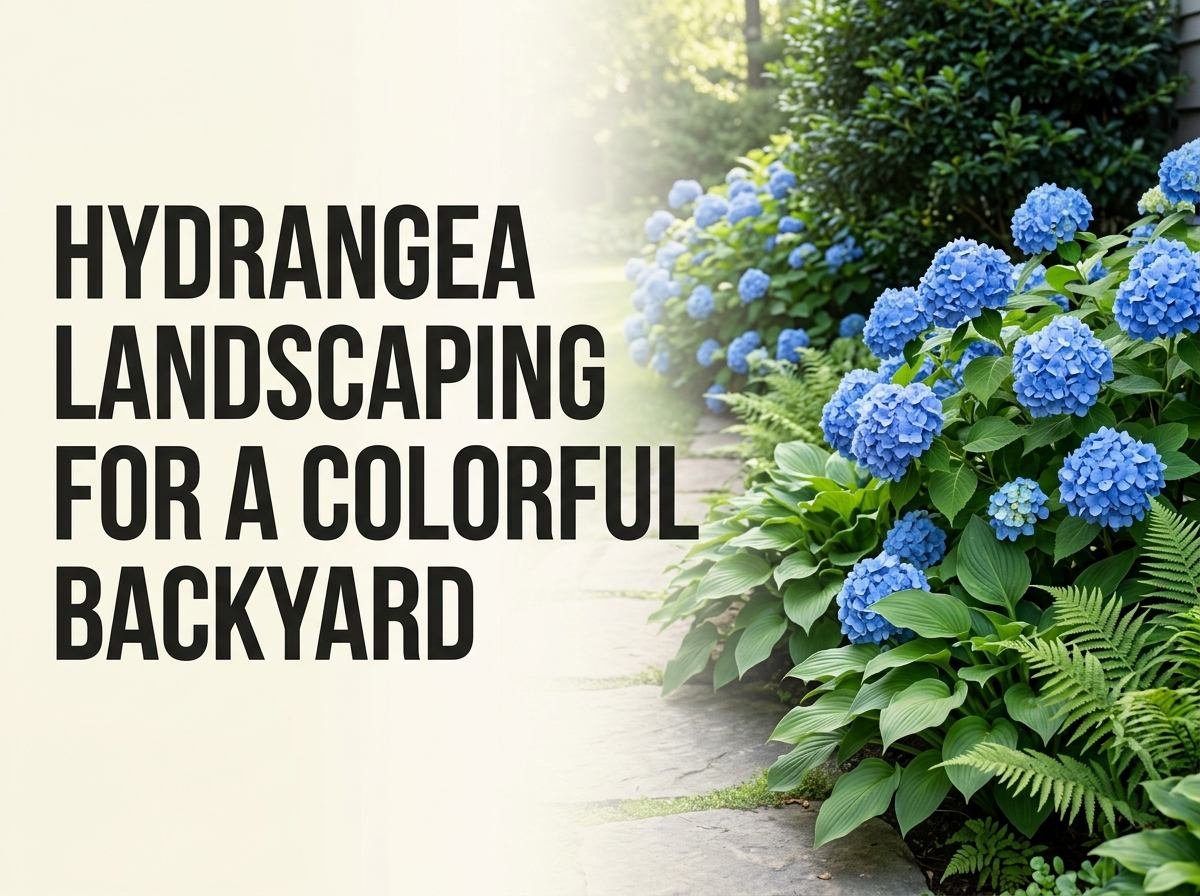
The key to hydrangea landscaping is matching variety to placement first: bigleaf hydrangeas (Hydrangea macrophylla) want morning sun and afternoon shade, panicle hydrangeas tolerate full sun and work as focal specimens, and oakleaf varieties handle the most shade of the three. Getting this placement wrong is the most common reason hydrangeas underperform or refuse to bloom, regardless of soil amendments or fertilizer. Once placement is right, color coordination (particularly with bigleaf varieties, whose blue-to-pink color shifts with soil pH) and companion planting are what actually pull a cohesive backyard design together.
Matching Hydrangea Variety to Yard Location

Bigleaf hydrangeas (Hydrangea macrophylla), the classic mophead and lacecap types, perform best with morning sun and dappled or full afternoon shade, since intense afternoon sun causes visible leaf wilting and scorched flower heads by midsummer in most climates. Panicle hydrangeas (Hydrangea paniculata), including popular cultivars like ‘Limelight’ and ‘Little Lime,’ are the most sun-tolerant type and genuinely thrive in 6+ hours of direct sun daily, making them the right choice for open, sunny backyard areas where bigleaf types would struggle. Oakleaf hydrangeas (Hydrangea quercifolia) tolerate the deepest shade of the common varieties and are the best choice for planting under high tree canopies or along the north side of a house, with the added benefit of genuine burgundy-red fall foliage color that other hydrangea types don’t provide. Smooth hydrangeas (Hydrangea arborescens), including the popular ‘Annabelle’ cultivar, sit in between, tolerating more sun than bigleaf types but still benefiting from afternoon shade in hot southern climates.
Key takeaway: Match the variety to your yard’s actual sun pattern rather than picking a hydrangea for its flower color and hoping the location works out.
Understanding and Controlling Bloom Color

Only bigleaf hydrangeas (and to a lesser extent, mountain hydrangeas) change color based on soil pH and aluminum availability; panicle, oakleaf, and smooth hydrangeas bloom white or green regardless of soil chemistry, so don’t expect a ‘Limelight’ panicle hydrangea to turn pink or blue no matter what you add to the soil. For blue blooms, soil pH needs to sit below 6.0, allowing aluminum already present in most soils to become available to the plant; adding aluminum sulfate at the rate specified on the product (typically applied in early spring and again in fall) accelerates this shift over one to two growing seasons. For pink blooms, raise soil pH above 7.0 using garden lime, which locks up aluminum and prevents the plant from absorbing it, resulting in pink pigmentation instead. White bigleaf varieties like ‘Endless Summer White’ don’t shift color at all regardless of soil pH, since their pigmentation isn’t pH-responsive the way blue and pink varieties are.
Key takeaway: Test soil pH before attempting to change hydrangea color, since amendments only work within the plant’s genetic capacity, and white varieties won’t shift no matter what’s added.
Coordinating Hydrangea Colors With Your Overall Backyard Palette

For a cohesive look, group hydrangeas of the same color together in drifts of three or more rather than scattering single plants of different colors throughout the yard, since a mixed jumble of blue, pink, and white reads as chaotic rather than intentional from a distance. Blue and purple hydrangeas pair naturally with silver-foliage plants like artemisia or lamb’s ear, which cool-tone their surroundings and make the blue read more vividly by contrast. Pink hydrangeas work well against darker green backdrops, like boxwood or yew hedging, which makes the pink blooms pop rather than blending into lighter green foliage nearby. White hydrangeas, particularly panicle varieties, function as a neutral bridge color in a mixed border, softening transitions between bolder colors elsewhere in the yard like red roses or orange daylilies.
Key takeaway: Plant in same-color drifts of three or more rather than mixing colors plant-by-plant, since repetition reads as intentional design while single scattered specimens read as random.
Companion Plants That Complement Hydrangea Structure

Hostas share hydrangeas’ preference for partial shade and moist soil, and their broad, often variegated leaves provide textural contrast against hydrangea’s rounder flower heads, making this one of the most reliable pairings for shaded borders. Astilbe’s feathery, upright flower plumes in shades of pink, red, and white bloom in early-to-mid summer, often overlapping with hydrangea bloom time, and its fine-textured foliage contrasts nicely with hydrangea’s broader leaves. Ferns, particularly Japanese painted fern or ostrich fern, fill in the lower layer beneath taller hydrangea shrubs and thrive in the same consistently moist, shaded conditions. For sunnier panicle hydrangea plantings, ornamental grasses like Karl Foerster feather reed grass add vertical movement and textural contrast that pure shrub plantings lack on their own.
Key takeaway: Choose companions with contrasting leaf shape and texture (broad hosta leaves, feathery astilbe, fine fern fronds) rather than plants that visually compete with hydrangea’s own rounded form.
Using Hydrangeas as Structural Landscape Elements

Panicle hydrangeas, which can reach 6 to 8 feet tall and wide, work effectively as an informal flowering hedge along a property line or to screen a utility area, planted at 4 to 5 foot spacing for a solid visual barrier within two to three growing seasons. Smaller bigleaf and dwarf panicle cultivars (like ‘Bobo,’ which stays around 2.5 to 3 feet) suit foundation plantings along a house, softening hard architectural lines without eventually overwhelming windows the way larger varieties would. A single specimen oakleaf hydrangea, given room to reach its mature 6 to 8 foot spread, makes a strong focal point at the end of a garden path or where a bed curves, since its multi-season interest (spring blooms, fall foliage color, and peeling winter bark) keeps it visually relevant well past the flowering window.
Key takeaway: Match hydrangea variety to landscape function first (hedge, foundation planting, or specimen) and let flower color be a secondary consideration within that choice.
Comparing Hydrangea Types for Landscape Use

| Type | Sun Needs | Mature Size | Color-Changing | Best Landscape Role |
|---|---|---|---|---|
| Bigleaf (macrophylla) | Morning sun/afternoon shade | 3-6 ft | Yes (blue/pink) | Borders, mixed beds |
| Panicle (paniculata) | Full sun tolerant | 4-8 ft | No | Hedges, specimens |
| Oakleaf (quercifolia) | Part shade to full shade | 4-8 ft | No | Woodland edges, focal points |
| Smooth (arborescens) | Part sun | 3-5 ft | No | Mass plantings, borders |
Seasonal Layout Planning for Continuous Color

Since most hydrangea varieties bloom from early summer through early fall, pair them with spring-blooming bulbs like daffodils or early tulips planted at the front of the same bed, which provide color before hydrangea foliage fully leafs out and hides the fading bulb foliage afterward. For late-season interest after hydrangea blooms fade (many varieties, especially panicle types, actually hold attractive dried flower heads well into winter rather than dropping them), consider leaving spent blooms in place rather than deadheading, since they provide structural winter interest and can be dried for indoor arrangements. Underplanting with spring-blooming groundcovers like creeping phlox or lamium fills the bed’s lower layer with color while hydrangeas are still leafing out in April and May.
Key takeaway: Leave spent panicle hydrangea blooms through winter rather than cutting them back in fall, since their dried flower heads provide structure and interest through the coldest months.
The Bottom Line
Successful hydrangea landscaping starts with matching the right variety to your yard’s actual light conditions, not choosing based on flower color alone and hoping placement works out. From there, grouping same-color varieties in drifts, pairing them with texturally contrasting companions like hostas and ferns, and using the right type for hedging versus specimen roles turns individual shrubs into a genuinely cohesive backyard design. Color-changing bigleaf varieties add a fun, controllable element through soil pH, but panicle and oakleaf types offer their own structural and seasonal advantages that shouldn’t be overlooked in favor of color alone.
Frequently Asked Questions
Which hydrangea variety is best for a sunny backyard with little shade? Panicle hydrangeas (Hydrangea paniculata) are the most sun-tolerant type and perform well with 6 or more hours of direct sun daily, unlike bigleaf varieties which scorch in intense afternoon sun. Popular sun-tolerant cultivars include ‘Limelight,’ ‘Little Lime,’ and ‘Fire Light.’
Can I have both blue and pink hydrangeas in the same yard? Yes, but they need separate soil treatment since pH determines bloom color for bigleaf varieties, and adjacent plants sharing the same soil bed will tend toward the same color over time. Growing color variants in separate beds or large containers with individually controlled soil pH is the most reliable way to maintain both colors.
Why isn’t my hydrangea blooming even though the plant looks healthy? The most common cause is pruning at the wrong time, since many bigleaf and oakleaf varieties bloom on old wood and lose next season’s flower buds if pruned in fall or winter. Too much shade or a late spring frost damaging emerging buds are the other frequent culprits.
How far apart should I space hydrangeas in a mixed border? Spacing depends on mature size: smaller bigleaf varieties need about 3 feet, while larger panicle and oakleaf types need 5 to 6 feet to reach full mature spread without crowding. Planting slightly closer for an immediate fuller look is possible but requires more frequent pruning to prevent overcrowding within a few years.
Do hydrangeas need a lot of water once established? Yes, relatively speaking, hydrangeas (the name itself references their water needs) require consistently moist soil and will wilt visibly during dry spells more readily than many other flowering shrubs. Mulching 2 to 3 inches deep around the base helps retain soil moisture and reduces watering frequency significantly.
What companion plants work best with white hydrangeas? White hydrangeas pair well with plants that pick up secondary colors in the surrounding bed, like blue salvia, purple coneflower, or pink astilbe, since white acts as a neutral that doesn’t compete with other bloom colors. Silver or gray foliage plants like dusty miller also complement white blooms nicely by echoing the cool tone.